Managing US-China relations in the Middle East among common and conflicting interests
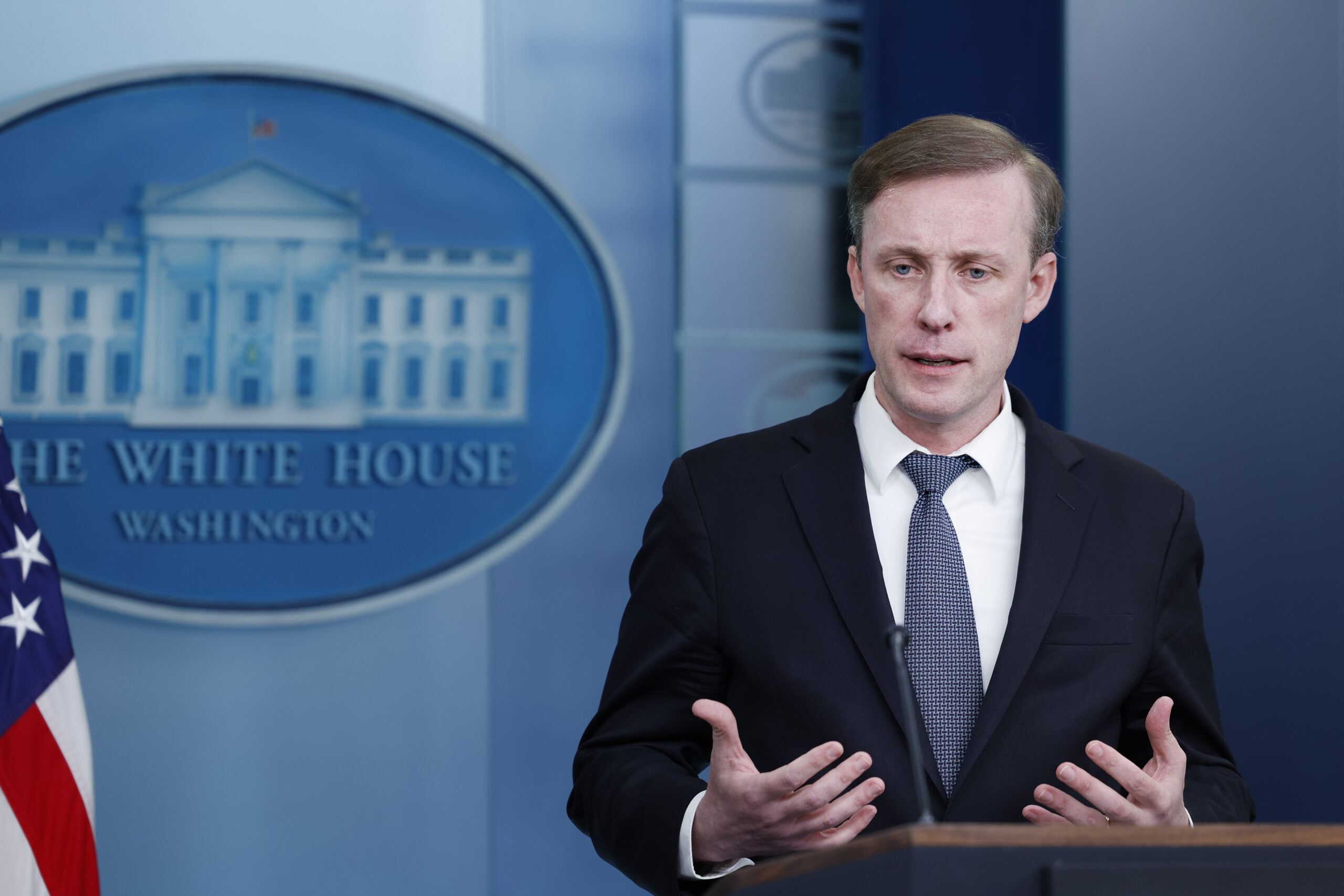
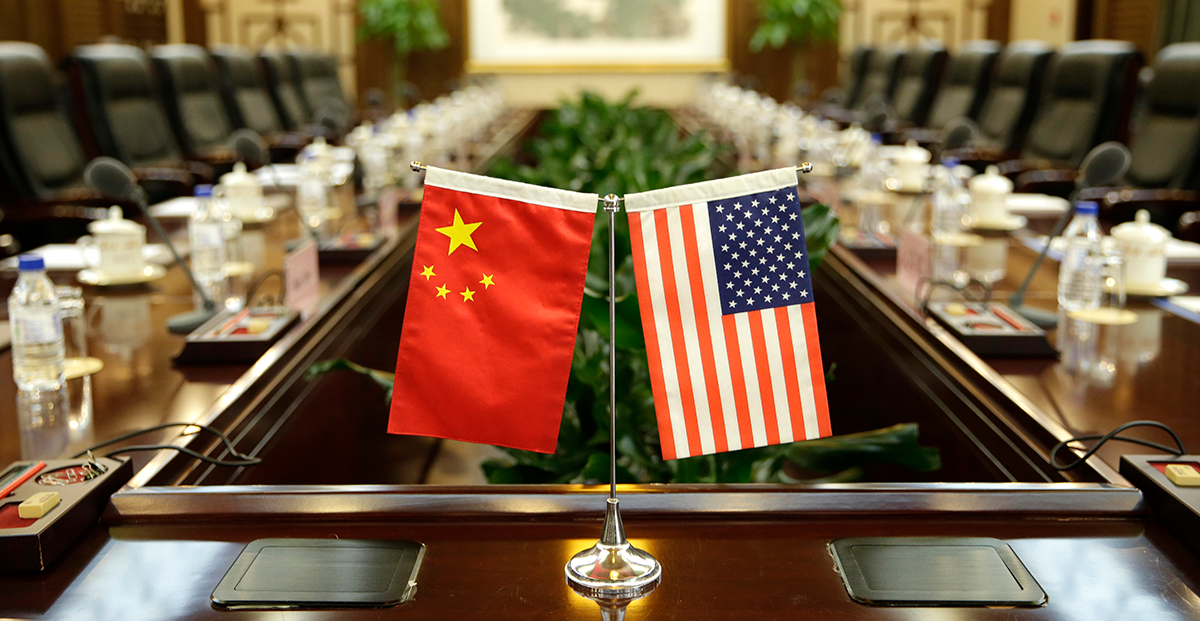
The Biden administration has been trying to diplomatically reengage with China, although so far with little response from Beijing. Any broad reengagement would necessarily include reengagement in the Middle East and North Africa. Both sides have a long list of common interests in the Middle East; the areas where their interests diverge relate mainly to suspicions of the other side’s long-term strategy and global ambitions. How can Washington and Beijing build on common interests in the region while addressing their long-term concerns, reducing some of them and accommodating robust competition or even sharp adversarial attitudes in other areas?
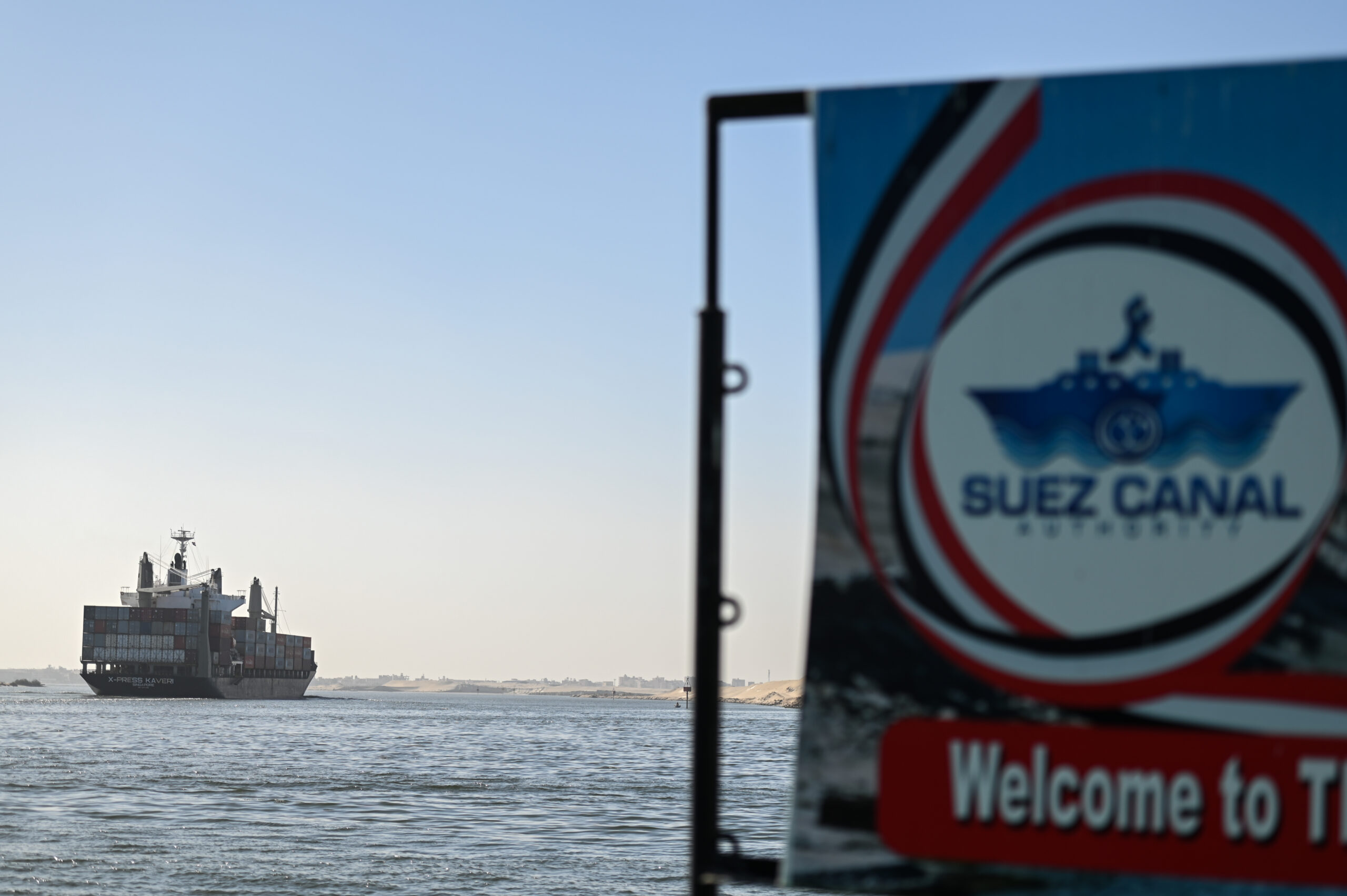
Over the last two decades, the Mediterranean has become an important region. Many scholars, policymakers and analysts have mostly referred to this region from a nexus of security, geopolitics and traditional energy politics. With the war in Ukraine, the relevance of this whole region has increased along the same line. The Mediterranean today is home to some of the most enduring conflicts in the world. New energy resources are being discovered in disputed areas in an environment of intense geopolitical competition over regional leadership and energy routes within and beyond the region.
Decarbonization and Political Transformation in Iraq: The Impact on Politics, Society and Regional Relations
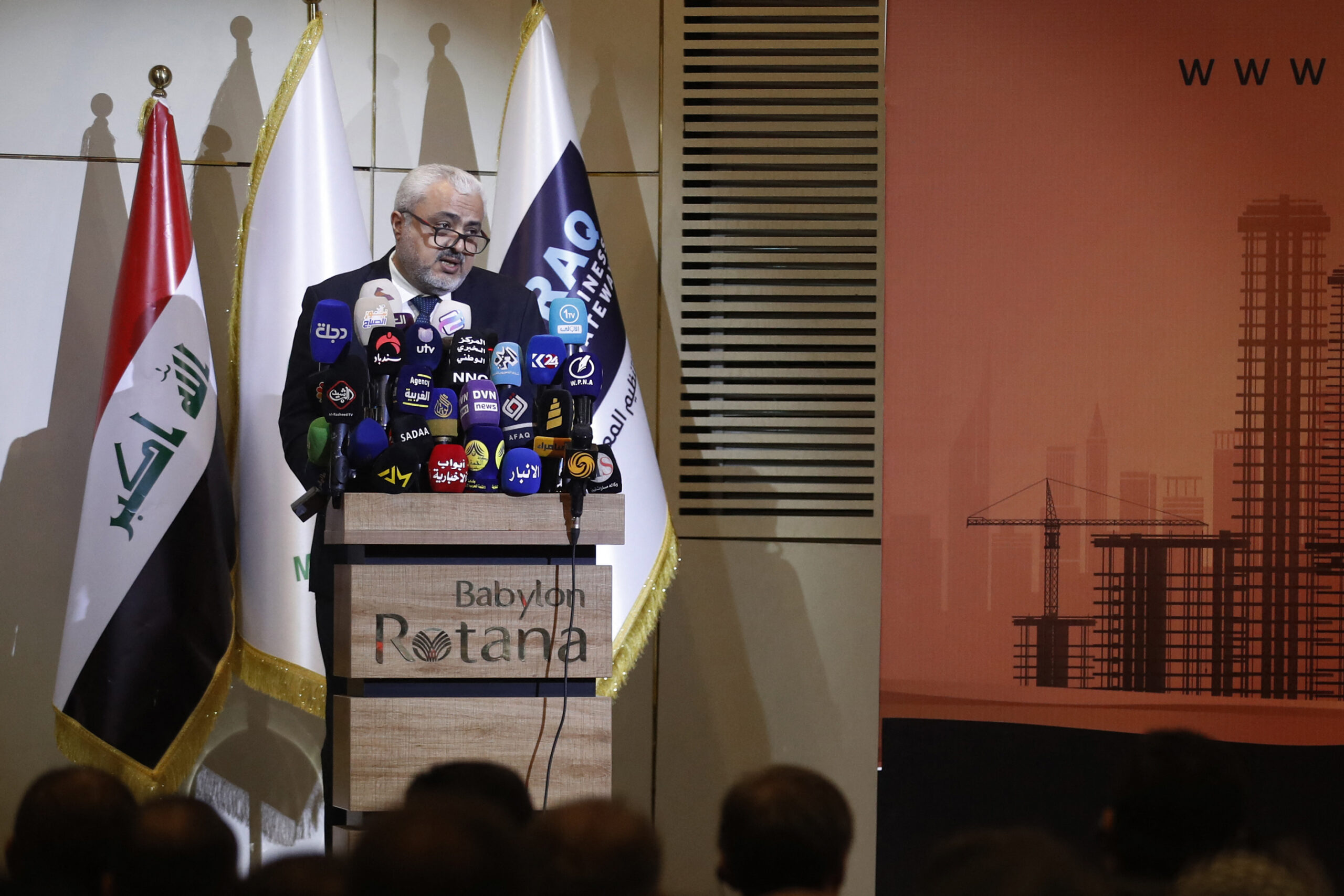
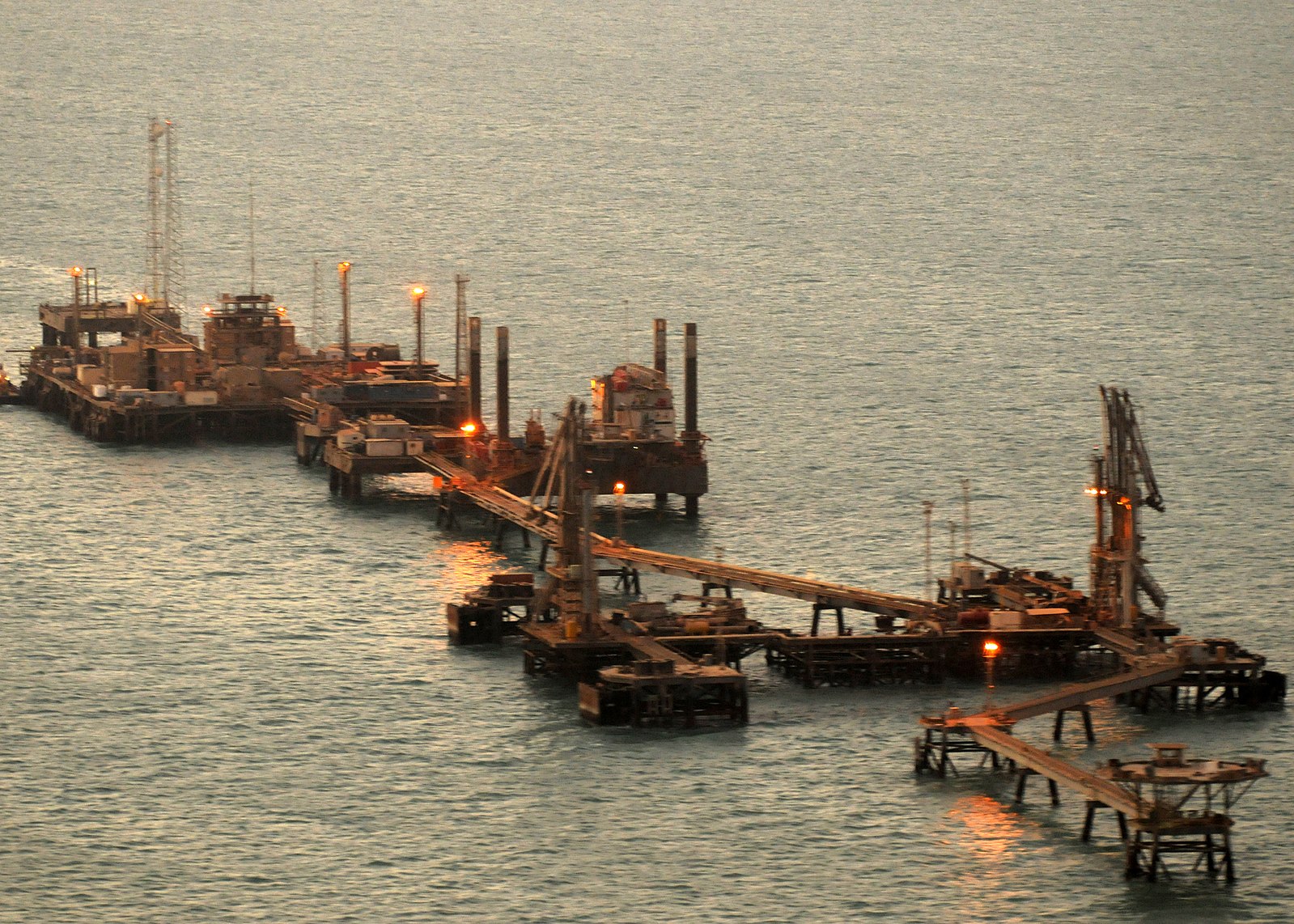
What happens when a petrostate loses its oil rents? While the oil market continues to go through boom-and-bust cycles, cases such as Iraq provide evidence of how the rapid loss of oil revenues—traumatic decarbonization—may affect the politics and stability of these petrostates. In Iraq, multiple shocks to oil revenues from 2014 through 2020 fundamentally altered the organization and concentration of political power in Iraq with destabilizing and democratic consequences.