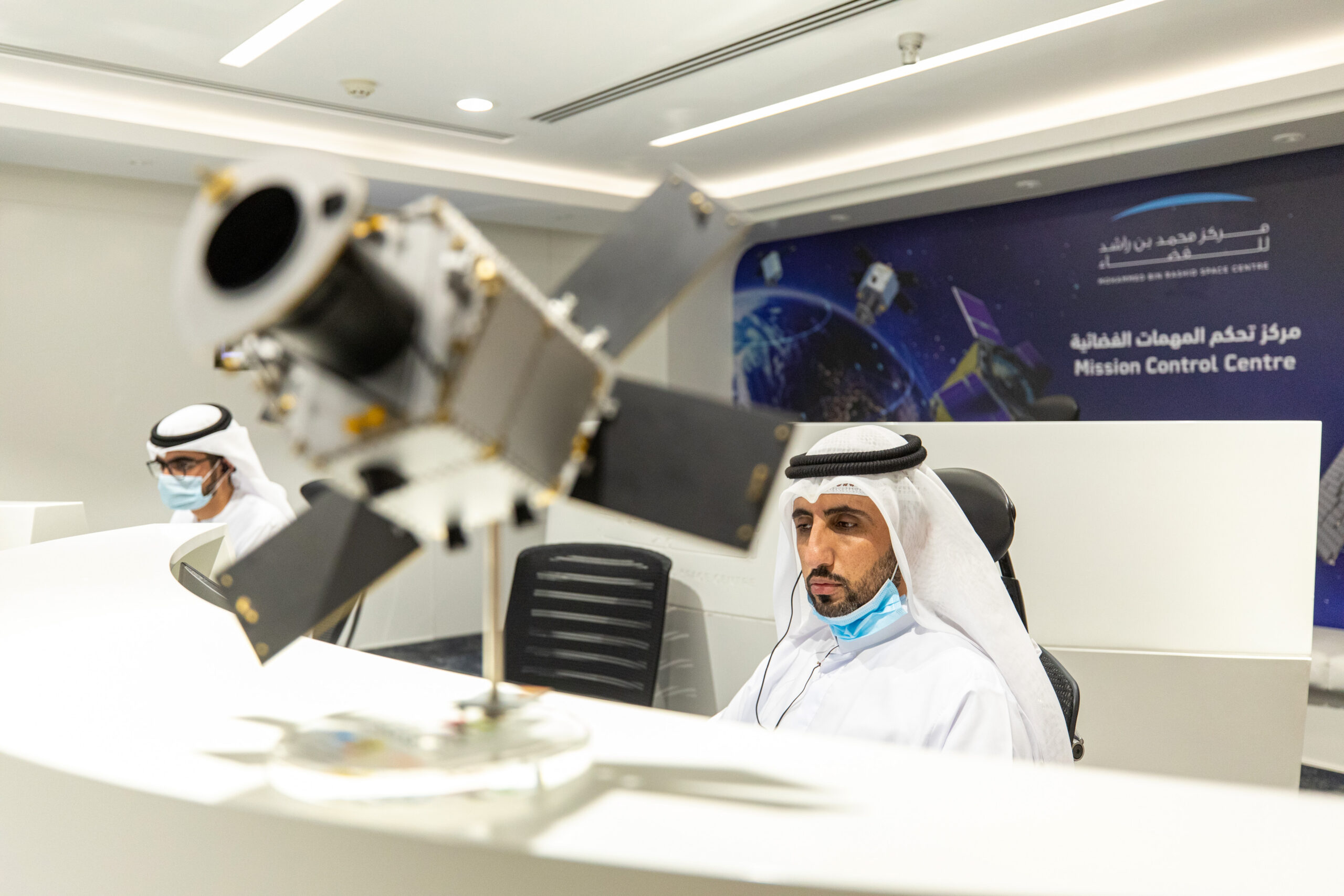
في الشرق الأوسط، تسعى دول الخليج - من خلال العمل المشترك أو بشكل فردي - إلى تحقيق إنجازات علمية وتجارية جديدة في مختلف مجالات صناعة الفضاء. وترتبط هذه الطموحات بآثار جيوسياسية كبيرة، حيث يتفاوض عدد متزايد من الدول الفضائية حول قطاع حساس وذو قوة متزايدة.
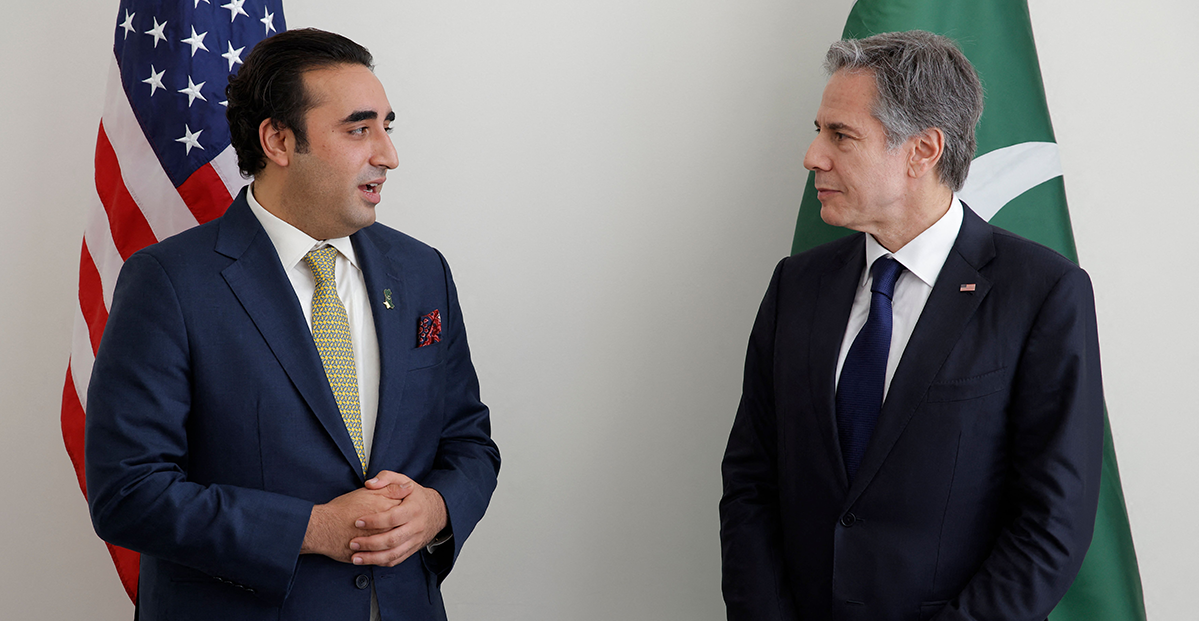
The multipolar moment has arrived in Pakistan’s backyard. Like China and India, Pakistan too is attempting its own geopolitical rebalancing. It seeks to revive ties with the United States and other Western countries. This pivot to the West comes after an earlier one to the East that began more than a decade ago. But, like the previous pivot, Pakistan’s efforts to rekindle ties with the West are unlikely to succeed unless it embraces the imperatives of economic reform and political stability.
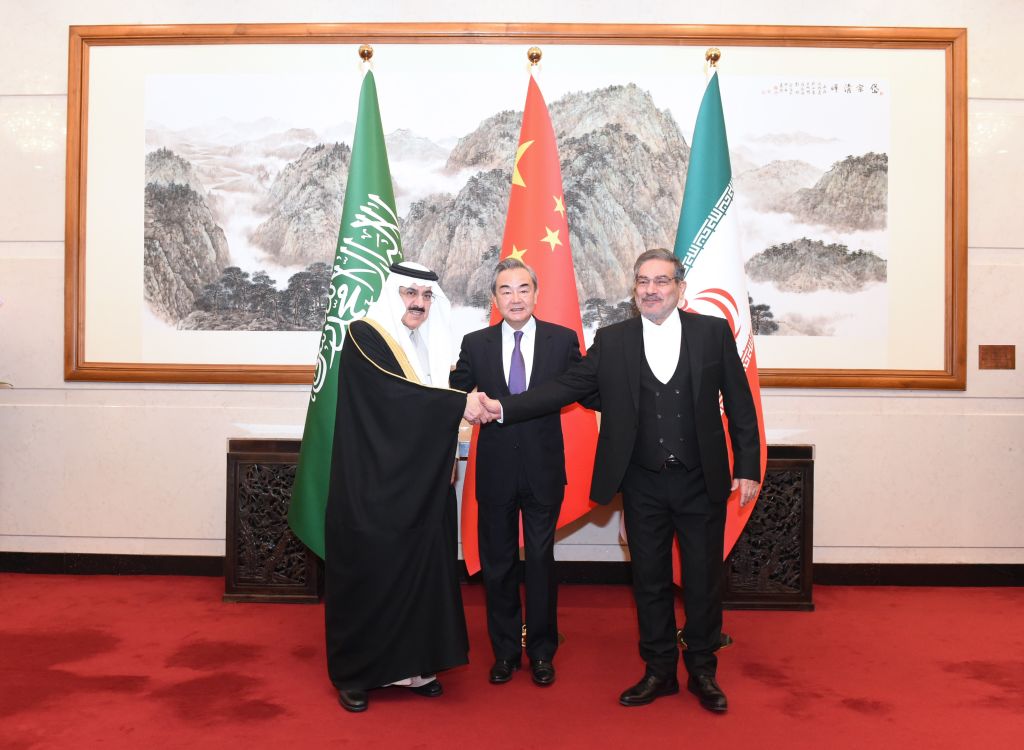
Unexpected beneficiary: The implications of the China-brokered Saudi-Iran deal for Pakistan
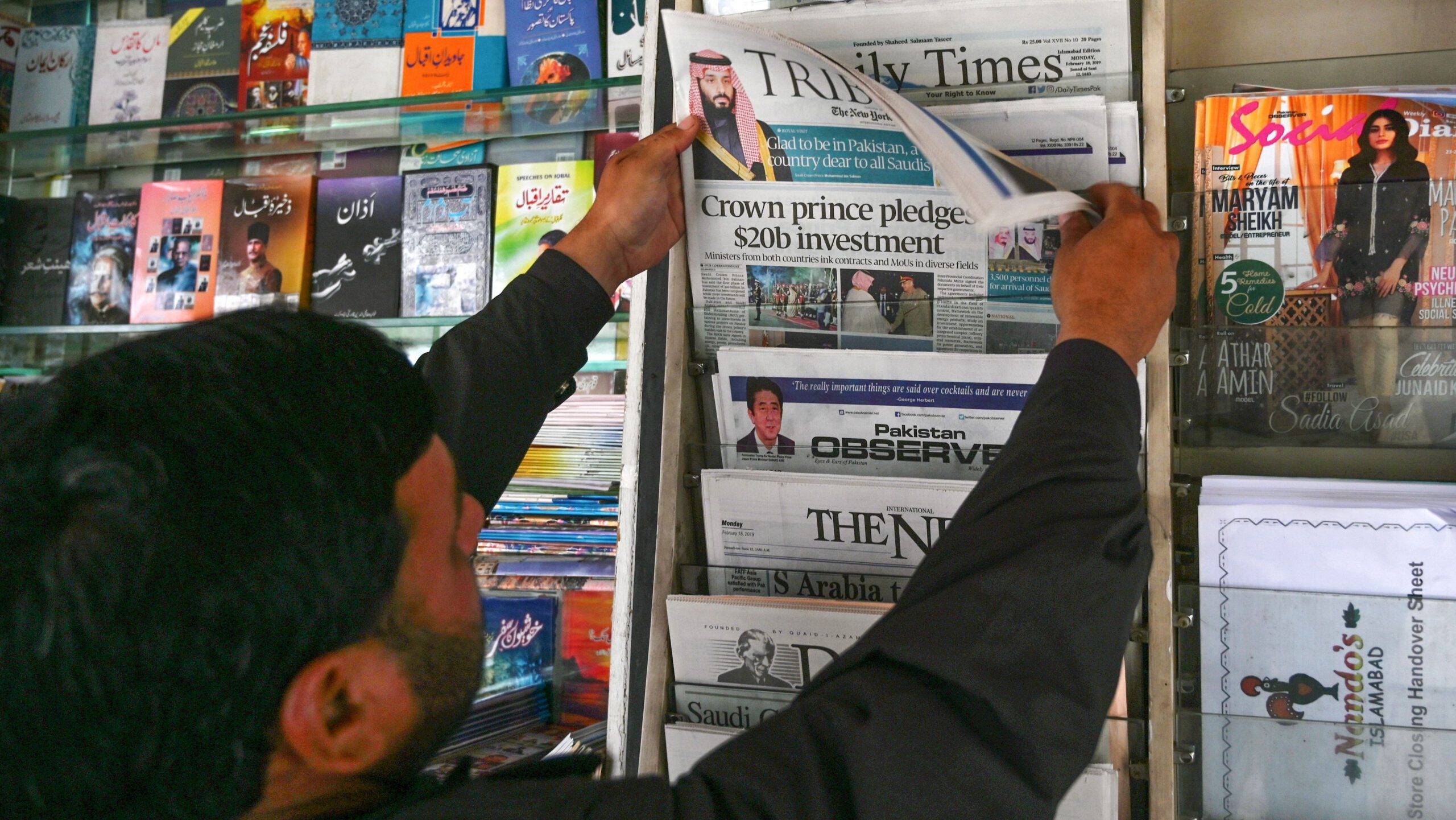
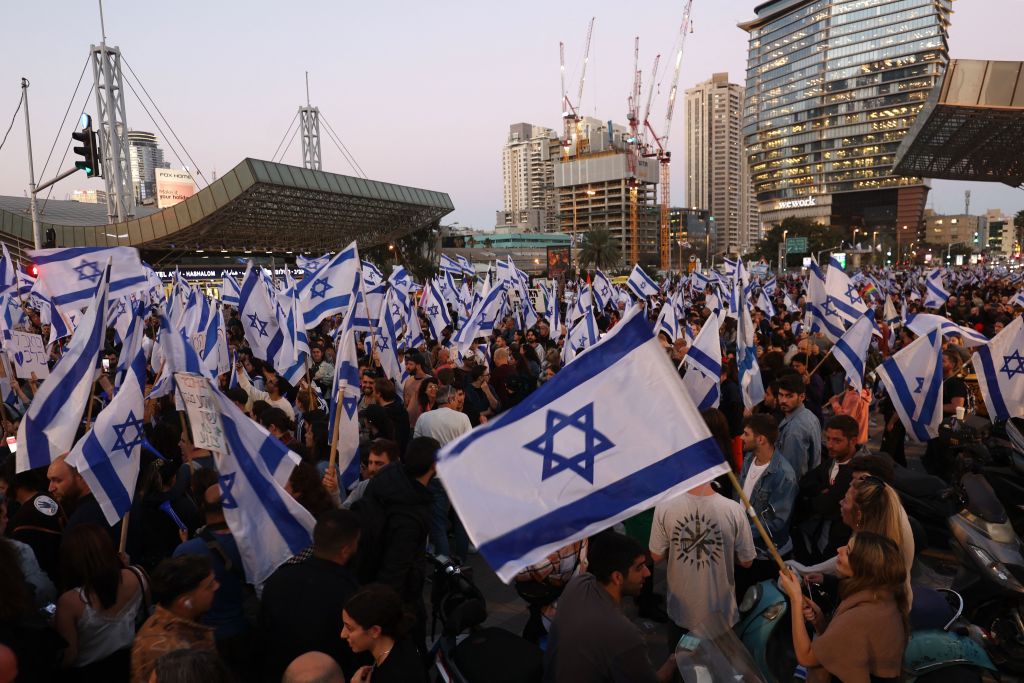
The implications of the apparent rapprochement between Saudi Arabia and Iran are likely to have significant consequences for vital neighboring regions like South Asia and other populous Muslim countries, including, notably, Pakistan.
Missed opportunities: The billions sacrificed annually to generate electricity in the GCC
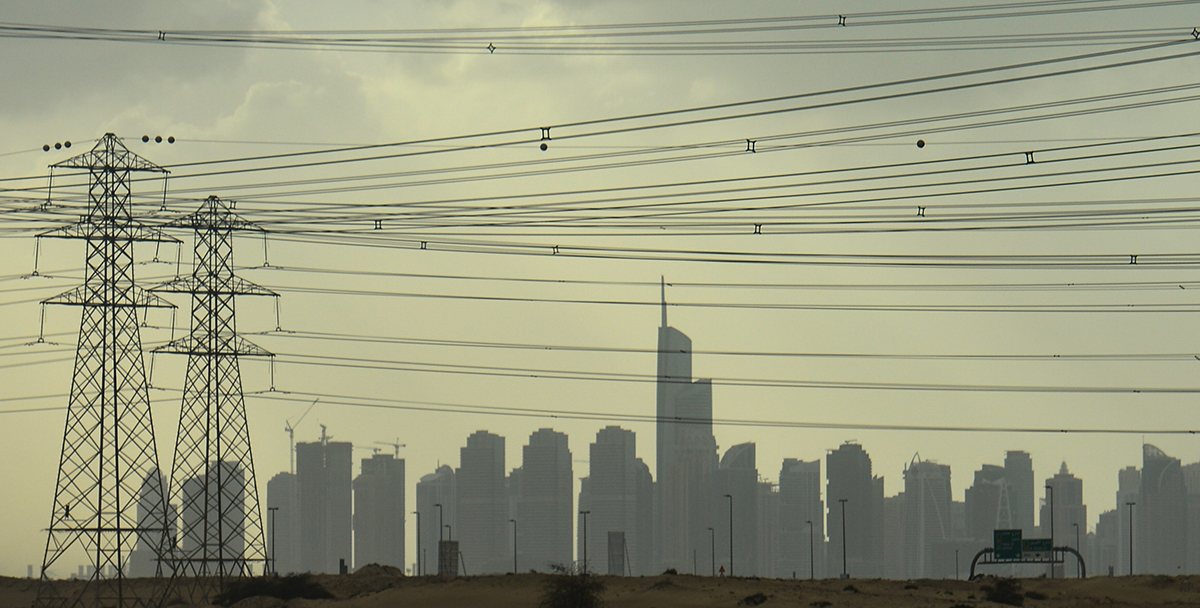
The GCC governments still cover over 40% of the cost of domestic electricity production. Yet, electricity subsidy bills alone do not reflect the full extent of their economic losses. Once the forgone revenues from the export of natural gas and oil used to meet rising domestic energy demand are added in, the total economic cost of the GCC’s electricity is too great to ignore.
Pakistan’s democratic dilemma at the edge of a political precipice
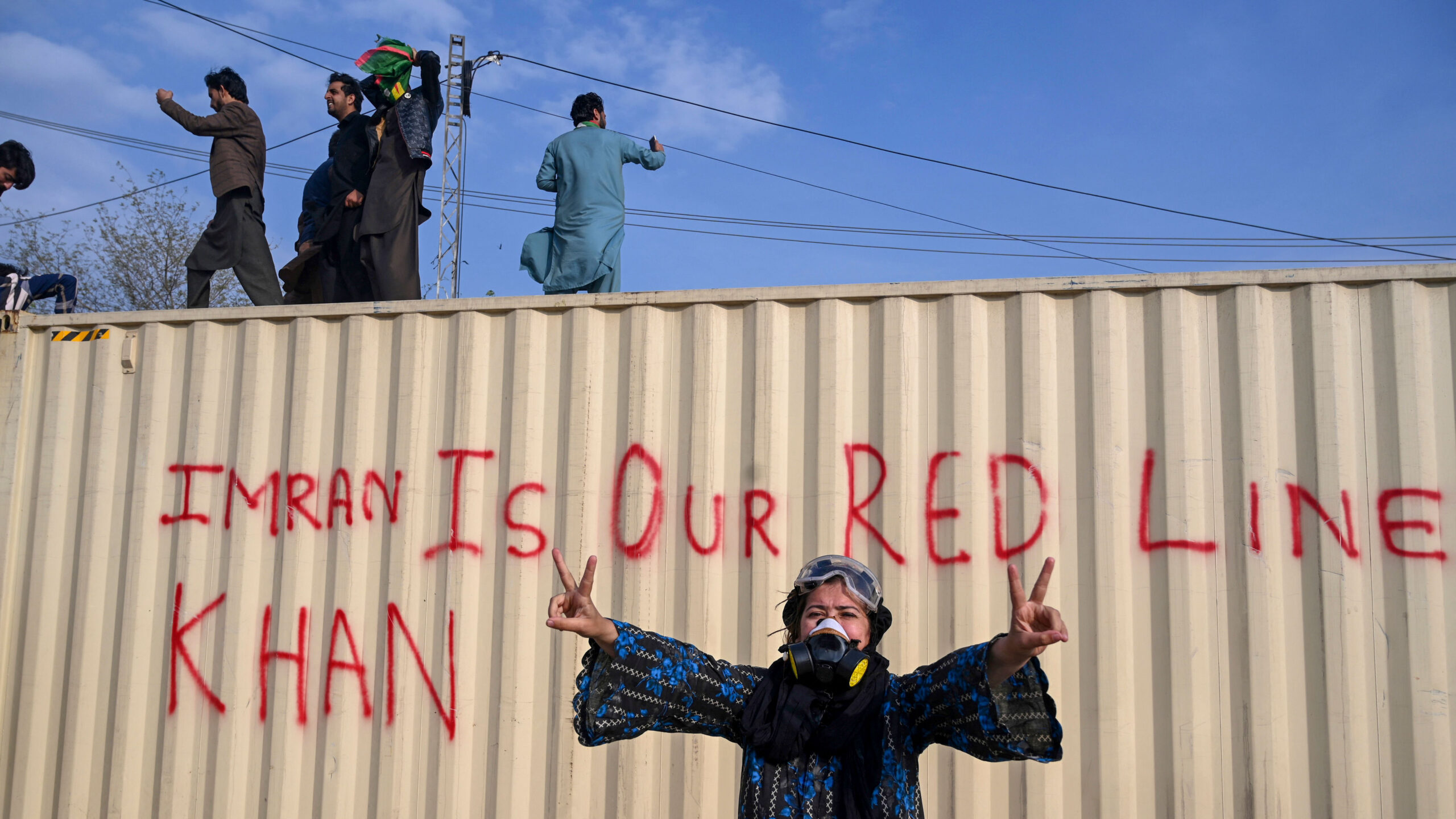
The ongoing conflict in Pakistan between Imran Khan’s Pakistan Tehreek-e-Insaf (PTI) and Prime Minister Shehbaz Sharif’s coalition government has escalated to new heights, widened the political chasm even more, and multiplied social fragmentation in the face of public hostility to state institutions. It has also increased the likelihood of anarchy and civil war.
Expert Views: Opportunities to enhance water security in MENA
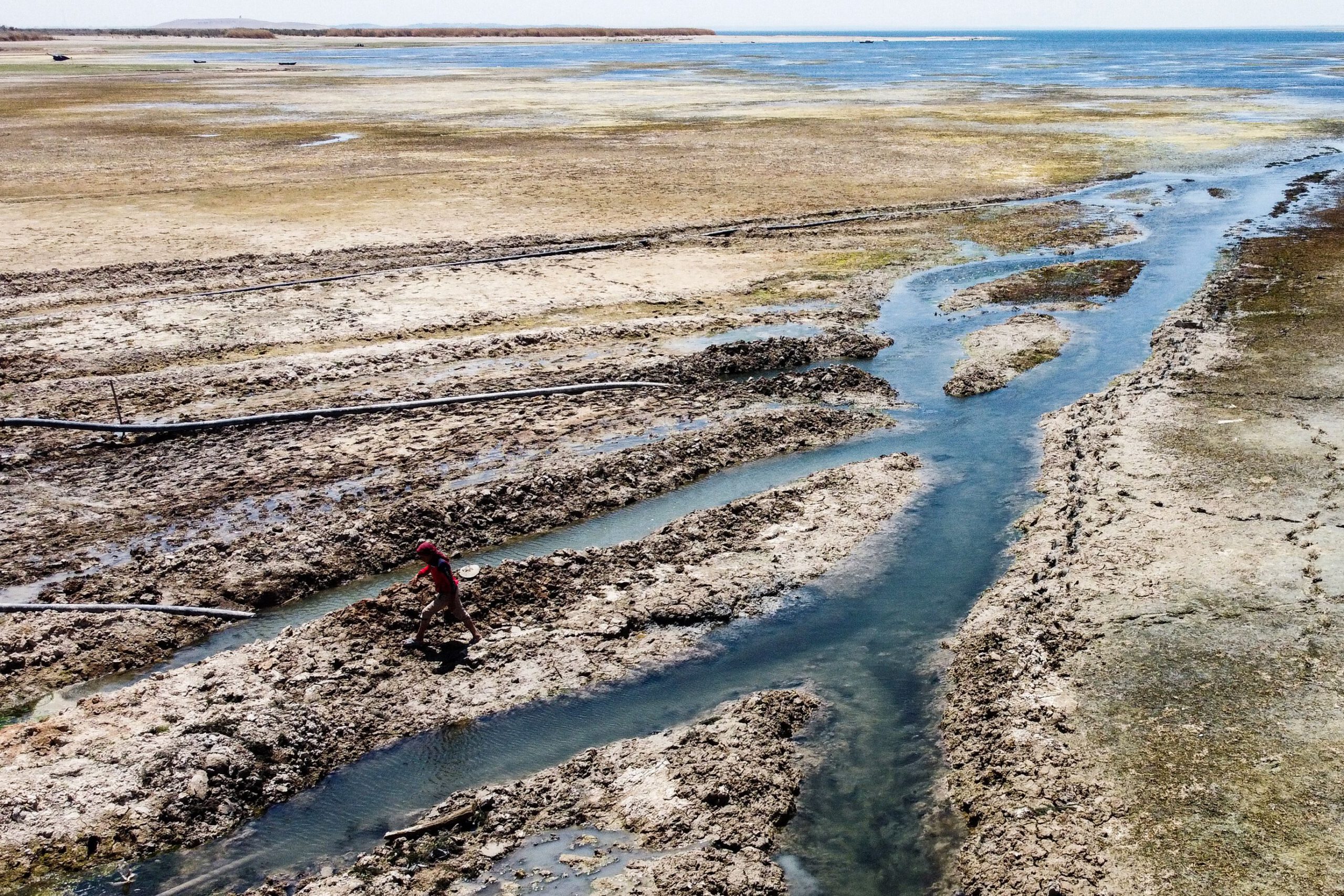
Water resources are a key component of global sustainability, especially in light of the mounting environmental challenges posed by climate change. We asked some of MEI’s Climate and Water Program scholars to share their perspective on strategies and opportunities that could most readily alleviate the region’s water security concerns.
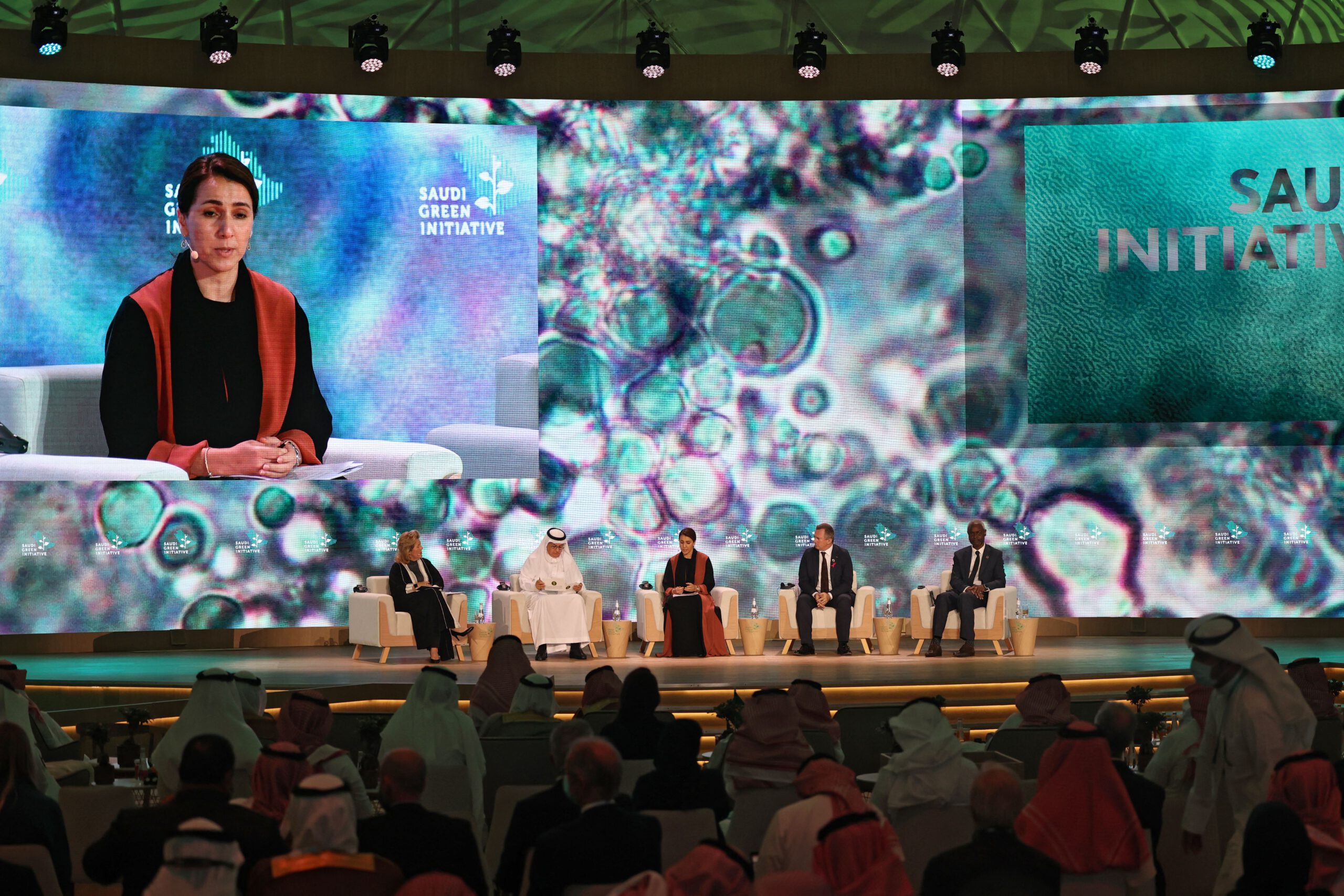
The Gulf Arab states, while major oil and gas producers, can play a significant role in supporting global efforts to achieve net-zero goals. They are not only endowed with great potential for renewable energy resources as well as some of the world’s lowest carbon content fuels, but also with, to varying extents, sizable financial resources. Yet, to unlock such huge potential, the Gulf Arab states will need to systematically identify and address the various challenges in their path to net zero.
Climate-induced migration in the GCC states: A looming challenge
Gulf states are collectively investing billions of dollars in developing renewable energy. Yet climate change patterns in neighboring regions, combined with rising average temperatures, could eventually trigger more serious climate migration problems for the Gulf countries themselves.