Rouhani under Pressure to Do More for Opposition Figure's Release
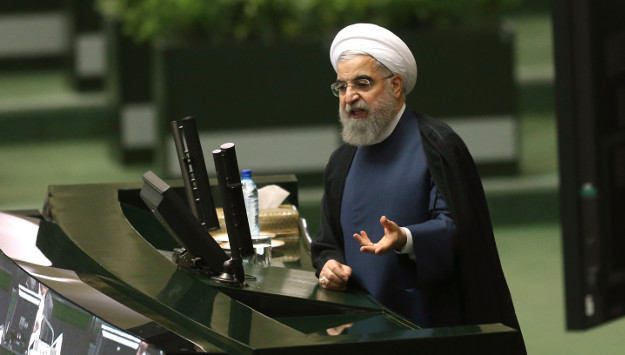
As President Hassan Rouhani is readying for reelection next May, he has come under growing pressure from his reformist supporters to improve the human rights situation in the country.
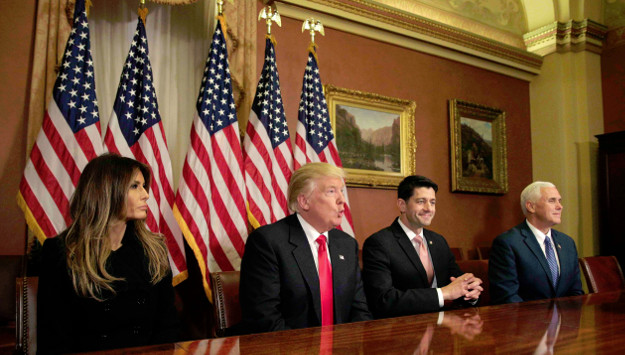
Iranians Divided over Impact of Trump’s Victory on Iran-US Relations
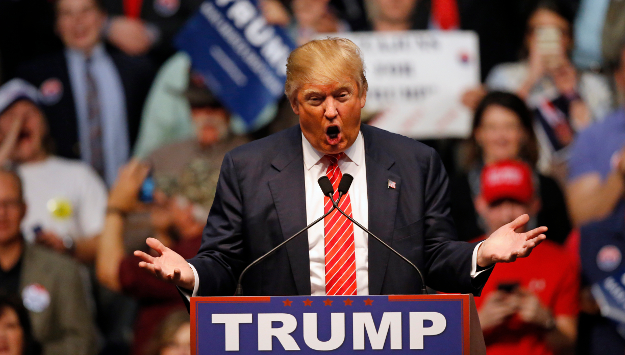
Iranian officials and media have reacted to Donald Trump’s election victory with a mixture of cautious optimism and alarm.
During the final stages of US presidential election, Iran’s Supreme Leader Ali Khamenei and leaders of the Islamic Revolution Guards Corps (IRGC) had implicitly supported Trump over Hillary Clinton. With Trump’s victory, they now hope that his pro-Moscow and anti-Saudi Arabia rhetoric translates into policy to favor Iran’s interests in Syria and the broader region.
News of Trump’s Secretary of State Nominees Sends Shockwaves Across Iran
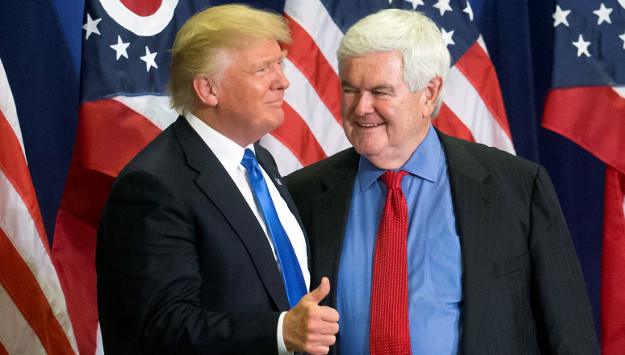
On November 10, a number of US news outlets reported that President-elect Donald Trump was considering his top campaign surrogates for top cabinet positions.
Briefing: Middle East Reactions to the U.S. Election
In this special edition of our weekly briefing, MEI experts Paul Salem, Robert S. Ford, Eran Etzion, Gonul Tol, Alex Vatanka, and Gerald Feierstein provide analysis on the impact of Donald Trump’s victory in the U.S. Presidential Election on the future of Middle East policy, its particular effect on the crises in Iraq and Syria, and how the news has been received across the region, including in Turkey, Iran, and the GCC.
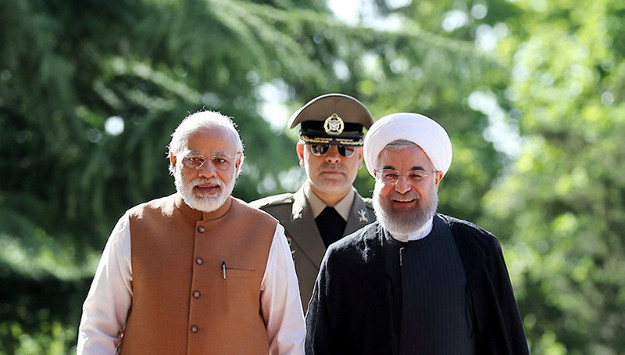
The last few weeks has seen a flurry of important announcements in Iranian-Indian relations. It is usually the commercial transactions that capture most of the headlines, but the potential for closer ties between these two states runs much deeper.
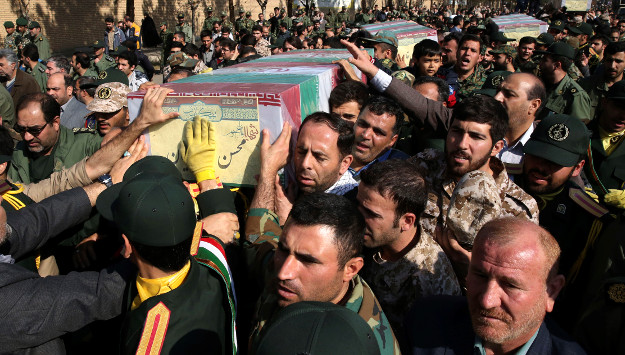
Suleimani's Role in Iraq Raises Fear of Sectarianism after Islamic State's Ouster from Mosul
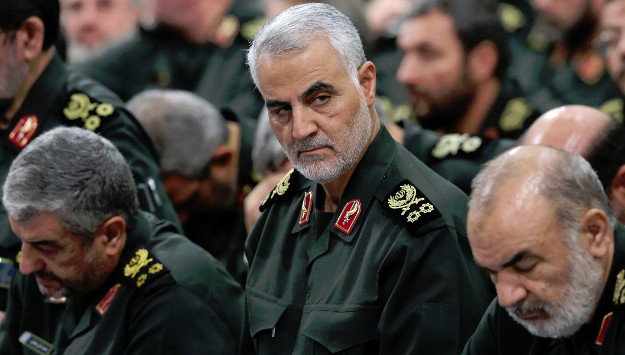
As the Iraqi security forces are fighting the Islamic State to retake Mosul, a top Iranian general and his aides are reportedly playing a key role on the battlefield.
Iran-Backed Iraqi Militias Mulling Post-Mosul Role in Syria
As the Iraqi security forces are moving deeper into eastern districts of Mosul, the Iranian media reports that militia groups from the Popular Mobilization Forces (PMF) are making territorial gains against the Islamic State in Mosul’s western region.
Tehran-Moscow Ties Growing but Alliance Remains Shaky
At the invitation of Iran’s Parliament Speaker Ali Larijani, the chairwoman of the Federation Council of Russia, the country’s upper house of parliament, is
Iran Marks Embassy Seizure Anniversary with "Death to America" Slogan
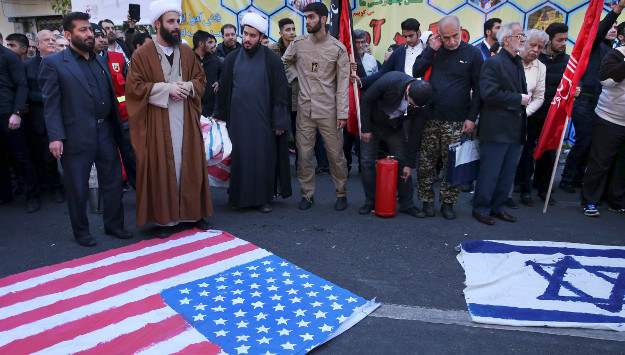
Tens of thousands of Iranians marched across Iran to mark the anniversary of the seizure of the US Embassy in Tehran following the Islamic Revolution in the country in 1979.
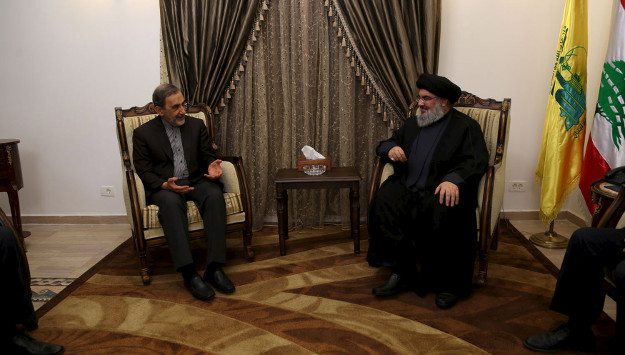
Iran Hails Aoun’s Election as Victory for Resistance
On Monday, Lebanon’s lawmakers ended more than two years of political gridlock and elected Michel Aoun as the country’s president. The news was greeted with elation in Tehran as Aoun, a former general from Lebanon’s Christian community, is a close ally of Iran-backed militia and political party Hezbollah.
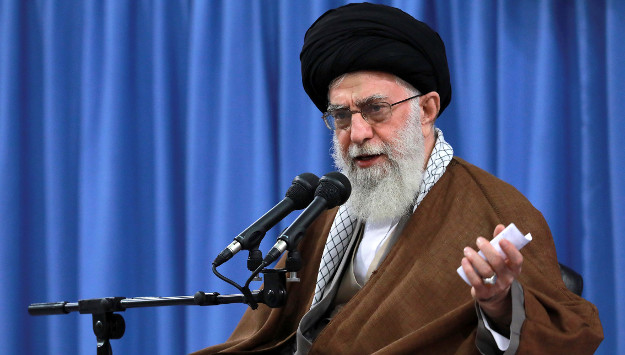
On November 2, Iran’s Supreme Leader Ali Khamenei warned that compromise with the United States would only aggravate the country’s problems. He accused Washington of continuing hostile policies against Tehran and not abiding by the terms of the 2015 nuclear agreement.