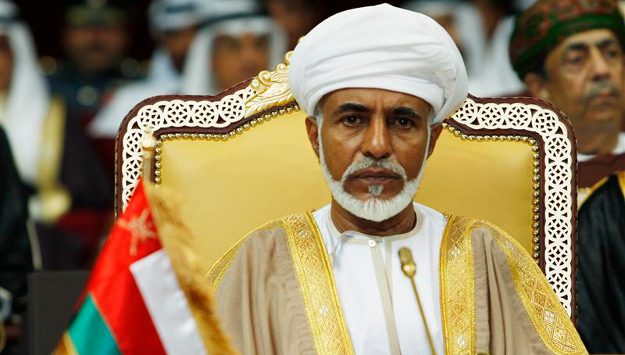
Can Oman’s Stability Outlive Sultan Qaboos?
Introduction
As political and humanitarian crises destabilize many Arab states, the Sultanate of Oman is a beacon of tranquility in a tumultuous region. The nation’s unique cohesion and stability is largely attributable to the legitimacy of Sultan Qaboos bin Said Al Busaidi, the longest serving Arab ruler still in power. Since ascending to the throne in 1970, Qaboos has transformed Oman from an impoverished state into a wealthy country with first-world infrastructure, a vibrant tourism industry and a military alliance with the United States and Britain.
Monday Briefing: Syria Cease-fire, Yemen Talks, and Iran Elections
In this week’s Monday Briefing, MEI experts Charles Lister, Charles Schmitz, and Alex Vatanka provide analysis on recent events including the Syrian cease-fire, Al-Qaeda losses in Yemen, and Iran’s parliamentary elections.
Cease-fire Dead in Syria
Charles Lister, Resident Fellow

Defying Expectations: China’s Iran Trade and Investments
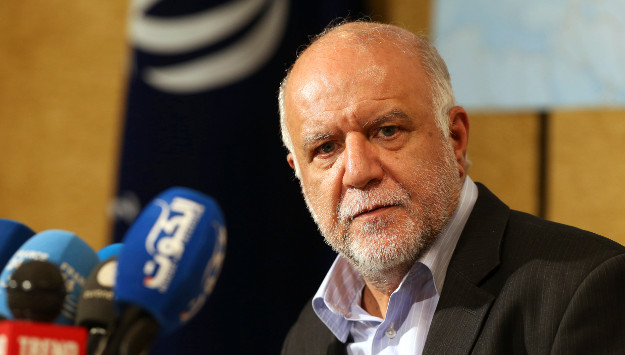
This essay examines China-Iran trade relations, as well as Chinese investments in Iran. Particularly, it asks whether the Chinese-Iranian stated ambition to increase the value of bilateral trade to $600 billion within a decade is attainable. Additionally, it identifies the factors responsible for the trade deficit in Iran’s favor, and shows that the pace of China’s foreign direct investment (F.D.I) in Iran is slowing in spite of absolute increases.
A Look at Oman and South Korea’s Strategic Partnership
Since Oman and South Korea established official diplomatic ties in 1974, trade has largely defined the Muscat-Seoul relationship. Oman’s oil and liquefied natural gas (L.N.G.) and South Korea’s automobiles, electronics, and large vessels have dominated bilateral trade. Yet as Seoul stakes out increasingly vital national interests in the volatile Middle East, a host of geopolitical and security trends will more meaningfully influence the future of Omani-Korean relations.
Iran’s Uneasy Relationship with its Sunni Minority
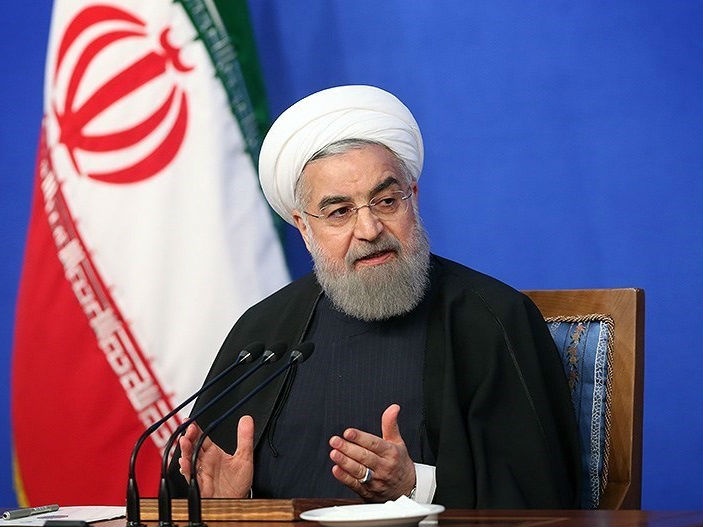
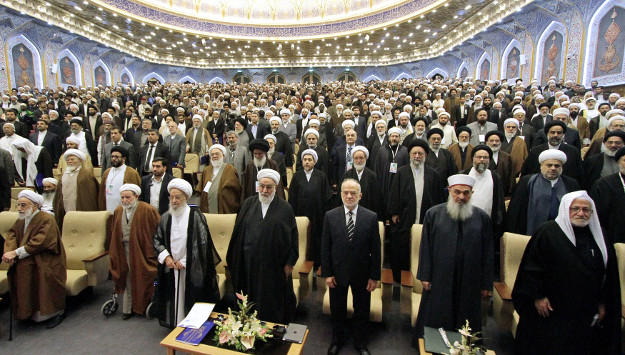
The threat of militant extremism among Iran’s Sunnis is being taken very seriously in Tehran. Iranian authorities have been exerting considerable effort to stem the spread of Salafism and Wahhabism into Iran’s mainly Hanafi Sunni majority regions. One strategy that authorities are not pursuing, however, is development. Indeed, the continued underdevelopment of these regions is leaving the door open to radical Islam. Iran’s Sunnis have long struggled with poverty and discrimination, and are suspiciously viewed as the country’s fifth column.
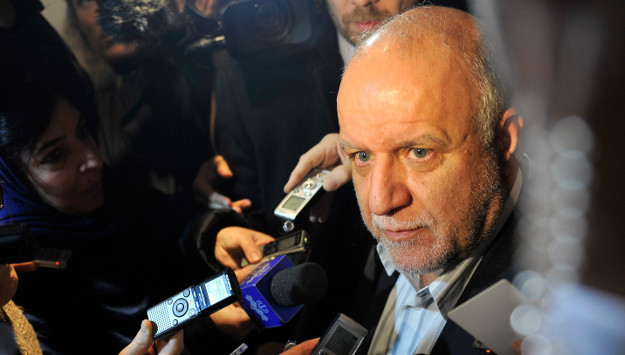
Hit the Gas in Iran: Oil Minister Bijan Zangeneh's Big Plans
This article was first published on Foreign Affairs.
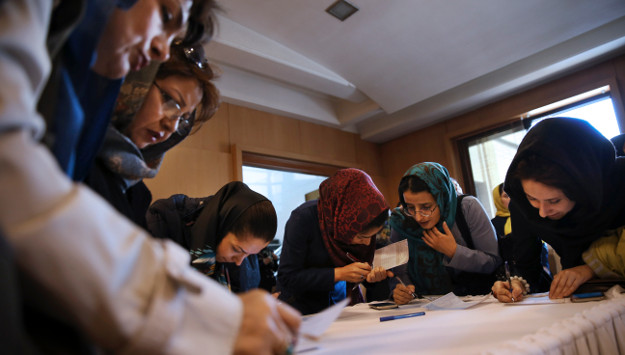
Why the Triumph of Moderates is a Setback to Iranian Democracy
Read the full article on the Washington Post.
The stunning performance of Iran’s moderate forces in the Feb. 26 elections has prompted new optimism for democracy in the Islamic Republic. It should not.
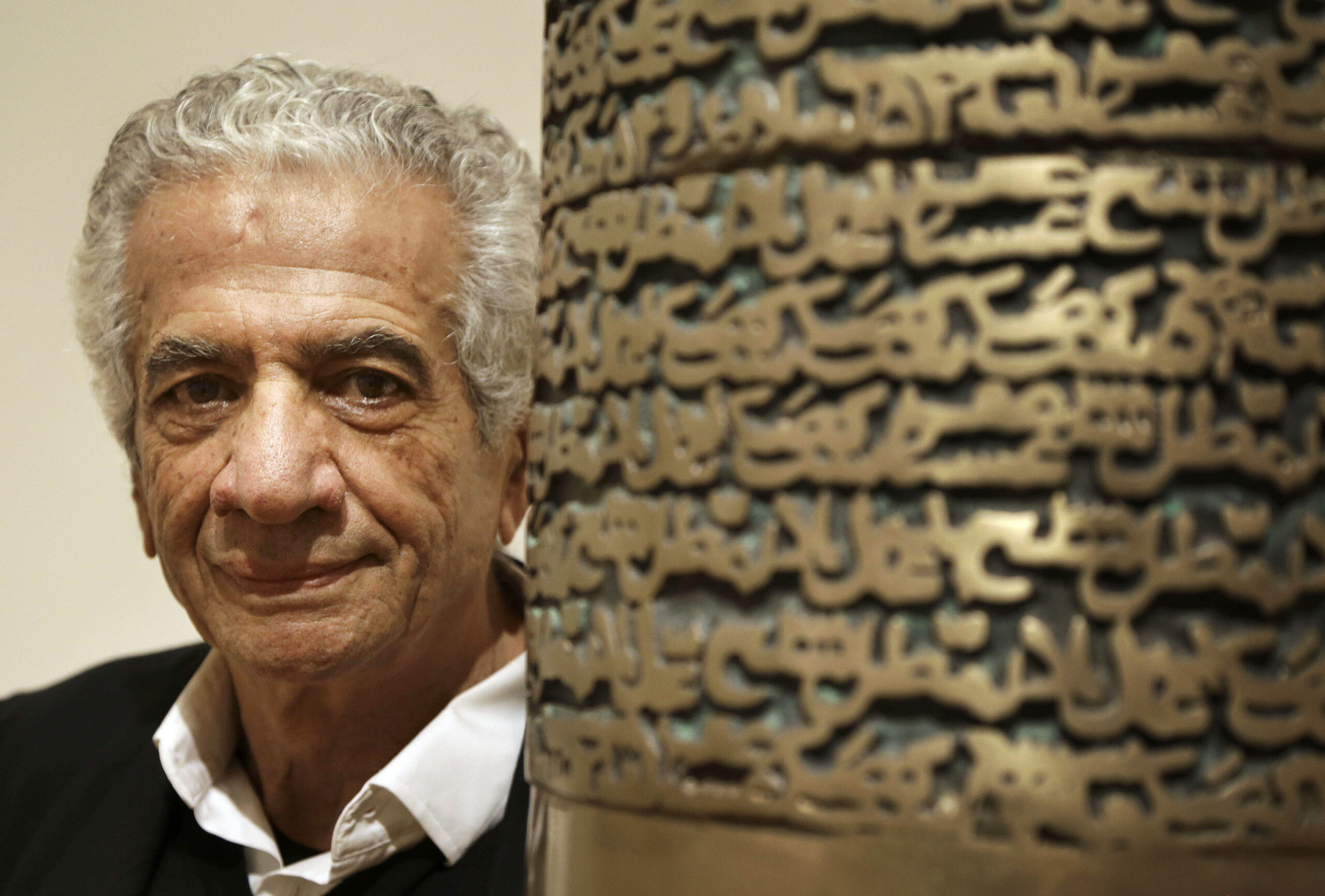
New Documentary Honors Father of Modern Iranian Sculpture
At the edge of the Pacific, in a bucolic suburb of Vancouver called Horseshoe Bay, the “father of modern Iranian sculpture” has lived a quiet existence since 1989.
Despite being a pioneer of Iranian modernism and one of the founders of the Saqqakhaneh School of Art in mid-20th century Tehran, Parviz Tanavoli has been virtually invisible in Vancouver.
Today, however, a new documentary about the artist directed by Canadian filmmaker Terrence Turner has bridged the chasm between the Middle East and the Pacific Northwest.
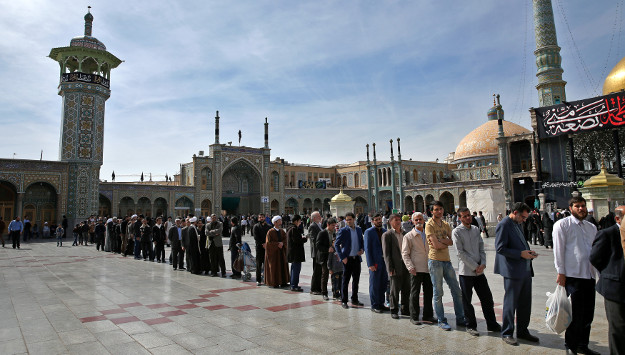
Monday Briefing: Syria Ceasefire, Iran's Elections, and ISIS in Libya
In this week’s Monday Briefing, MEI experts Robert S. Ford, Paul Salem, Alex Vatanka, and David Mack provide analysis on recent events including the ceasefire agreement in Syria, Iran’s elections, and how the United States should respond to the growing threat of ISIS in Libya.
On the Syria Ceasefire
Robert S. Ford
Senior Fellow
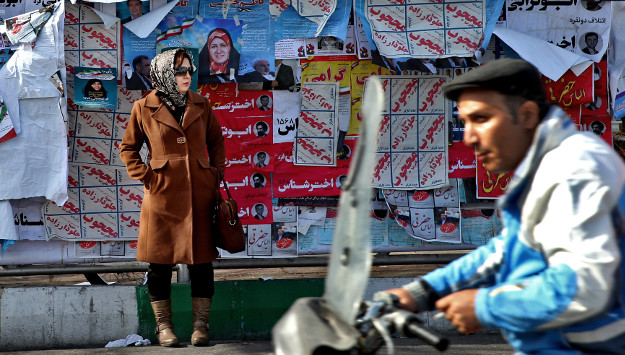
Weekly Briefing: Syria Ceasefire, Iran Elections, and Saudi Arabia's Suspension of Aid to Lebanon
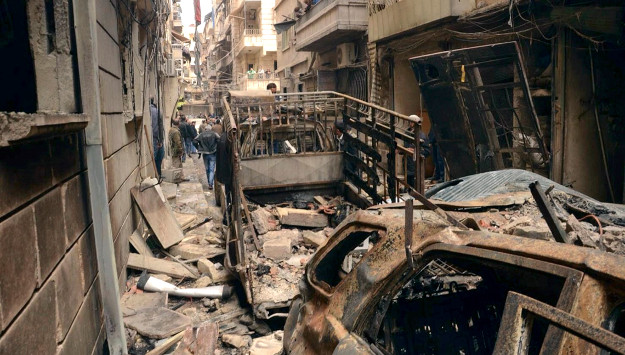
In the first installment of a new series of weekly briefings on the most important regional issues, MEI experts Randa Slim, Alex Vatanka, and Paul Salem analyze recent events including the ceasefire agreement in Syria, upcoming elections in Iran, and Saudi Arabia’s suspension of military aid to Lebanon.
Will New Cease-fire Deal in Syria Succeed?
Randa Slim
Director, Initiative for Track II Dialogues
Fighting in Tehran Over the Spoils of Post-Sanctions Era
Read the full article on Foreign Policy.
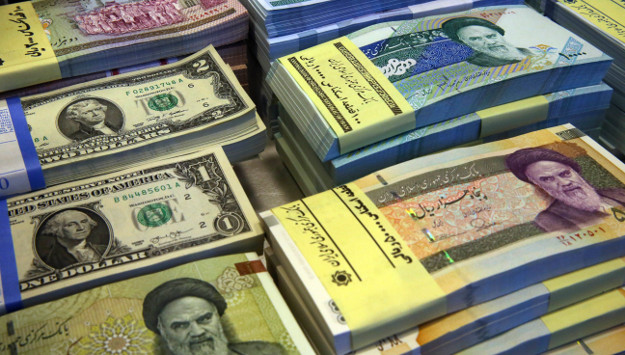
Two weeks ahead of critical elections, President Hassan Rouhani can boast of achieving two of his key election pledges from 2013: He secured a groundbreaking diplomatic nuclear deal with world powers and has removed crippling sanctions on the country. Rouhani should, therefore, feel confident ahead of the Feb. 26 vote and see himself as well on course to winning re-election in 2017.