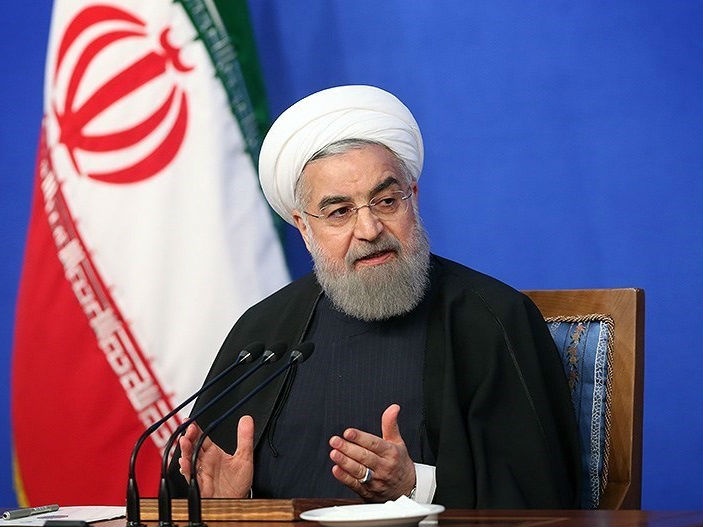
Iran’s deputy foreign minister for Arab and African affairs, Hossein Amir Abdollahian, promised this week that Tehran would “update” its Africa strategy, pursuing a “new level” of strategic relations in the coming years. The timing is somewhat puzzling, as President Hassan Rouhani has shown little interest in Africa. Above all, he is interested in securing foreign investment and technological know-how to help jolt the ailing Iranian economy; African countries are not on the list of priorities. Meanwhile, the latest major development in Iranian-African relations saw former ally Sudan make a complete U-turn, backing Riyadh in its current standoff with Iran. The Sudanese case has left a sour taste among political elites in Tehran, who believe African states are unreliable partners and will walk out on Iran as soon as a higher bidder comes along.
More importantly, Iran’s last round of so-called strategic plans for Africa, under former president Mahmoud Ahmadinejad, turned out to be a major fiasco. From 2005 until his departure in 2013, Ahmadinejad relentlessly promoted the notion of an Iranian “South-South” strategy, in which states in Africa and Latin America would become Tehran’s allies and provide Iran with diplomatic and economic depth on the international stage. It was meant to compensate for Tehran’s then-deteriorating ties with its traditional economic partners in Europe and in East Asia.
The Middle East Institute (MEI) is an independent, non-partisan, not-for-profit, educational organization. It does not engage in advocacy and its scholars’ opinions are their own. MEI welcomes financial donations, but retains sole editorial control over its work and its publications reflect only the authors’ views. For a listing of MEI donors, please click here.