We can’t tackle climate change in the Middle East without ESG investing
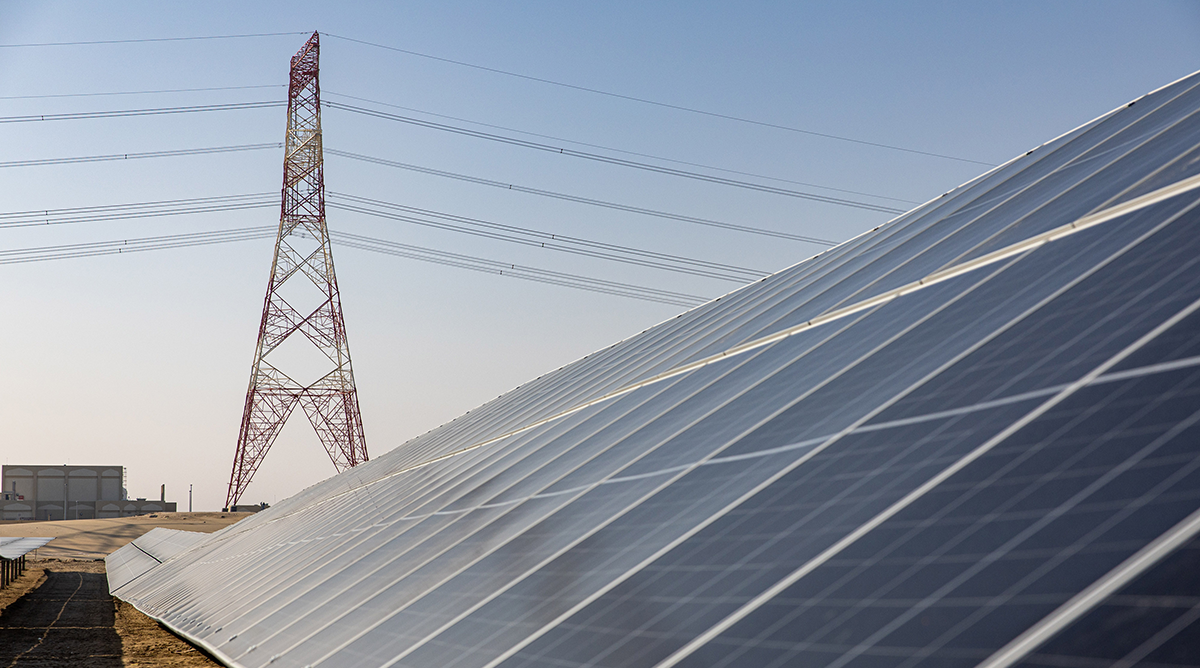
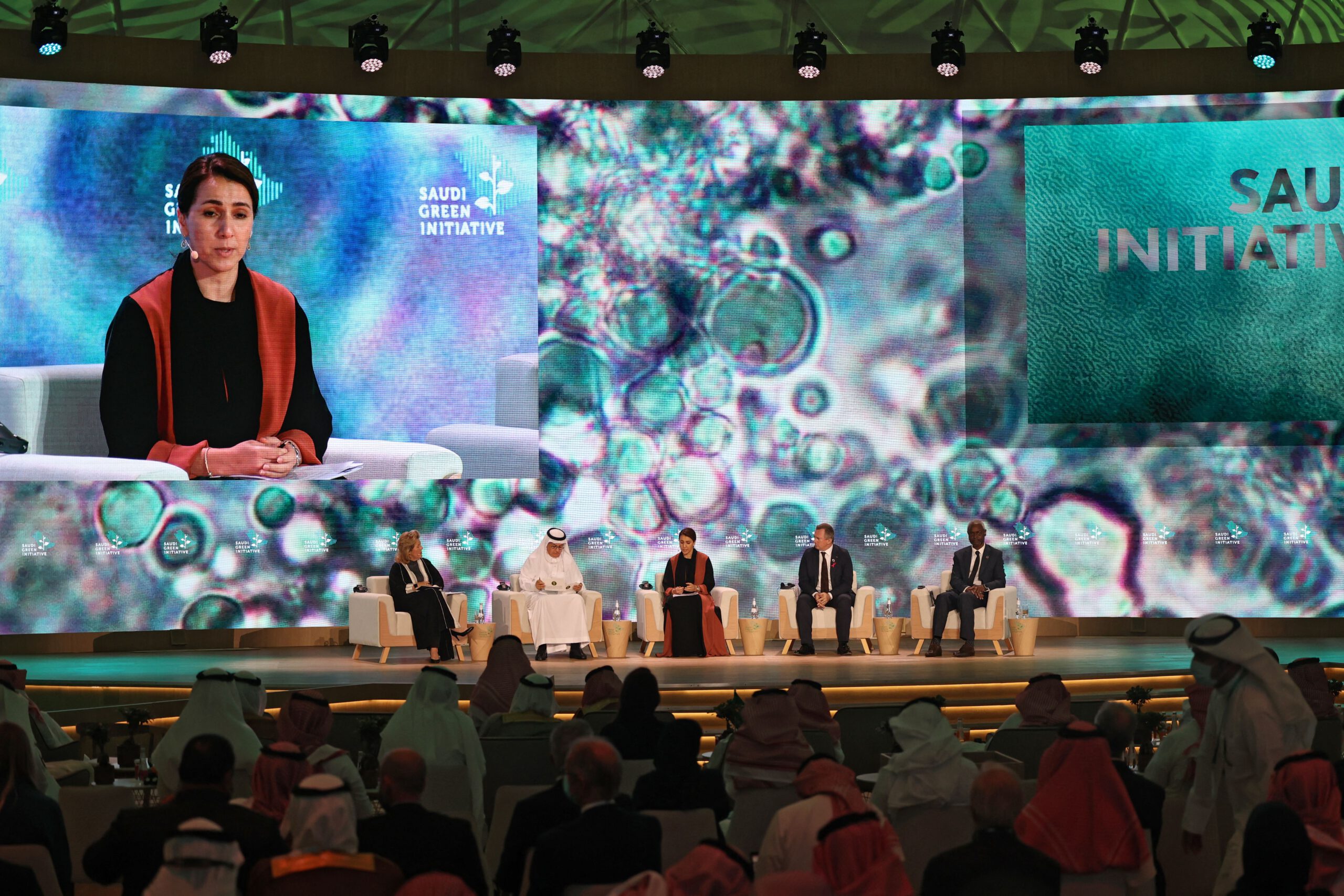
As a major center for fossil-based energy production, the Middle East is key to global ESG developments. The region is currently at an early stage of ESG adoption, although holding COP27 and COP28 has provided some initial movement towards mainstreaming climate finance regulations.
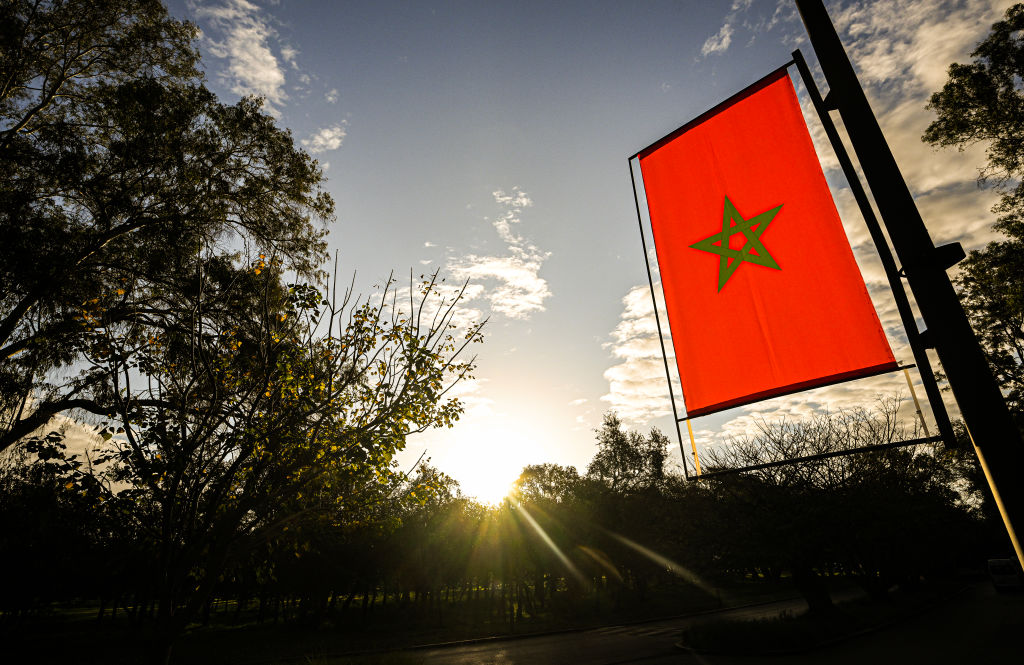
The Food-Energy Nexus and Italy–Morocco Cooperation
The unwinding of global food production chains due to the combined shocks of Covid-19 and the war on Ukraine, made worse by the impact of climate change on the food-water-energy nexus, will require the six nations of the western Mediterranean – Morocco, Algeria, Tunisia, Spain, France and Italy – to develop new forms of economic cooperation. An Italy–Morocco partnership on green energy food production can be a model for resilient food production chains.
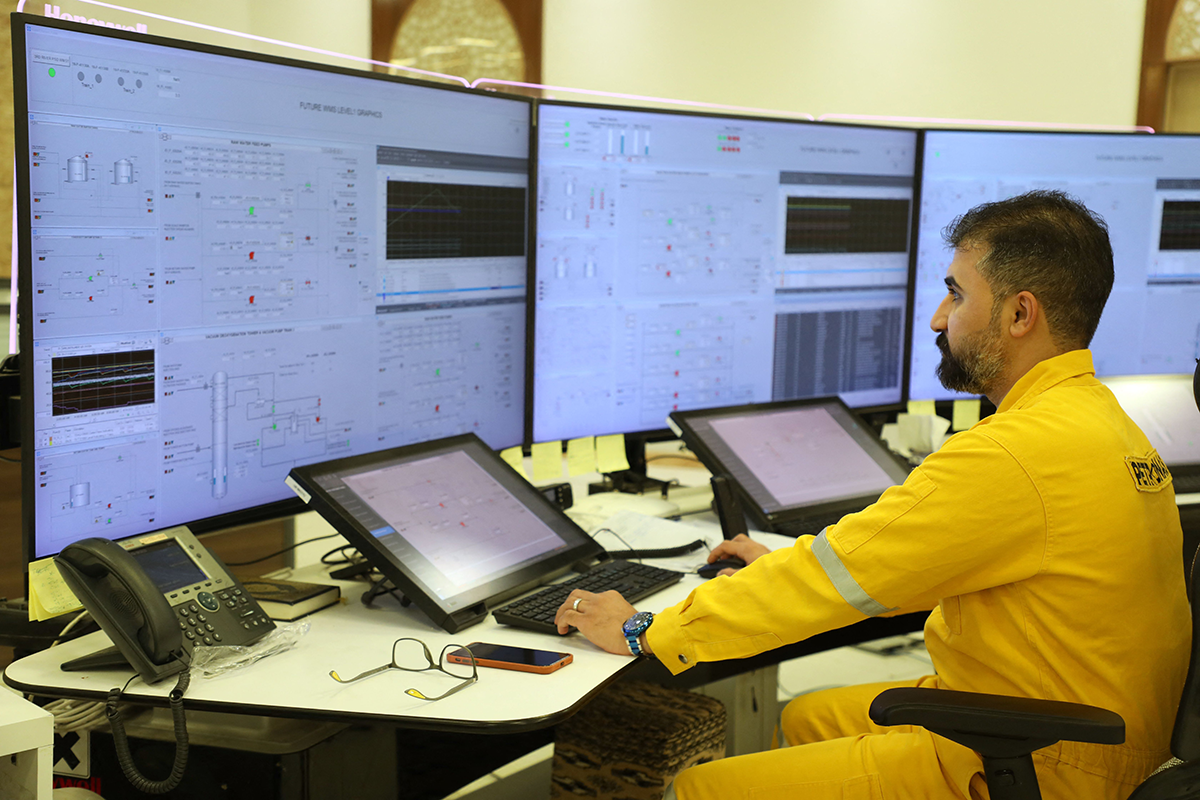
The next few decades will be crucial for Iraq and the KRG as global changes reshape the energy sector. The push for sustainable development, the Paris Agreement climate goals, and associated efforts in areas like renewable energy, climate change, and environmental protection will bring about a transition across the sector, affecting everything from employment and working patterns to governance.
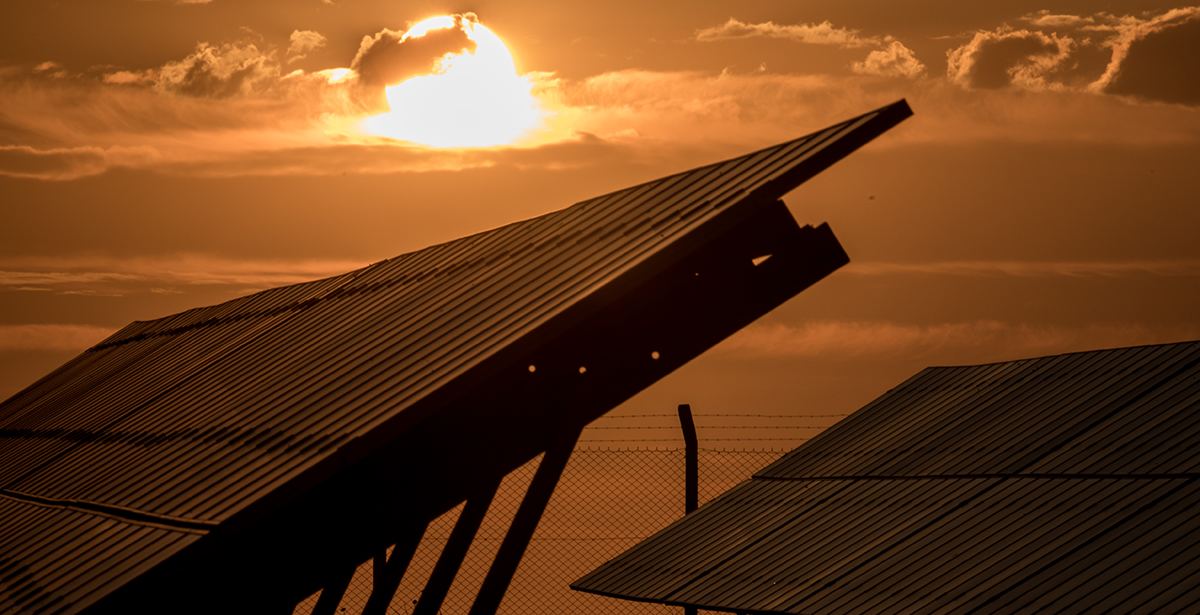
The Gulf Arab states, while major oil and gas producers, can play a significant role in supporting global efforts to achieve net-zero goals. They are not only endowed with great potential for renewable energy resources as well as some of the world’s lowest carbon content fuels, but also with, to varying extents, sizable financial resources. Yet, to unlock such huge potential, the Gulf Arab states will need to systematically identify and address the various challenges in their path to net zero.
Defending submarine cables in the Black Sea: A challenge for NATO and the region
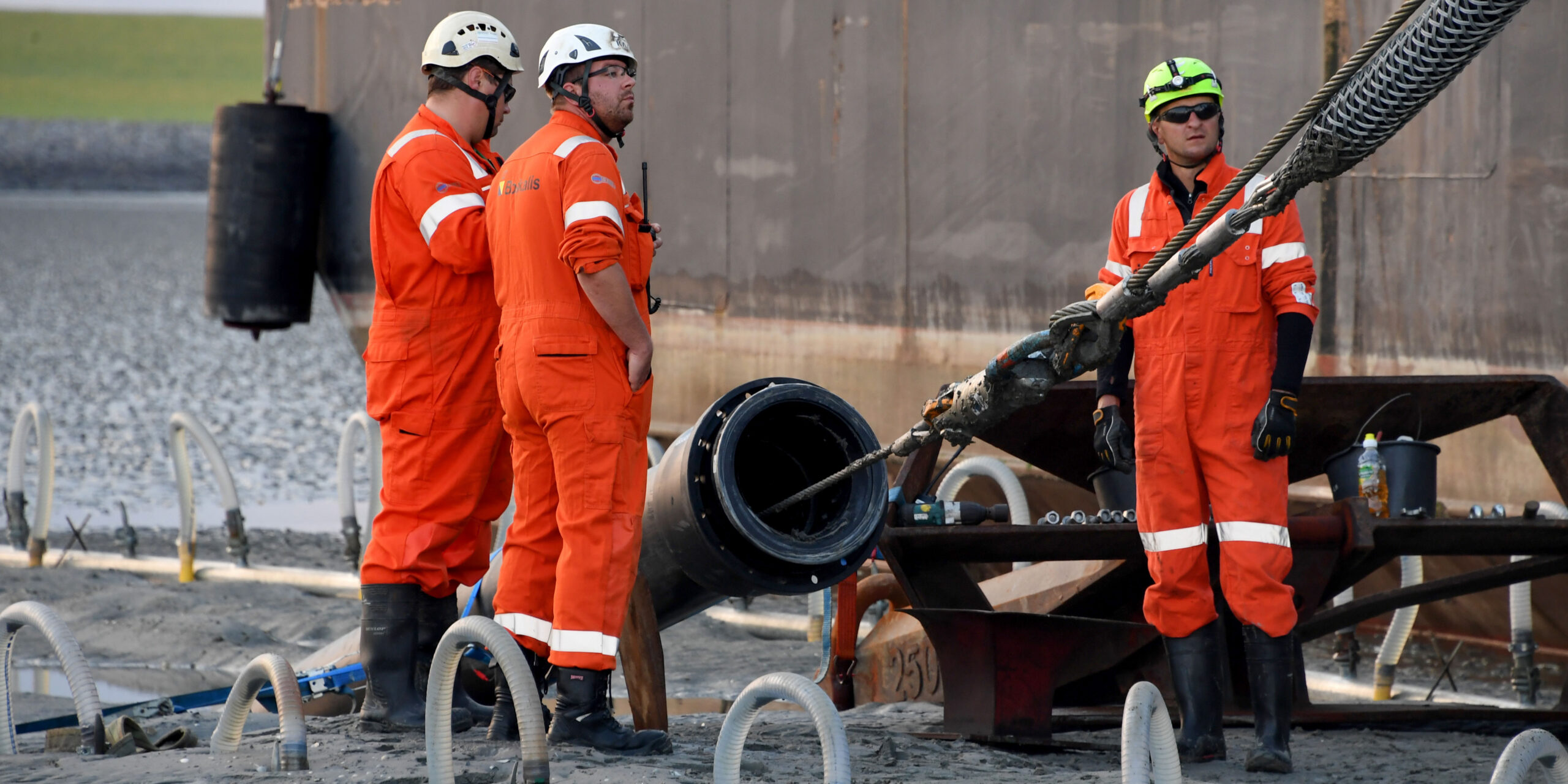
As fighting rages on in Ukraine, crucial submarine communication cables in the Black Sea could be in danger of disruption. Not only have risks of accidents grown with the increase in regional naval activity, but deliberate attacks on these cables follow the Kremlin’s modus operandi of targeting critical infrastructure below the threshold of war. Black Sea states need to more resolutely protect submarine cables, either within the format of NATO or novel regional frameworks.
The traditional 20th-century pillars of U.S.-Saudi bilateral relations are energy and security — a reflection of Cold War dynamics and the critical role that Saudi Arabia plays in the global economy as an energy superpower. Now, in 2023, Riyadh and Washington should think beyond energy to explore opportunities and address critical challenges in areas such as tech and cyber, which could ultimately cement their strategic relations for the 21st century.
Russia's Influence in MENA After a Year of War in Ukraine
MEI Managing Editor Matthew Czekaj speaks with scholars Iulia-Sabina Joja, Alex Vatanka, Yörük Işık, Charles Lister, and Roger Kangas on Russia’s current standing in the Middle East a year since re-invading Ukraine.
How has Russian aggression in Ukraine redrawn Moscow’s relationships in the MENA region? And as the Middle East increasingly becomes a key area of global great power competition, is Russia still a meaningful player there, politically, economically, militarily, and diplomatically?
Challenges of mechanized and combined arms warfare: Lessons for Ukraine from Syria and Iraq
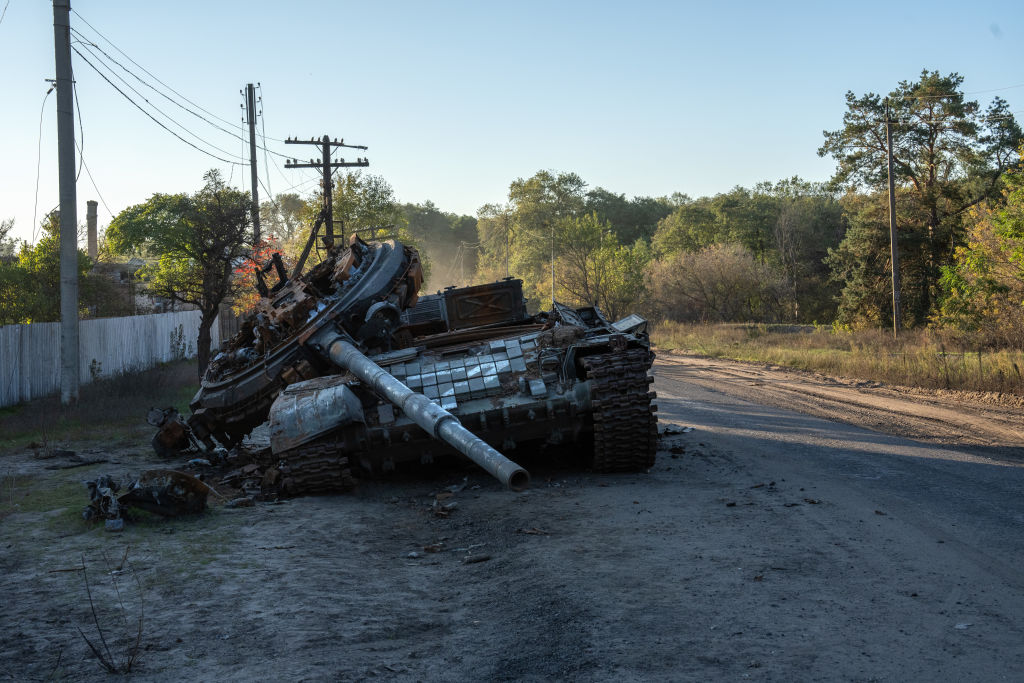
The difficulty of quickly providing mechanized and armored equipment to Ukraine, training Ukraine to employ this equipment in combined arms operations, and ensuring Ukraine can maintain and sustain combat power should not be underestimated. As the examples of Turkey’s 2016 military operation in Syria and the U.S. operation in Fallujah in 2004 illustrate, dislodging Russia from its prepared defensive positions will be a daunting task for the Ukrainian Armed Forces.
Iraq needs renewables, but they won’t solve its power problems without broader reforms
Despite massive hydrocarbon reserves, Iraq struggles with chronic electricity shortages. There is a clear need to explore cleaner alternatives, such as renewable energy systems, yet the deployment and integration of these systems would be hindered by the same structural woes that have crippled the electricity sector, and which go far beyond generation issues.
The geopolitics of energy transition in MENA: Mitigating risks, exploring new opportunities
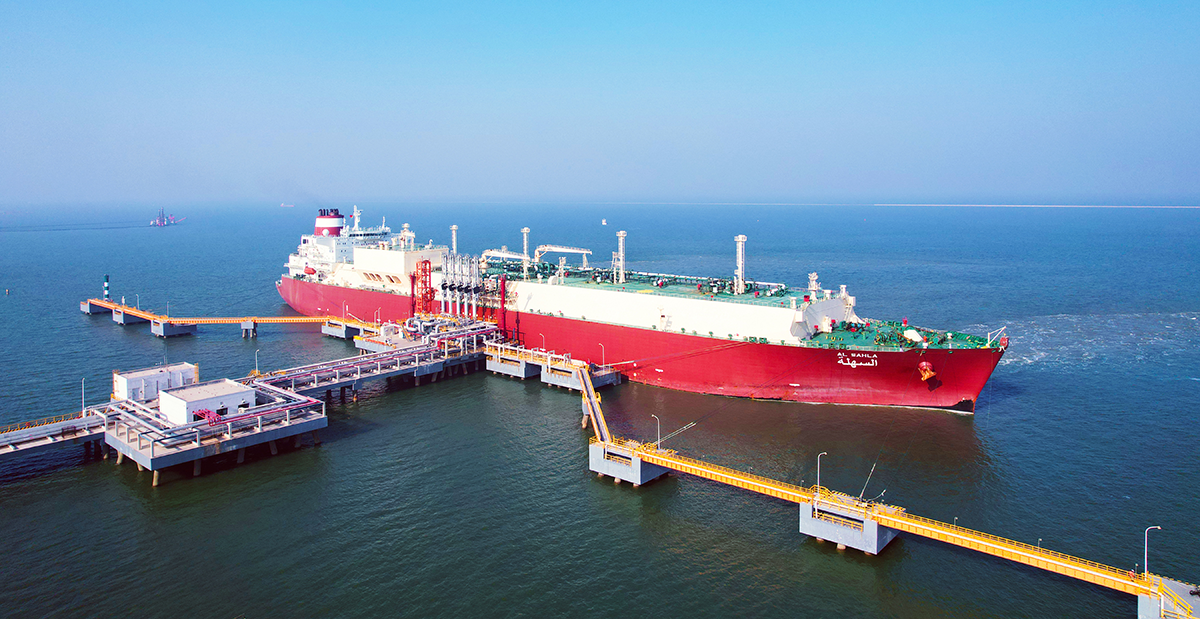
Energy remains at the heart of the geopolitical chessboard. Despite recent advances in the development of renewable energy sources, their share in the energy mix remains limited as oil still meets most of the transportation sector’s needs. The development of renewable energies is not yet able to drastically change this reality.
The Middle East in an era of great tech competition
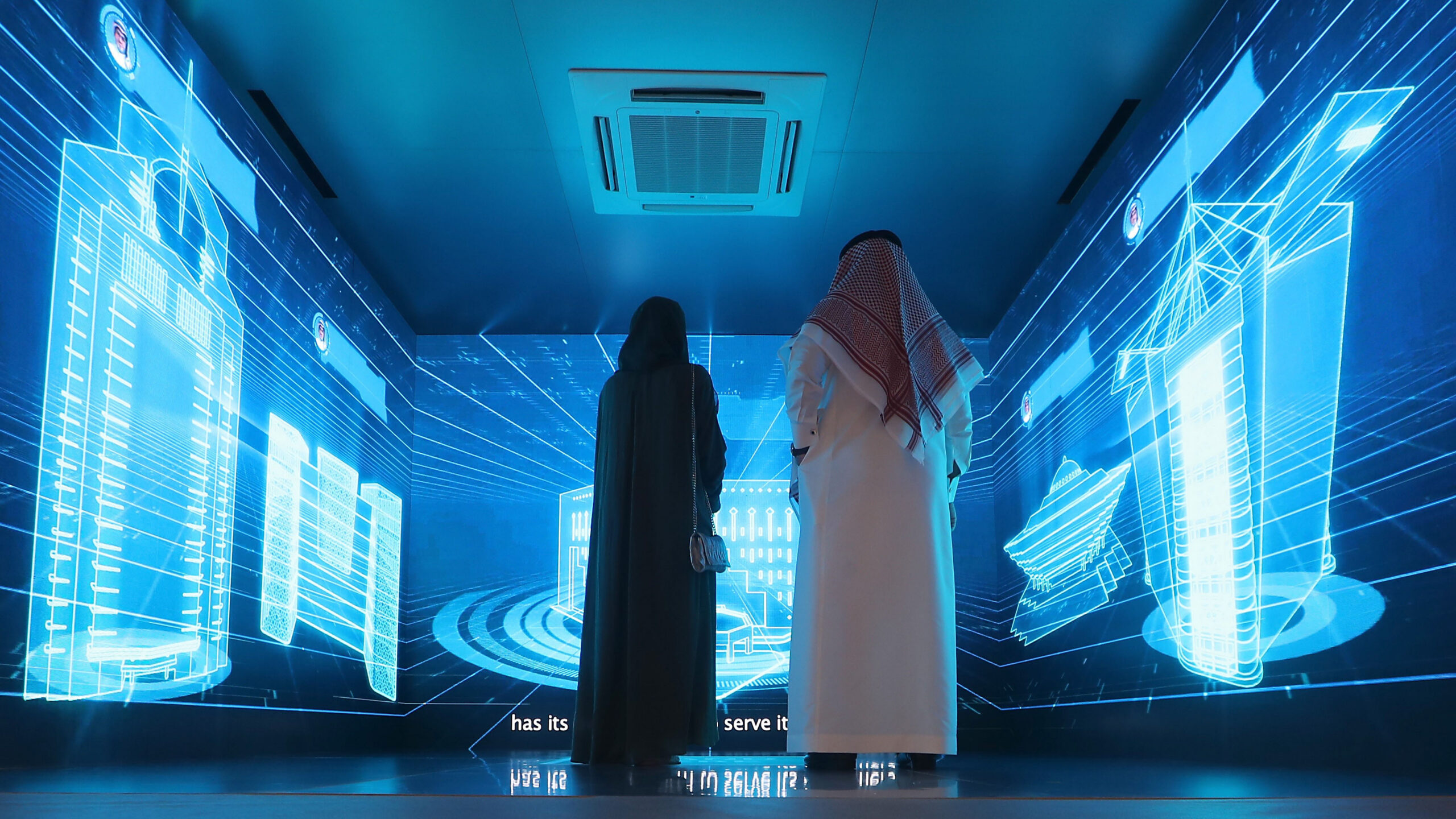
With the acute impacts of US-Chinese global tech decoupling becoming clearer, MENA is slowly emerging as an important region to watch. Economic and geopolitical ties with the West have long dictated the shape of the region’s digital environment, but more recent great power competition and Middle Eastern countries’ pursuit of economic and technological sovereignty have slowly deconstructed these dynamics.
The EU and its policy toward the Middle East: What might change in 2023?
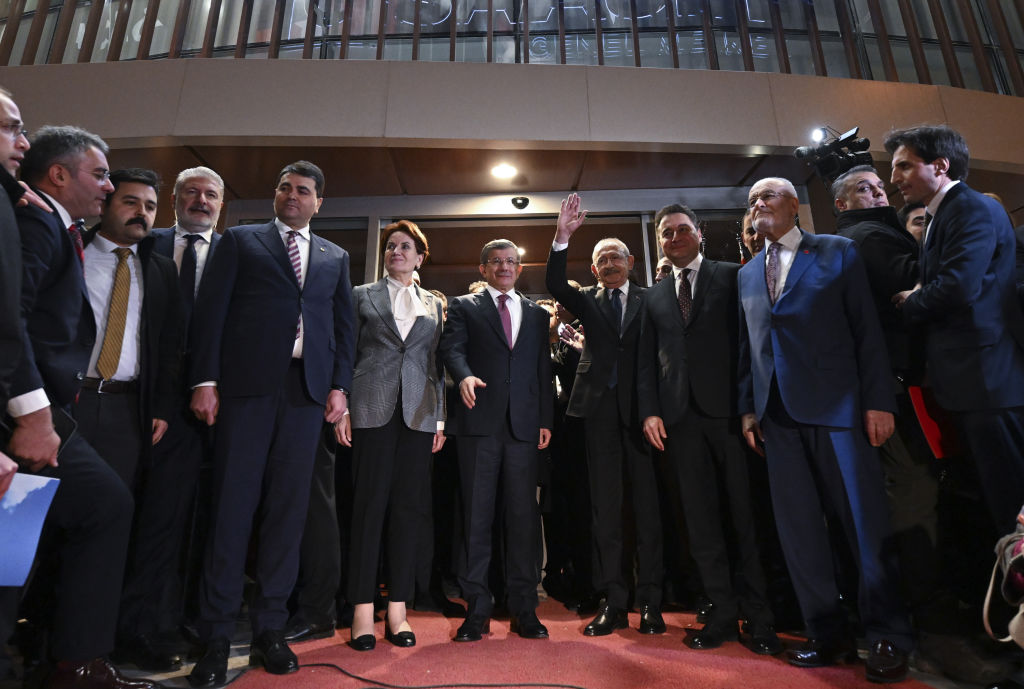
The lack of a nuclear deal with Iran, the risk of escalating tensions in the Israeli-Palestinian conflict, and the increasingly complex relationship with Turkey are just some of the thorny regional issues facing the European Union. A breakthrough on any of these three issues this year will be exceedingly difficult.