حلقة 15: آراء من واشنطن – محادثات بين أنقرة والقاهرة
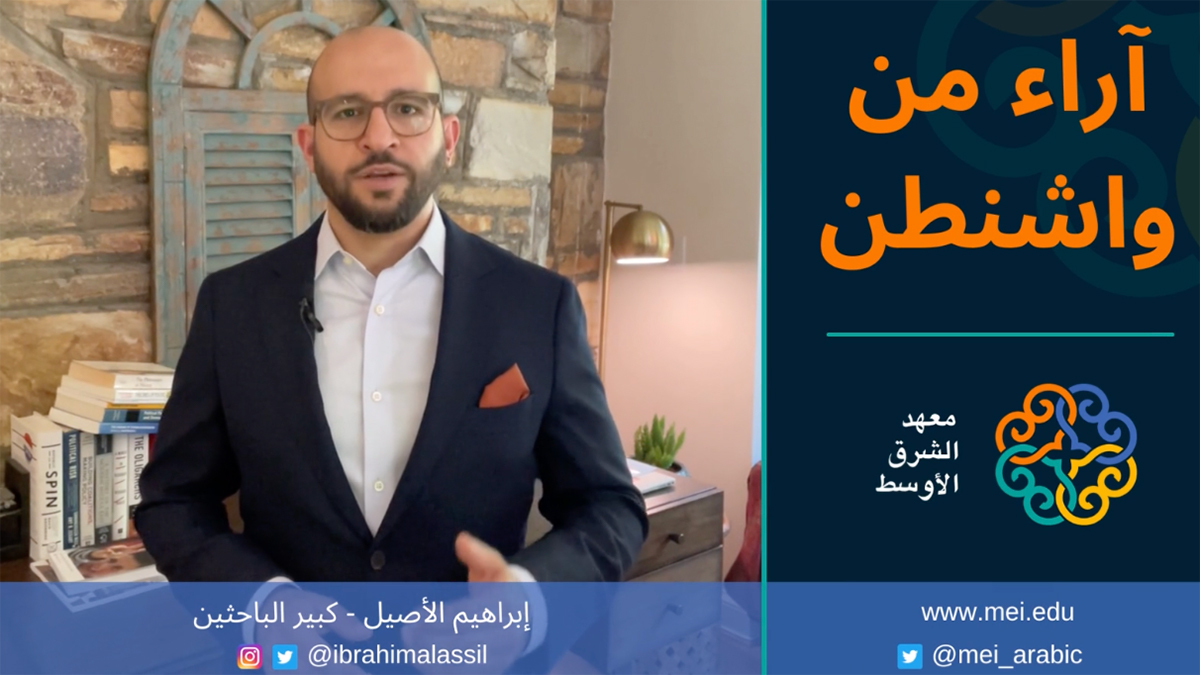
في هذه الحلقة من ‘آراء من واشنطن’، يستعرض إبراهيم الأصيل رأي لميريت مبروك حول المحادثات التركية-المصرية وأولويات كل من البلدين
The May 1 vote by Somalia’s caretaker lower house of parliament to scrap the illegal extension of Mohamed Abdullahi Mohamed’s presidential term and back fresh elections is a step in the right direction. Known popularly as Farmaajo, Mohamed’s term in office expired in early February, giving rise to a political crisis that has raised serious questions about the country’s stability. The clashes between Farmaajo loyalist and opposition military units in Mogadishu at the end of April and the suicide bomb attack on a police station in the capital’s Waberi district on May 9 are only the latest signs of a worsening security crisis. The potential for violence to escalate further is all too real and more will need to be done, especially on the part of Somalia’s donors, to ensure a peaceful election and transfer of power.
The rapidly growing state-supported arts infrastructure in Saudi Arabia tends to overshadow the lesser-known history of independent artist-led initiatives. The pioneering modernist Mohammed Alsaleem, for example, is known for establishing Dar Al Funoon Al Sa’udiyyah (The Saudi Art House) in Riyadh in 1979, the first space where artists could gather, work, mentor each other, and stage exhibitions at a time when there were no art schools or galleries. The Kingdom has gone through various stages in its cultural development from the 1960’s oil boom, a time of artistic productivity and government scholarships to study art abroad, to the tumultuous late 1970s of Islamic militancy and religious conservatism until the 2000s. “The 1960s was a time when art flourished in the Kingdom. In Riyadh, exhibitions by modernist painters were held in football clubs in order to engage the public,” says Raneem Farsi, an expert in Saudi Arabian contemporary art, of a time that has influenced her curatorial narrative. Along with Susan Davidson, former senior curator at the Guggenheim Museum, she is co-curator of the exhibition Light Upon Light: Light Art since the 1960s, which runs until June 12.
“مصادر دبلوماسية مصرية قالت في تصريحات غير علنية إنها بحاجة لرؤية التزام قوي من تركيا من أجل إجراء أي مصالحة حقيقية”.
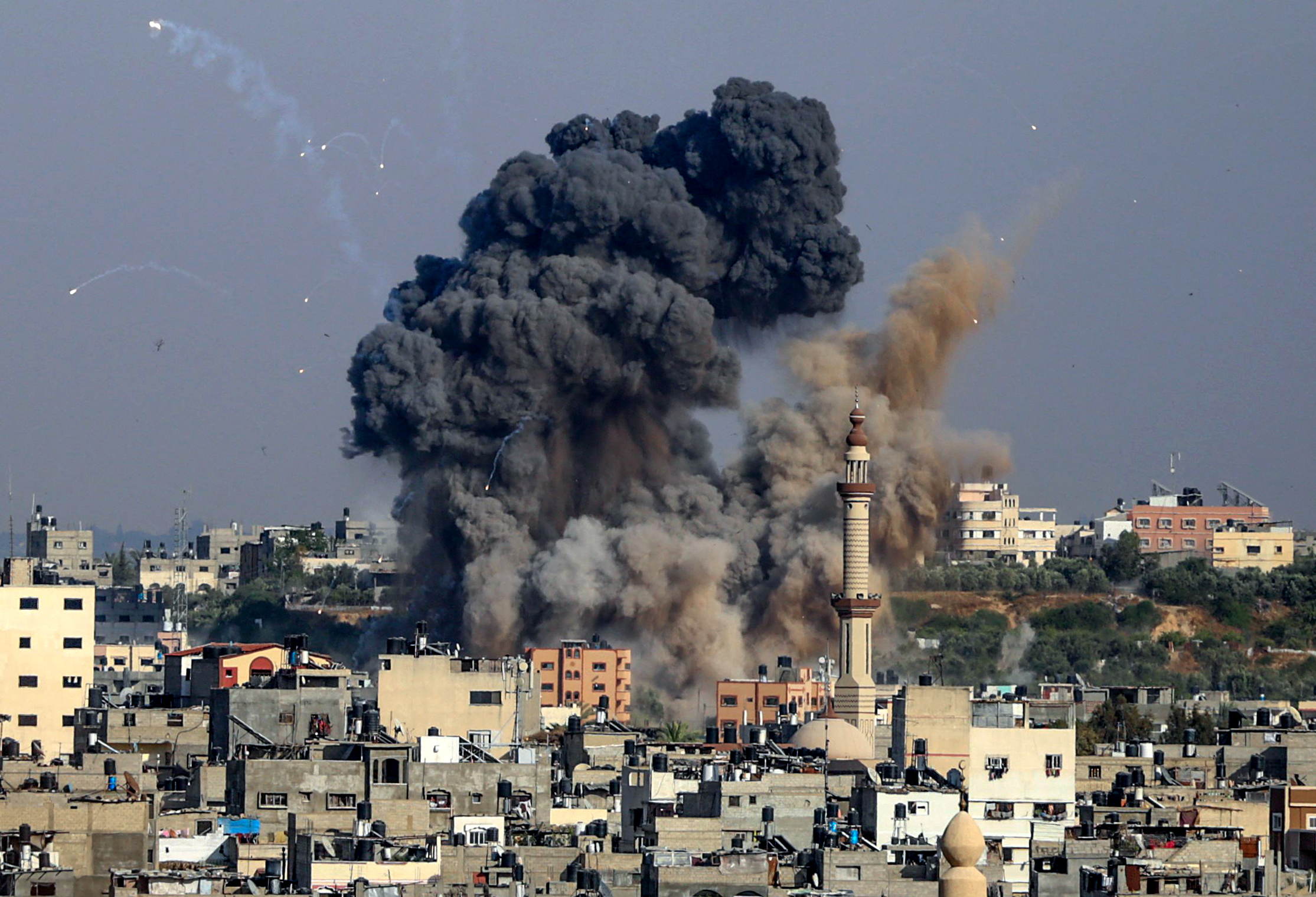
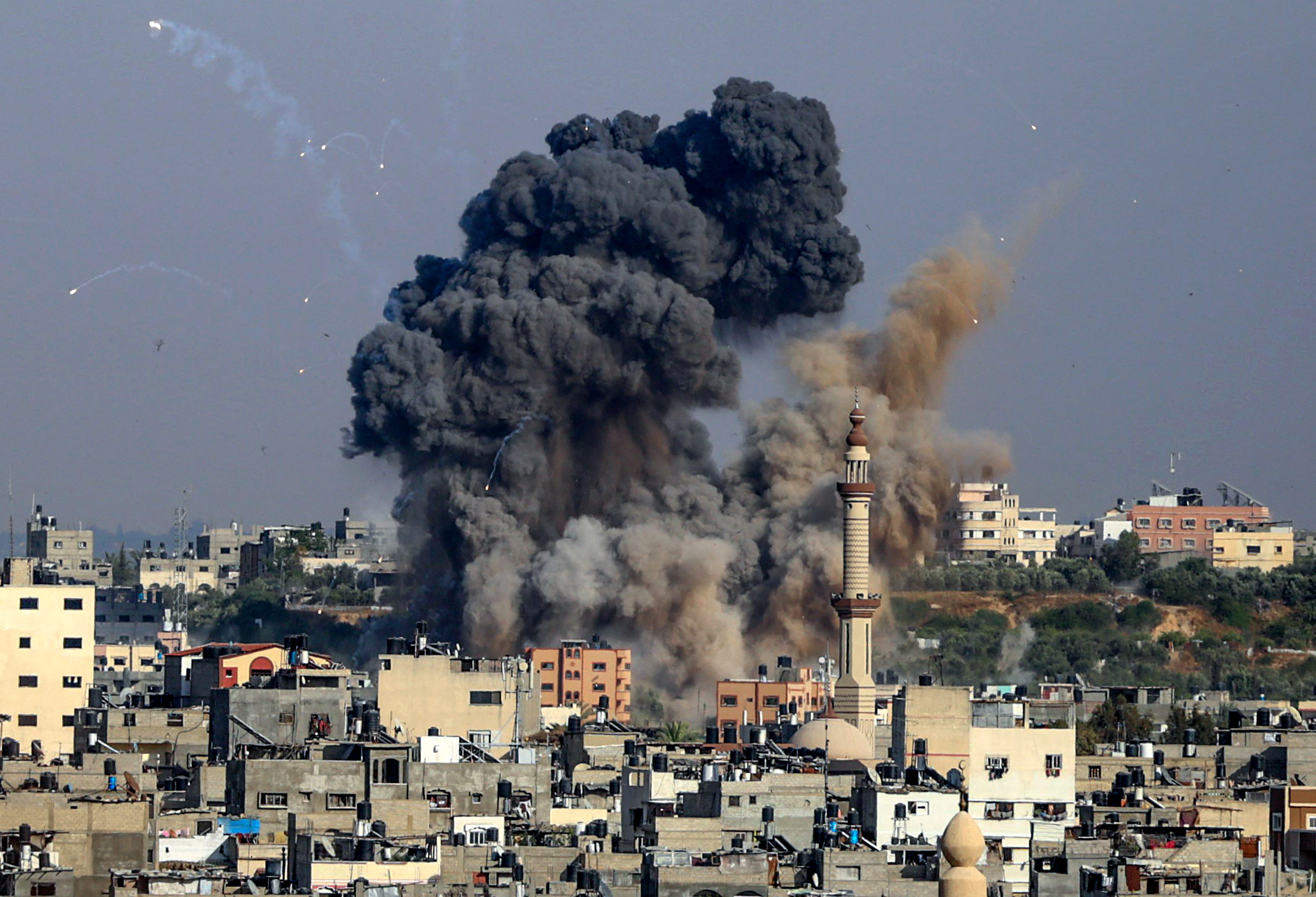
“منذ أن اندلعت الأحداث في حرم المسجد الأقصى، يستمر الوضع في التصعيد”.
Since the normalization of UAE-Israel relations was first announced, much of the international commentary only focused on the deal’s political and diplomatic significance. However, the deal will create a new digital order in the Middle East, one in which Israel and the UAE will partner more closely than ever in developing emerging technologies and cyber capabilities. This cooperation will be at the forefront of this UAE-Israel tech order.
Sanctions have had a devastating impact on Iran’s oil production and exports, preventing much-needed investment in the country’s ageing fields and barring it from legally exporting crude oil to global customers. Using a range of evasion tactics, however, Iran has succeeded in circumventing sanctions and maintaining a steady — albeit much lower — level of crude exports. The Gulf’s complex regional oil market has facilitated these tactics, providing the perfect environment for trade in oil that U.S. sanctions designate as illicit.
Around the world, there is ongoing debate over the extent to which speech should be regulated for the common good. Facebook has been a key battleground in this debate. Indeed, since nearly its founding day, the company has struggled with the degree to which it bears responsibility for the content that its users post on the platform, including but not limited to, the glorification of violence, incitement to terrorism, and false and misleading political content. In 2020, the company officially launched the Facebook Oversight Board, a trust-based body composed of 40 members and tasked with passing final, binding rulings upon Facebook’s content moderation decisions.
اقرأ تقرير MEI الأسبوعي الذي يتضمن تحليلات الخبراء للتطورات الإقليمية الرئيسية للأسبوع المقبل.
In 2020, the 14th edition of Art Dubai went completely online due to the coronavirus outbreak, with programming focused on performance art and healing curated by Marina Fokidis, a live broadcast of the Global Art Forum, and a digital catalogue. “We didn’t have a model to follow,” Pablo del Val, Art Dubai’s Artistic Director explained. “The online viewing rooms came later and the art industry has shifted to make these platforms meaningful. The future was unknown so we worked blindly.”
Failure to condemn anti-Palestinian violence will only further it.
Paul Salem and Randa Slim join host Alistair Taylor to discuss the Biden administration’s first 100 days in office and what it’s meant for U.S. Middle East policy, from Afghanistan to Iran.
President Joe Biden’s commitment to “stepping up” diplomacy to end the war in Yemen generated hope among peace practitioners and policy shapers. In February, the president appointed Tim Lenderking, a seasoned diplomat with solid experience in the region, as the U.S. special envoy to Yemen.
أكثر من أي دولة أخرى في المنطقة، تلقى اليمن اهتمامًا خاصًا من إدارة بايدن. خلال أول 100 يوم من تولي جو بايدن منصبه، أُبلِغَ عن الحاجة إلى إنهاء الدعم العسكري للسعودية (مع ترك الباب مفتوحًا للدفاع عن المملكة) ودفع من أجل تحقيق السلام في اليمن، وكذلك شطب الحوثيين من قوائم الإرهاب، وهو التصنيف الذي فرضته إدارة ترامب. كما عيَّن تيم ليندركينغ مبعوثًا خاصًا لليمن، مما أعطى الزخم لأهمية عملية صنع السلام لهذا البلد.
On Dec. 14, 2020, the Trump administration sanctioned Turkey’s Presidency of Defense Industries (SSB), along with key individuals involved in the purchase of the Russian–made S-400 surface-to-air missile system. The sanctions were issued under the 2017 Countering America’s Adversaries Through Sanctions Act (CAATSA), a law intended to punish Russia for a wide range of malign activities.