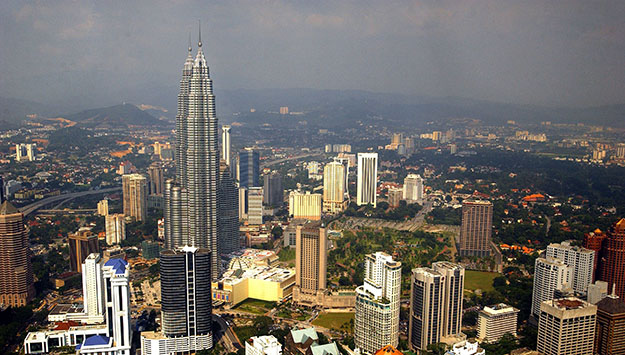
The Iranian Diaspora in Malaysia: Emergent Pluralism
The Iranian diaspora in Malaysia is incredibly diverse. Supporters of the Green Movement, students, individuals who fast and pray and those who do not know the direction of the qibla, clerics who promote secularism and those who promote the authority of the vilayat-i faqih, Iranian Kurds, Turks, and Arabs, journalists, artists, and environmentalists: all these—and more—constitute the community of Iranians who have fled or quietly moved to Malaysia.
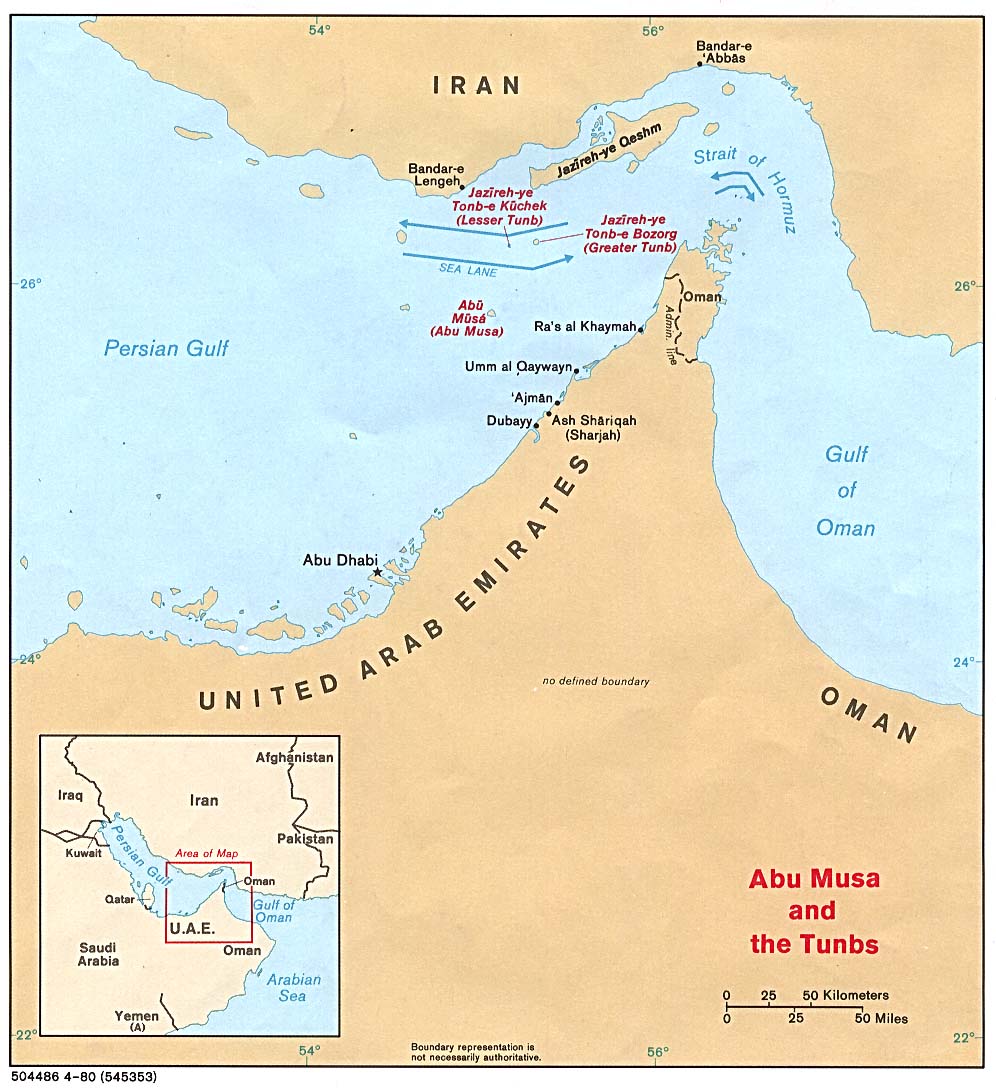
Oman is strategically positioned across the Gulf of Oman from Iran, north of Yemen, and east of Saudi Arabia. It has arguably been able to secure its rapid economic growth—spurred by oil riches—by maintaining neutral, if not friendly, relations with these neighbors, including Iran. Yet while Oman has successfully kept itself neutral, it still inhabits a precarious location. It shares with Iran the Strait of Hormuz, a waterway that Iran has threatened to close due to its charged relations with the GCC countries and the United States, who rely on the Strait to transport oil to world markets.
The Middle East Institute Center for Turkish Studies’ Fourth Annual Conference on TurkeyPanel 4: The Turkey-Iran-Iraq NexusHenri J. Barkey, Lehigh UniversityAlireza Nader, RAND CorporationDenise Natali, National Defense UniversityModerator: Phebe Marr, Author and HistorianJune 14, 2013 3:30pm-5:00 pm
The Middle East Institute Center for Turkish Studies’ Fourth Annual Conference on TurkeyPanel 4: The Turkey-Iran-Iraq NexusHenri J. Barkey, Lehigh UniversityAlireza Nader, RAND CorporationDenise Natali, National Defense UniversityModerator: Phebe Marr, Author and HistorianJune 14, 2013 3:30pm-5:00 pm
The Middle East Institute Center for Turkish Studies’ Fourth Annual Conference on TurkeyPanel 4: The Turkey-Iran-Iraq NexusHenri J. Barkey, Lehigh UniversityAlireza Nader, RAND CorporationDenise Natali, National Defense UniversityModerator: Phebe Marr, Author and HistorianJune 14, 2013 3:30pm-5:00 pm
The Middle East Institute Center for Turkish Studies’ Fourth Annual Conference on TurkeyPanel 4: The Turkey-Iran-Iraq NexusHenri J. Barkey, Lehigh UniversityAlireza Nader, RAND CorporationDenise Natali, National Defense UniversityModerator: Phebe Marr, Author and HistorianJune 14, 2013 3:30pm-5:00 pm
The Middle East Institute Center for Turkish Studies’ Fourth Annual Conference on TurkeyPanel 4: The Turkey-Iran-Iraq NexusHenri J. Barkey, Lehigh UniversityAlireza Nader, RAND CorporationDenise Natali, National Defense UniversityModerator: Phebe Marr, Author and HistorianJune 14, 2013 3:30pm-5:00 pm
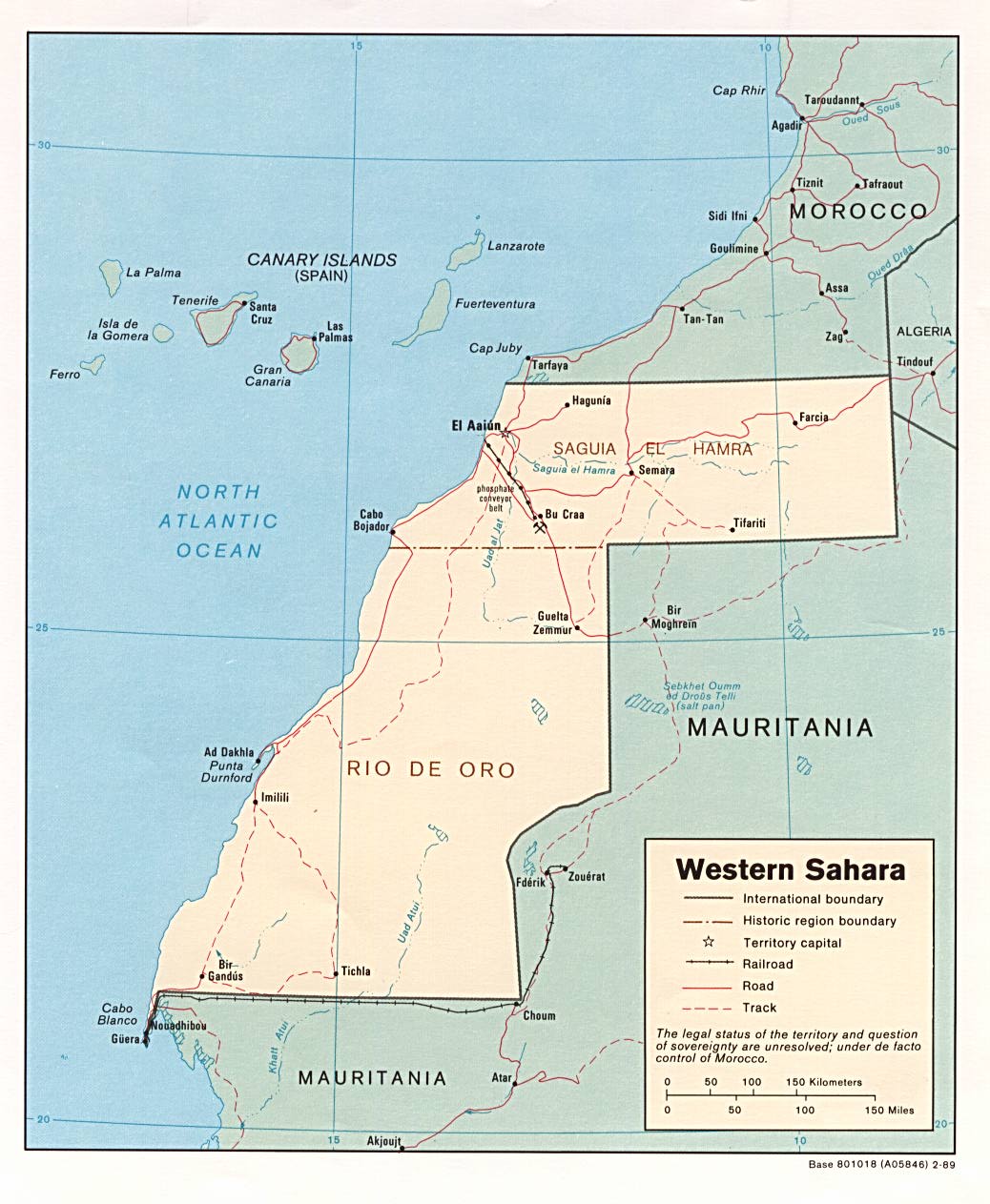
“Compromise” is the word repeated 25 times in this three-voice dialogue with opposing views on what could be the best solution to the Western Sahara dispute. The settlement options that emerged from the three contributors to this series have accepted either autonomy for the Western Sahara territory (subject to a referendum) or a referendum on self-determination that would include independence as well as other possibilities, including autonomy.
This piece was originally published by ForeignAffairs.com on January 15, 2013
Assertions and opinions in this publication are solely those of the above-mentioned author(s) and do not necessarily reflect the views of the Middle East Institute, which expressly does not take positions on Middle East policy.
This piece was originally published by Reuters on January 3, 2013 under the title Will This Be the Year That Israel Goes to War with Iran?
Assertions and opinions in this publication are solely those of the above-mentioned author(s) and do not necessarily reflect the views of the Middle East Institute, which expressly does not take positions on Middle East policy.
Israel did not bomb Iran last year. Why should it happen this year?
China and the Middle East: Rising Power and a Region in Turmoil
China and the Middle East: Rising Power and a Region in Turmoil Featuring:Dr. Yitzhak Shichor, Professor of political science and Asian studies, University of Haifa Dr. Dawn Murphy, Princeton-Harvard China and the World Postdoctoral Fellow Moderated by: Sam Chester, Masters candidate in China and the Middle East studies, Johns Hopkins University’s School of Advanced International Studies Tuesday, December 4, 201212:00-1:30pm Middle East InstituteBoardman Room1761 N Street, NWWashington D.C., 20036 This program features three experts on China’s relations with the Middle East.
China and the Middle East: Rising Power and a Region in Turmoil
China and the Middle East: Rising Power and a Region in Turmoil Featuring:Dr. Yitzhak Shichor, Professor of political science and Asian studies, University of Haifa Dr. Dawn Murphy, Princeton-Harvard China and the World Postdoctoral Fellow Moderated by: Sam Chester, Masters candidate in China and the Middle East studies, Johns Hopkins University’s School of Advanced International Studies Tuesday, December 4, 201212:00-1:30pm Middle East InstituteBoardman Room1761 N Street, NWWashington D.C., 20036 This program features three experts on China’s relations with the Middle East.
China and the Middle East: Rising Power and a Region in Turmoil
China and the Middle East: Rising Power and a Region in Turmoil Featuring:Dr. Yitzhak Shichor, Professor of political science and Asian studies, University of Haifa Dr. Dawn Murphy, Princeton-Harvard China and the World Postdoctoral Fellow Moderated by: Sam Chester, Masters candidate in China and the Middle East studies, Johns Hopkins University’s School of Advanced International Studies Tuesday, December 4, 201212:00-1:30pm Middle East InstituteBoardman Room1761 N Street, NWWashington D.C., 20036 This program features three experts on China’s relations with the Middle East.