Breaking down the details of the UAE’s climate strategy
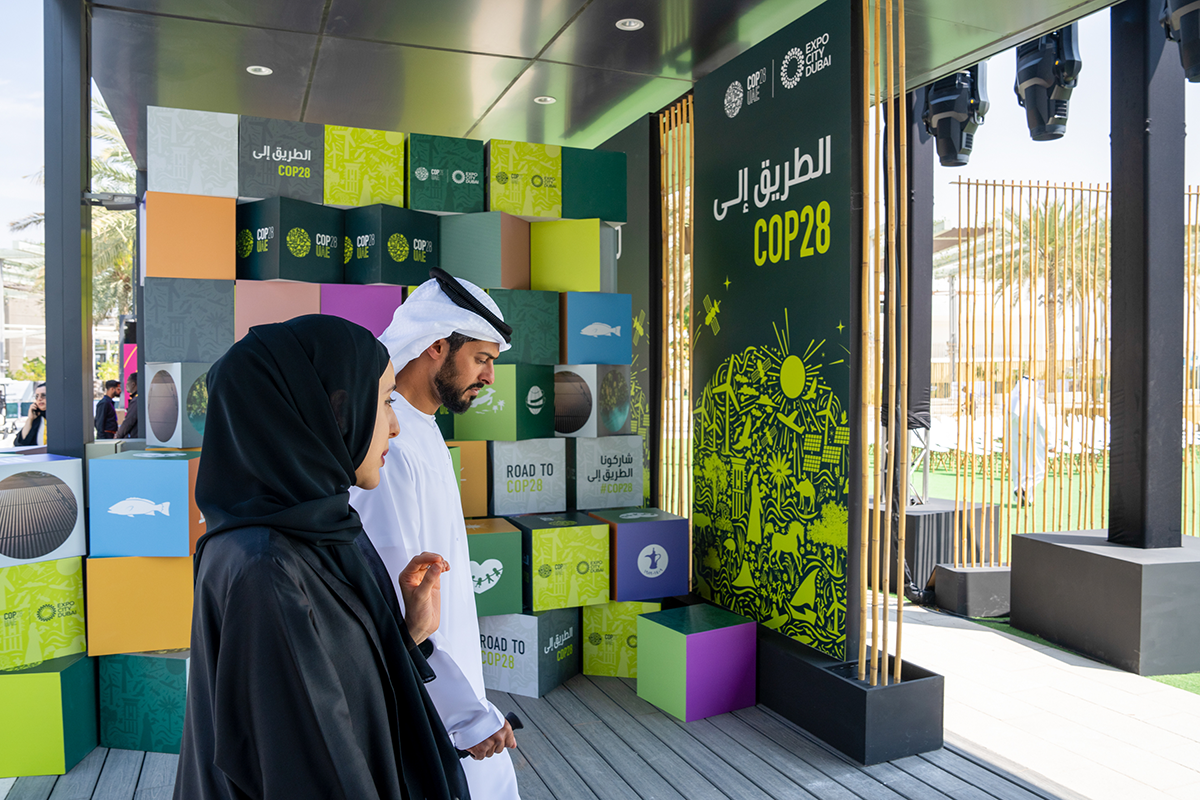
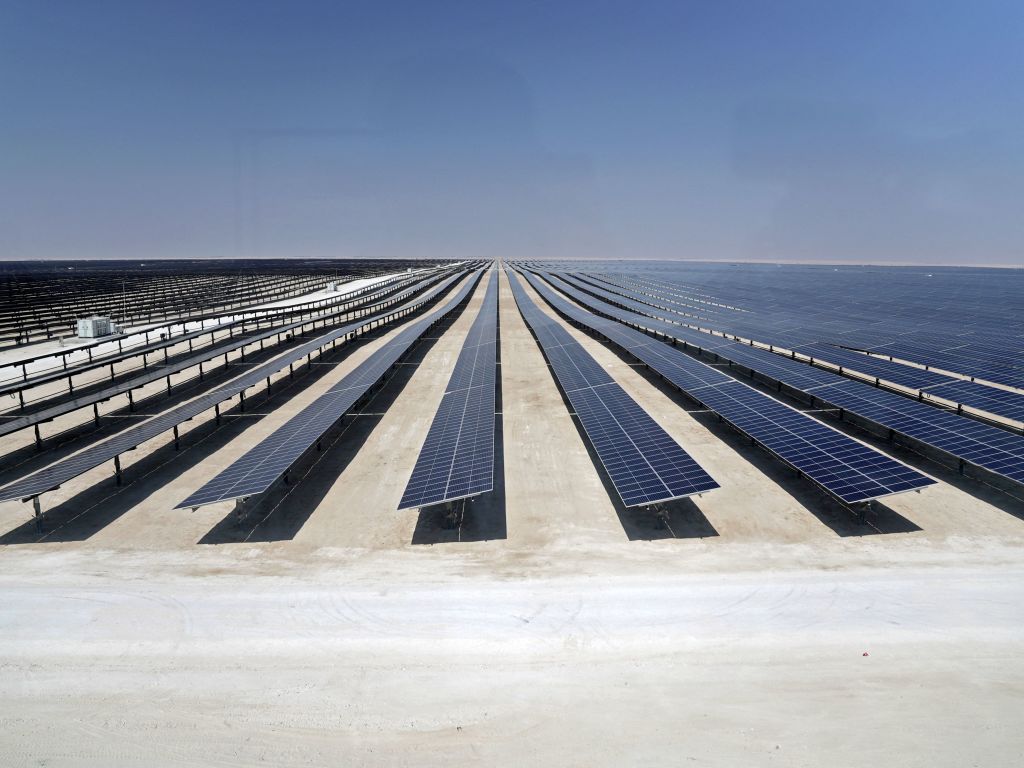
In the race to manage climate change, the UAE is ramping up its efforts in a bid to accelerate its transition to a green economy. In the first two weeks of July 2023, it published several important documents laying out its actions and objectives, including a revised version of the national climate pledges it made under the Paris Agreement, as well as a number of targeted policies and strategies.
Changing dynamics reshape power networks in Yemen’s “two Hadramawts”
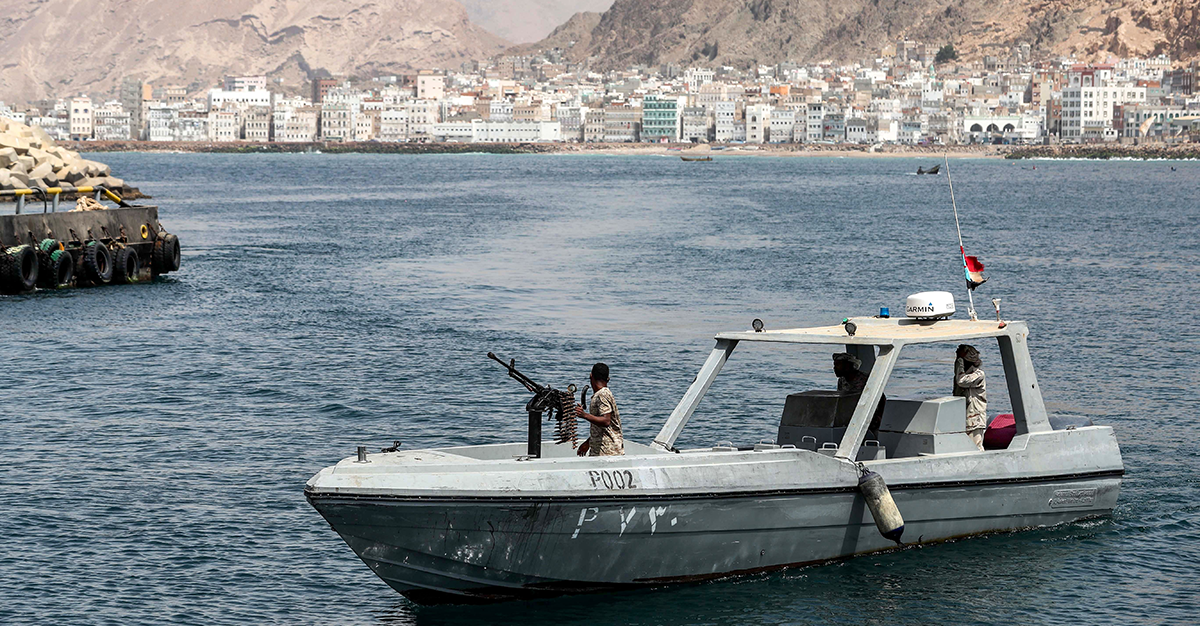
Since 2015, Yemen’s largest governorate, Hadramawt, has been informally divided between two distinct centers of power with different military loyalties and external backing. The balance of power within the governorate is no longer fixed, however. Changes in Hadramawt’s military, political, and economic dynamics are reshaping power networks in the governorate and beyond, with implications for the conflicting agendas of the Saudis, Emiratis, and Houthis.
The new wave of dealmaking by Gulf sovereign wealth funds
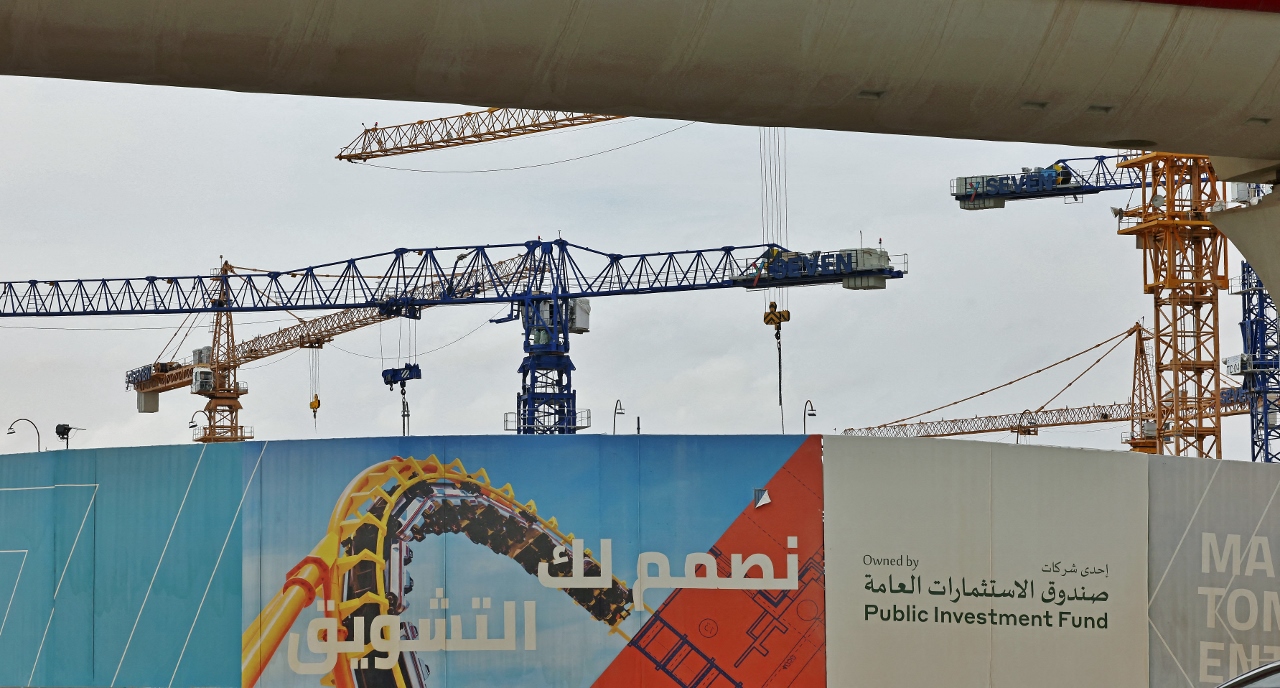
For resource-rich countries such as Gulf oil and natural gas producers, sovereign wealth funds have emerged as promising tools to save for future generations, mitigate the effects of outsized economic shocks, and/or be deployed as reserve investment and strategic development funds to spend on human, natural, social, and physical capital.
In the last few years, the global energy outlook has been transformed. The rise of populist politics and a growing sense of urgency about climate change have roiled debates about energy policy in wealthy countries, generating a dizzying mix of new industrial policies. The COVID-19 pandemic made it far harder to predict fuel prices and consumption patterns and forced many countries to confront their connections to fragile multistate supply chains and legacy petrostates.
July 4 from abroad: The many ages of America in the Arab world
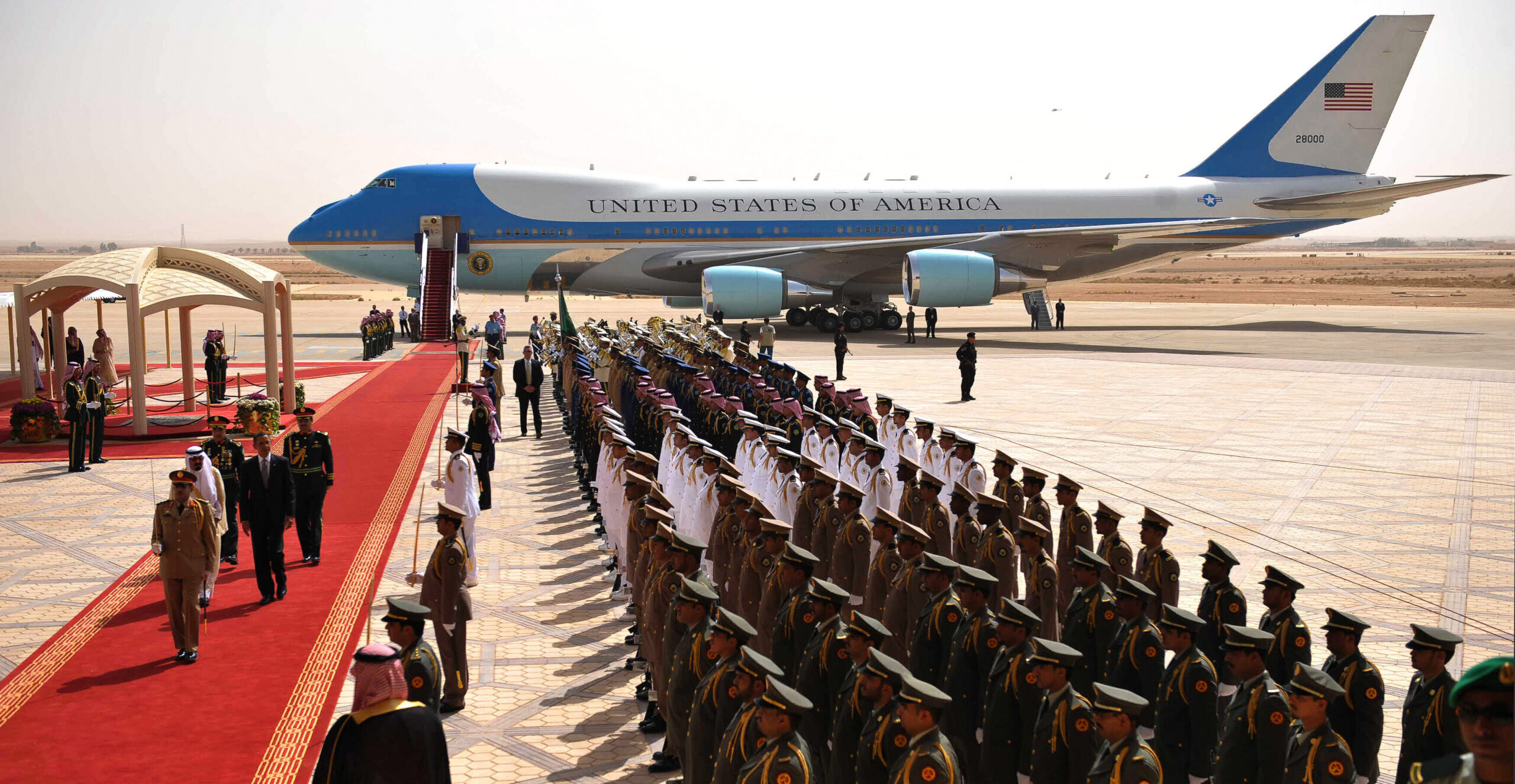
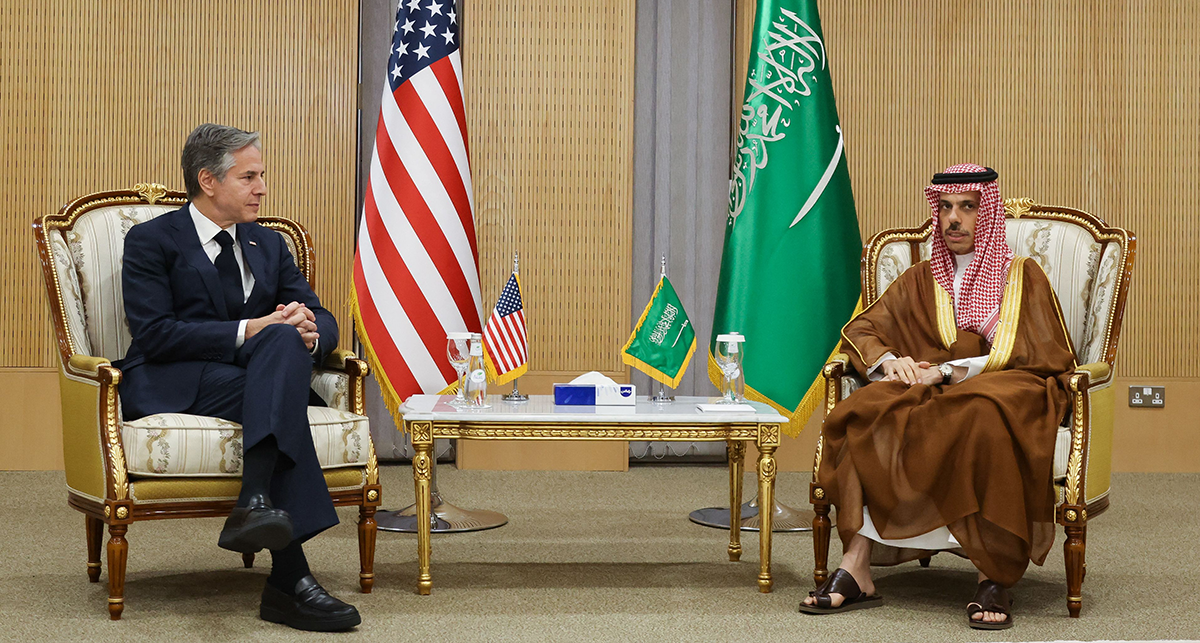
From the past century until today, the U.S. has cast a long shadow in the Middle East region and relations have gone through many highs and lows. It is important to be aware of this trajectory to better understand the relationship today; and perhaps there are lessons to inform the future of the relationship in the coming century.
The Gulf’s twin failings: Innovation and private sector employment for nationals
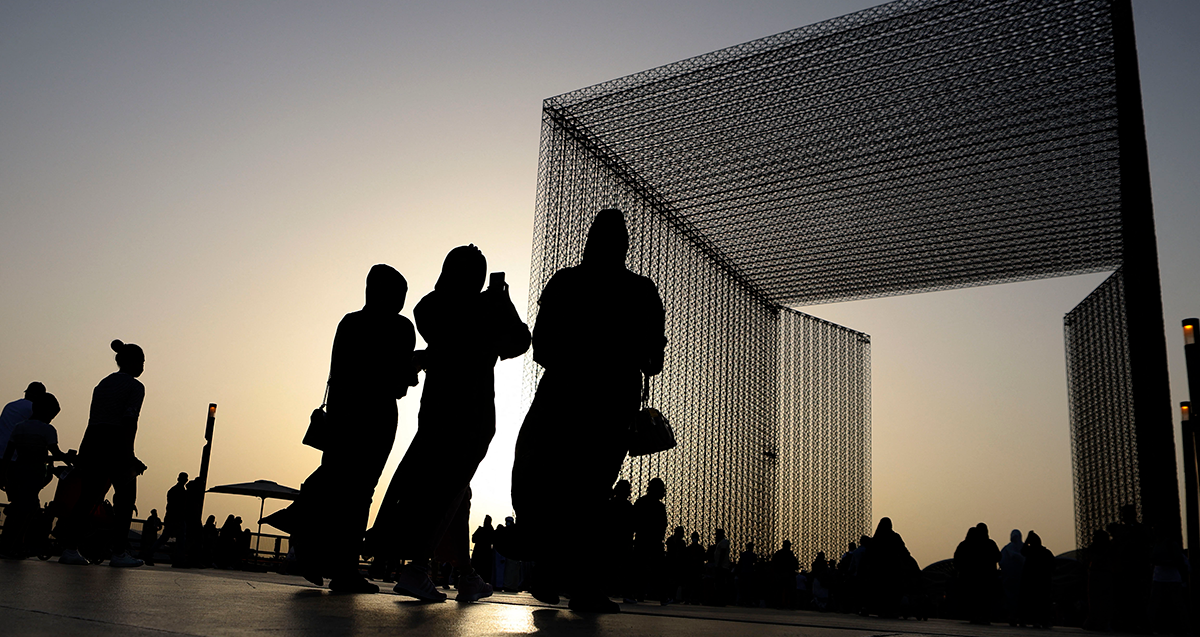
The Gulf states emerged from the global pandemic with the wind in their economic sails. But high-profile events like Qatar’s hosting of the FIFA World Cup and the UAE’s World Expo continued to mask two subtle but major weaknesses that have plagued them for decades. Why do Gulf economies lack innovation? And why do they struggle to create private sector employment for nationals?
Saudi Arabia can alleviate US concerns over its civilian nuclear energy program. Here’s how.
Saudi leaders have stepped up their plans for developing peaceful nuclear energy, inviting technical bids to the planned construction of two 1.4 gigawatt-electric nuclear reactors and restating the kingdom’s intention to use domestic uranium resources for producing low-enriched uranium as nuclear fuel.
The current complex situation in the global oil market seriously tests the abilities of OPEC+ to play the role of a regulator, forcing Saudi Arabia to assume the main burden of responsibility for keeping oil prices from declining further and for shoring up the cartel ranks.
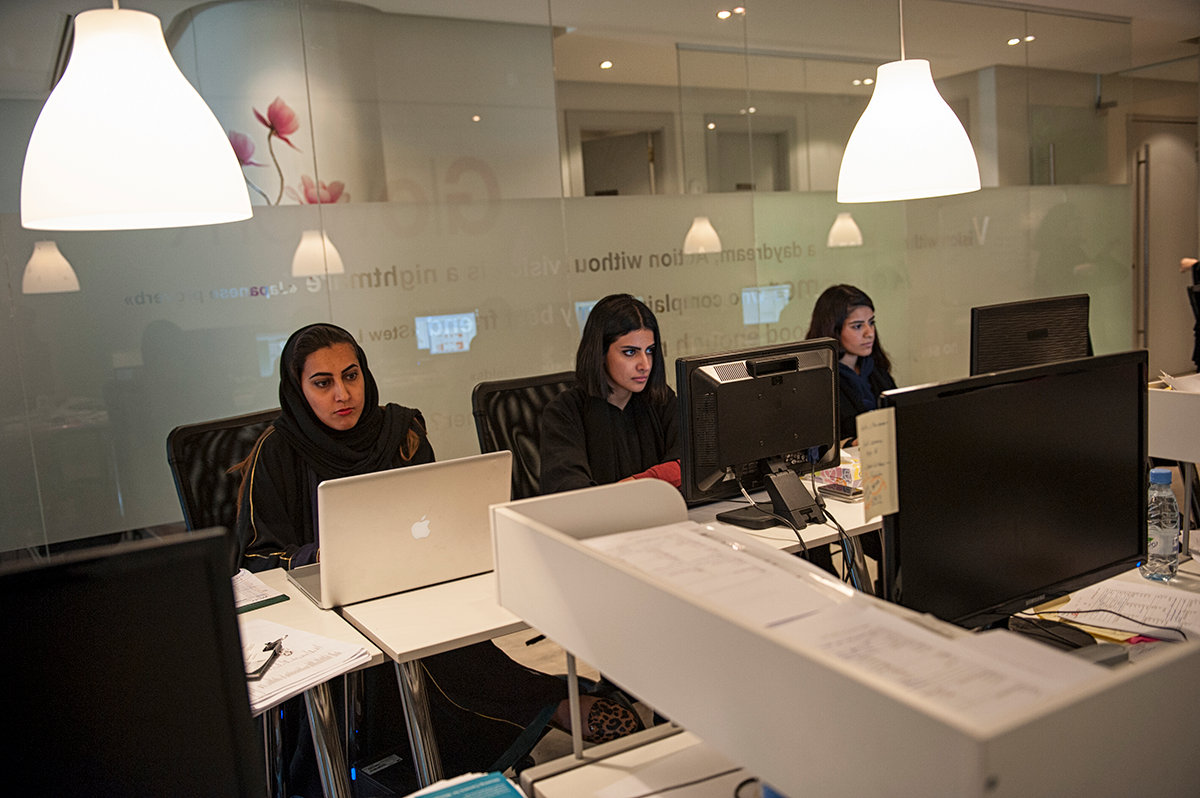
Gender parity in the Middle East is still many decades away, but it will largely determine the future of economic, social, cultural, and political development in the region.
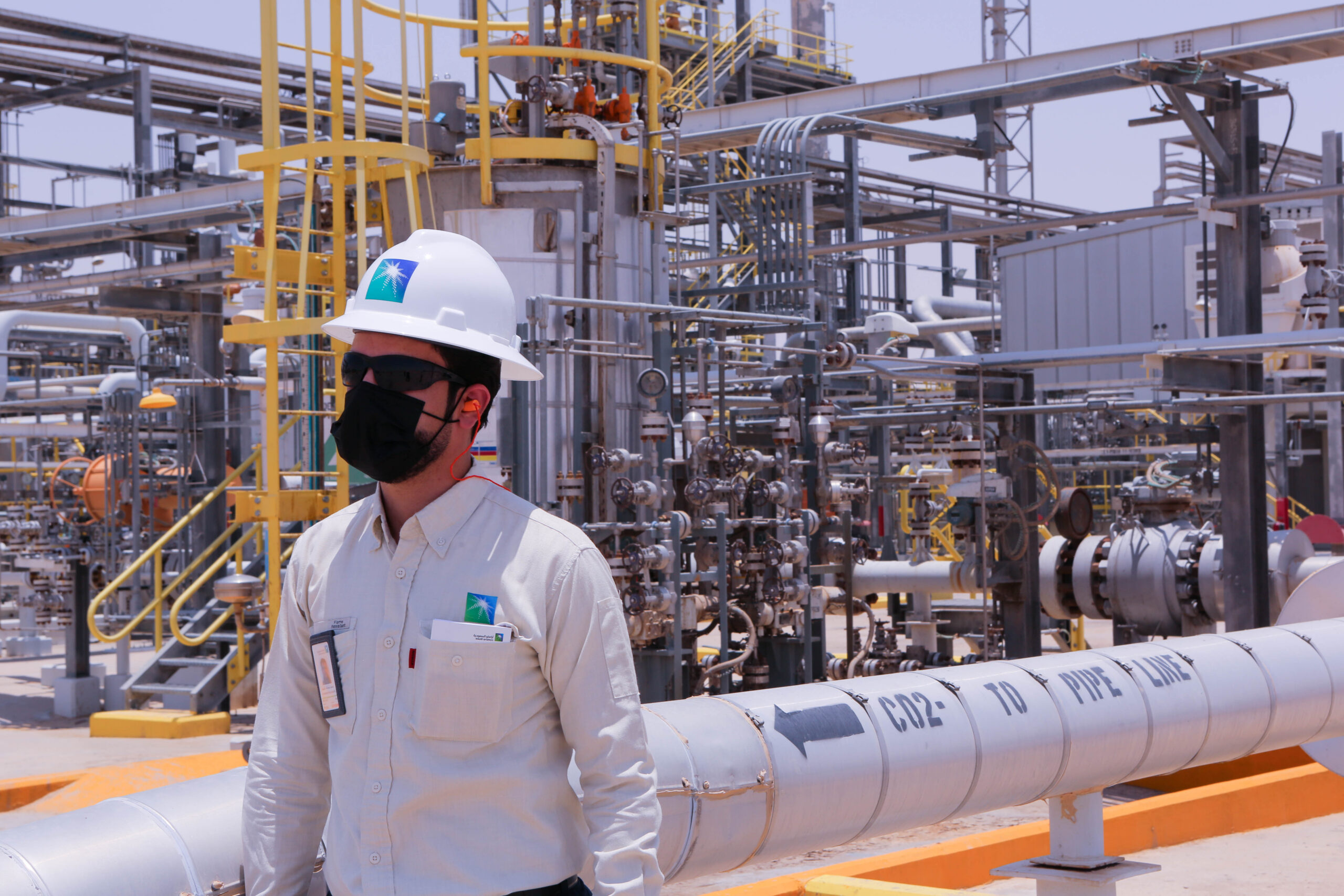
Saudi LNG exports: Overcoming challenges to commercial success
After issuing positive statements around greenfield blue hydrogen projects in late 2022, the company, Bloomberg now reports, may be migrating away from the hydrogen scheme and toward LNG exports. Both would require significant capital investment. Assuming the company decides to pursue an LNG export project, it will face many potentially value-erosive challenges and risks that must be overcome before achieving economic success.
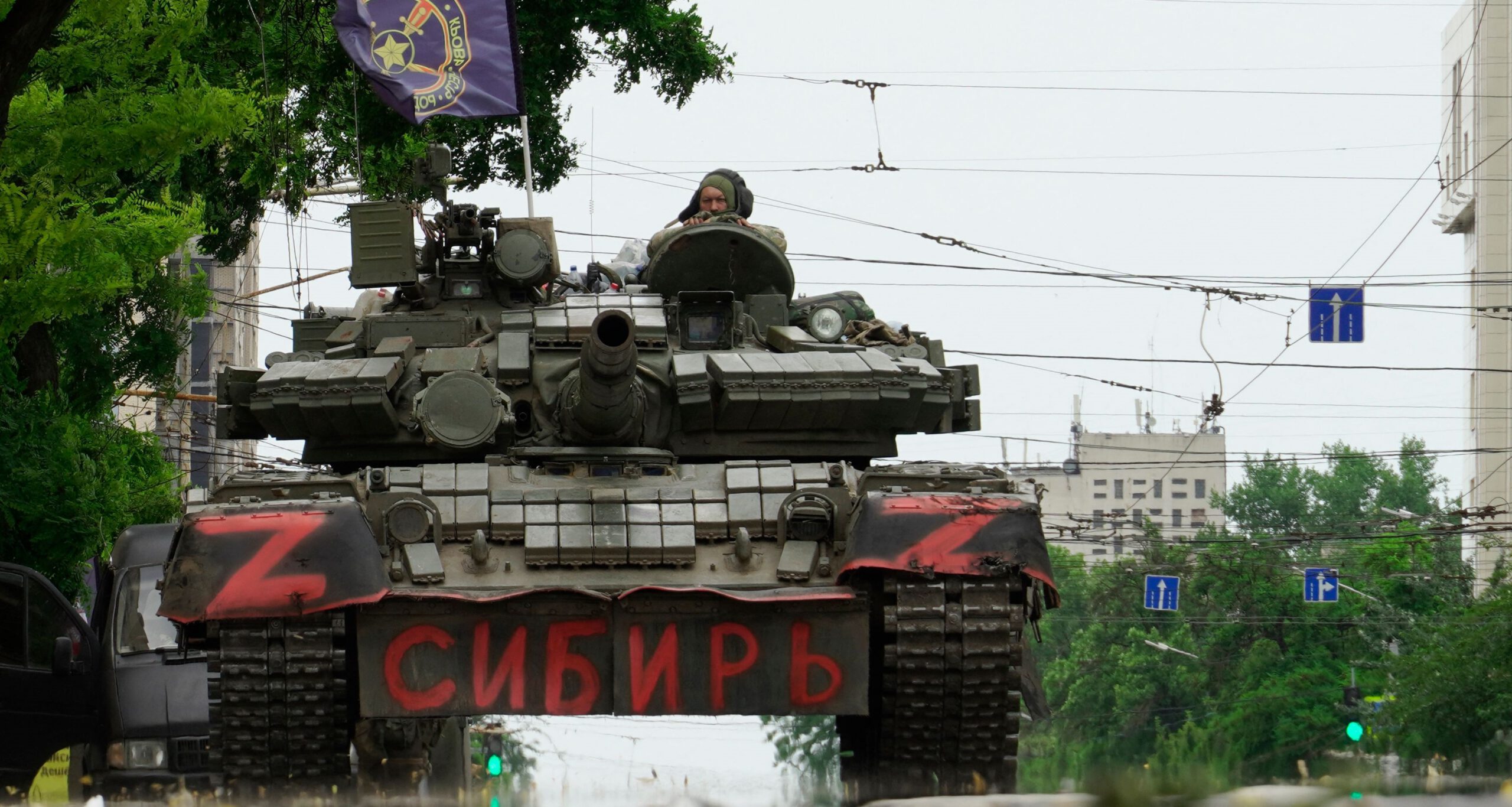
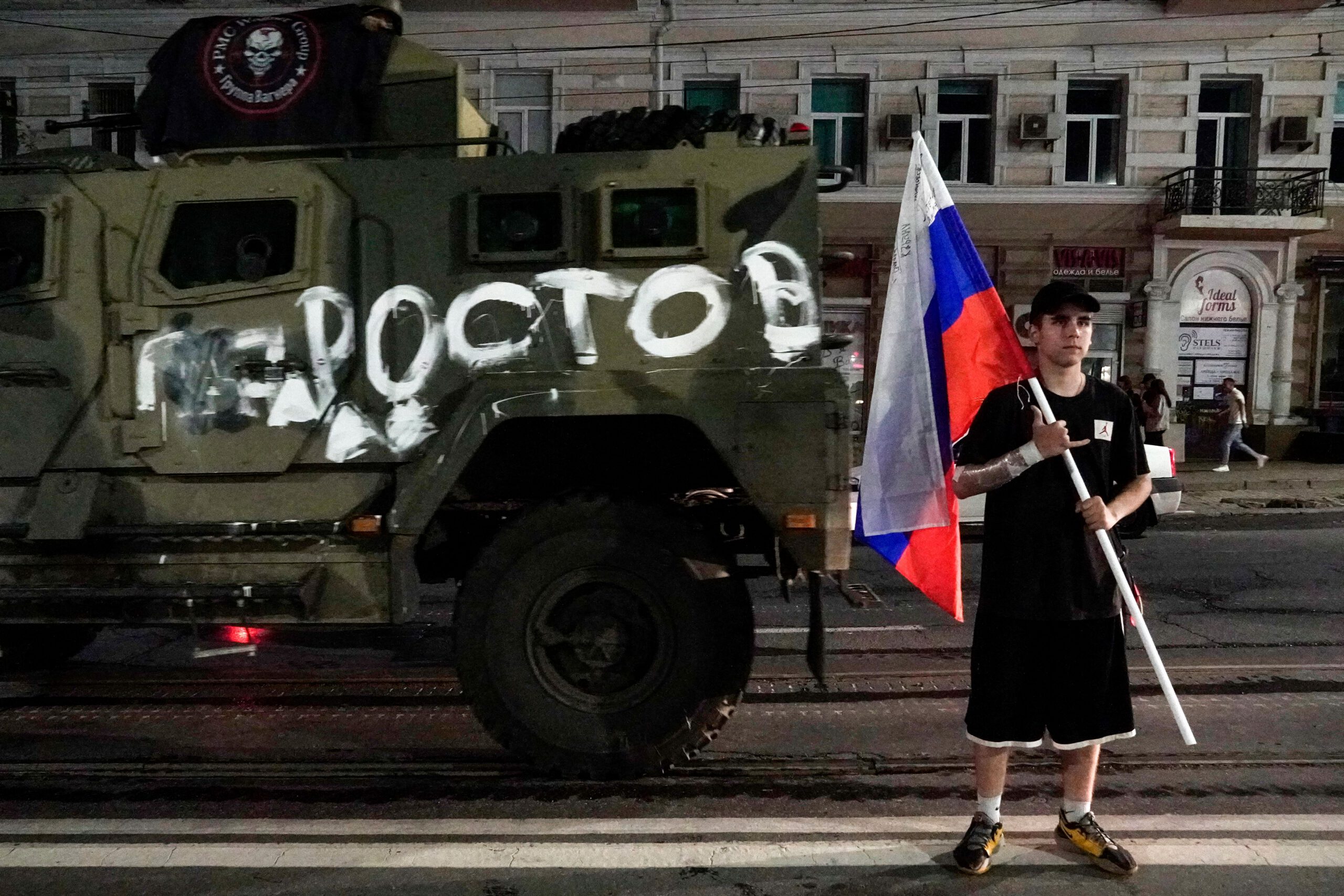
How the rumble in Russia reverberates around the Middle East
It is too early to tell whether the Wagner “uprising” is a one-off or foreshadows further cracks and the eventual collapse of Putin’s presidency, but the latter outcome would have lasting consequences in the MENA region.