Building a More Resilient Bahrain: An Integrated Approach to Climate Change, Socioeconomic, and Governance Challenges
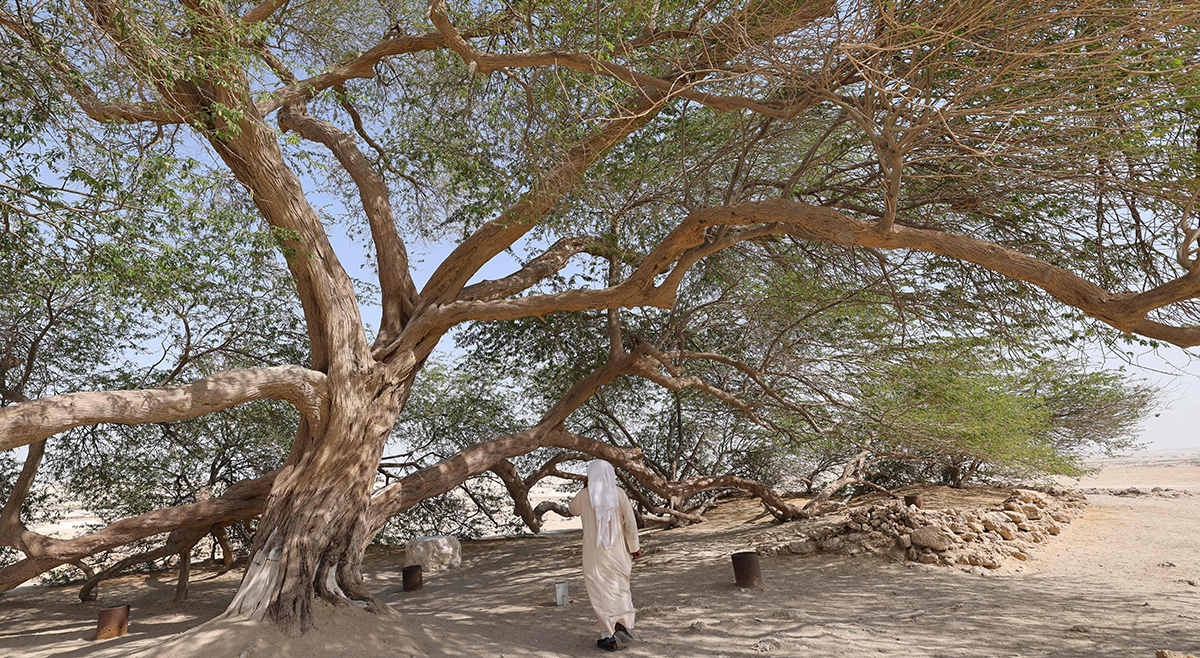
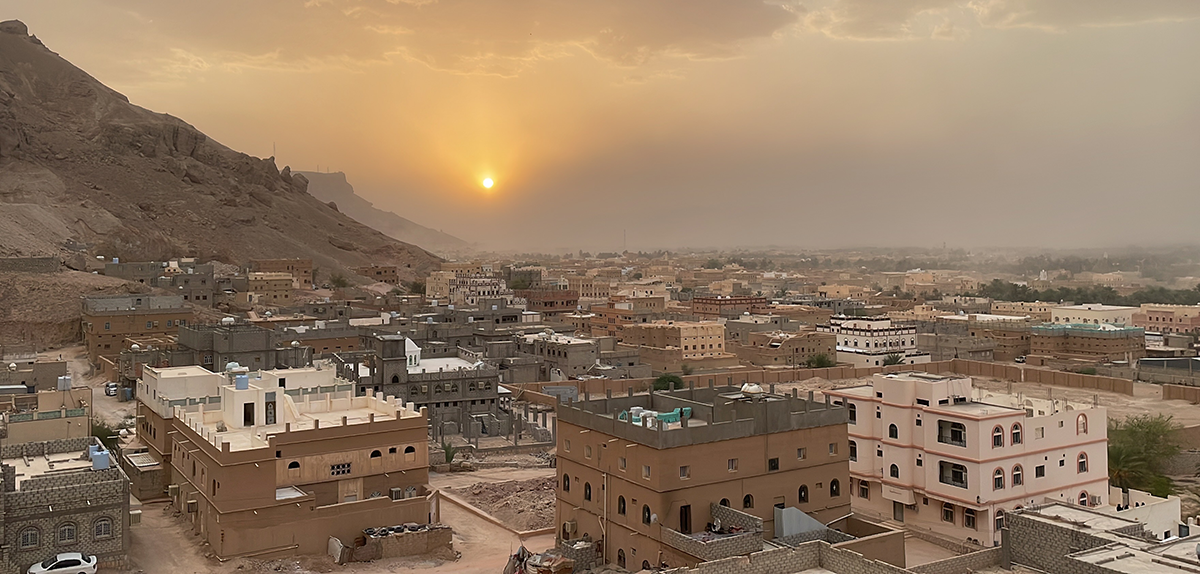
From extreme heat and drought to dust storms and rising sea levels, the Kingdom of Bahrain is facing the growing impact of climate change, with projections indicating conditions will only get worse in the future. Manama’s vulnerability to the effects of climate change directly intersects with its broader societal and governance issues, necessitating comprehensive climate-resilience strategies to address these interconnected challenges.
خطط قطر لتوسيع إنتاج الغاز الطبيعي المسال ومسألة فائض العرض في السوق
On Feb. 25, 2024, Qatar announced plans to increase its LNG production capacity by a further 16 million tons per annum (mtpa) in 2029-30, bringing the total to 142 mtpa. This would be the third such large-scale expansion of its LNG production within the next six years, but there’s one wrinkle: These new production volumes are set to come online at a time of significant oversupply in the LNG market. What accounts for Qatar’s decision?
Crossroads in Idlib: HTS navigating internal divisions amid popular discontent
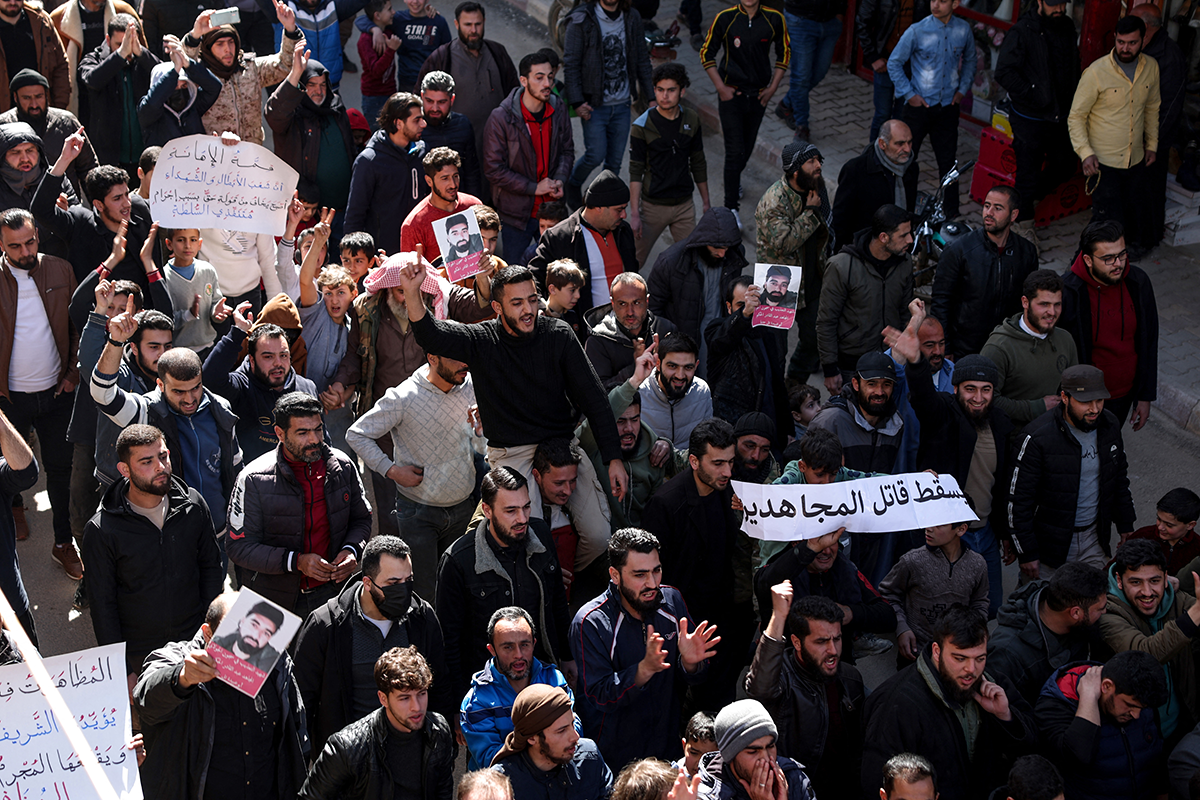
As the world focuses on Israel’s war in Gaza, northwest Syria is undergoing a significant political upheaval that could lead to major instability. For the last three months, Hay’at Tahrir al-Sham, an armed Sunni Islamist group that governs more 4.5 million people in the Idlib region, has been facing widespread protests.
إسرائيل في البحر الأحمر خلال حرب غزة: رؤى استراتيجية
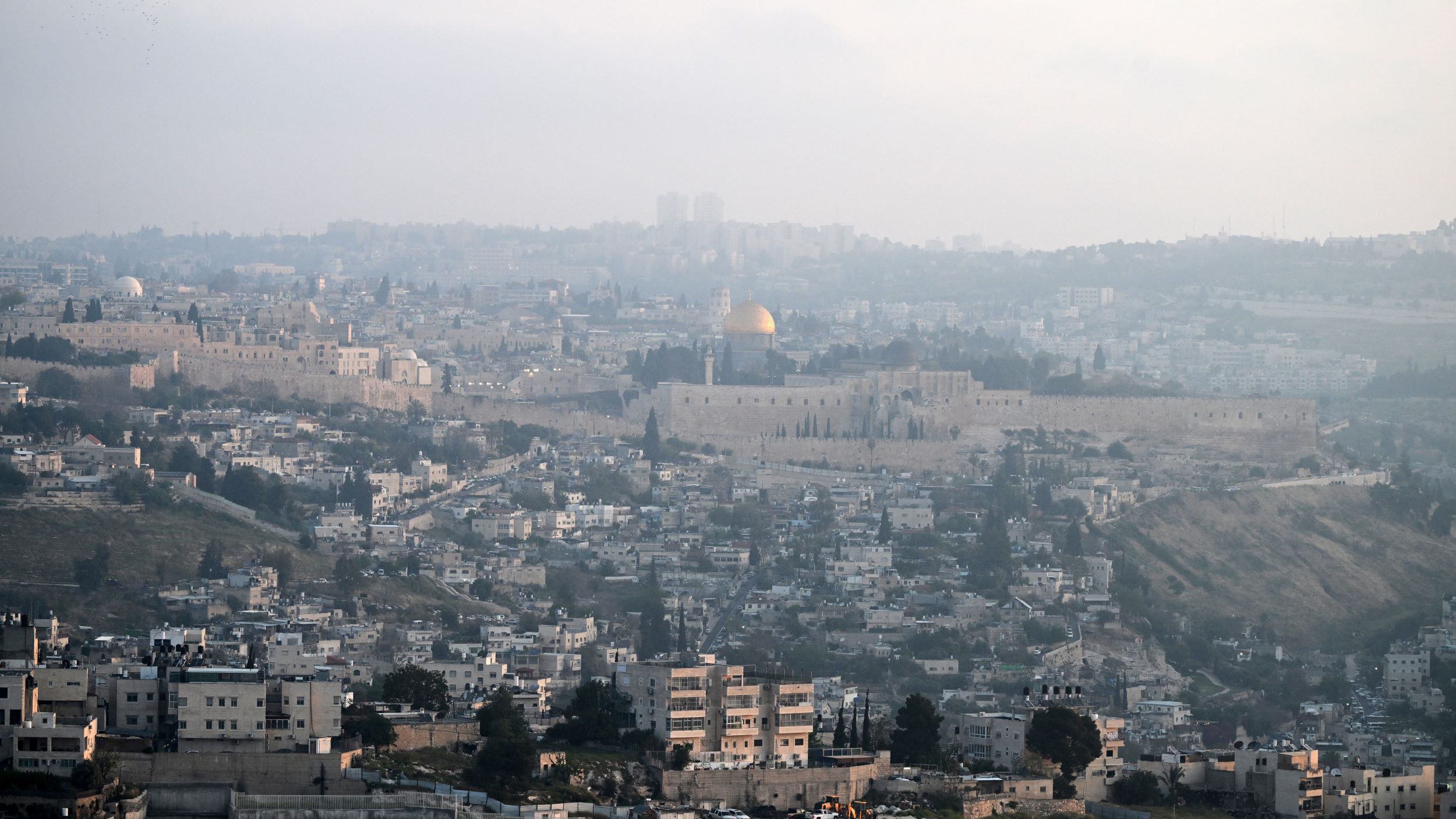
في الأشهر الأخيرة، أصبحت أوضاع إسرائيل في البحر الأحمر أكثر صعوبة على الصعيد الأمني والاقتصادي والدبلوماسي. لكن البلاد في وضع أفضل لمواجهة هذه التحديات والتهديدات من خلال الاستفادة من الشراكات الإقليمية الاستراتيجية التي طورتها على مدى السنوات القليلة الماضية.
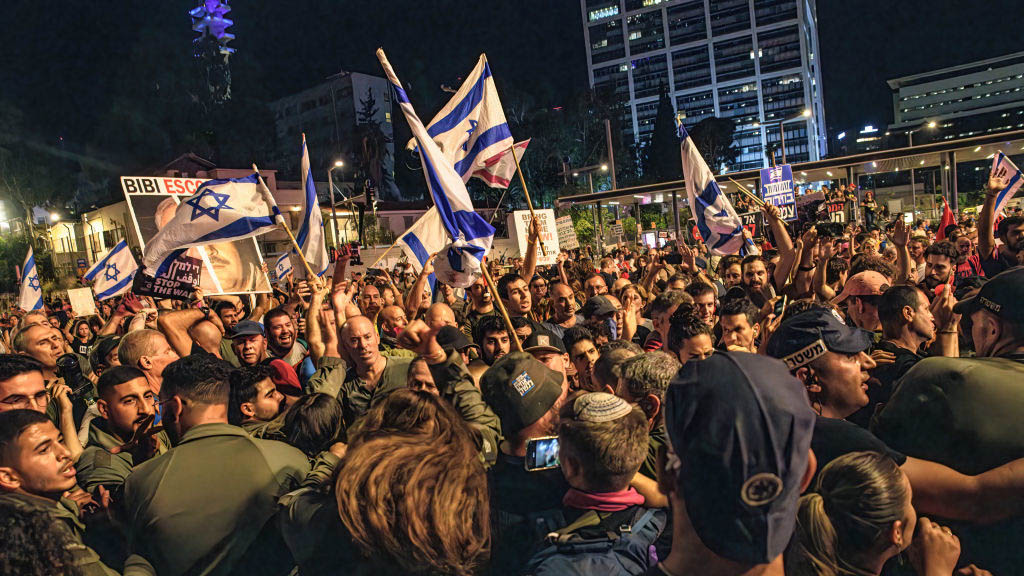
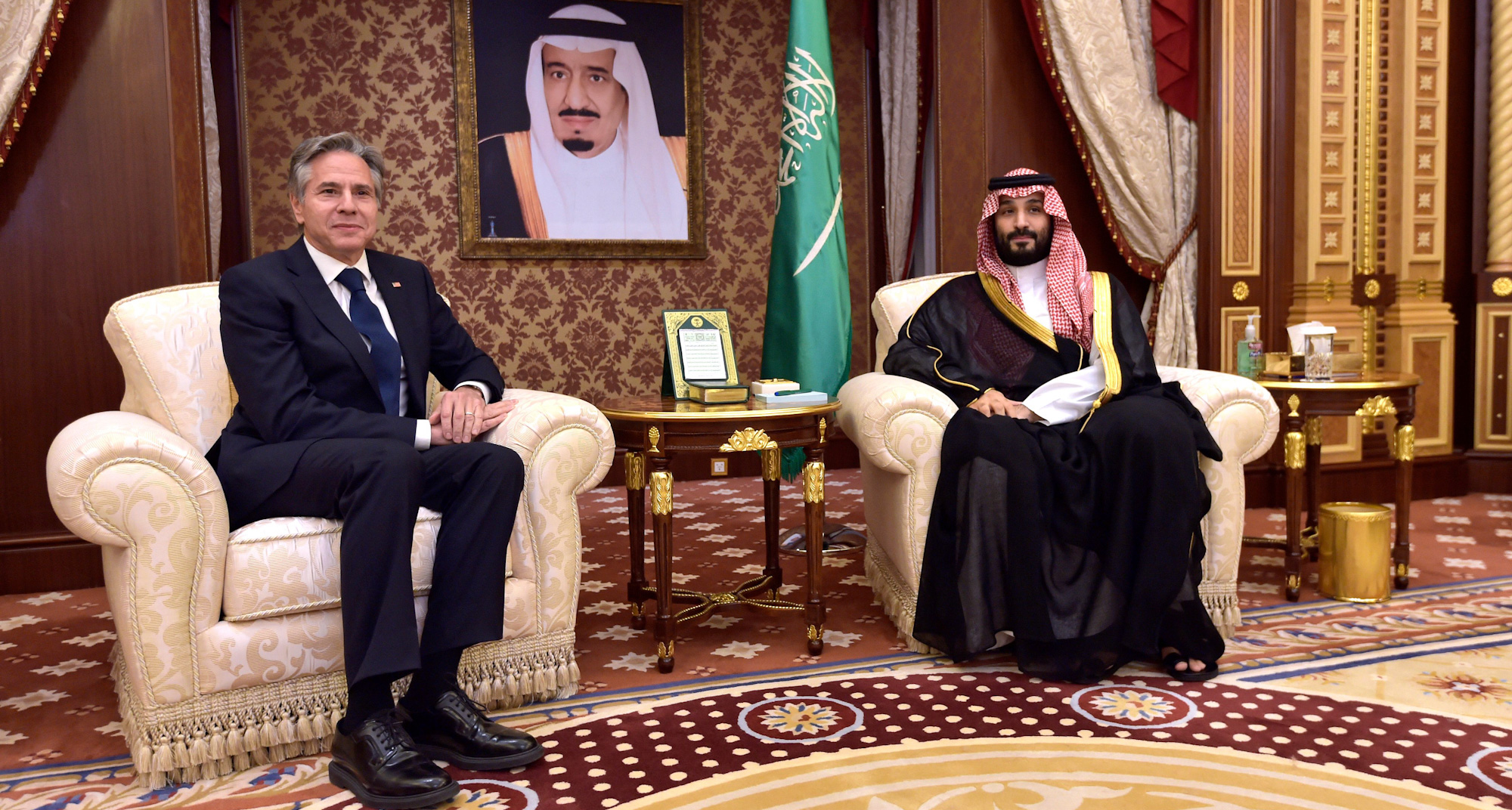
US-Saudi accords must not remain hostage to normalization with Israel
After Hamas’s unprecedented attack against Israel on Oct. 7, the siren song of Saudi-Israeli normalization risks wrecking the US-Saudi relationship against the rocks of stubborn geopolitical realities. An interim less-for-less approach in US-Saudi negotiations that doesn’t immediately require Senate approval nor is beholden to a much less certain Israeli-Palestinian peace process could set the stage for an even more consequential “mega deal” down the line.
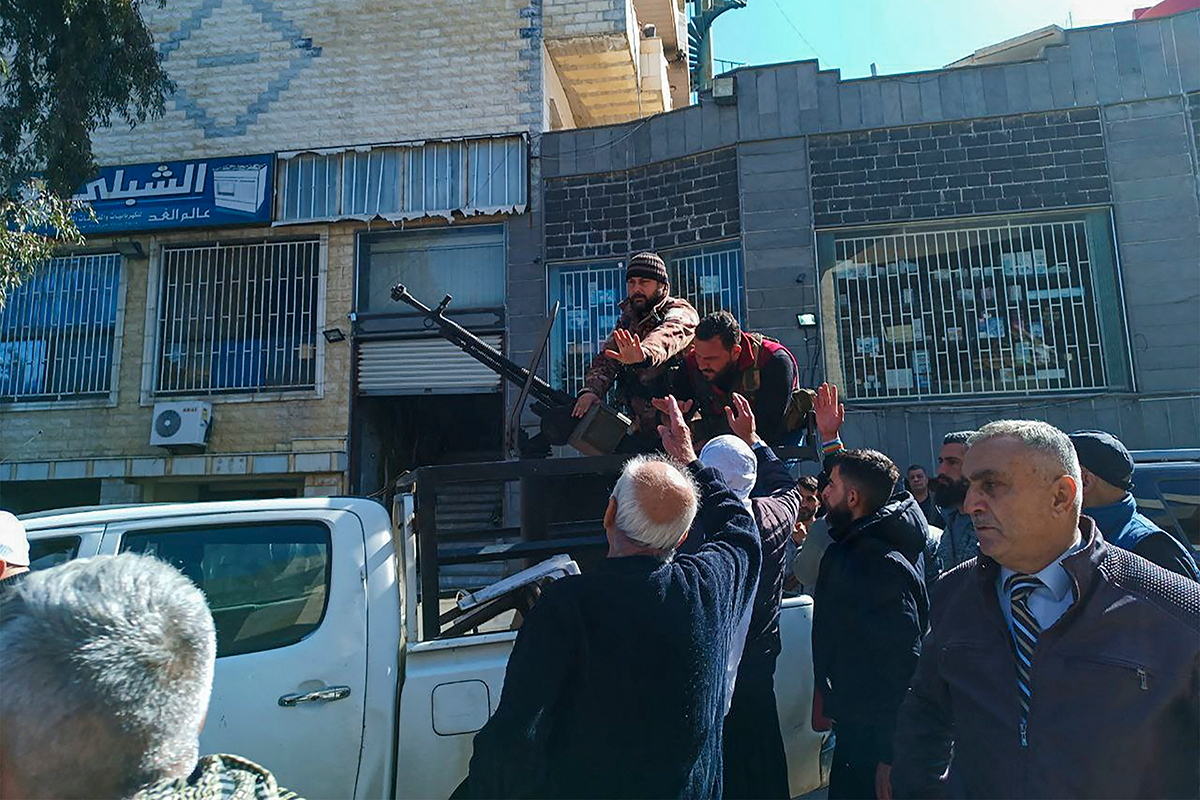
Syrians turn to street justice to free relatives from Assad's prisons
In recent weeks, the southern Syrian province of Sweida has seen a series of kidnappings targeting regime military officers. Unlike the financially motivated incidents common in the region, these abductions, which occurred on April 2 and 25, stand out because they targeted individuals based on their affiliation with the regime of Bashar al-Assad rather than their personal identities. Reports suggest that Sweida residents orchestrated the abductions as a way of negotiating the release of relatives detained by the regime.
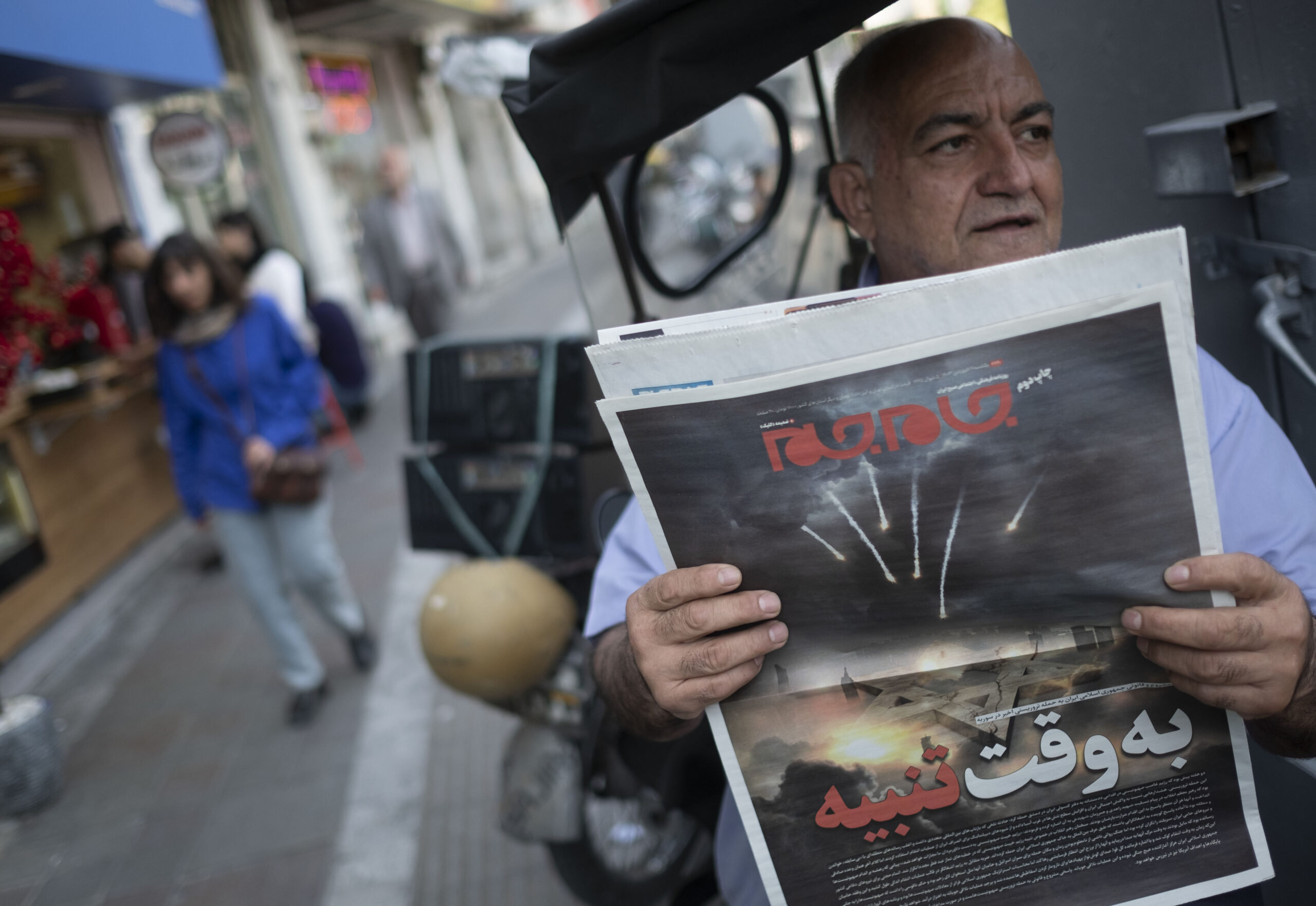
آراء الخبراء: كيف يجب أن نتعامل مع القواعد الجديدة للعبة في الصراع بين إسرائيل وإيران؟
شهد شهر أبريل سلسلة من التصعيدات غير المسبوقة في الصراع الإيراني-الإسرائيلي الذي طال أمده، حيث شن كلا البلدين هجمات صاروخية وطائرات مسيرة على أراضي بعضهما البعض لأول مرة في التاريخ.
في أعقاب هذه الضربات، ماذا سيكون تأثيرها على الأمن الإقليمي والبيئة السياسية في المستقبل، وما هو المطلوب لتثبيت قواعد اللعبة الجديدة، وكيف يمكن للدبلوماسية الأمريكية أن تساعد في تسهيل هذه العملية؟ طلب معهد الشرق الأوسط (MEI) من خبرائه إبداء آرائهم في هذا الشأن.
The Hadramawt National Council: A strategic move or a tactical reaction?
Yemen’s eastern governorate of Hadramawt has long had a distinct regional identity and recent steps, including the signing of a Hadrami Honor Charter and the formation of the Hadramawt National Council (HNC), have underscored Hadramis’ aspirations for greater empowerment and autonomy at a time of growing competition and contestation, both locally and regionally.
Saudi-Houthi Agreement: Four Scenarios and Their Potential Impact
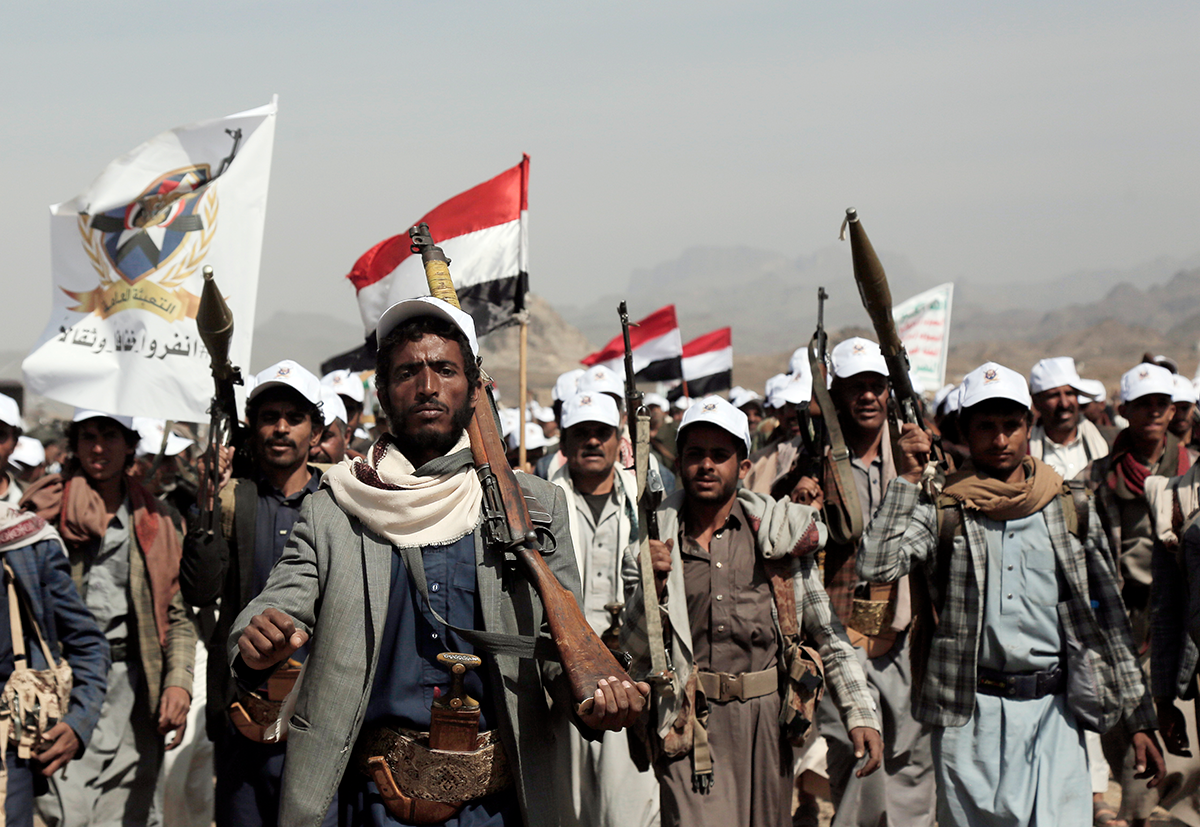
Less than 10 years after seizing power in Yemen, the Iran-backed Houthi militia continues to evolve — and so do the threats emanating from it. After several years of negotiations, it now seems likely that the Houthis and Saudis will reach a peace agreement, and it is worth considering how such a deal could change the group’s trajectory. This report examines a number of possible futures that could develop in Yemen over the next 1-2 years based on shifting capabilities, interests, and alliances.
The long rise and sudden death of jihadist leader Abu Maria al-Qahtani
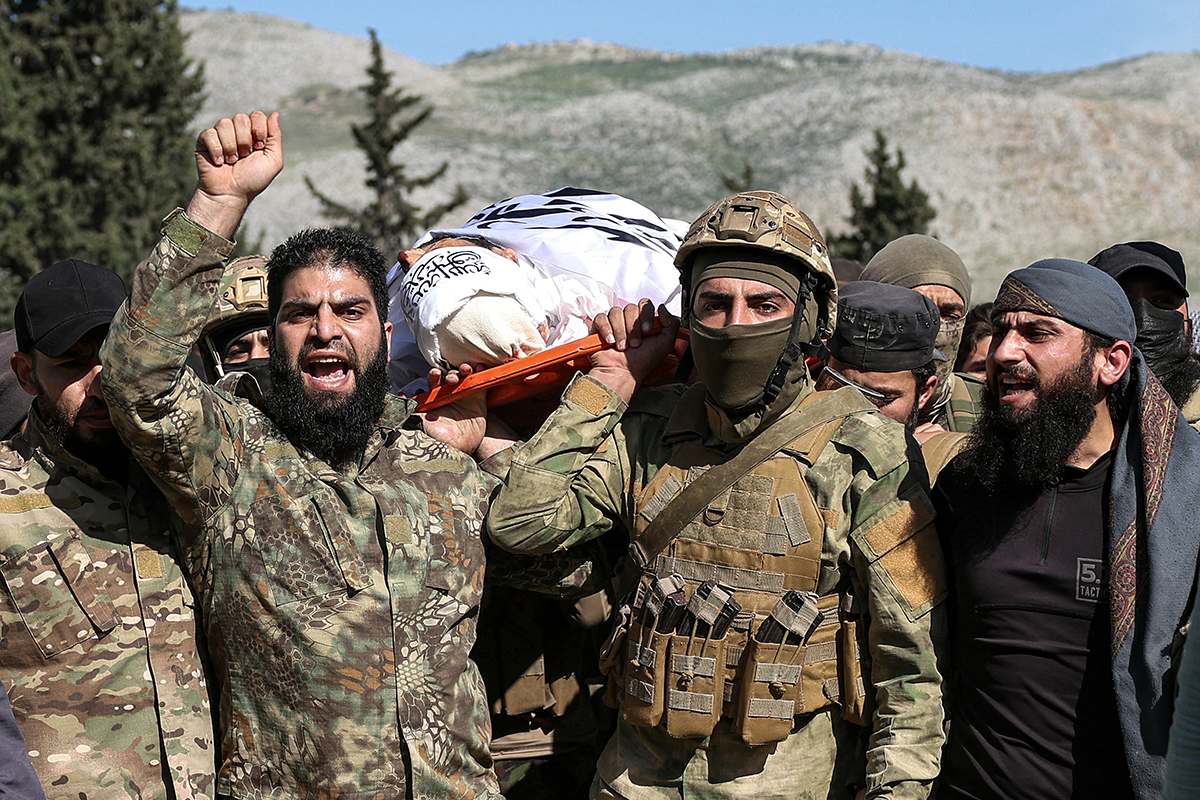
In a significant and surprising turn of events, on the evening of April 5, a prominent Iraqi leader in the Syrian Sunni Islamist group Hay’at Tahrir al-Sham, Maysar bin Ali al-Juburi, also known as Abu Maria al-Qahtani, was reportedly killed in an attack in Idlib’s northern countryside.
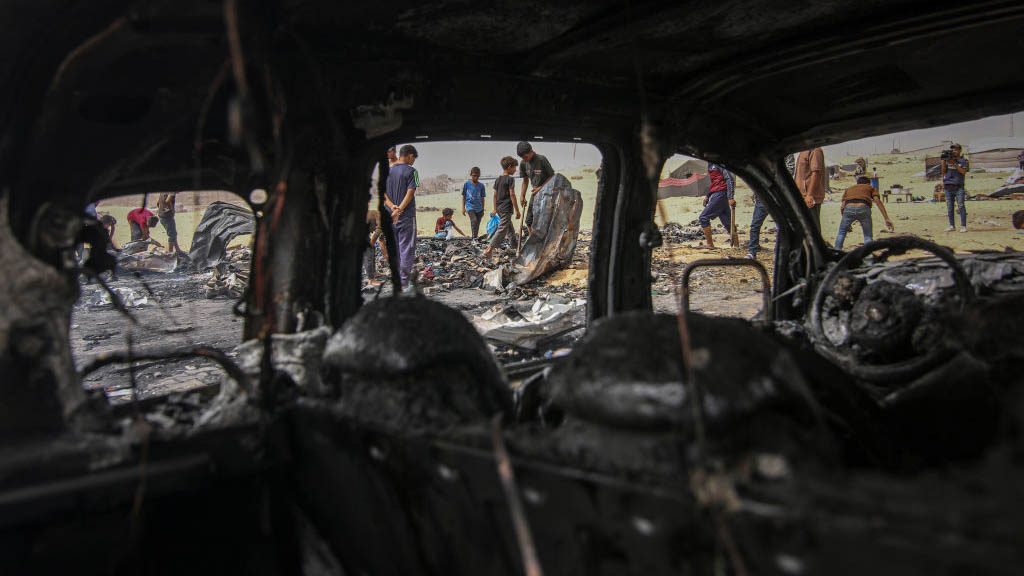
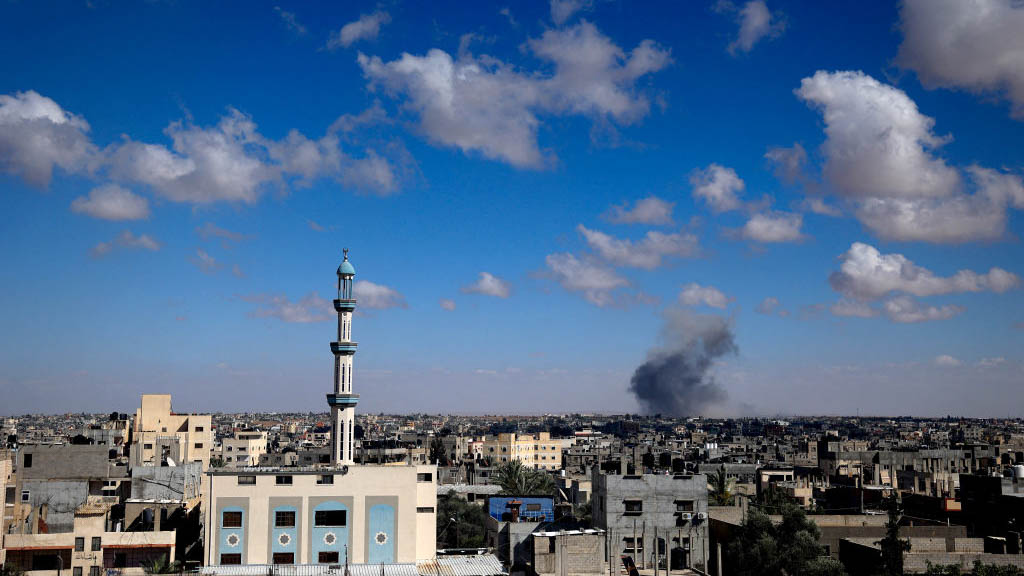
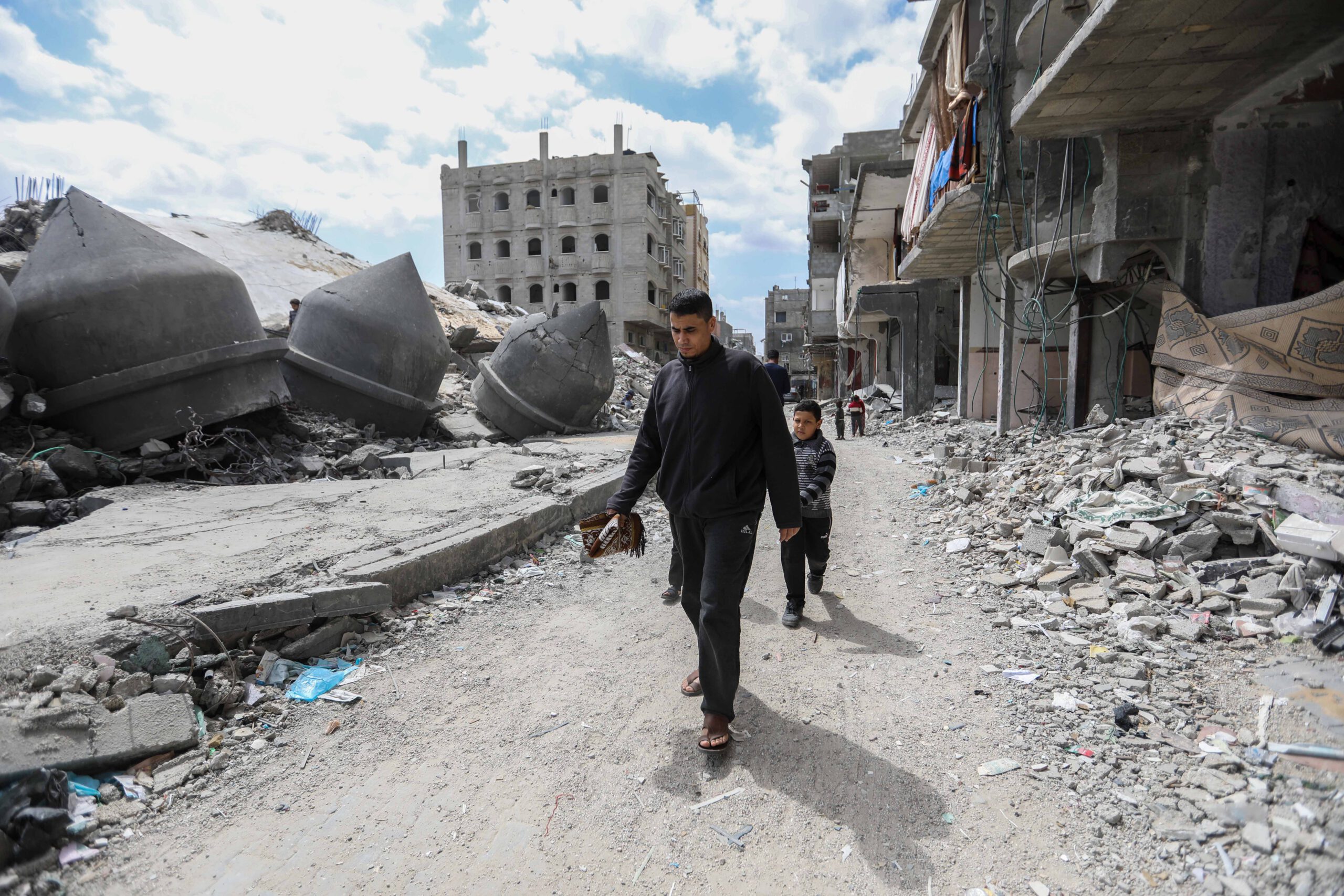
Six months since the October 7 Hamas attacks on Israel and subsequent outbreak of war in Gaza, the deadly and devastating conflict looks no closer to concluding. Is it still possible to achieve a sustainable cessation of hostilities and restart the conflict-resolution process? To get there, what are the incentives and disincentives that could be constructed for the two main combatants, Israel and Hamas?