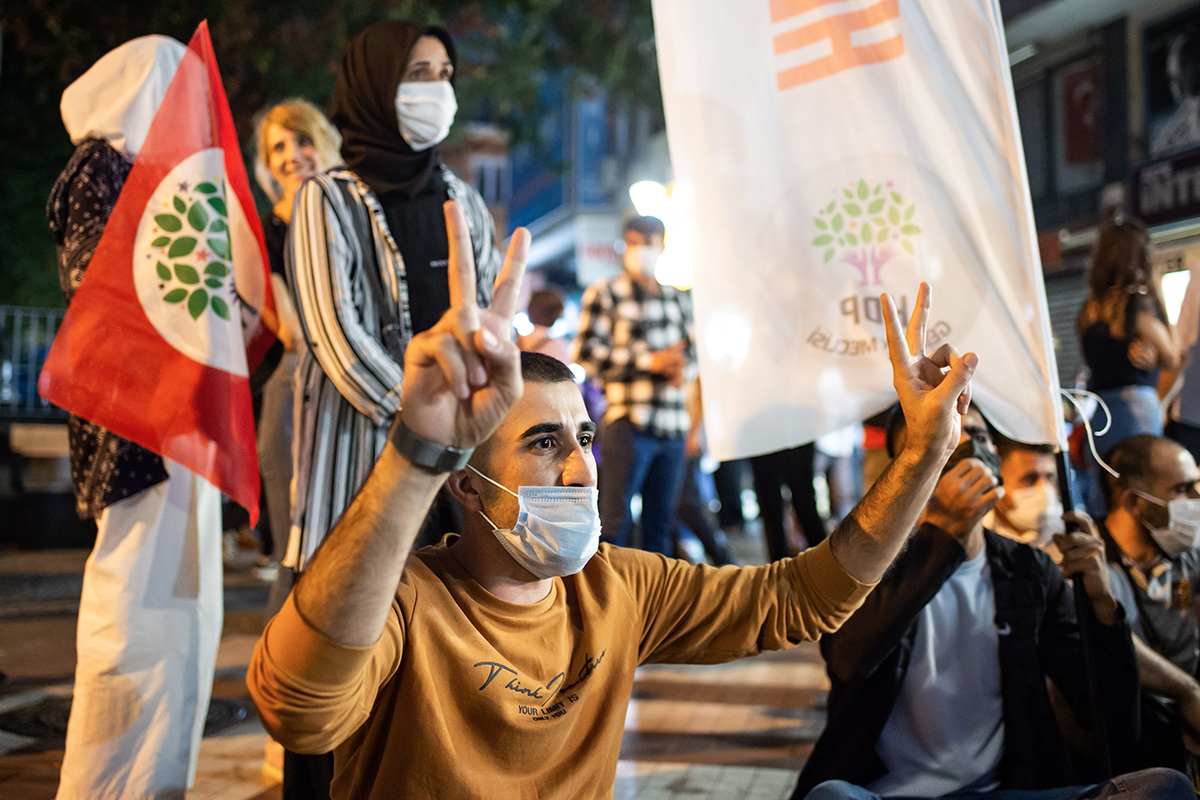
Since Erdoğan adopted a nationalist and militarist approach to reverse the results of the June 2015 elections, the Kurdish political movement has faced immense pressure. The line between the PKK and other non-violent political actors has blurred in the eyes of the elites in Ankara. Leaders and officials of the pro-Kurdish HDP have been arrested and the party has been demonized in the media. This paper aims to understand the motivation behind Erdoğan’s approach to the Kurdish question and explore the potential implications for the upcoming elections in June 2023.
Religion, Nationalism, and Populism in Turkey Under the AKP
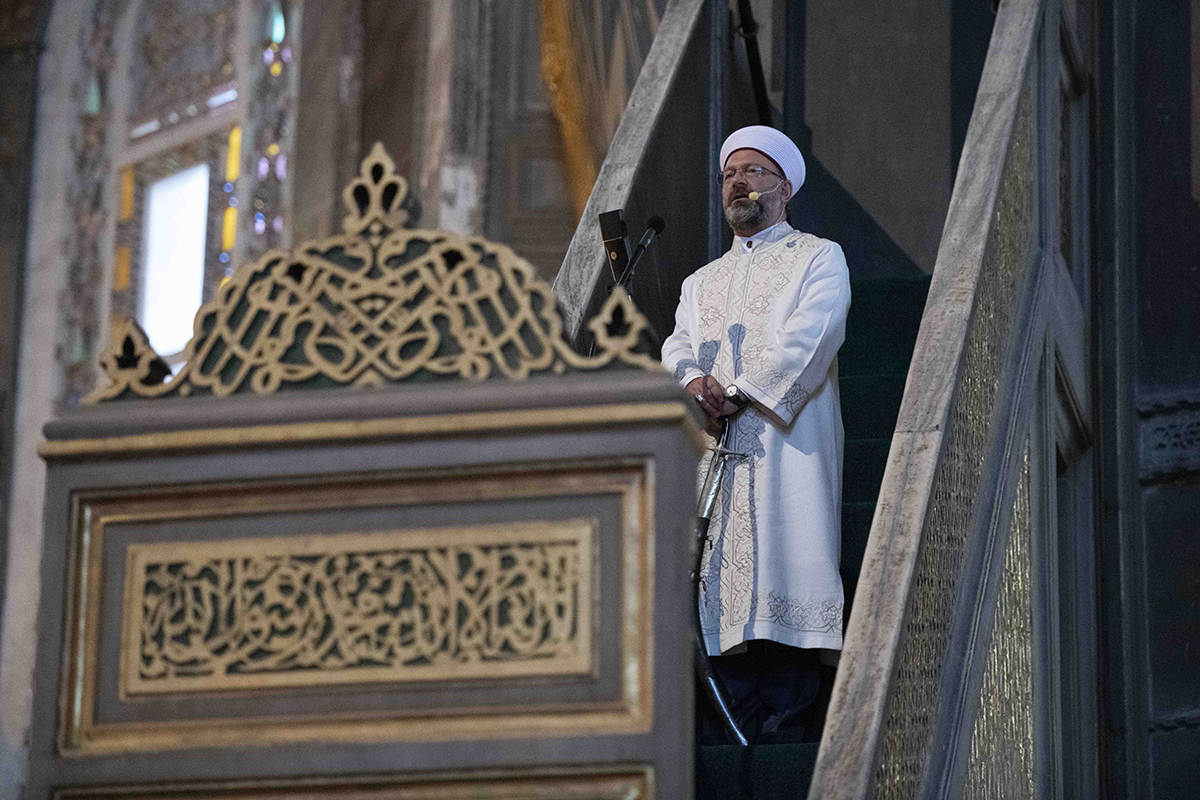
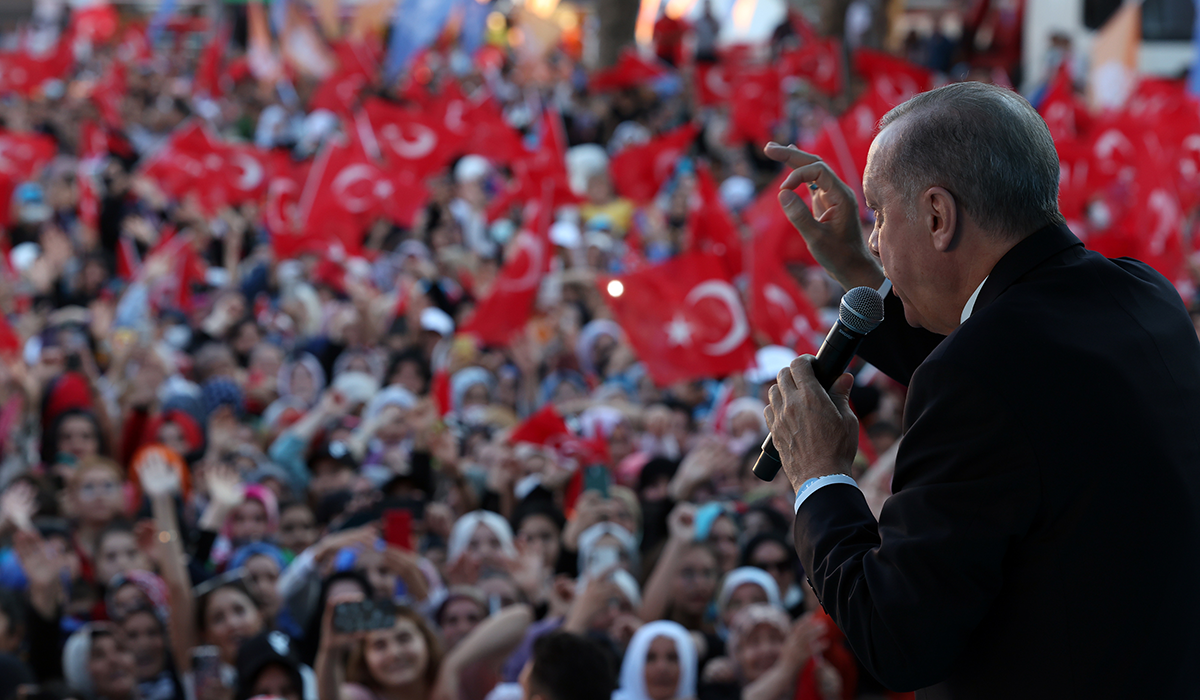
Over its two decades in power, the AKP has shaped relations between different social groups in Turkey based on religious belonging. It altered people’s perceptions of national identity by making “being a Muslim Turk” more appealing for many at home and abroad, and created new public spaces and collective memories embellished with national heroism sacralized by religious references. Moving beyond Turkey’s oft-cited secular-pious cleavage, this paper aims to shed light on the AKP’s complex relationship with religion through the lens of nationalism, populism, and performance as a means of political mobilization.
The Strategies and Struggles of the Turkish Opposition under Autocratization
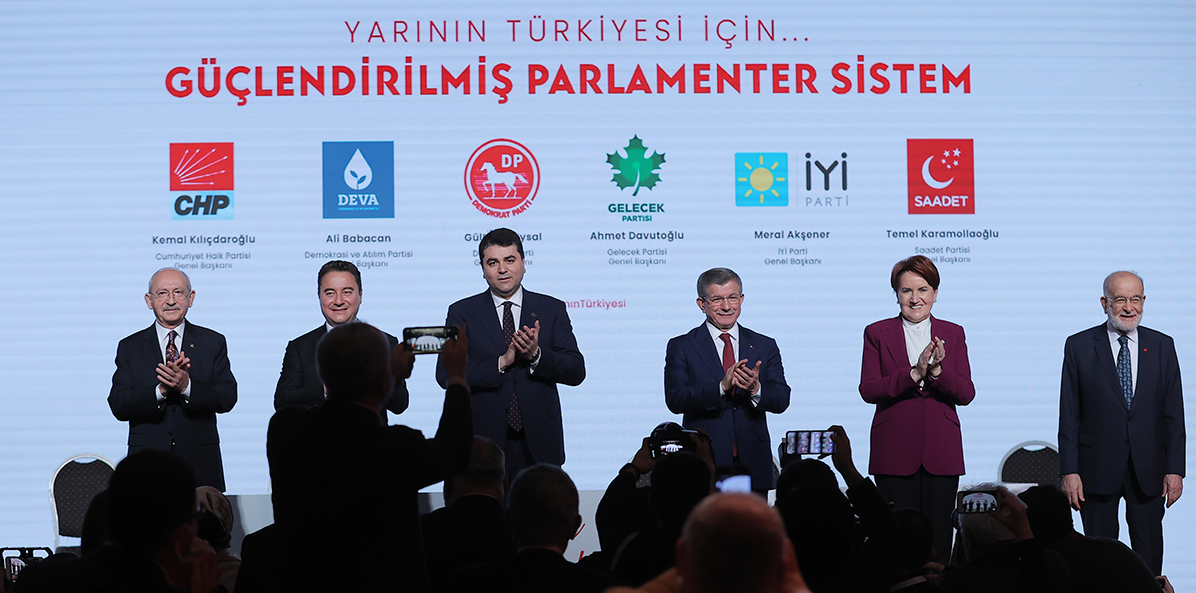
President Recep Tayyip Erdoğan has thus far enjoyed a fragmented opposition and utilized polarization to cement divisions. However, the introduction of a hyper-presidential system after the 2017 constitutional referendum and Erdoğan’s 2018 election victory have provided the necessary impetus for the opposition parties to form an alliance. This paper charts Turkey’s autocratization under AKP rule, addresses the strategies adopted by its political opposition, and maps out the opportunities and risks they face in the run-up to the June 2023 presidential elections.
Turkish Views: Crisis and Opportunities for Turkey in 2023
As the Turkish Republic enters its centennial year, it seems to be at an inflection point. What has been the impact of the AKP’s rule and how might the opposition change Turkey’s direction if they manage to come to power? In this series of papers, seven prominent Turkish scholars weigh in on these questions, thinking about this from a wide variety of perspectives and focusing on a range of specific fields of policy, explaining how we got to the current juncture and where Turkey might go from here.
Iraq’s crisis of elite, consensus-based politics turns deadly: The Coordination Framework
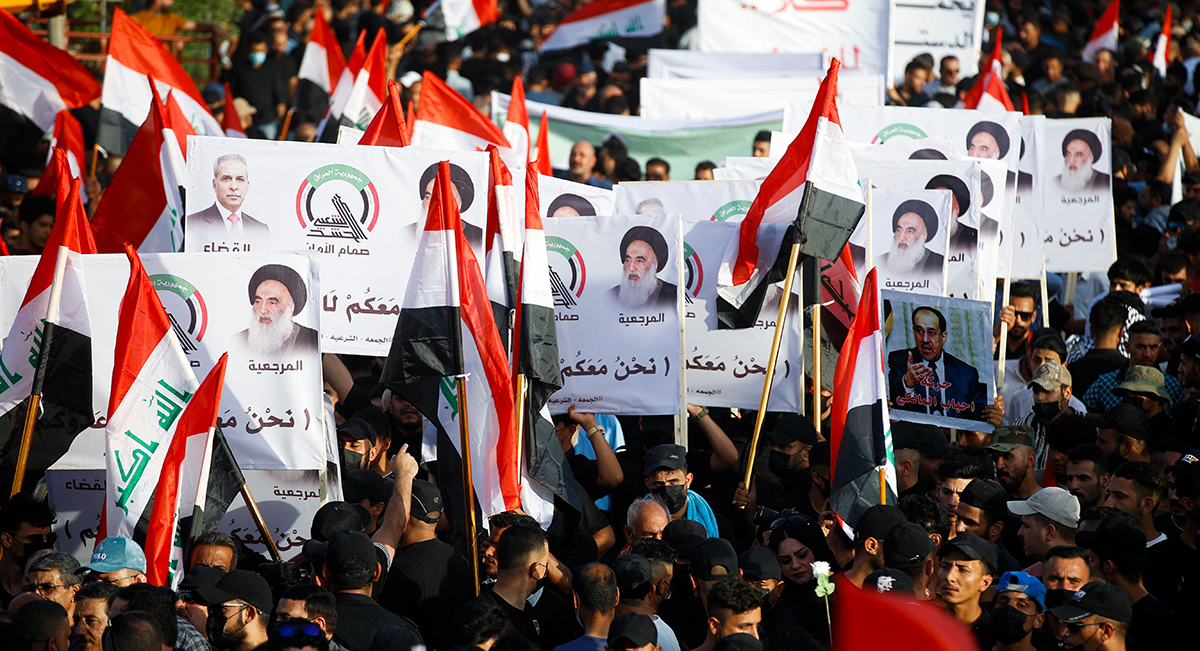
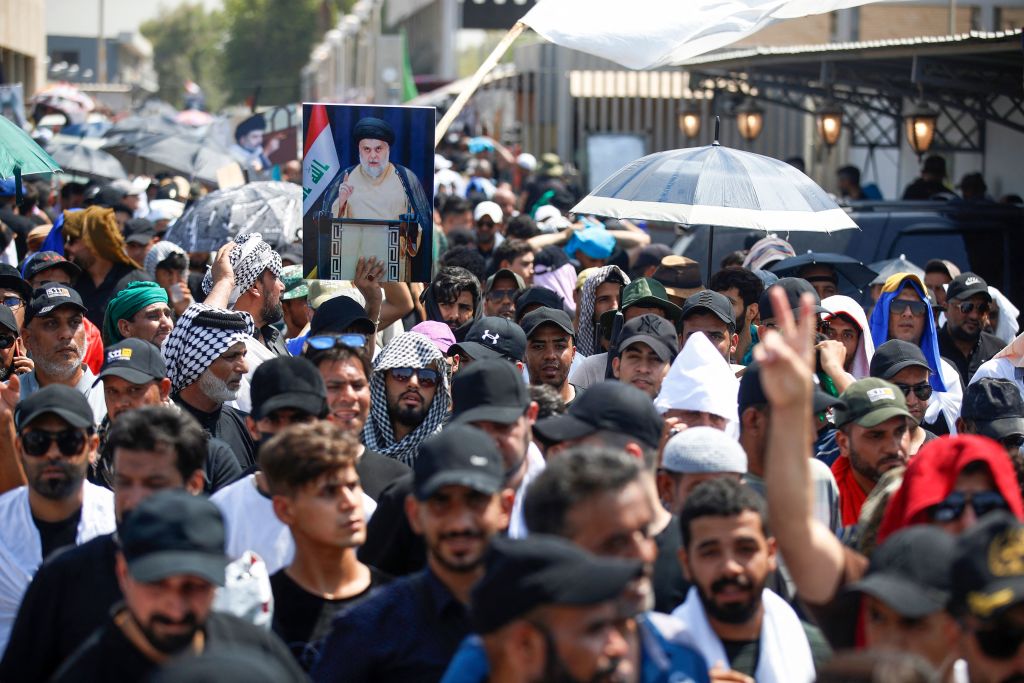
Iraq’s ongoing government formation power struggle pits the Sadrist Movement, led by populist Shi’a cleric Sayyid Muqtada al-Sadr, against the Coordination Framework (CF), a loose association of Shi’a parties, united mostly by their opposition to the Sadrist Movement. This piece explores the perspectives of members of the CF and their supporters toward the crisis.
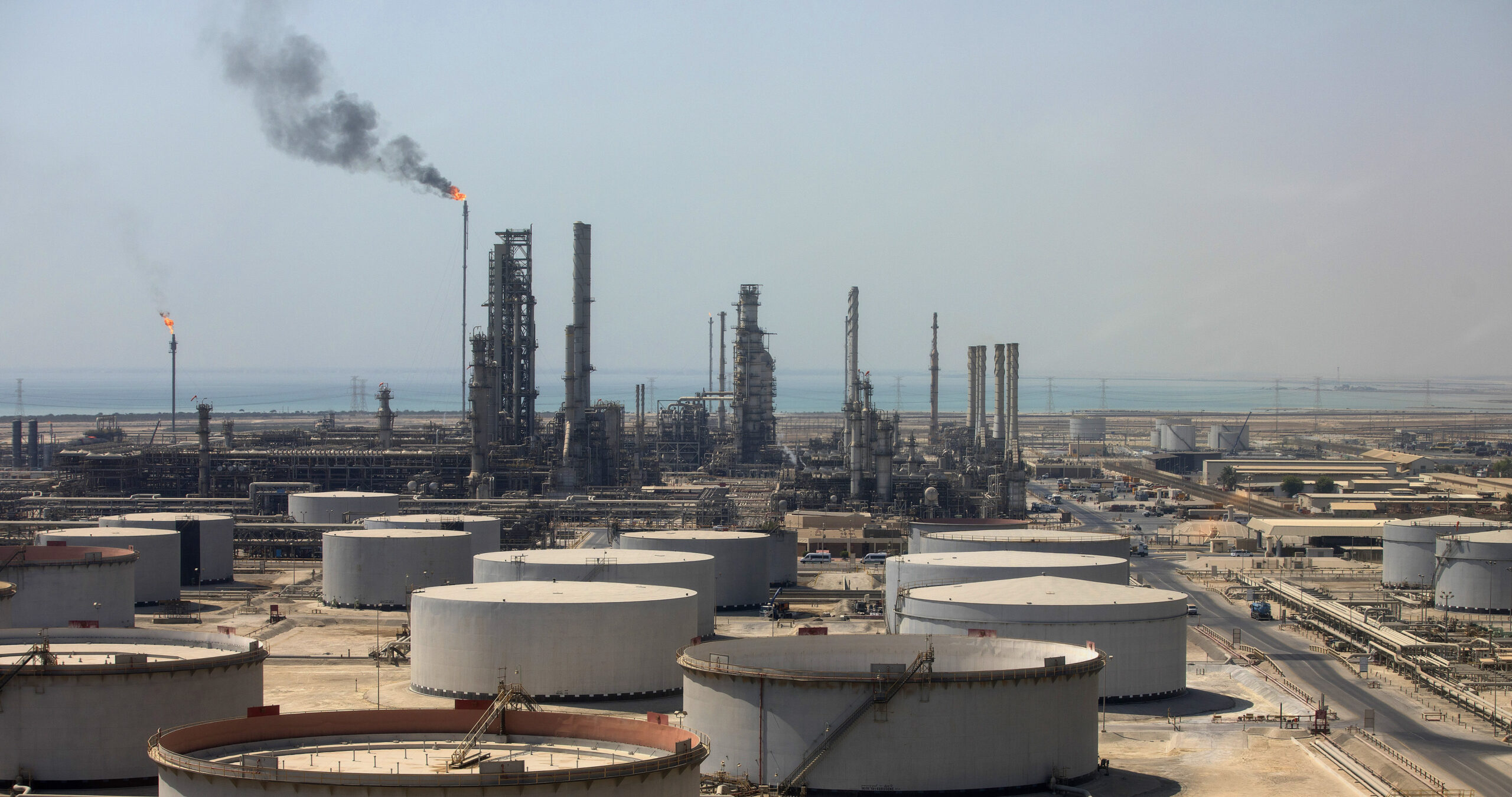
Under current, highly unpredictable market conditions, it is unreasonable for OPEC to make sharp movements to saturate the oil market or withdraw a significant number of barrels from it to meet divergent Western interests of lowering prices and punishing Russia.
Iraq: A crisis of elite, consensus-based politics turns deadly
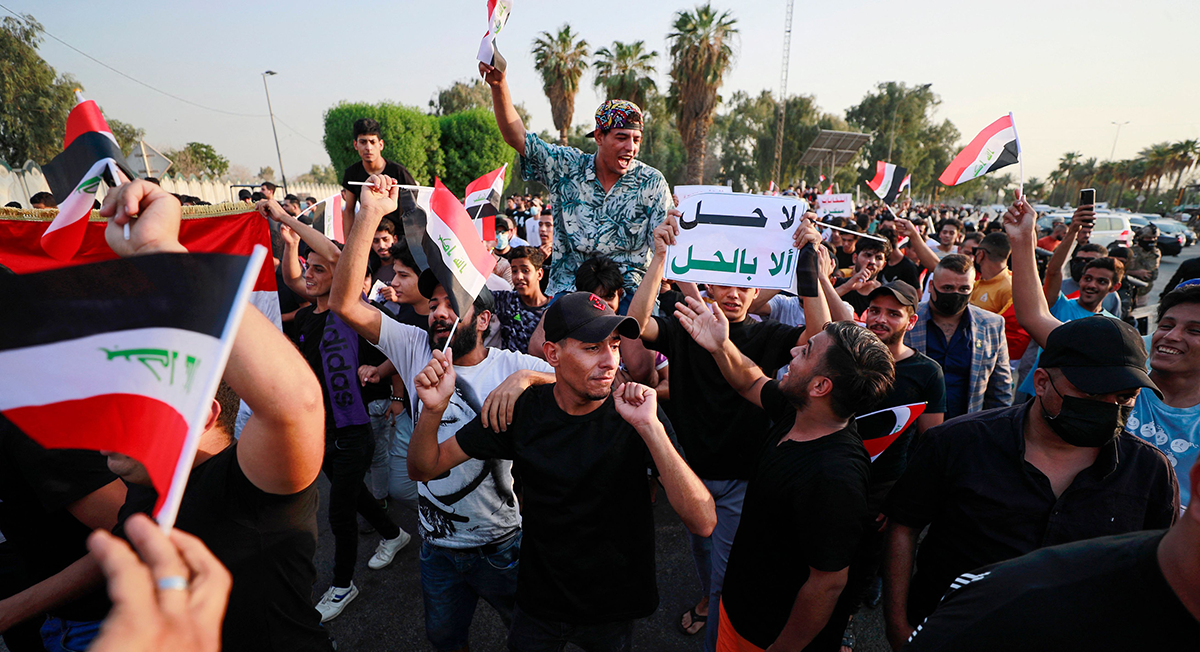
Iraq is facing one of its worst political crises in years. Following the bloody street battles at the end of August that left more than 30 dead, violence has stopped, for now, but the political crisis is far from over, even if superficial solutions may be found in the interim. Iraqis anxiously await the end of the Arba’een holiday on Sept. 17 to see what will happen next.
Domestic Political Chaos Is Not the Only Thing Happening in Iraq
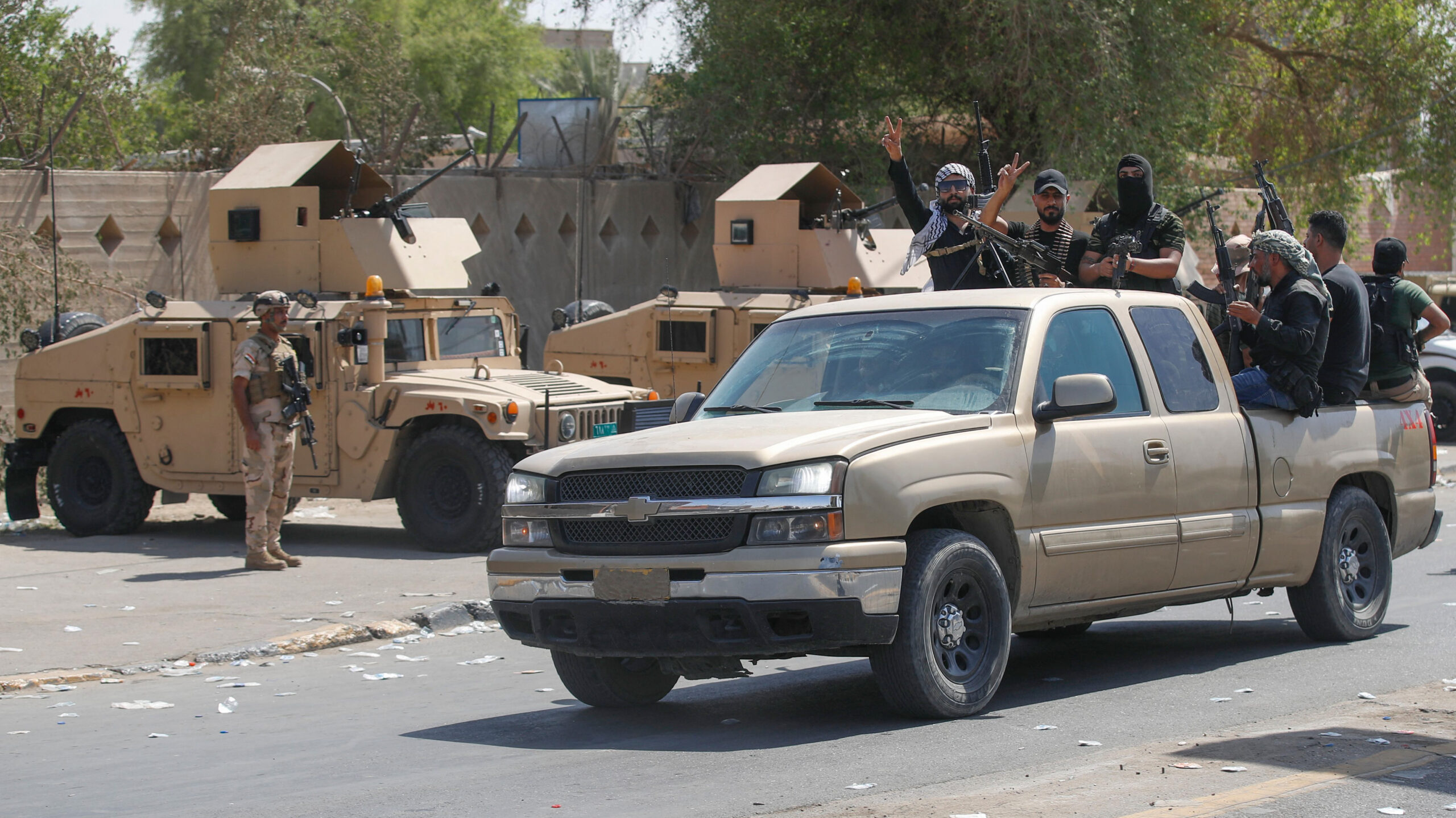
It appears that calm has returned to Iraq after the reported intervention of Ayatollah Ali al-Sistani, the country’s chief and widely respected Shia cleric. In recent weeks, violence had occurred in and near parliament, which has been unable to implement last October’s election results. The clashes involved demonstrators and armed forces loyal to Moqtada al-Sadr, the leading candidate in the elections, and militias loyal to a loose array of rival Shia political parties calling themselves the Coordination Framework.
Followers of Iraqi Shi’a cleric and political leader Muqtada al-Sadr and those of the Iran-aligned Coordination Framework clashed in downtown Baghdad on Aug. 29. Iraqis spent that evening wondering whether the country was descending into an intra-Shi’a civil war.
Ten months on from last October’s elections, Iraq still does not have a new government and faces a deepening political crisis. To understand the current situation’s perils and what may be next for the future of the country, we are joined by Farhad Alaaldin, chairman of the Iraq Advisory Council, and Robert Ford, MEI Senior Fellow and former Ambassador to Syria and Algeria.