The Biden administration promises US LNG for Europe. How does that work?
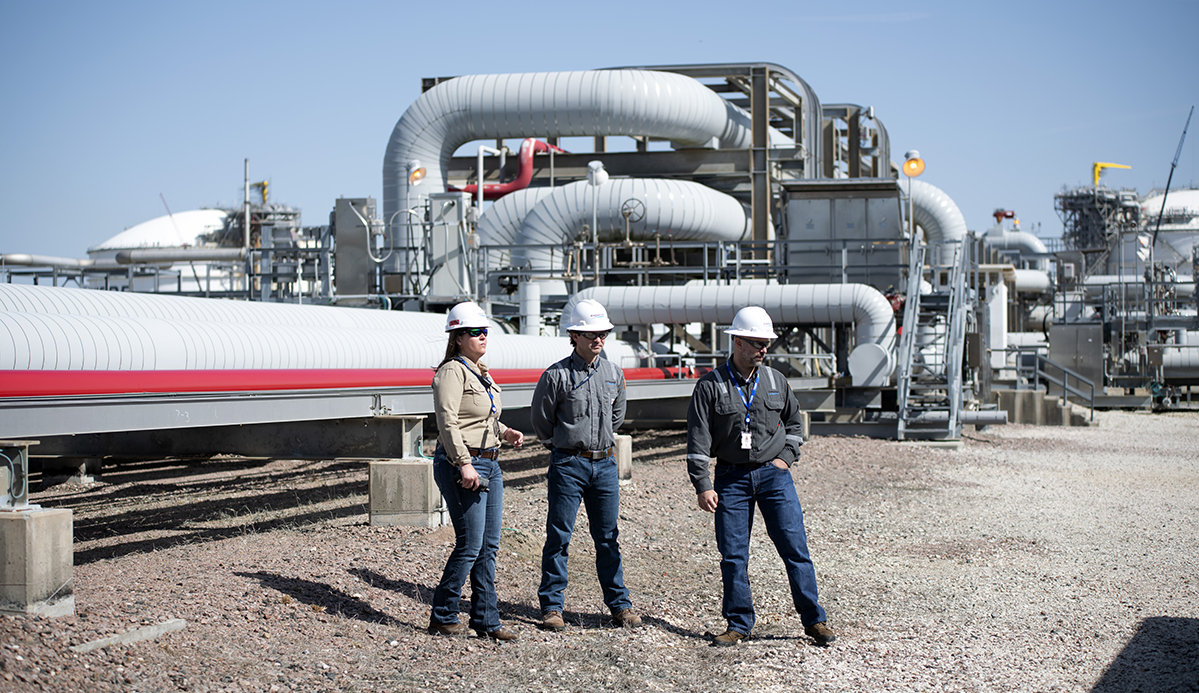
On March 25, 2022, President Joe Biden announced an agreement committing the U.S. LNG industry to supply an additional 15 bcm of LNG to Europe through the remainder of the year. The agreement also envisions U.S. LNG increasing supply to Europe to 50 bcm through 2030, equating to approximately one-third of the EU’s gas imports from Russia in 2021.
US-Gulf Relations at the Crossroads: Time for a Recalibration
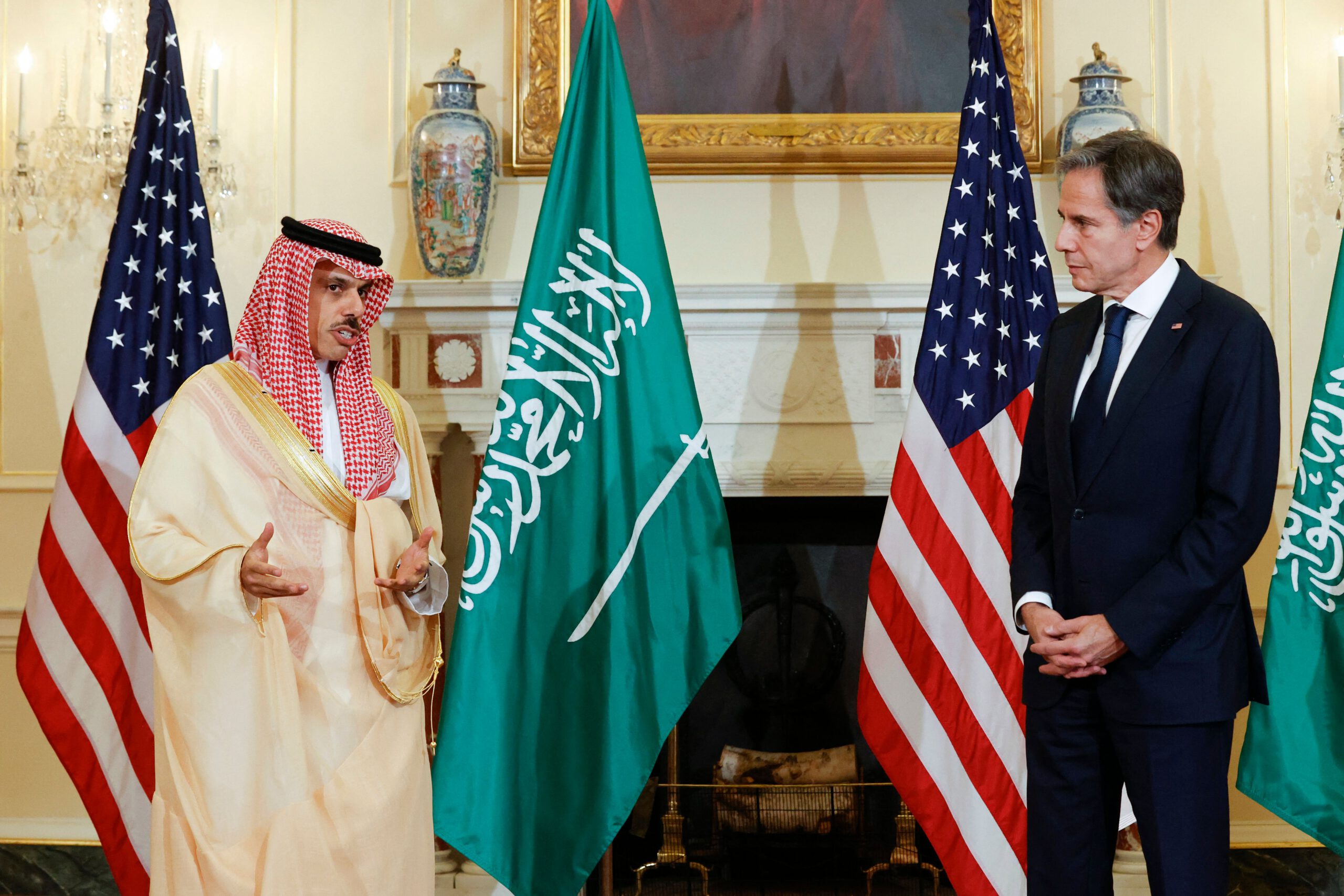
The global response to Russia’s invasion of Ukraine has focused new attention on friction between the United States and its traditional partners in the Gulf and reinforced skepticism regarding the United States’ status as the dominant international partner in the region. It’s time for both sides to identify a realistic way forward that sheds outdated notions of mutual obligation without becoming merely transactional.
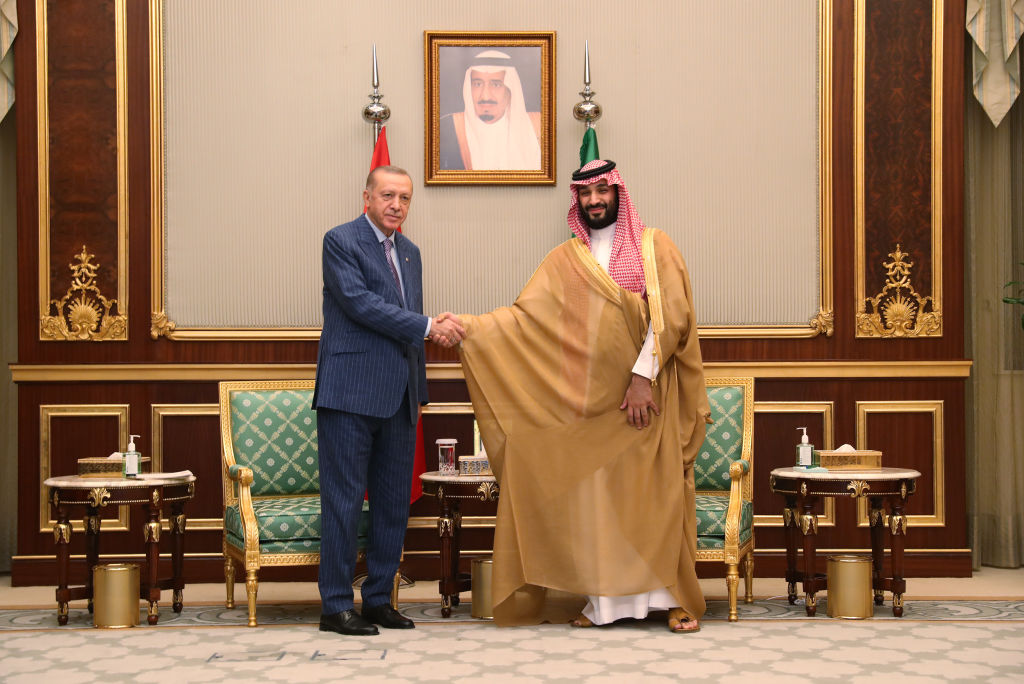
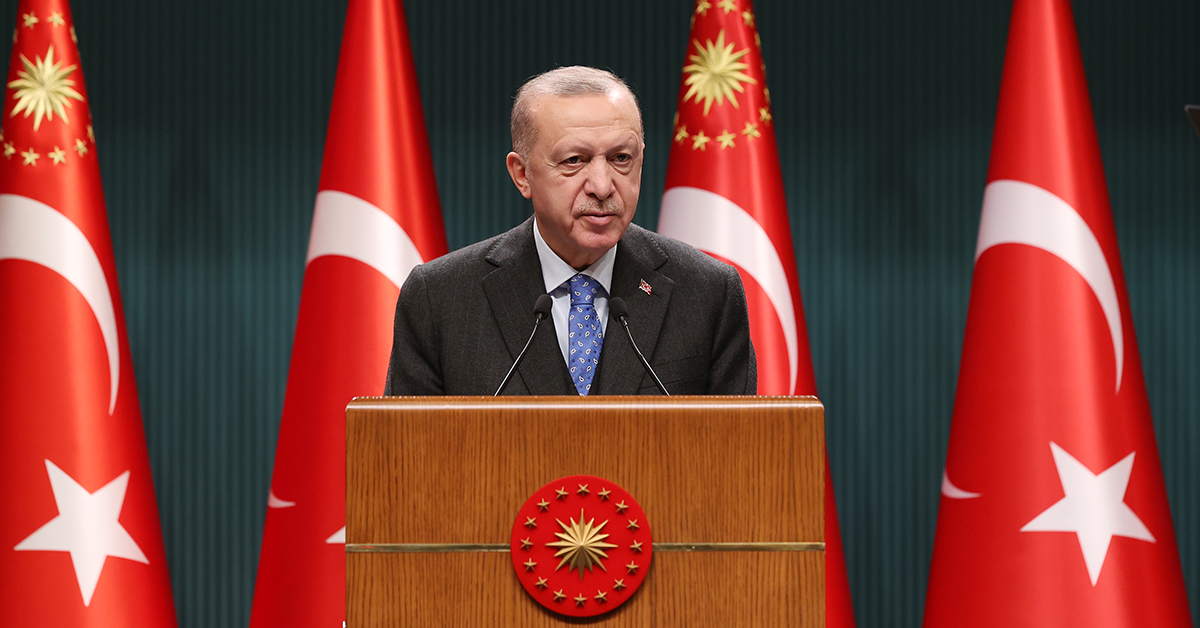
President Erdoğan, as the leader of a middle-sized power strengthening an independent role, wants to enhance the reputation and expand that role for Turkey regionally and globally by achieving a balance of Ukrainian and Russian influence in the region.
How will the war in Ukraine affect EU-MENA relations?
While most analyses of the war in Ukraine have tended to focus on the intra-European dimension, it is worth exploring the potential consequences of this conflict for the EU’s relations with countries further afield, especially those in the Middle East and North Africa.
The Ukraine war has upended Turkey’s plans to stabilize the economy
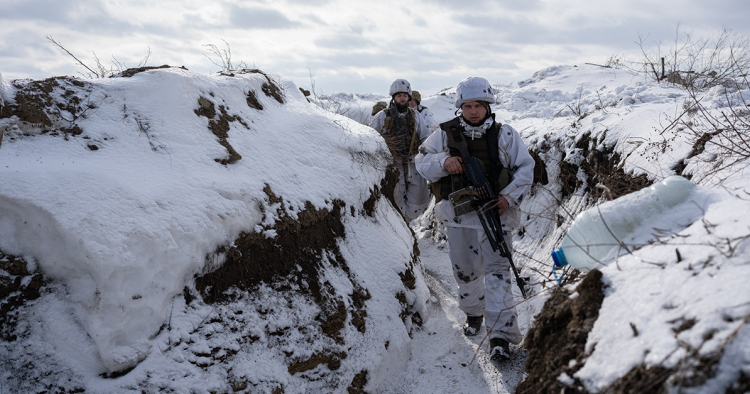
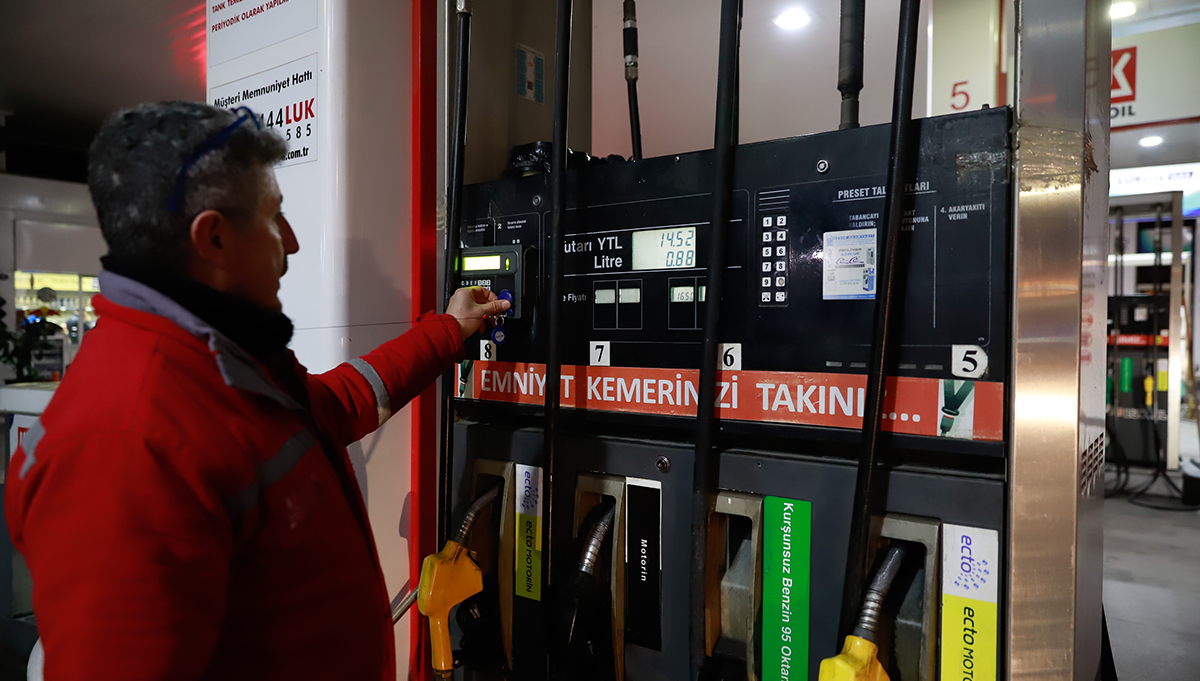
The war in Ukraine couldn’t have come at a worse time for the Turkish economy. Amid the country’s ongoing economic crisis, the government has been implementing extraordinary and unconventional monetary and fiscal policies.
Drones are re-engineering the geopolitics of the Middle East
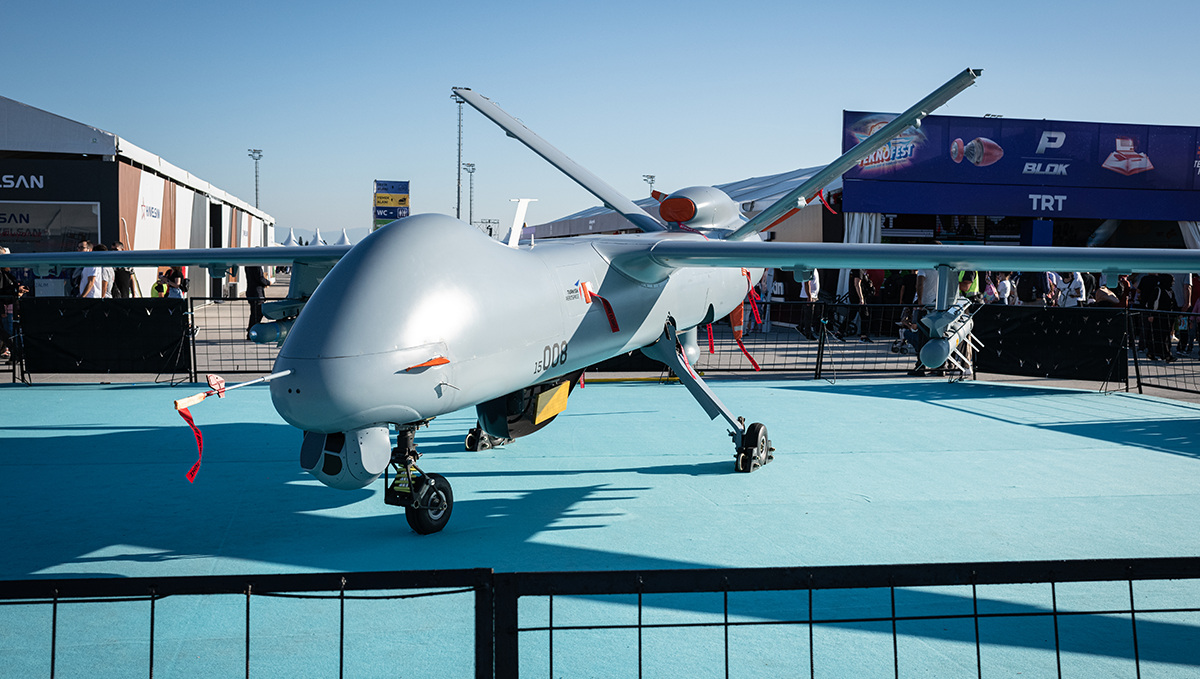
The Middle East is experiencing a seismic shift in its geopolitics: the dawn of the era of drones. From Syria to Libya and from Yemen to Iraq, UAVs have altered the dynamics on the battlefield. Agile and affordable, drones aren’t just a menace to remote conflict zones, but also to states far removed from theaters of war.
ليس شرقًا ولا غربًا: حسابات تركيا في أزمة أوكرانيا
تحمل الأزمة في أوكرانيا، من وجهة نظر أنقرة، مخاطر كبيرة، لكنها تنطوي أيضًا على بعض الفرص. إنها ليست أزمة من صنعهم، ولا أزمة رحبوا بها. ومع ذلك، من الواضح أن أنقرة جهَّزت مخططًا أساسيًا لتجاوز العاصفة. من وجهة نظر صانعي السياسة في واشنطن، من المرجح أن تجلب استراتيجيتهم إحباطًا أكثر من تطمينًا.
وفي نفس الوقت، فإن الفهم الأفضل لكيف تأمل تركيا أن تتجاوز الأزمة الأوكرانية يمكن أن يساعد في توضيح بعض النقاشات الجارية داخل واشنطن حول كيفية تصور السياسة الخارجية الجديدة لأنقرة ومكانها داخل حلف الناتو.
Neither East nor West: Turkey’s calculations in the Ukraine crisis
The crisis in Ukraine, from the perspective of Ankara, carries significant risks, but also some opportunity. It is neither a crisis of their own making, nor one that they welcomed; nevertheless, Ankara has clearly developed a basic blueprint for weathering the storm. From the perspective of Washington policymakers, their strategy is likely to hold more frustration than reassurance.
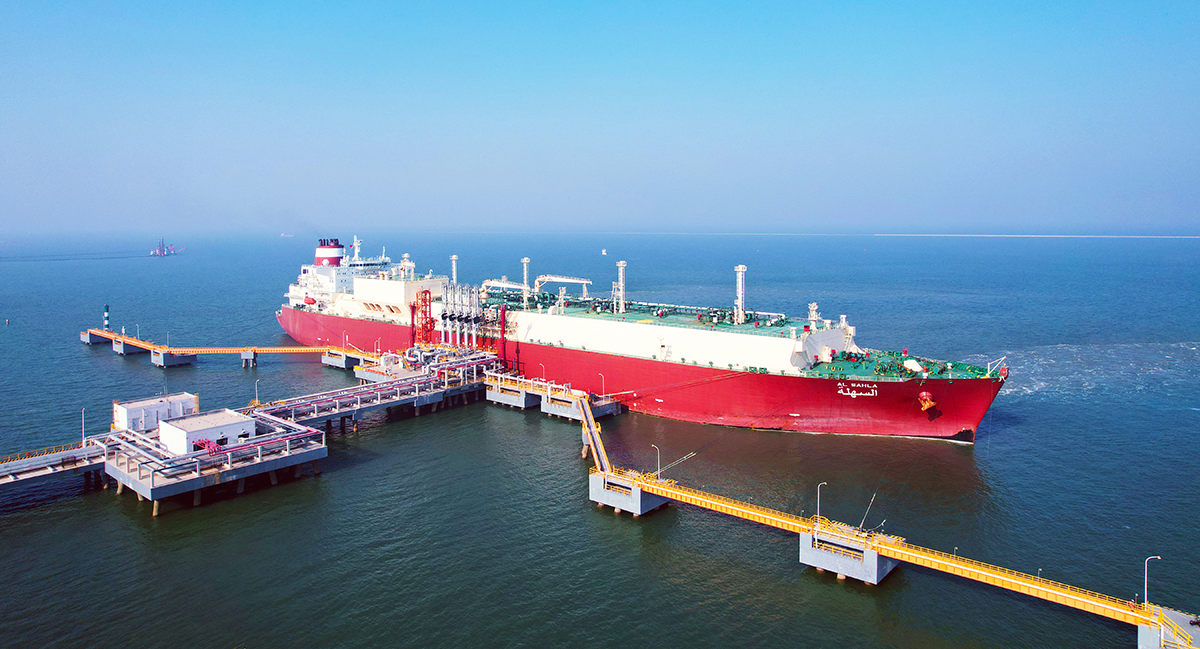
Qatar and global LNG: Potential pivot from Asia to Europe?
The global LNG landscape is changing, and while Qatar will continue to be a major LNG exporter, it will briefly drop to third in the global rankings until planned expansion projects come on stream in the middle part of the decade. Strategically, Qatari suppliers may opt to change their market supply profile, which will have a knock-on effect on the global market, both LNG suppliers and buyers.
Fragile promise: The prospects for Turkish-Armenian normalization
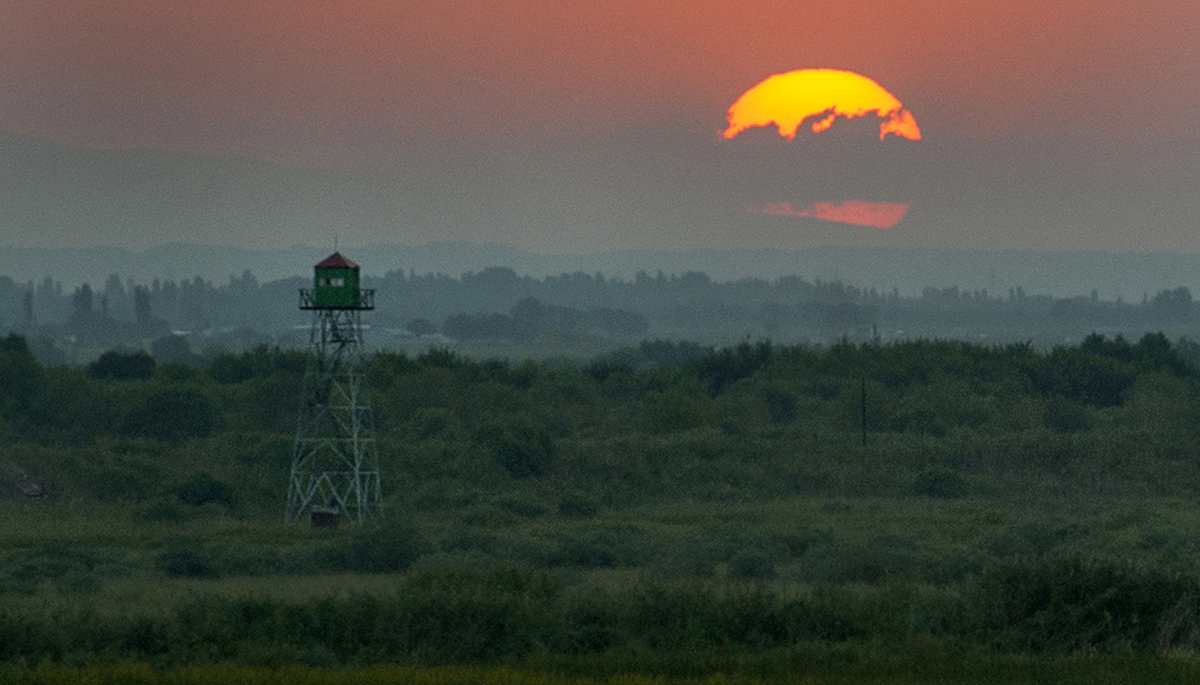
Now, after decades of animosity, Turkey and Armenia are taking steps to normalize ties, and the prospects for restoring relations and reopening the border have never been brighter.
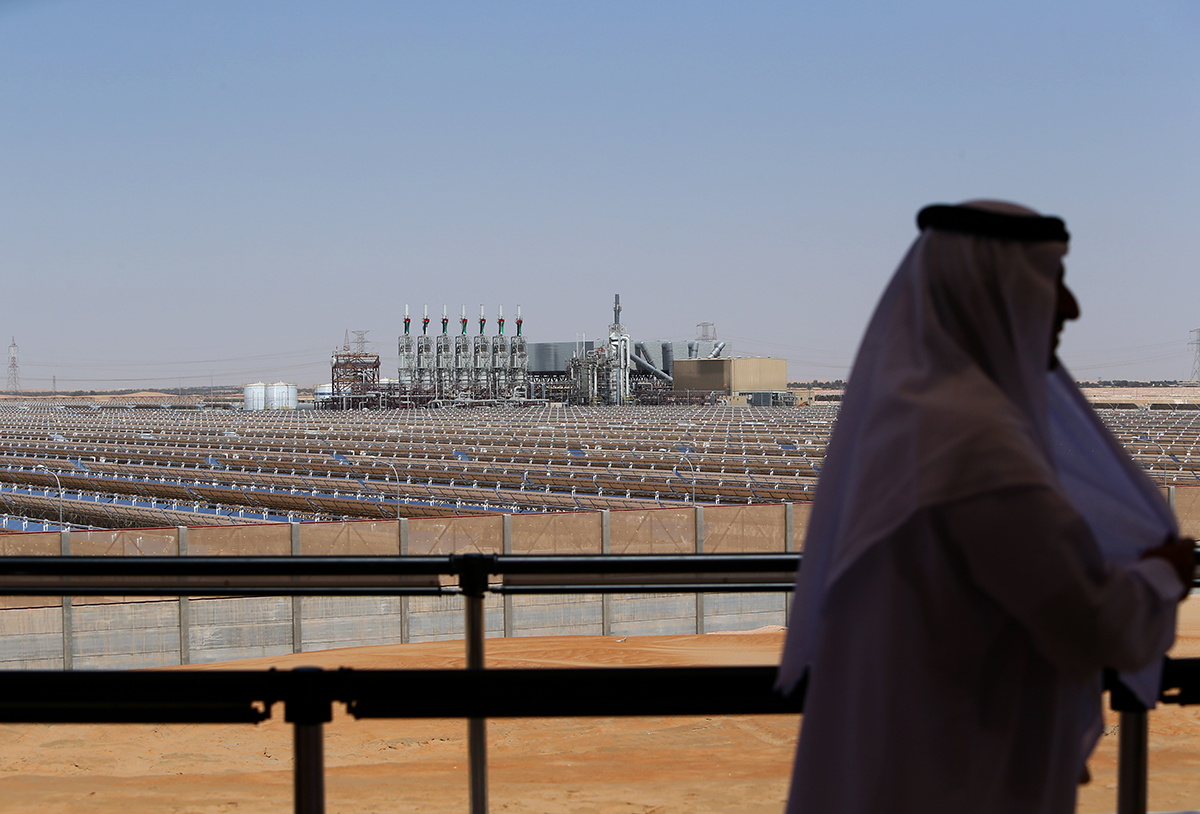
The Arab Gulf states appear to be following a common template in responding to the global transition toward an energy system in which renewables play an increasingly central role. They are publicizing renewable energy targets, decarbonizing upstream and downstream oil and gas operations, commissioning renewable energy projects, and improving energy efficiency, among other strategies. A closer look, however, reveals differences in how they have deployed solar and wind power capacity.