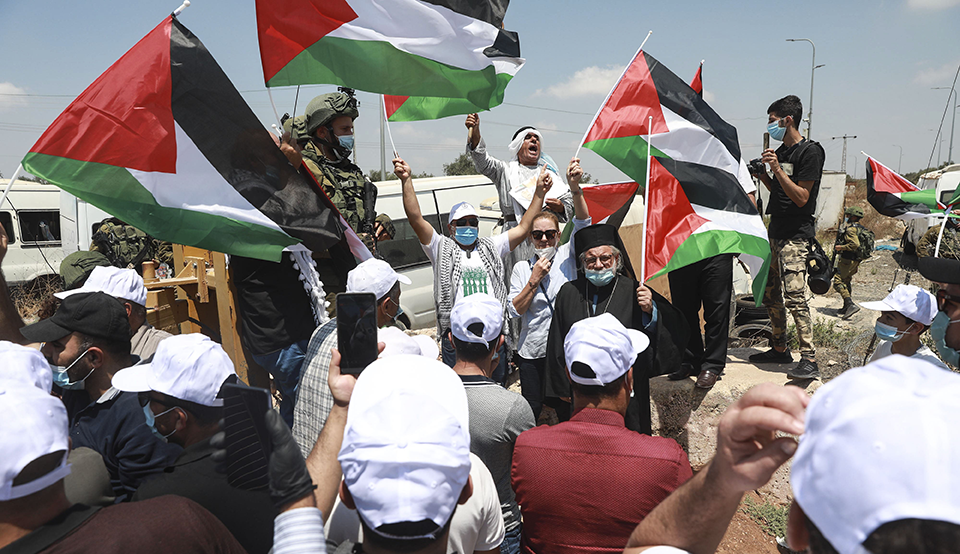
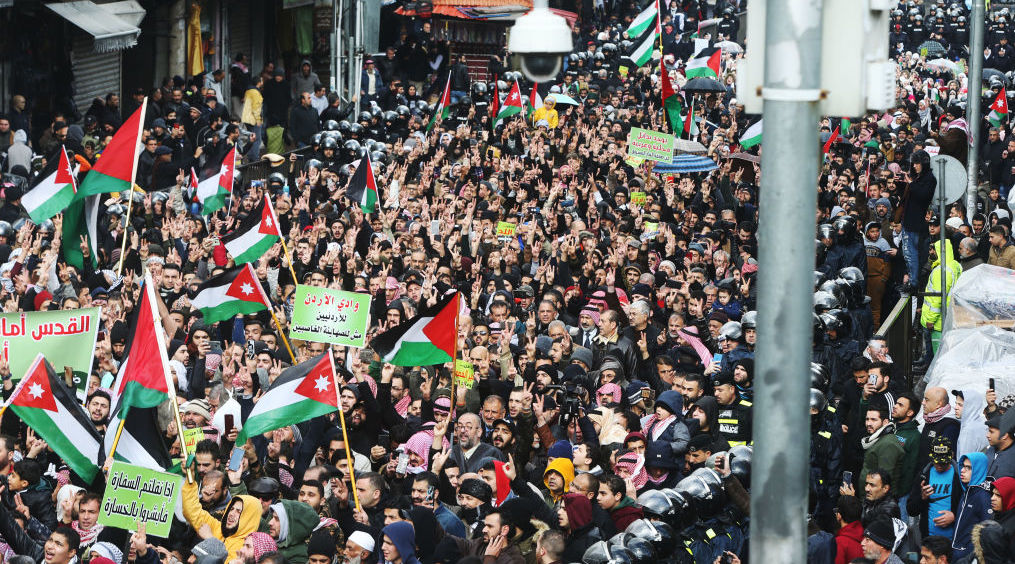
The agreement signed yesterday by Israel and the United Arab Emirates (UAE), in which the two countries agreed to a “full normalization of relations” in return for Israel suspending moves to formally annex parts of the West Bank, has reminded the Palestinians that they cannot count on the Arab states to deliver their freedom or safeguard their rights.
In historic deal with the UAE, Israel is the biggest winner
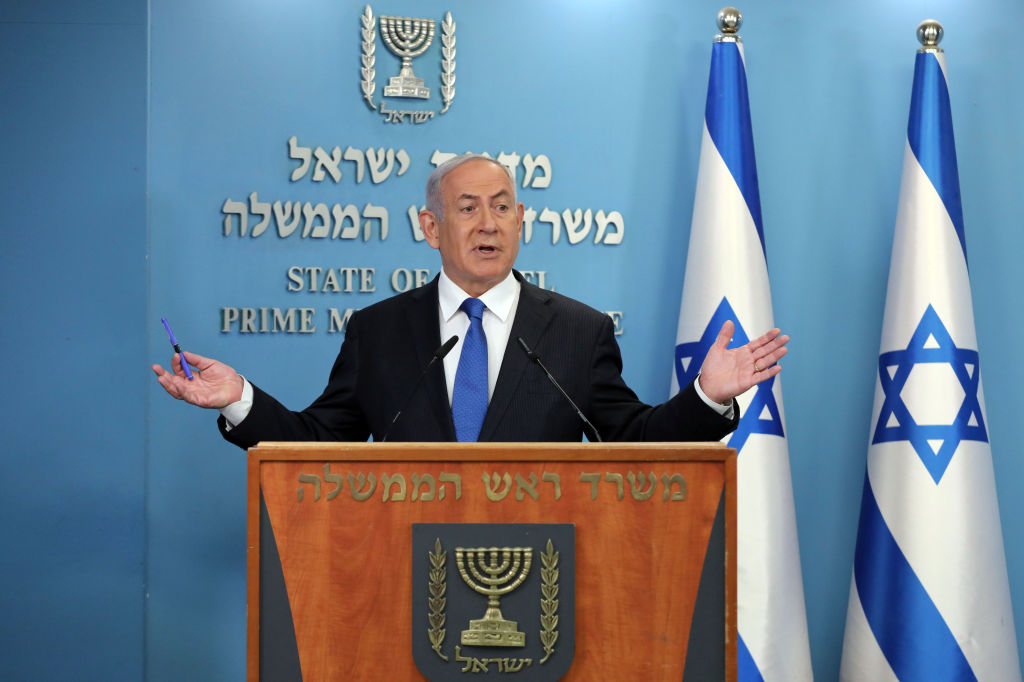
No matter how one reads the diplomatic deal announced Thursday between Israel and the United Arab Emirates—and there will surely be many supporters and detractors given its historic nature—there is one conclusion that seems irrefutable: Israel was the biggest victor.
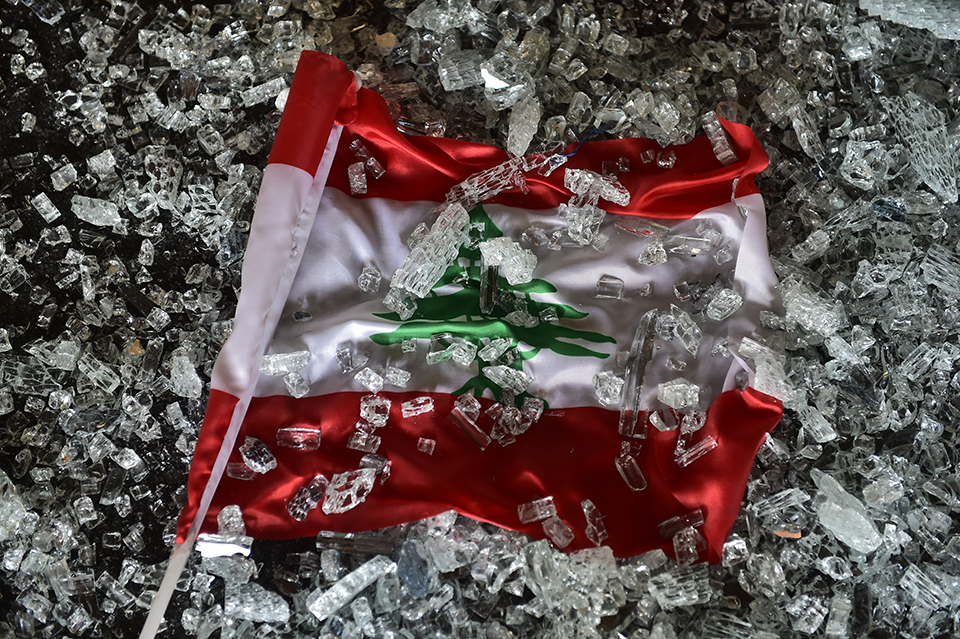
Beirut will rise again from the ashes, like it always has. But the real rebuilding that must occur is not physical in nature. It is political. Nothing will truly change in Lebanon unless the country’s corrupt and incompetent leaders, who have been in power for decades, are unseated.
Beirut-based art and documentary photographers Chantale Fahmi, Vicky Mokbel, and Marwan Tahtah join guest host Kate Seelye to discuss their efforts to capture the aftermath of Lebanon’s long civil war as well as the street protests that erupted on October 17, 2019 in response to the corruption and political mismanagement that triggered Lebanon’s financial collapse. Their’s are among works on display in “Lebanon Then and Now: Photography from 2006 to 2020,” an interactive virtual exhibit hosted by the MEI Art Gallery now through September 25. Visit the show now at www.mei.edu/art-gallery
Monday Briefing: Red lines and rising tensions in Libya
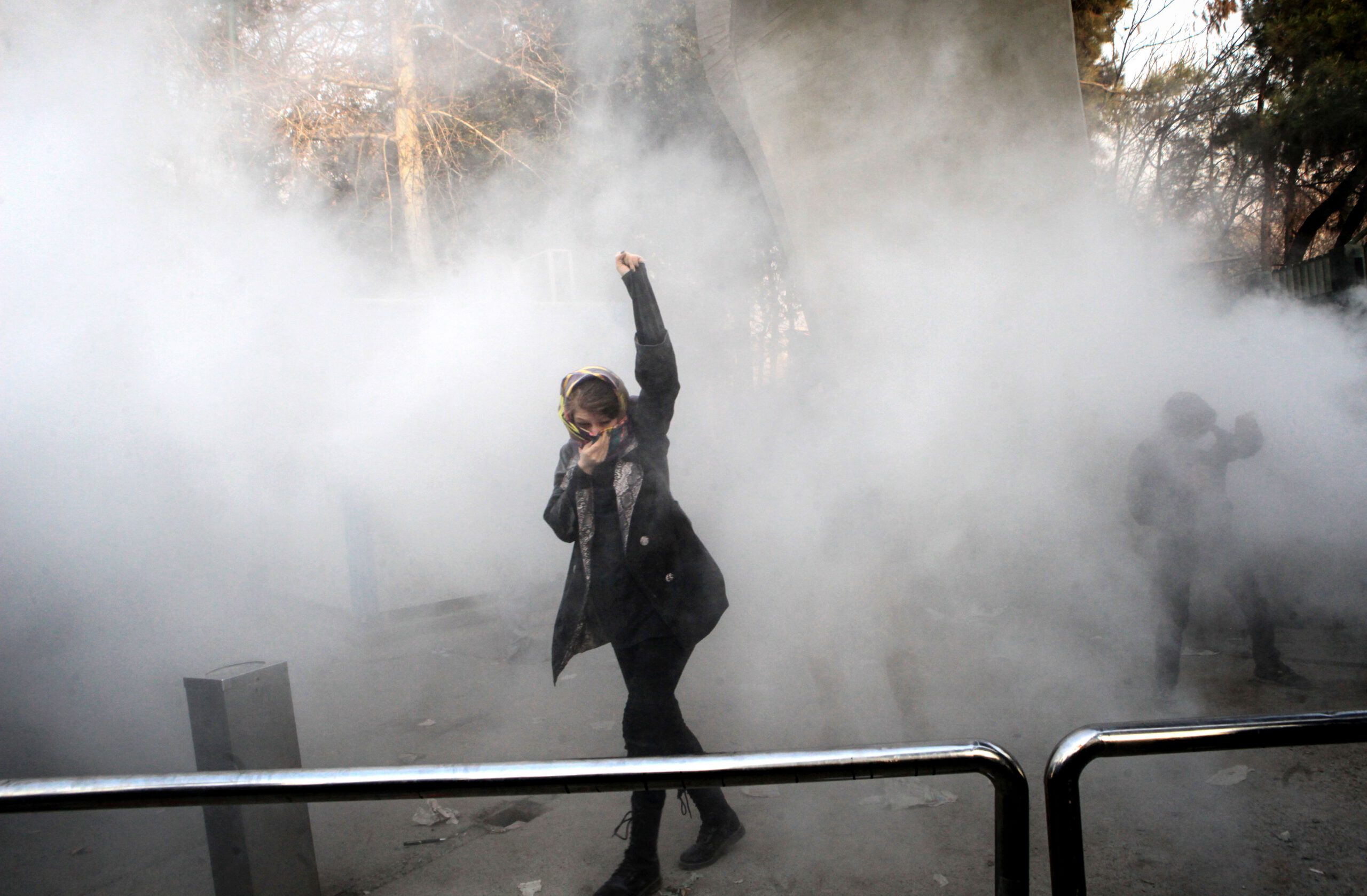
In this week’s Monday Briefing, MEI experts Mirette F. Mabrouk, Robert S. Ford, Nazila Fathi, and Marvin G. Weinbaum provide analysis on recent and upcoming events including rising tensions in Libya, economic turmoil and anti-regime protests in Iran, and the Jordanian high court’s decision to dissolve the Muslim Brotherhood.
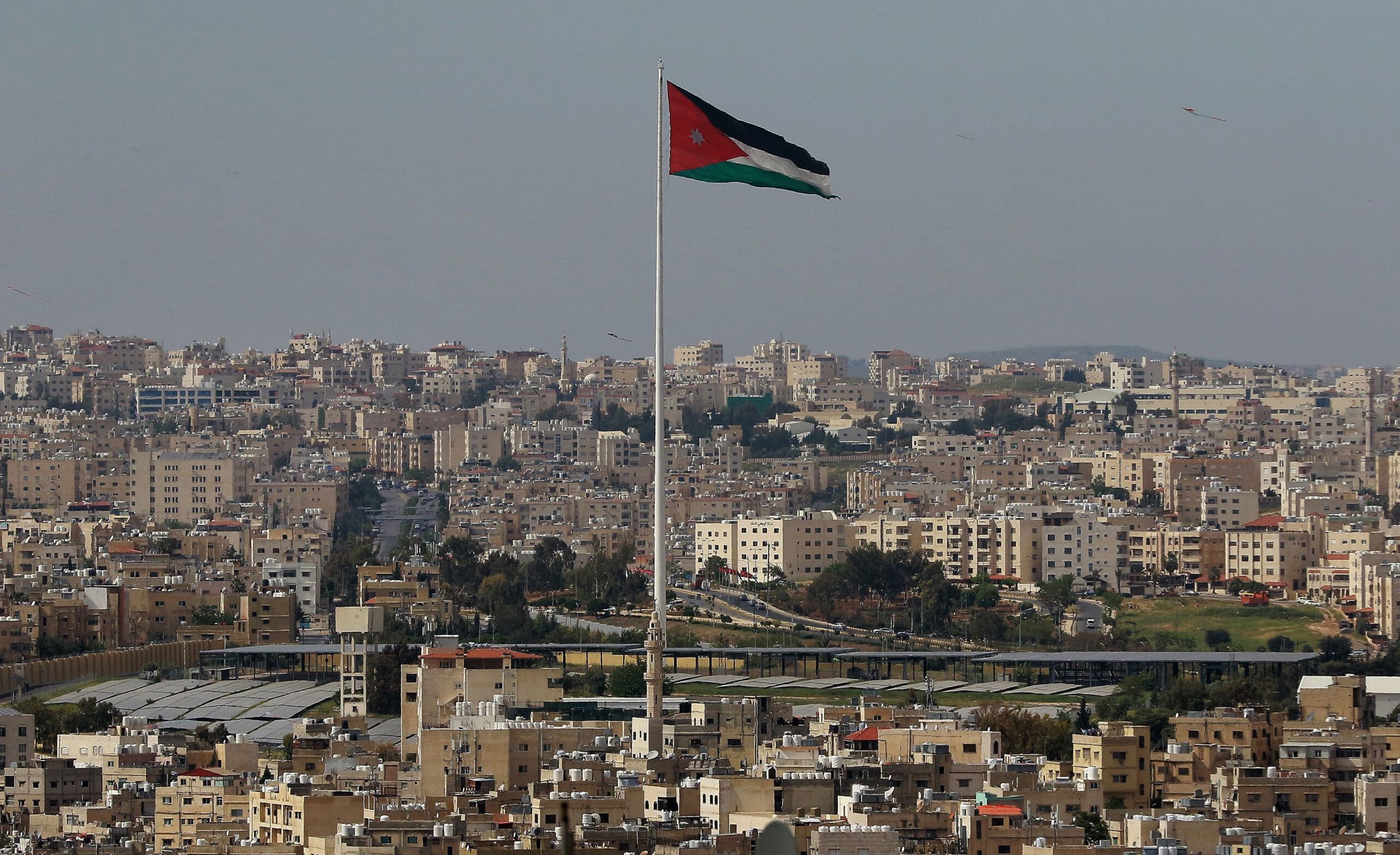
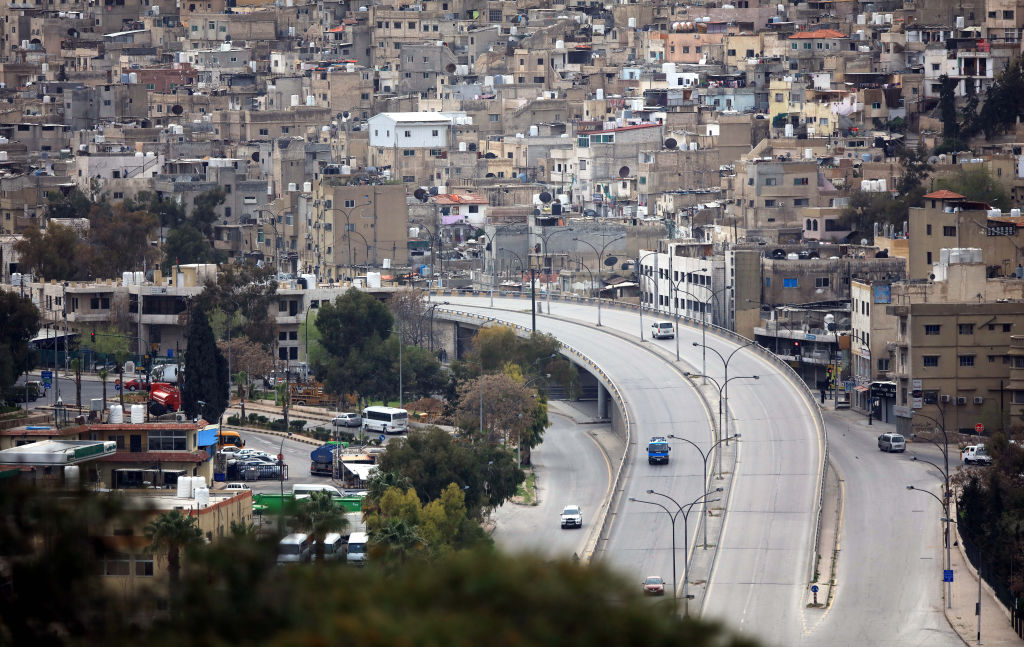
In the wake of COVID-19, Jordan has limited choices if Israel annexes West Bank settlements
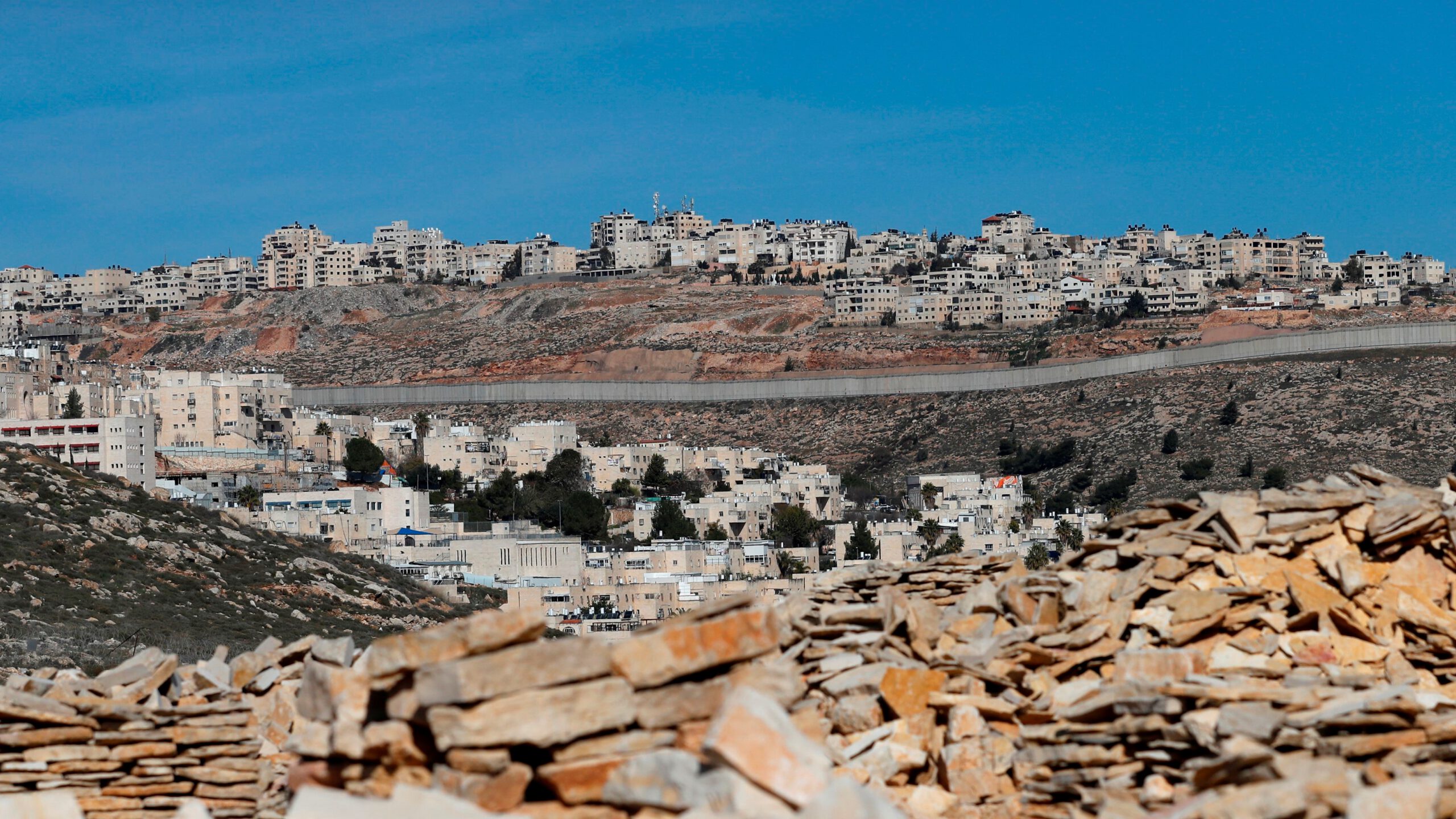
For Jordan Israeli annexation of Jewish settlements in the West Bank, as well as the strategically important Jordan Valley, constitutes an existential threat to the kingdom. But now Jordan faces unprecedented economic hardship as a consequence of the coronavirus crisis, and this could limit its scope for action.
Gantz leaves the door open for Arab states to counter annexation
The April 20 Netanyahu-Gantz agreement legitimized the possibility of an Israeli law that will act as a unilateral annexation of parts of the West Bank to start as early as July 1, based on the controversial Trump Middle East plan. Articles 28 and 29 of the deal condition such annexation on the “consent of the Trump administration” and note that such a move would only be possible if the annexation preserves “the security and strategic interests of the state of Israel including the need to keep regional stability, keep existing peace agreements, and pursue future peace agreements.”
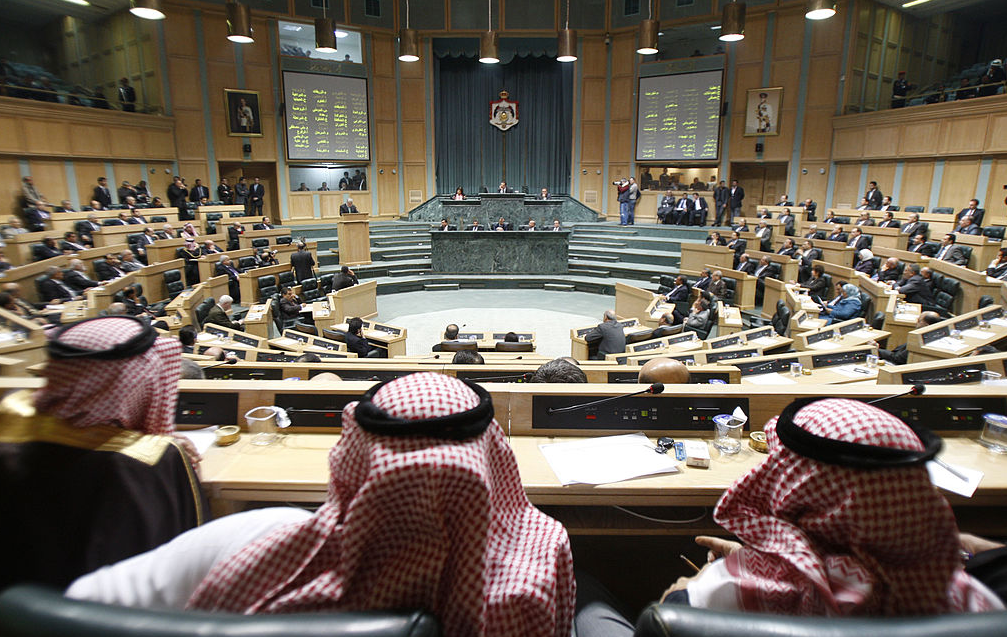
Since the establishment of the Hashemite Kingdom of Jordan a hundred years ago, many have argued at one point or another that the country is on the brink of political or economic instability. It seems increasingly true these days, however. The unexpected shock of the COVID-19 pandemic adds even more pressure to the already floundering economy.
Why Jordan was so quick to reject Trump’s peace plan
Jordan’s response to President Donald Trump’s so-called “deal of the century” has been quick and unequivocal. Less than an hour after the release of the peace plan at a White House ceremony on Jan. 28, Jordanian Foreign Minister Ayman Safadi issued a statement in which he reiterated Amman’s support for the two-state solution and the Arab Peace Initiative (API) as the only path to a just and lasting settlement to the Israeli-Palestinian conflict, without referring directly to the Trump proposal.
Jordan is bracing for protracted cyber insecurity. Since 2010, the Hashemite Kingdom has rolled out a raft of policies to manage digital vulnerabilities. In keeping with its proactive approach to cybersecurity, Amman is taking additional measures to inoculate the kingdom against digital ailments, including, most recently, the adoption of the 2019 Cybersecurity Law.
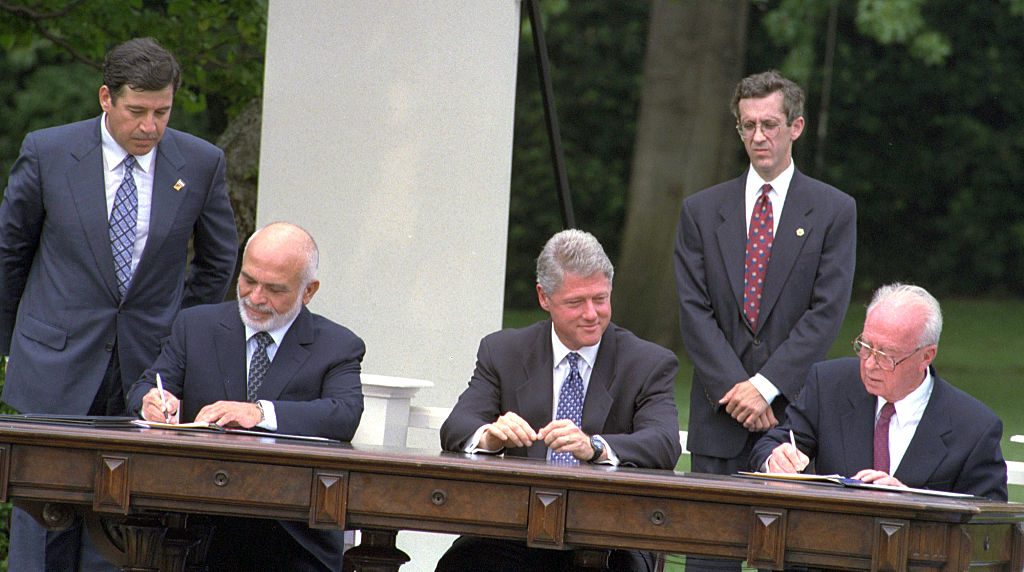
There may not be any celebrations, but the Israeli-Jordanian peace agreement has endured for 25 years
Oct. 26, 2019 marked the 25th anniversary of the signing of the peace treaty between the Hashemite Kingdom of Jordan and the State of Israel. A quarter-century on, relations between the two countries remain mired in disputes and difficulties, and no special celebrations were planned despite the significance of the event. While the challenges facing the two states are complex, both sides benefit from the agreement. The fact that the peace treaty has endured for two and a half decades amid the chaos and unrest afflicting the region is certainly a cause for celebration and gives grounds for optimism.
Saudi Arabia’s archeological treasures have long been hidden in plain sight, known mainly to the people living in their proximity and a handful of scholars. But five recent UNESCO World Heritage Site designations have highlighted the universal value of the country’s material legacy.
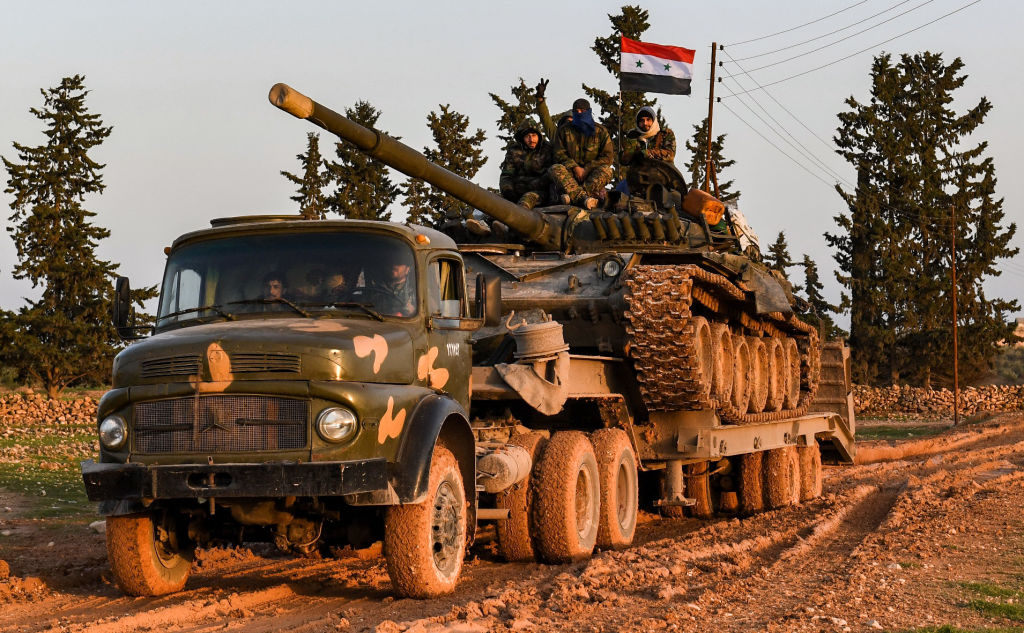
The Lion and The Eagle: The Syrian Arab Army’s Destruction and Rebirth
The Syrian Arab Army (SAA) has been decimated by eight years of civil war. Defections, deaths, and a lack of funding have gutted its ranks while heavy losses of armored vehicles have significantly reduced the mechanized capabilities of what was once the sixth-largest armor fleet in the world. The inability of Damascus to fully deploy its official army led to the rise of paramilitary militias and an influx of pro-regime foreign fighters. This report explores the causes of the collapse of the SAA and its attempted rebirth, and ends with a detailed examination of its current order of battle.
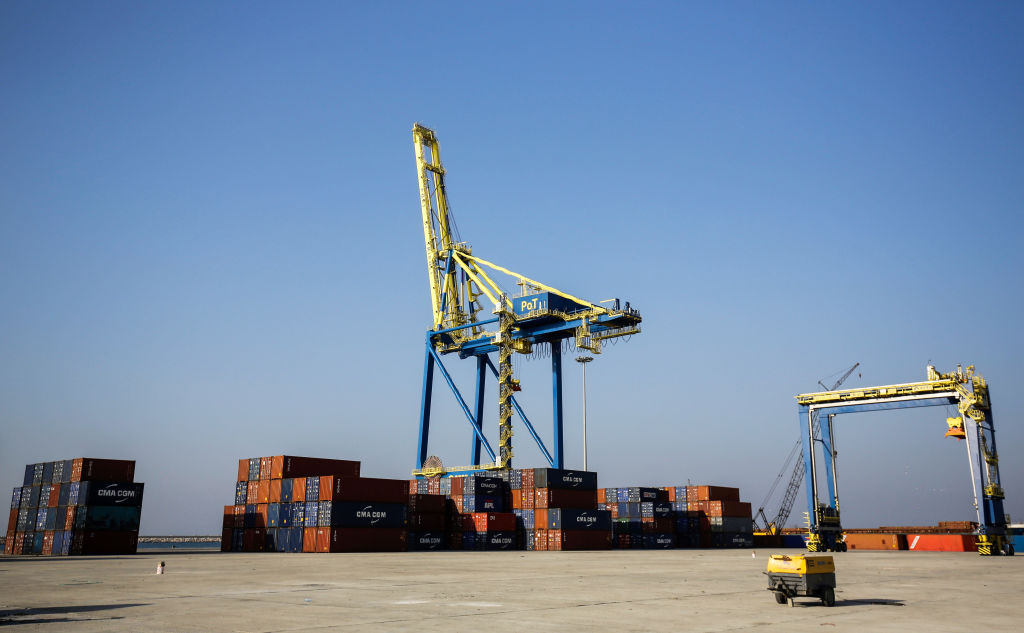
The idea of establishing a Levant Union — one not unlike the European Union (EU), but composed of the Levantine states of Lebanon, Syria, Iraq, Palestine, Jordan, and by extension, Egypt and Cyprus — is one that ought to be explored. Such an arrangement would offer untapped potential for trade, supported by the growing trend toward greater regionalization, fueled by the rise in protectionism, increasing multipolarity, and corporate regionalization.
Freshwater Resources in the MENA Region: Risks and Opportunities
A reliable supply of freshwater is a prerequisite for sustainable socioeconomic development, as well as for sociopolitical stability and human prosperity, especially in semi-arid and arid regions of the world. The Middle East and North Africa’s freshwater resources are under immense pressures and are facing significant risks to their sustainability due to overexploitation, climate change, and interstate competition over their use that extends beyond the region’s boundaries.