Impossible choices and routine tragedies: The Syrian refugee crisis at 13
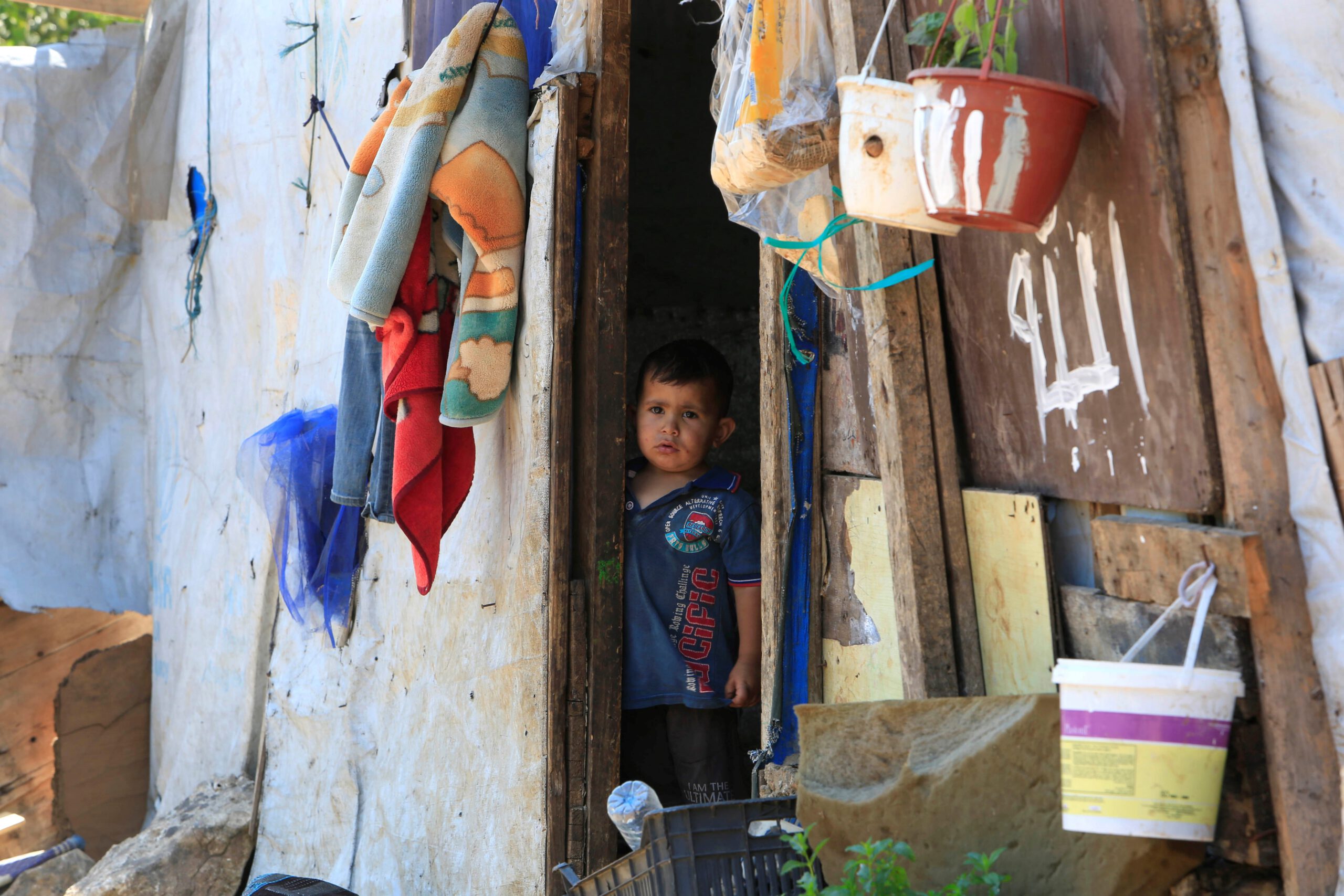
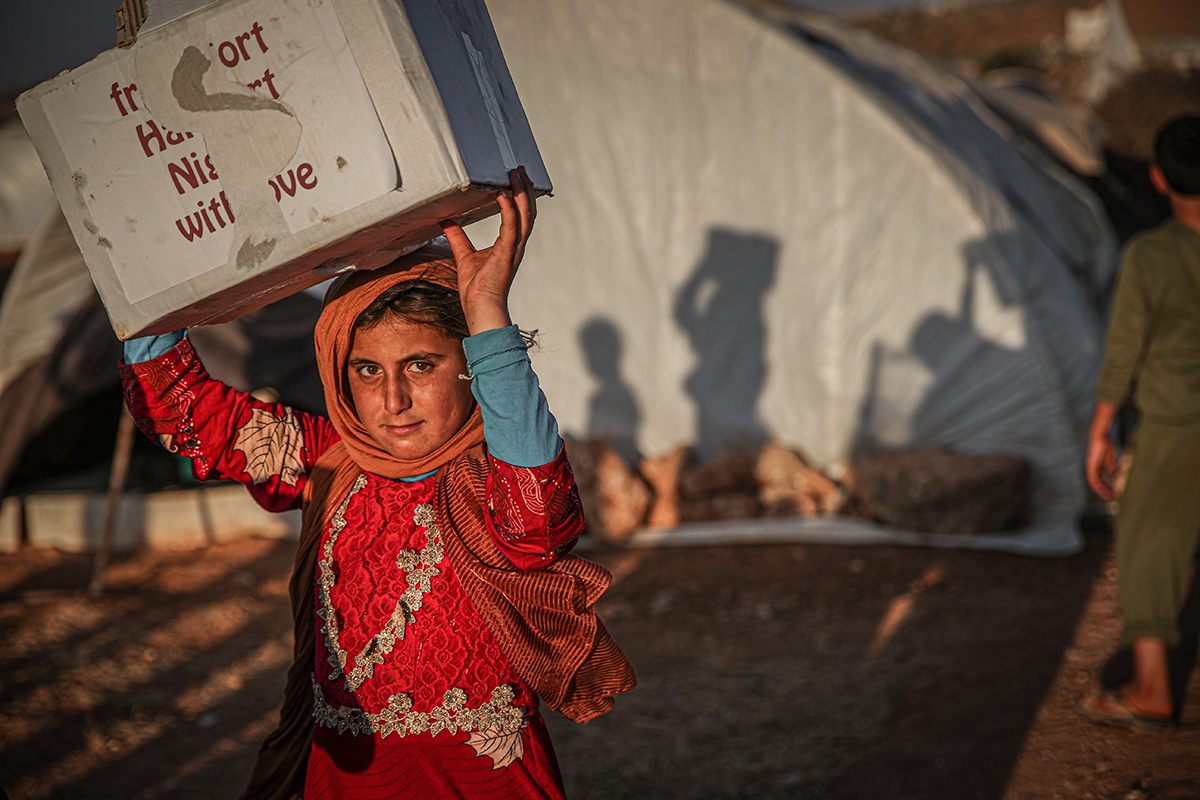
There are currently over 5.34 million Syrian refugees dispersed in camps, collective shelters, and poor neighborhoods across Lebanon, Turkey, Iraq, Jordan, and Egypt. Many make desperate attempts to find refuge in Europe. Instead of adopting repressive measures and discriminating against these individuals, the U.S. and European countries should work with regional partners and non-governmental organizations to limit the danger to refugees and IDPs.
Syria’s economic freefall continues despite Arab League return
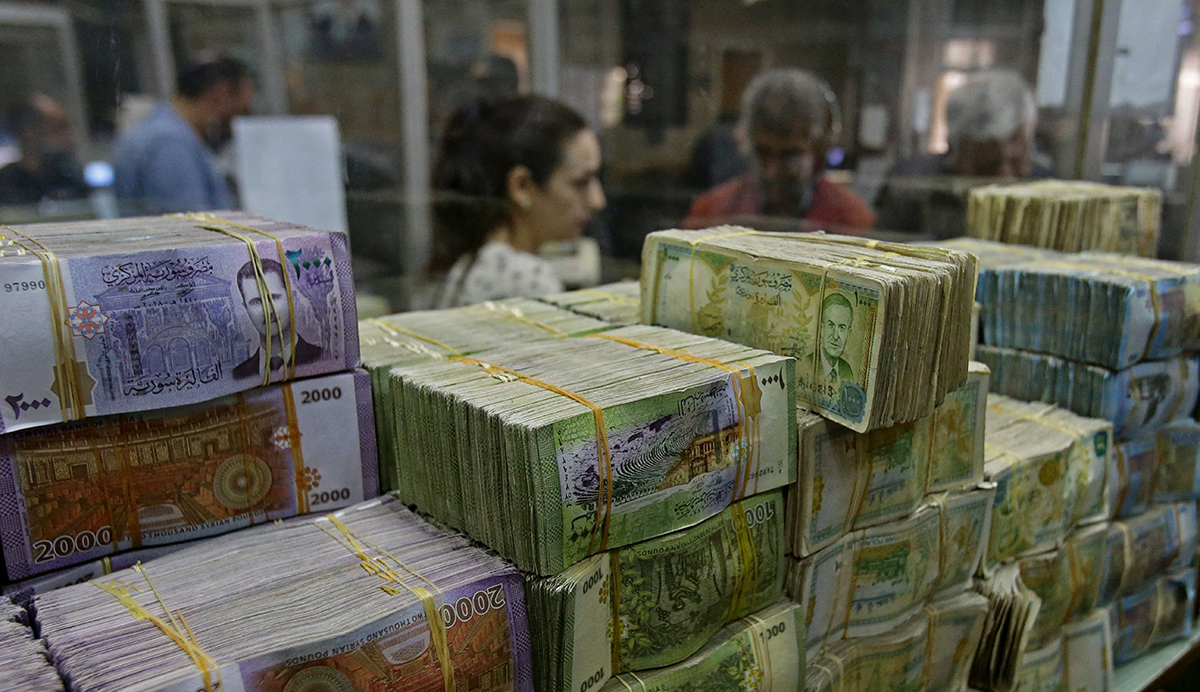
Syria’s dramatic readmission into the Arab League in May was perceived as a turning point for the country’s fortunes. Although Damascus may have come in from the cold diplomatically, there has been little change on the economic front, where the situation remains dire. Since the start of May, the Syrian pound has lost over 70% of its value and shows no sign of stabilizing.
Alawites in Syria breaking silence?: Criticizing the dictatorship from within
Recently, a notable trend has emerged among Alawites in Syria’s Assad regime-held areas, including those from powerful families. Writers, journalists, and rank-and-file Alawites have taken to social media platforms to express their deep frustration with the regime’s economic policies and the centralized nature of the dictatorship under President Bashar al-Assad, as well as his wife Asma al-Assad’s outsized influence and corruption linked to her secretive “economic council.”
The Beirut blast three years on: The case for international accountability
Three years on from the Beirut port blast, Hezbollah, with the support of Lebanon’s political elite, has managed to obstruct and even quash the domestic judicial process for holding those responsible for the explosion accountable and delivering justice to both victims and a battered nation. The international community must uphold its responsibility toward the Lebanese people by enabling a U.N. fact-finding mission to investigate the blast, sanctioning those responsible for obstructing justice, and making ending impunity the centerpiece of international mediation on the Lebanese crisis.
Normalizing Assad has made Syria’s problems even worse
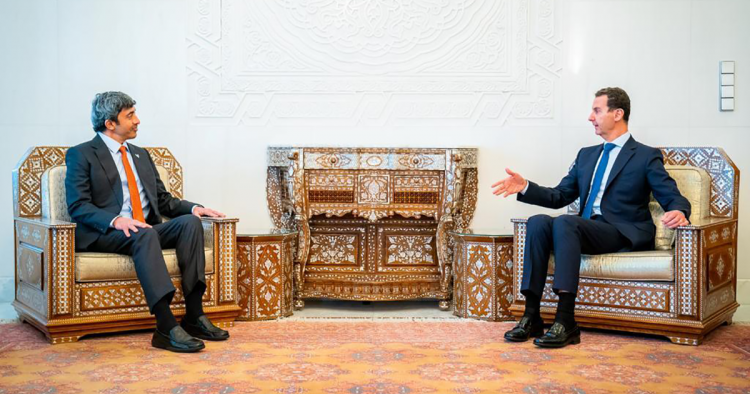
Three months ago, Saudi Arabia kick-started a concerted regional effort to reengage and normalize Syria’s regime within the Middle East and, Riyadh hoped, farther afield. On April 18, Saudi Foreign Minister Faisal bin Farhan met with Syrian President Bashar al-Assad in the Syrian capital of Damascus. Just one month later, on May 19, the Arab League embraced one of the world’s most notorious war criminals for the first time since 2011.
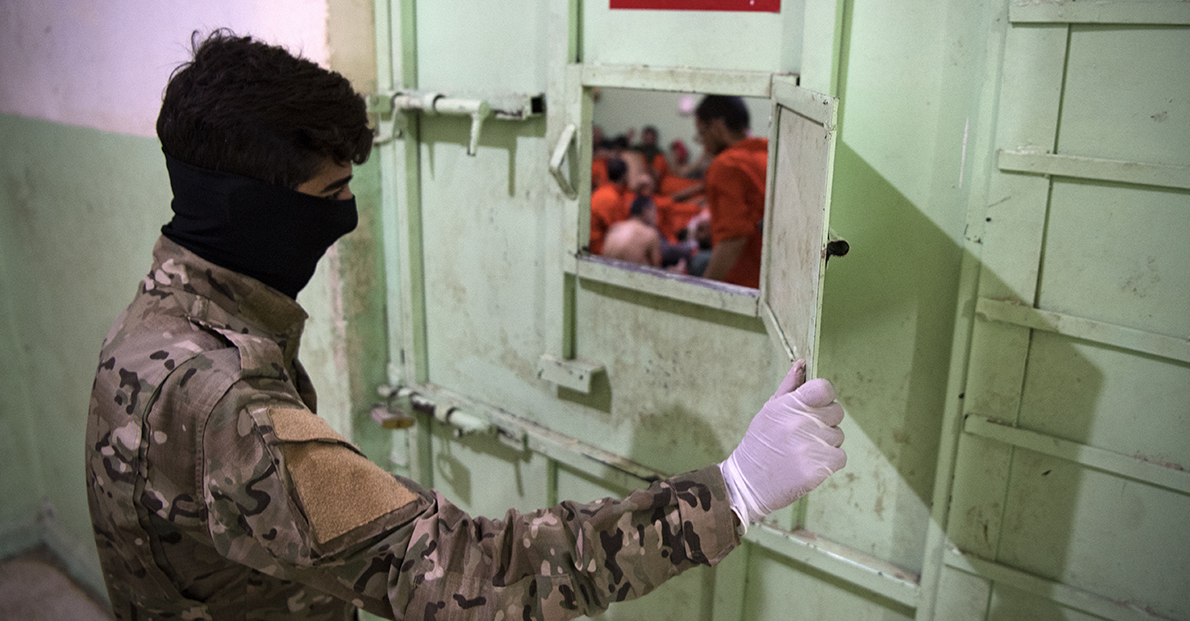
As the clock ticks down on the repatriation of IS foreign fighters from Syria, a recent development has added a new sense of urgency to the situation. On June 11, the Autonomous Administration of North and East Syria (AANES), announced its intention to prosecute 2,000 IS foreign fighters. How-ever, the lack of international recognition for the AANES and its courts renders these trials illegiti-mate, further complicating future international legal efforts to prosecute these combatants.
France’s Foreign Policy Towards Lebanon and its Discontents
MEI U.S.-Lebanon Fellow Fadi Nicholas Nassar is joined by Karim Bitar for a discussion on French foreign policy towards Lebanon. The pair focus on the current state of affairs in Lebanon, historical trends in French policy towards the country and the region, and more in the latest episode of Middle East Focus.
سورية التي أسست للخلاف بين قوات فاغنر والحكومة الروسية
لم يكن تمرد مجموعات فاغنر العسكرية على الحكومة الروسية ووزارة الدفاع وقادتها العسكريين مفاجئاً، خاصة في الفترة الأخيرة من الحرب الروسية الأوكرانية مع الظهور المستمر لزعيم تلك القوات يفغيني بريغوجين، الذي تكرر ظهوره خلال الأشهر الماضية منتفداً تارة ومهدداً تارةً أخرى للقادة العسكريين الروس، بسبب ما قال إنه نقص في الذخيرة والمعدات المقدمة لقواته على جبهات أوكرانية وخاصة باخموت، ما تسبب بمقتل العشرات من قواته على مدار الفترة الماضية.
Syria is where the conflict between Wagner and the Russian government began
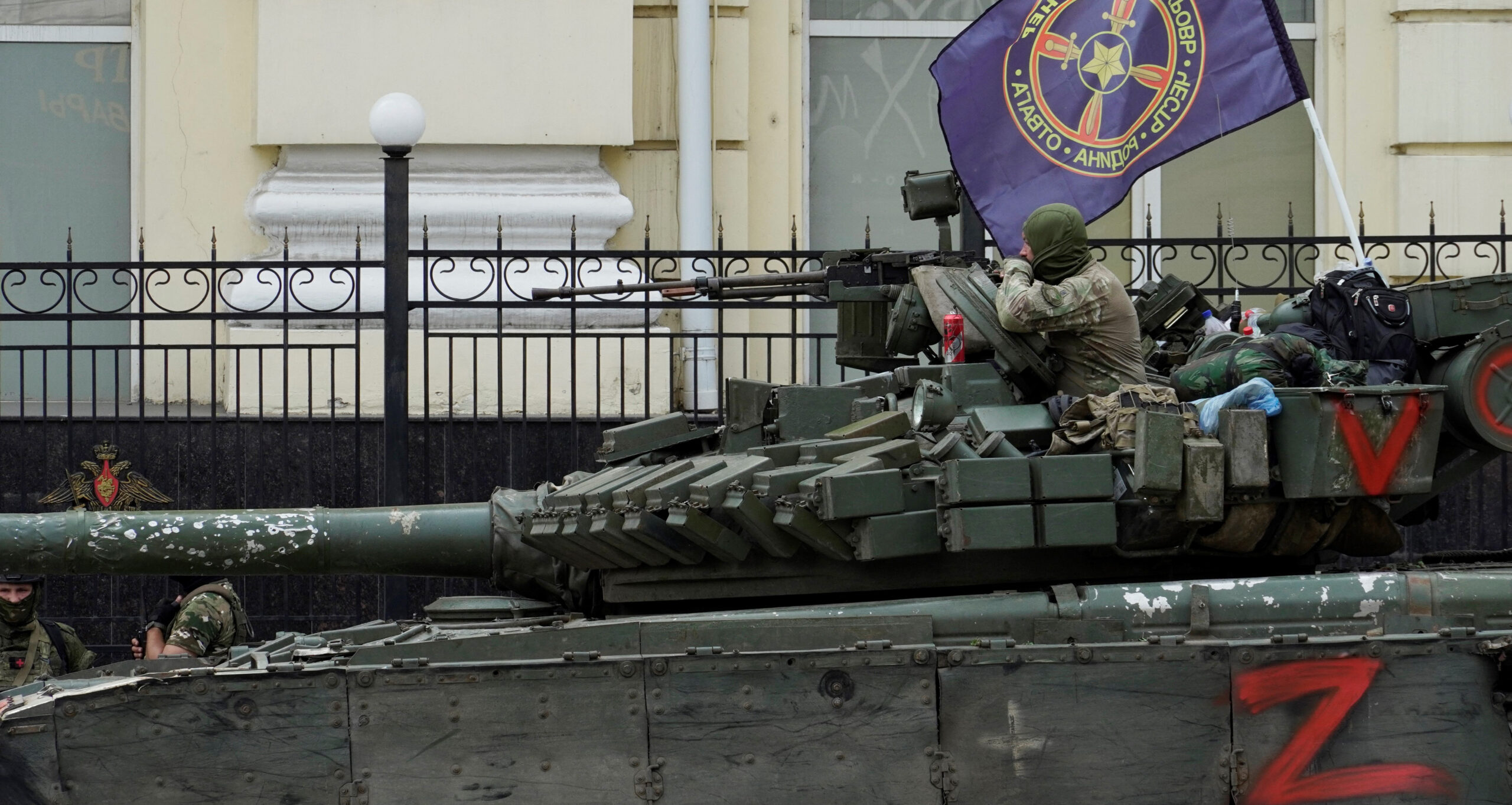
The conflict between the Wagner Group and the Russian government was not born out of the full-scale invasion of Ukraine, though the war there caused the rift to widen and tensions to explode publicly in the form of an armed rebellion. Instead, the discord actually started in Syria back in 2017 and has intensified since then.
The UN Syria cross-border aid mandate is dead. What comes next could be a catastrophe
Northwestern Syria is home to the world’s most acute humanitarian crisis. The prospect of the Assad regime being able to exert all control over what aid goes into the area is unconscionable.
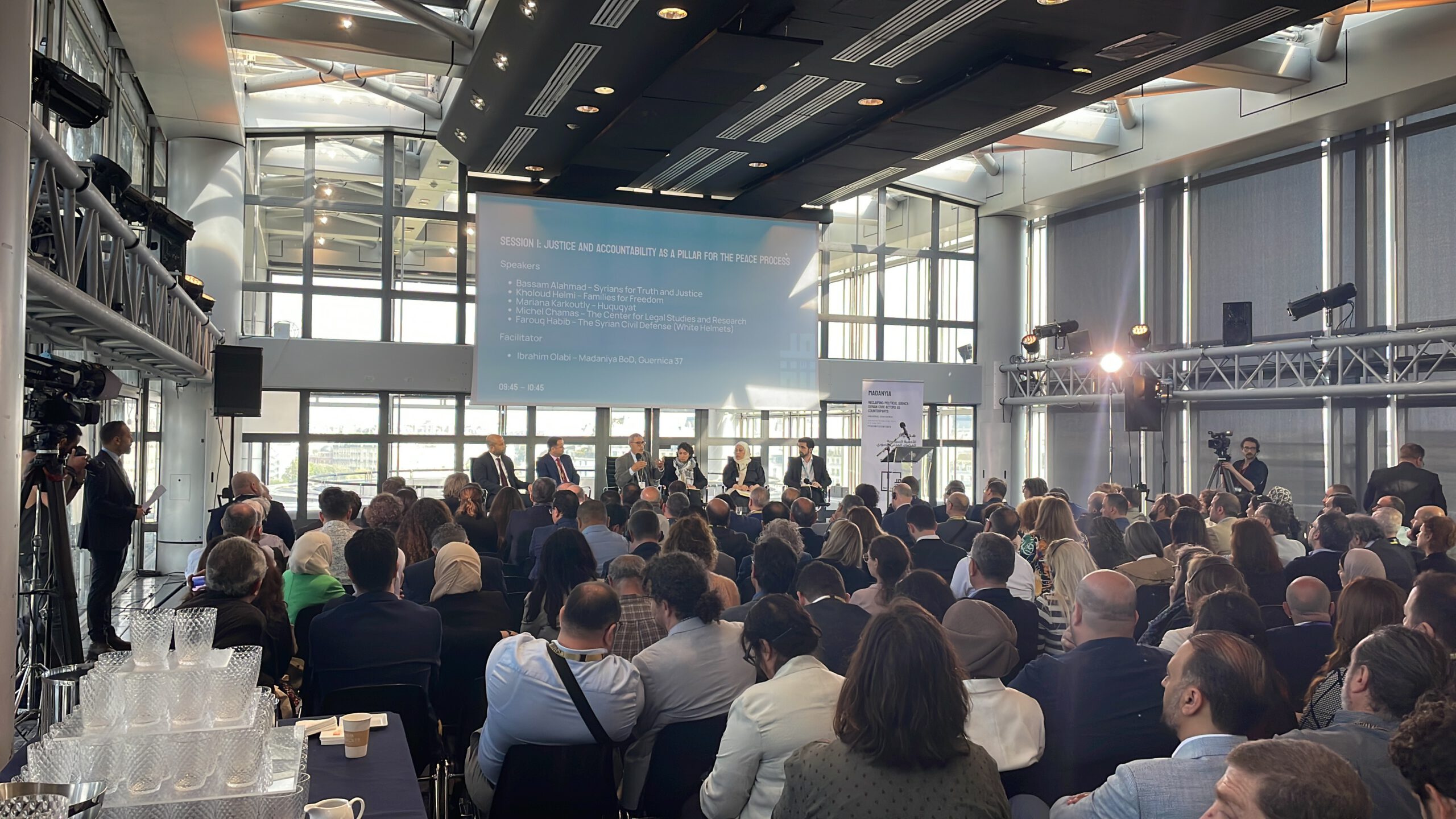
Following two years of preparation, the Syrian Madaniya (“Civil”) initiative held its inaugural conference with over 180 participating organizations. To claim a political role, Madaniya needs a program and a partner. The natural partner for this endeavor is the Syrian Negotiation Commission.
Coercive deprivation: Unraveling the Assad regime’s policy on domestic reconstruction
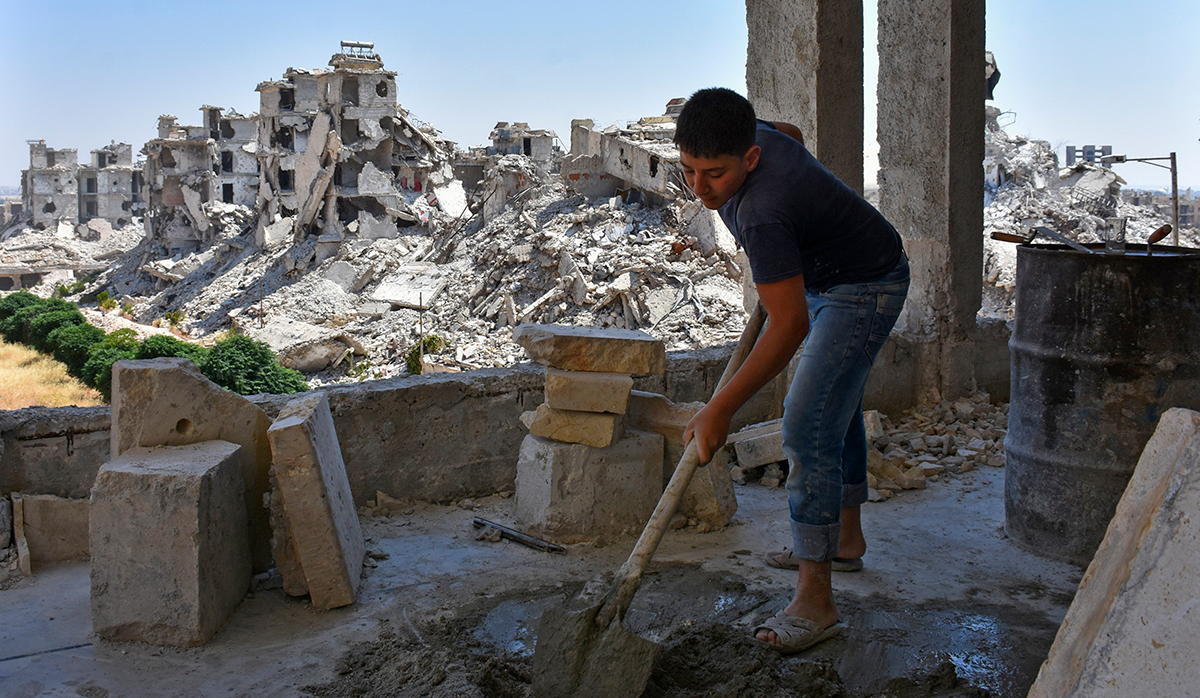
Since the early years of the Syrian conflict, the Assad regime has systematically diverted local resources dedicated for reconstruction purposes to rehabilitate facilities in areas and sectors that benefit it and its inner circle, as well as placed the burden of rehabilitating properties onto Syrians themselves. To finance this policy, the regime has exploited four key resources, including imposing multiple reconstruction taxes, diverting U.N. and INGO early recovery and rehabilitation projects, capitalizing on local-led crowdfunding campaigns, and forcing Syrians to bear the cost of repairing their own damaged properties.
The US and France must push back on Iran to break Lebanon’s political gridlock
Jean-Yves Le Drian, French President Emmanuel Macron’s envoy to Lebanon, made a preliminary diplomatic visit to Beirut last week. Le Drian’s appointment marks a potential though uncertain opening to consolidate international support for Lebanon to facilitate an end to the political gridlock and leadership vacuum. A short but timely boost in robust diplomacy on the part of Washington, strengthened by clear coordination with Paris and regional partners, can play a decisive role in preventing the unraveling of another failed authoritarian state that could further destabilize the region and force even more costly engagement in the future.