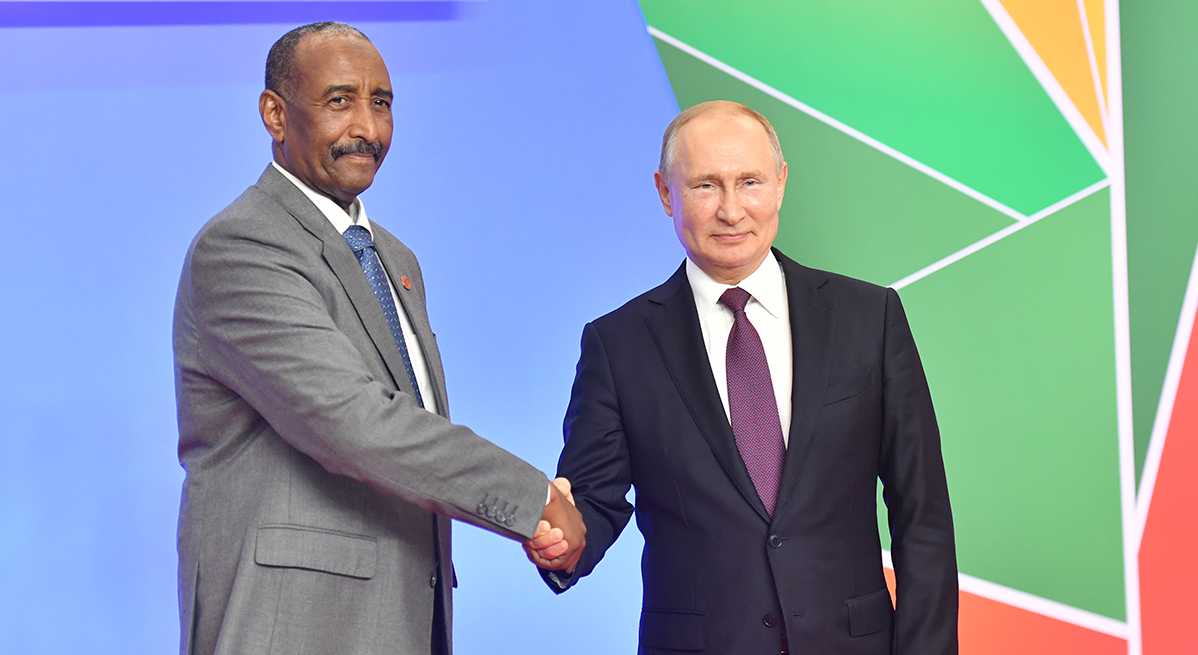
Russia’s foreign policy in areas of the Arab world and Africa where the Soviets once wielded significant influence decades ago has become increasingly assertive in recent years. One such area is Sudan, a pro-Soviet country from 1969, when Gaafar Nimeiri took power, until the communist-backed coup of 1971.
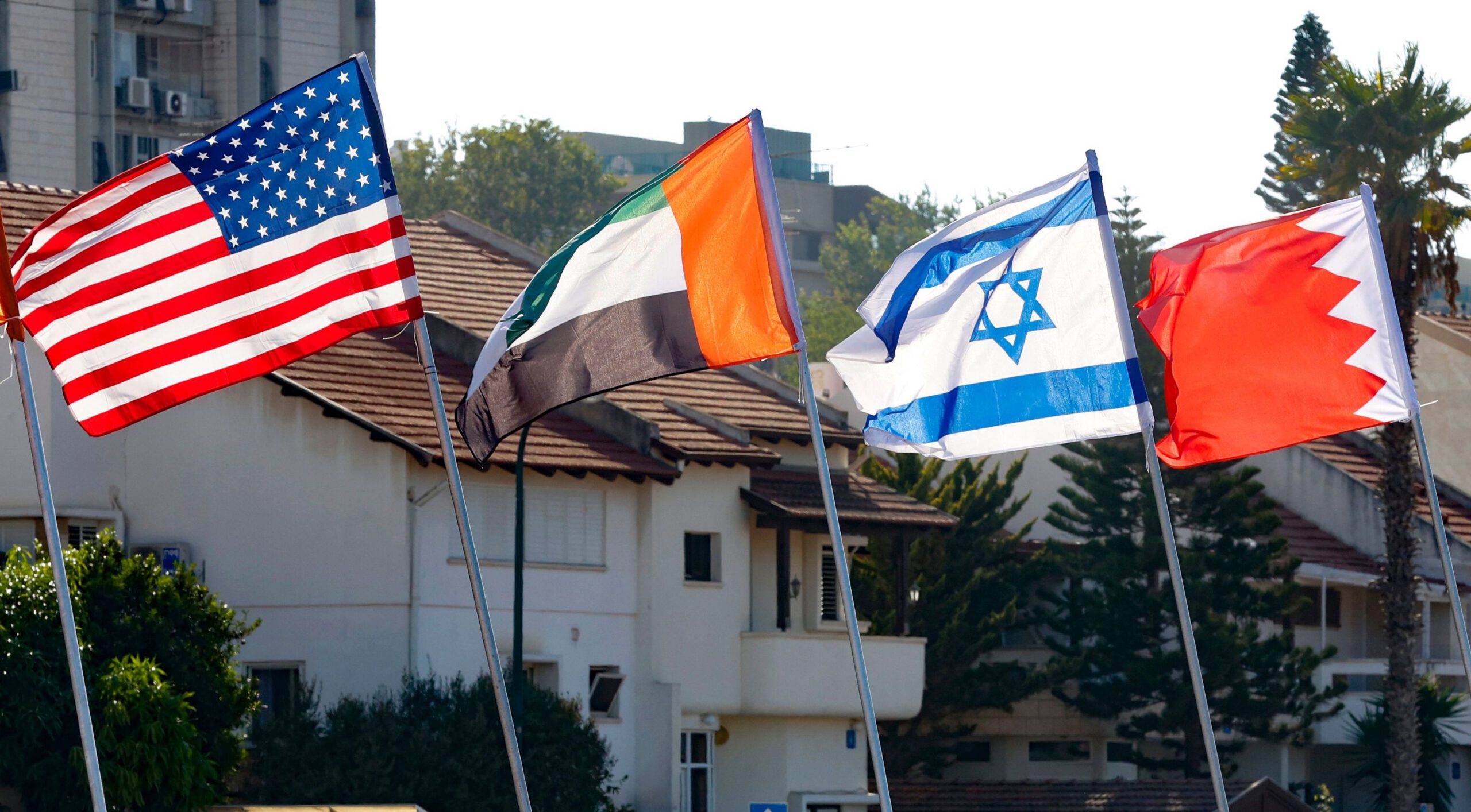
The recent round of fighting between Israel and Hamas, and especially the events that preceded it in Jerusalem, were the first significant test of the Arab-Israeli normalization agreements signed in 2020. Saved by Hamas’ intervention, the four normalizing Arab governments were nevertheless forced to address the consequences of their agreement in the face of popular discontent with the situation at home as well as criticism from other Arab and Muslim states over their relative silence. How they respond to the evolving Israeli-Palestinian tension going forward will be critical not only in regard to their own relations with Israel but also in terms of the future path of Arab-Israeli normalization.
Eye on Niamey: Middle East regional powers vie for influence in Niger
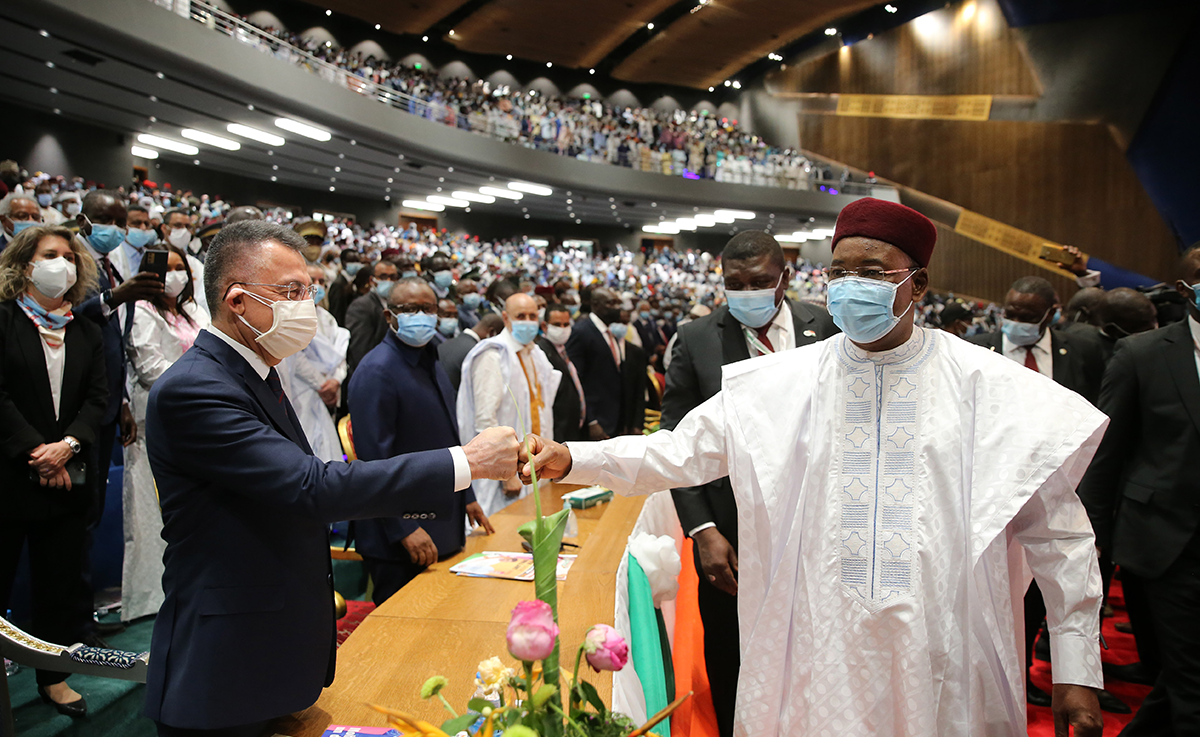
Due to its relatively stable political institutions, geographic proximity to Libya, and UNSC seat, regional powers in the Middle East are competing for influence in Niger. Egypt and the UAE are trying to counter Turkey’s growing economic and security cooperation with Niger, Saudi Arabia and Iran wish to leverage its UNSC voting power, and Israel is testing the waters for a potential normalization of diplomatic relations. These rivalries are poised to intensify, as the Sahel’s geostrategic significance continues to expand.
A rigged election in Somalia could open the door to civil war
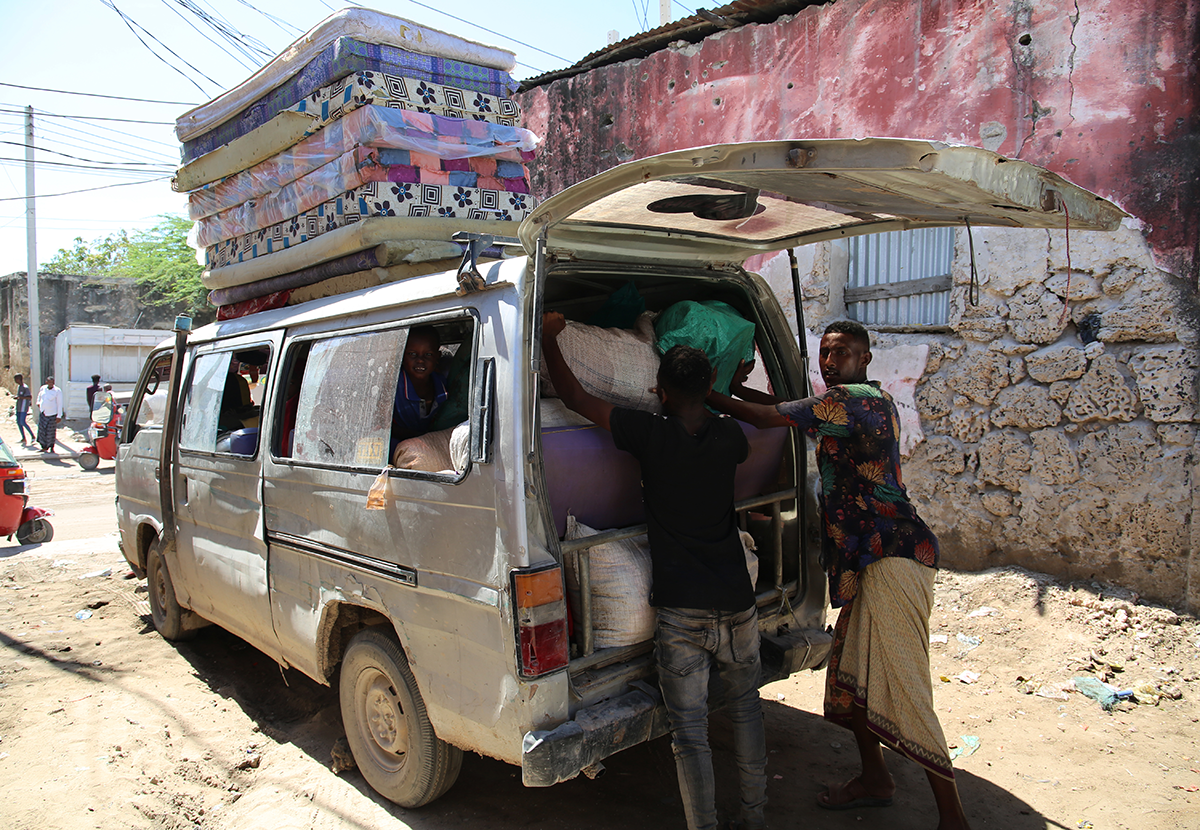
The May 1 vote by Somalia’s caretaker lower house of parliament to scrap the illegal extension of Mohamed Abdullahi Mohamed’s presidential term and back fresh elections is a step in the right direction. Known popularly as Farmaajo, Mohamed’s term in office expired in early February, giving rise to a political crisis that has raised serious questions about the country’s stability. The clashes between Farmaajo loyalist and opposition military units in Mogadishu at the end of April and the suicide bomb attack on a police station in the capital’s Waberi district on May 9 are only the latest signs of a worsening security crisis. The potential for violence to escalate further is all too real and more will need to be done, especially on the part of Somalia’s donors, to ensure a peaceful election and transfer of power.
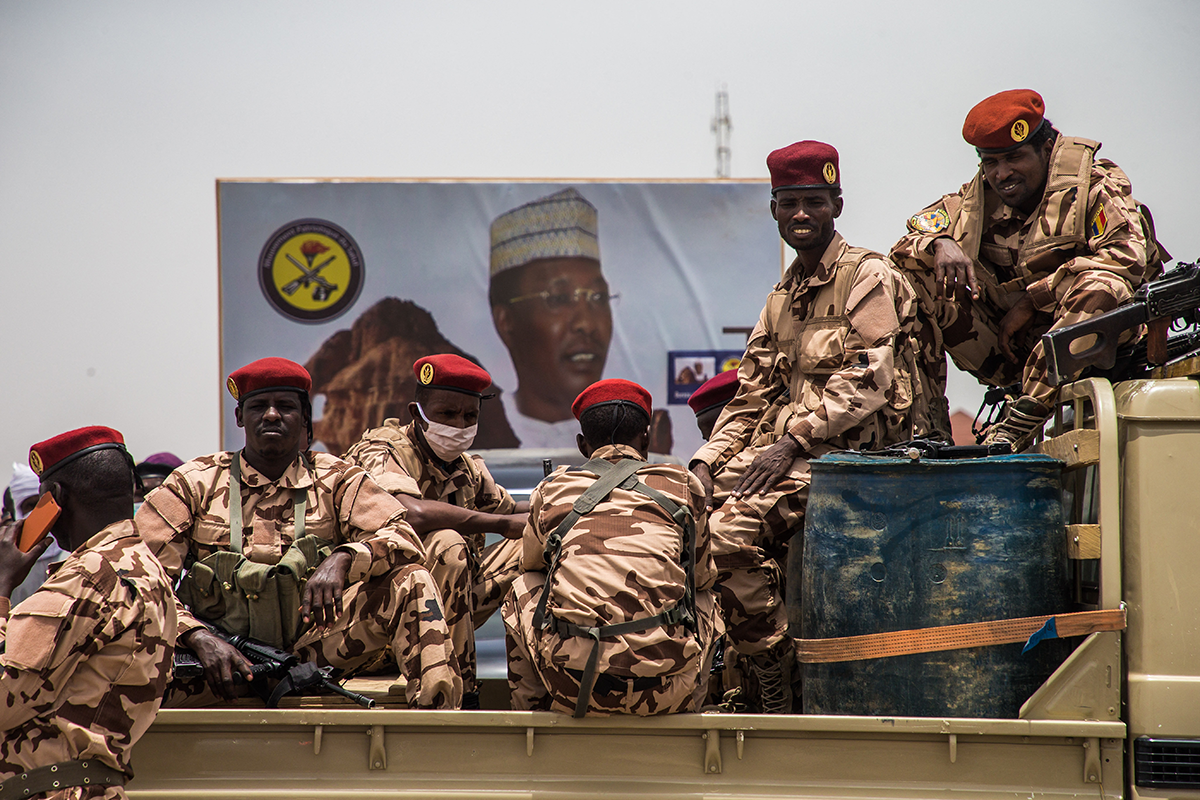
What does the transition in Chad mean for Middle Eastern regional powers?
On April 20, Chadian President Idriss Déby was killed by Front for Change and Concord in Chad (FACT) rebels in the country’s northwestern Tibesti region. The sudden death of Déby, who seized power in Chad via a military coup in December 1990 and was re-elected on April 11 with 79.3% of the vote, risks plunging Chad into a state of prolonged instability.
Jonathan Winer and Mirette Mabrouk join host Alistair Taylor to discuss Libya’s new interim government, the complex regional and international dynamics at play, and what Libya’s future might look like.
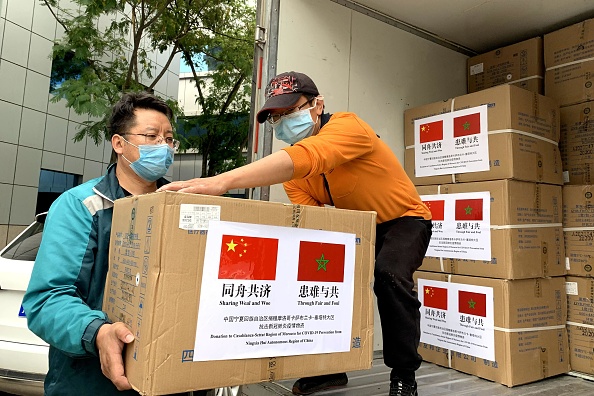
Chinese Health Diplomacy and the Maghreb in the COVID-19 Era
Beijing’s economic presence across the Maghreb has grown in recent years. The new global power has forged a close partnership with Algeria and Morocco, while also continuing to develop relationships with other countries in the region. The COVID-19 pandemic has illuminated the depth of Sino-Maghreb relations.
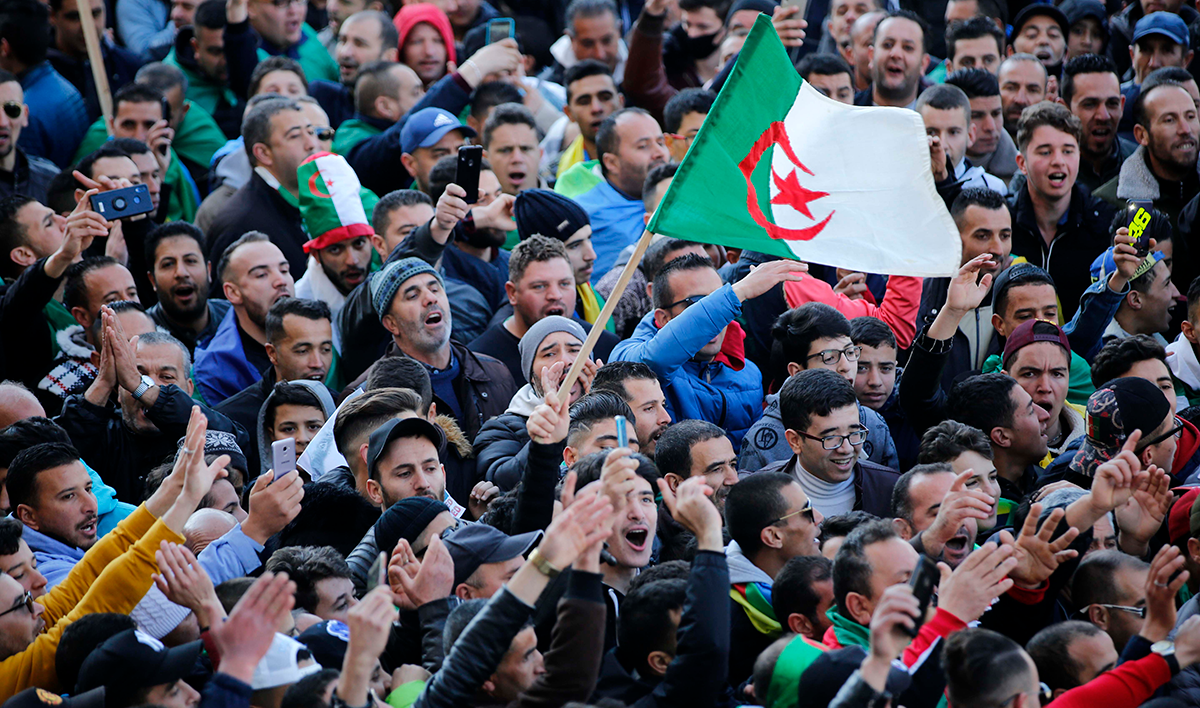
Two years after the start of Algeria’s popular uprising, the regime is far from stable
Abdelmadjid Tebboune’s rise to the presidency was supposed to bring a degree of predictability to Algeria’s military rulers. But since he was pronounced the winner of the presidential election in December 2019, the regime has entered a new phase of uncertainty. The COVID-19 pandemic, continued dissent, political volatility, and deepening economic malaise have affected the ruling oligarchy’s calculations. Two years after the start of Algeria’s popular uprising, known as the Hirak movement, the country is stuck in the same impasse it has faced since 2019.
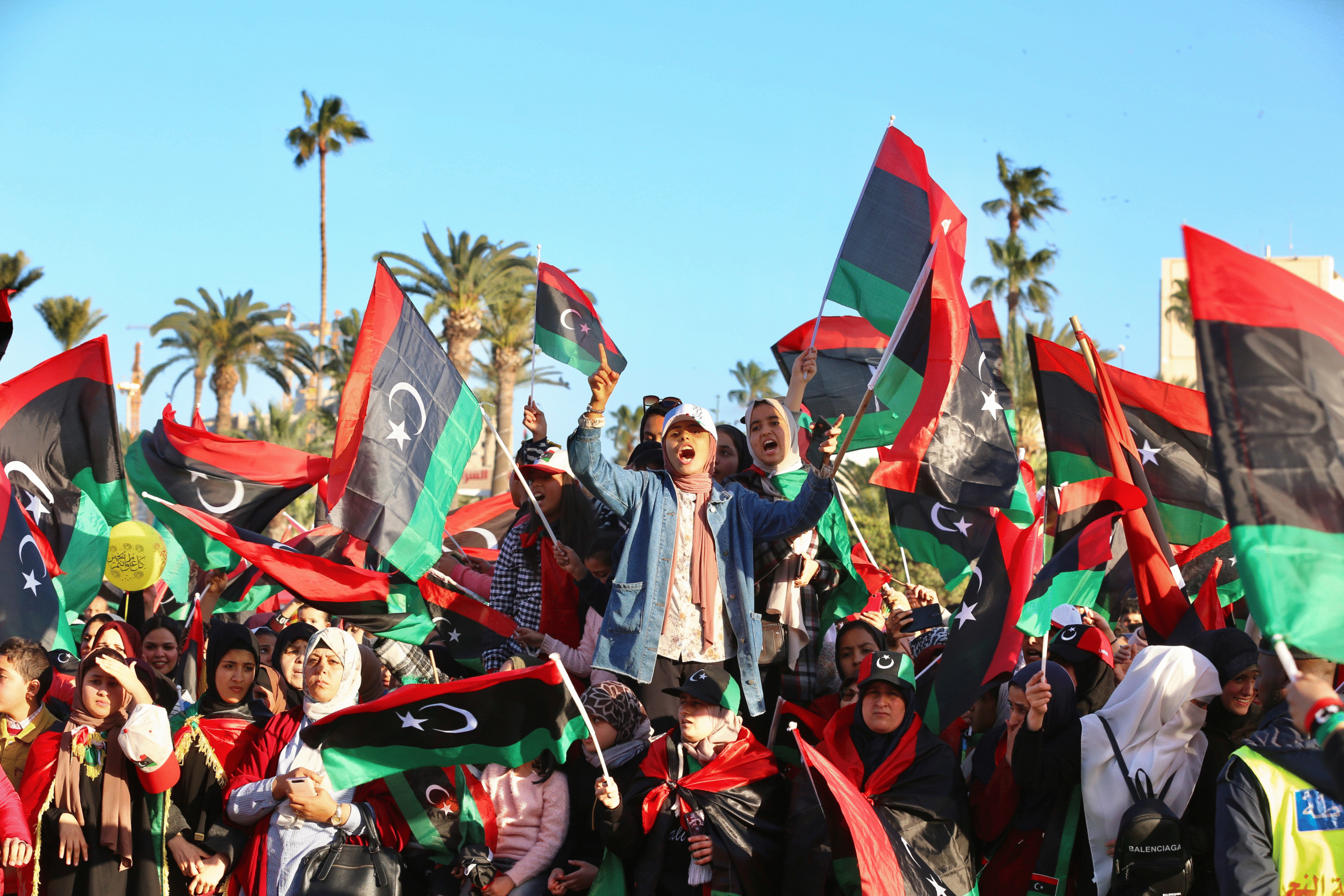
Planning for the day 10 years after the fall of Gadhafi
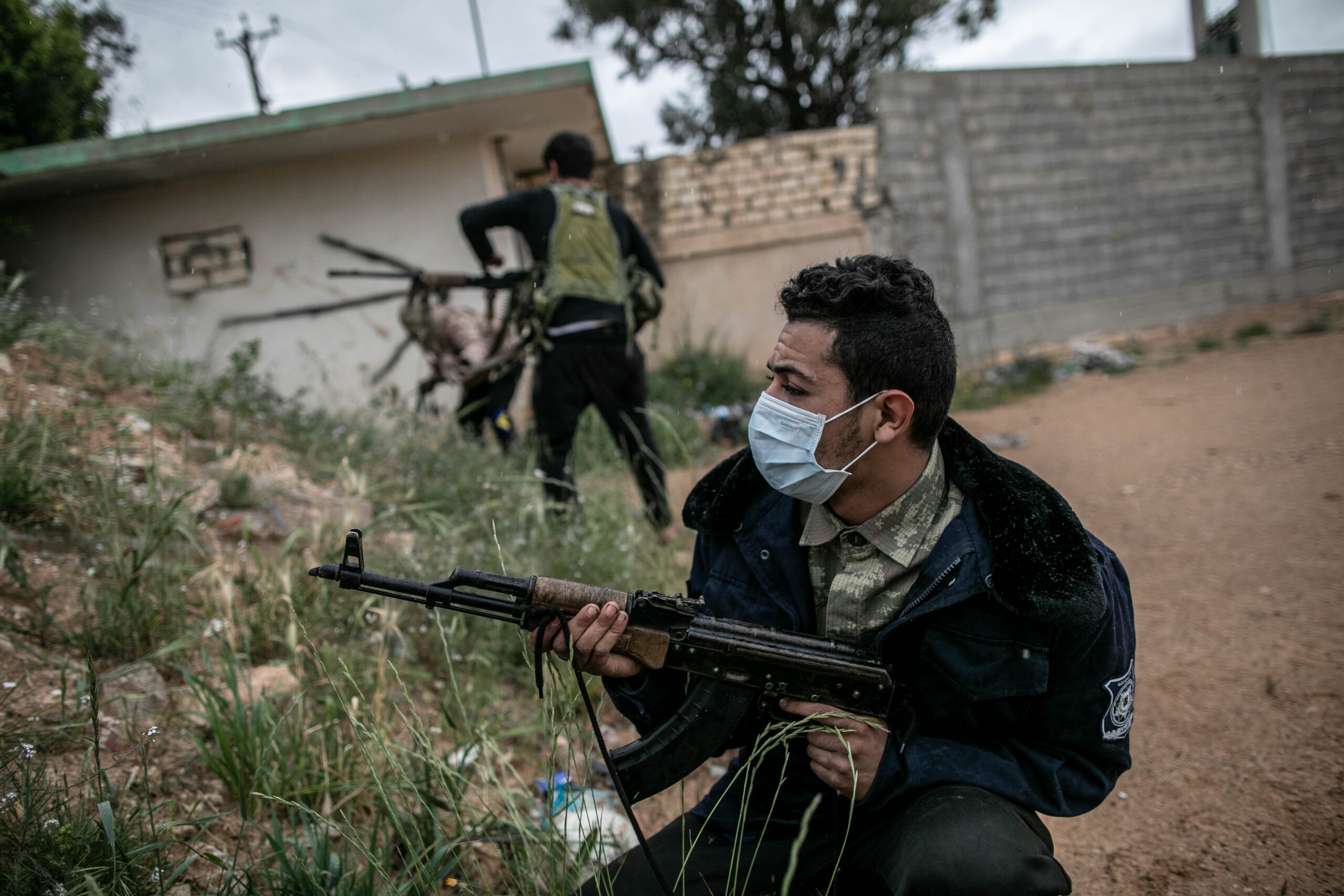
Five years ago, President Barack Obama characterized the failure “to plan for the day after” the U.S. intervention in Libya as his worst foreign policy mistake. Certainly, the aftermath of the decision to provide support for the Feb. 17, 2011 uprising, which ended 42 years of Moammar Gadhafi’s erratic and dictatorial rule, hasn’t been happy. Libya’s past decade has featured recurrent civil war, state collapse, terrorism, militias, and warlords, together with competing foreign interventions despite the continuing U.N. arms embargo.
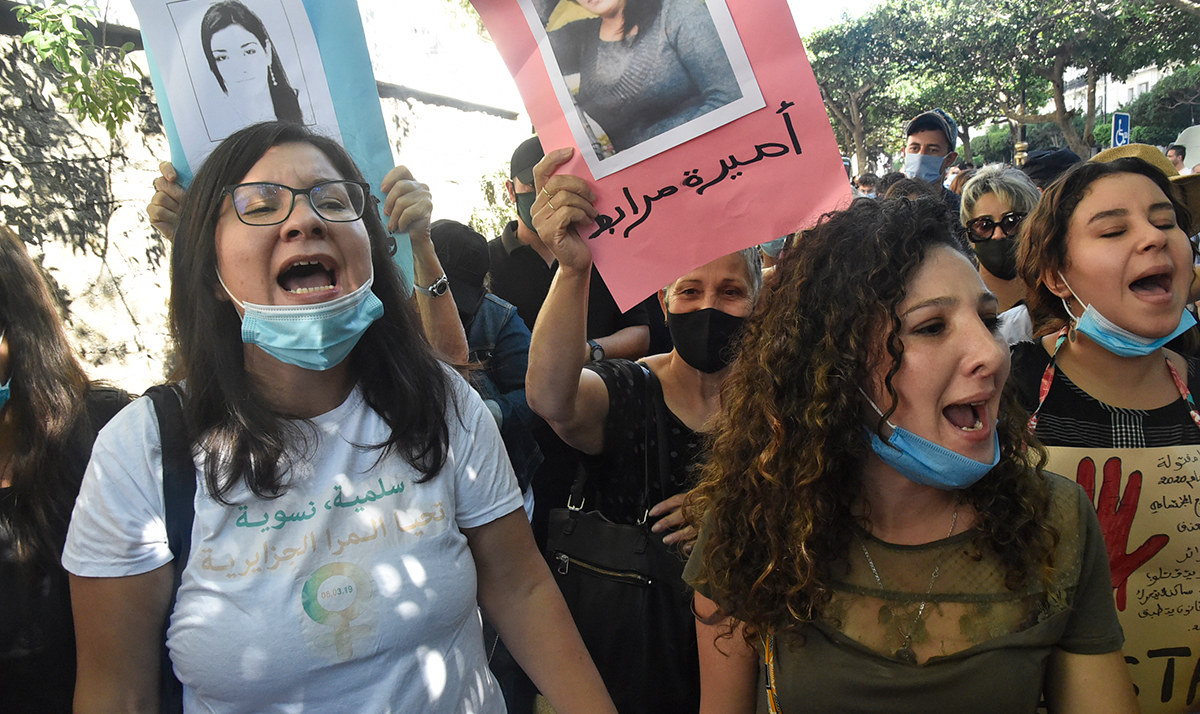
Femicide and other gender-based violence are turning into a real public-health crisis in Algeria. Recent killings have sparked outrage and many Algerians have expressed their anger on social media over this dangerous trend of violence against women, with the hashtag #WeLostOneOfUs trending on Twitter. In Algiers, Béjaïa, Constantine, and Oran, hundreds of women defied pandemic lockdown restrictions to protest and voice their anger over the increase in femicides in the country and the state’s inertia.
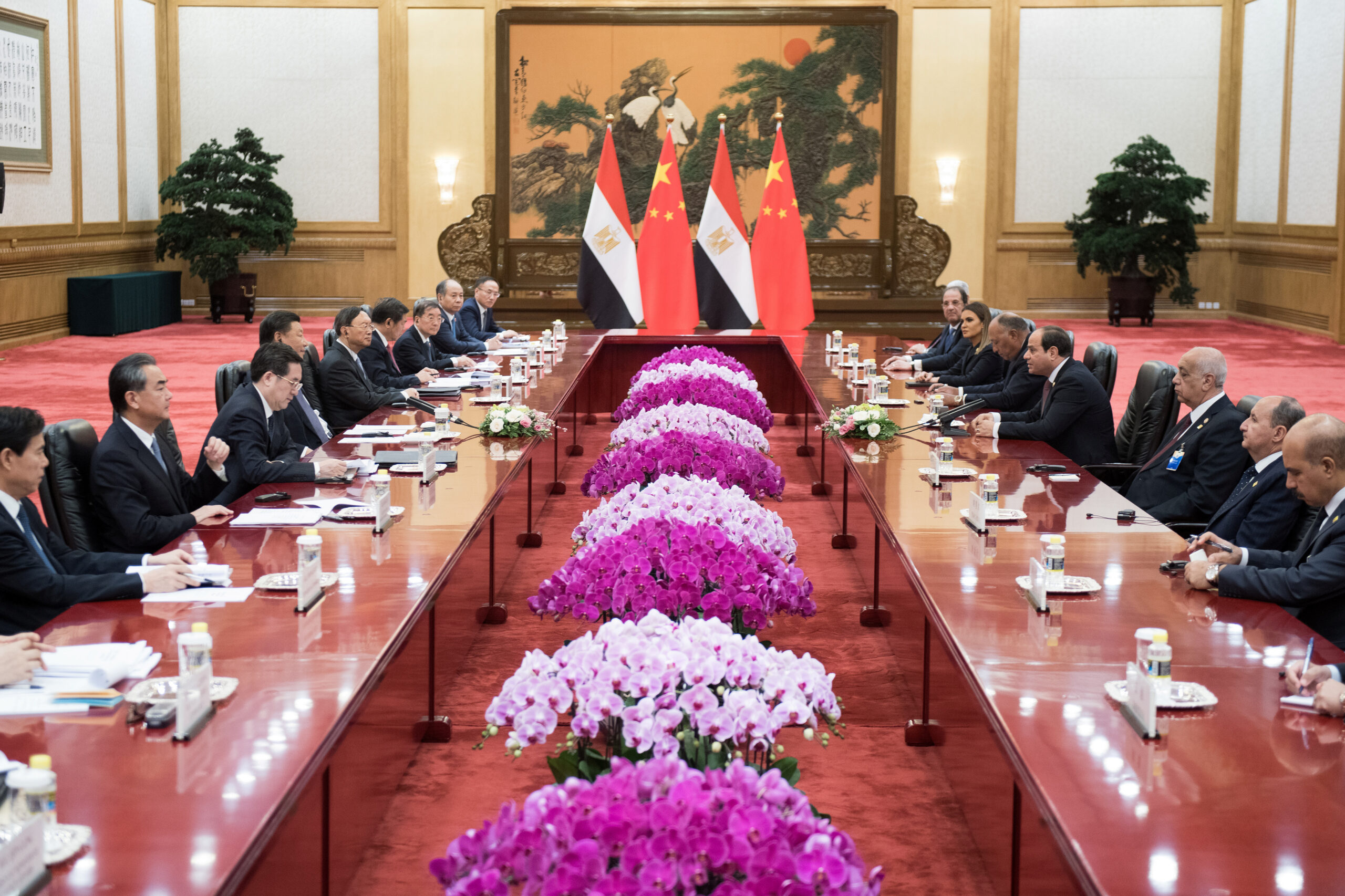
Given the host of challenges that Algeria currently faces and consistent with past efforts to diversify its foreign relations, Algeria could seek to deepen its relationship with China — a rising global power with deep pockets and an expanding footprint in the Middle East and North Africa (MENA) region and a country with which Algeria has already established a comprehensive strategic partnership. Yet, even under a scenario in which Beijing answers the call, it should not be assumed that the scale and contours of Chinese engagement will fundamentally change, will consist mainly of predatory economic activities and malign influences, or can rescue Algeria from structural problems of its own making.
The Middle East is in turmoil, with civil wars raging in Syria, Iraq, Yemen, and Libya. COVID-19 is now an additional factor on top of the violence and monumental international support tasks, all of which require a sustained commitment. The effects of the deadly COVID-19 pandemic highlight the need for more robust international stabilization efforts to achieve long-term peace and self-sufficiency in the Middle East.
This calendar lists key dates in the MENA region in 2021, broken down by month. It is subject to change and will be updated over the course of the year.
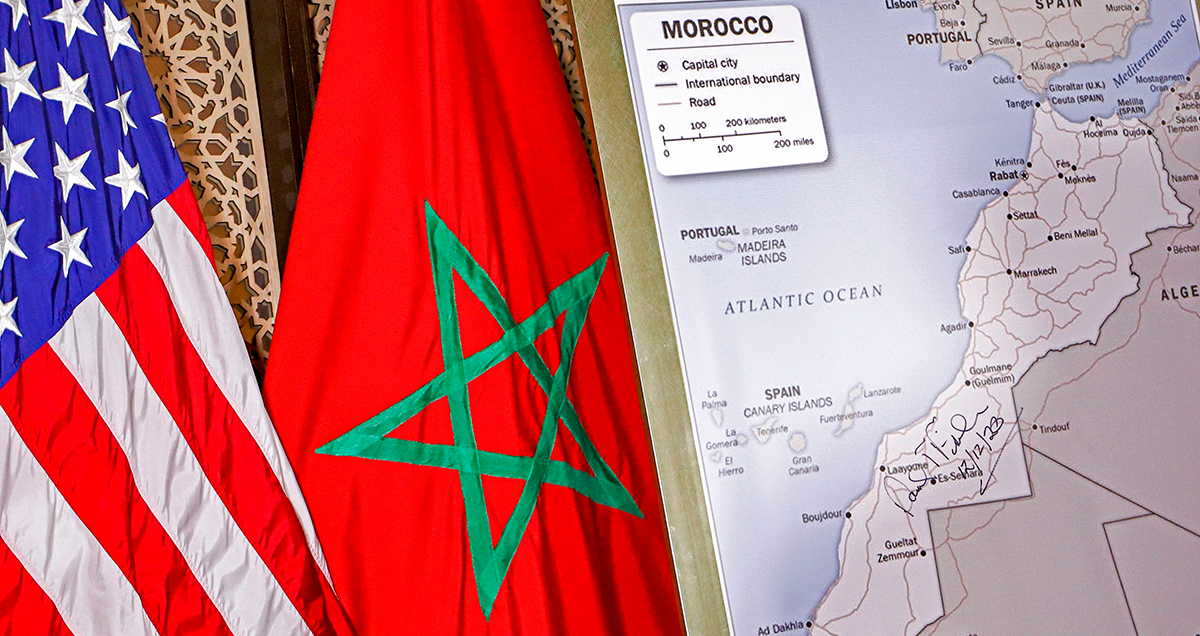
The recent exchange of quid pro quos between the U.S. and Morocco has been handled well by both sides, despite the ritual carping to be expected from opponents of the quid and the quo.
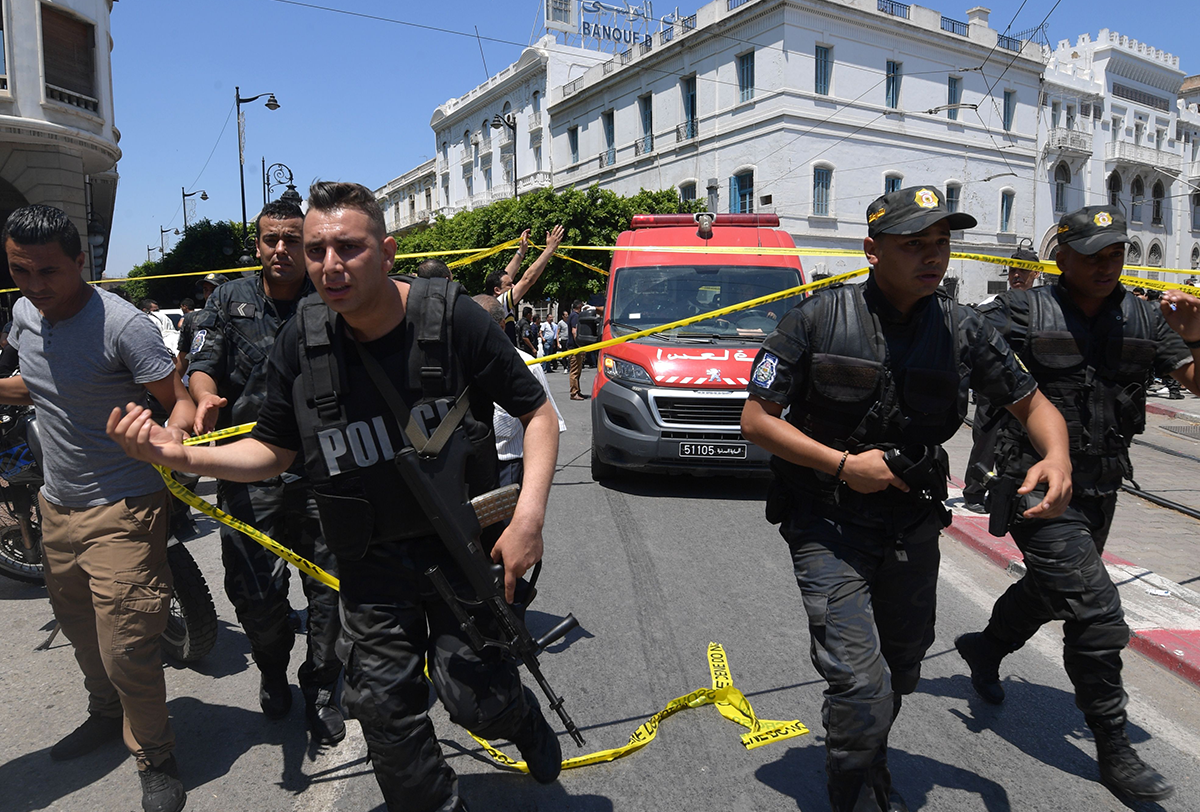
Putting up a fight: Tunisia’s counterterrorism successes and failures
Alongside a stalled economy and a messy political transition, the decade since the 2011 revolution has left Tunisia with an intermittent yet ferocious terrorism problem. The frequency of terrorist attacks highlights the dangers posed by an uncertain political environment, widespread economic problems, and regional instability. But the fact that they have become less deadly over time also seems to underline the improvements that successive governments have made to Tunisia’s security apparatus.