Fearing a collapse: Palestinian refugees and UNRWA’s worsening financial crisis
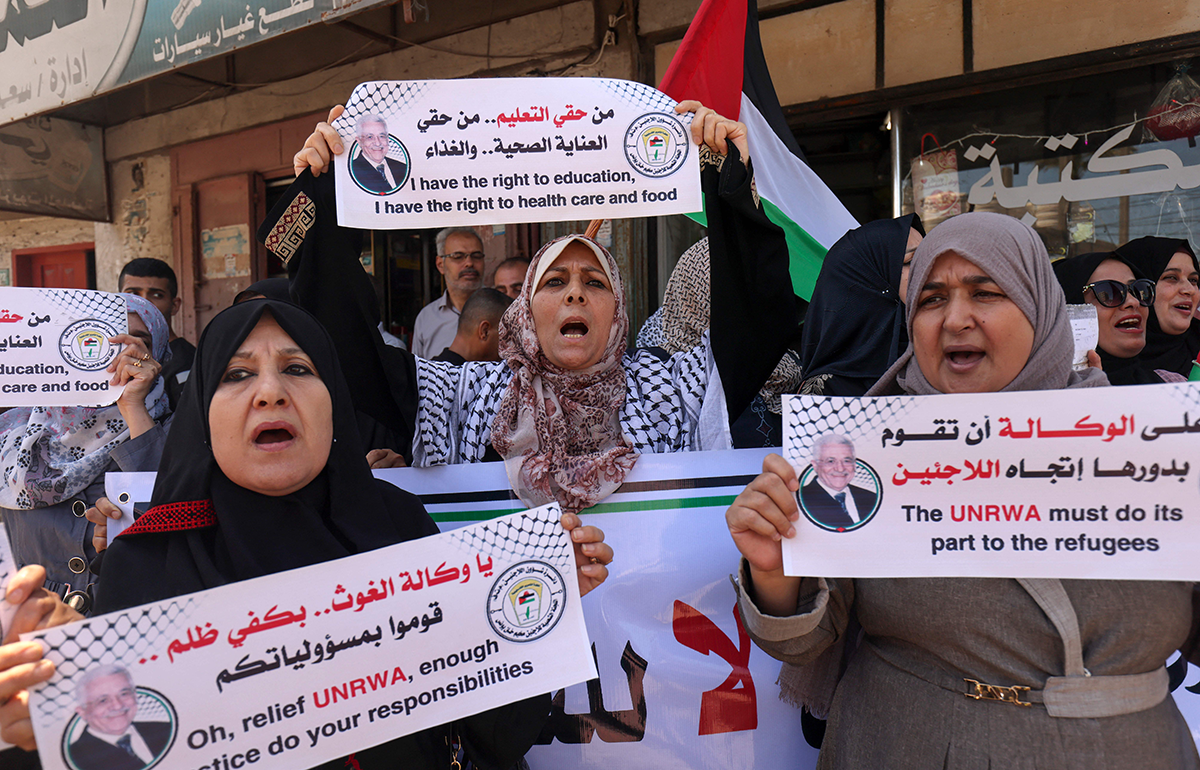
In early June 2022, the Advisory Commission of the United Nations Relief and Works Agency for Palestinian Refugees in the Near East met in Beirut. Facing a $100 million budget deficit and the indifference of donor countries, UNRWA’s future is uncertain.
“Get an electric vehicle!” This might be the first idea that comes to mind when considering how to reduce carbon dioxide emissions from transportation at the community level. Fossil fuels are widely recognized as a significant source of emissions due to the large amount of carbon dioxide they produce when burned, but what about the emissions associated with electric vehicles?
Looking to the skies: The growing interest in cloud seeding technology in the Gulf
In response to water shortages exacerbated by population growth and climate change, an increasing number of countries have invested in weather modification technologies over the past decade, including precipitation enhancement, or cloud seeding. The UAE has been a leader in exploring this technology within the arid Gulf region, launching a cloud seeding program in 2002.
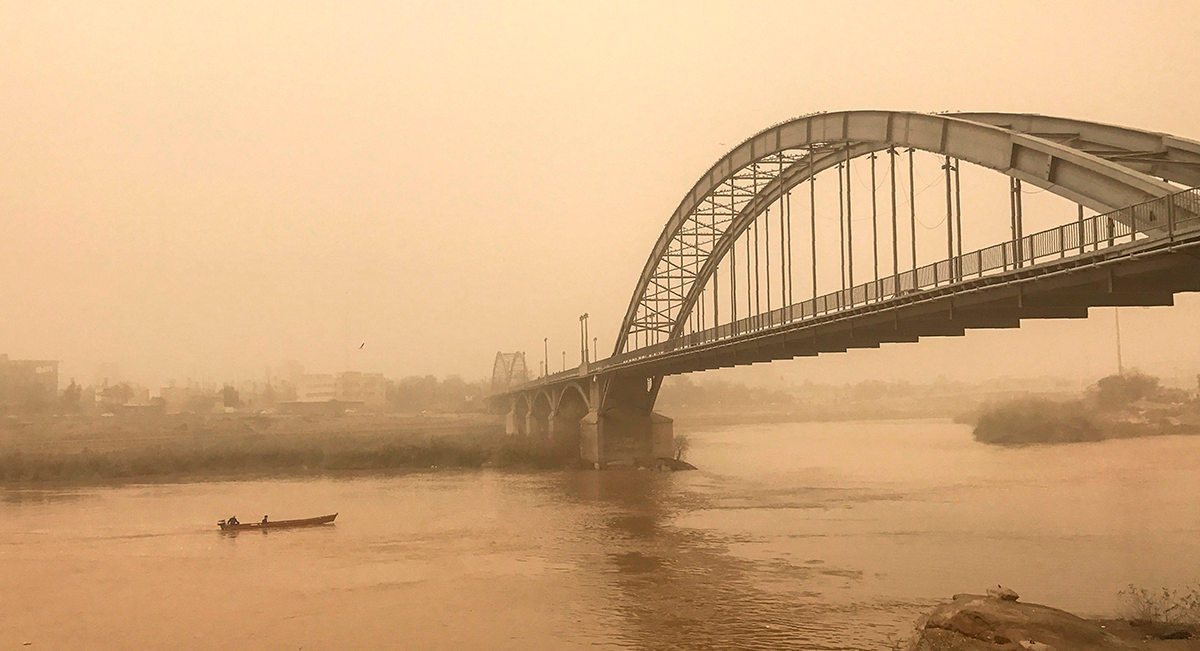
Amid dust storms and drought, Turkey and Iran are at odds over transboundary water management
Water is slowly emerging as yet another potential cause for dispute between Ankara and Tehran. As of late, the two neighboring states have been at loggerheads over a number of issues, including Syria and Iraq, where they have opposing interests. After years of quiet diplomatic juggling, the issue of transboundary water management is gradually taking center stage in the two countries’ relations, a development that could, in the medium run, have serious repercussions for regional security.
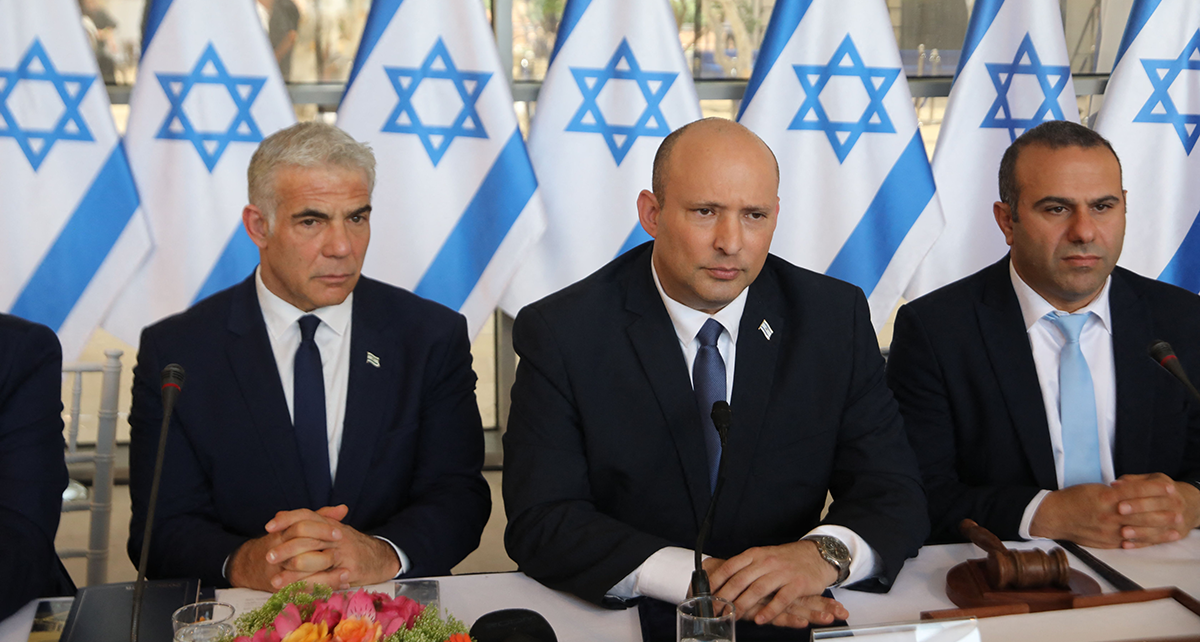
Another blow for the unsteady Israeli coalition government
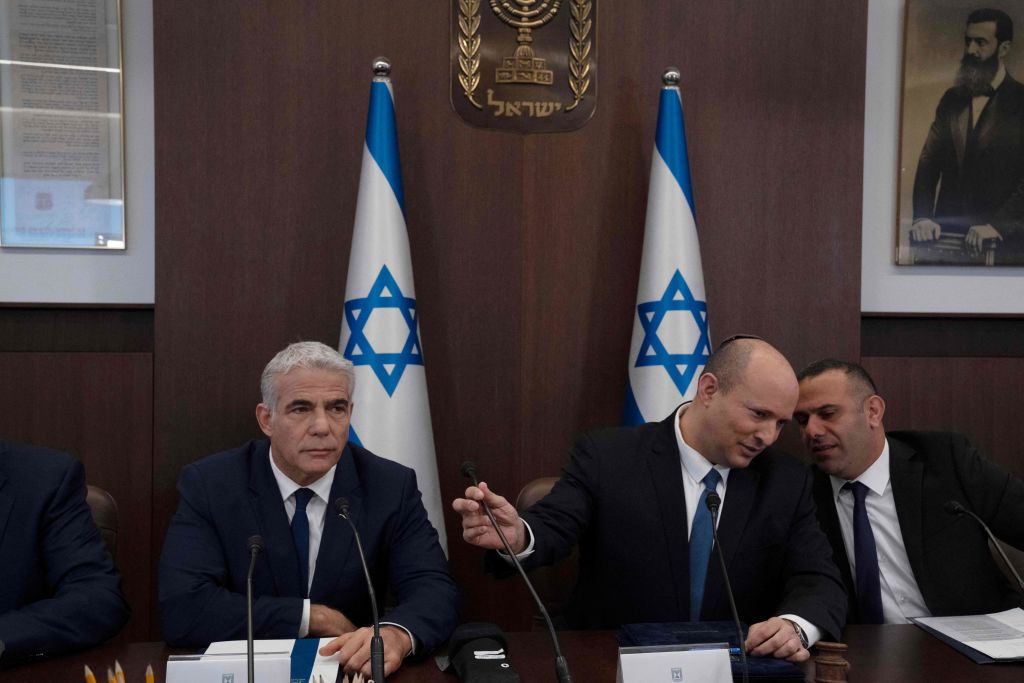
On June 6 Israel’s coalition government lost an important vote, in which more than half of the Knesset members on both sides voted against their own most fundamental beliefs in a desperate effort to either bring down the coalition or to save it. The substance of the legislation was barely more than a pretext, but the opposition smelled blood and was willing to do virtually anything to regain power.
In this interview from MEI’s Climate and Water program, guest host Mohammed Mahmoud speaks with Athra Khamis about her journey to the remote continent of Antarctica, what she saw there, and how it impacted her views on climate change.
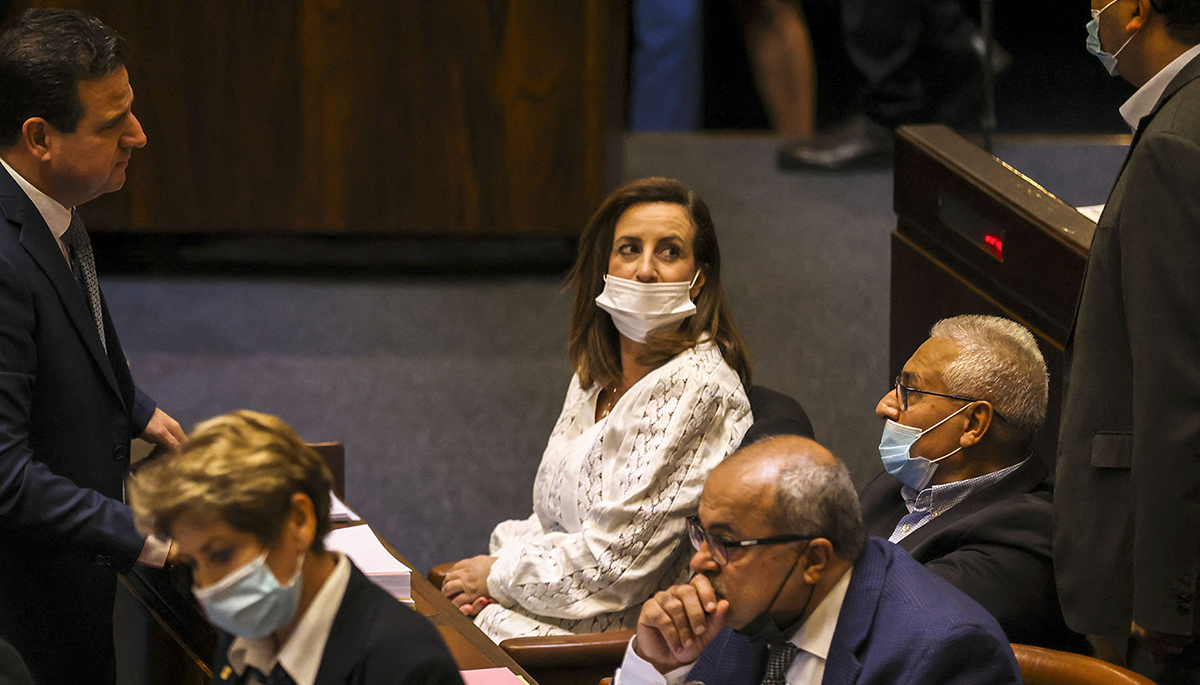
A false alarm or a wake-up call for Israel’s fragile coalition?
On May 19, Ghaida Rinawi Zoabi, one of Meretz’s two Arab Knesset members, announced she was leaving the governing coalition and her party. On May 22, however, it was announced that she had rejoined both. What happened and what does it tell us about the state of Israel’s fragile coalition government?
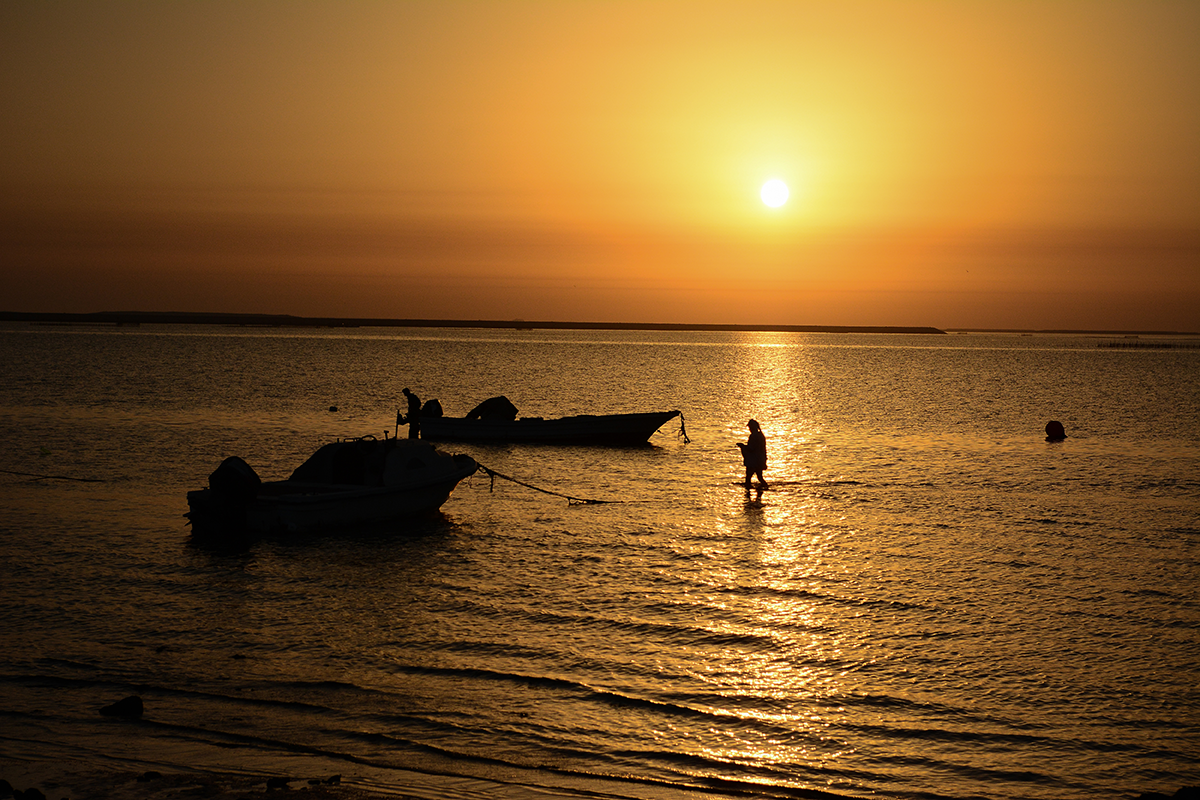
Protecting Gulf waters through regional cooperation
In collaboration with regional and international experts and organizations, the Middle East Institute is implementing a program aimed at promoting regional approaches to solve climactic and anthropogenic challenges to the waters of the Gulf.
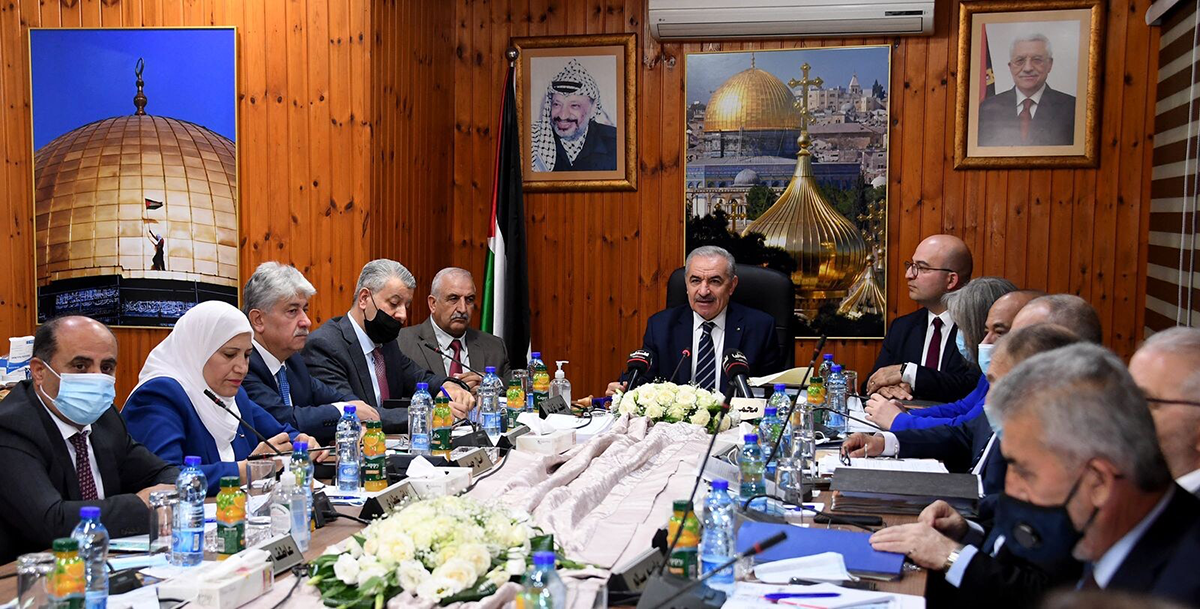
The Palestinian Authority’s economic “disengagement” looks a lot like the status quo
Palestinian Authority (PA) officials repeatedly deny acquiescing to the economic peace model with Israel, but such rhetoric is not reflected in their actions. In recent years integration between the Palestinian and Israeli economies has only deepened.
“Half of us were left behind while one of our colleagues back home was shot dead”
There are certain events that are so impactful that you remember exactly where you were and what you were doing when you heard about them. The killing of Shireen Abu Akleh, the veteran Al Jazeera journalist, last Wednesday in the occupied West Bank was for me just such an event — both because of who she was and what I was doing at the time.
Five things the United States knew about the Nakba as it unfolded
An estimated 750,000 Palestinians were either driven from their homes or fled during the Nakba in 1948. To counter attempts at Nakba denial and “memoricide” by U.S. politicians and others, it is instructive to review the archives of U.S. diplomats stationed in Palestine and surrounding Arab countries who witnessed the Nakba unfold and reported back on the magnitude and gravity of Israel’s dispossession of Palestine’s indigenous inhabitants.