The Middle East Institute Denounces Fabrications and False Accusations Against one of its Scholars
It has come to our attention that unknown fabricators have created and distributed an article in Turkish and Russian outlets concerning the Patriarch of Constantinople and the events of the recent failed coup in Turkey, and they have fraudulently attributed that article to one of our scholars, Arthur H. Hughes.
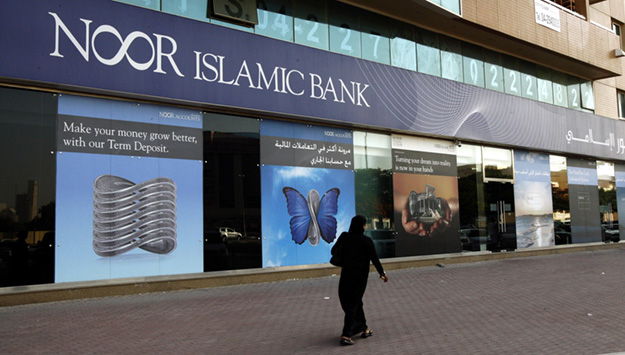
When “Islamic finance” is mentioned, ideas of the latest Gulf mega-projects spring to mind. However, for millions of Muslims throughout the Middle East, Islamic finance is analogous to a credit union in the United States. In places like Jordan and Turkey, the system is witnessing considerable growth, but for quite different reasons. While Jordanians look to Islamic finance as a route to development, the Turks use it to fight inflation.
Monday Briefing: Turkish Incursion into Syria, OPEC Meeting
In this week’s Monday Briefing, MEI experts Gonul Tol, Daniel Serwer, and Jean-François Seznec provide analysis on recent and upcoming events including the Turkish intervention in Syria, and next month’s OPEC meeting in Algeria.
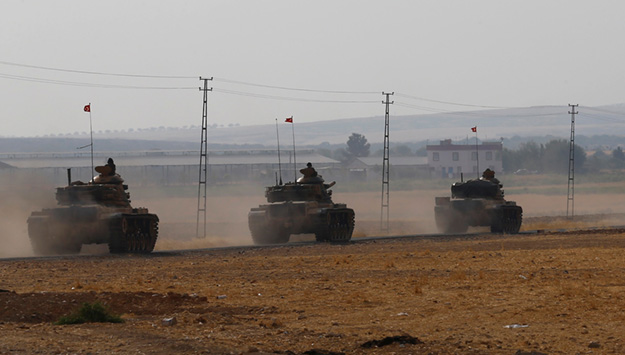
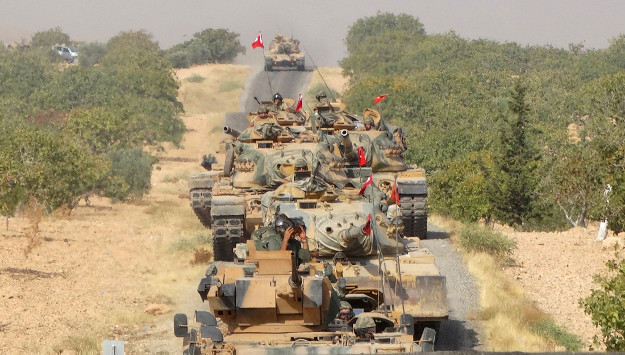
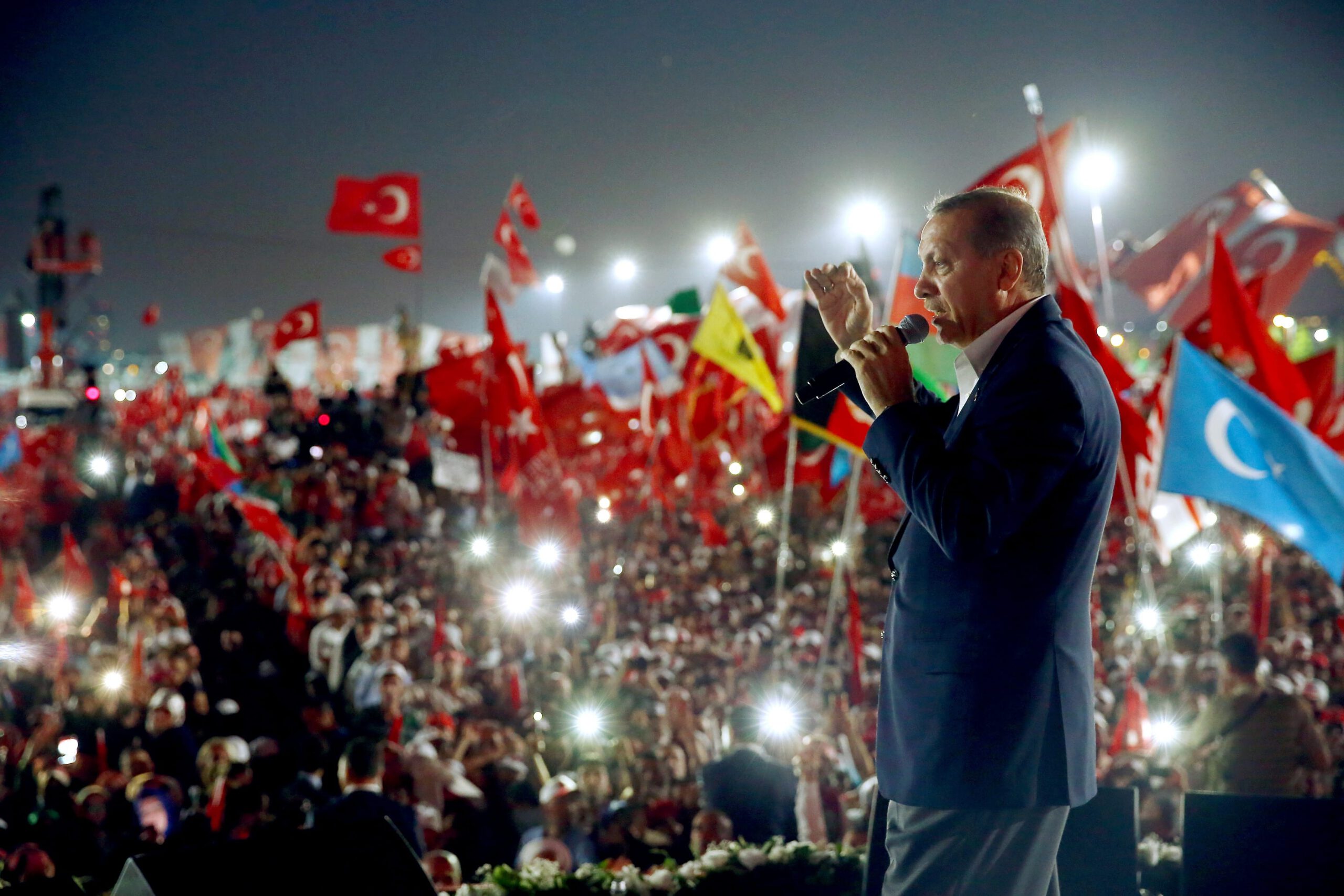
One might wonder how a country that recently survived a bloody coup attempt and multiple terrorist attacks could embark on a military incursion into a neighboring country. Yet this is exactly what Turkey has done.
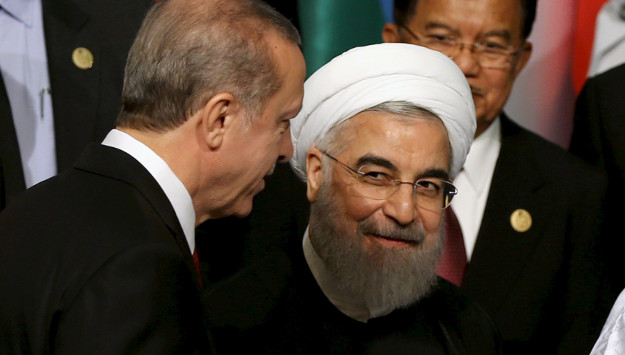
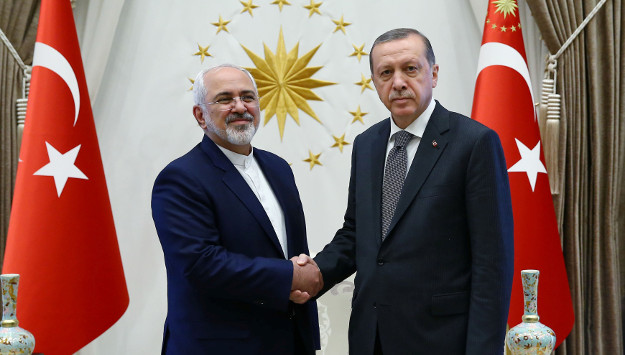
Turkish President Erdogan is about to make a high-profile visit to Tehran. The trip is not just about a potential warming of relations between Ankara and Tehran but some think it might become a turning point and herald a new regional alignment on how to end the Syrian civil war.
G.C.C., Iran Look to Sea Trade to Reduce Dependence on Oil
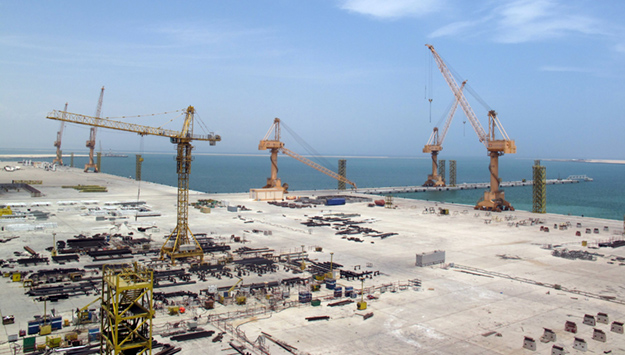
Continuing low oil prices have prompted Persian Gulf states to diversify their heavily petro-dependent economies. This issue is forcing the oil-rich states to invest and expand their potential as international trade hubs as a pathway away from the time bomb of single commodity exports. As many Gulf states have outlined in economic plans, as well as developed on the ground, maritime trade is an increasingly essential link connecting the Middle East to the global economy.
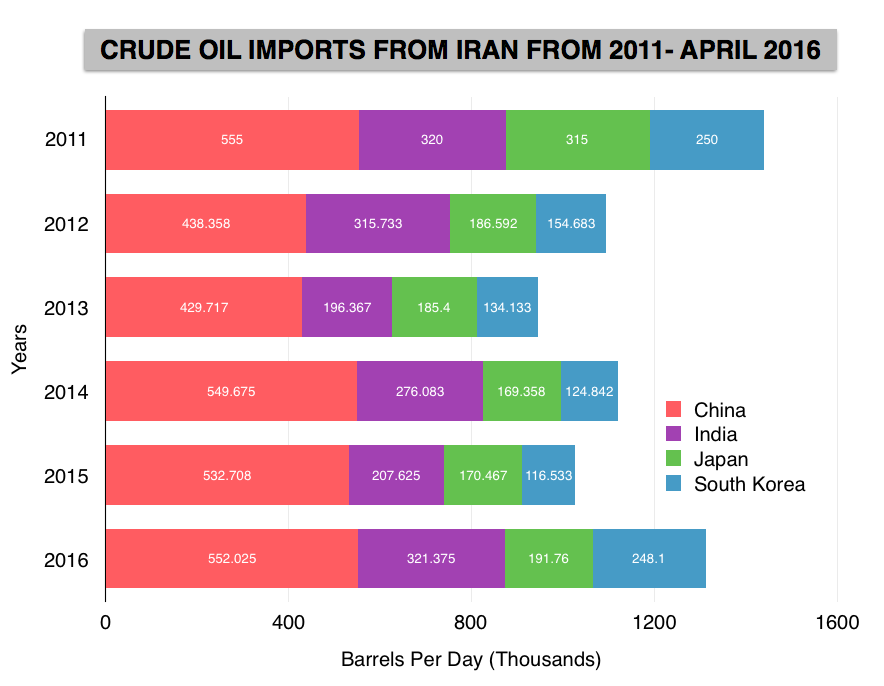
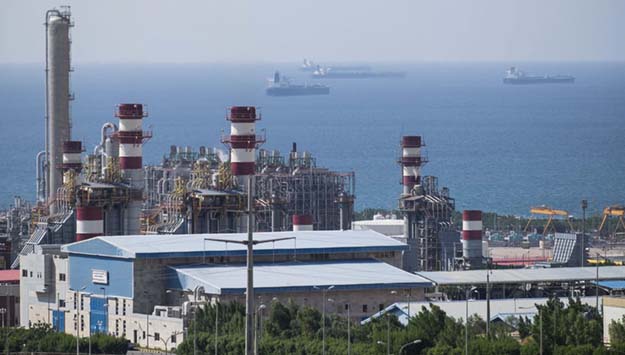
Iranian oil sales have nearly doubled since sanctions were lifted on its oil exports in January 2016. In fact, Iran is recovering market share faster than many experts had expected.
Several factors have contributed to this development, including that Iran has—
Monday Briefing: Turkey's Iran Outreach and Regional Diplomatic Strategy
In this week’s Monday Briefing, MEI experts Gonul Tol, Alex Vatanka, Charles Schmitz, and Robert S. Ford provide analysis on current issues including Turkey’s regional diplomacy as President Erdogan is set to visit Tehran, the Iranian perspective on Turkey’s role in the region, Secretary Kerry’s visit to Saudi Arabia amid renewed fighting in Yemen, and ongoing attempts to broker a cease-fire deal in Syria.
Unpacking Turkey’s Failed Coup: Causes and Consequences
Who was Behind the Coup?
When President Recep Tayyip Erdogan addressed the Turkish people via FaceTime on the night of July 15, he pointed the finger of blame for the coup attempt squarely at Fethullah Gulen and his followers in the military.[1]
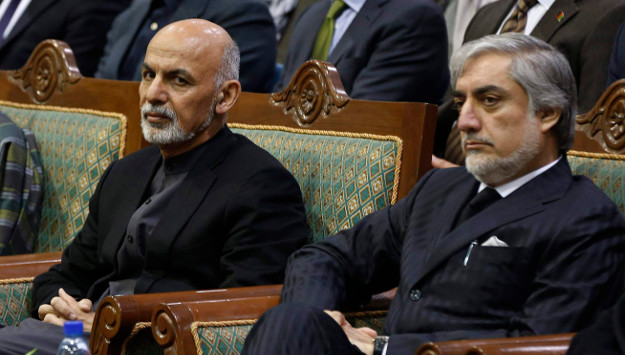
Monday Briefing: India FM to Visit Iraq and Syria; Iran-Turkey Relations After the Failed Coup; Afghanistan's Fractured Government
In this week’s Monday Briefing, MEI experts Zubair Iqbal, Alex Vatanka, and Marvin G. Weinbaum provide analysis on issues including India’s Middle East policy as its foreign minister is set to visit Iraq and Syria, the opening of relations between Iran and Turkey following the latter’s recent failed coup, and the latest signs of tension within Afghanistan’s shaky unity government.
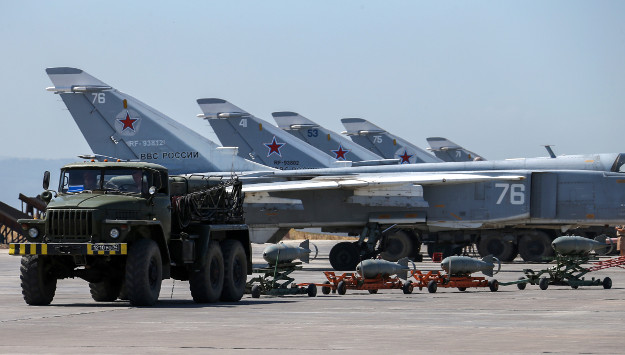
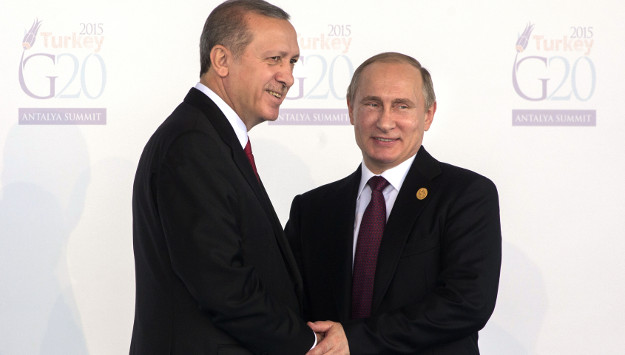
Monday Briefing: Erdogan Reaching Out to Russia; Update on Battle for Aleppo
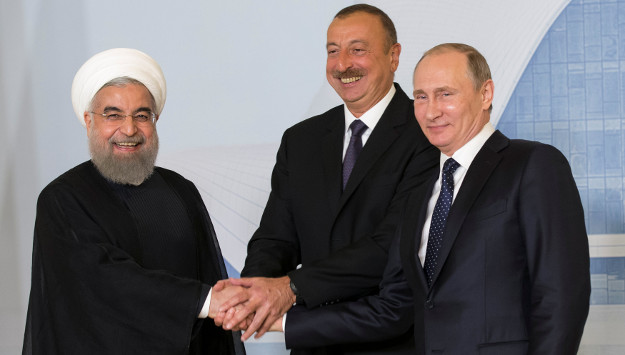
In this week’s Monday Briefing MEI experts provide analysis on recent and upcoming events including Turkish President Erdogan’s trip to Russia tomorrow, Iranian President Rouhani’s upcoming meeting with President Putin in Baku, the ongoing battle for Aleppo, strains in U.S.-Pakistan relations over the Haqqani Network, and what’s next for Tunisia’s political transition following the vote of no confidence in the current government.
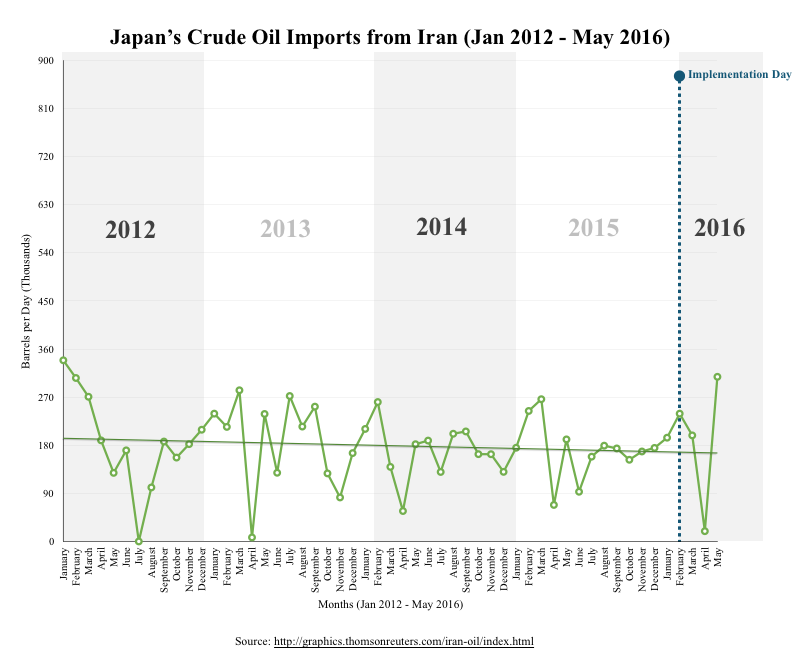
U.S.-European nuclear-related sanctions on Iran in 2011 resulted in a major reduction of Japanese crude oil imports from Iran, which were largely offset by increased purchases from other Middle Eastern producers. This pattern remained more or less intact through the end of 2015.[1]