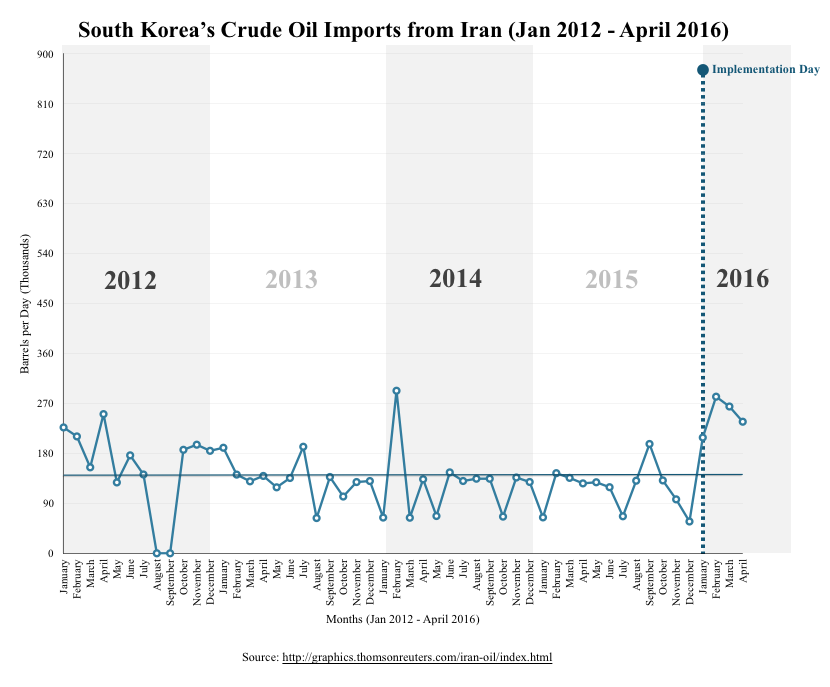
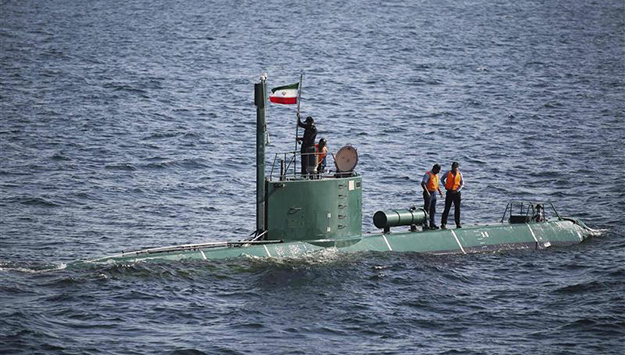
South Korea is the world’s fifth-largest crude oil importer and sixth-largest oil refining country. In June 2012, South Korea suspended all oil imports from Iran in response to a European Union insurance ban on tankers carrying Iranian crude oil.[1] South Korea subsequently obtained a waiver and resumed importing Iranian crude oil. However, the average annual volume of crude oil purchased by South Korea from Iran during the period 2012-2015 was 40% lower than in 2011.
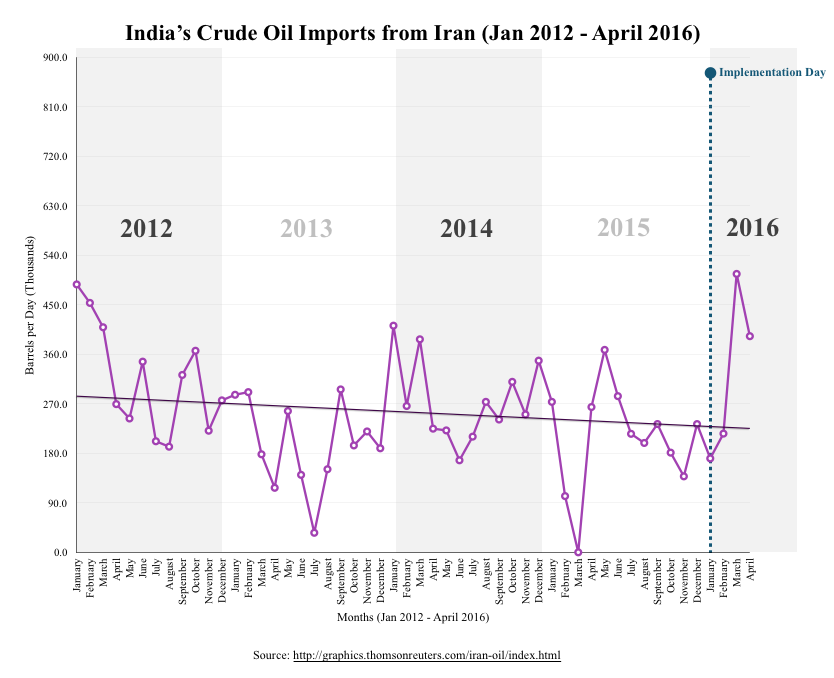
When U.S. and European nuclear-related sanctions against Iran took effect in 2011, India was compelled to reduce its crude oil imports from Iran and to diversify its sources of supply.[1] As a result, the country’s crude oil imports from Iran dropped by 1.33% and 37.81% in 2012 and 2013, respectively.
Monday Briefing: The Battle for Aleppo, Turkey's Gulen Extradition Request, and IMF talks in Cairo
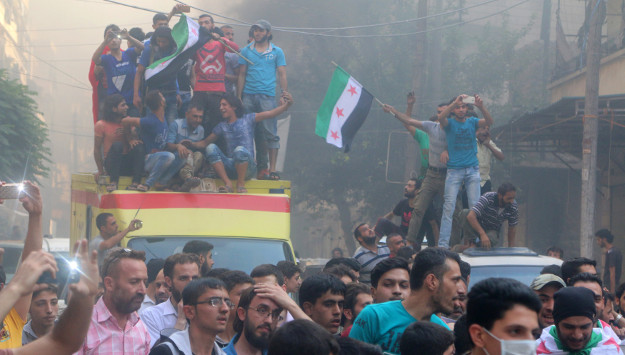
In this week’s Monday Briefing, MEI experts Charles Lister, Gonul Tol, and Paul Salem provide analysis on recent and upcoming events including the battle for Aleppo, Turkey’s extradition appeal for Fatullah Gulen, and IMF talks in Cairo this week on Egypt’s request for more than $12 billion in loans.
Monday Briefing: Turkey's Post-Coup Military Restructuring and US-Russia Meeting in Geneva on Syria Coodrination
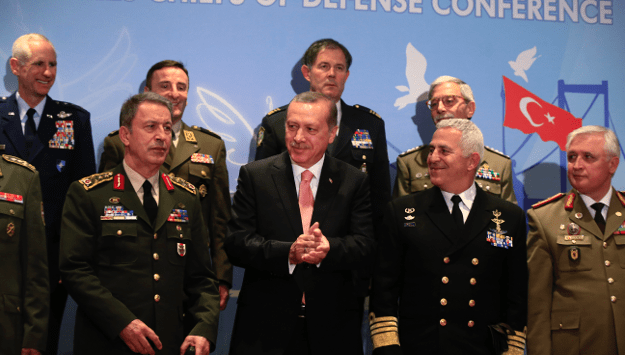
In this week’s Monday Briefing, MEI experts Gonul Tol and Randa Slim provide analysis on the restructuring of Turkey’s military following the recent failed coup attempt and the meeting between U.S. and Russian officials in Geneva tomorrow to discuss counterterrorism coordination in Syria.
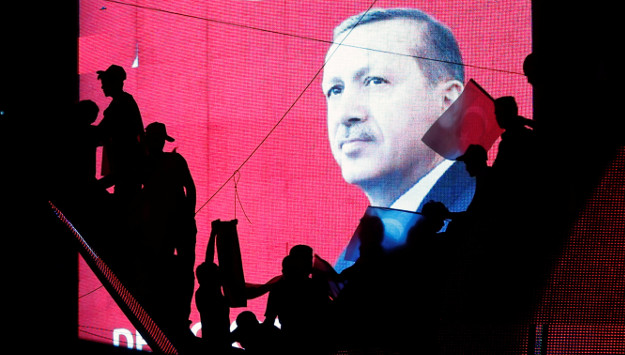
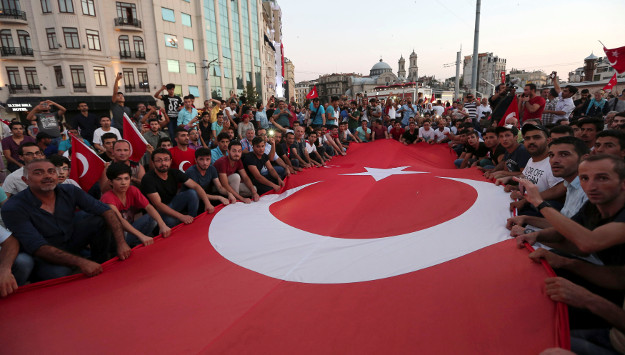
Turkey is a country of ironies. A president who has called Twitter “the worst menace to society” and frequently expressed his “hatred” of the Internet, used both to prevent the coup against his rule when he called on his followers to take to the streets using Twitter and Facetime. The first TV network he called to reach out to his followers was CNN Turk, a channel he repeatedly accused of “terrorism propaganda” and “supporting coup against his government” and that has been the target of physical attacks by pro-Erdogan supporters.
Monday Briefing: After Turkey's Failed Coup, How Far Will the Crackdown Go?
In this week’s Monday Briefing, MEI expert W. Robert Pearson provides analysis on the failed coup in Turkey and the impending crackdown on opposition. Marvin Weinbaum considers whether the unpopularity of Pakistan’s government could put it at risk of a military coup of its own. And Charles Lister looks at how ISIS is adapting in the face of territorial losses in Iraq and Syria.
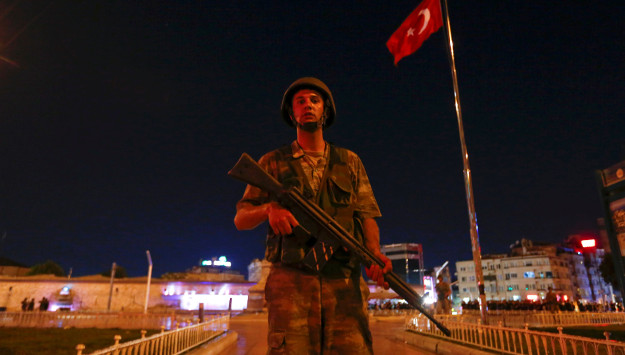
A military coup succeeds or fails quickly. The July 15 attempt in Turkey now is over with thousands arrested, hundreds killed and Turkey in traumatic shock. The reasons behind a coup attempt, however, do not rise or disappear as quickly.
Monday Briefing: Chilcot Report, French FM in Lebanon, Iran Economy
In this week’s Monday Briefing, MEI experts Daniel Serwer, Alex Vatanka, and Paul Salem provide analysis on recent and upcoming events including the recent Chilcot Report, European trade delegations visit to Iran, and France’s push to end the Lebanon stalemate.
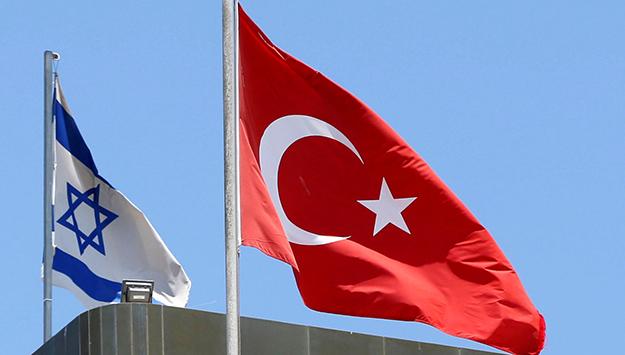
After years of negotiations that produced sporadic headlines but few results, Israel and Turkey finally reached terms for reconciliation on June 27. While relations will not return to the “love affair” of the 1990s, there is reason for cautious optimism. Rapprochement will serve to create the foundation for a stronger dialogue between two of the Middle East’s most important actors.
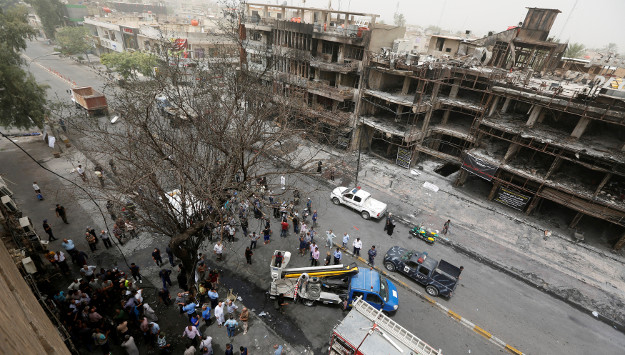
Weekly Briefing: Baghdad Bombing, NATO Summit, Israel’s Africa Outreach, and Saudi Embassy Trial in Iran
In this week’s briefing, MEI experts Hassan Mneimneh, Daniel Serwer, Paul Scham, and Alex Vatanka provide analysis on recent and upcoming events including the ISIS bombing in Baghdad, this week’s NATO summit in Warsaw, Israel’s outreach to Africa, and the trial in Iran over the ransacking of the Saudi embassy.
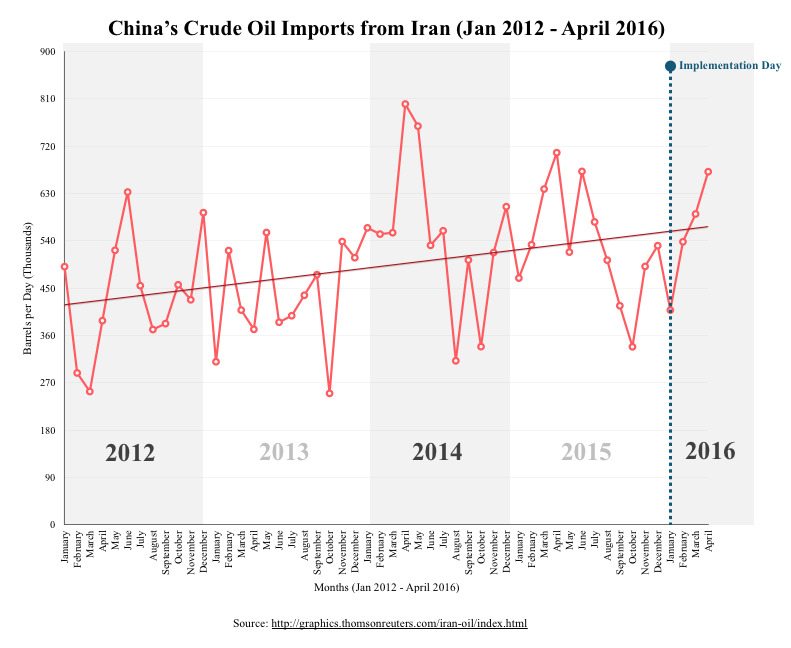
In 2011, China purchased 550,000 b/d, or 11% of its total crude oil imports, from Iran. However, the next year, China’s crude oil imports from Iran plummeted by 20% due to the imposition of nuclear-related sanctions on Iran by the U.S. and European countries. In 2012 and 2013 China’s purchases from Iran fell to just 8% of its total crude oil imports. Progress in the negotiations between Iran and the P-5+1 countries at the end of 2013 permitted China to restore crude imports from Iran to pre-sanction levels.