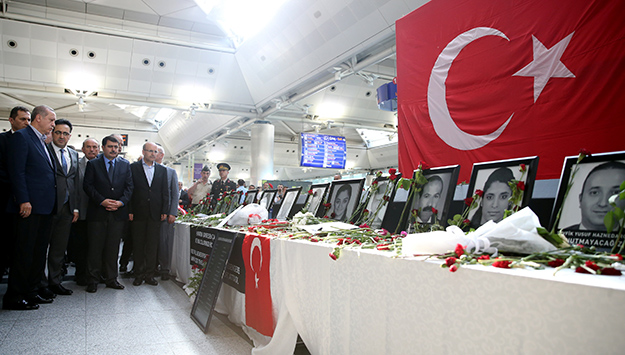
The gut-wrenching tragedy at Istanbul’s Ataturk Airport offers a chance now to strike more damaging blows against ISIS. The cold-blooded massacre of June 28 reveals key facts that call for a rapid and comprehensive response. Recognizing the truth of this massacre opens the door to a new start in Turkey’s own war policy to complement its recent diplomatic efforts to improve its international ties.
Monday Briefing: Brexit’s Impact on the Middle East; Syria File Changes Hands in Iran
In this week’s Monday Briefing, MEI experts Daniel Serwer, Paul Scham, and Alex Vatanka provide analysis on recent and upcoming events including Brexit’s impact on the Middle East, how Brexit is distracting the E.U. from Israel-Palestine issues, and Iran’s more moderate reshuffling of officials focusing on Syria.
Between the rise to power of the Justice and Development Party (A.K.P.) in the early 2000s and the eruption of the Syrian crisis in 2011, Turkey’s “zero problems with neighbors” approach to foreign policy seemed commendable. Today, however, Ankara’s foreign policy is perhaps best described as “zero neighbors without problems.” In response to the Arab uprisings of 2011, Ankara’s projection of primarily soft power has evolved into the embrace of hard power—most notably in Iraq and Syria.
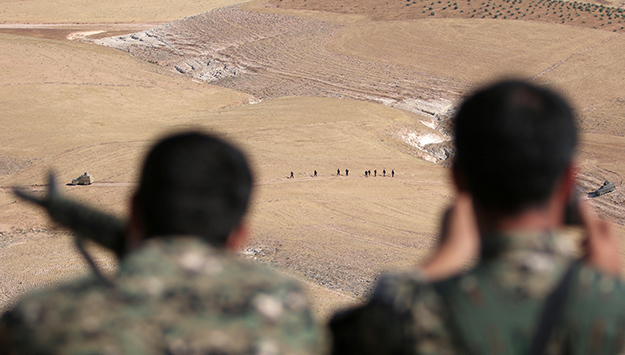
Monday Briefing: Manbij Offensive, Yemen Talks, Turkey-Israel, Tunisia Unity Government
In this week’s Monday Briefing, MEI experts Robert S. Ford, Charles Schmitz, Gonul Tol, and Mabrouka M’Barek provide analysis on recent events including Manbij offensive, Yemen talks, Israel-Turkey rapprochement, and Tunisia national unity government.
The Potential for Intra-Regional Energy Cooperation
Regional Cooperation Series
This Policy Paper is part of The Middle East Institute’s Regional Cooperation Series. Throughout 2016, MEI will be releasing several policy papers by renowned scholars and experts exploring possibilities to foster regional cooperation across an array of sectors. The purpose is to highlight the myriad benefits and opportunities associated with regional cooperation, and the high costs of the continued business-as-usual model of competition and intense rivalry.
Philip Gordon, a former Middle East policy adviser in the White House, likes to say that President Barack Obama learned three lessons from the region’s unending turmoil.
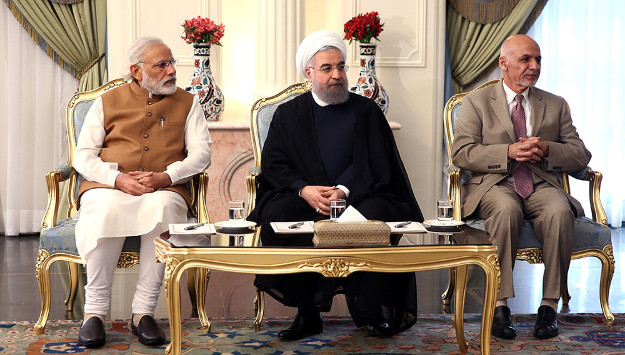
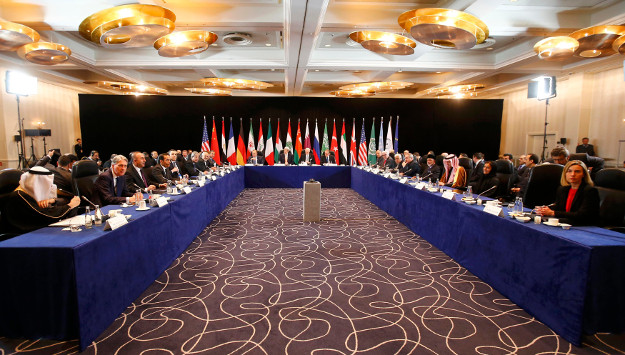
Monday Briefing: International Syria Support Group, Mustafa Badreddine, Global Refugee Summit, and India's Modi to Visit Iran
In this week’s Monday Briefing, MEI experts Robert S. Ford, Randa Slim, Paul Salem, and Alex Vatanka provide analysis on recent events including Tuesday’s meeting of the International Syria Support Group in Vienna, the death of Hezbollah senior leader Mustafa Badreddine, the global Refugee Summit to be held in Istanbul, and Indian PM Modi’s upcoming visit to Iran.
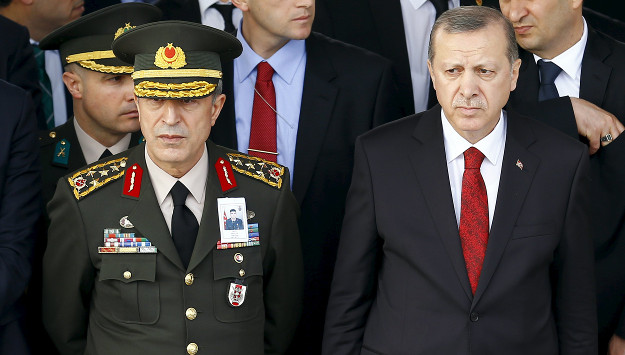
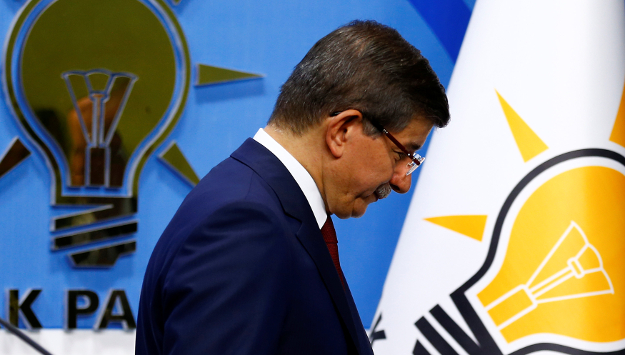
Turkish Prime Minister Ahmet Davutoglu has announced his resignation after 20 months in office. The decision has exposed a rift with Turkish President Recep Tayyip Erdogan, with whom tension has been building for some time. Erdogan handpicked Davutoglu as the country’s next prime minister after he became the president in August 2014, expecting that he would play a backseat role as Erdogan pushed ahead with plans to make the largely ceremonial presidency into an all-powerful executive position.
Turkey’s Choices: Muslim Brotherhood or Regional Isolation
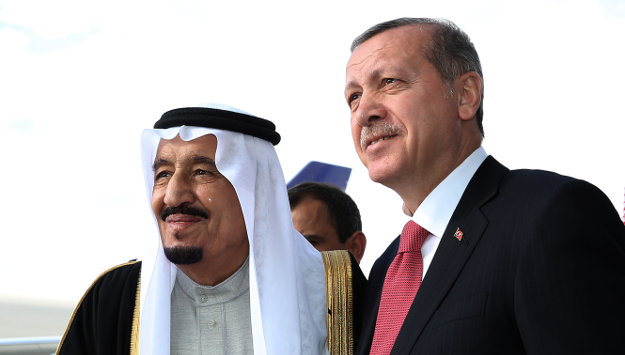
In the latest attempt to break Turkey’s regional isolation, Turkish Foreign Minister Mevlut Cavusoglu wrapped up last week what he described as a watershed visit to the United Arab Emirates. He held meetings with high-ranking leaders and successfully improved ties with a key Arab state that has opposed Turkey’s pro-Muslim Brotherhood regional policies. The U.A.E. announced during the visit that it has decided to appoint an ambassador to Turkey after three years of coldness in ties.
Holy Crossings: Making Desirable Refugees for Resettlement from Turkey
The focus of this essay is on the practice of the Christianisation of refugees in Turkey. The essay shows that the politics of conversion can be interpreted as part of a struggle to be mobile and to increase resettlement prospects to the United States, the main country of resettlement for refugees in Turkey.