The long Ukraine war: It’s time to transition to a more rational military assistance paradigm
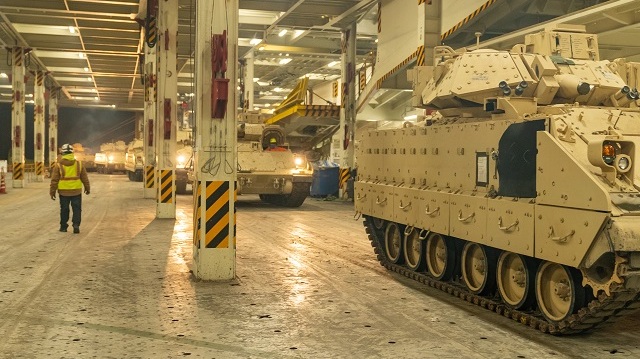
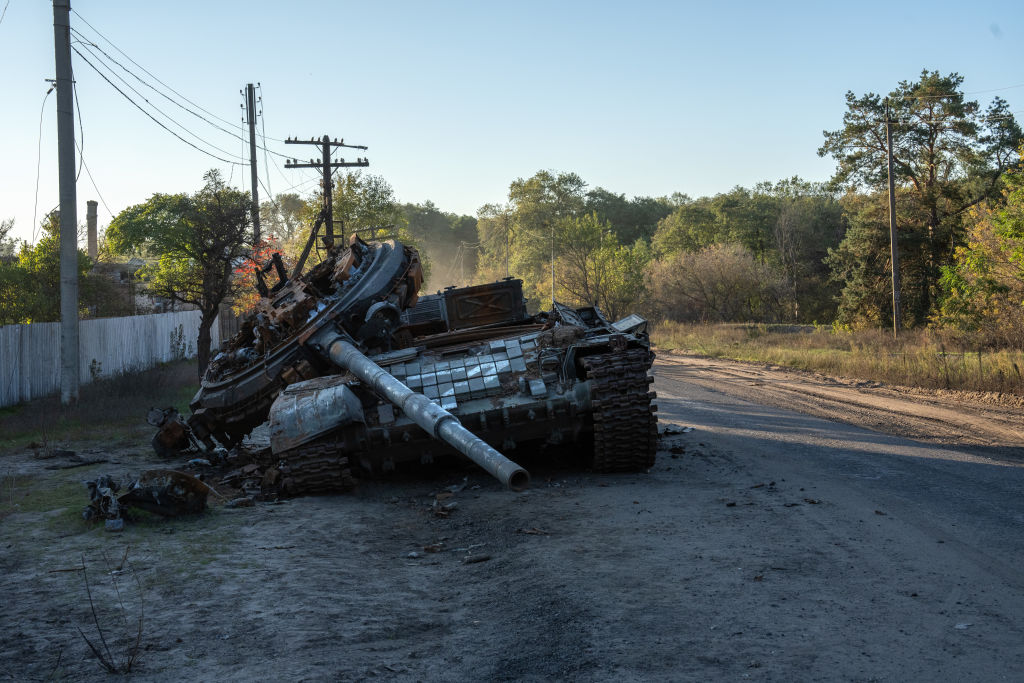
Ukraine’s partners, led by the United States and spread over the globe, have increasingly responded to Russia’s full-scale invasion of February 2022 with a dizzying array of financial, humanitarian, and military assistance. Unfortunately, the way in which the U.S. and Ukraine’s other partners have provided military assistance over the last year — that is, by delivering a wide range of equipment, ammunition, and training — significantly undermines the longer-term objective of developing a sustainable system via which Ukraine can generate combat power in the coming years to overcome Russian aggression.
Israel and Azerbaijan: Trusted friends and reliable partners
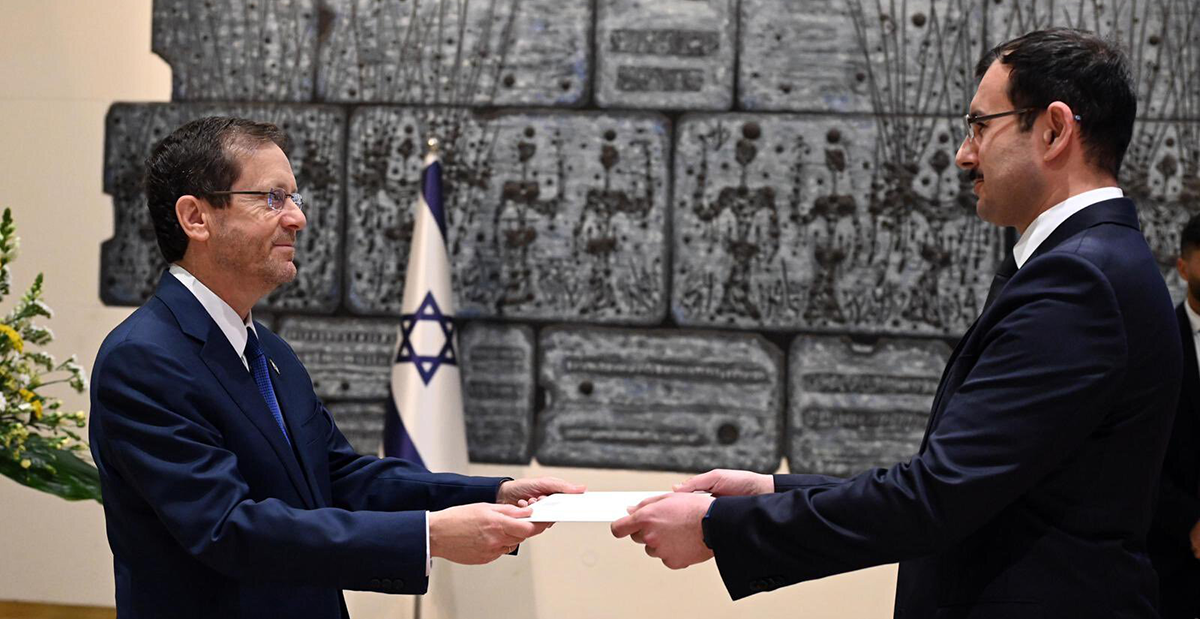
Israeli-Azerbaijani relations are based on two main pillars: patient and cordial political relations as well as defense cooperation and arms sales. While the former reached a more intensive level this year, with the opening of an Azerbaijani embassy in Tel Aviv in late March, the latter pillar of the relationship was well developed long before, as Israel became Azerbaijan’s largest weapons supplier.
Turkish Election Watch: The Week of March 26-April 2
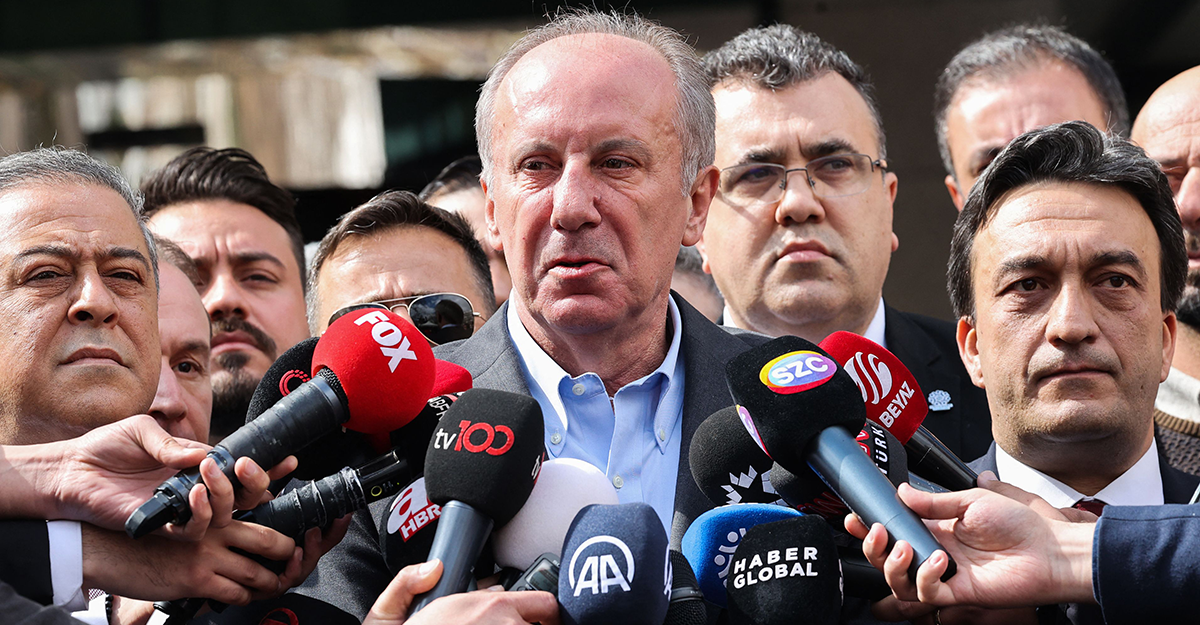
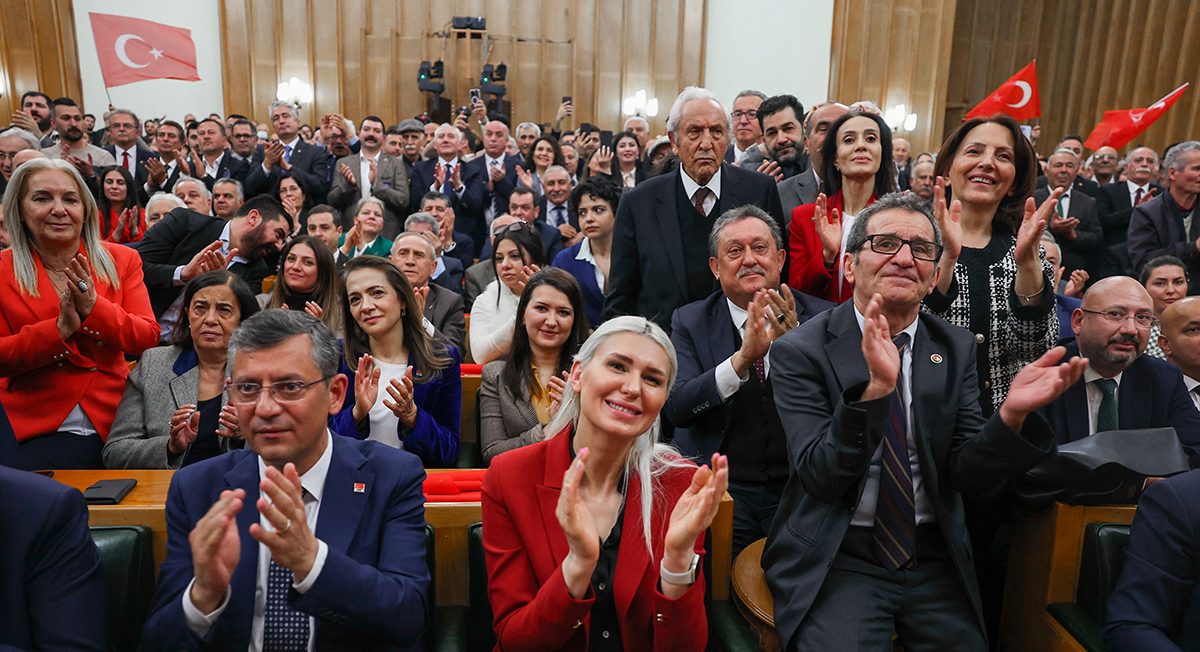
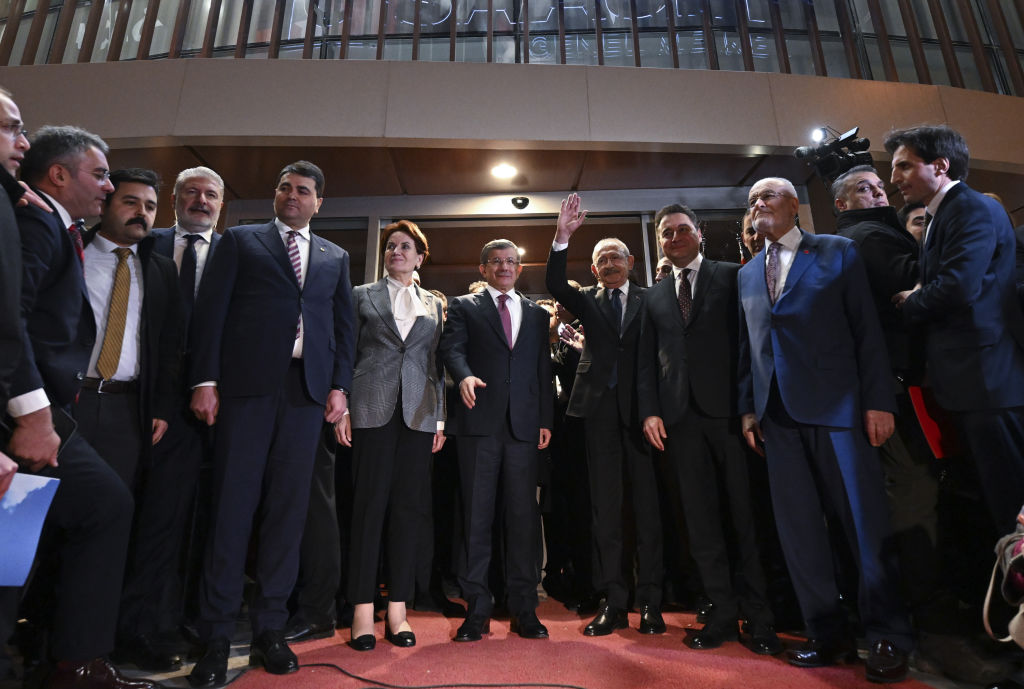
Catch up with the latest developments about Turkey’s May elections with weekly updates from MEI’s Turkey Program. In this week’s installment of Turkish Election Watch: It’s officially a four-candidate race for the presidential election, Kılıçdaroğlu meets with İnce, Kılıçdaroğlu receives a warm welcome in an Erdoğan stronghold, and Bahçeli makes an unexpected move.
Assessing US Assistance to the Lebanese Armed Forces
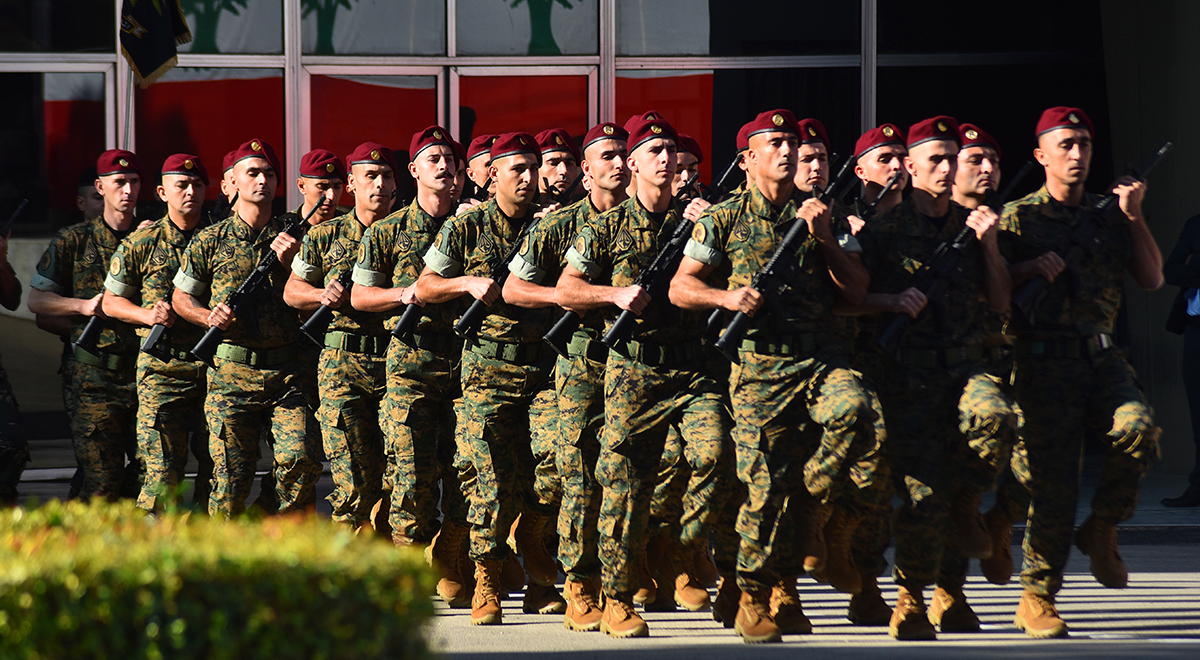
In January 2023, the United States began to reroute $72 million of assistance to Lebanon to support the salaries of Lebanese soldiers and police officers, most of whom could barely make ends meet due to the disastrous economic situation in the country. It took Washington more than two years to make that decision, partly because US laws regarding this type of aid were slightly unclear. But more importantly, the voices inside and outside the US government who argued against further support to the Lebanese Armed Forces (LAF), let alone direct cash assistance, succeeded in delaying the process. This was yet another example of how, despite continued US commitment to the LAF through successive administrations, the US military assistance program remains vulnerable to US domestic politics.https://apnews.com/article/politics-united-states-government-lebanon-bu…
Arab women break boundaries and stereotypes in Middle Eastern militaries
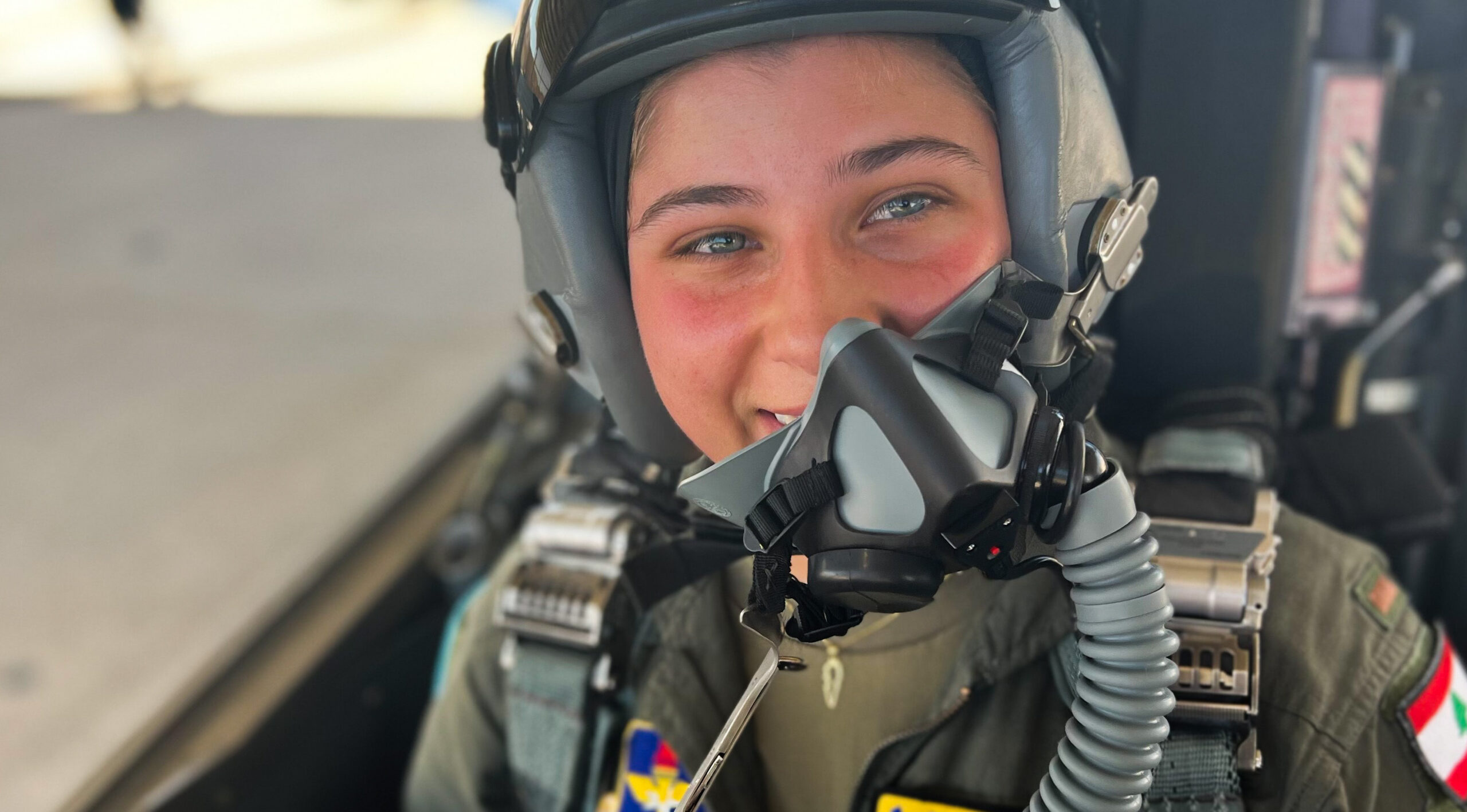
As Women’s History Month in the U.S. draws to a close, women in the armed forces of several Middle Eastern countries continue to achieve historic milestones, with many now serving as pilots, engineers, peacekeepers, and in special forces units. The role of women is steadily increasing as the result of new initiatives, policies, and gradually changing mindsets in the Middle East.
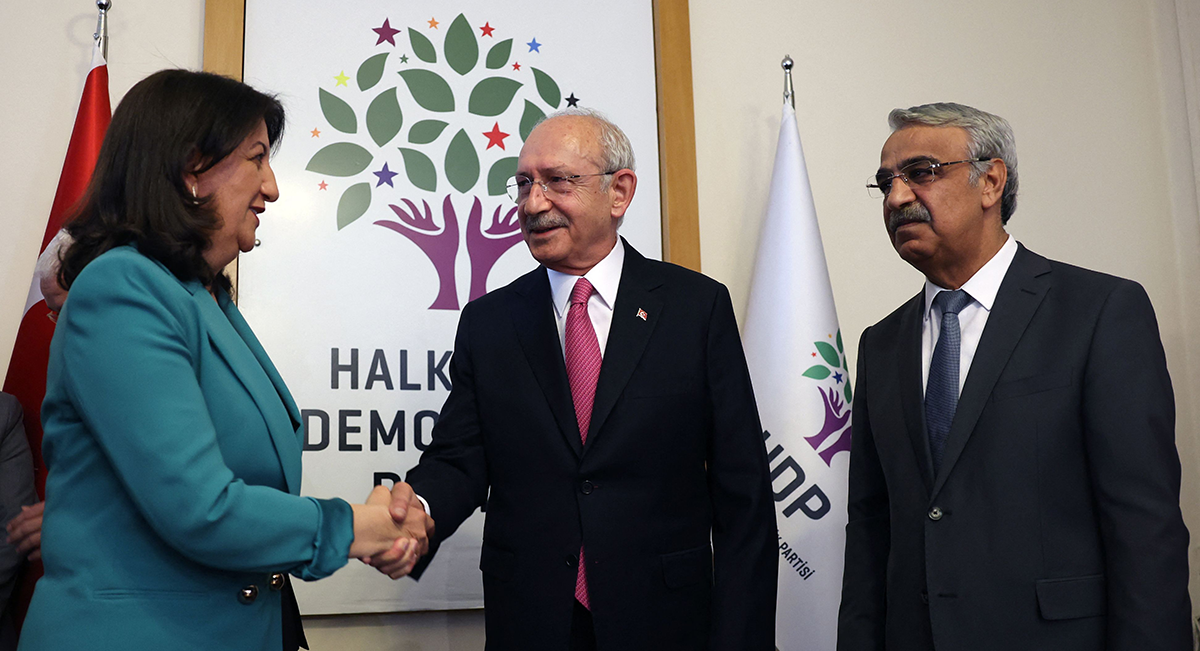
Catch up with the latest developments about Turkey’s May elections with weekly updates from MEI’s Turkey Program. In this week’s installment of Turkish Election Watch: The HDP takes sides without taking sides, the dark horse candidate Muharrem İnce, and the AKP’s “People’s Alliance” coalition.
Paris failed. Washington must lead in breaking the mafia-militia’s chokehold on Lebanon
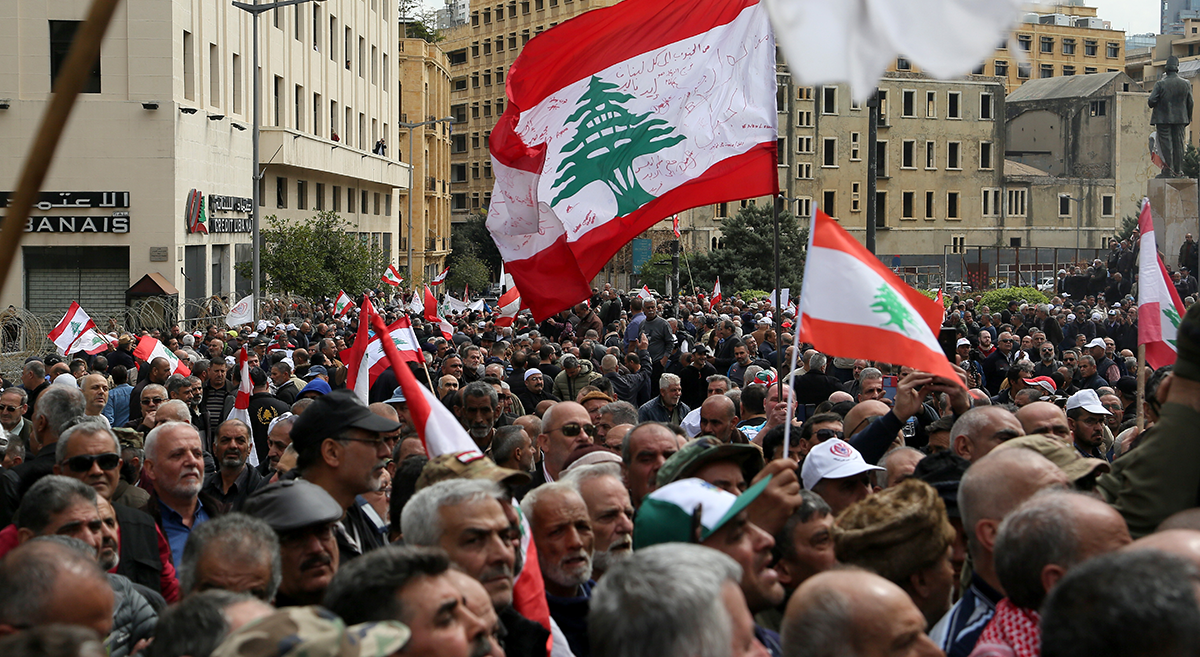
In response to Lebanon’s seemingly imminent transition into a failed state, this article introduces a new framework to explain the country’s protracted crisis. In turn, we unpack what the past four years of international responses to Lebanon got wrong and make the case for a new assertive approach for Washington to take — one that empowers local stakeholders working to recapture the state and reform the country’s political economy.
MEI’s US-Lebanon Fellow Fadi Nicholas Nassar speaks to Beirut-based international finance professional Mike Azar (@AzarsTweets) on Lebanon’s financial crisis. What is the state of Lebanon’s banking system, and how did it become so dysfunctional? What does Azar recommend to get Lebanon’s economy back on track, and can the Lira be saved?
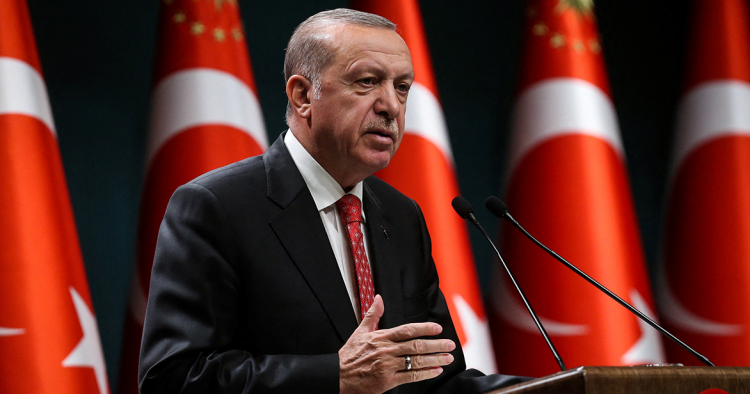
Turkey’s "Gandhi" sets his sights on strongman Erdoğan
The earthquake seems to have damaged the charismatic populist’s image. And voters may finally be ready for an uncharismatic man who promises to put things in order.
Turkey’s crisis management playbook: Donations, reconstruction, and inflation with an eye on elections
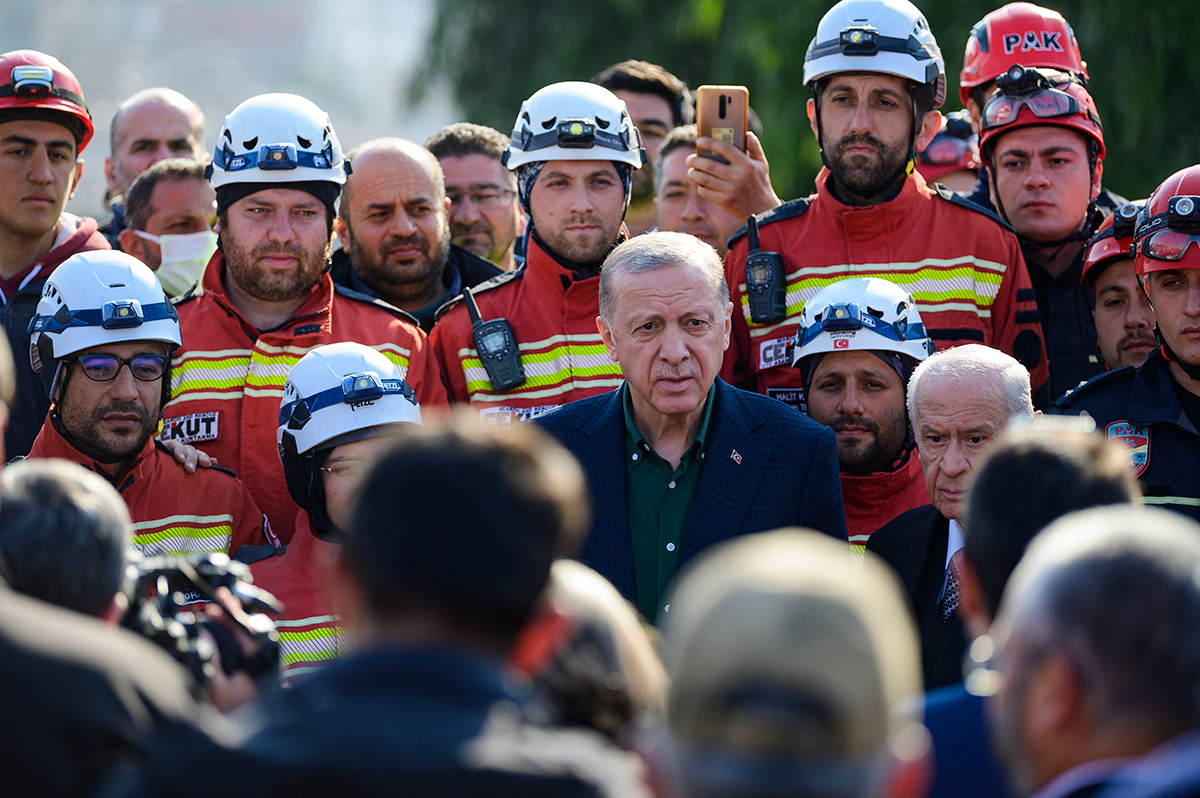
Turkey has suffered severely from the two major earthquakes on Feb. 6, 2023. The death toll is a record high, exceeding 45,000. Physical damage from the earthquakes will cost at least $20 billion. GDP growth will be 2.0-2.5% less than forecast before the disaster, adding nearly $20 billion. The combined economic losses due to damaged assets and slower growth expectations may end up being much higher than $40 billion when the government releases a detailed and reliable disaster loss report covering human resources.
Defending submarine cables in the Black Sea: A challenge for NATO and the region
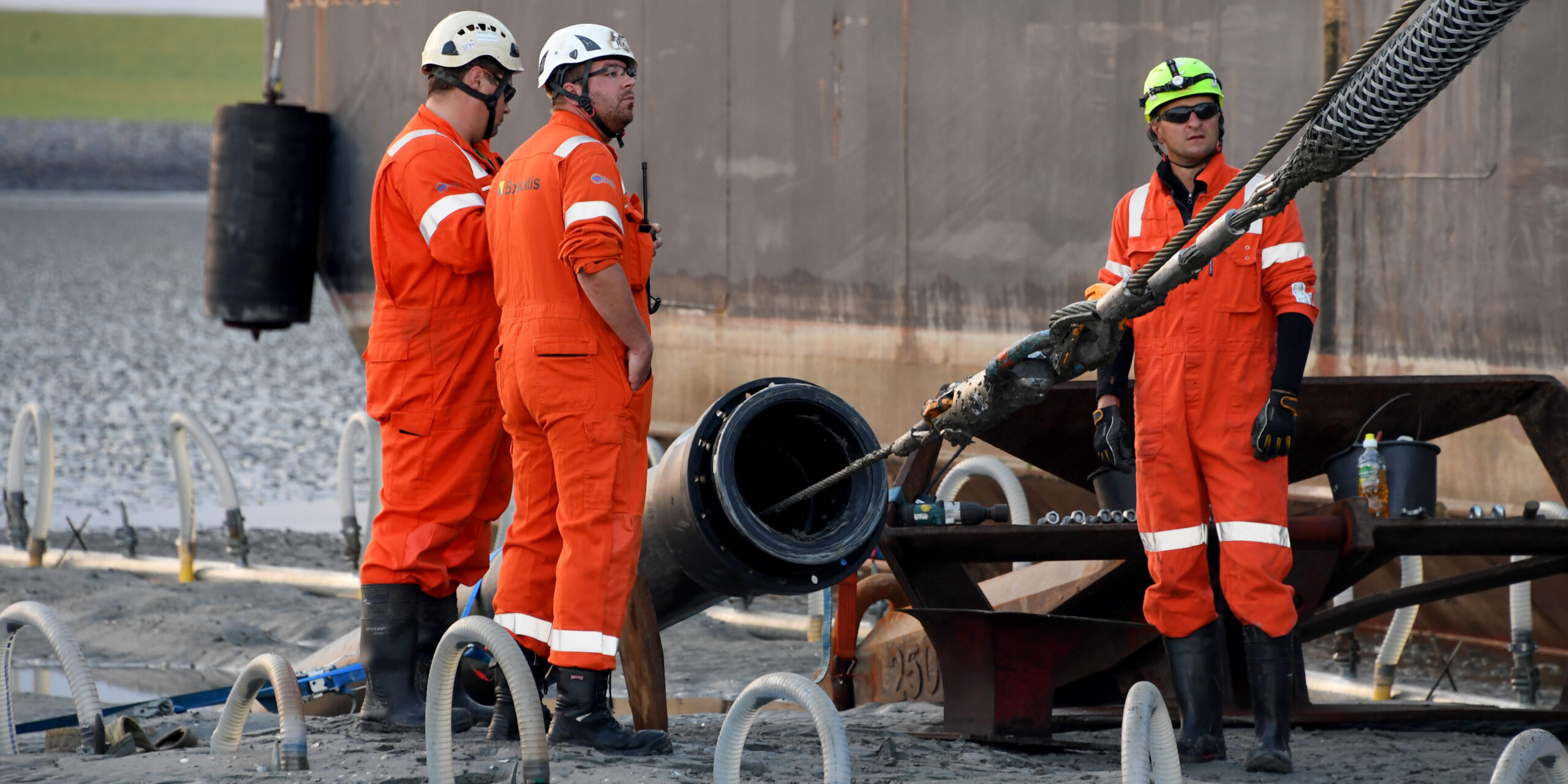
As fighting rages on in Ukraine, crucial submarine communication cables in the Black Sea could be in danger of disruption. Not only have risks of accidents grown with the increase in regional naval activity, but deliberate attacks on these cables follow the Kremlin’s modus operandi of targeting critical infrastructure below the threshold of war. Black Sea states need to more resolutely protect submarine cables, either within the format of NATO or novel regional frameworks.