How the War on Terror paved the way for online censorship of Palestinians
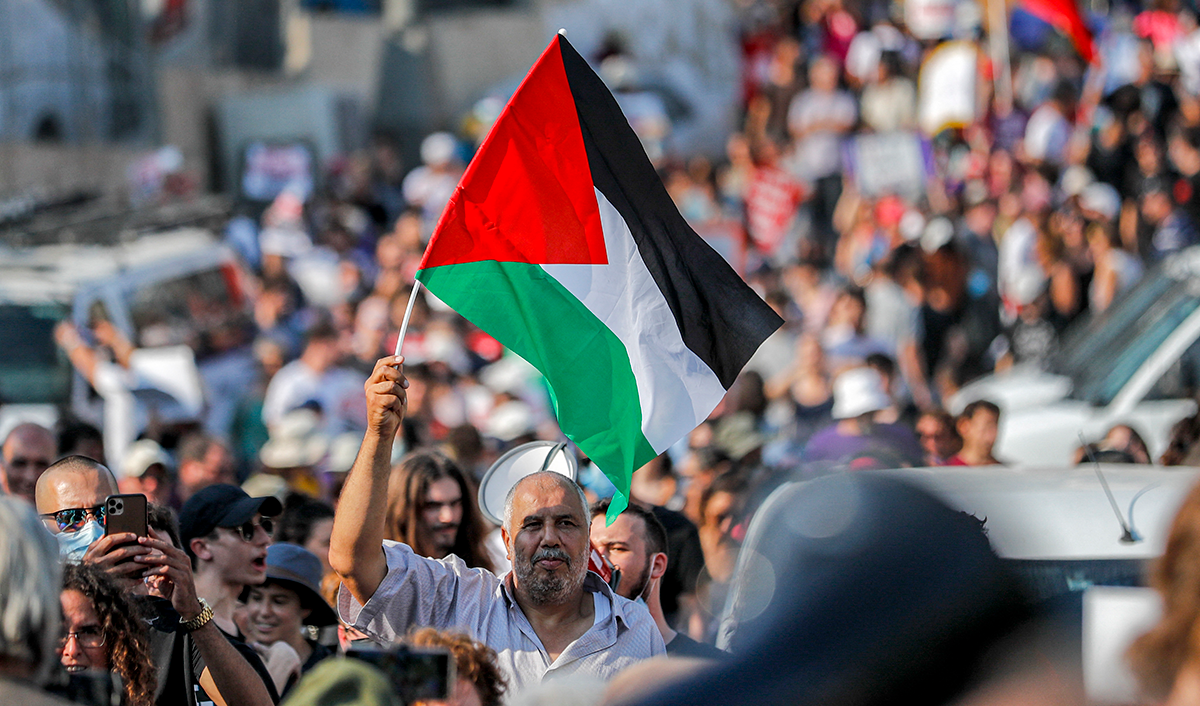
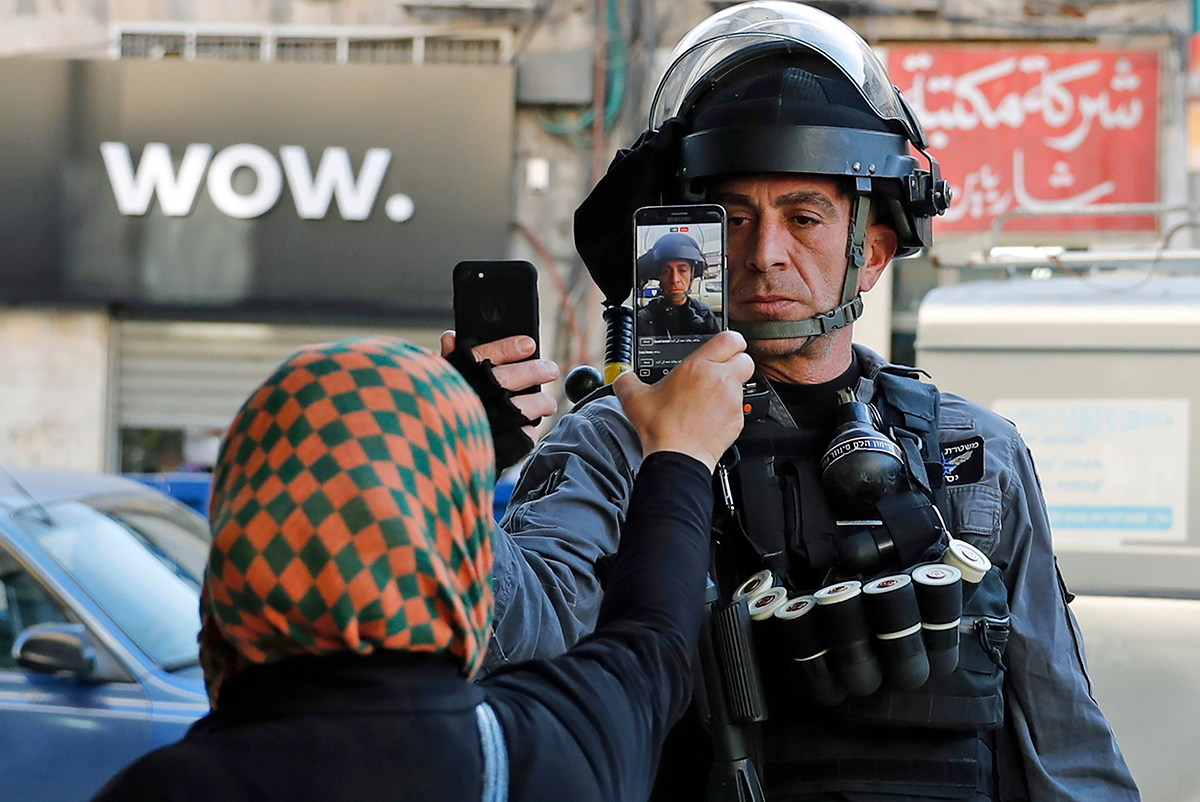
In May 2021, the world watched in horror, as Israeli police evicted the Palestinian residents of Jerusalem’s Sheikh Jarrah neighborhood against their fervid resistance. Meanwhile, another fight was raging: that of narrative power. As journalists, citizen activists, and human rights organizations attempted to document Israel’s brutal crackdown, many found their communications subject to overzealous content moderation. Key social media posts were removed from influential platforms, including Twitter, Facebook, and Instagram, precisely when those posts were most crucial.
Pro-Palestine solidarity in the UAE: A view from Emirati activists
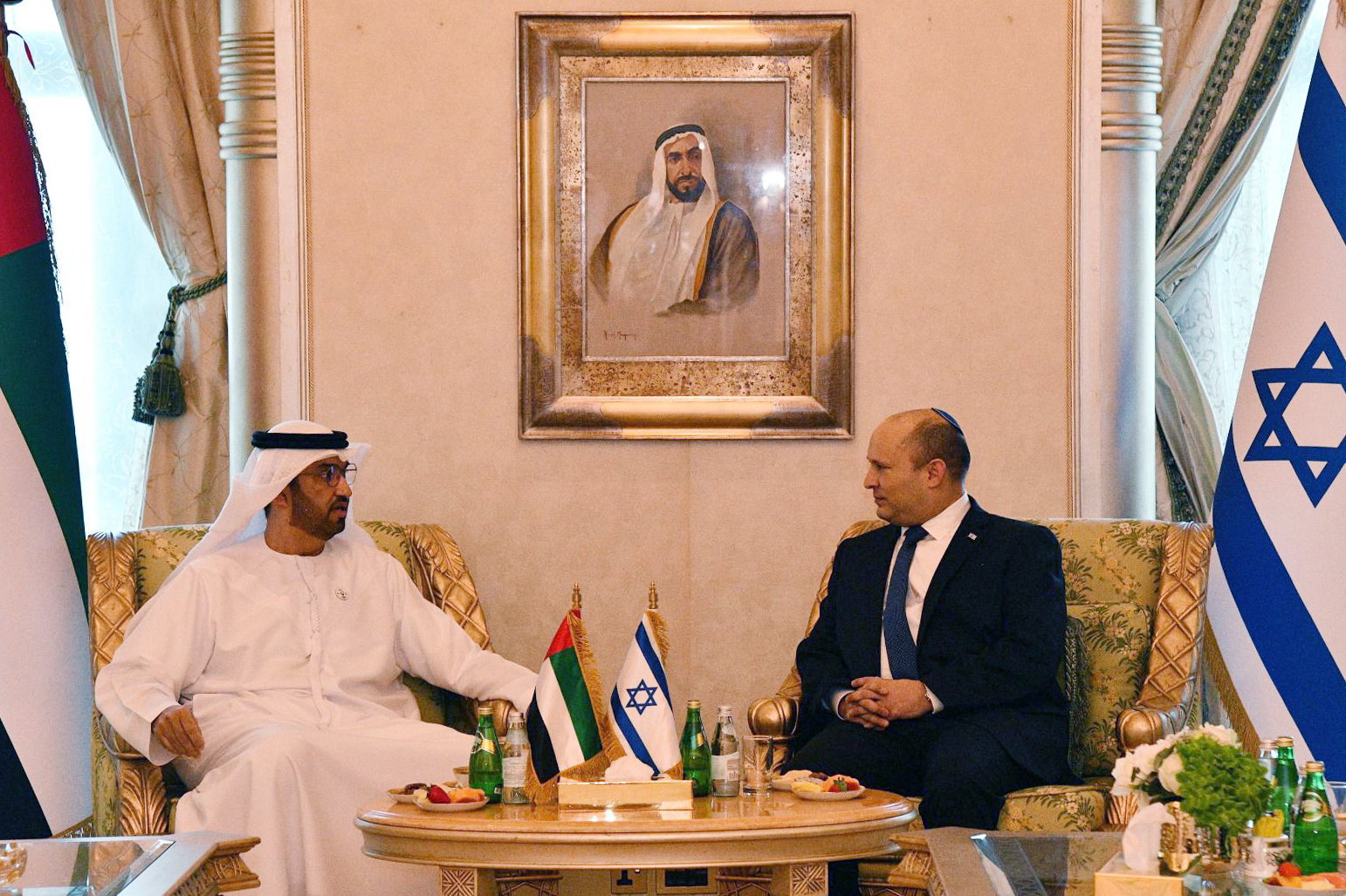
When the normalization agreement between the UAE and Israel was announced in August 2020, the response from the heavily policed and surveilled Emirati population was — understandably — muted. Social media accounts tied to government officials, or those thought to be close to the regime, were quickly vocal and aggressive online in support of the new policy, threatening retribution for anyone who might disagree. Opposition to the policy has come from within the Emirati exile community instead.
Federal court ruling demonstrates limits of anti-Palestinian “lawfare”
On Jan. 6, 2022, a U.S. district court judge dismissed a lawsuit against the Palestine Liberation Organization (PLO) and the Palestinian Authority (PA) brought by the family of Ari Fuld, a dual U.S.-Israel citizen murdered in 2018 by a Palestinian teenager outside of Bethlehem in the occupied West Bank. The ruling demonstrates the strictly political nature of the lawsuit, whereby powerful interests with deep pockets use litigation and lobbying to target the PA’s finances, including foreign aid, in order to hasten its collapse, as well as the limits of this type of “lawfare” against the PA.
الخليج لديه معضلة الجيل الخامس والـOpen RAN هو المفتاح لسيادته التقنية
إن التوترات الاقتصادية والسياسية القائمة منذ فترة طويلة بين الولايات المتحدة والصين تستمر في الامتداد إلى قطاع التكنولوجيا، حيث جعلت القوتان العظمتان هذه الصناعة الحيوية أكثر من أي وقت مضى مسرحًا لحرب باردة جديدة. يبدو أن حدة التوتر ستزداد سوءًا في الفترة القادمة، مما قد يؤدي إلى ما وصفه البعض بانشقاق العديد من العُقَد المترابطة فيما يتعلق بتصنيع التكنولوجيا وتطويرها.
Eliza Campbell and Emerson T. Brooking discuss the Israeli government’s suppression of Palestinian online speech and activism, the surprising role that American social media companies play in the process, and their recent article for Foreign Policy, “How to End Israel’s DIgital Occupation.”
The Gulf has a 5G conundrum and Open RAN is the key to its tech sovereignty
Long-simmering economic and political tensions between the U.S. and China have continued to spill over into the technology sector, where the two superpowers have made this ever-more vital industry the site of a new Cold War. The acrimony looks poised to only get worse moving forward, potentially leading to a tech decoupling, and 5G is at the heart of it. Some third parties have sought to find a way to navigate this divide and the dilemma is particularly acute for the Gulf states. As they seek to balance their relationships with both Washington and Beijing, several have chosen to stake out their own territory by building an Open Radio Access Network (RAN). This initiative could be a potential solution to the current conundrum that would give states 5G sovereignty in an era of great power competition, with a digital twist.
Dust in the Cloud: The Future of Data Governance in the GCC
As the countries of the Gulf Cooperation Council (GCC) work to transform from hydrocarbons-driven to data-driven economies, they will need to make significant and well-planned invest-ments in digital infrastructure, particularly when it comes to the complex issue of data govern-ance. They must take the lead in establishing regulatory and legal frameworks aligned with international standards in terms of data gathering, processing, and storing procedures. This report highlights the existing laws and regulations that govern data protection in the GCC while addressing their potential and limitations, along with the similarities and differences between the GCC’s legislative frameworks and the EU’s General Data Protection Regulation, and the impact of the GCC’s current data protection laws on individuals, the private sector, regulators, and governments.
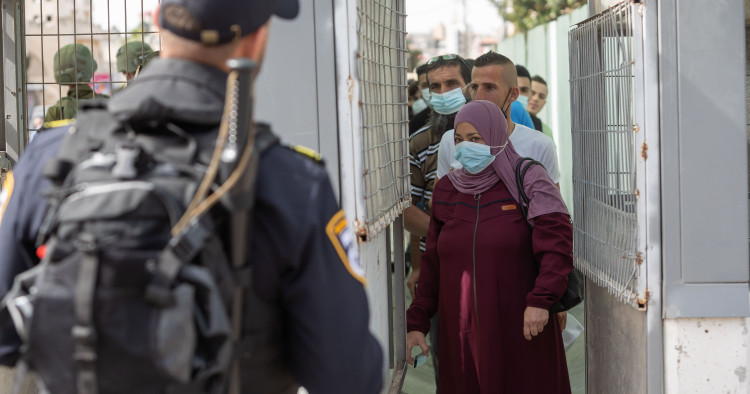
The 4.8 million residents of the occupied Palestinian territories live in two simultaneous and vastly different realities. In the physical world, Palestinians are captives, crammed into Gaza or West Bank enclaves and blockaded by Israeli military checkpoints. But on the internet, the checkpoints disappear.