Senior Iranian Official Says Regime’s Opposition to US and Israel to Continue
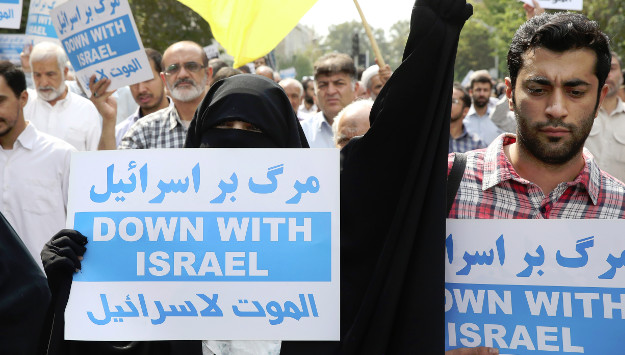
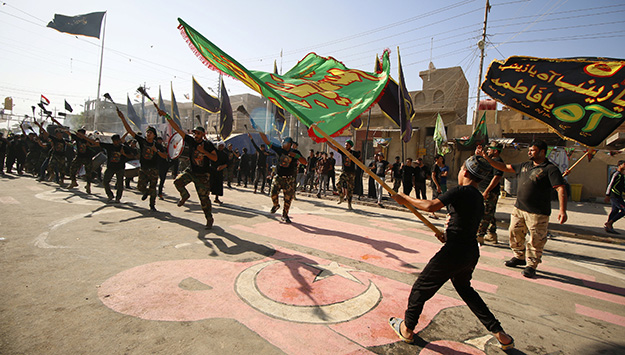
The secretary general of Iran’s Supreme National Security Council (SNSC), Ali Shamkhani, says latest political and economic deals signed with various countries will not impact Tehran’s fundamental foreign policy priorities.
Iran's Hardliners Defy EU's Call to Soften Anti-Israel Stance
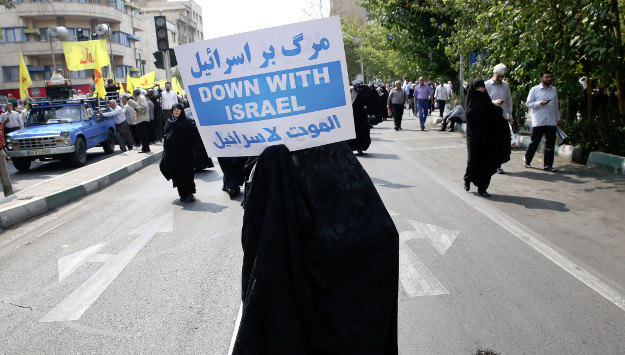
On October 25, as the parliament of the European Union condemned Iran’s hostile posture toward Israel, a number of Iranian hardline sites published articles aimed at tormenting the Jewish state.
Iran’s Oil Minister Comes Out Swinging in Showdown with Hardliners
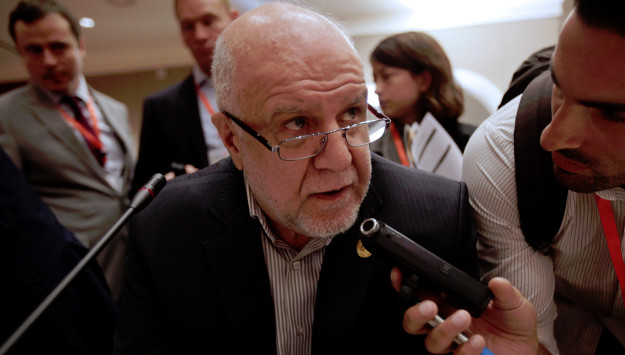
Just a few days after President Hassan Rouhani removed three of his ministers under pressure from his domestic critics, Oil Minister Bijan Zangeneh has come out on the offensive against his critics.
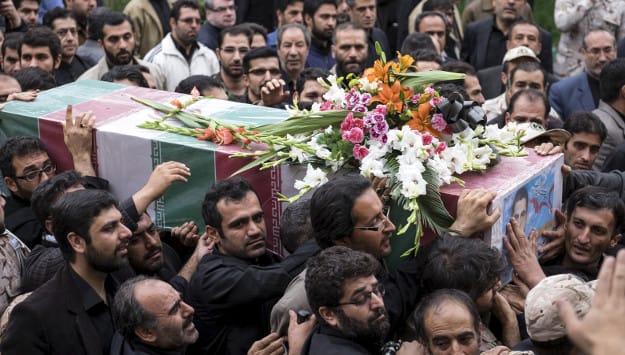
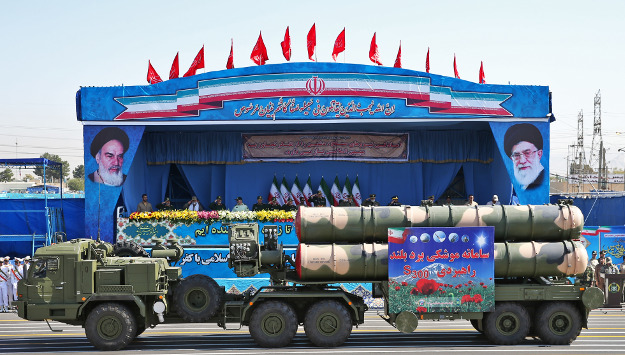
The leadership of the IRGC in Iran has unveiled a new policy of recruiting local volunteers among Iranians to fight on the side of Bashar al-Assad’s forces in Syria.
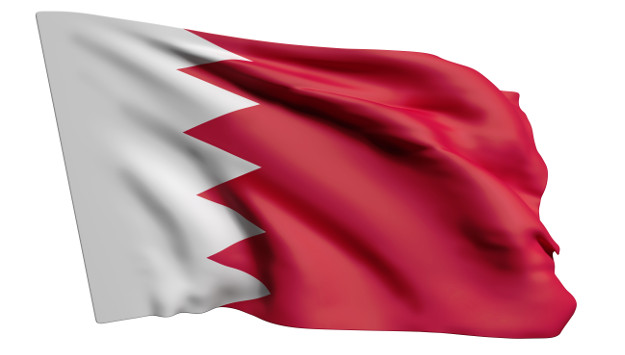
A number of Iranian hardline media outlets are presently running articles condemning the Bahraini government for its treatment of the country’s Shiite political leadership. On October 20, the offices of Al-Wefaq National Islamic Society, a large Shiite political party, were reportedly raided by the Bahraini authorities. Calling it a “historical and strategic mistake,” the Iranian foreign ministry is urging Manama to reach a political settlement on the issue of Shiite political representation in Bahrain.
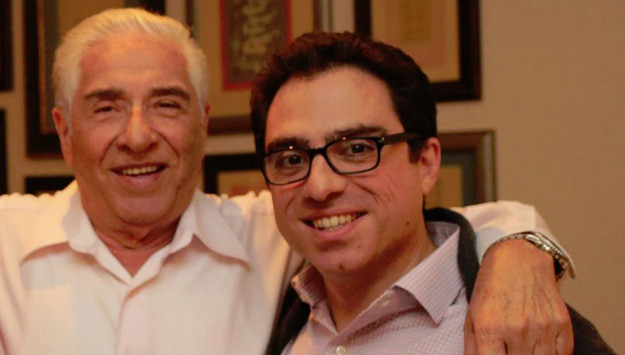
Iran Wrongfully Arrests Iranian-Americans for Potential Prisoner Swap
Fars News, a hardline outlet that promotes the views and interests of the Islamic Revolution Guard Corps (IRGC), ran a so-called exposé on the latest arrests of six individuals charged with collaborating with the United States with the aim of toppling the Iranian regime.
Iraq and Syria: Regional and International Dimensions
October 14, 2016 – In this interview Randa Slim discusses the latest diplomatic and political developments in the Syrian crisis and the regional battle against ISIS, including challenges to be dealt with in the aftermath of an offensive to retake Mosul, with host Paul Salem.
New Report Details Iranian Human Rights Violations
Iran’s dismal human rights record is once again under international scrutiny. On the 7th anniversary of the regime crackdown on the opposition after 2009, the International Campaign for Human Rights in Iran ran an extensive overview of major human rights violations, including torture and executions, which the Iranian authorities are predictably refusing to acknowledge.
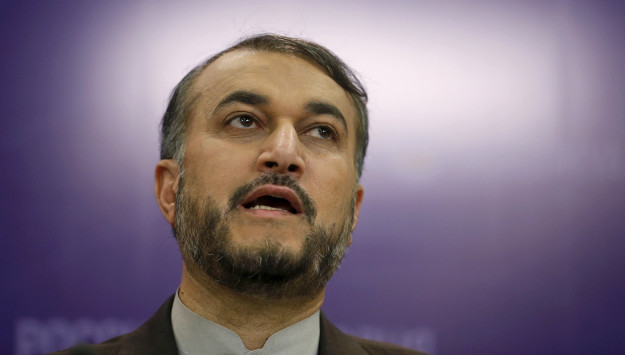
Amir-Abdollahian: The Soft Face of Iran’s Hard Power
Hossein Amir-Abdollahian, a senior Iranian diplomat close to the Islamic Revolution Guards Corps (IRGC) came back into the Iranian headlines this week charging that the US and Israel were determined to change the borders of nations in the Middle East as part of an attempt to weaken the so-called “resistance,” the anti-US and Iran-led bloc of Lebanese Hezbollah, Hamas and Bashar al-Assad of Syria; and that Iran had a duty to block these nefarious attempts and redouble its support to its regional allies. While hardly a household name in the West, Amir-Abollahian has been the IRGC’s soft fac
Iraqi Prime Minister Haider al-Abadi has expressed outrage at the recent Turkish parliamentary extension of the mandate of Turkey’s military presence on Iraqi soil. For months, Turkish forces have maintained a contingent in northern Iraq, ostensibly at the invitation of local forces, with the announced mission of training them in preparation for the battle for Mosul. With multiple parties preparing for the offensive, Mosul, Iraq’s second largest city, is slated to be liberated from a 30-month-old Islamic State (ISIS) occupation.
In this week’s Monday Briefing, MEI experts Robert S. Ford, Paul Salem, and Marvin G. Weinbaum provide analysis on recent and upcoming events including Russia’s recent escalation of military force in Syria, deteriorating Saudi-Iranian relations, and an escalation in the Kashmir between India and Pakistan.
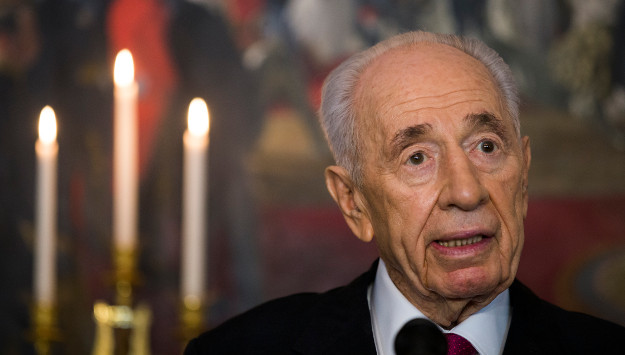
The last surviving leader of Israel’s founding generation, Shimon Peres was a three-time prime minister, the architect of the country’s secretive nuclear program and a winner of the Nobel Peace Prize for his efforts to make peace with the Palestinians.
Palestinian Director Leila Sansour Talks Bethlehem
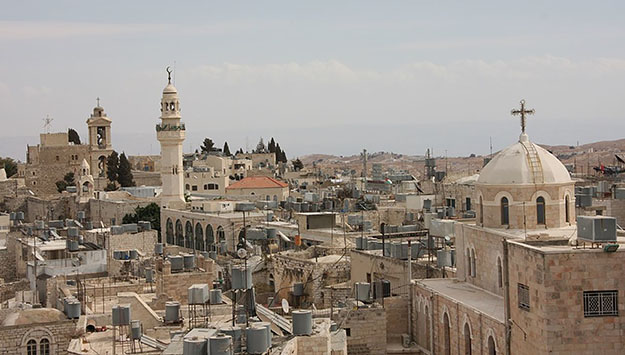
Leila Sansour is an acclaimed filmmaker, best known for “Jeremy Hardy versus the Israeli Army.” She returned to her hometown Bethlehem to document the detrimental effect of the wall on the city and its people. She discusses her latest film, Open Bethlehem.
The following interview was edited for style and clarity.
MEI: Tell me about the genesis of this film and project, and your inspiration for it?