Looking at Armenian-Iranian Relations Through a Russian Lens
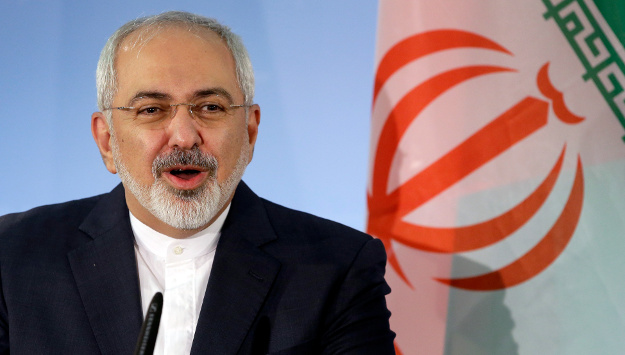
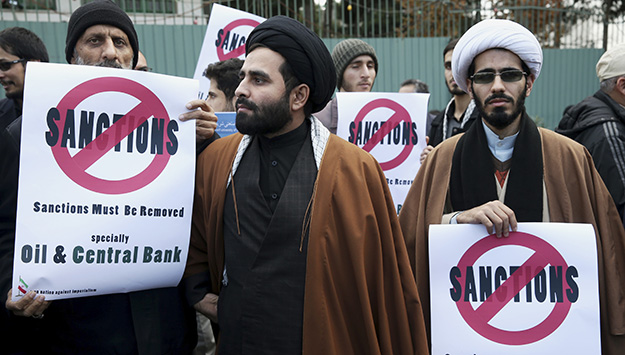
The late January visit to Armenia by Iranian Foreign Minister Javad Zarif got little media attention, but it could have significant ramifications for geopolitics in Eurasia. Specifically, the trip could help Russia gain a trade outlet that softens the blow of Western sanctions.
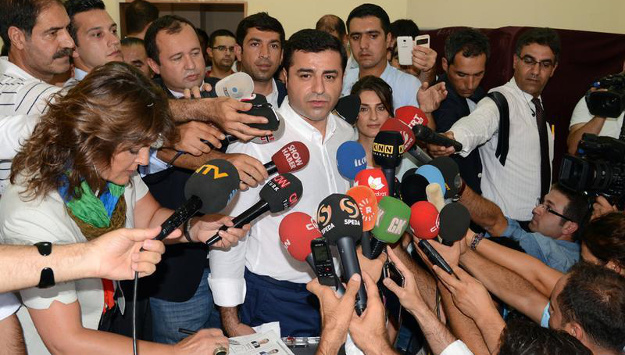
Turkey’s Kurds are playing a risky game. If they succeed, they can boost the country’s troubled democracy. If they fail, a further drift toward authoritarianism will follow.
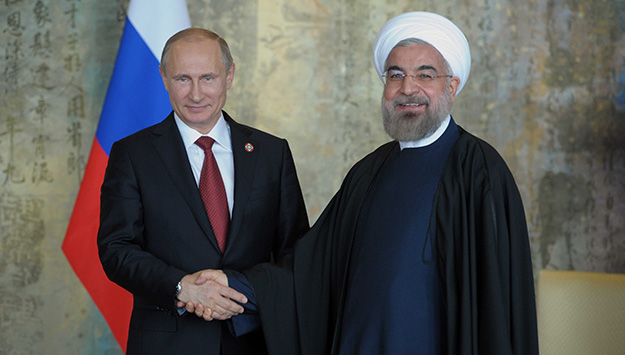
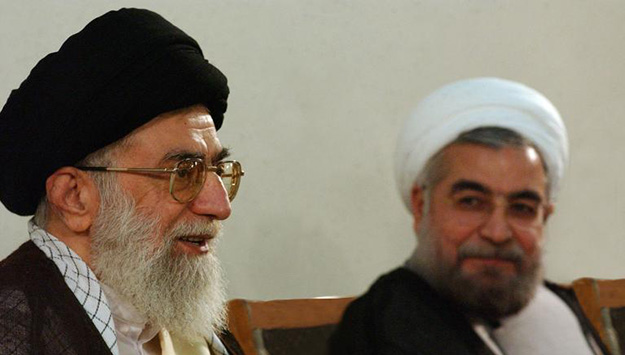
Thanks to the unending American-Russian standoff over Ukraine, there are voices in Tehran that seem to believe that the road to international rehabilitation goes through Moscow.
At first glance, Iran appears to be unconvinced about Afghanistan’s new President Ashraf Ghani, and the feeling is probably mutual. Ghani chose Saudi Arabia, China and then Pakistan as the first countries to visit as president, and has yet to visit Tehran.
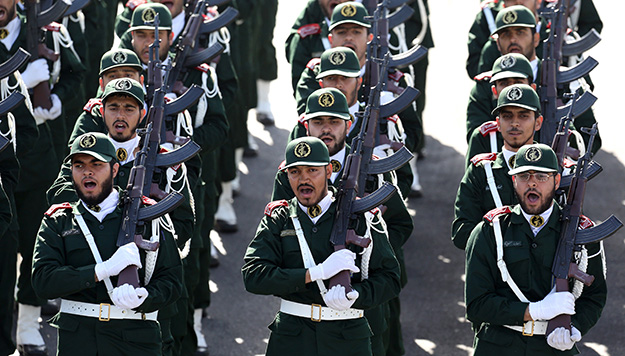
It is no longer accurate to describe the war in Syria as a conflict between Syrian rebels on the one hand and Bashar al-Assad’s regime forces “supported” by the Iranian Revolutionary Guards (IRG), Hezbollah, and Iraqi militias on the other. Most major battles in Syria—along the frontlines of regime-held areas—are now being directed and fought by the IRG and Hezbollah, along with other non-Syrian Shi‘i militias, with Assad forces in a supportive or secondary role.
Expert American opinion on the outcome of last month’s nuclear negotiations with Iran is sharply divided. Those who want Iran to give up all enrichment technology are relieved that a “bad” deal was averted.
The American Approach in Syria and Iran: Soft and Dangerous
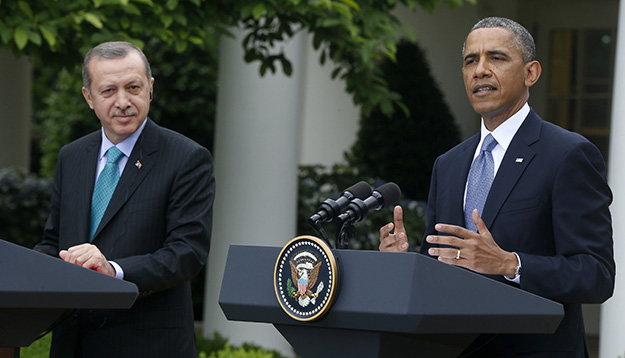
In his pursuit of foreign policy deals with Syria and Iran, President Obama has taken a soft approach. As a result, Syria and Iran have taken advantage with aggressive opportunism.
Washington-Ankara Tensions Will Shape Obama’s Legacy in Turkey
This paper is part of an MEI scholar series, titled “Obama’s Legacy in the Middle East: Passing the Baton in 2017.” Click here to view the full project, or navigate using the table of contents to the right.
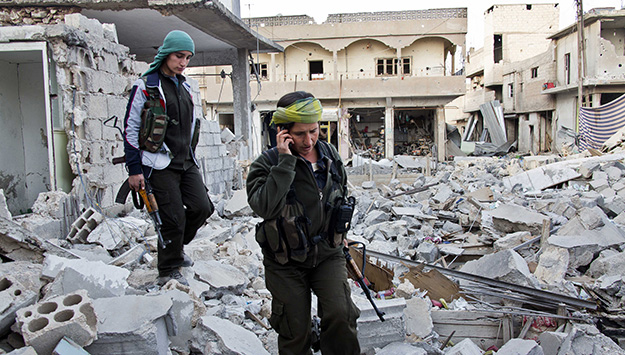
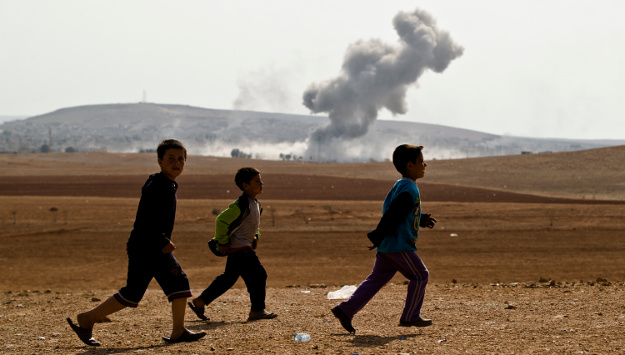
In the ongoing fighting in and around Kobani in northern Syria, it appears likely that the defending Kurdish forces will ultimately prevail and be able to expel the Islamic State (ISIS). However, in order to enable refugees to return, substantial aid and reconstruction efforts will be needed, and more benign Turkish border policies are essential in the meantime.
Ankara and Washington once again are wide apart on regional objectives. Not since 2003 and, for some, not since Cyprus in 1974 have the two capitals seen the same crisis so differently. Moving back onto the same page will require a series of concrete steps. President Obama reportedly has ordered a review. One of its main objectives should be to bring Turkey and the United States closer together on goals and tasks each will undertake. The United States cannot build a stable coalition without Turkey, and Turkey cannot accomplish its aims without the United States.
This paper is part of an MEI scholar series, titled “Obama’s Legacy in the Middle East: Passing the Baton in 2017.” Click here to view the full project, or navigate using the table of contents to the right.
Iranian women have long been in a cat-and-mouse game with the interpretation and enforcement of many aspects of Islamic law, but most especially the hijab. Since 1983, when the first written law was passed, the Islamic Republic has made it officially mandatory for women to wear the headscarf and loose clothing, with punishment for failing to comply ranging from lashes to imprisonment. Even before the law was passed, just a few strands of hair outside the scarf would not be tolerated.
Contemporary Patterns in Transregional Islam: Indonesia’s Shi‘a
Representing about 1% of the country’s 200 million Muslims, Indonesia’s Shi‘a are but a small group in the overwhelmingly Sunni majority. These contemporary communities of devotees of the ahl al-bayt (“people of the house,” referring to the Prophet Muhammad, his daughter Fatima, her husband ‘Ali, and their sons Hasan and Husayn) explain their identities, albeit with differences, in transregional terms. Recently, this transregional focus has turned from South Asia toward the Islamic Republic of Iran.
In the space of just 48 hours last week, Turkey went from calling the PYD — the Kurds defending the Syrian border town of Kobani — a terrorist group to opening up an arms corridor from Iraq to aid its fight against ISIS.