Women’s labor force participation and COVID-19 in Jordan
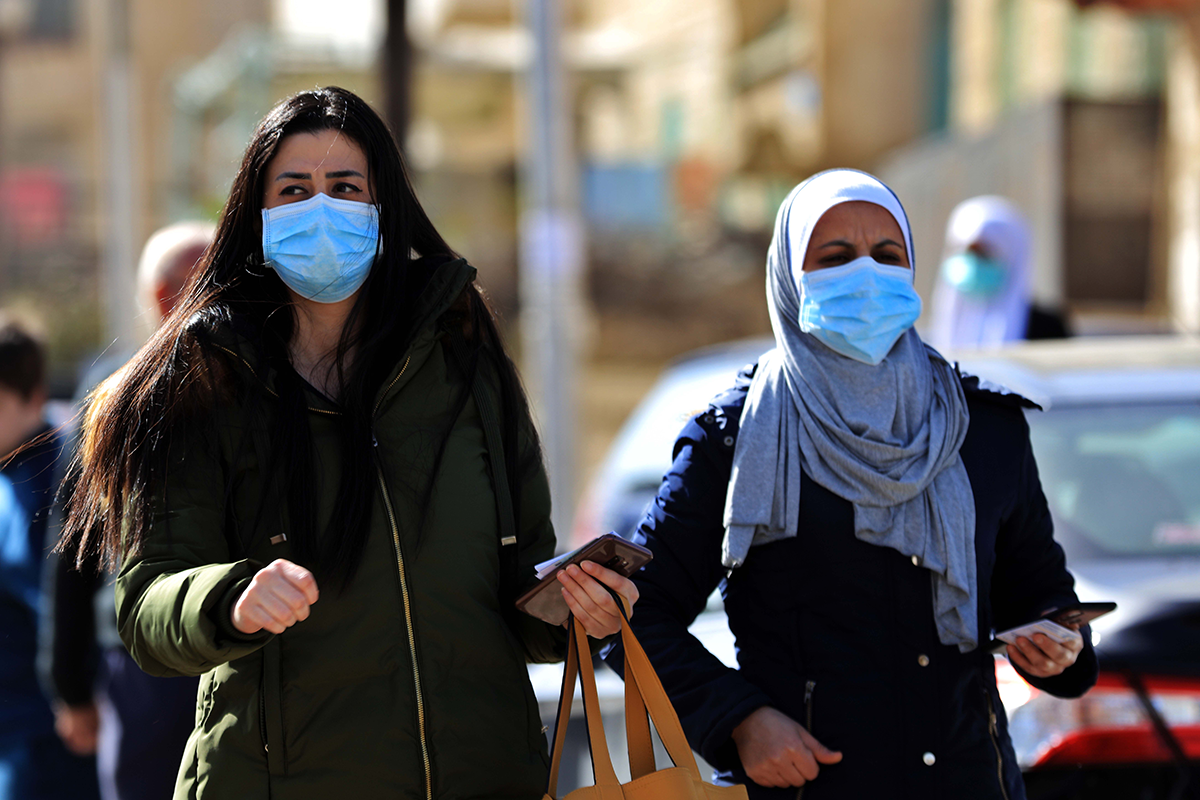
Jordan has the lowest rate of women’s economic participation of any country not at war. According to the ILO, the kingdom’s female labor force participation rate is below 15%, while that of men is about 60%. This is lower than rates of female labor force participation in neighboring Lebanon (23%), Saudi Arabia (22%), and the West Bank and Gaza (18%). As the COVID-19 pandemic stretches on, the government of Jordan should take the opportunity to expand the accessibility of remote work and corresponding opportunities for Jordanian women who aim to play a role in their nation’s economy.
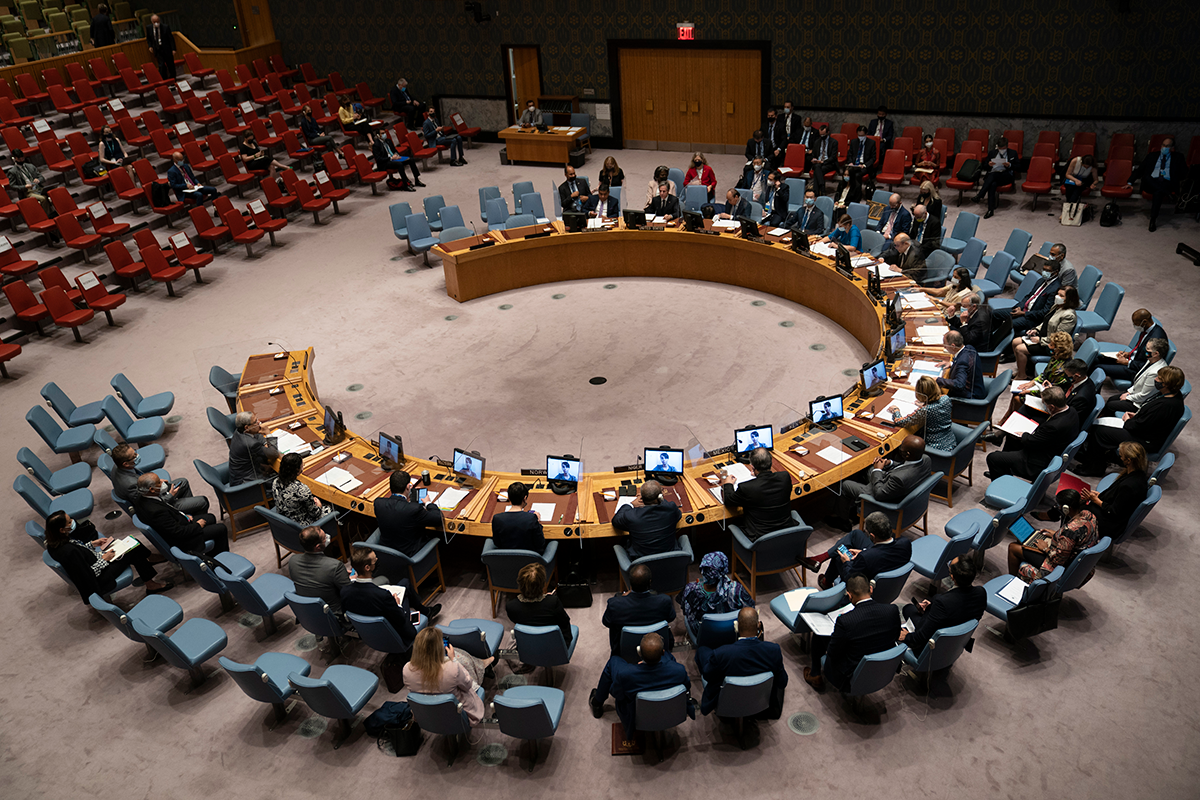
On Dec. 13, 2021, at a United Nations Security Council (UNSC) meeting, a draft resolution that would have recognized climate change as a security threat was rejected. The resolution, co-sponsored by Niger and Ireland, would have incorporated climate change as a security risk within the U.N. framework of conflict prevention strategies. What are the potential implications of this and what comes next? We asked seven experts to weigh in with their thoughts.
The strengthening ties between China and the Middle East
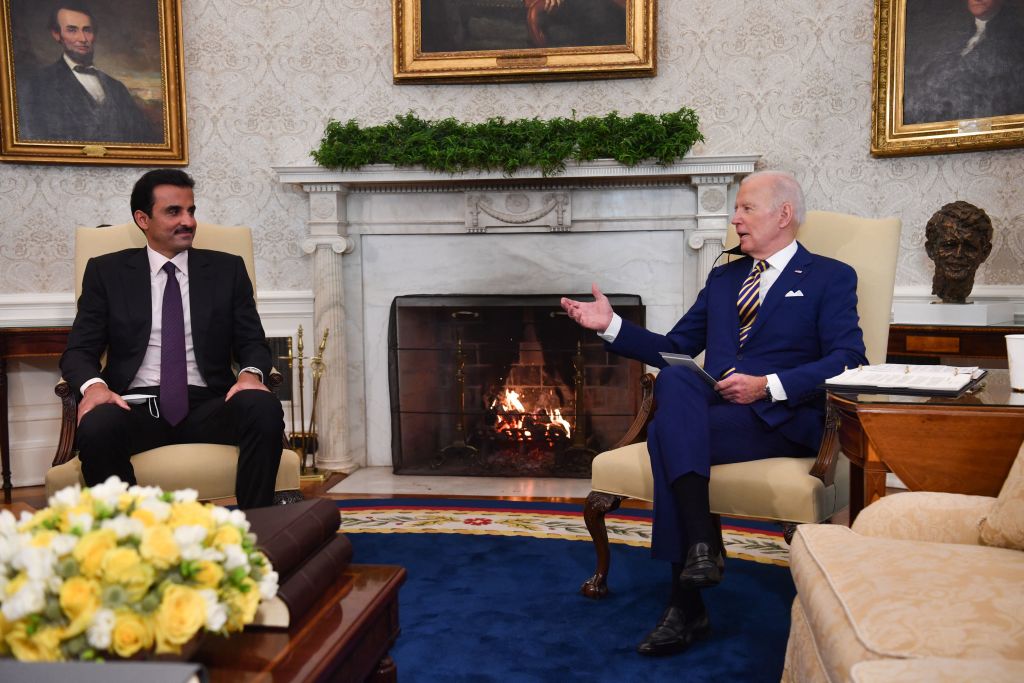
In a sign of strengthening relations, a long procession of foreign ministers from MENA visited China earlier this month. In addition, two MENA nations signed MoUs involving the BRI, China’s global infrastructure development effort.
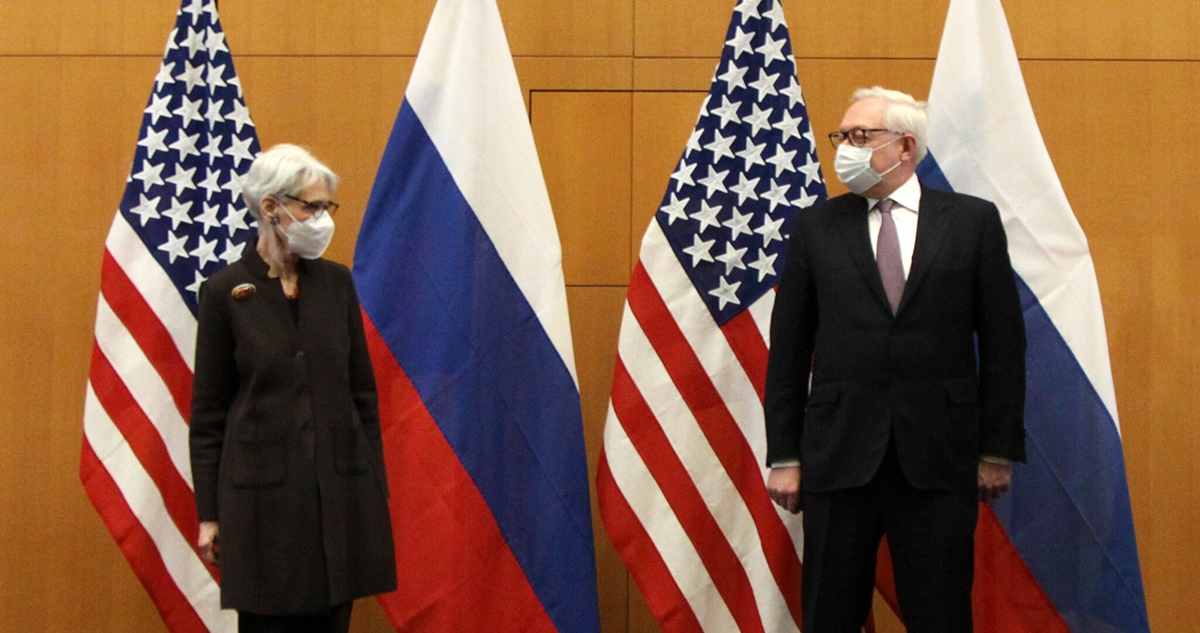
As Russia demands legal guarantees from the West, is Georgia on anyone’s mind?
As Russia amasses more than 100,000 troops along Ukraine’s borders, the Kremlin is holding the country at gunpoint while imposing outrageous demands on the West. NATO has never attacked Russia, while Moscow has waged wars against Georgia and Ukraine and still occupies their lands and militarizes the Black Sea.
Strong Turkey-Ukraine ties are key to Black Sea security
On Jan. 6, 2019, the eve of Orthodox Christmas, the Ecumenical Patriarchate in Istanbul awarded a decree of independence, known as a tomos, to the then-newly established Orthodox Church of Ukraine — a milestone in the country’s history. The move reversed a 1686 decision that had transferred jurisdiction over Kyivan Orthodox churches to Moscow. After 333 years, however, it’s not only the faithful who have changed their direction from Moscow toward Istanbul. Ukraine and Turkey are strengthening their strategic partnership by deepening their cultural, political, military, and economic cooperation.
In the face of Russian aggression, the West needs to strengthen European security and Black Sea partnerships
For months, Ukraine has been a central focus for Western foreign policy as Russia has continued its military buildup on the border, reaching 100,000 troops. Moscow has threatened to carry out a military attack and has now issued an ultimatum for the United States to bless a Russian sphere of influence over sovereign democratic countries such as Ukraine. But as consultations between the U.S. and Russia take place throughout the week, the West should bear in mind that Ukraine is only one part of the broader Russian problem. It is about all independent former Soviet states and essentially about the entire European security architecture. The U.S. and NATO cannot go over the heads of independent states and give into Russian demands; instead, they should buy time and invest in long-term European security, while refraining from rhetoric and ultimatums.
Is the Black Sea European? The European Union is still hesitating
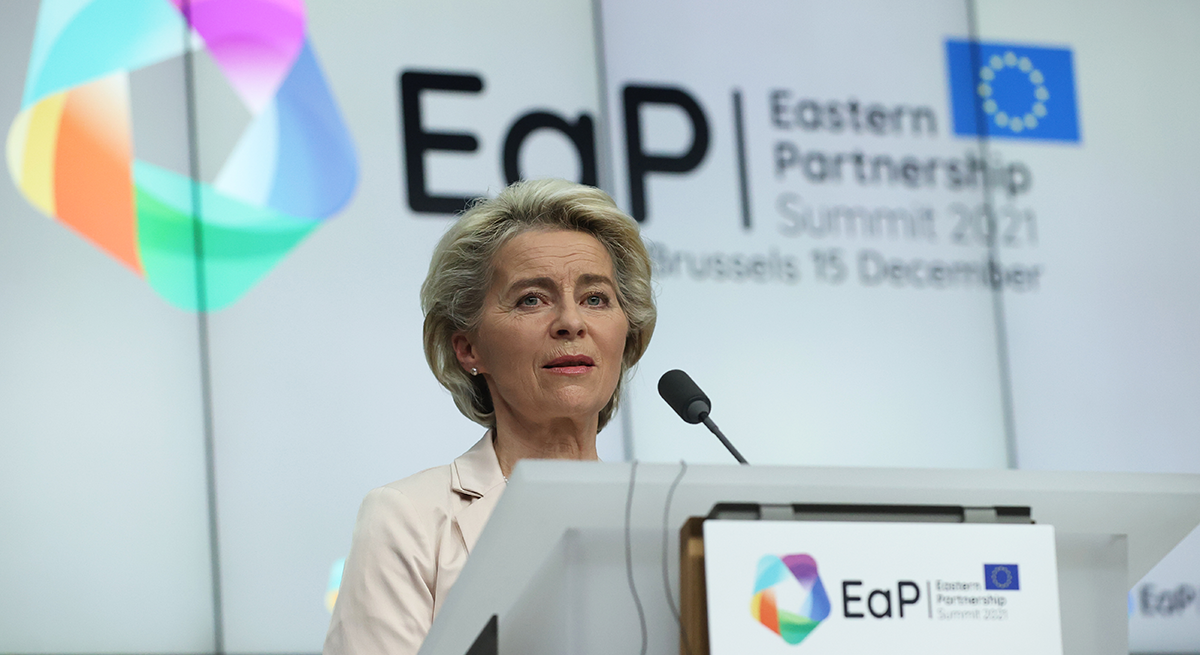
Last week, one day before the European Council, the sixth Eastern Partnership summit took place. For weeks, questions about a potential Russian invasion of Ukraine have been asked around the world. But the Eastern Partnership summit declaration, signed by Ukraine, Georgia, Moldova, Armenia, and Azerbaijan, includes no mention of Russia. The Partnership appears hesitant to commit to more security (or integration), perhaps because some members were hoping for a greater European Union commitment to Black Sea security.
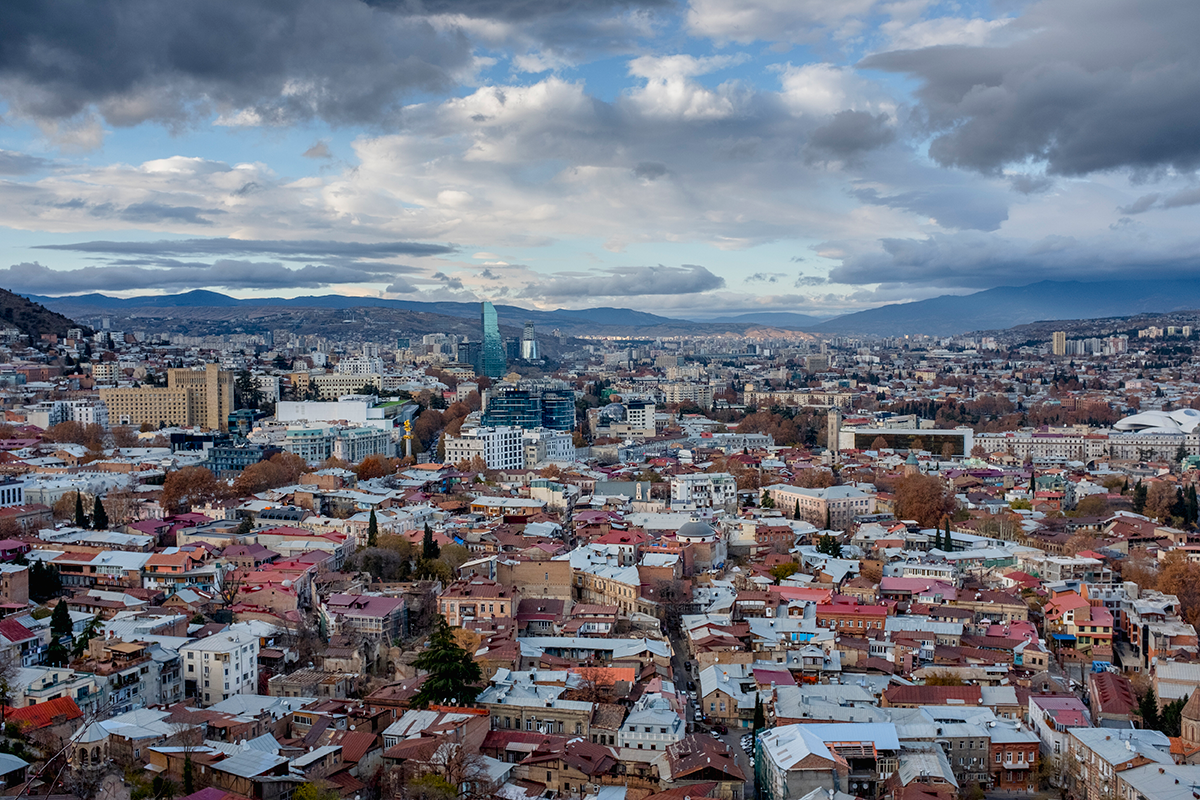
In the aftermath of the fragmentation of the USSR, the South Caucasus region went through a period of transformational change, during which it had to redesign and rebuild its energy systems and energy security routes. The latest U.N. Intergovernmental Panel on Climate Change (IPCC) report demonstrates that anthropogenic warming has caused extreme temperatures, precipitation levels, and drought in the region. While Georgia has significant potential for additional clean energy generation and other climate change measures, the current pace of transformation needs to increase.
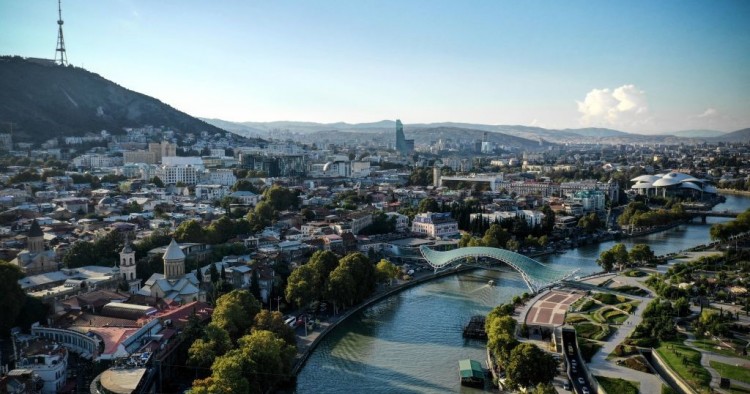
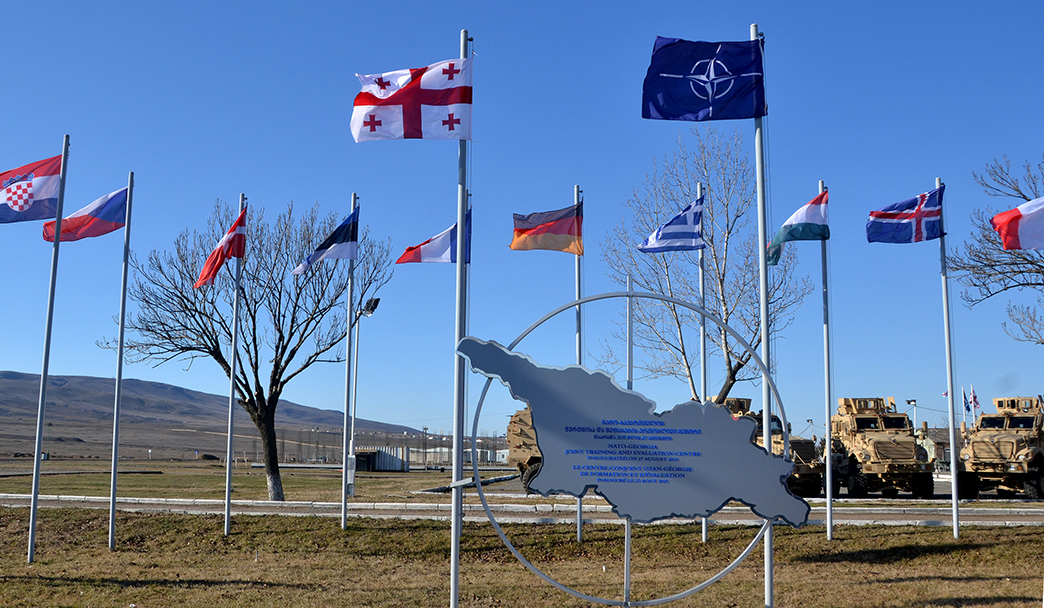
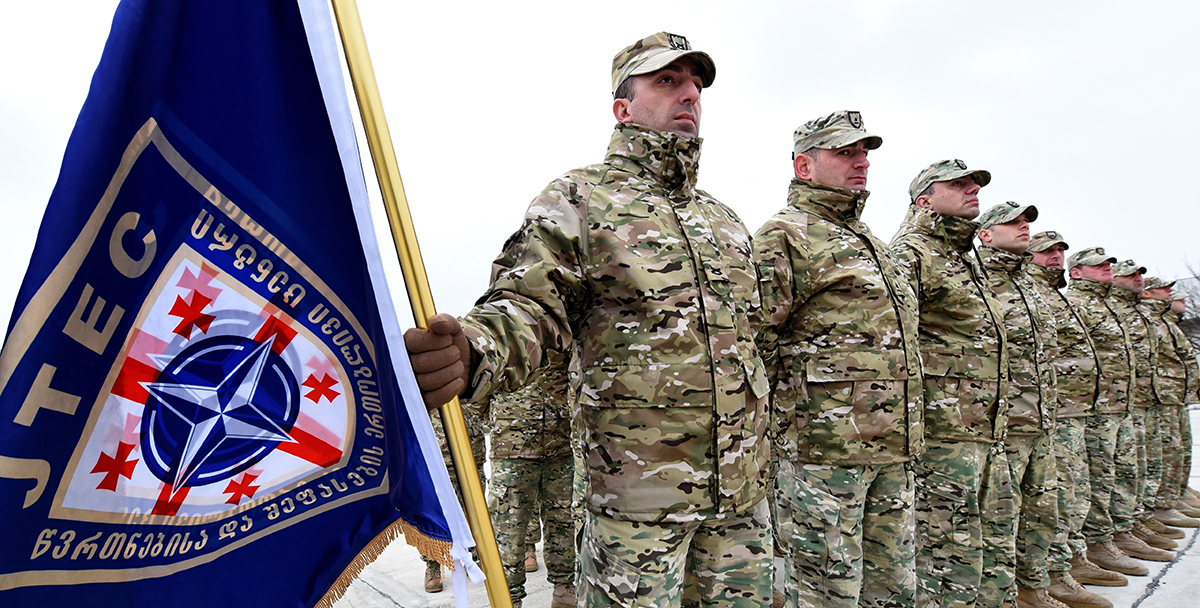
Amid heightened tensions between the U.S. and Russia over Ukraine, the issue of Georgia’s path to NATO membership is once again in the spotlight. While Tbilisi has made real progress in its military reform efforts, the major hurdle is political, not military, in nature and until the Alliance can achieve consensus, the future of Georgia’s relationship with NATO will remain uncertain.
Under the Biden administration, calls for a NATO Black Sea strategy have amplified. A gamechanger for the much-needed regional strategy is Georgia’s and Ukraine’s path to membership. NATO’s strategic reassessment, to be finalized next year at the Madrid summit in June, will likely fall short of granting Ukraine and Georgia the desired Membership Action Plan. Nevertheless, NATO’s strategic reassessment offers the opportunity of a partnership upgrade for one or both countries.
The 3+3 format in the South Caucasus doesn’t add up
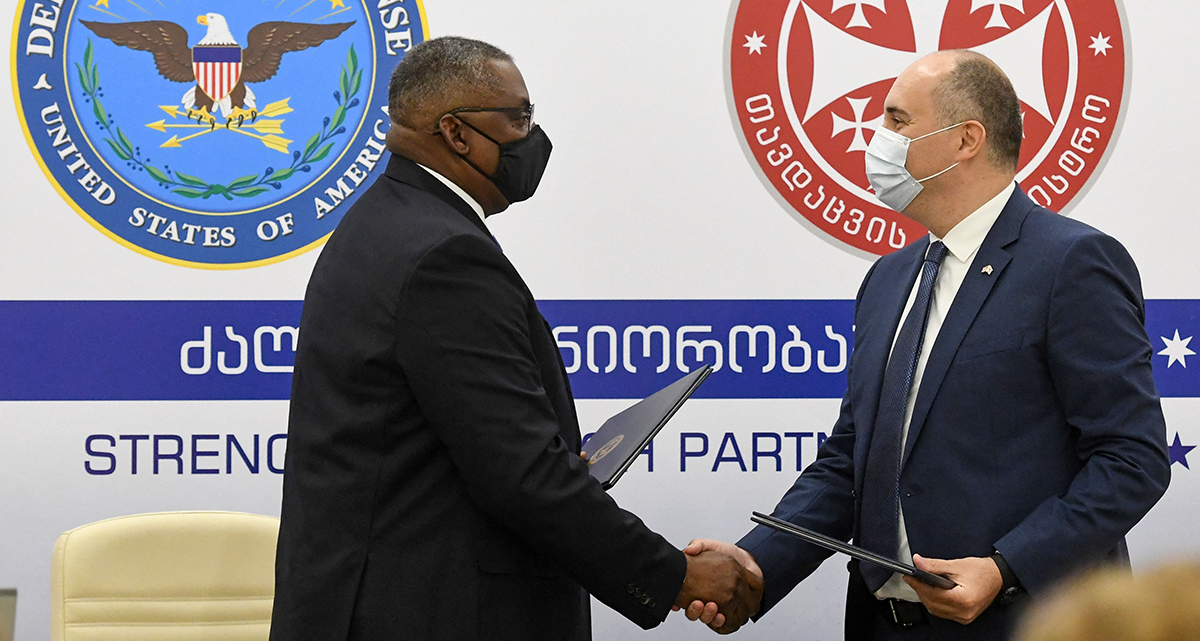
During his recent visit to Tbilisi, U.S. Defense Secretary Lloyd Austin poured cold water on the idea of American support for a so-called “3+3 format” in the South Caucasus. When asked about the proposal, he said, “I would just say that Russia, which currently occupies 20% of Georgia’s territory, should focus on honoring its 2008 cease-fire commitments before promoting any new discussion platforms.”
Marvin Weinbaum and Javid Ahmad discuss conditions in Afghanistan since falling back under Taliban rule, including worsening economic and humanitarian crises, the security situation, the role of international and regional actors, and where things might be headed moving forward.
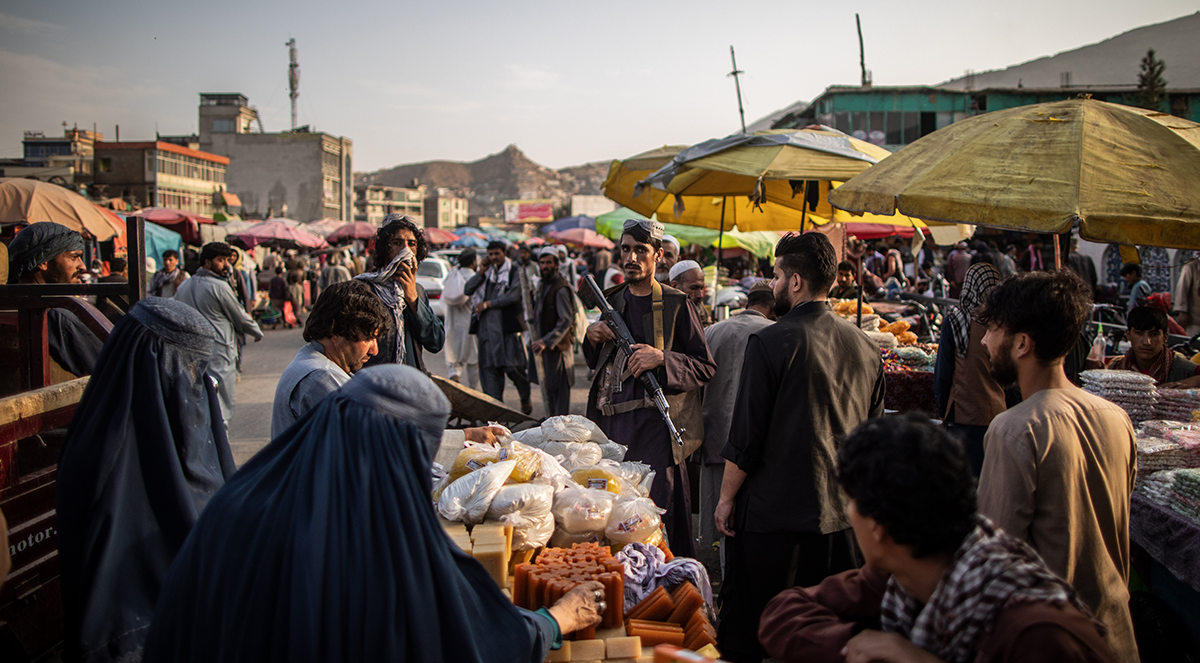
Afghanistan’s economy is collapsing. The Taliban’s forceful seizure of power led to a curtailment of almost all foreign aid, a devastating development for a nation overwhelmingly dependent on international assistance. Widespread drought, pervasive corruption, the perennially inadequate use of the country’s human capital, and a population largely unvaccinated against COVID-19 have exacerbated this longstanding problem of foreign financial dependence.
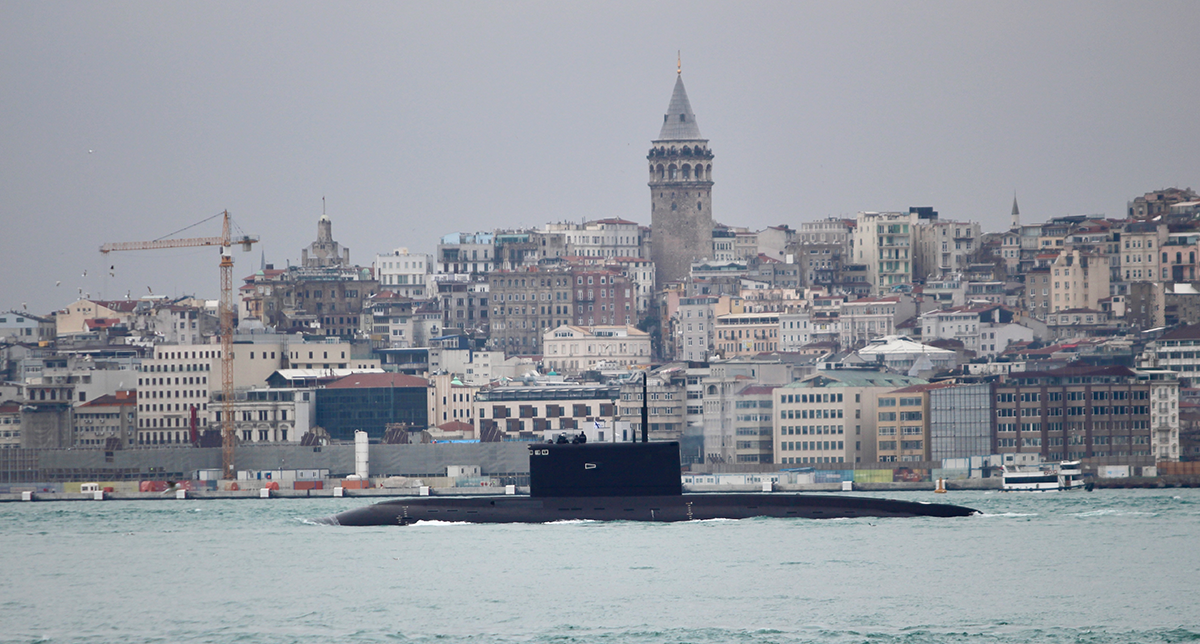
A storm brews over the Black Sea: Turkey’s contradictory maritime policy
Turkey’s official policy supports the territorial integrity of Ukraine and Georgia, and it sells UAVs and ships to Ukraine. Yet, trade continues with the Russian-occupied territories of Abkhazia and Crimea. By allowing this illegal trade, Turkey undermines both its own credibility and its trading partners’ security. Shipped goods not only help connect occupied zones to Russia, but trade also brings hard currency into these zones, which are outside the international banking system.