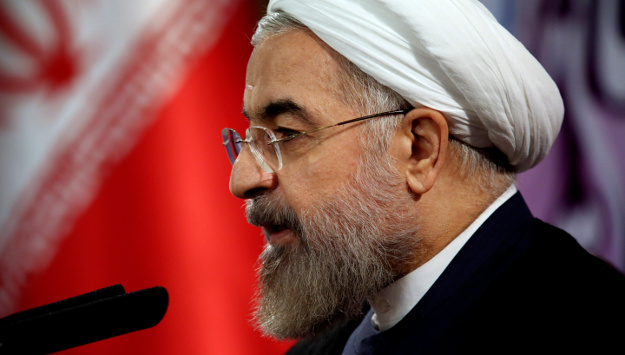
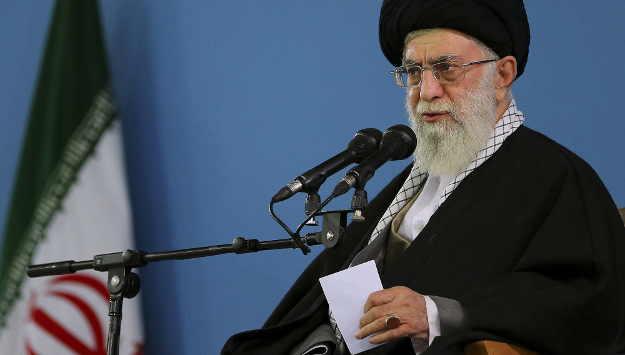
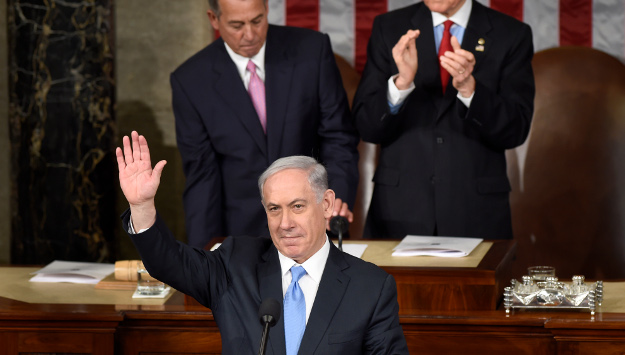
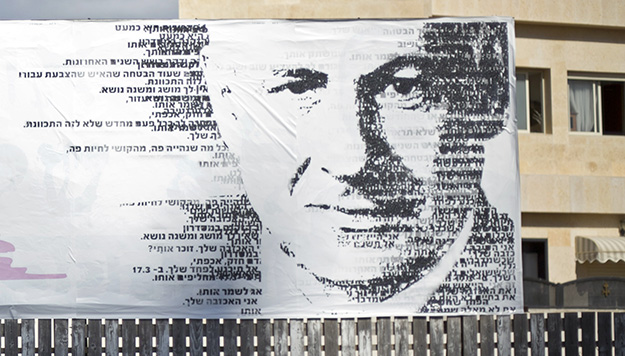
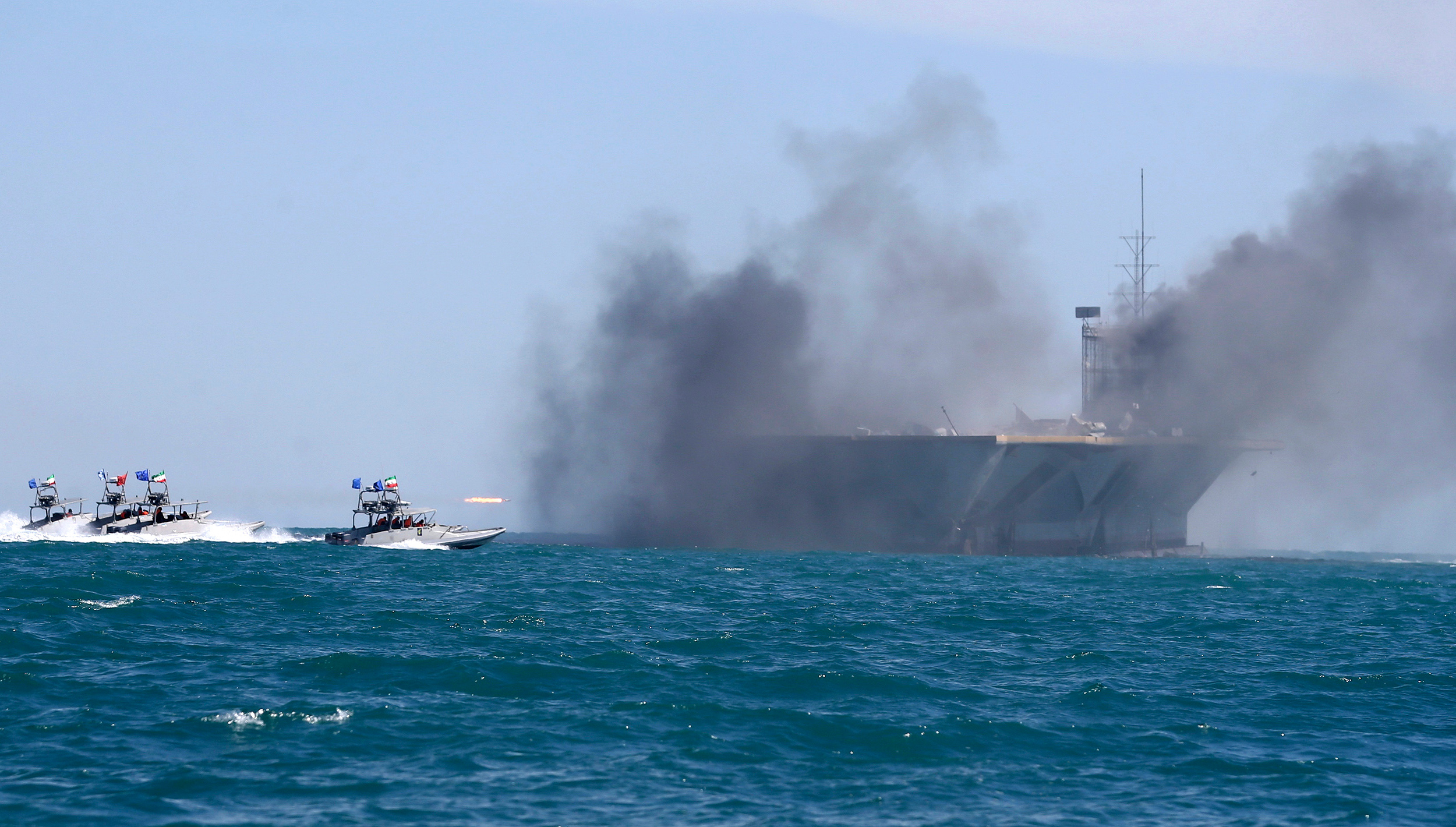
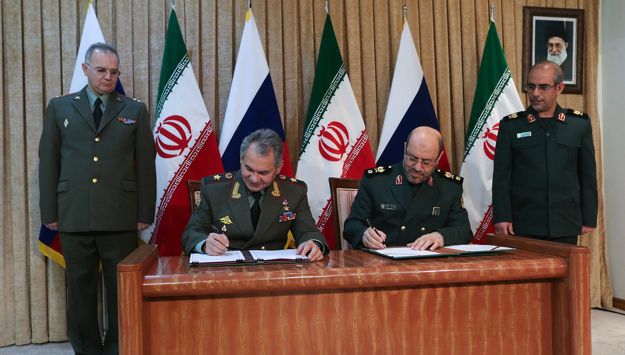
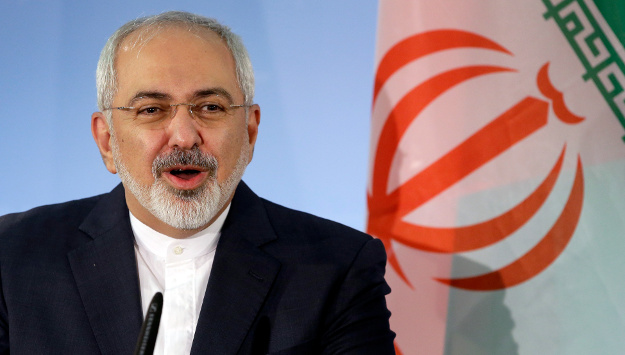
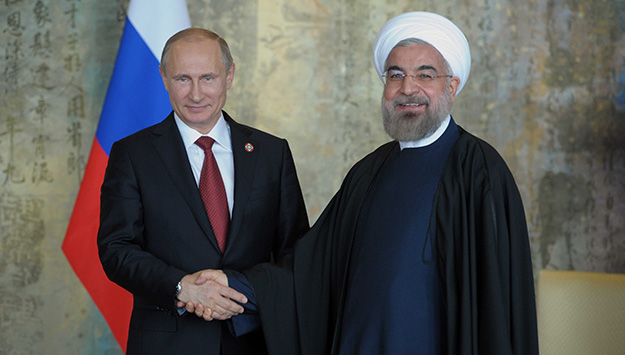
March 24, 2015: Alex Vatanka, senior fellow at The Middle East Institute, discusses the mood in Tehran as the deadline for negotiations approaches, the state of U.S.-Iranian relations, and what reaching a deal could mean to that relationship and the Arab world, in a brief interview.
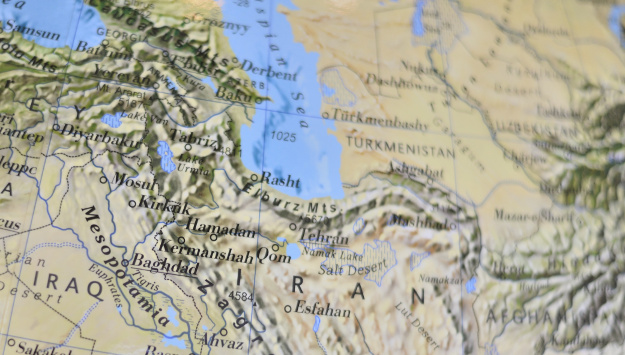
President Hassan Rouhani’s recent trip to Turkmenistan cannot be dismissed as a one-off. Since coming to office in August 2013, the Rouhani administration has prioritized relations with the Muslim states of the former Soviet Union. Given the potential for economic ties and trade, Tehran’s aspirations are fully understandable.
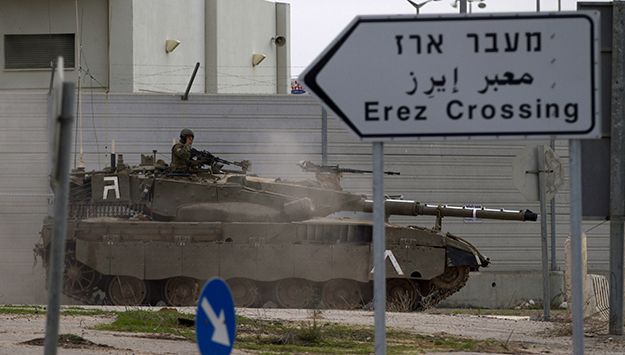
The Middle East is in disarray, but in Gaza, of all places, there are fragile hints of better days.
Two weeks ago, for the first time since Hamas’s takeover of the Gaza Strip in 2007, Israel permitted produce exports from Gaza into Israel and the West Bank.
Former British Prime Minister Tony Blair acknowledged Gaza’s plight during a visit to the area in February.
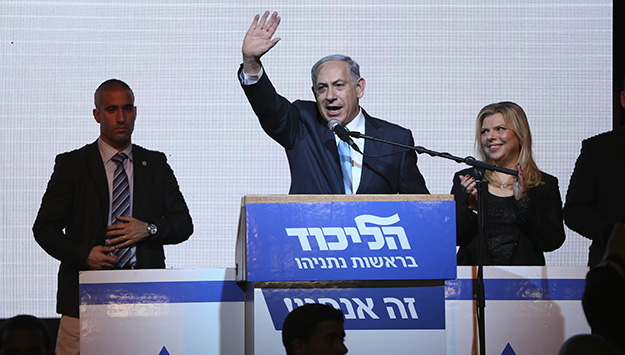
Those Israelis who hoped for a change in Israel’s direction awoke this morning to news worse than they had feared. With more than 99 percent of the vote reportedly counted, Prime Minister Benjamin Netanyahu’s Likud Party has won 30 seats to 24 for his main challenger, the Zionist Union’s Isaac Herzog.
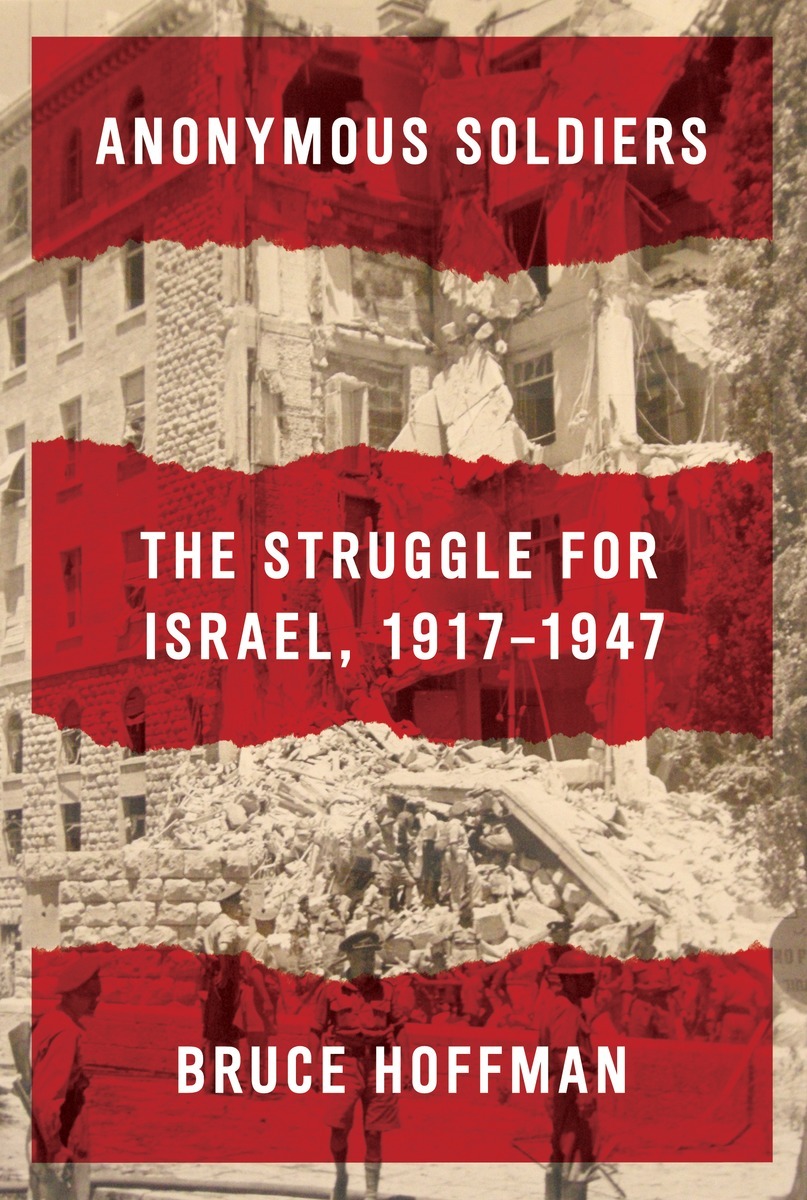
Anonymous Soldiers: The Struggle for Israel, 1917-1947
A review of Anonymous Soldiers: The Struggle for Israel, 1917-1947, By Bruce Hoffman (Knopf 2015). This book review was first published by The Washington Post.
When the Houthis, a Shia rebel group in Yemen, forced the country’s pro-Western president, Abed Rabbo Mansour Hadi, to flee the capital this past January, many in the region concluded that another Arab state had fallen into Tehran’s lap—a result, as one prominent commentator put it, of Iran’s “offensive state, the likes of which we have not seen in modern history.”
Israeli Prime Minister Benjamin Netanyahu has come to the United States, spoken his piece and returned home to Israel to finish campaigning for the March 17 elections. Netanyahu’s visit to Washington was neither the triumph he expected nor the disaster forecast by opponents of the visit. Indeed, the visit shed no new light on the supposedly central issue of the day: the state of play in the Iran negotiations.
One of the more enduring characteristics of Israel’s electoral campaigns is their ability to produce surprises, often with considerable political consequences.
The Middle East is experiencing unprecedented upheaval, and by all indications the region is likely to remain in turmoil for the foreseeable future. From Yemen to Bahrain to Syria and Lebanon, the sectarian agendas and geopolitical maneuverings of the two regional heavyweights – Iran and Saudi Arabia – will likely remain the key drivers fueling the regional fire.
Looking at Armenian-Iranian Relations Through a Russian Lens
The late January visit to Armenia by Iranian Foreign Minister Javad Zarif got little media attention, but it could have significant ramifications for geopolitics in Eurasia. Specifically, the trip could help Russia gain a trade outlet that softens the blow of Western sanctions.
Thanks to the unending American-Russian standoff over Ukraine, there are voices in Tehran that seem to believe that the road to international rehabilitation goes through Moscow.
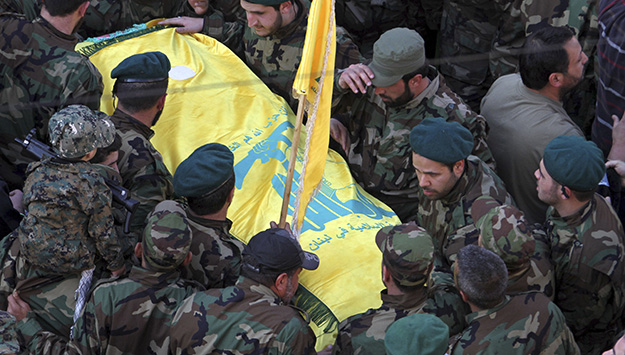
An Israeli helicopter fired rockets on a convoy in the Golan Heights on January 18, killing six members of Hezbollah and an Iranian general. MEI’s Randa Slim explains the context surrounding the attack and the likely repercussions.
Why did Israel choose this time to attack Hezbollah and Iranian targets in the Golan Heights?
Israel’s politics are always full of paradoxes. In the upcoming March 17 election, the central one is that the likely winner is perhaps the most disliked man in the country’s politics, namely the current prime minister, Benjamin (Bibi) Netanyahu. Even many who will vote for him don’t like him. This is partly a function of his longevity in the top ranks; he first became PM in 1996, but others held the office from 1999 until he regained it in 2009, and he has made a lot of enemies over the years.