تقرير أسبوعي: وقف إطلاق النار بمناسبة عيد الشكر؟
اقرأ تقرير MEI الأسبوعي الذي يتضمن تحليلات الخبراء للتطورات الإقليمية الرئيسية للأسبوع المقبل.
For decades, the MENA region’s pivotal role in the global economy has been rooted primarily in oil and gas exports. The region’s GDP grew from $1 trillion USD in 2000 to nearly $4.5 trillion in 2022, and more than 60% of that combined GDP is in its oil-exporting countries.
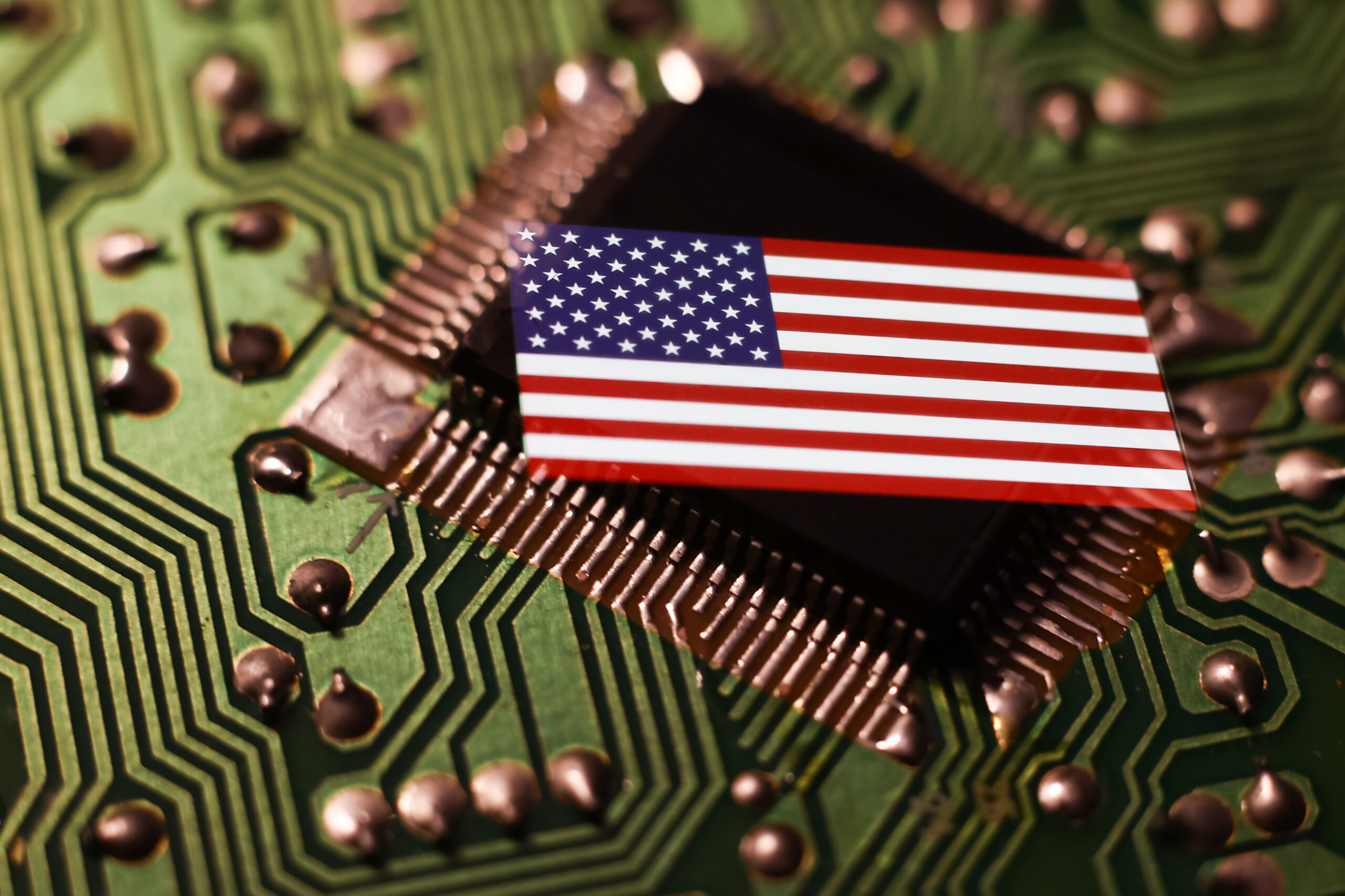
على مدار إدارتي بايدن وترامب، نظرت الولايات المتحدة باستمرار إلى الصين على أنها المنافس العالمي الرئيسي، لا سيما في مجال الذكاء الاصطناعي سريع التطور. وقد أكدت إدارة الرئيس بايدن مؤخرًا هذا الموقف من خلال أول مذكرة للأمن القومي (NSM) بشأن الذكاء الاصطناعي، والتي أرست أساسًا متينًا لمواجهة التحدي الذي تشكله بكين في مجال الذكاء الاصطناعي.
نُشر هذا المقال لأول مرة في مركز السياسات للجنوب الجديد. شارك في تأليفه محمد سليمان وألبرتو تاجليابيترا.
تعد الذكاء الاصطناعي محفزًا محوريًا للابتكار العالمي، حيث تتصدر الولايات المتحدة تطوير هذه التكنولوجيا التحويلية في خضم تنافسها المستمر مع الصين على القوة العظمى. يهدف هذا التقرير إلى تعريف مفهوم التفوق في مجال الذكاء الاصطناعي ومراجعة استراتيجية الولايات المتحدة في هذا المجال وفقًا لفهم أكثر شمولية له. كما يبحث التقرير في كيفية تأثير المنافسة على الأطراف الفاعلة في الشرق الأوسط، ولا سيما الإمارات العربية المتحدة والمملكة العربية السعودية، في محاولة لتوجيه الحوار حول السباق العالمي في مجال الذكاء الاصطناعي نحو مفهوم شامل لسيادة الذكاء الاصطناعي يرتكز على واقع الشؤون الدولية والتنافس بين القوى العظمى الأمريكية والصينية.
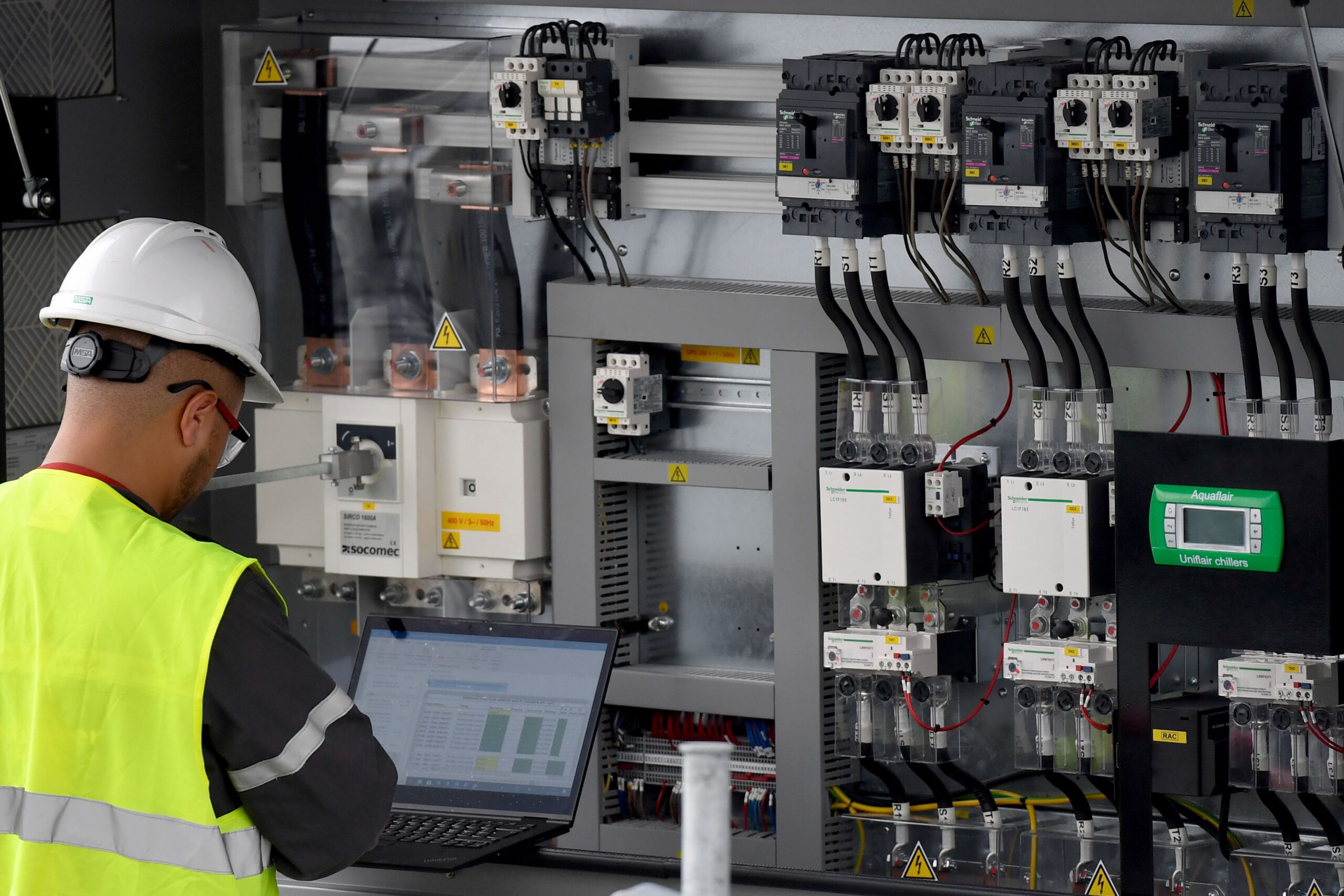
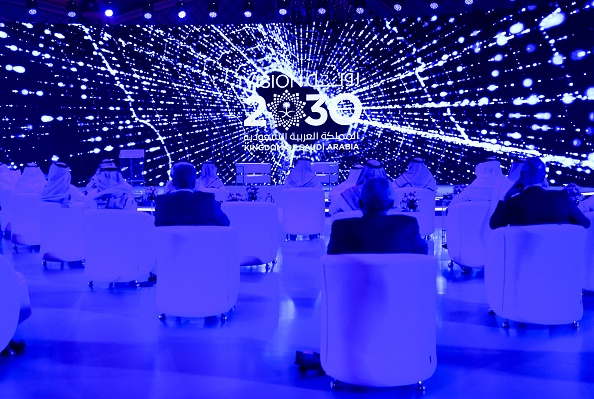
في خطوة تاريخية تشير إلى الأهمية المتزايدة للشرق الأوسط في المشهد التكنولوجي العالمي، دخلت Google في شراكة استراتيجية مع صندوق الاستثمار العام السعودي (PIF)، وهو صندوق الثروة السيادي للمملكة. تؤكد هذه الشراكة على "الترابط المتزايد" بين الذكاء الاصطناعي والطاقة، حيث تستخدم المملكة العربية السعودية - إلى جانب الإمارات العربية المتحدة ودول الخليج الأخرى - فائضها من الطاقة لتشغيل مراكز البيانات، التي تعد ركيزة أساسية في البنية التحتية للذكاء الاصطناعي.
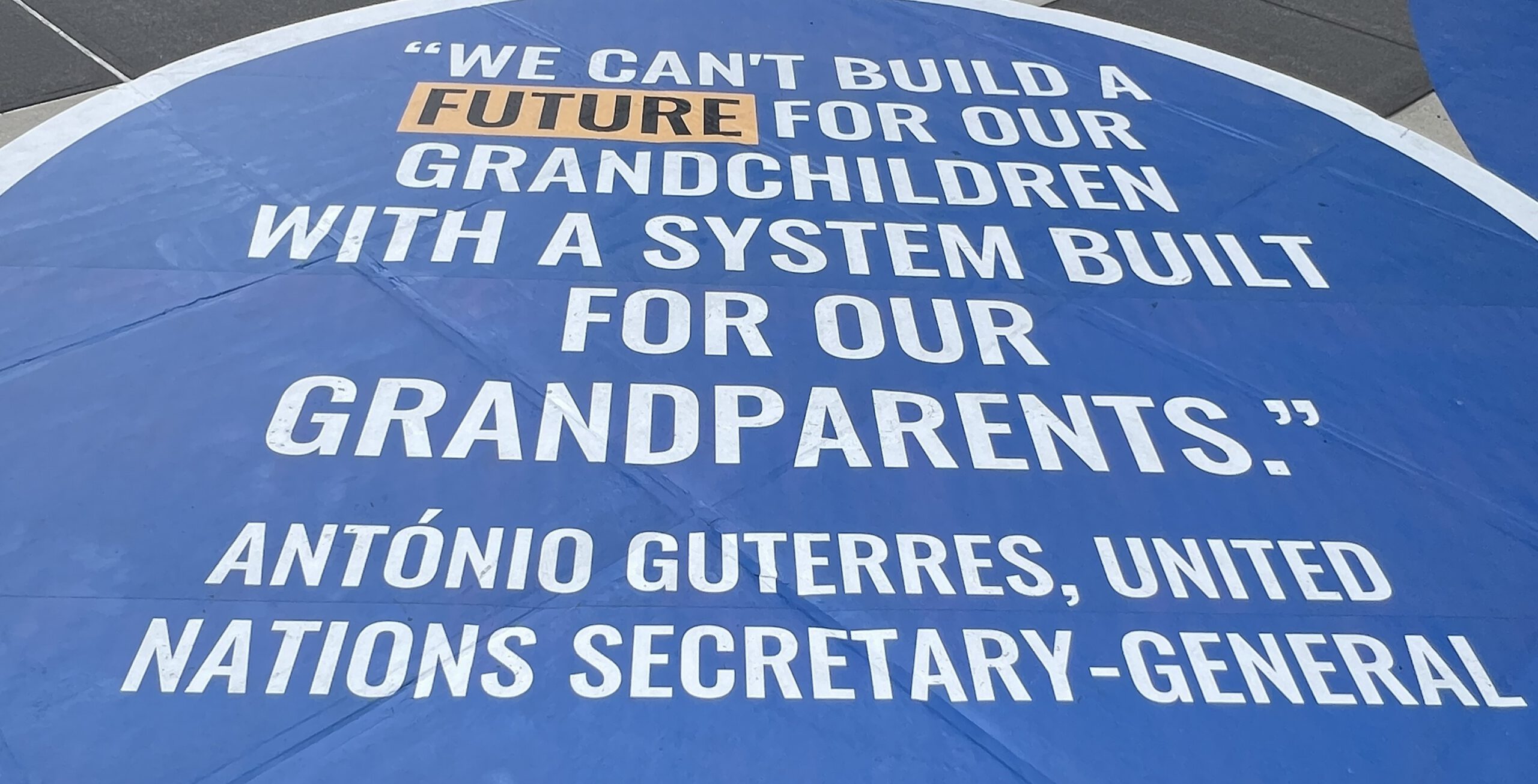
At last month’s Summit of the Future, the more than 190 UN member countries agreed to unprecedented new commitments on behalf of future generations, and they pledged to build a long-term future perspective into their mechanisms of governance, domestically and multilaterally. MEI’s Strategic Foresight Initiative program director Steven Kenney reflects on attending the summit and its outcomes.
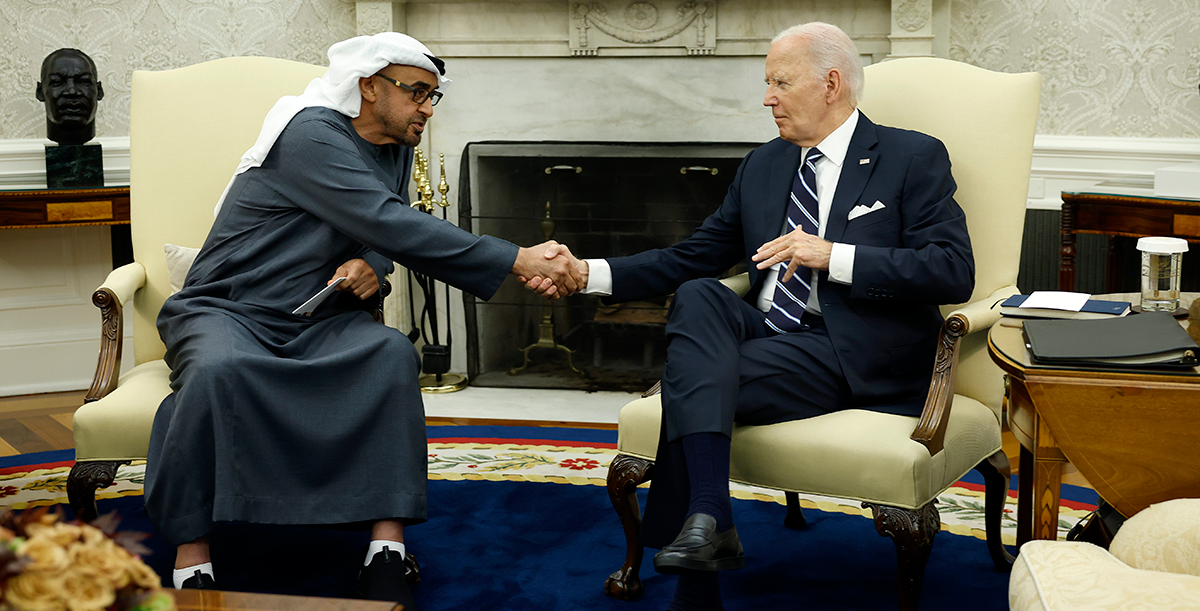
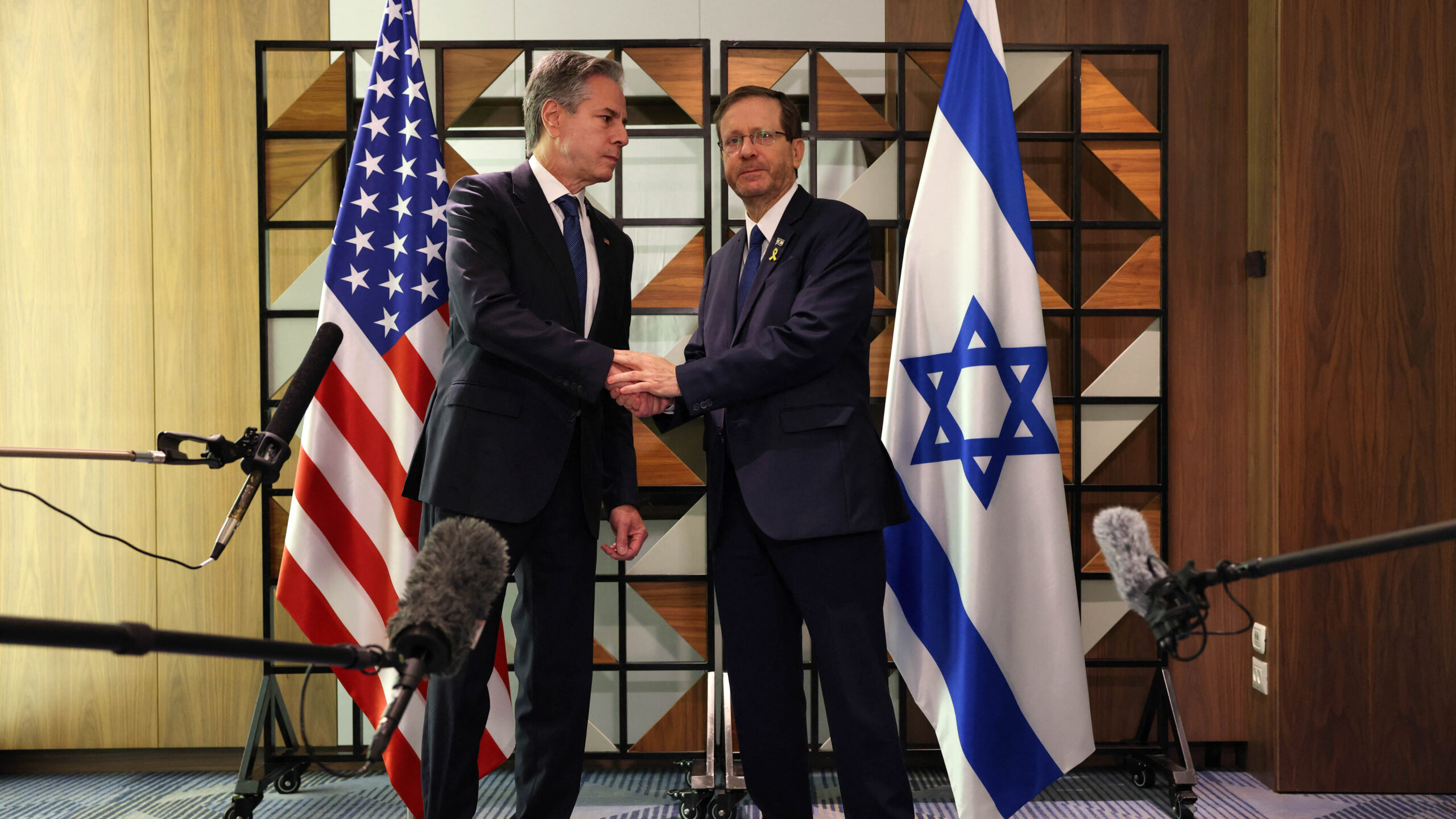
عندما زار الرئيس محمد بن زايد آل نهيان (MbZ) رئيس دولة الإمارات العربية المتحدة البيت الأبيض في 23 سبتمبر، كان البيان المشترك بين الولايات المتحدة والإمارات العربية المتحدة أحد أكثر البيانات شمولاً حتى الآن، حيث تضمن تعهدات بالتعاون في جميع القطاعات التكنولوجية تقريباً، وأشار إلى هدف واضح يتمثل في تحويل العلاقات الثنائية بعيداً عن الهيدروكربونات.
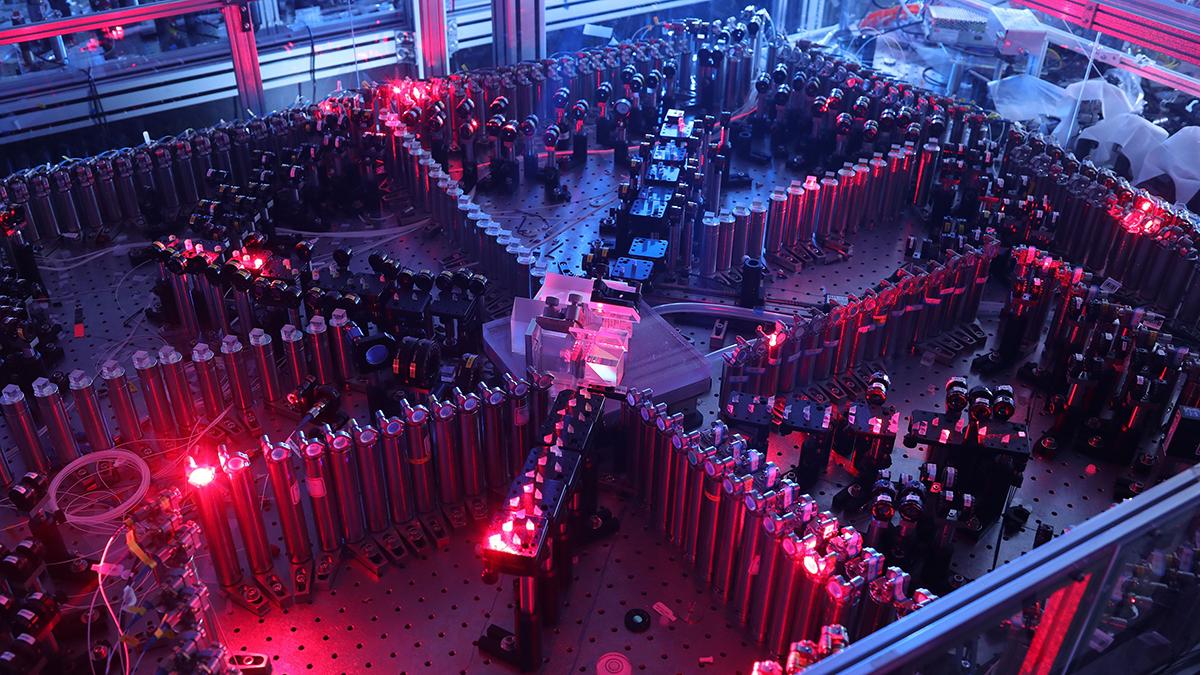
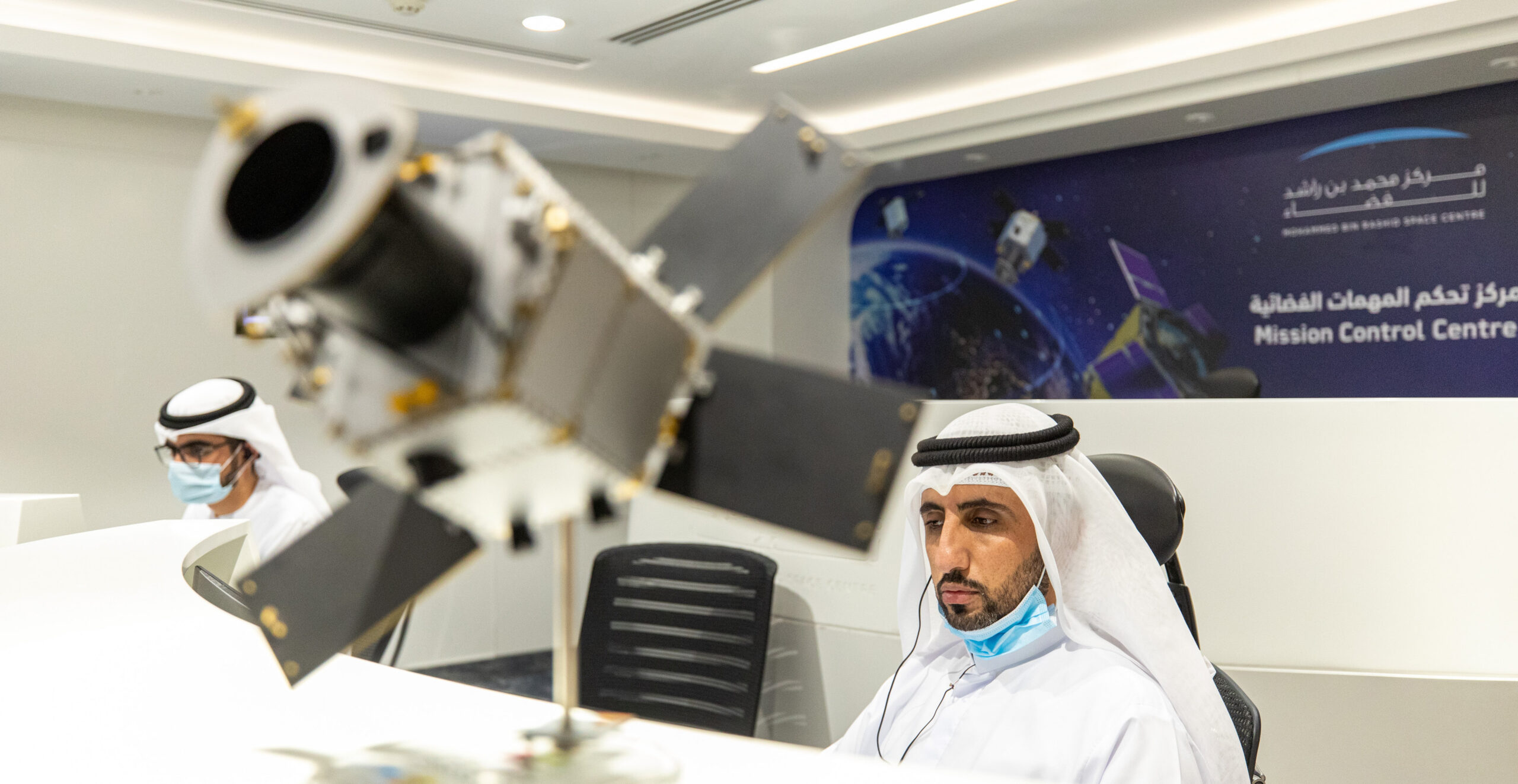
As China makes substantial strides in quantum R&D, the global community must urgently address vulnerabilities in our digital networks. The Middle East, like many other regions, stands at a critical juncture in this technological race, where quantum innovation brings both opportunities and risks.
As the Middle East becomes more autonomous and empowered domestically, the leaders in the region might consider more synergetic relations with each other and prepare national long-term plans that provide a balanced and integrated approach to social, technological, environmental, economic, and political development and progress.
Digital transformation will play a key role in shaping relations between Europe and the MENA region, but despite these high-level announcements, EU strategy and programming on the ground would need to expand to meet the region’s requirements and serve the EU’s strategic interests.
اقرأ تقرير MEI الأسبوعي الذي يتضمن تحليلات الخبراء للتطورات الإقليمية الرئيسية للأسبوع المقبل.
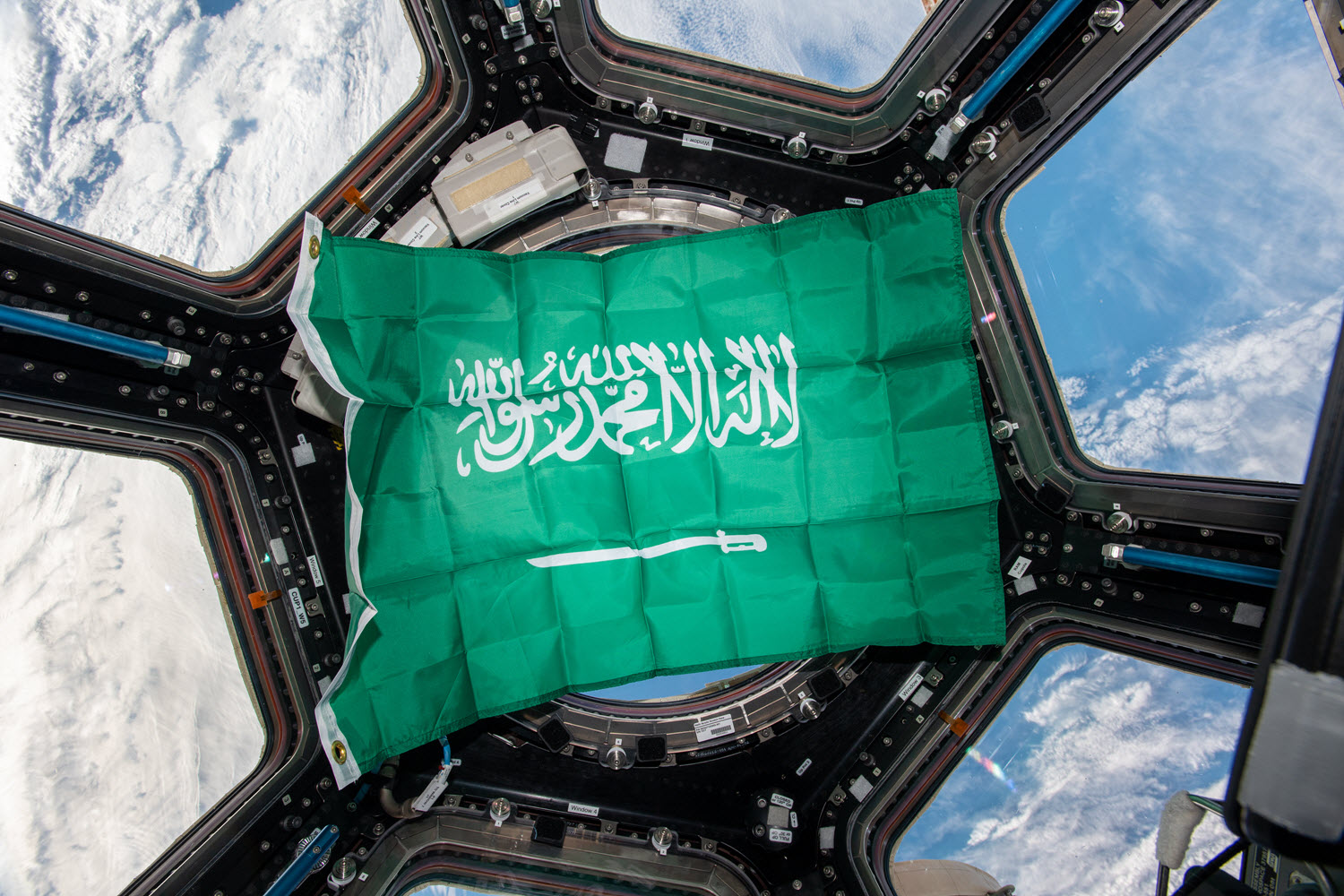
On July 16, the United States and Saudi Arabia announced a new framework for space collaboration and civil aeronautics that shakes up the space race. The agreement marks a turning point for the US-Saudi Arabia bilateral relationship, gearing it more toward scientific cooperation and demonstrating the pivotal role that emerging space powers, particularly in the Middle East, are poised to play in the Second Space Age.
اقرأ تقرير MEI الأسبوعي الذي يتضمن تحليلات الخبراء للتطورات الإقليمية الرئيسية للأسبوع المقبل.
Around two-thirds of the population in the Middle East and North Africa lives in urban settlements and the region’s population is projected to double by 2050, exposing a growing number of people to intensifying natural and climate hazards. As a result, cities will need to take additional steps to boost climate resilience and advance decarbonization efforts, including through climate-informed urban planning measures like compact, transit-oriented development, urban greening initiatives, and a focus on green buildings. With this in mind, regional governments have recently adopted the concept of “smart cities,” aiming to utilize technology and sustainable practices to address the challenges of urbanization and climate change.