الجزائر: بعض التفاؤل بالمستقبل وسط مخاوف من الوباء وآثاره الاقتصادية
هذا المقال يأتي ضمن سلسلة من أربعة أجزاء نشرها معهد الشرق الأوسط بالتعاون مع الباروميتر العربي لتحليل نتائج الدورة السادسة من استطلاعات الباروميتر العربي.
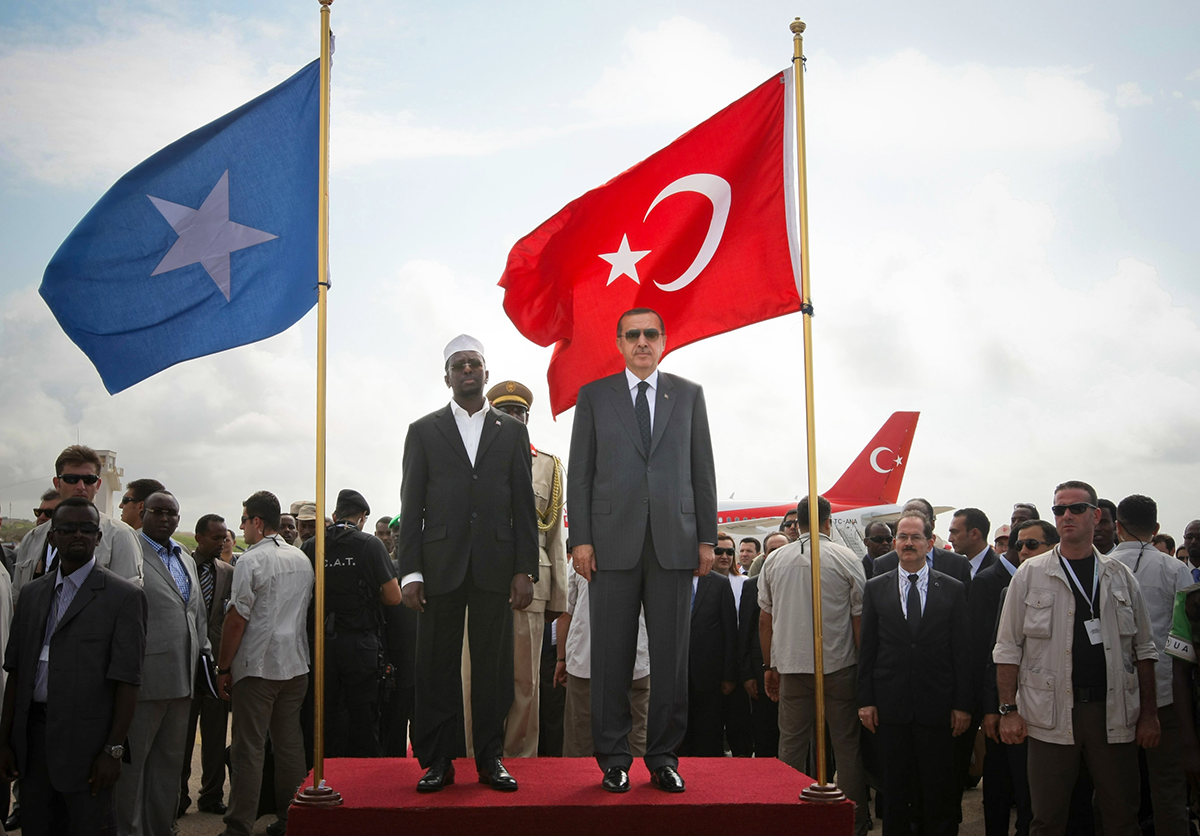
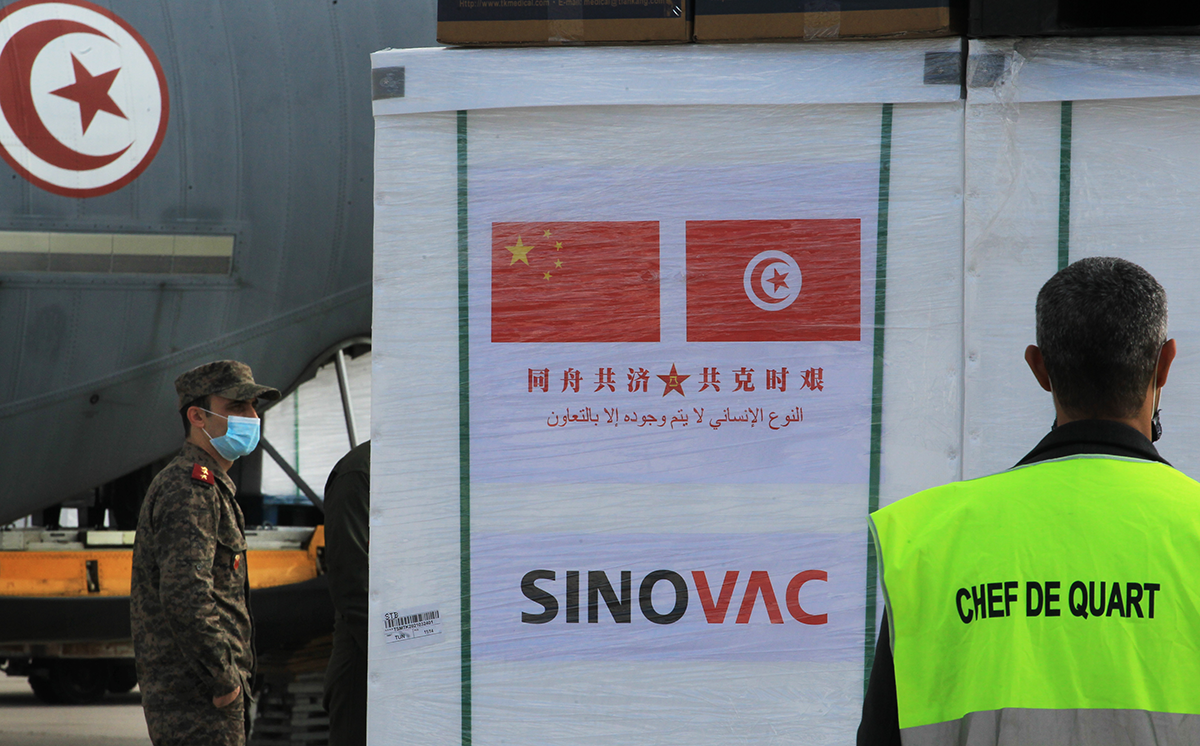
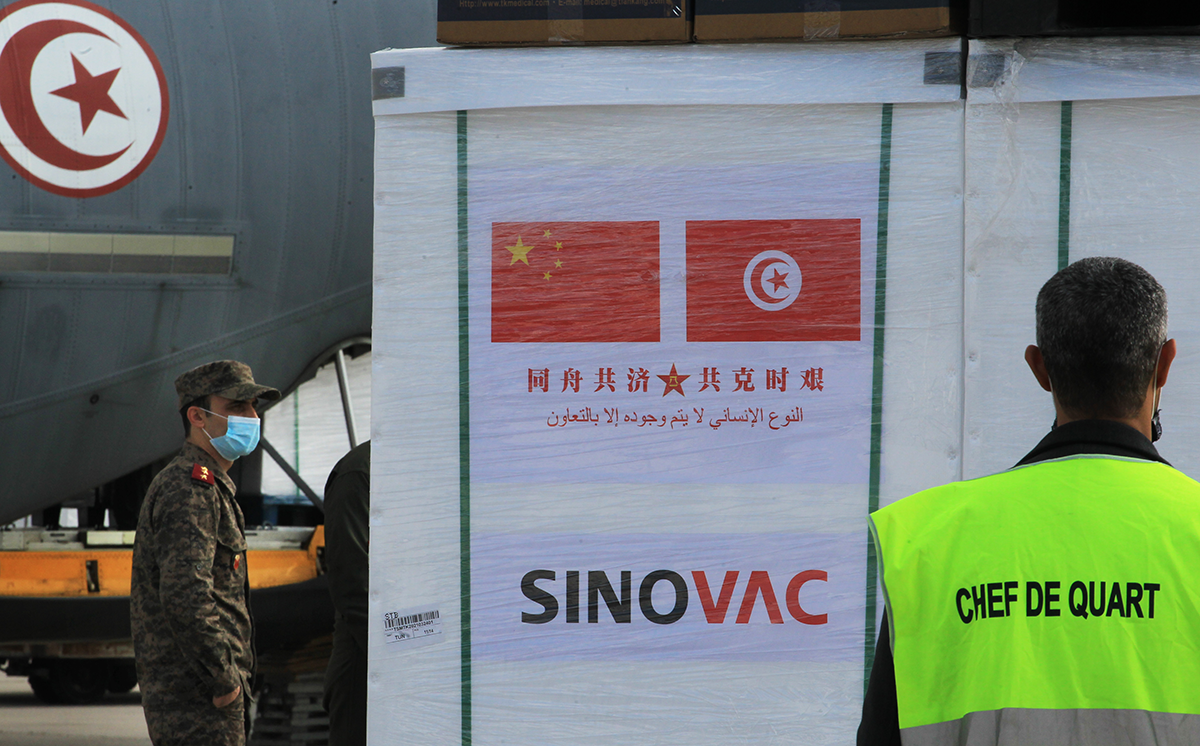
In recent years, China and Russia have gradually increased their influence in the Maghreb. The two powers, relative newcomers to the regional scene compared to Europe and the U.S., have been building stronger commercial, security, and diplomatic ties to the Maghreb countries of Morocco, Algeria, and Tunisia. However, these ties have not yet translated into significant popular approval or support.
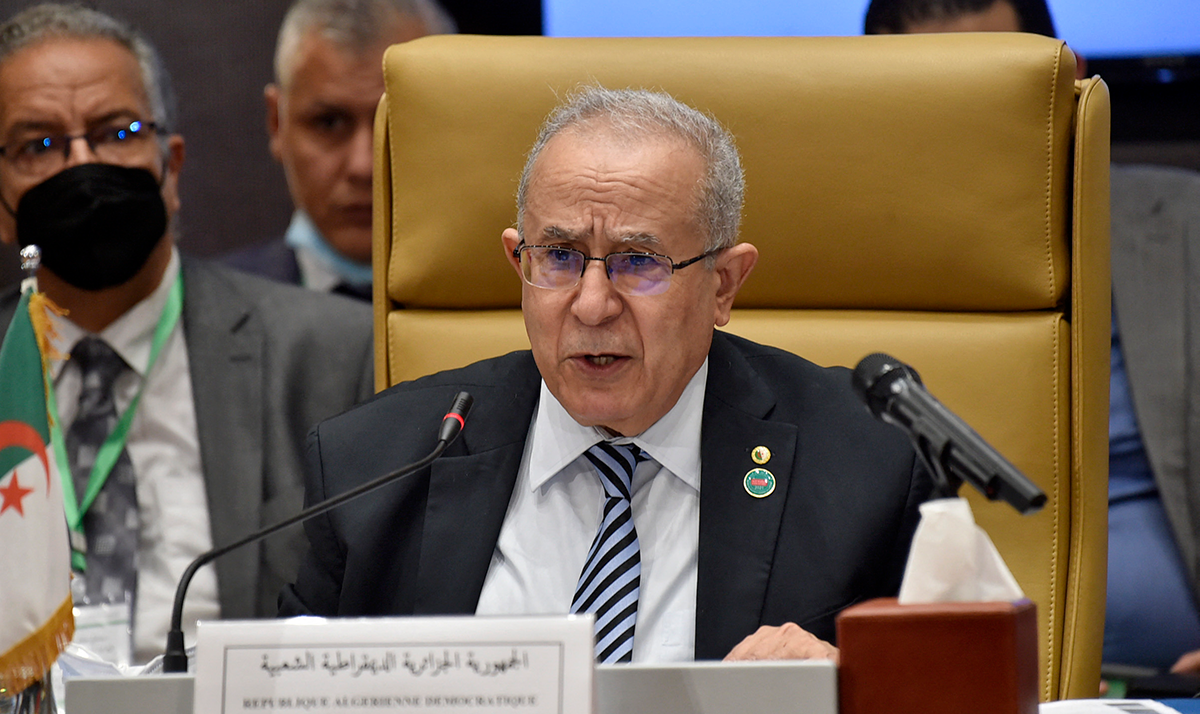
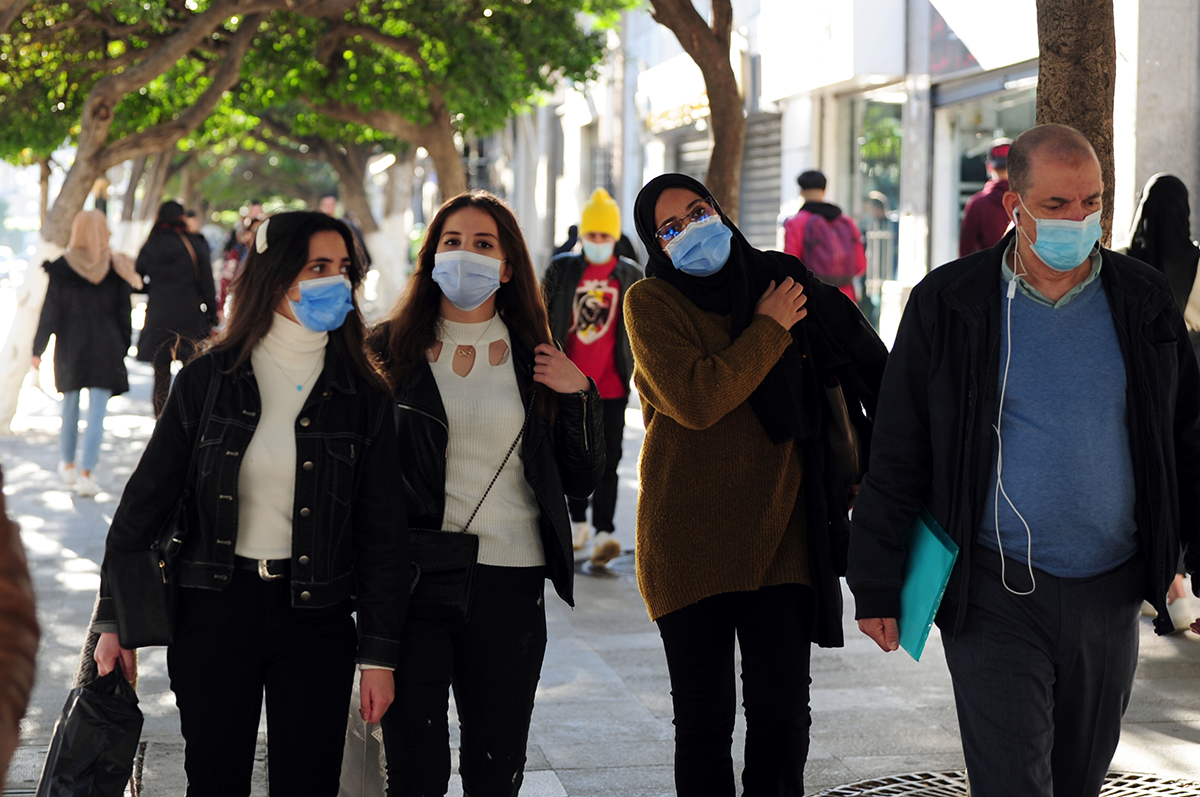
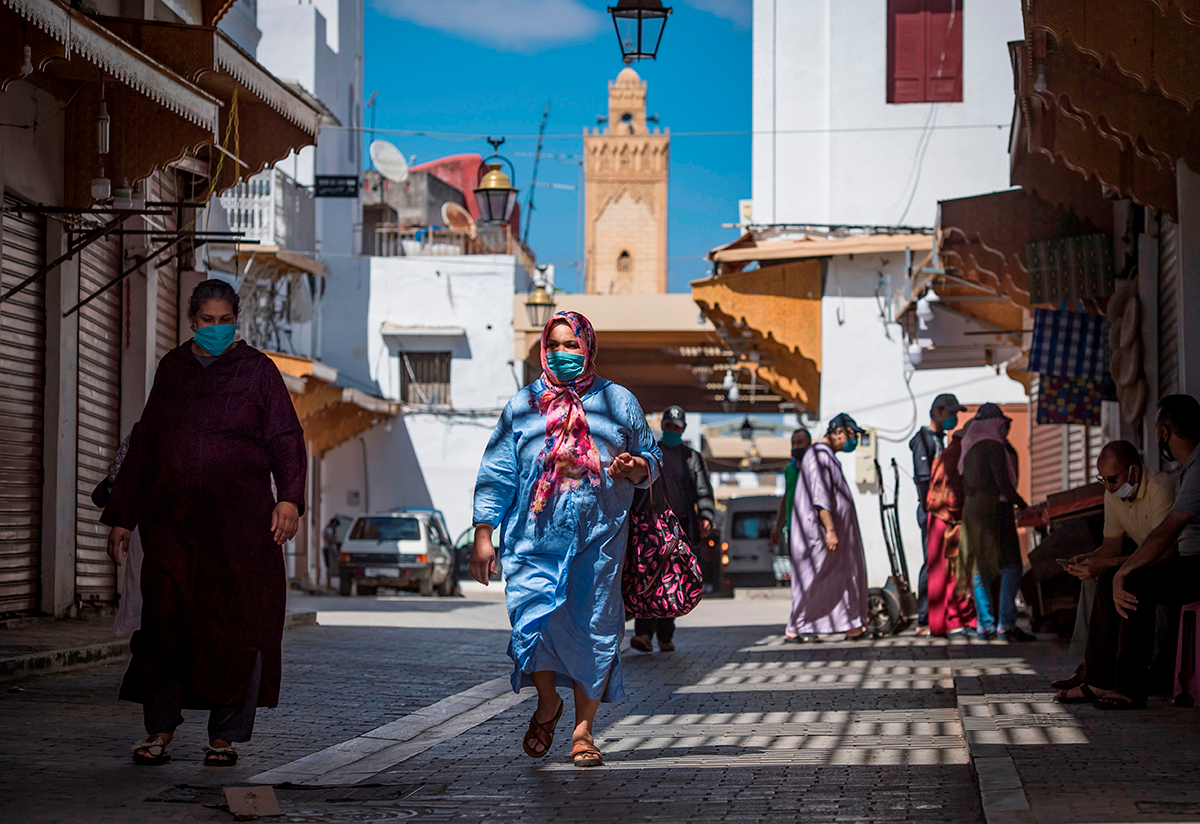
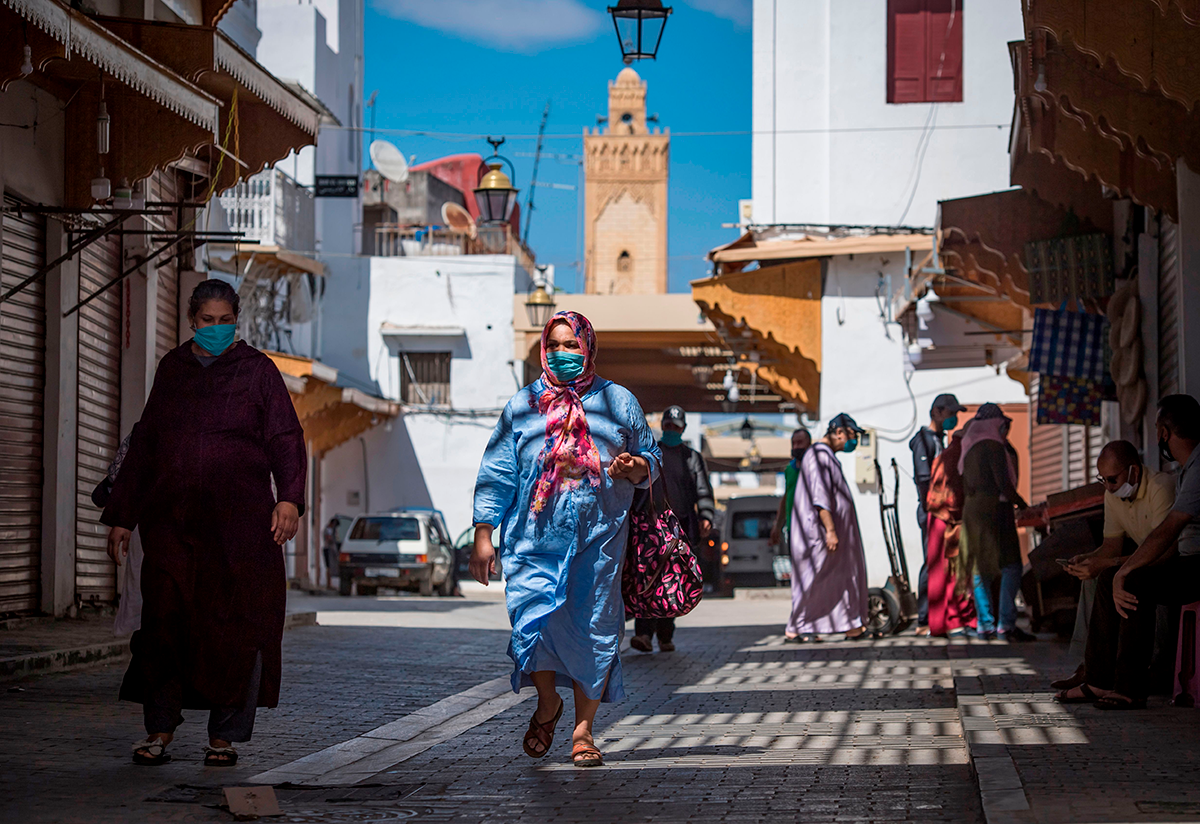
The Arab Barometer’s survey results for Algeria paint the picture of a population understandably worried about the COVID-19 pandemic and its economic impact. In surveys carried out in the country from August 2020 to April 2021, the spread of the virus and the business outlook consistently emerged as the top two challenges ahead, with economic concerns rising to the top position and overtaking the health situation over this period. Because of the spread of the Delta variant, Algiers has been struggling to contain the transmission of the virus. New cases and deaths quickly escalated between July and August 2021, taking the health care system to the brink of collapse.
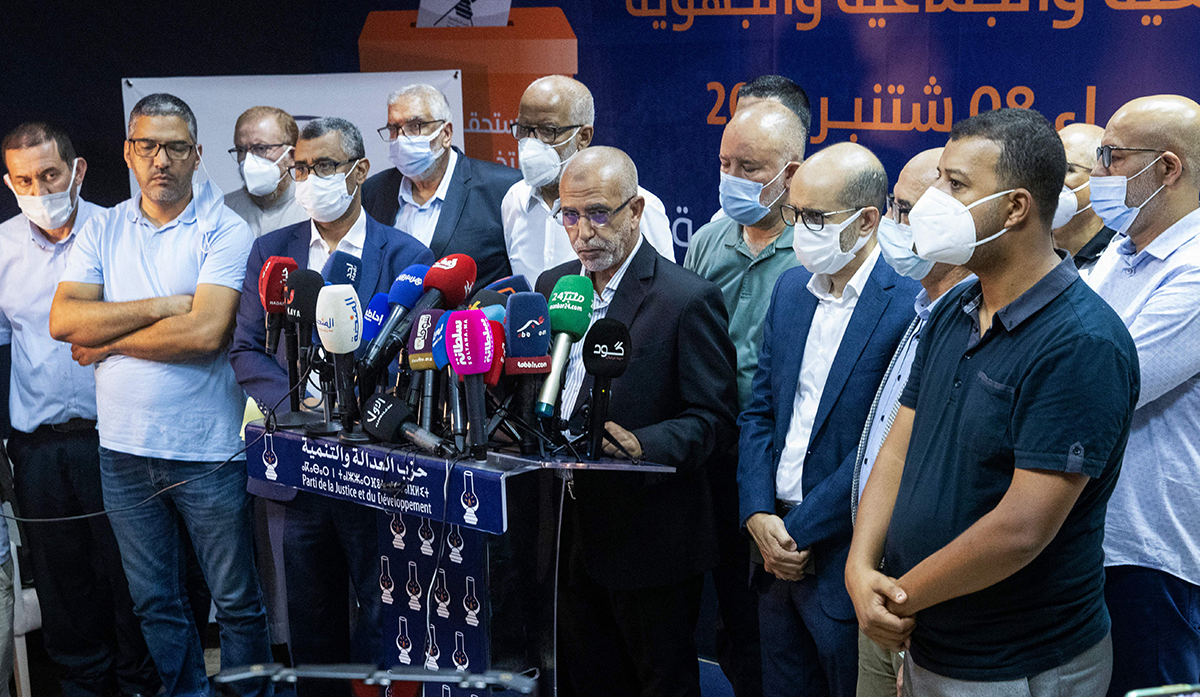
مجرد ظهور العلامات الأولى للأزمة الصحية الناجمة عن فيروس كورونا المستجد في شمال إفريقيا، اتخذ المغرب إجراءات سريعة وحاسمة، حيث نفذ تدابير صحية واقتصادية وأمنية واجتماعية بدءا من نهاية فبراير 2020. تفسر هذه الإجراءات إلى حد كبير تصور المواطنين الإيجابي لتعامل الدولة مع هذا الوضع الصعب، وهو تحد لم يسبق له مثيل منذ الربيع العربي في 2011.
As soon as the first signs of the health crisis caused by COVID-19 appeared in North Africa, Morocco took swift and decisive action, implementing health, economic, security, and social measures at the end of February 2020. These actions explain the largely positive perception among Moroccans of the state’s handling of this difficult situation, a challenge unlike any since the Arab Spring in 2011.
The findings of the fourth part of the Arab Barometer survey’s sixth wave, carried out in May 2021, confirm that the spread of COVID-19 (43% of respondents) and the economic situation (33%) are still the main challenges for Moroccans.
اقرأ تقرير MEI الأسبوعي الذي يتضمن تحليلات الخبراء للتطورات الإقليمية الرئيسية للأسبوع المقبل.
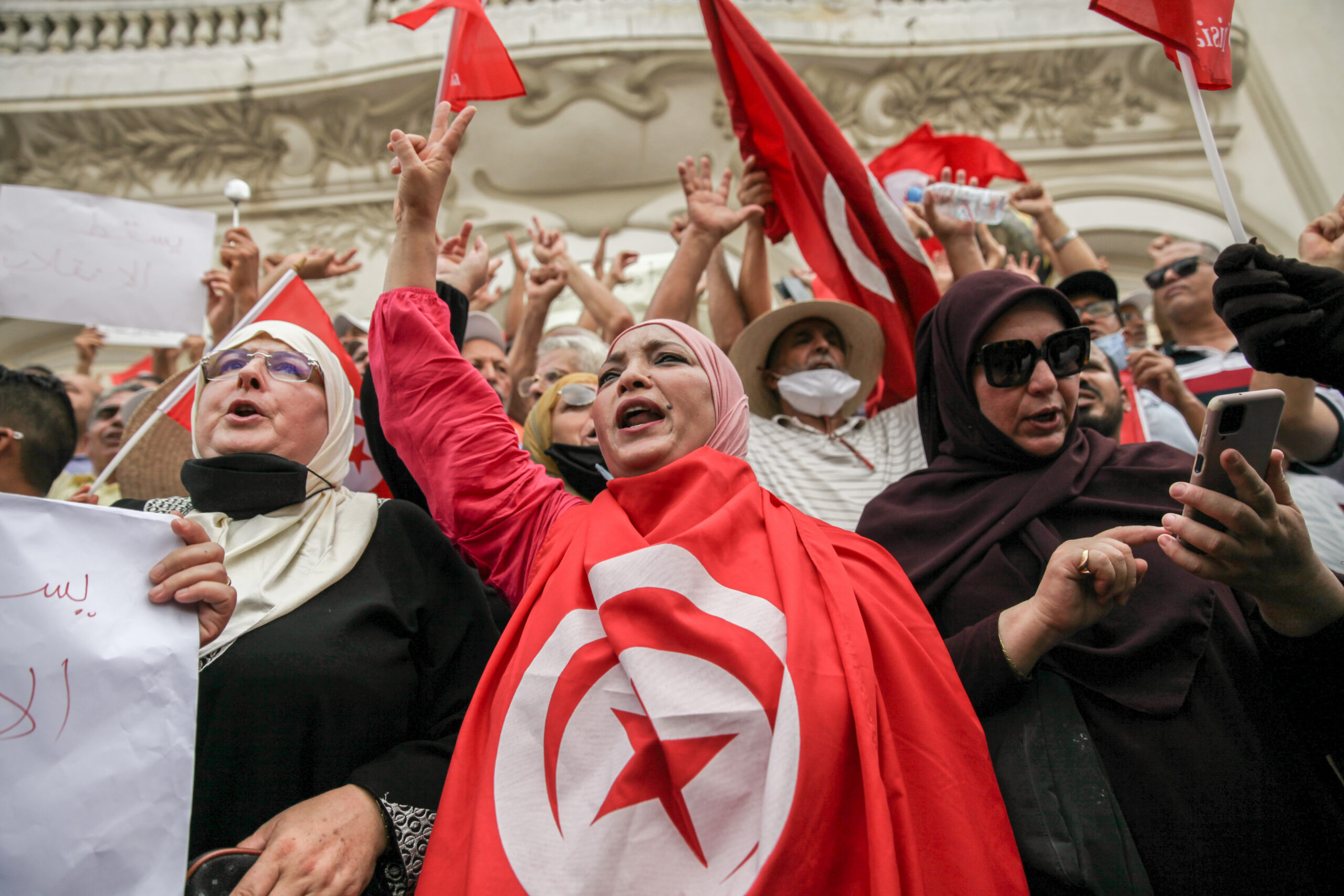
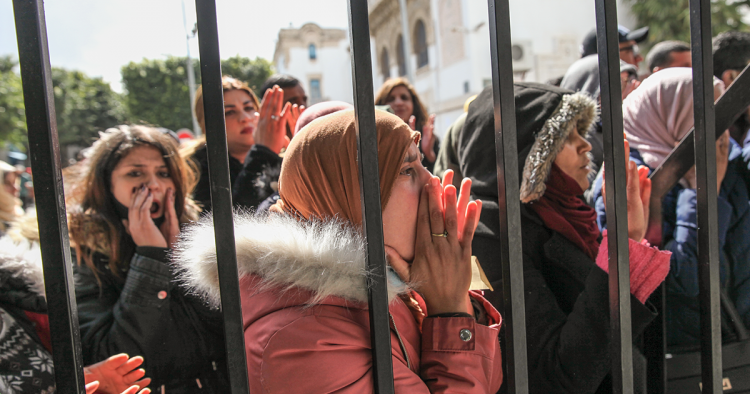
The latest round of public opinion surveys conducted by Arab Barometer confirms that the deterioration of the economy — or more specifically a continuing collapse in living standards — has been at the forefront of people’s minds in Tunisia.
كبيرة الباحثين، مديرة برنامج مصر
Egypt is currently the fastest-growing Arab exporter of liquefied natural gas (LNG), according to a report released by the Organization of Arab Petroleum Exporting Countries on Aug. 16. The report showed that Egypt exported around 1.4 million tons of LNG in the second quarter of 2021, having not exported any LNG during the same period in 2020.
اقرأ تقرير MEI الأسبوعي الذي يتضمن تحليلات الخبراء للتطورات الإقليمية الرئيسية للأسبوع المقبل.
Tokyo’s long-standing, quiet diplomacy has built trust Washington lacks.
After decades of soul searching to define itself as a state, Egypt is building its own civilization-state and seeks to join an emerging club of nations that center historical and cultural tradition in their policy and governance structures and reject the West’s cultural dominance. The civilization-state is the prism through which Western capitals should view and understand Egypt’s domestic and foreign policy moves.
The viability of Eastern Mediterranean natural gas resources has long been a source of debate for reasons including cost considerations, market demand, and regional geopolitical tensions. The past couple of years have further complicated the debate, introducing new questions about the role of these resources in supporting post-pandemic economic recovery or helping more advanced markets achieve net-zero policies by replacing coal and other fuel sources (a particularly relevant topic of debate given Europe and Asia are key export targets for East Med gas).
اقرأ تقرير MEI الأسبوعي الذي يتضمن تحليلات الخبراء للتطورات الإقليمية الرئيسية للأسبوع المقبل.
Tunisia’s July 25 hirak was in the making since 2011, but perhaps we researchers were simply looking in the wrong place. This article presents a simplified account of the ideological roots of President Kais Saied’s July 25 power grab. Drawing on original and previously unused data as well as diverse sources, including a book recently withdrawn from stores, it offers a snapshot of the concept-map of ideas that have thus far remained hidden from the public domain.