Over the past decade, Turkey has been on a steadily downward economic trajectory. Throughout this long period of turmoil the government has pursued a range of different economic policies, most of which were inconsistent with one another. The transition to a presidential system under Erdoğan has had a disastrous impact on Turkey’s economic institutions and administration. This paper explores the impact of the presidential system on the Turkish economy, the country’s economic outlook, and potential solutions to the current crisis, as well as the opposition’s role and ability to implement them, with an eye to the June 2023 elections.
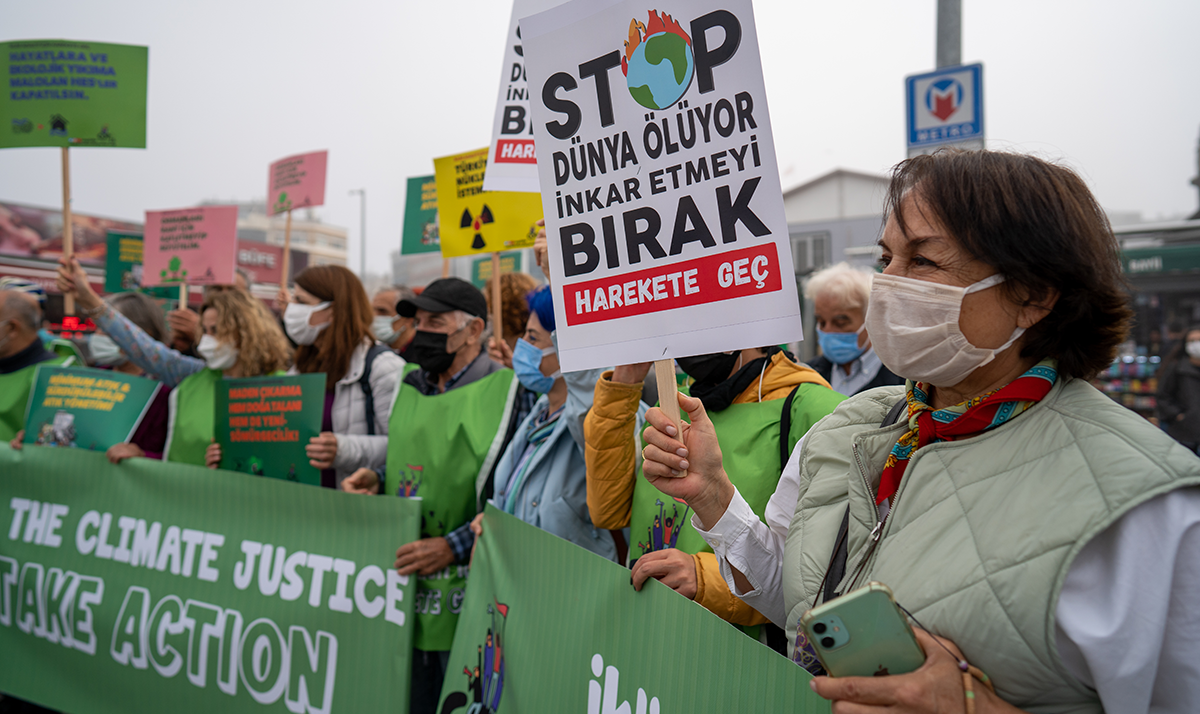
Since the founding of the UNFCCC at the Rio de Janeiro Earth Summit in 1992, climate justice has been a contentious issue that has divided developed and developing countries. The concept of climate justice is crucial for negotiating the diverse responsibilities of different nations and actors, and for shaping climate policies, and it has arguably come a long way since the early days of global climate change negotiations.
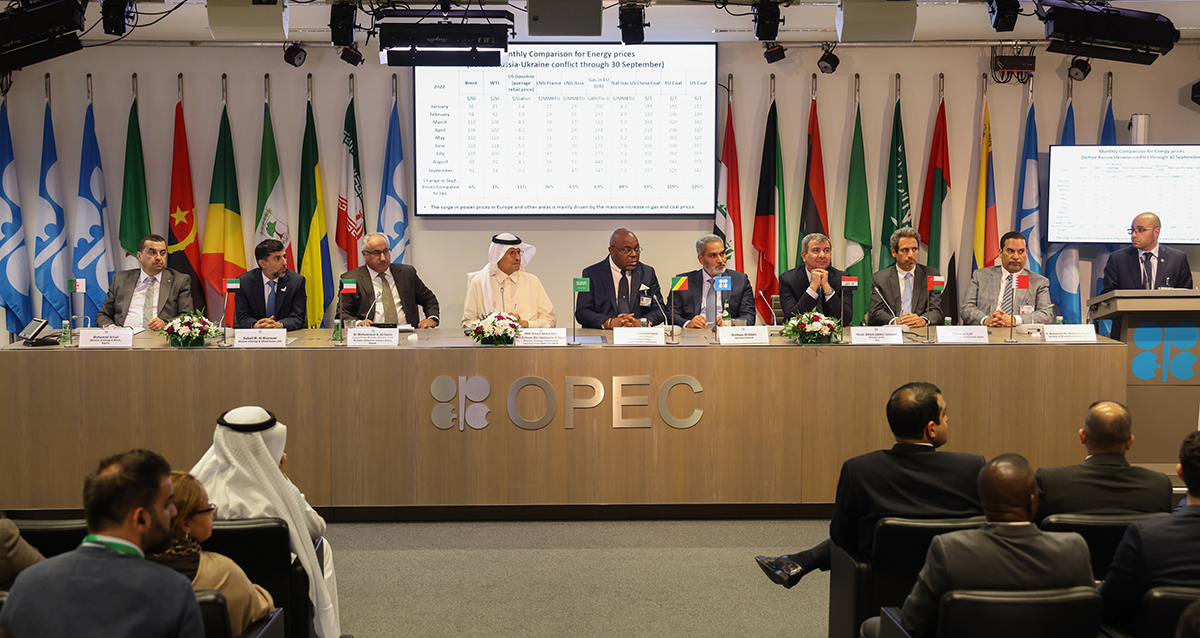
Under current, highly unpredictable market conditions, it is unreasonable for OPEC to make sharp movements to saturate the oil market or withdraw a significant number of barrels from it to meet divergent Western interests of lowering prices and punishing Russia.
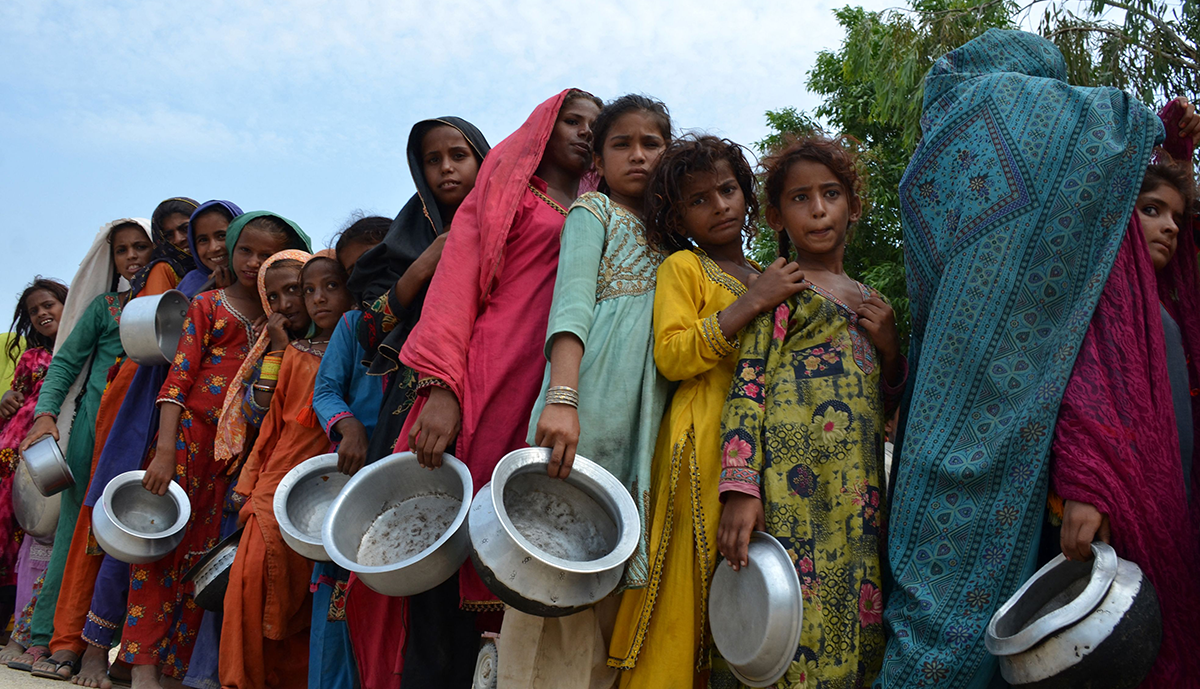
Catastrophic floods: Understanding the gravity of Pakistan’s health and food crises
Pakistani Prime Minister Shehbaz Sharif recently warned that his country needs “an infinite amount of funding” to support flood relief efforts. Torrential rains and heavy flooding have killed more than 1,550 people and displaced millions. Compounding the challenge are Pakistan’s intensifying food and health crises, as flood-borne diseases surge and nearly two-thirds of the country’s food basket has been destroyed.
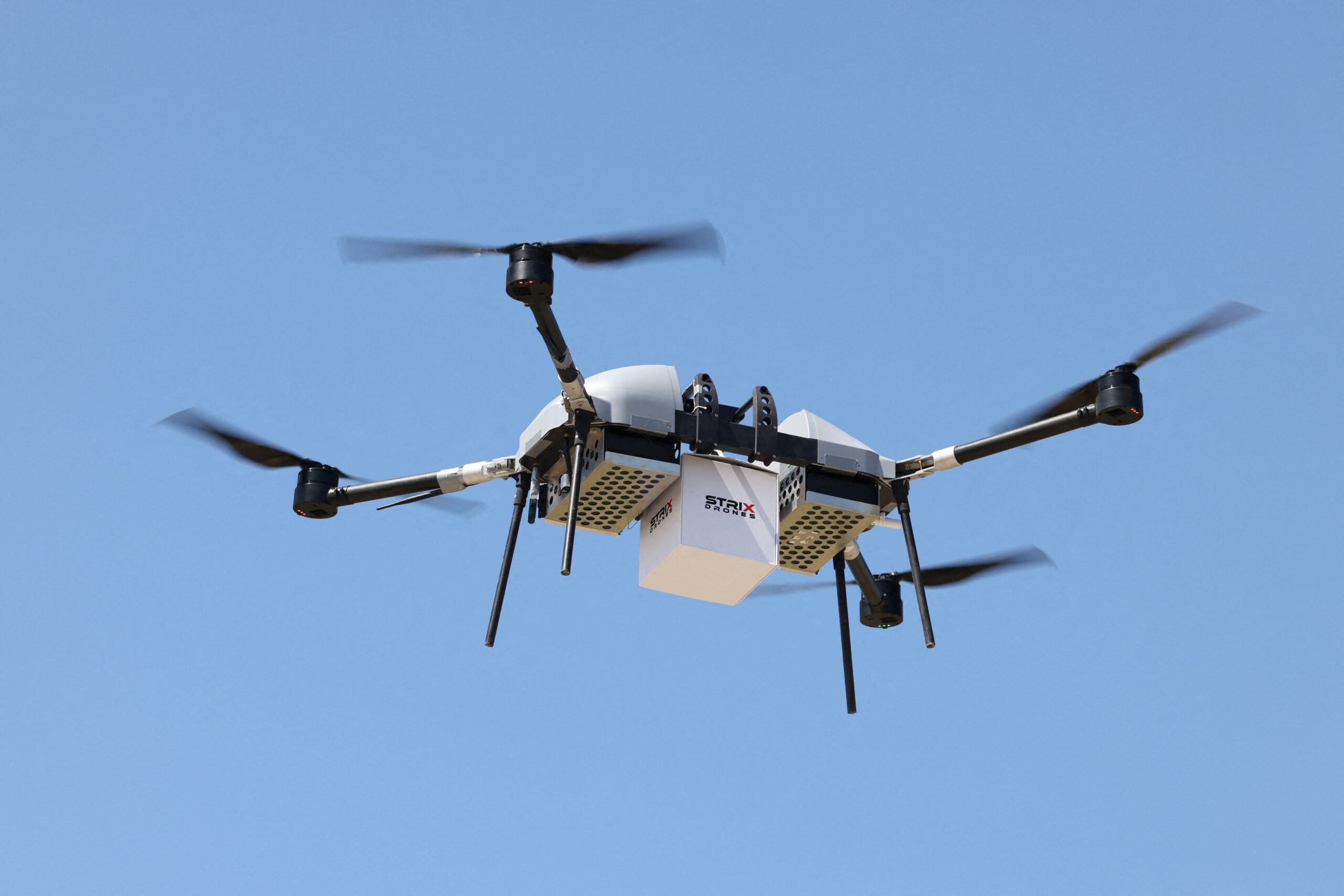
Technology represents one potentially fruitful area where the I2U2 member states — Israel, India, the U.S. and the UAE — could cooperate together, expand their format to include more countries, deliver tangible results, and avoid agitating other global and regional powers.
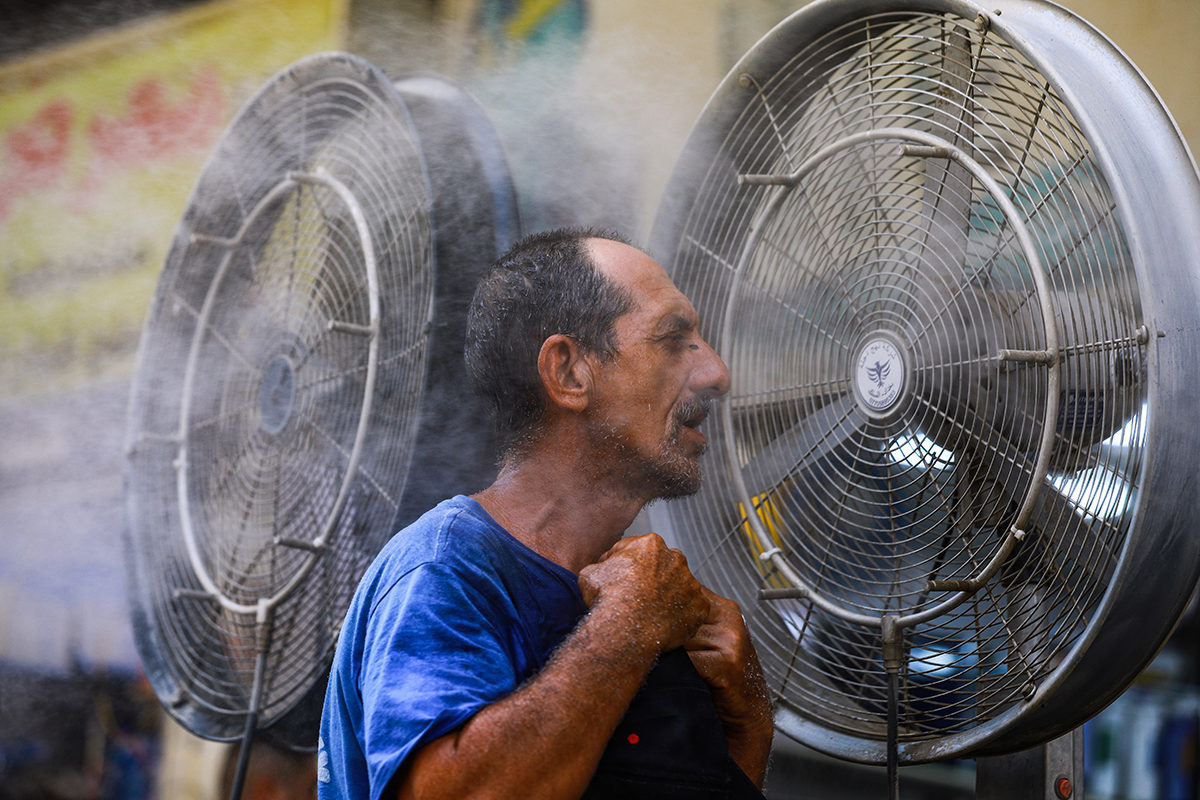
Expert Views: The implications of this summer’s scorching heatwaves
What began as a summer heatwave of significantly above-normal temperatures in Europe expanded to a series of successive heatwaves that has afflicted most of the northern hemisphere. Temperatures reached and remained at substantially elevated levels in the months of June and July, breaking historical records in many countries across Europe, Asia, North America, and the Middle East.
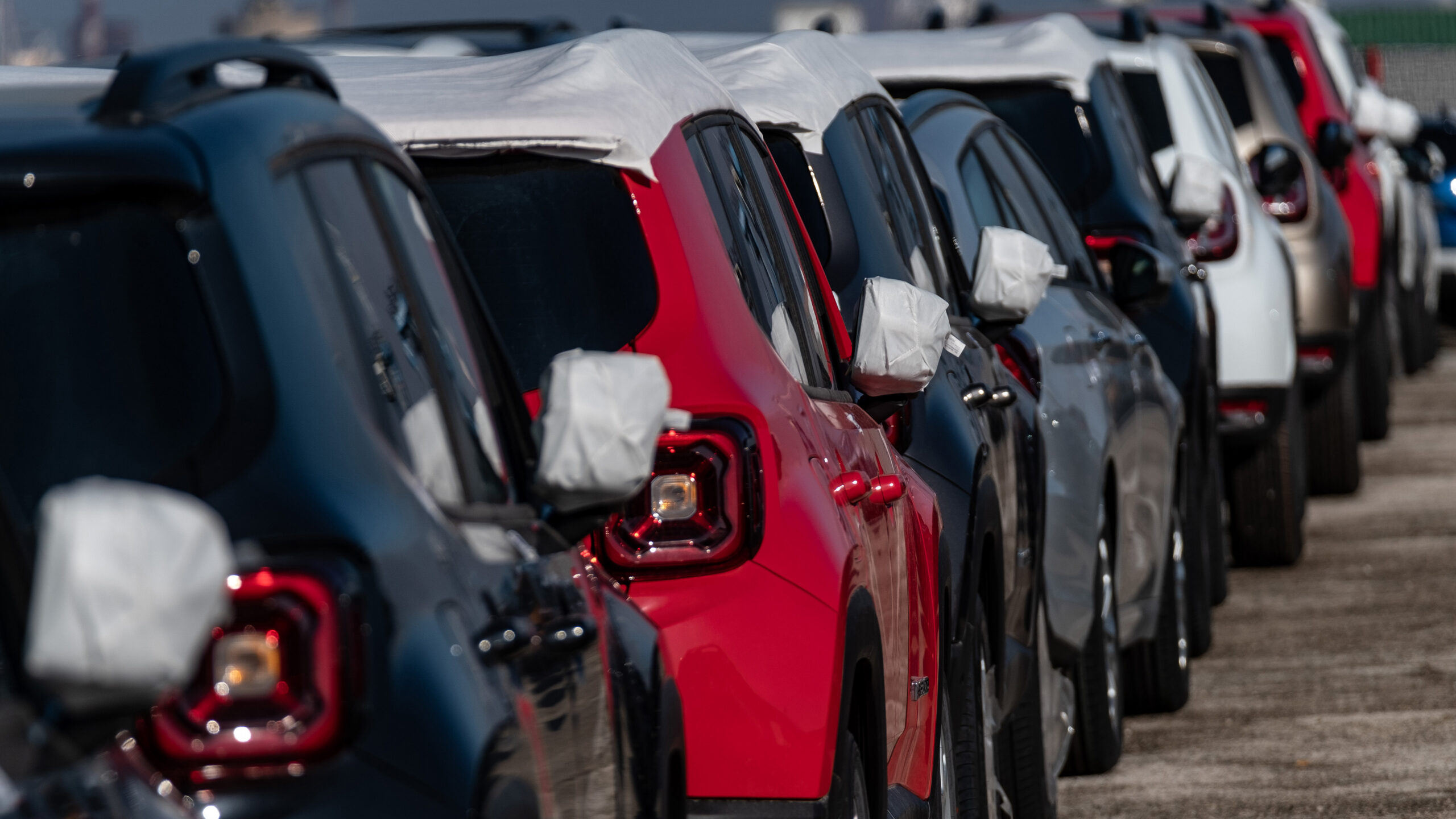
Morocco’s green mobility revolution: The geo-economic factors driving its rise as an electric vehicle manufacturing hub
Rabat’s recent announcement that it would soon sign an agreement for the construction of a “gigafactory” to make electric vehicle (EV) batteries has placed Morocco in pole position to become a green mobility leader in the Middle East and North Africa.
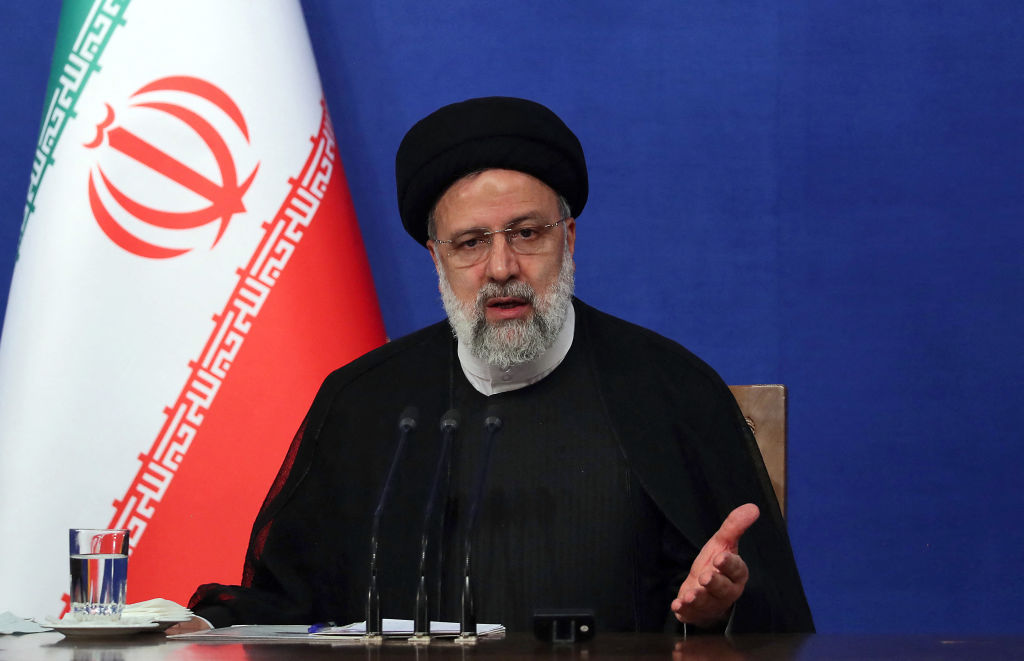
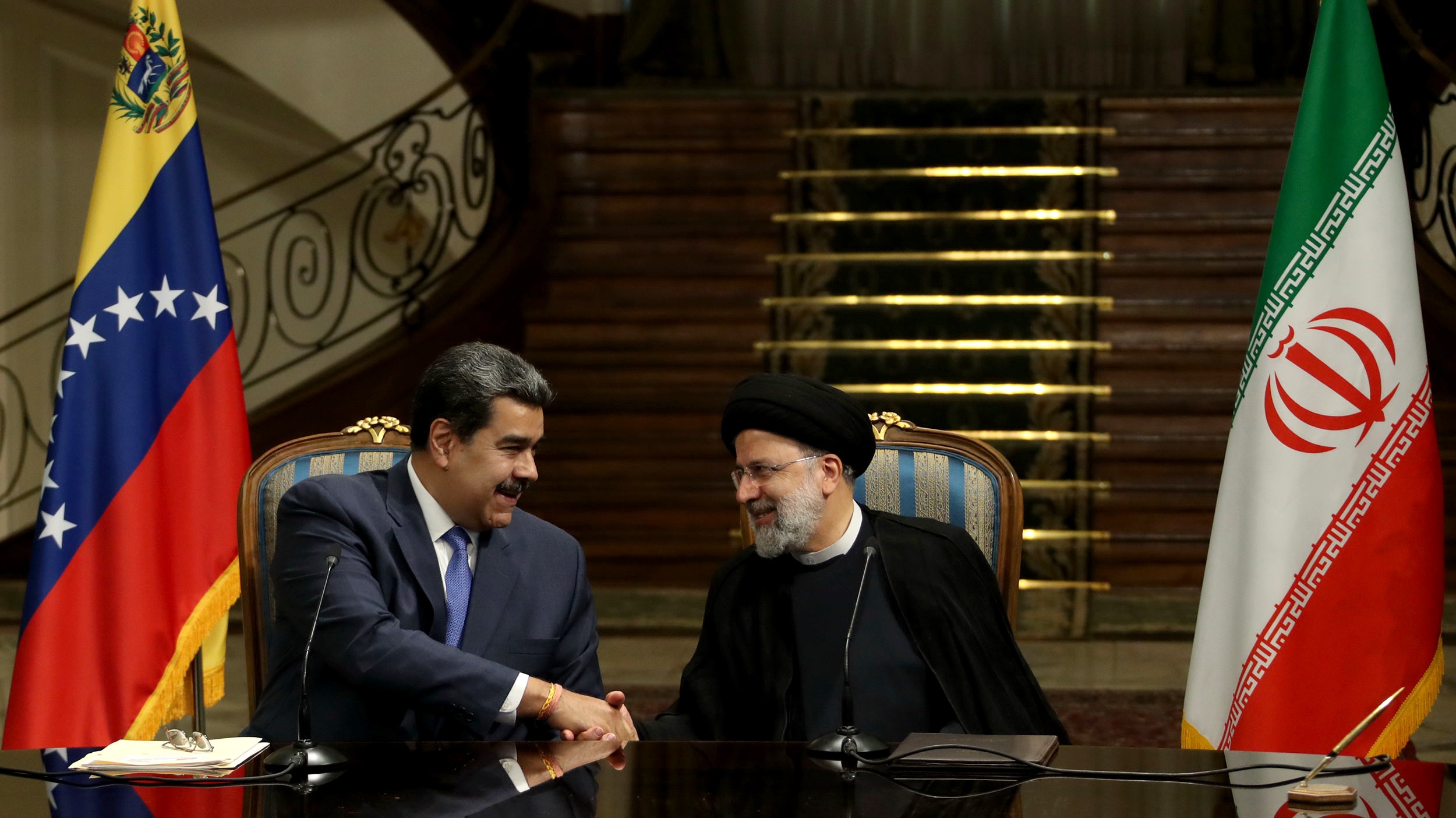
Iran-Venezuela relations: Presidents, postures, and pressures
In June, Iran and Venezuela signed a 20-year road map on cooperation. As much as Iranian President Ebrahim Raisi has wanted to differentiate himself from his predecessor, his Venezuela policy has so far closely resembled that of Hassan Rouhani during the latter’s second term.
مثل الولايات المتحدة وأوروبا، شهد المغرب بدوره ارتفاعًا في معدلات التضخم مؤخرًا، مسجلة معدلا وصل 6.4 في المائة خلال يوليو 2022، وهو تضخم قادم من الخارج، يسمى ب”التضخم المستورد”. فبفضل سياسته النقدية المتينة، تمكن البلد من إبقاء التضخم عند الحد الأدنى في الماضي، لكن الوضع تغير الآن، كما أن السياسة النقدية المحلية غير قادرة على مواجهة العوامل الخارجية التي أدت إلى الارتفاع الأخير في الأسعار.
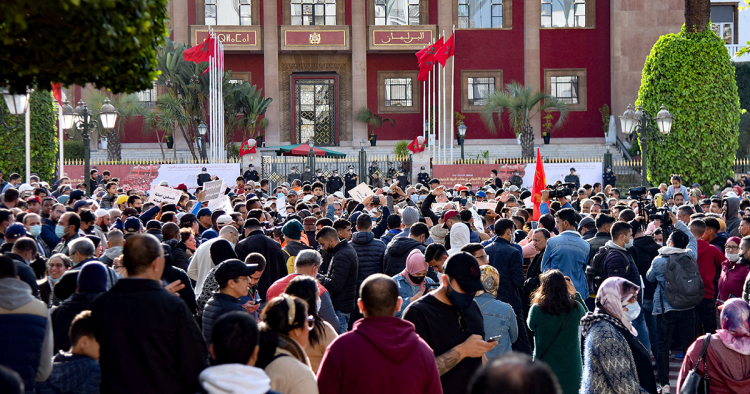
Like the U.S. and Europe, Morocco, too, has seen inflation rates rise recently. Morocco was able to keep inflation to a minimum over the past decade, but now things have changed and domestic monetary policy seems unable to address the external factors driving the recent rise.