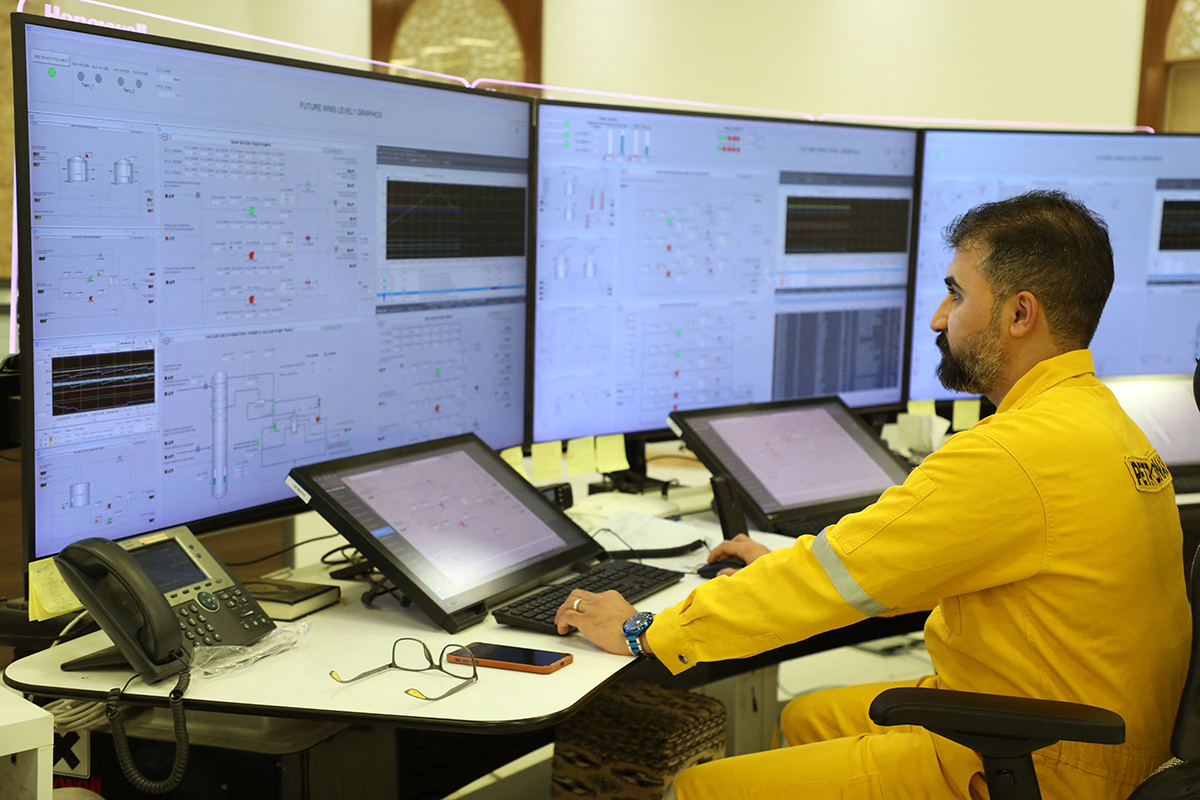
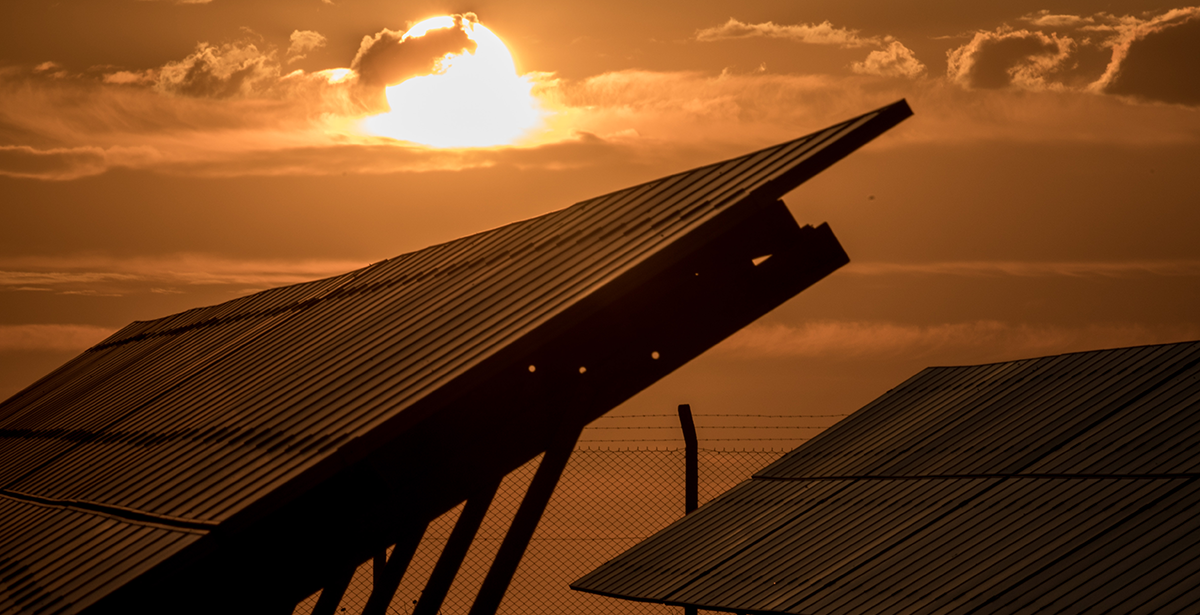
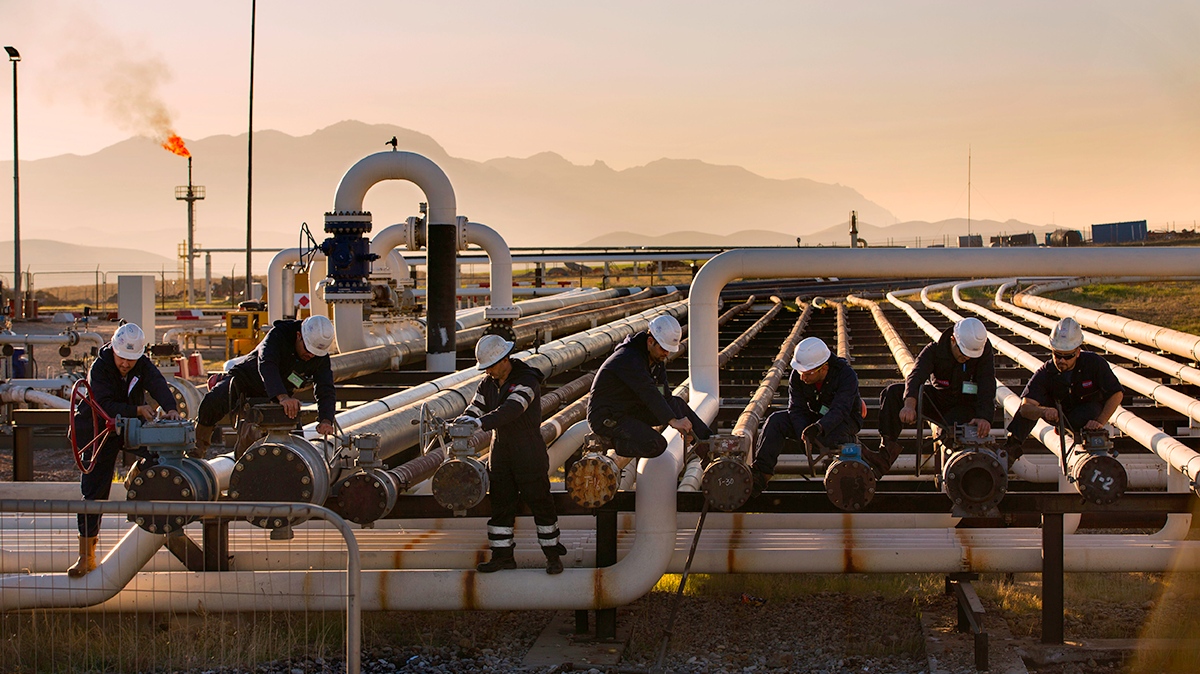
The next few decades will be crucial for Iraq and the KRG as global changes reshape the energy sector. The push for sustainable development, the Paris Agreement climate goals, and associated efforts in areas like renewable energy, climate change, and environmental protection will bring about a transition across the sector, affecting everything from employment and working patterns to governance.
Algeria’s 2023 budget: President Tebboune’s make-or-break first-term project
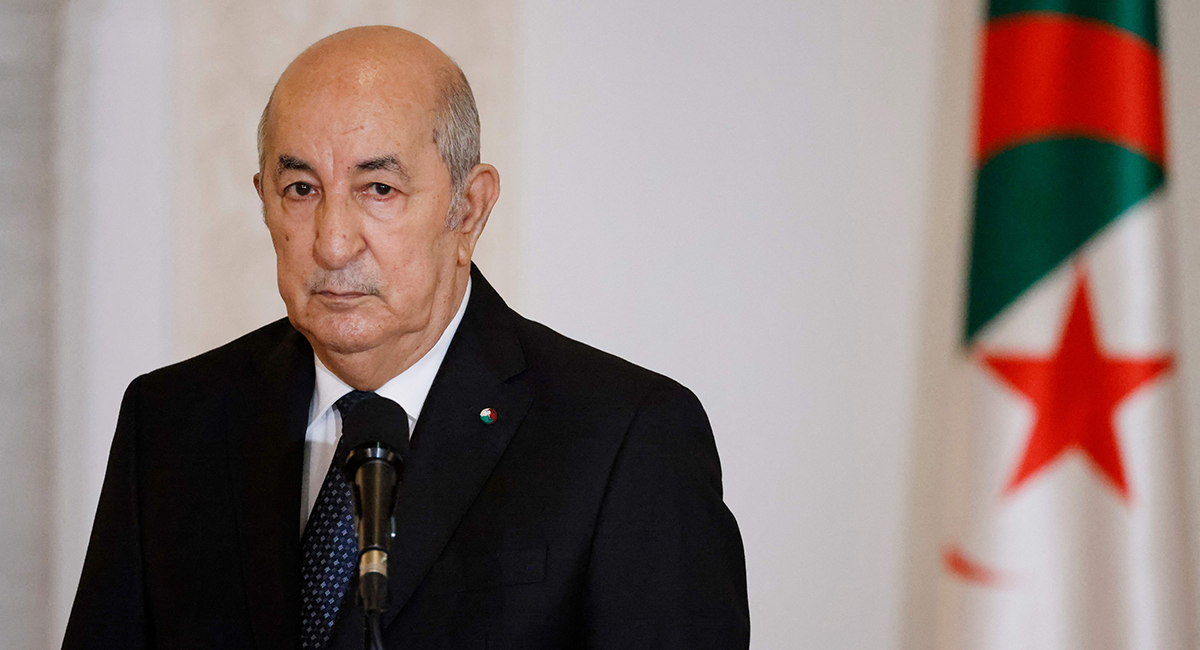
On Dec. 25, 2022, Algerian President Abdelmadjid Tebboune signed the 2023 budget bill into law. The new finance law lays out unprecedented government spending of $98 billion, the largest state budget in Algeria’s history and a 25% increase from 2022 levels. It also provides clear insight into the authorities’ vision for the future and potential scenarios for Algeria’s direction on the economy and international relations.
Turkey’s crisis management playbook: Donations, reconstruction, and inflation with an eye on elections
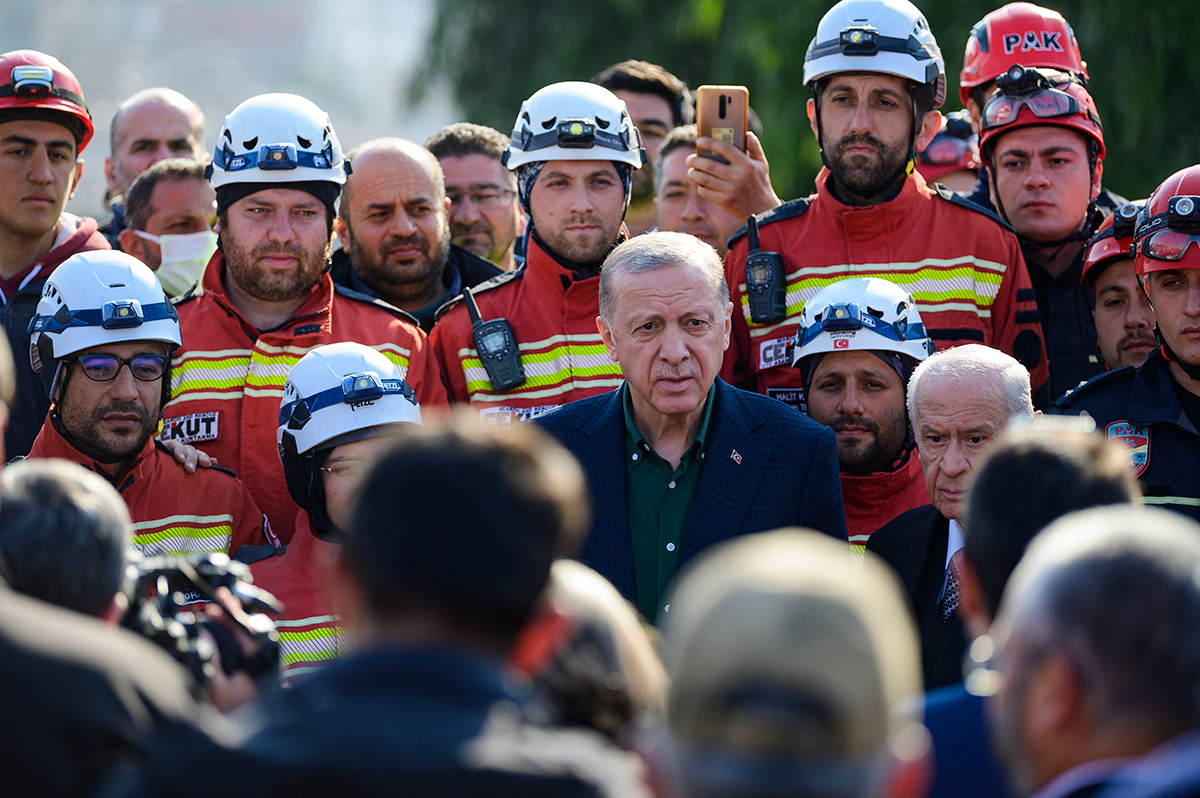
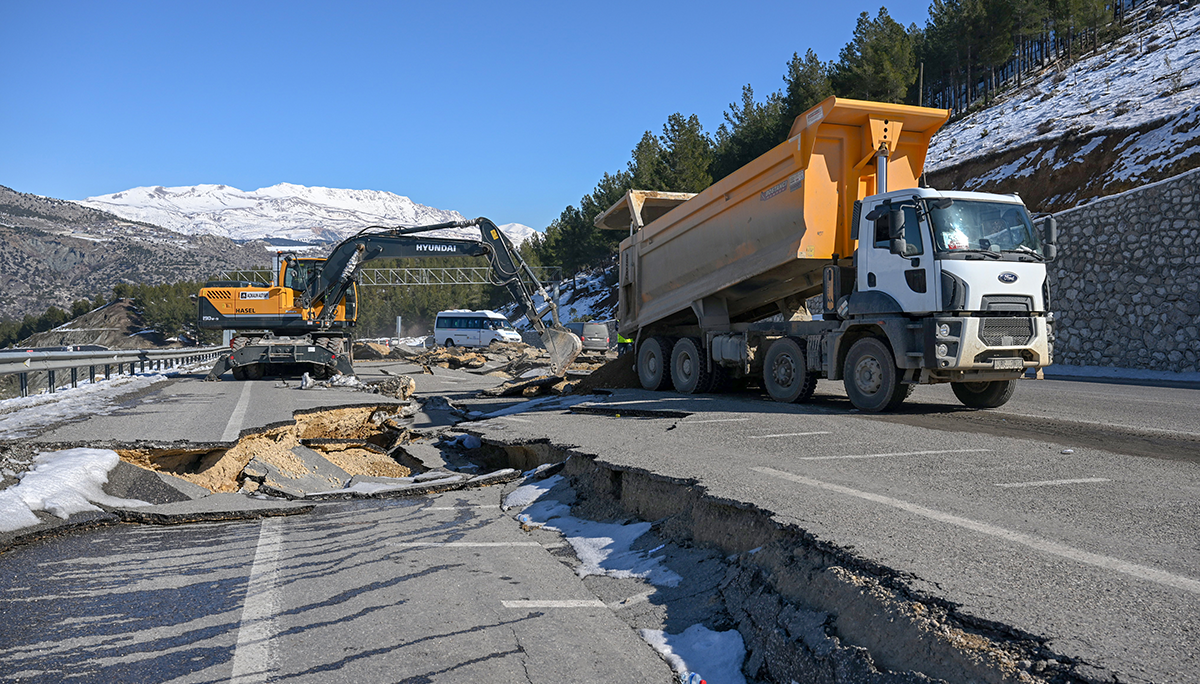
Turkey has suffered severely from the two major earthquakes on Feb. 6, 2023. The death toll is a record high, exceeding 45,000. Physical damage from the earthquakes will cost at least $20 billion. GDP growth will be 2.0-2.5% less than forecast before the disaster, adding nearly $20 billion. The combined economic losses due to damaged assets and slower growth expectations may end up being much higher than $40 billion when the government releases a detailed and reliable disaster loss report covering human resources.
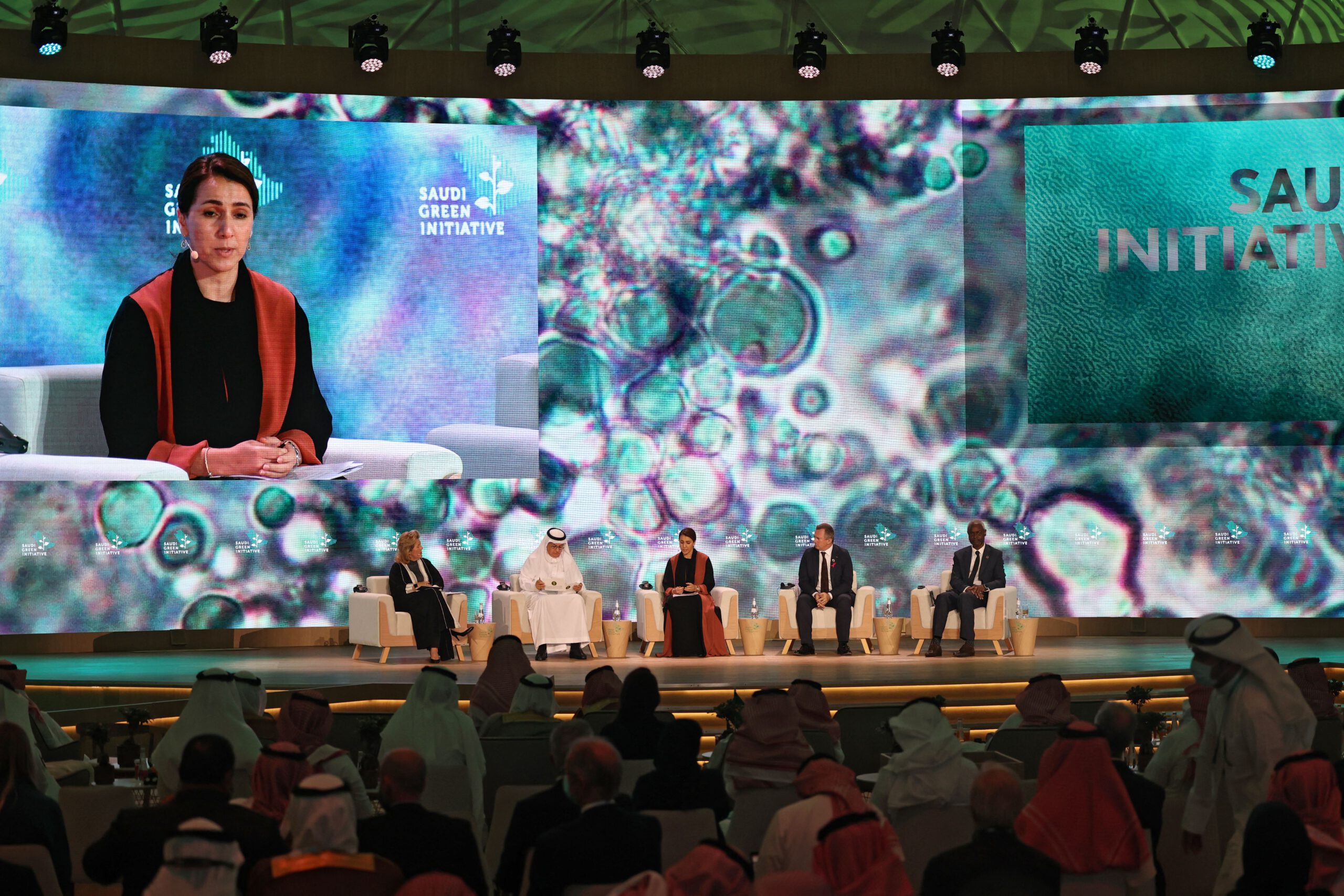
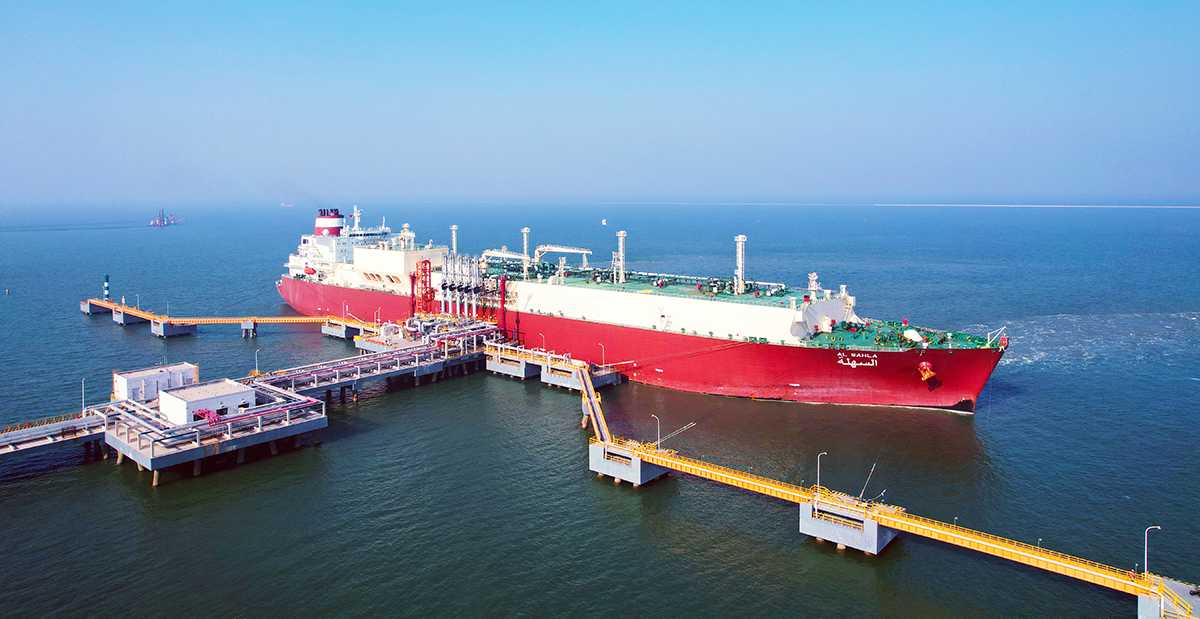
The Gulf Arab states, while major oil and gas producers, can play a significant role in supporting global efforts to achieve net-zero goals. They are not only endowed with great potential for renewable energy resources as well as some of the world’s lowest carbon content fuels, but also with, to varying extents, sizable financial resources. Yet, to unlock such huge potential, the Gulf Arab states will need to systematically identify and address the various challenges in their path to net zero.
Challenges new and old: The myriad economic issues affecting MENA through the lens of public opinion
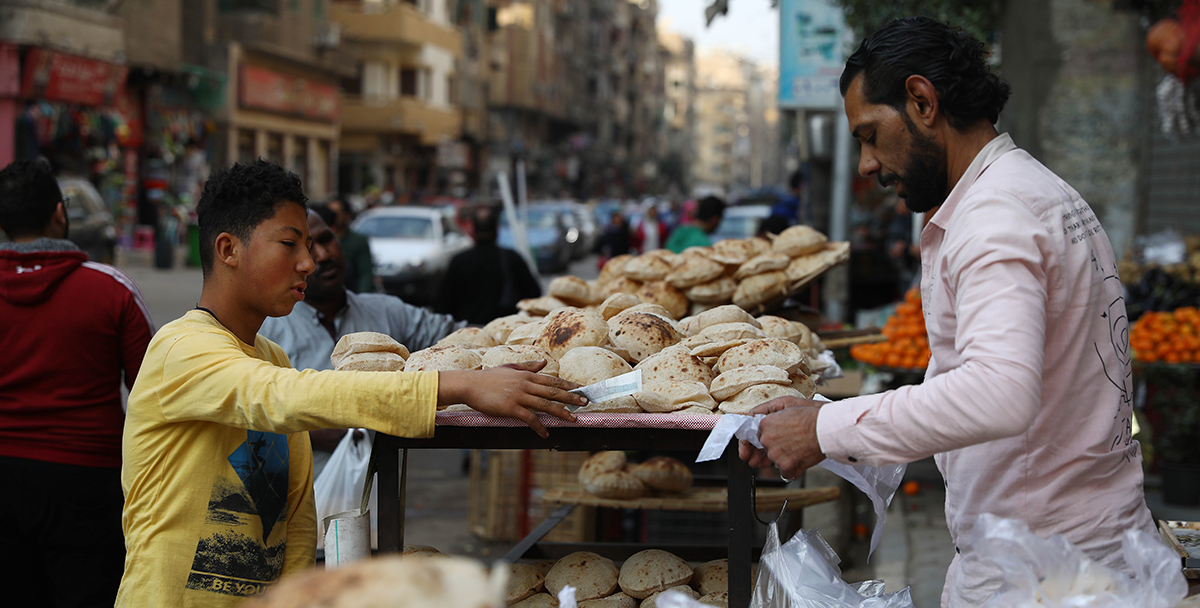
For more than a decade, policymakers in developing countries in MENA have been confronted with high inequality, low growth, rising poverty, and high youth and female unemployment. They now face new challenges as well. This note briefly identifies some of the most important issues affecting the region, relates them to the results of a recent survey of 12 Arab countries carried out by Arab Barometer, and suggests some pathways out of the current quagmire.
The dilemma of public sector salary payments in Yemen
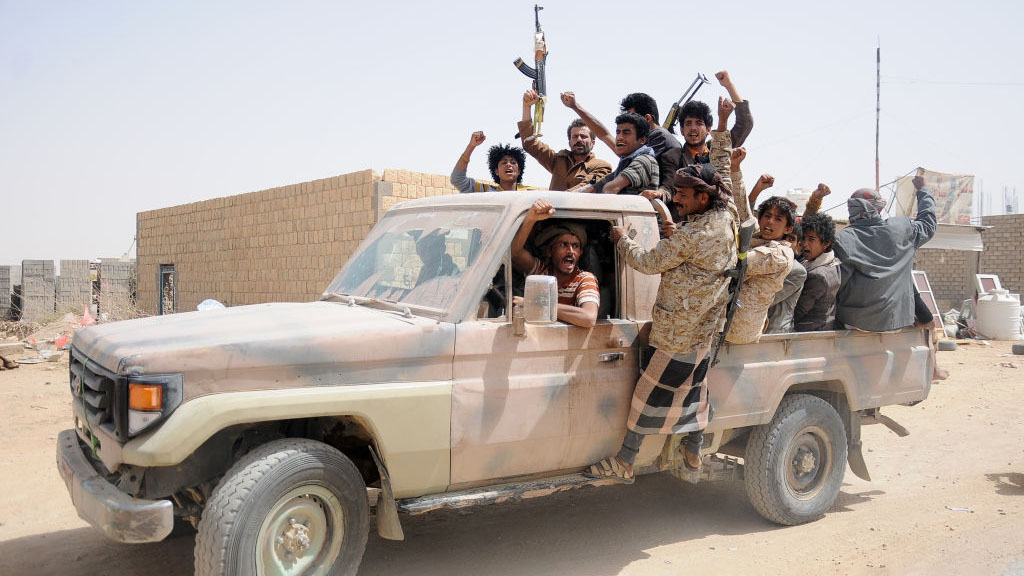
Amid international efforts to resurrect the fragile peace in Yemen, the Iran-backed Houthi militia is imposing stringent conditions for their return to the negotiating table, demanding that state payments of civil servant salaries also go to their militia members and loyalists through direct deposits, which would bolster both their forces and their transnational allies. While the need to compensate Yemeni civil servants is undeniable, the Houthis’ self-serving demands threaten to undermine any progress toward a lasting peace.
Iraq needs renewables, but they won’t solve its power problems without broader reforms
Despite massive hydrocarbon reserves, Iraq struggles with chronic electricity shortages. There is a clear need to explore cleaner alternatives, such as renewable energy systems, yet the deployment and integration of these systems would be hindered by the same structural woes that have crippled the electricity sector, and which go far beyond generation issues.
The geopolitics of energy transition in MENA: Mitigating risks, exploring new opportunities
Energy remains at the heart of the geopolitical chessboard. Despite recent advances in the development of renewable energy sources, their share in the energy mix remains limited as oil still meets most of the transportation sector’s needs. The development of renewable energies is not yet able to drastically change this reality.
Already vulnerable, Turkey’s economy now faces massive earthquake recovery costs
After a difficult year, things finally seemed to be looking up for Turkey’s beleaguered economy in early 2023. But then on Feb. 6 the worst happened: Turkey and Syria were hit by a pair of massive earthquakes, resulting in tens of thousands of deaths and untold damage. How did Turkey’s economy stabilize in second-half 2022, what do we know about the economic impact of the earthquakes, and where might things be headed going forward?
Egyptian government walks risky economic tightrope to fulfill its loan conditions to IMF
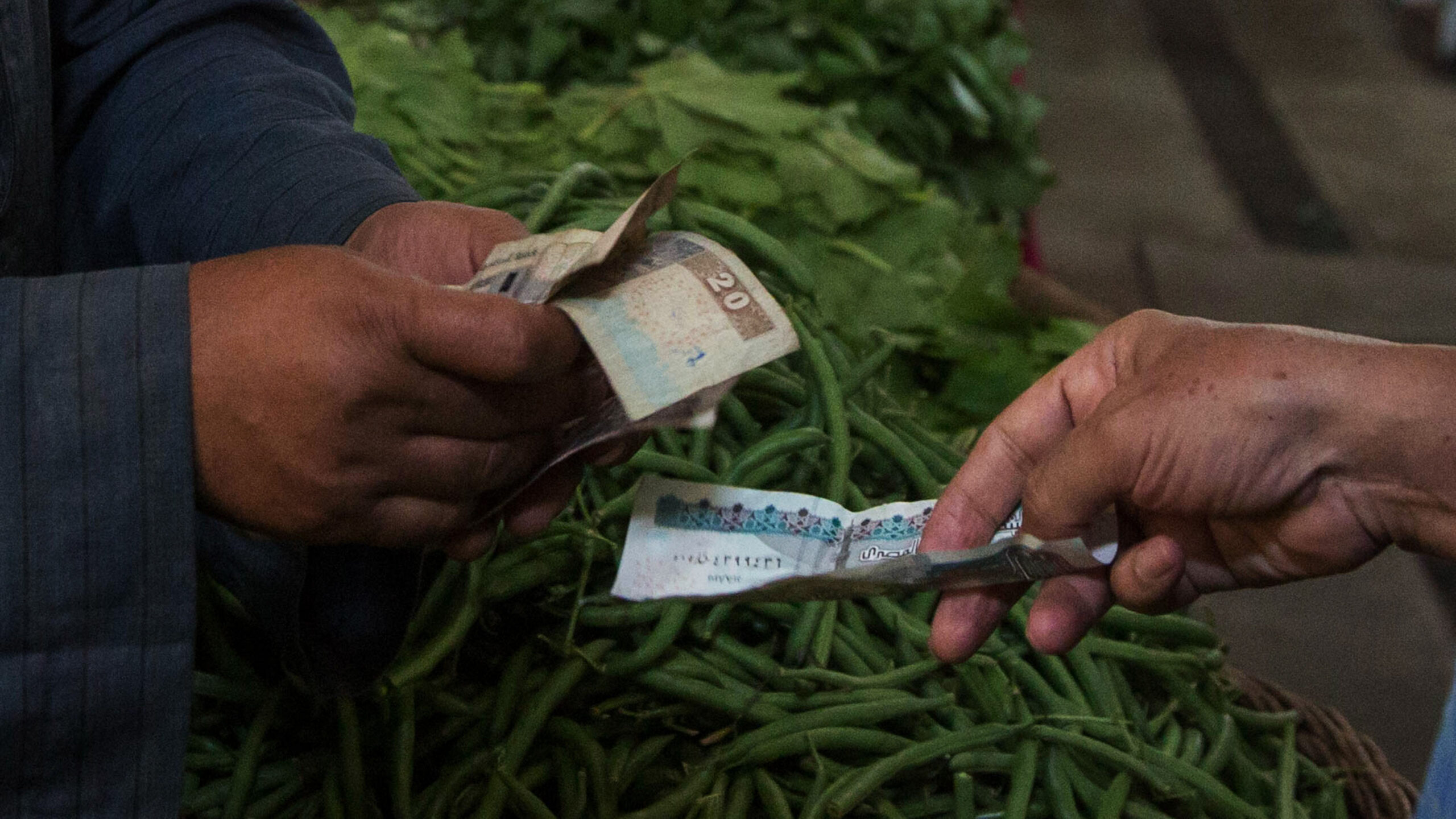
As a condition of its $3 billion loan from the IMF, the Egyptian Central Bank confirmed its pledge to maintain a durably flexible exchange rate. The Egyptian pound quickly and sharply dropped, but economists are cautiously optimistic that Egypt can sustain the current crisis and repay its debts. The government is walking a tight rope, attempting to raise revenues and attract investments without exacerbating the tough living conditions at home.
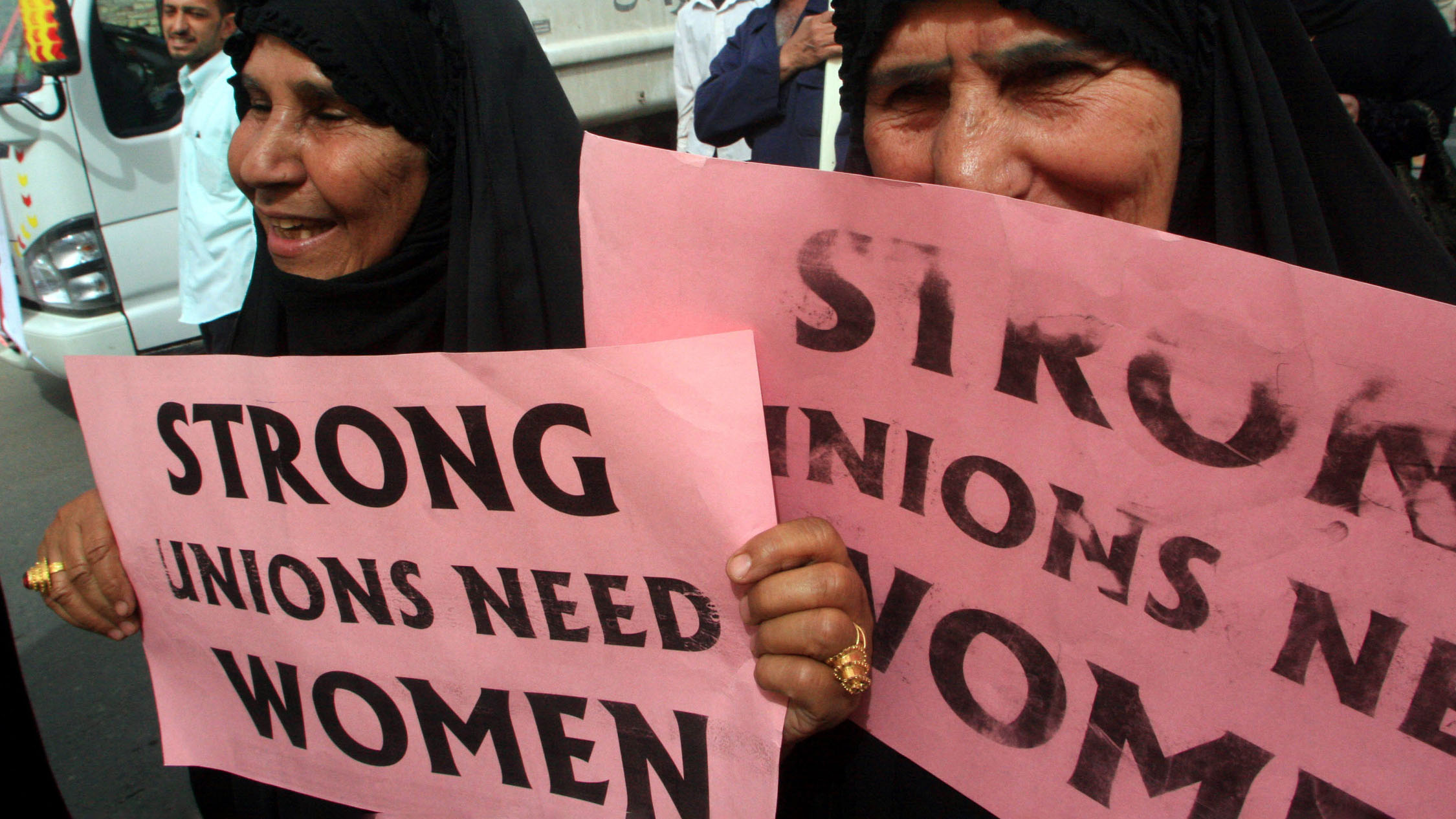
Gender gaps in MENA remain stubbornly entrenched, despite positive trends
Key findings from the latest Arab Barometer survey, its seventh wave, reveal that, despite some political gains in several Arab states, clear majorities in the 12 countries in which the survey was conducted still hold traditional views on gender norms.
The issue of diversification is difficult but urgent, given increasingly tight global climate policies, the advances of non-fossil technologies, and the limited lifespan of the KRI’s oil resources. Harnessing the region’s natural gas productively is the first step to a cleaner and more diversified economy.
A new momentum: Recalibrating Germany's foreign policy toward the Gulf monarchies
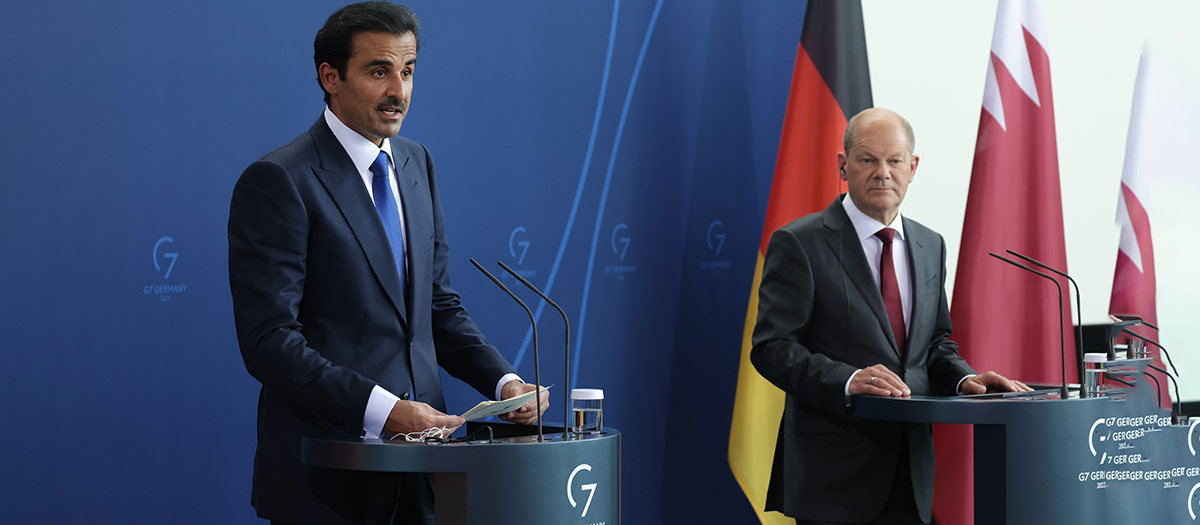
Facing the profound challenge of trying to diversify its energy supply while a destabilizing war rages on in Ukraine, Germany has looked to several Gulf monarchies to forge new energy partnerships. Notwithstanding heated domestic debates over controversial topics such as their human rights record, Berlin should consider a more comprehensive strategic approach toward the Gulf monarchies that encompasses issues beyond energy supply, such as joint efforts in regional integration and development.
Climate-induced migration in the GCC states: A looming challenge
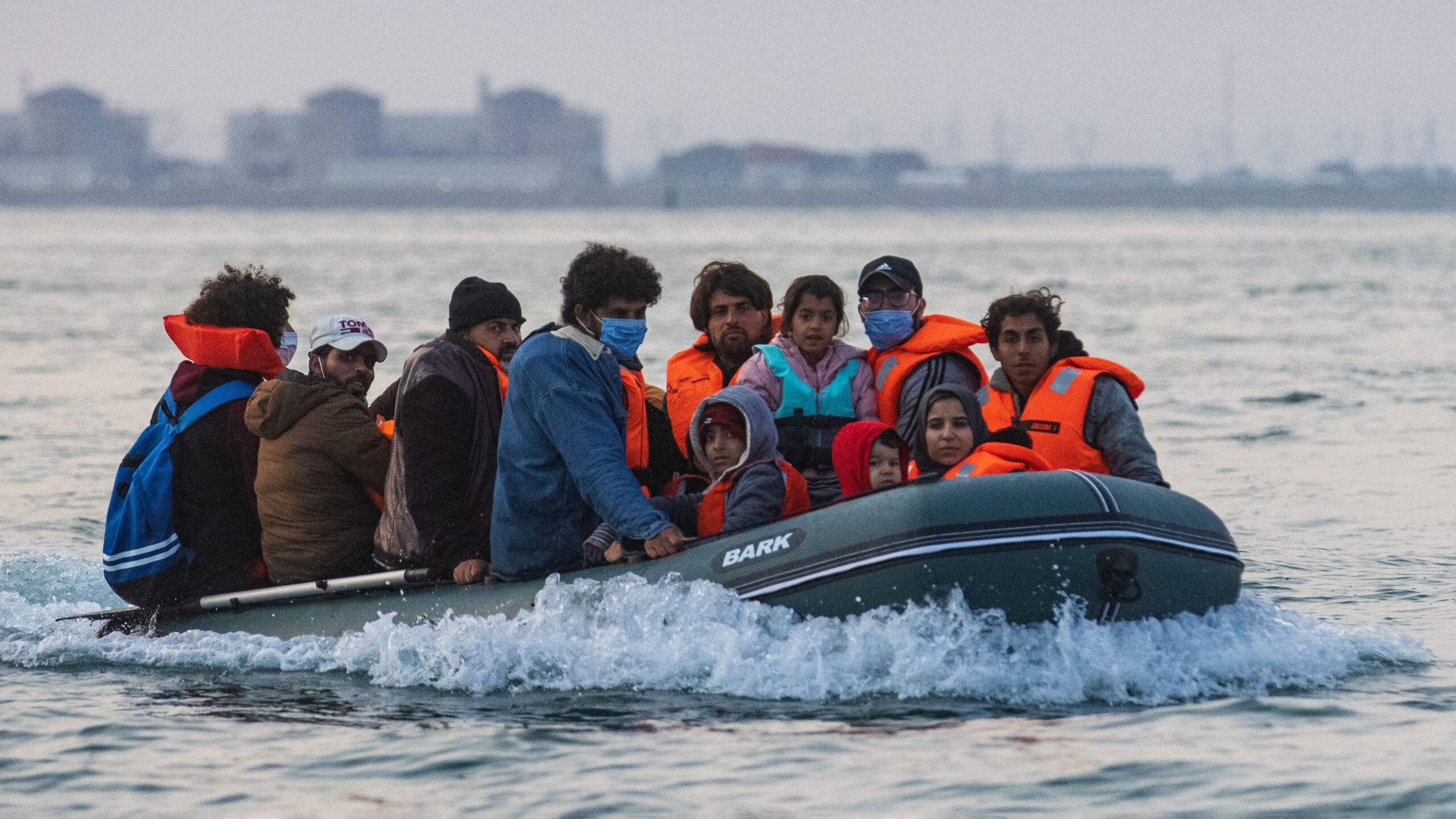
Gulf states are collectively investing billions of dollars in developing renewable energy. Yet climate change patterns in neighboring regions, combined with rising average temperatures, could eventually trigger more serious climate migration problems for the Gulf countries themselves.