Pakistan and the Middle East’s evolving approach to Afghanistan
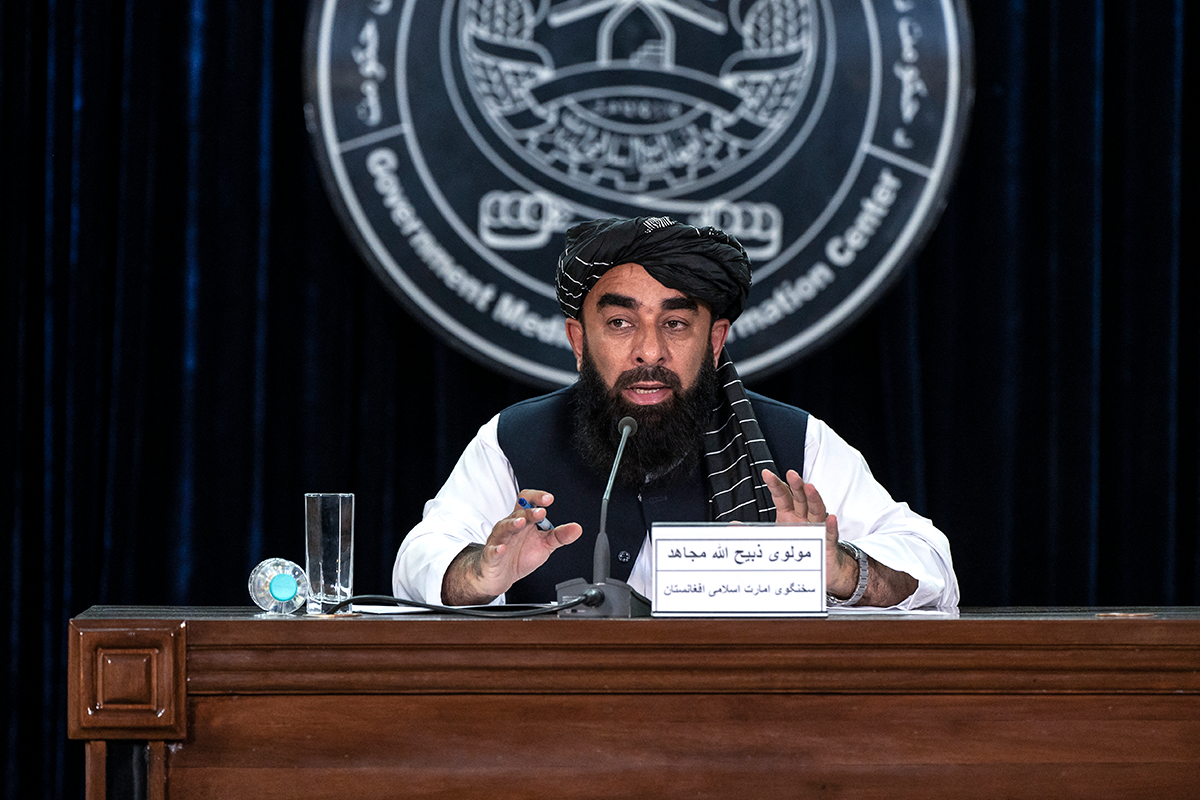
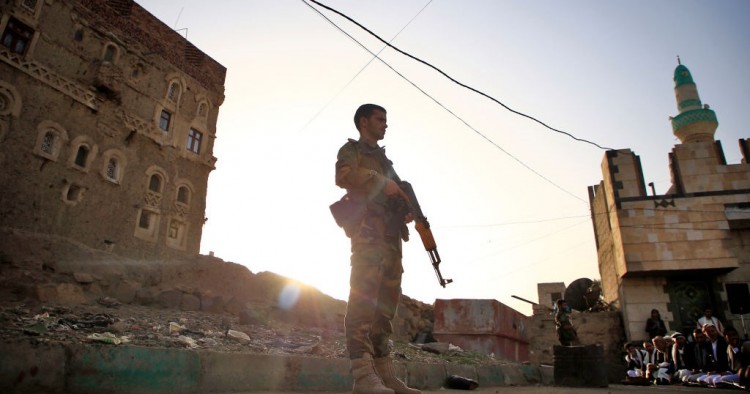
Afghanistan has long been an arena for proxy contestations by regional powers, which have adopted rather divergent Afghan policies over the past several decades of foreign occupation and are doing so again now when the country is in the vicelike grip of a resurgent Taliban.
Djibouti dodges scrutiny despite China, Iran, Houthi ties and links to illicit activities
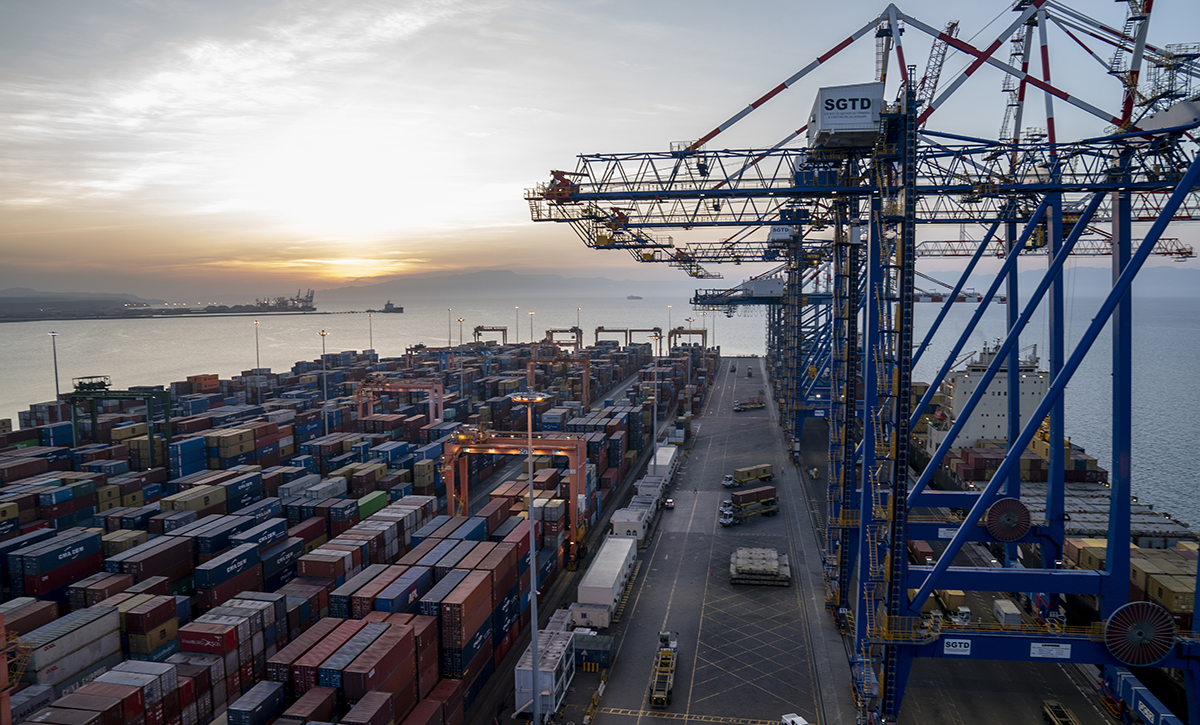
The Bab el-Mandeb Strait, which connects the Indian Ocean and the Red Sea through the Gulf of Aden, is a crucial chokepoint for global maritime commerce. Despite the strait’s importance, the waters around it have long been plied by smugglers of weapons and other illicit goods. Djibouti today is an important player in trade in the Horn of Africa region, but it also serves as a conduit for Chinese influence, has been linked to malign actors like Iran and the Houthis, and has faced allegations of involvement in various grey and black market activities, including money laundering, illicit finance, oil smuggling, and weapons trafficking.
Powering up: Turkey-Iraq transmission line is part of a broader strategic shift
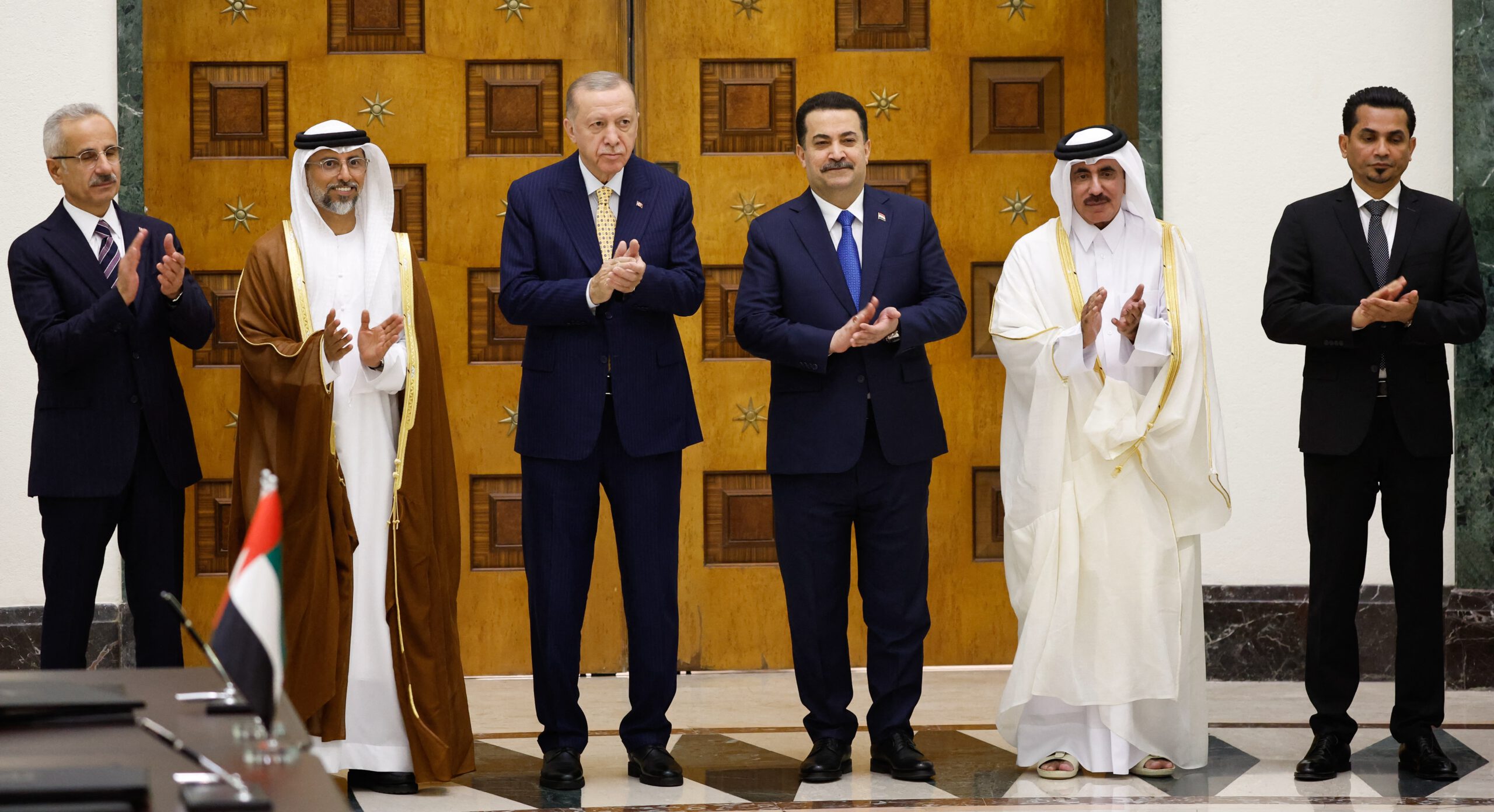
On July 21, 2024, Iraq inaugurated a new power line connecting Turkey and Iraq to handle Turkish electricity imports. Iraq is operationalizing this new power line with the goal of ensuring a more stable energy future, reshaping its geopolitical relationships, and reducing its reliance on Iran.
Monday Briefing: The Middle East is the closest it has ever been to an all-out war
After 10 months of Israel’s war on Gaza, the US administration has lost control over its ally and the fear of its opponents. As a result, Washington has only limited, if any, impact on the cost-benefit escalation calculus of the fighting sides. The Middle East is today the closest it has ever been to an all-out multi-front regional war.
Iran strives to become a pan-sectarian Islamic power
The success of Iran’s Islamic Revolution in 1979 marked the first time in modern history that a secular regime in the Middle East was toppled in favor of a theocratic, Islamist order. Over the following decades, the Islamic Republic of Iran’s primary objective has been to become a regional hegemon. In pursuit of this goal, Iran’s Shi’a clerical leadership has been willing to adopt a remarkably pragmatic approach, allowing it to often diverge from its religious dogma.
A waiting game as the region teeters on the brink of full-blown war
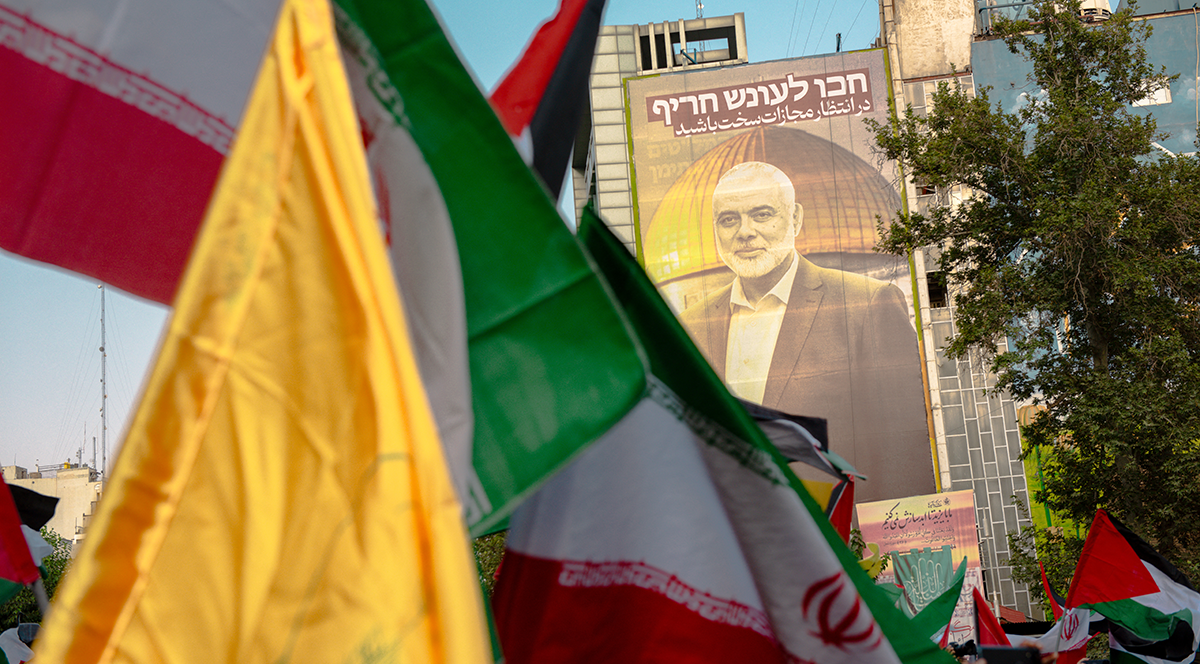
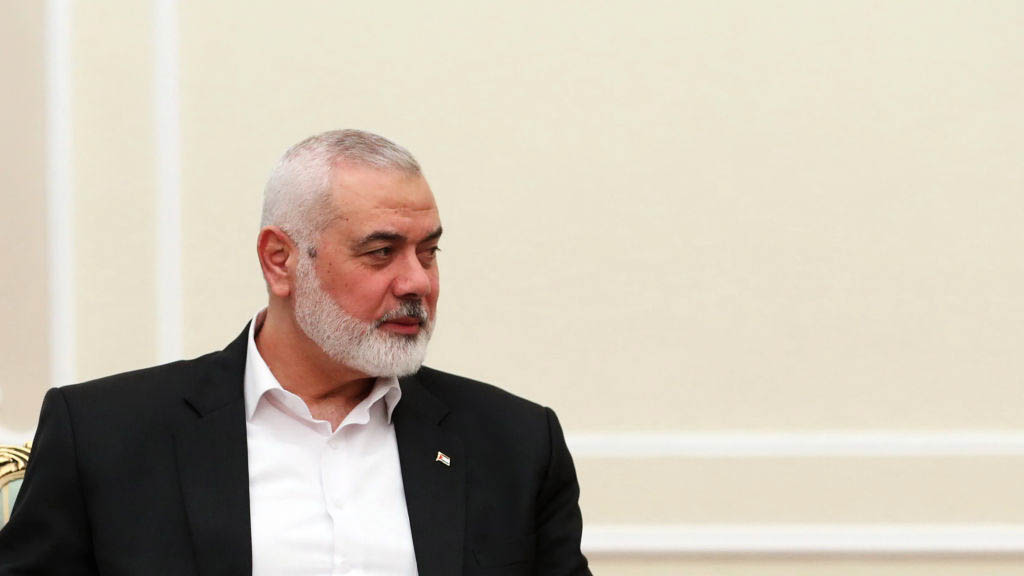
Israel’s targeted killing of Hezbollah military leader Fuad Shukr in Beirut and Hamas political chief Ismail Haniyeh in Tehran are explosive events for the region. Coming within 12 hours of each other, they were also an earthquake within the “Axis of Resistance” — but not one likely to encourage de-escalation. Far from it.
Special Briefing: The regional impact of Ismail Haniyeh’s assassination
In a new special briefing, scholars from across MEI weigh in with their thoughts on the assassination of Hamas political leader Ismail Haniyeh and the potential regional impact.
Israeli Strikes and the Risk of Regional Escalation
This week’s episode looks at the dramatic regional developments of the past 24 hours, including the Israeli strike on a top Hezbollah commander in Beirut and the assassination of Hamas political leader Ismail Haniyeh in Tehran. The strikes mark a significant escalation, and are expected to provoke retaliation from Iran and Hezbollah that could potentially ignite a wider regional conflict.
Russia and China’s differing engagements with the Houthis
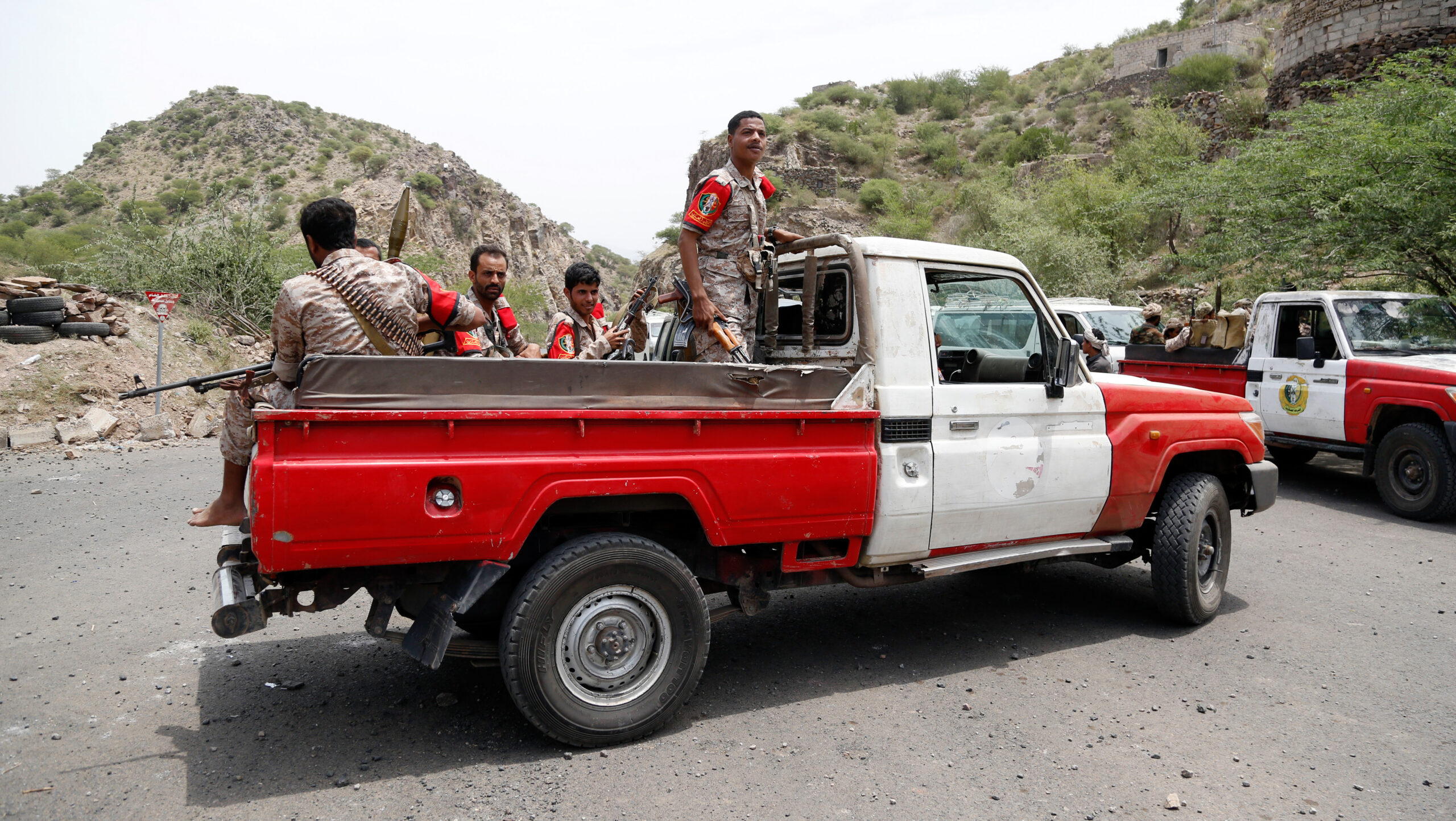
Although Russia and China are in regular dialogue with the Houthis, the motivations that undergird the engagements of both countries differ markedly. The Houthis regard both Russia and China as partners against American unilateralism but have a warmer relationship with Moscow.
The Limits of Biden’s Middle East Diplomacy: An Assessment of US Policy, April-July 2024
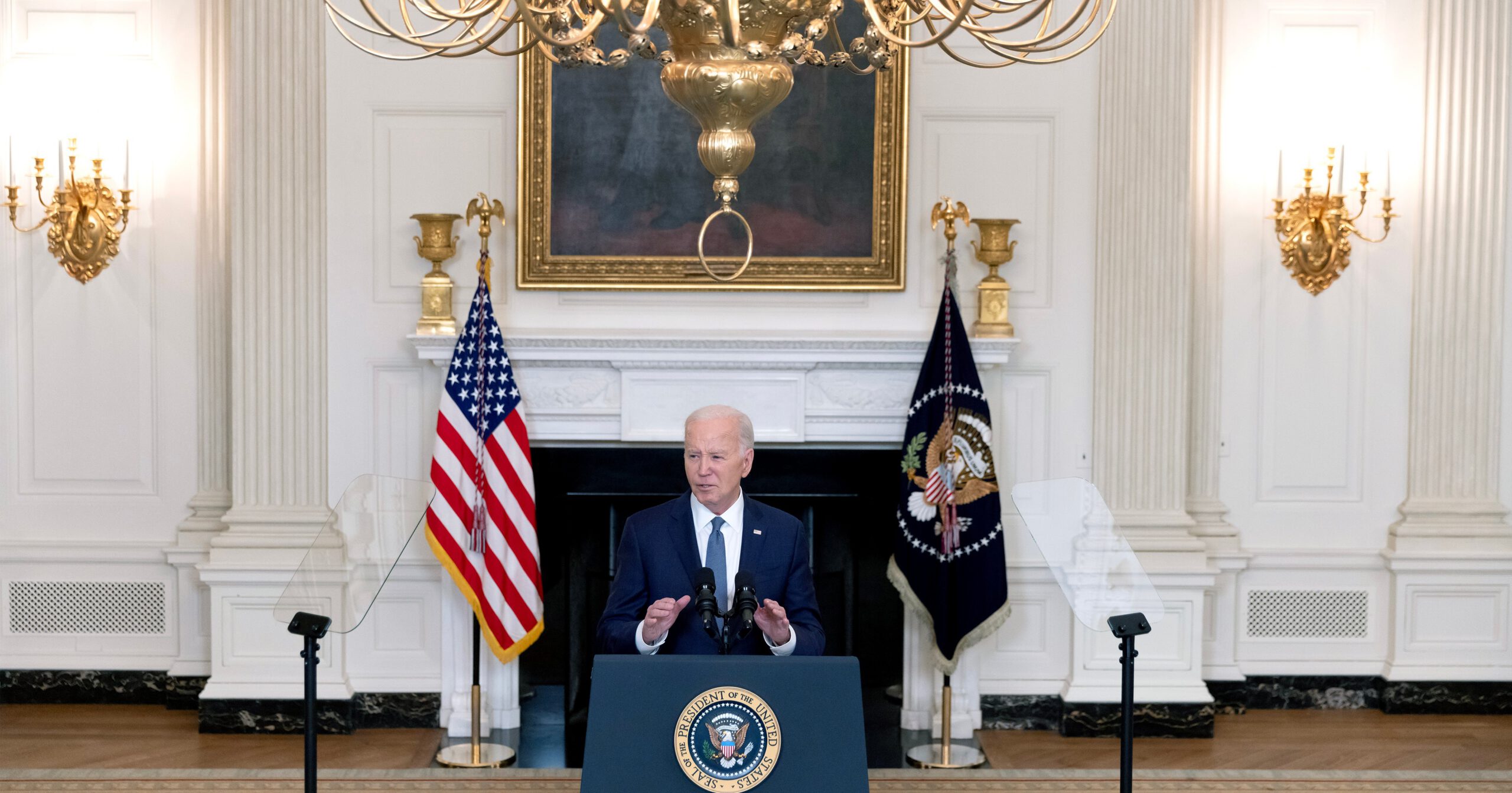
In reaction to the Oct. 7 Hamas attack on Israel and the subsequent Gaza war, the Biden administration articulated six main objectives. After nine months of the Israel-Hamas conflict, which has repeatedly threatened to spill out into neighboring theaters, the Biden administration’s success toward achieving these goals has mostly declined, not for a lack of effort but rather a reflection of considerable challenges in the environment and major shortcomings in policy conceptualization and implementation.
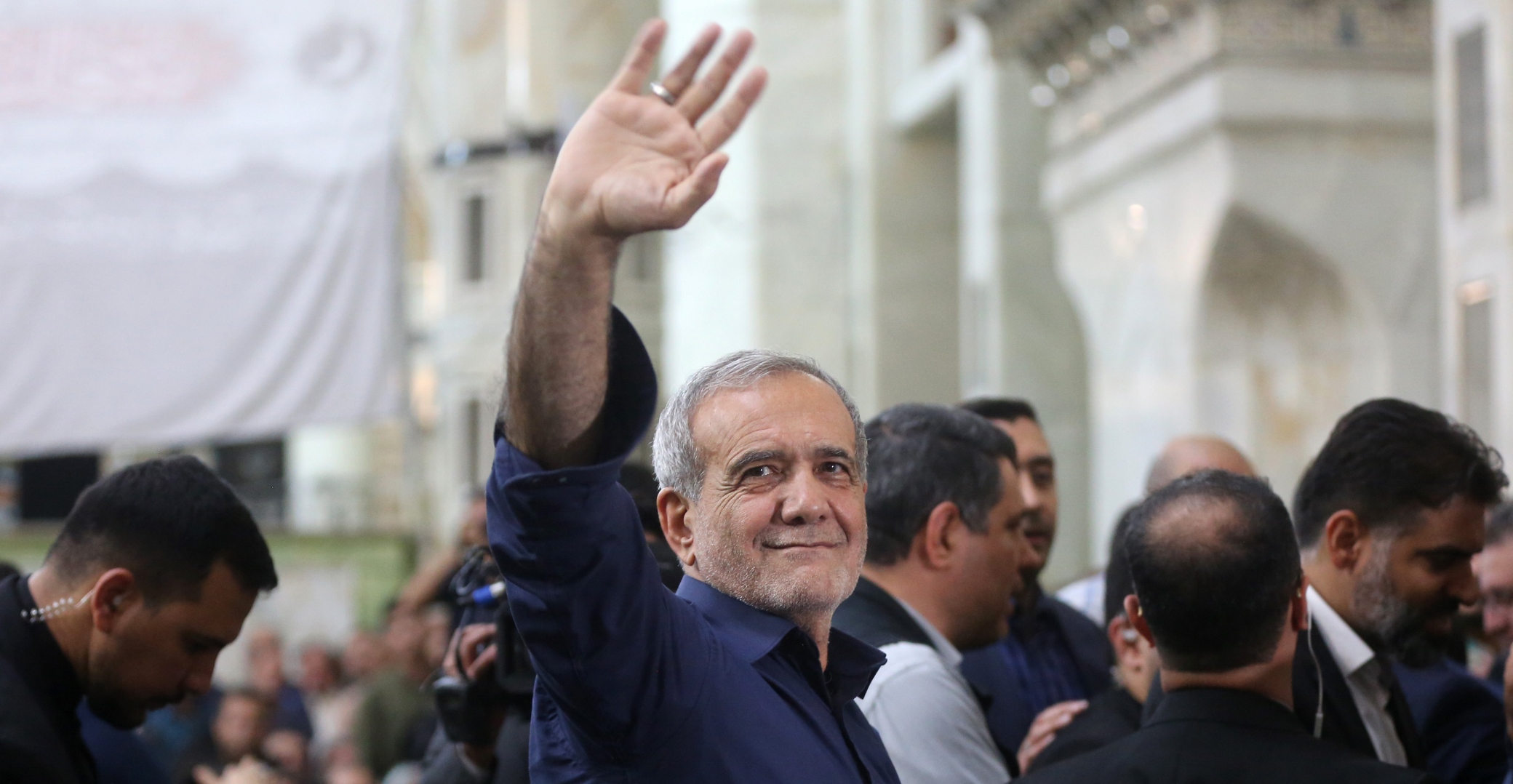
Why President-elect Pezeshkian’s focus on Arab ties makes sense for an Iran facing monumental socio-economic challenges
The conventional wisdom is that Iranian President-elect Masoud Pezeshkian is yet another bit of window dressing put up by the “deep state” in Tehran, which effectively calls the shots on the most contentious foreign policy files. But it might just be that Pezeshkian’s sudden emergence as president was orchestrated from the outset as a pretext for the Iranian regime to change course.
Houthi drone strike on Tel Aviv illustrates unstoppable “democratization” of high-technological capabilities
The recent Houthi drone attack on Tel Aviv, which struck an Israeli apartment building near the Embassy of the United States, killing at least one person, should surprise no one. And the fact Israel’s state-of-the-art air defense could not prevent it will probably embolden future attempts.
The geopolitical implications of Houthi attacks and Israeli retaliation
The Houthis’ strategy of escalation has the potential to upset the fragile balance of power in the Middle East and underlines the ability of smaller actors to influence larger geopolitical outcomes through calculated risks and alliances.
The situation in the Red Sea is not getting better
The current situation is not only intolerable – it is unsustainable. It is time to recognize that the Houthis, with strong and persistent support from Iran, are in a position to hold not only the US but virtually the entire global system hostage.