Monday Briefing: No surprises in Iran’s election, but what comes next?
Read MEI’s weekly briefing featuring expert analysis of key regional developments for the week ahead.
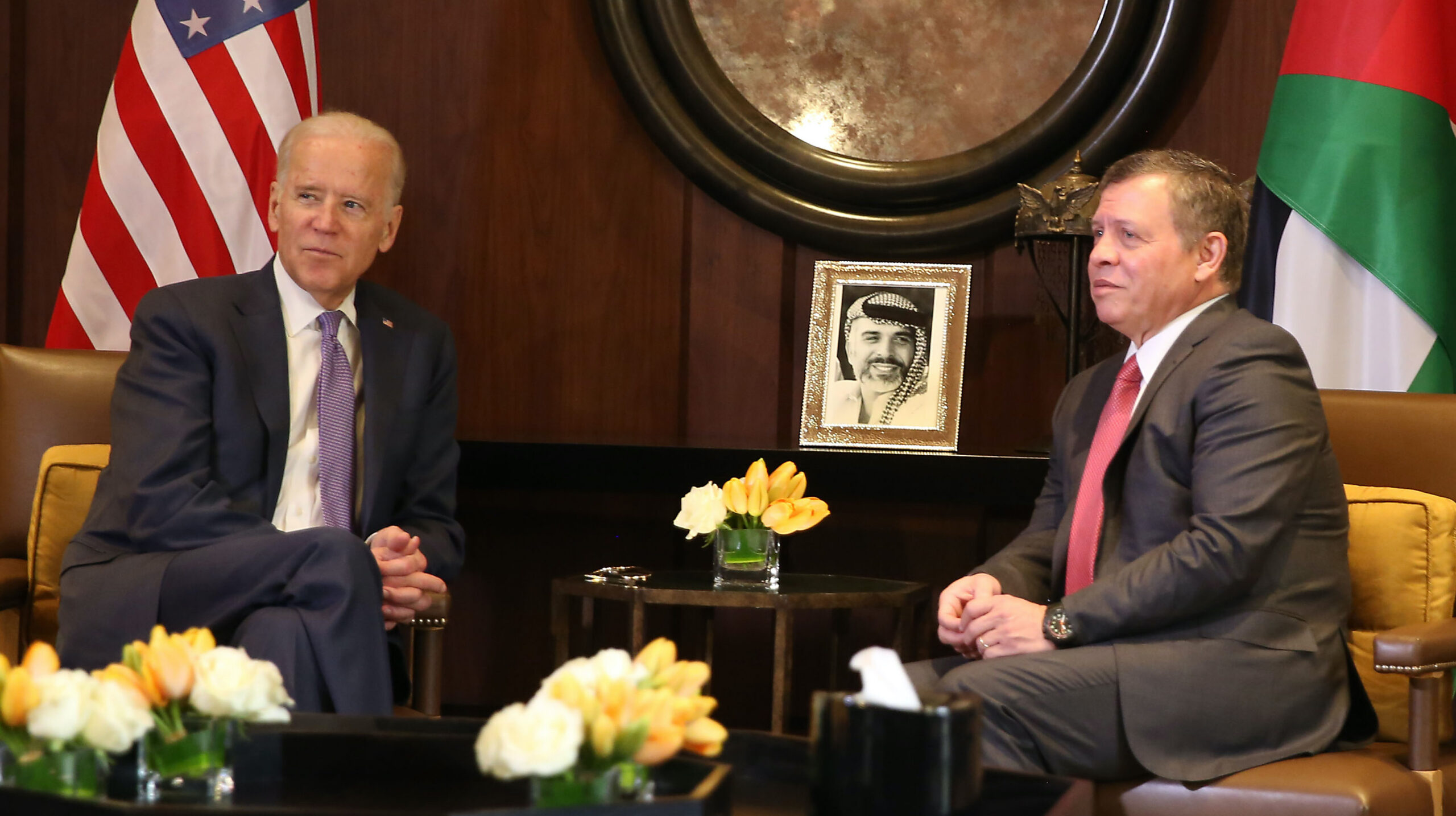
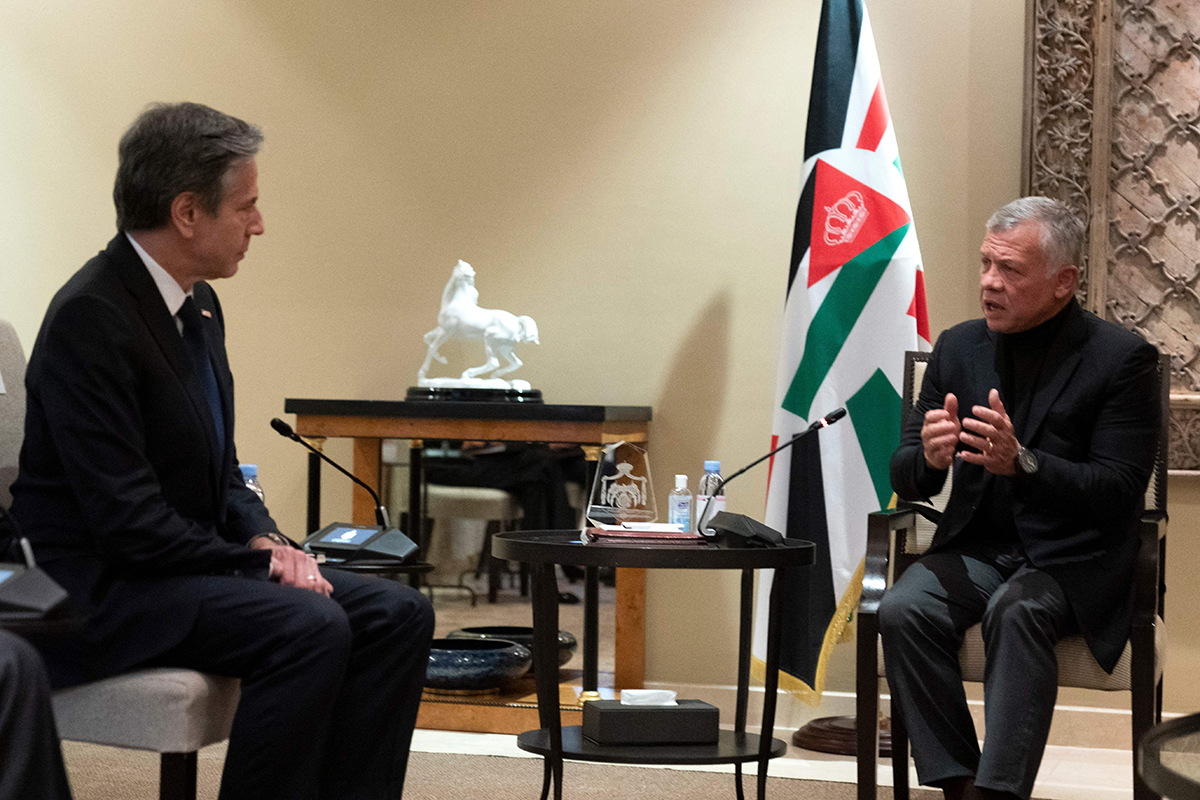
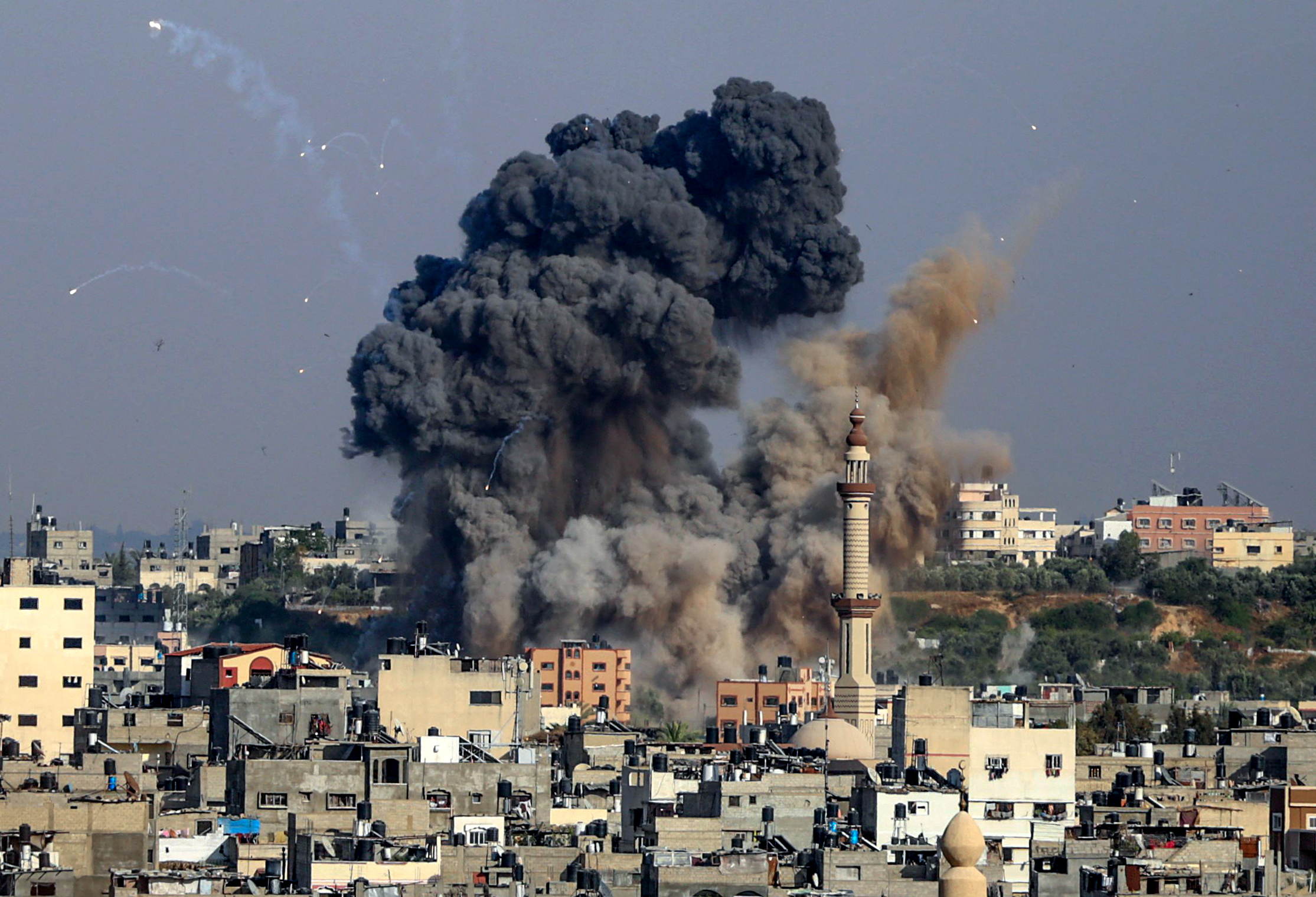
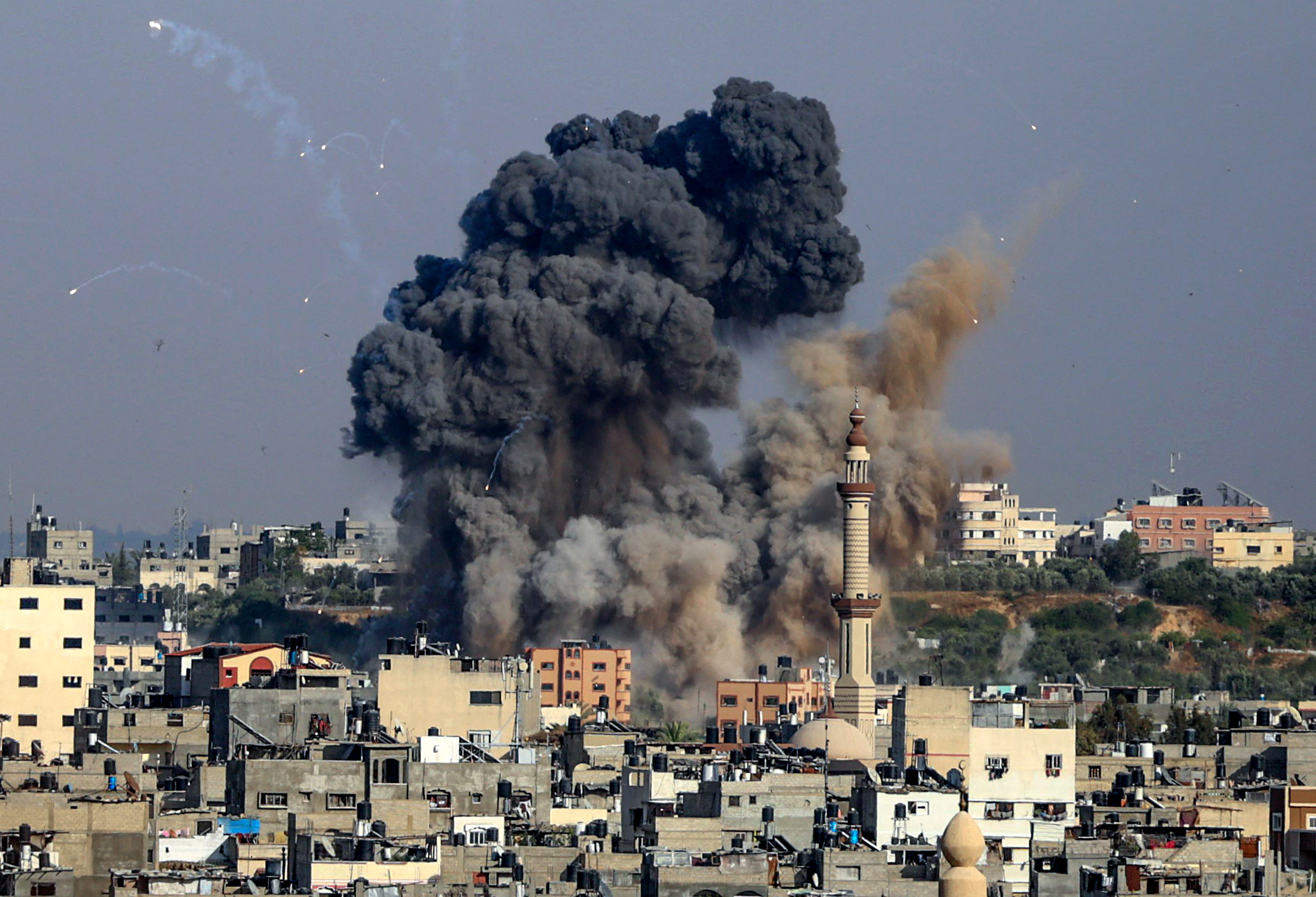
In the final leg of his recent Middle Eastern tour, U.S. Secretary of State Antony Blinken stopped in Amman for half a day to meet King Abdullah. Blinken’s main objective was to support the shaky cease-fire reached between Palestinian factions in Gaza and Israel after an 11-day military showdown. Speaking at a press conference on May 26, Blinken said that “the leadership of His Majesty King Abdullah was crucial, as it always has been in different issues, his role was essential in reaching a cease-fire in Gaza.” Jordanians were less confident of their government’s role in ending what most saw as “Israeli aggression against Gaza,” however. Even before the recent military clash Jordanian pundits, some known for their close ties to the government, were critical of the lukewarm official response to the Israeli provocations of Palestinians at Al-Aqsa Mosque and in the Sheikh Jarrah neighborhood in East Jerusalem.
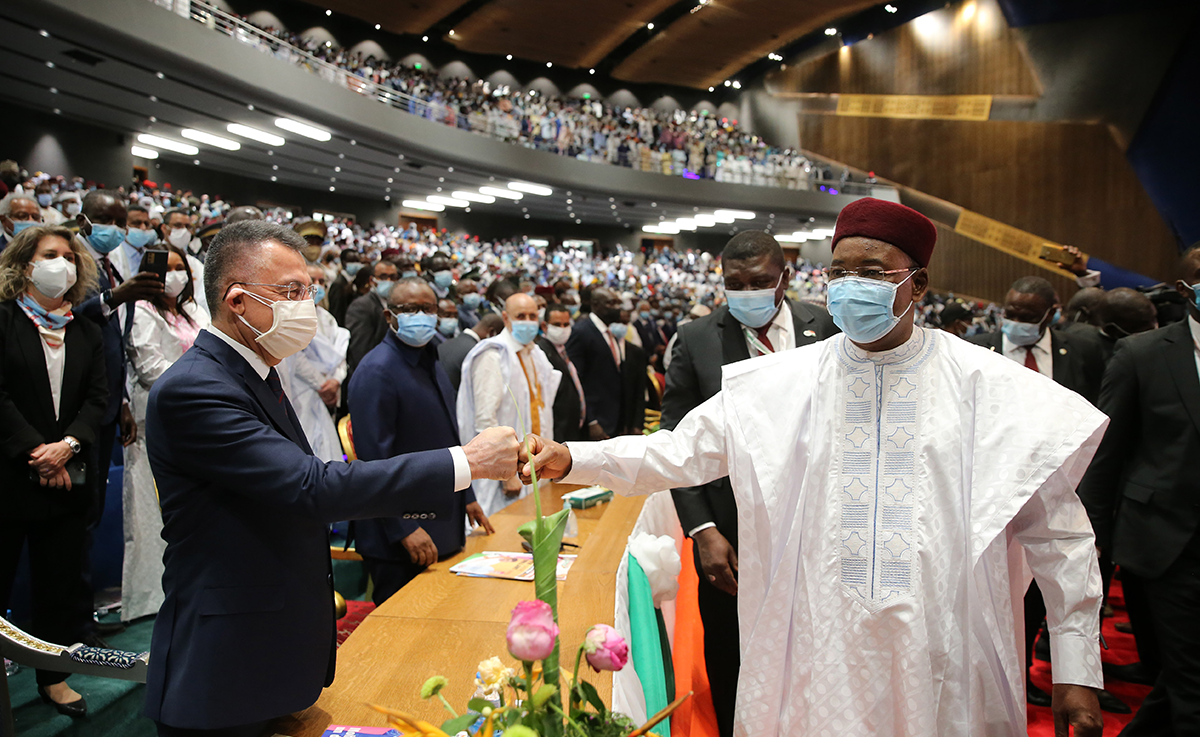
Due to its relatively stable political institutions, geographic proximity to Libya, and UNSC seat, regional powers in the Middle East are competing for influence in Niger. Egypt and the UAE are trying to counter Turkey’s growing economic and security cooperation with Niger, Saudi Arabia and Iran wish to leverage its UNSC voting power, and Israel is testing the waters for a potential normalization of diplomatic relations. These rivalries are poised to intensify, as the Sahel’s geostrategic significance continues to expand.
“مصر بحاجة إلى انهاء سريع للمذبحة في غزة عن طريق التفاوض، وذلك لأسباب دولية ودبلوماسية، ولكن تدخلها ضروري أيضًا لأغراض محلية”.
Read MEI’s weekly briefing featuring expert analysis of key regional developments for the week ahead.
“مصادر دبلوماسية مصرية قالت في تصريحات غير علنية إنها بحاجة لرؤية التزام قوي من تركيا من أجل إجراء أي مصالحة حقيقية”.
Read MEI’s weekly briefing featuring expert analysis of key regional developments for the week ahead.
At the end of Joe Biden’s first 100 days as president of the United States, where do things stand when it comes to U.S. policy toward the Middle East and North Africa? We asked experts and scholars from across MEI to weigh in with their thoughts on the changes we’ve seen so far, the new challenges that have emerged, and what we know about the administration’s key priorities for the region.
The Biden administration should play a key role in building a stronger Egypt where human-rights abuses are both rare and addressed by pushing back against the potential for any new regime.
Read MEI’s weekly briefing featuring expert analysis of key regional developments for the week ahead.
On April 20, Chadian President Idriss Déby was killed by Front for Change and Concord in Chad (FACT) rebels in the country’s northwestern Tibesti region. The sudden death of Déby, who seized power in Chad via a military coup in December 1990 and was re-elected on April 11 with 79.3% of the vote, risks plunging Chad into a state of prolonged instability.
As a major strategic chokepoint for this trade and maritime security, Suez is fundamental to the West’s commitment to a “free, open, secure and prosperous Indo-Pacific.”
Jonathan Winer and Mirette Mabrouk join host Alistair Taylor to discuss Libya’s new interim government, the complex regional and international dynamics at play, and what Libya’s future might look like.
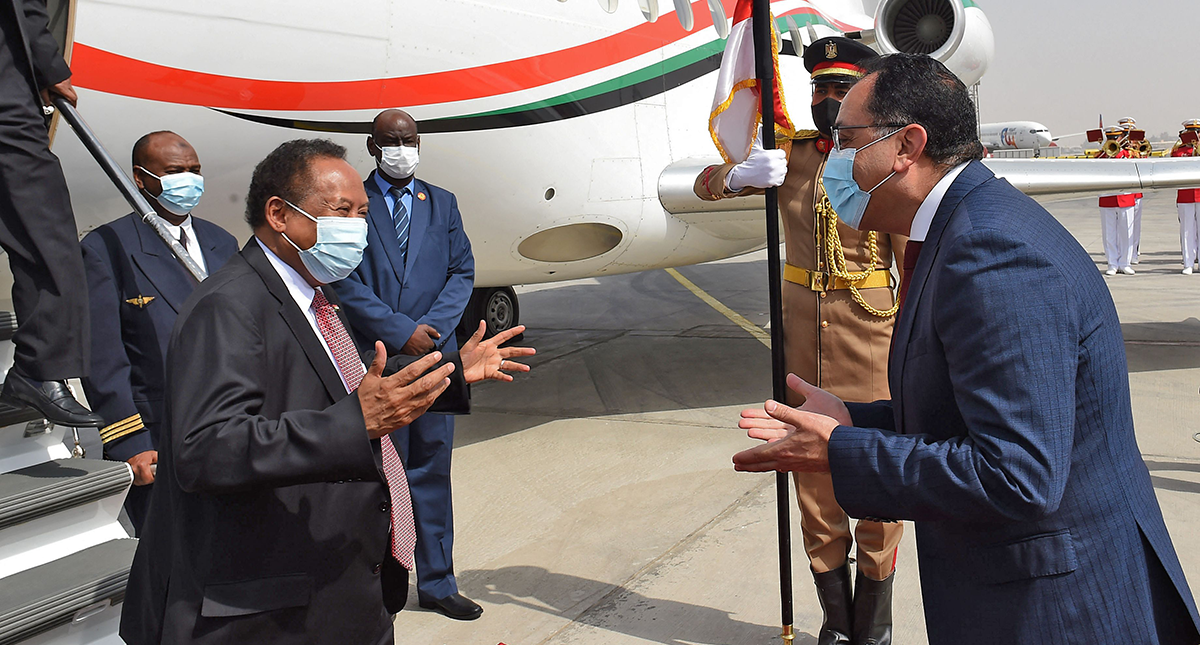
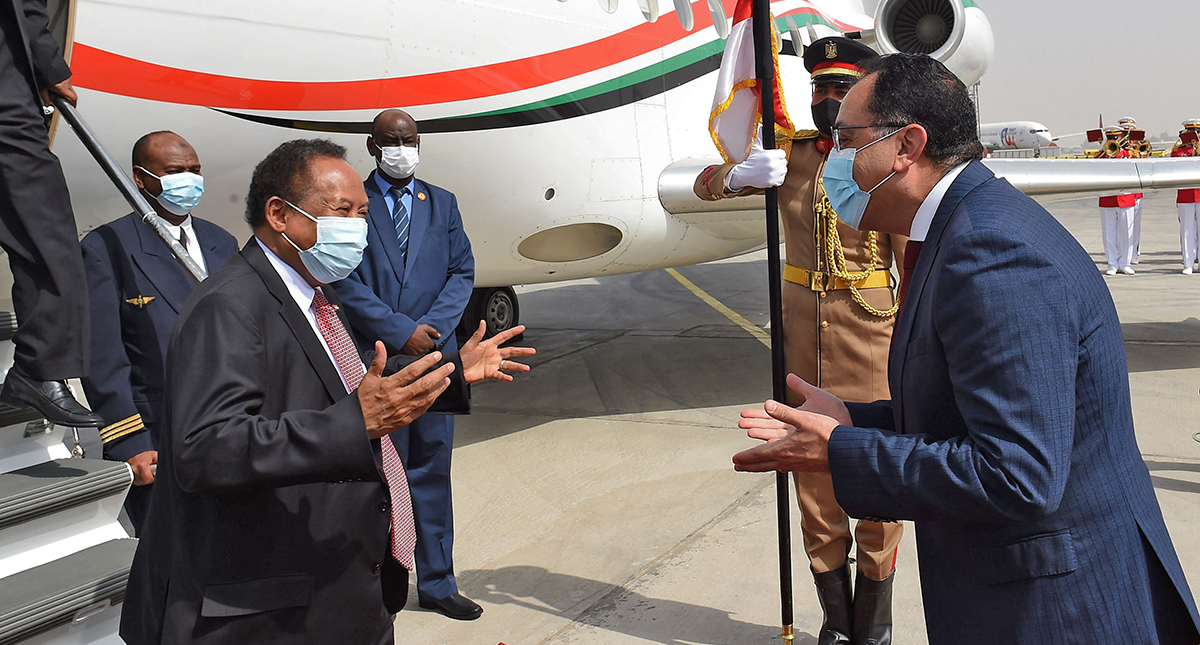
” يشهد السودان بروزًا في صورته الإقليمية، بينما تكثف مصر والسودان تعاونهما على الجبهات الدبلوماسية والاقتصادية والعسكرية”.
Read MEI’s weekly briefing featuring expert analysis of key regional developments for the week ahead.