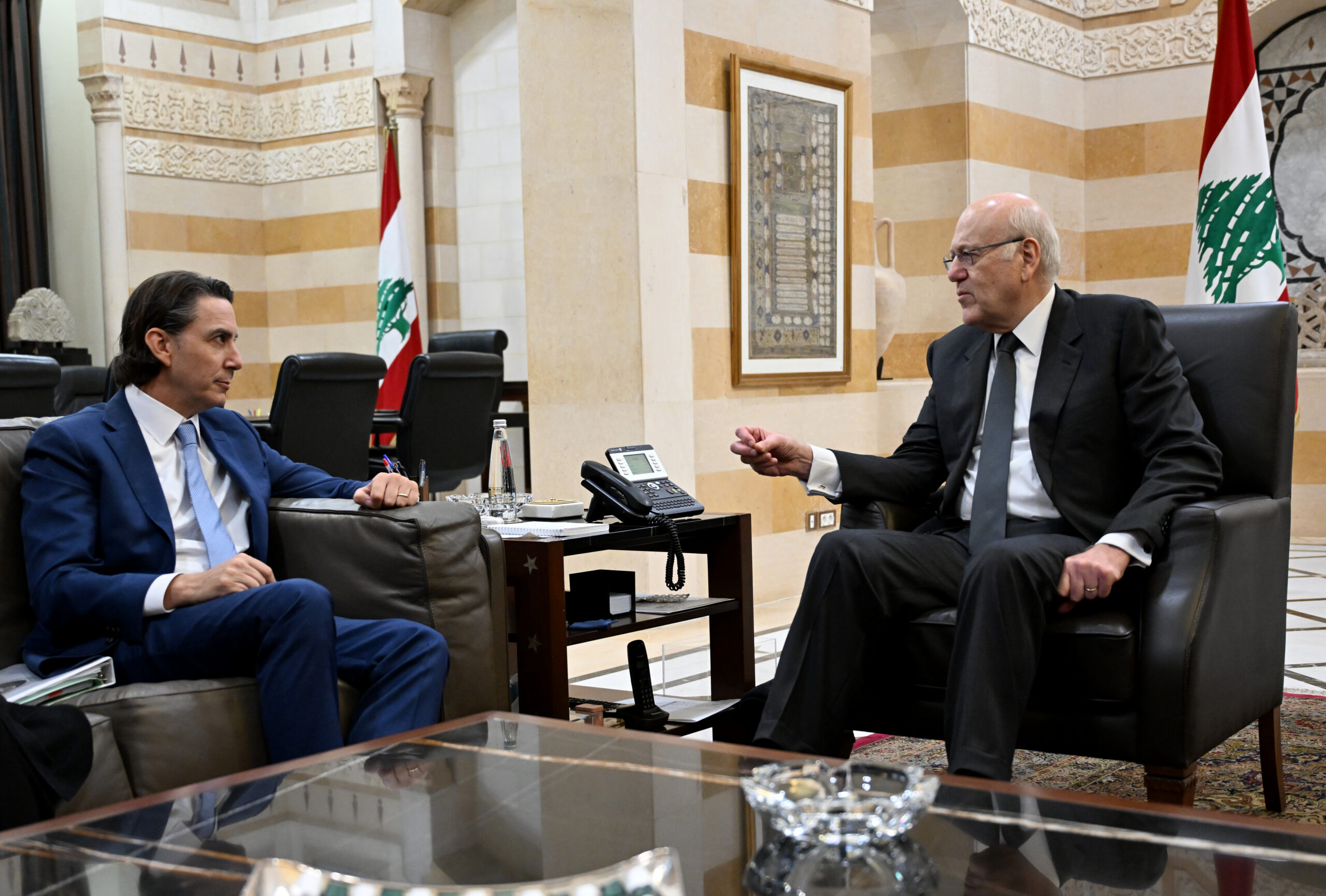
What does Israel want to see come out of US mediation efforts on Israel-Lebanon?
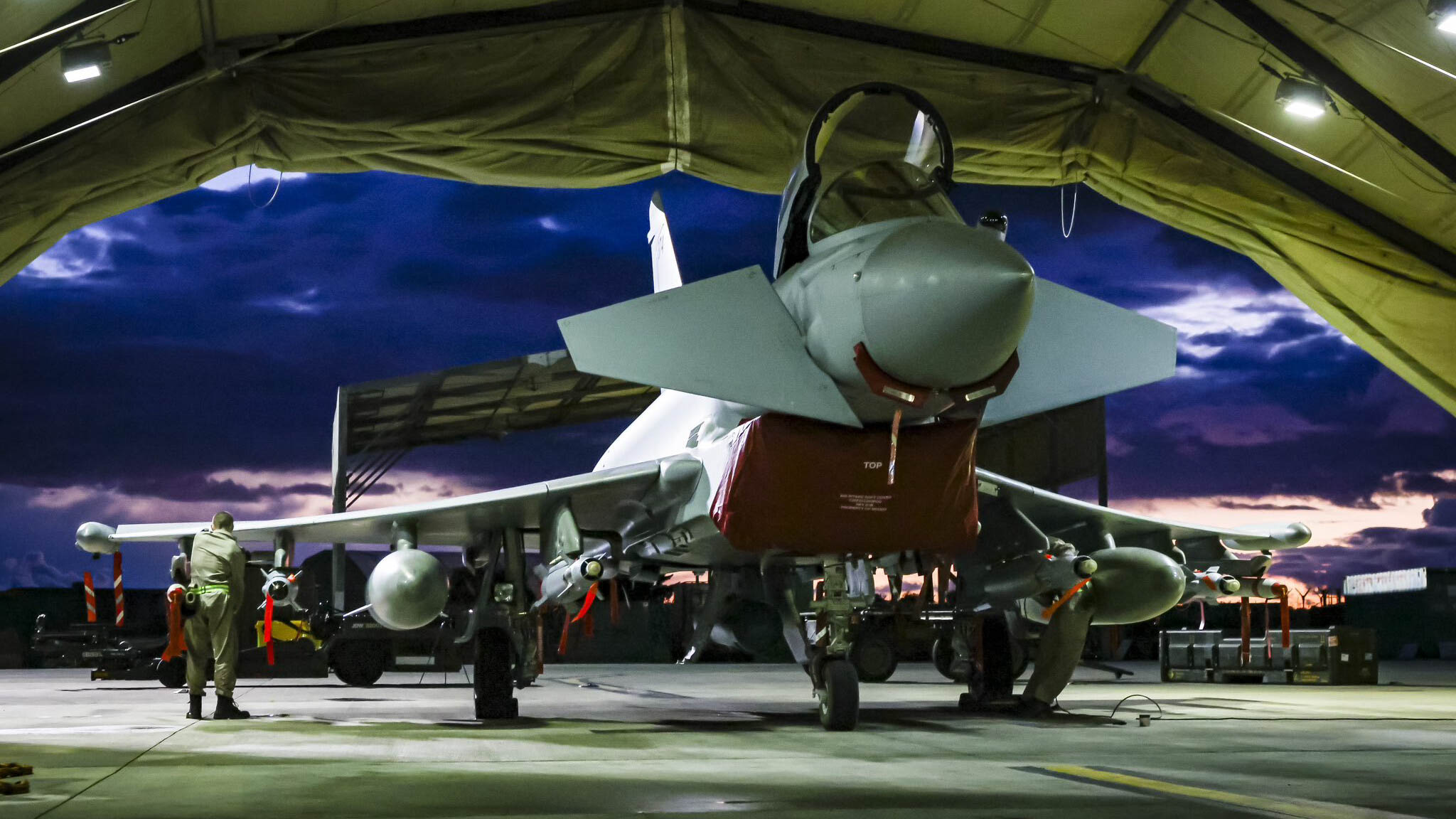
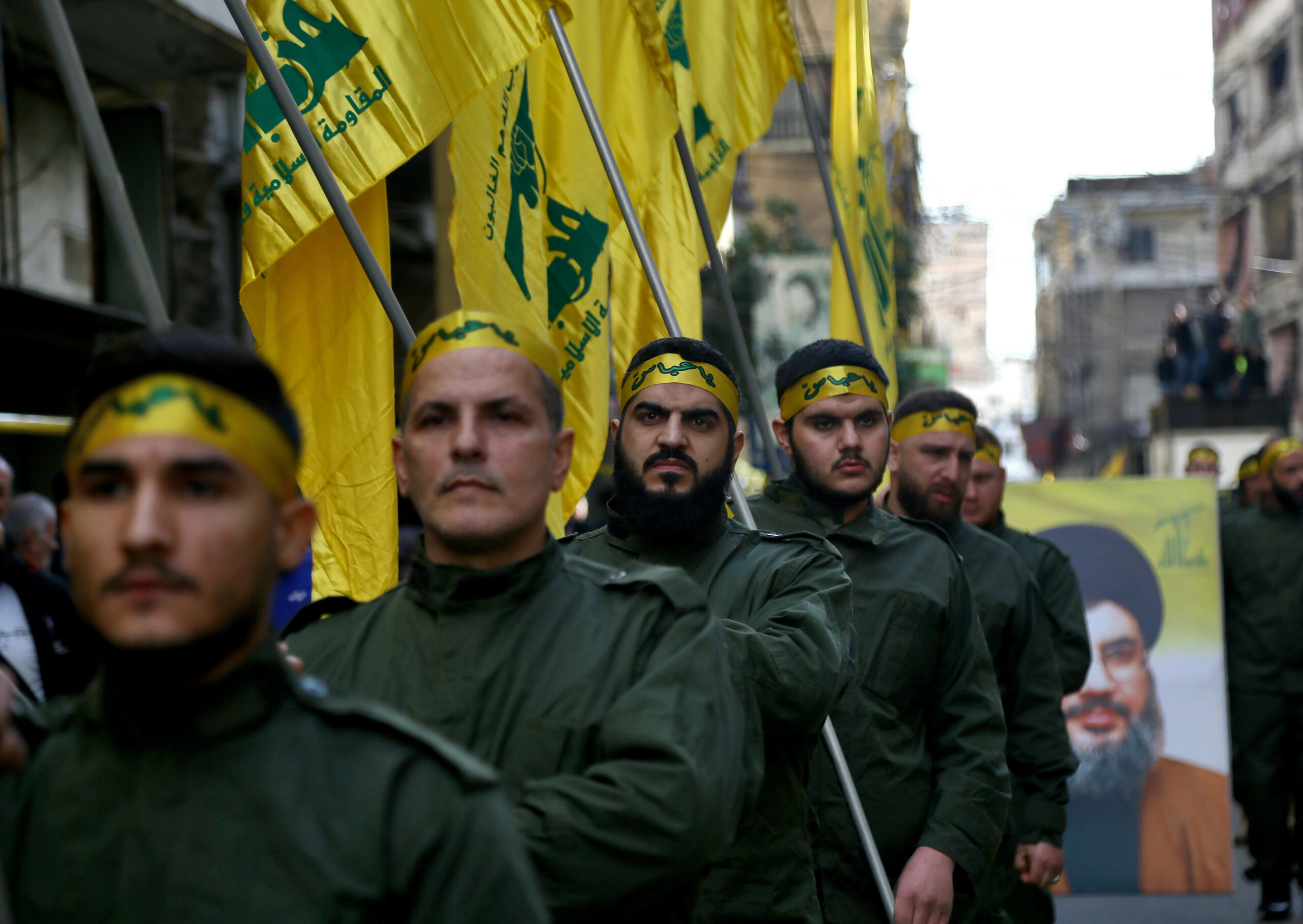
The weeks ahead are crucial for Israel and Lebanon and will likely indicate whether a broader confrontation between Israel and Hezbollah can be avoided diplomatically or if it is inevitable. Israeli officials have called on Lebanon and the world to deliver a solution; but in practice, Israeli eyes are set on Washington, DC.
Why Israel’s top court is greenlighting a civil rights crackdown
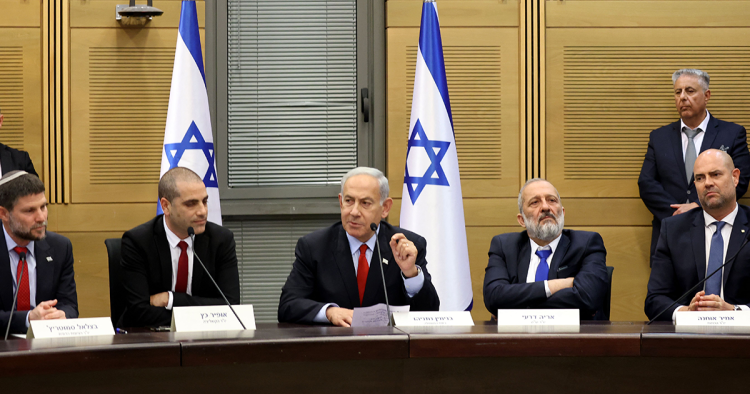
In times of war, constitutional courts frequently fail to defend civil liberties. There is no shortage of examples of this from around the world, often stemming from an impulse to avoid conflict with the national security establishment in order to avoid losing public support. In the wake of the Hamas-led attacks on October 7 and Israel’s ongoing bombardment of the Gaza Strip, the Israeli Supreme Court has been no exception.
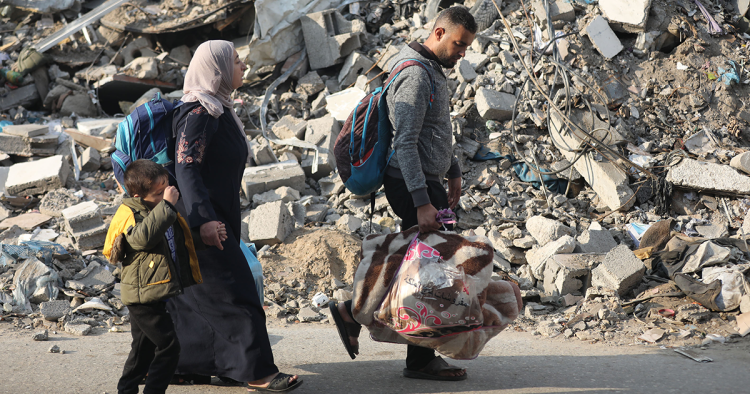
The Israeli military offensive in the Gaza Strip has led to a displacement crisis of historic magnitude. According to international assessments, about 1.9 million Palestinians are displaced in Gaza—85 percent of the population. More than a million of them have fled from the northern part of Gaza following Israel’s instructions. The pictures, stories, and videos appearing on social media since the beginning of the war, with Palestinian families fleeing with light luggage, feel to many like a national flashback to the Nakba, an Arabic word that means “catastrophe.”.
Robust diplomacy is Washington’s only chance to stop a Lebanon-Israel war
In navigating the thickening fog of war, ongoing US-led mediation must actively take two critical steps to pull Lebanon and Israel back from the brink and avoid a direct US-Iran confrontation: secure credible guarantees on compliance and endorse local efforts to elect an independent president.
Reinventing a square wheel: Can a revitalized Palestinian Authority lead the way to a better “day after?”
As questions about regarding who can take over governance of the war-torn Gaza Strip, Washington and other are pinning their hopes on a revitalized Palestinian Authority. But such “revitalization,” if limited to “strengthening” the PA cabinet and making only minor improvements in governance, will ensure that Gaza will remain a “super camp” and a source of recurring/persistent instability for Palestine and Israel.
Antisemitism and Islamophobia in the US Political Discourse on Israel/Palestine
Sahar Aziz and Mitchell Plitnick discuss their study “Presumptively Antisemitic: Islamophobic Tropes in the Palestine Israel Discourse” with MEI’s Palestine and Palestinian-Israeli Affairs Program Director Khaled Elgindy.
The current escalation between Israeli and Hezbollah forces necessitates immediate action from the international community to prevent a widening of the Gaza war, and the US is positioned in a leadership role to mollify tensions, beginning with diplomatic actions to stabilize the Lebanese-Israeli border, helping to pacify the broader region as a result.
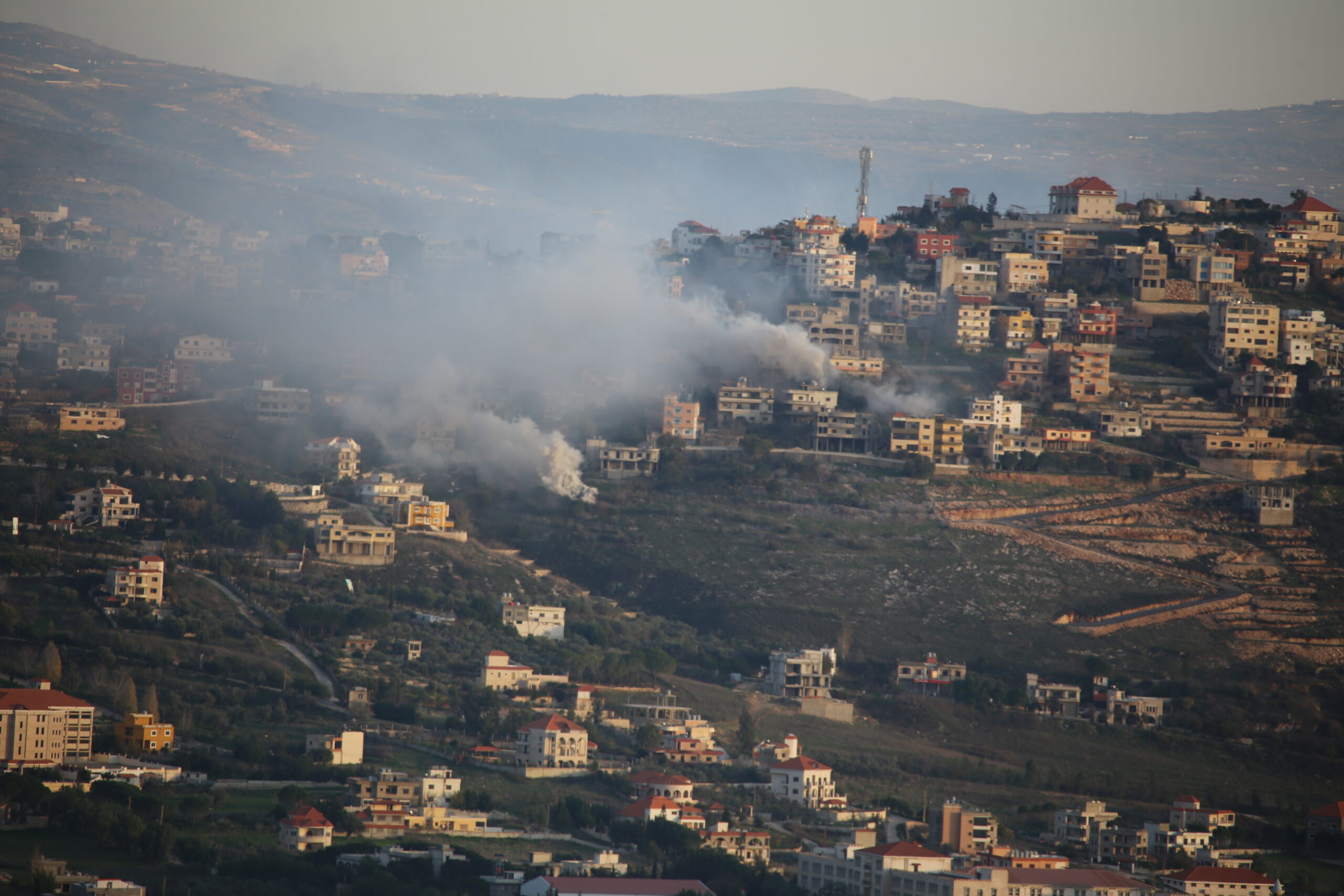
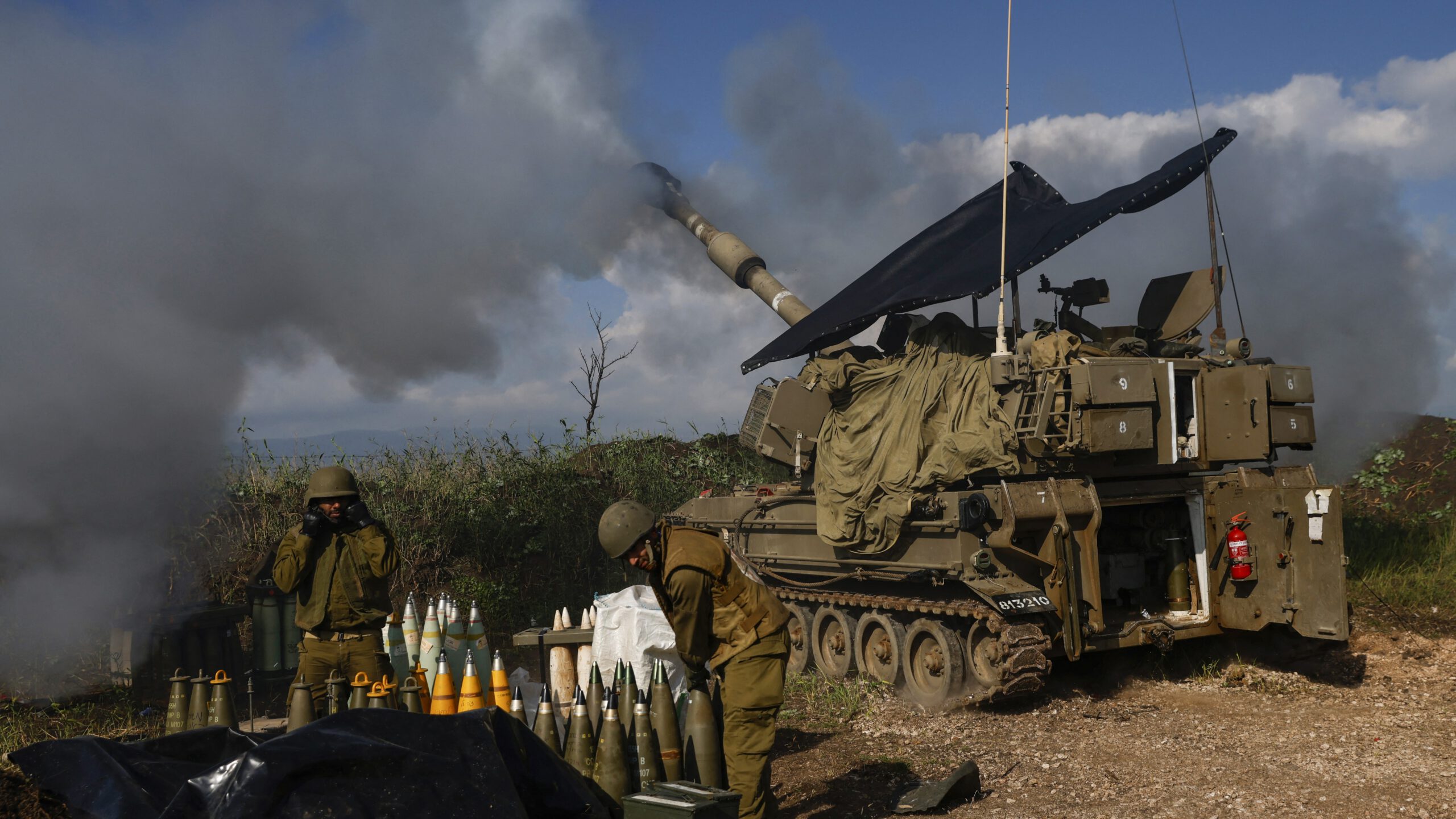
Israel and Lebanon are sliding into war, but the US can still stop it
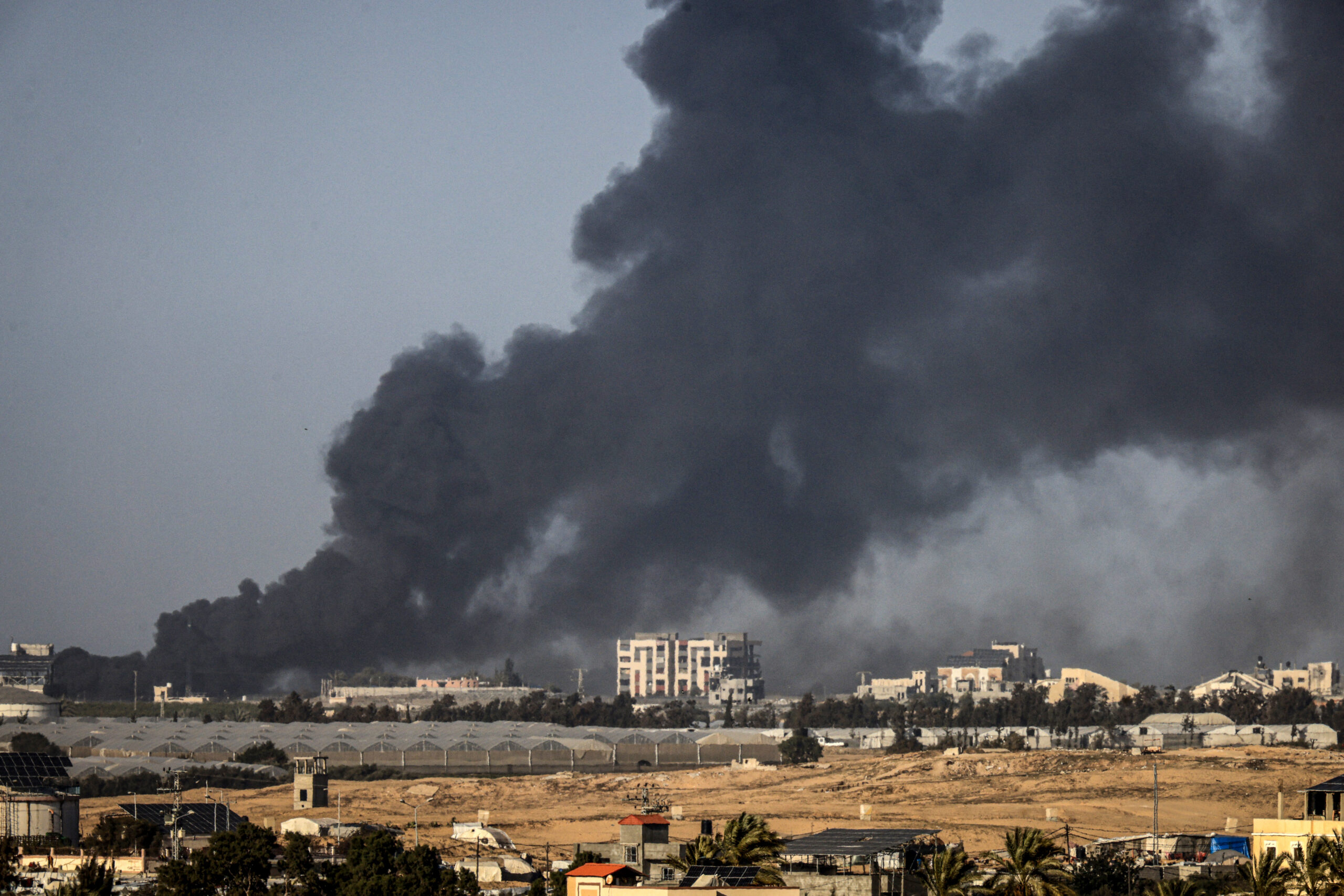
A battle for hearts and minds is being waged in the winding alleyways of Beirut. The Lebanese are anxiously going about their lives while keeping an eye on the intensifying border skirmishes between Israel and the Iranian-backed militant group Hezbollah.
Plastered across the city walls and hanging from lampposts is the enigmatic image of Abu Obeida, Hamas’s masked spokesperson. Wrapped in a red kufiyah, the traditional Arab head garb, he is put forth as a symbol of defiance against Israel.
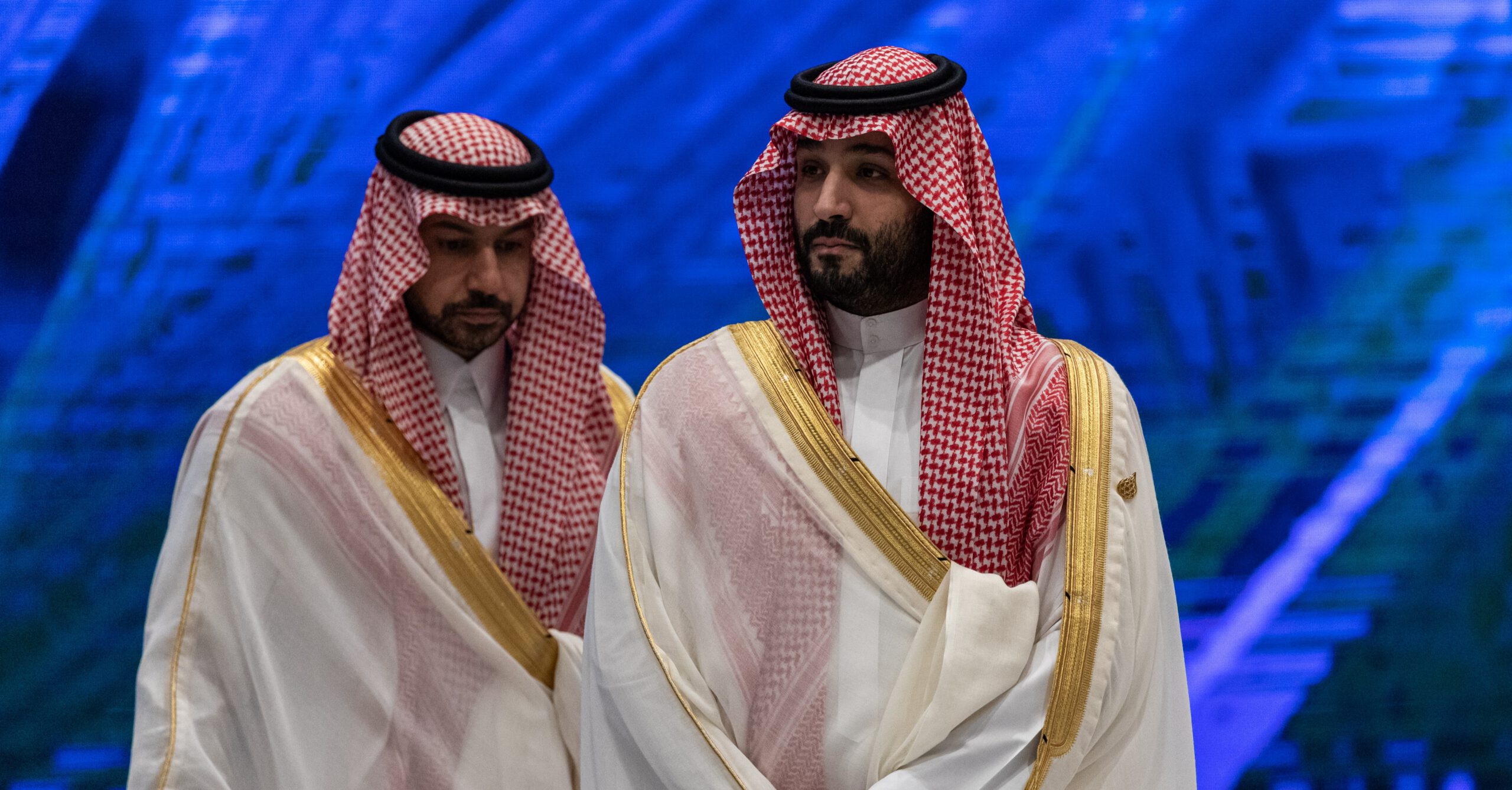
In response to the Oct. 7 attacks and subsequent bombing and invasion of the Gaza Strip, most media outlets and think tanks concluded that Hamas initiated the war to sever the path toward normalization between Saudi Arabia and Israel. Prior to the Hamas strike, Saudi Crown Prince Mohammed bin Salman (MbS) said his country was moving steadily in the direction of normalizing relations with Israel.
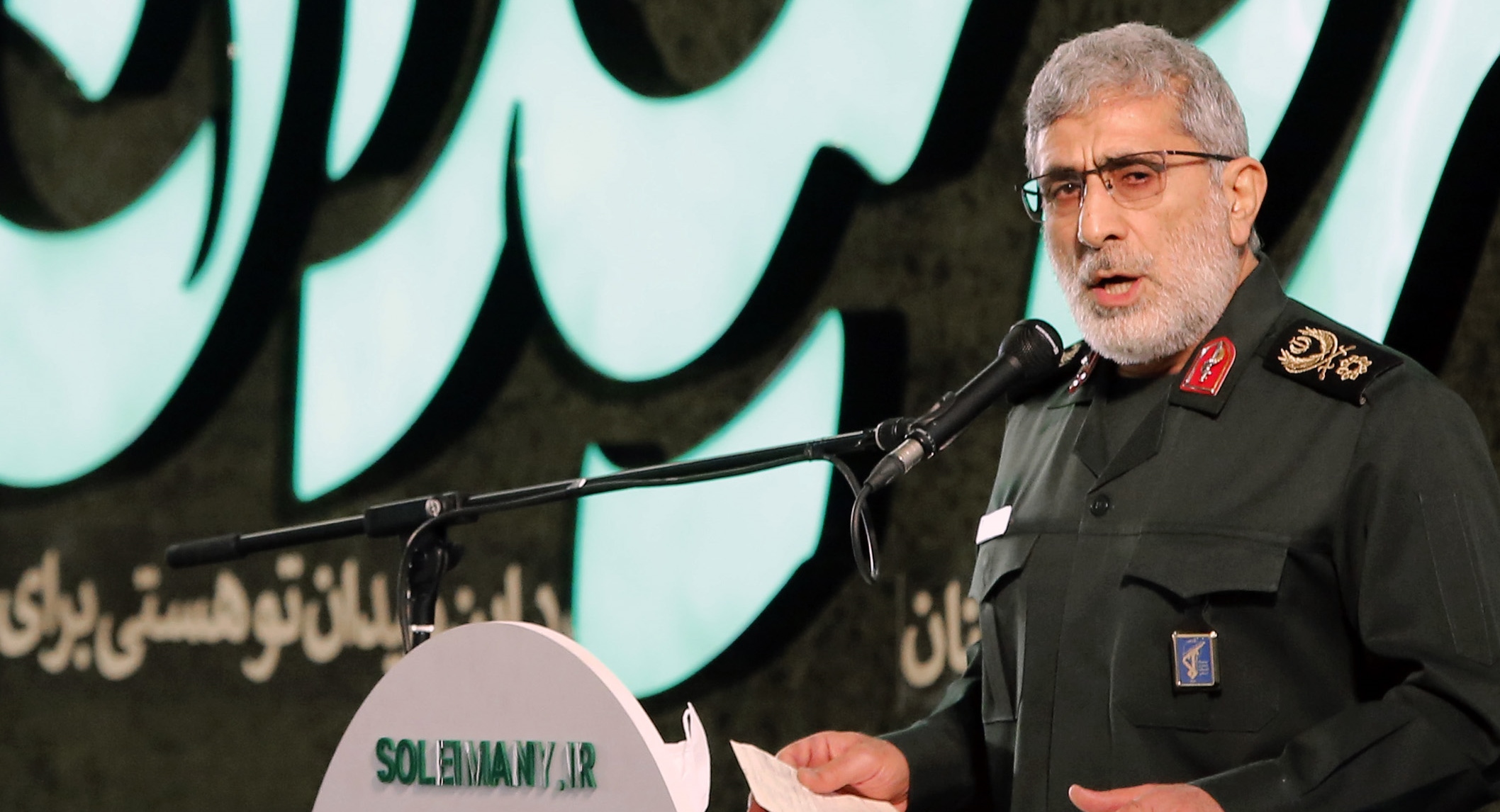
Soleimani birthed Iran’s Axis of Resistance, Ghaani coordinated it
Iranian strategy in the Middle East has long centered on nurturing regional proxies and partners — a so-called “Axis of Resistance” — to mount an existential threat to Israel by encircling it in a ring of fire. The bloody war between Israel and Hamas sparked by the latter’s Oct. 7 massacre is the first large-scale implementation of this Axis of Resistance doctrine. Quds Force commander Esmail Ghaani’s lasting contribution will be the network’s entry into the battlefield in a comprehensive and coordinated manner.