تمت ترجمة هذا النص بواسطة الذكاء الاصطناعي وقد يحتوي على أخطاء.
تخطي إلى المحتوى

Research & Commentary Results

تصفية حسب
347 Results
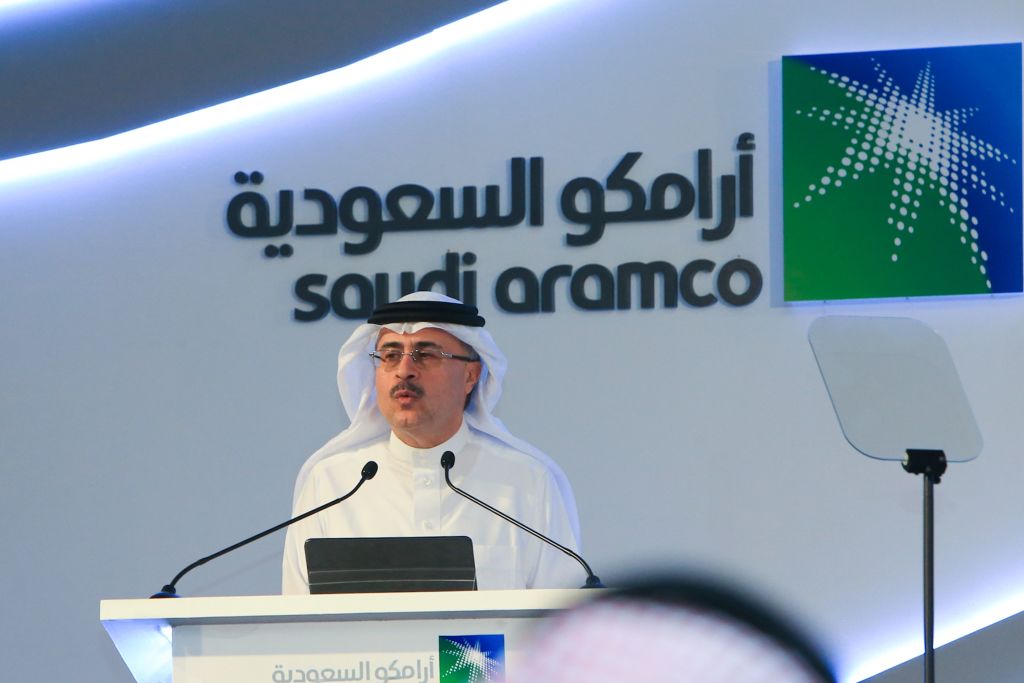
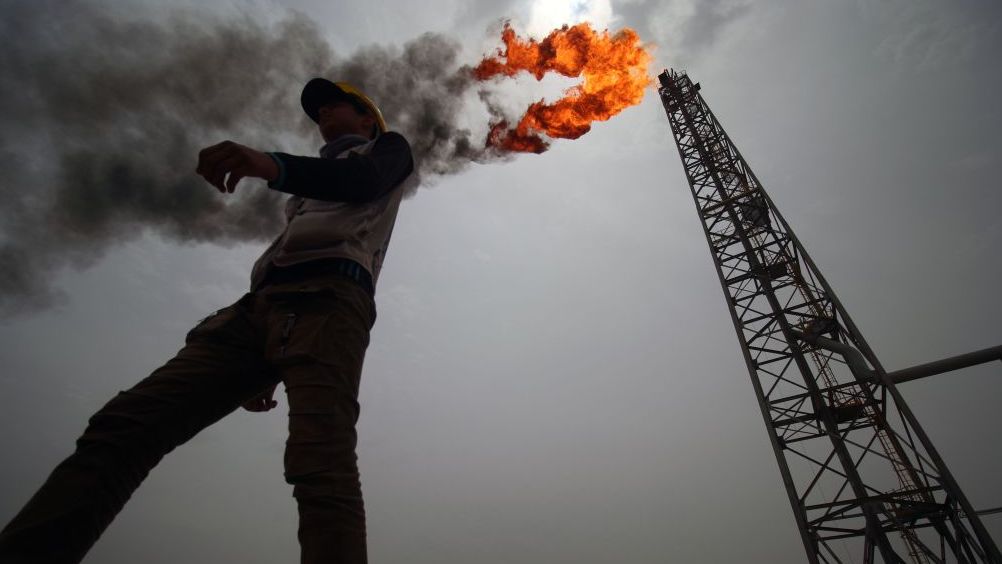
Saudi Arabia’s oil price war could reshape the industry
الصورة من وكالة فرانس برس عبر غيتي إيمدجز
  • التحليل
  • Saudi Arabia’s oil price war could reshape the industry

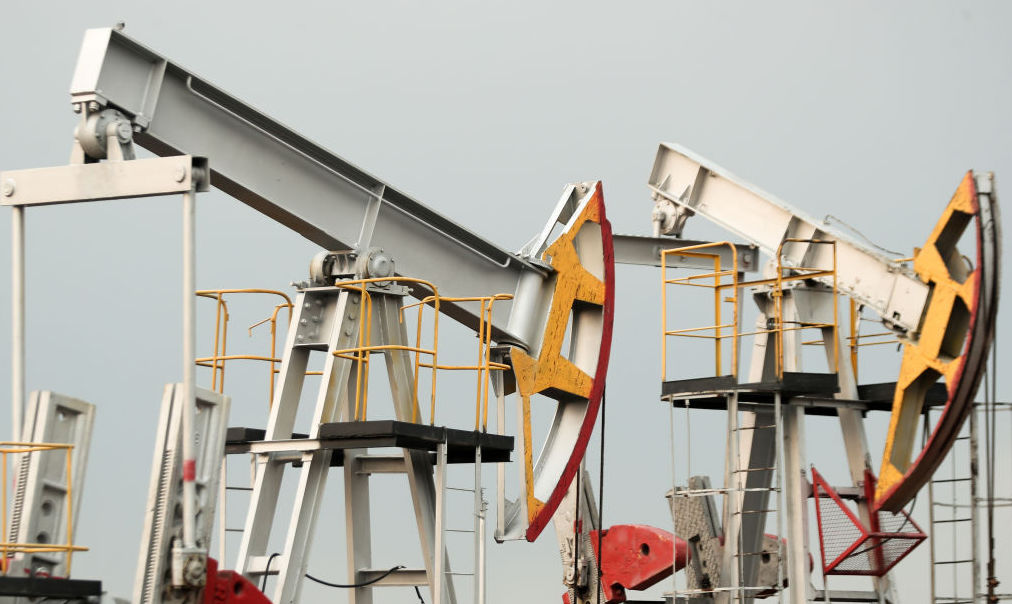
    Saudi Arabia declared a price war against Russia in early March to prove a point: that it can offer an unprecedented supply of 12.3 million barrels per day (bpd), way above the record 11 million bpd it reached in November 2018, and expand its market share at the expense of Moscow. As the coronavirus pandemic brings the world to a standstill, the question is how long it can sustain this war. 

    April 1, 2020

    Algeria-Europe economic integration: Where are we now and where do we go?
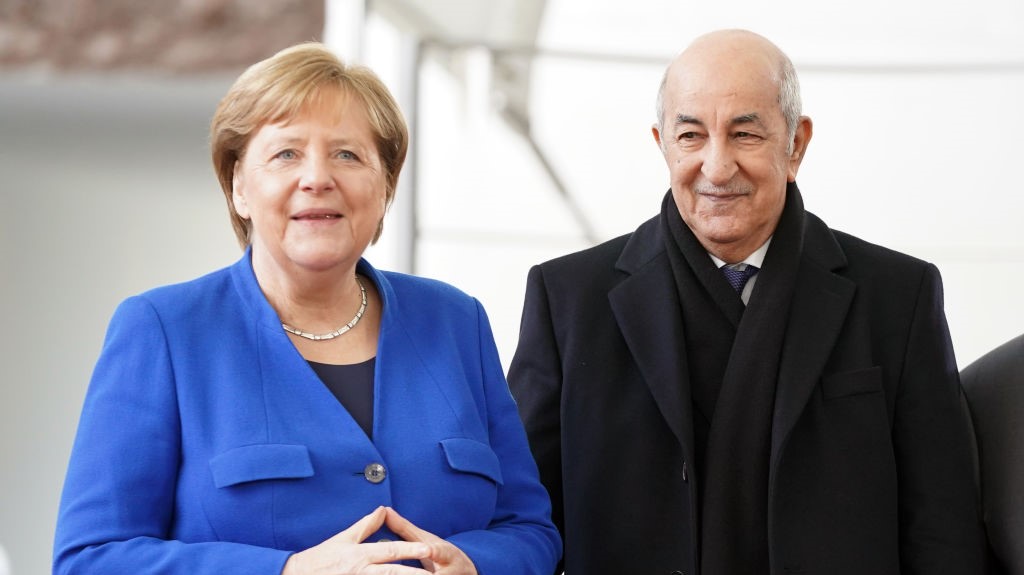
    Federal Chancellor Angela Merkel (CDU) receives Abdelmadjid Tebboune (r), President of Algeria, in front of the Federal Chancellery for the Libya Conference.
  • التحليل
  • Algeria-Europe economic integration: Where are we now and where do we go?

    In the face of Algeria’s Hirak protest movement, the response of the EU so far has been measured, and it is notable that the EU’s calls for democratic reform are framed in economic terms that emphasize the benefits of greater economic integration between the states of the Maghreb. What opportunities do the ongoing changes in Algeria present for enhancing economic integration in the long term?

    March 17, 2020

    Iran and Russia: A tale of unfulfilled economic potential
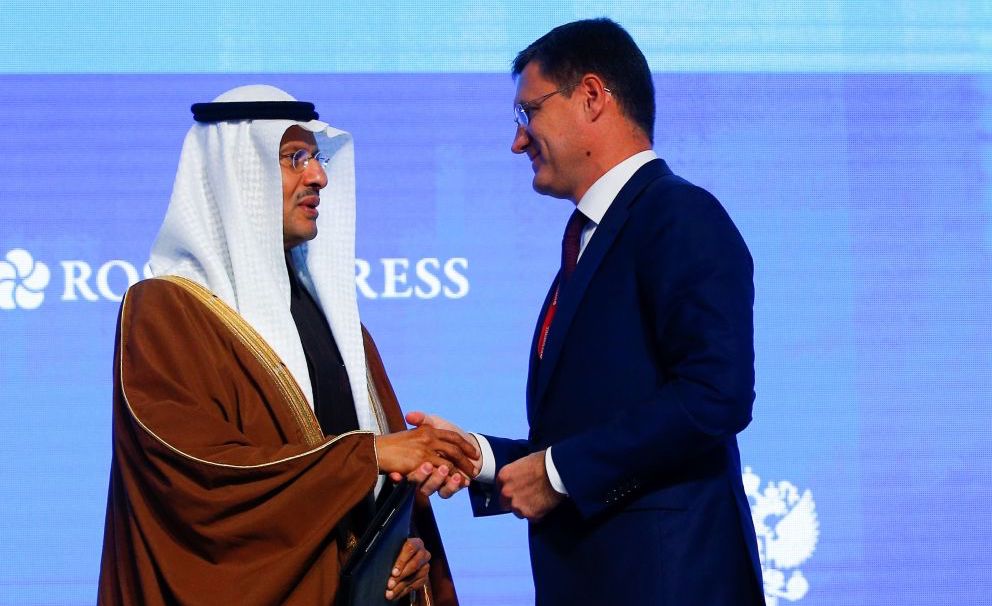
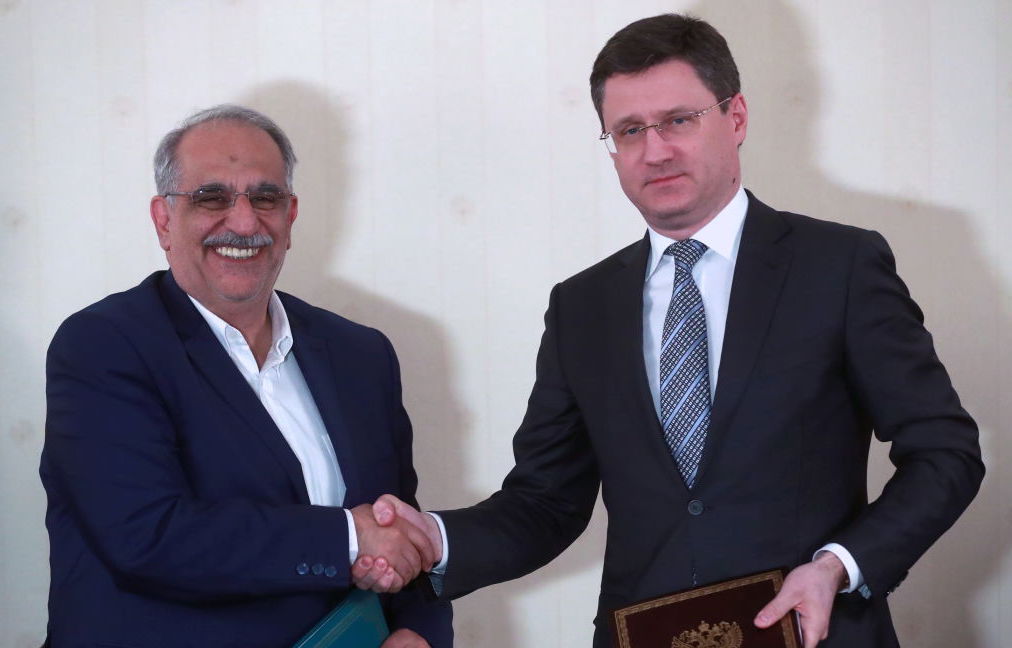
    Iran's Minister of Economic Affairs and Finance, Masoud Karbasian (L) and Russias Energy Minister Alexander Novak shake hands at a signing ceremony following a meeting of the Russian-Iranian intergovernmental commission for trade and economic cooperation at Moscow's President Hotel
  • التحليل
  • Iran and Russia: A tale of unfulfilled economic potential

    The outbreak of a Russian-Saudi oil price war earlier this month might offer some comfort to Iran, a country which has in recent years become unnerved by the increasingly close ties between Moscow and Riyadh. However, it is premature to see an Iranian geopolitical win emerging from the Russian-Saudi spat, and history should give Tehran plenty of reservations about Moscow’s ability to deliver on its economic promises to Iran. While Iran and Russia will likely continue to pay lip-service to the idea of an economic partnership, each side will remain preoccupied with larger concerns. This is a tale of unfulfilled economic potential.  

    The economic outlook for MENA amid COVID-19 and the oil price drop
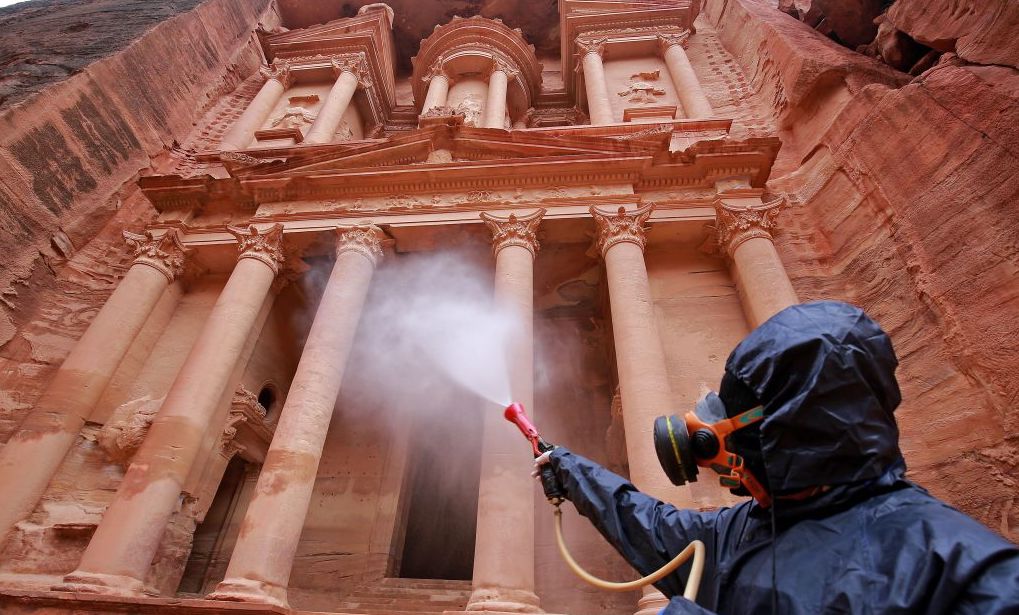
    A labourer sprays disinfectant in Jordan's archaeological city of Petra south of the capital Amman on March 17, 2020, to prevent the spread of COVID-19.
  • التحليل
  • The economic outlook for MENA amid COVID-19 and the oil price drop

    Economies around the world are being battered by two “black swan” events at the same time: the COVID-19 virus and the oil price war between Russia and Saudi Arabia. Naturally, the countries of the Middle East and North Africa (MENA) are also affected, although each in different ways. Those that are net users of energy, which could have benefitted substantially from the vastly lower energy prices, are getting hit hard by COVID-19, while oil and gas producers are suffering from an all-out oil price war made worse by the steep decline in worldwide demand caused by the pandemic. 

    March 17, 2020

    Missing the long game: Washington’s high-risk energy diplomacy in Iraq
    An employee walks at the Hammar Mushrif new Degassing Station Facilities site inside the Zubair oil and gas field, north of the southern Iraqi province of Basra on May 9, 2018. (Photo by HAIDAR MOHAMMED ALI / AFP) (Photo credit should read HAIDAR MOHAMMED ALI/AFP via Getty Images)
  • التحليل
  • Missing the long game: Washington’s high-risk energy diplomacy in Iraq

    Washington’s foreign relations in the Middle East are often characterized by ebb and flow, tracking the region’s dynamic politics. But when it comes to Iraq, this ebb and flow is especially turbulent, and the country’s energy sector has been thrown under the spotlight as Washington presses Baghdad to take swift action to ensure its “energy independence” from Iran.

    March 13, 2020

    “People can’t even afford to buy bulgur”: Discontent is on the rise as Syria’s economic crisis worsens
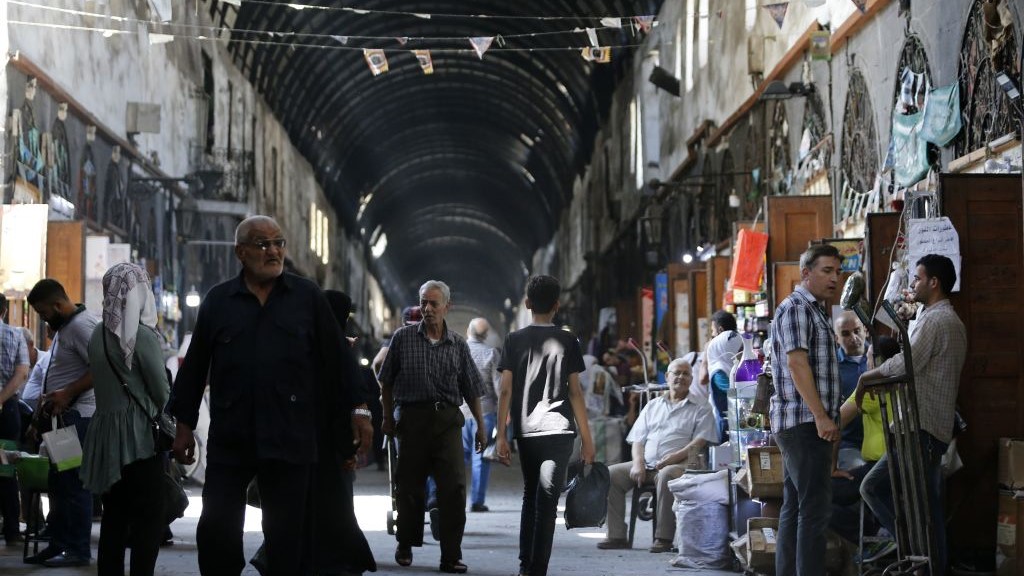
    Shoppers walk through the Bzourieh market in the centre of the Syrian capital Damascus on September 11, 2019.
  • التحليل
  • “People can’t even afford to buy bulgur”: Discontent is on the rise as Syria’s economic crisis worsens

    The latest economic crisis in Syria is hitting the population hard. Syrians have been beset by currency depreciation, soaring prices for basic goods, and energy shortages that have left people to freeze in the harsh winter, leading to growing and increasingly vocal discontent.

    February 28, 2020

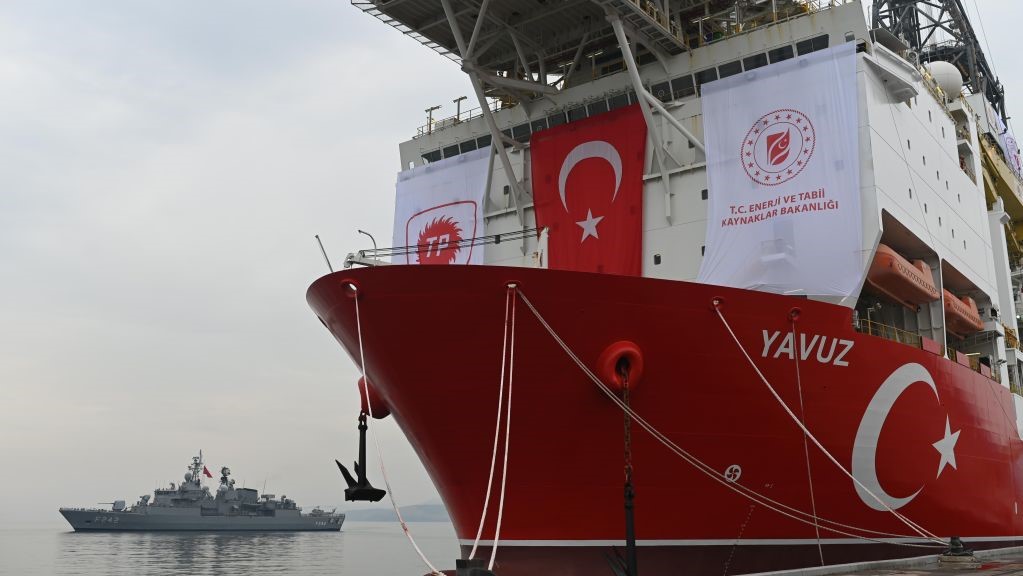
    Turkey’s eastern Mediterranean quagmire
    A picture taken at the port of Dilovasi, outside Istanbul, on June 20, 2019 shows the drilling ship 'Yavuz' scheduled to search for oil and gas off Cyprus, next to a warship.
  • التحليل
  • Turkey’s eastern Mediterranean quagmire

    The eastern Mediterranean has become an increasingly important focus for Turkey’s foreign and security policy, but the interlocking of new issues like energy politics and sovereignty rights with old problems like Cyprus has created significant challenges for Ankara.
    February 18, 2020

    As Iran heads to the polls, could Rouhani be facing impeachment?
    Iran's President Hassan Rouhani delivers a speech presenting the Islamic republic's new budget for the financial year starting late March 2020 in Tehran on December 8, 2019. - Rouhani described it as a
  • التحليل
  • As Iran heads to the polls, could Rouhani be facing impeachment?

    On Feb. 21, Iranians will be voting to elect a new Majlis, the country’s unicameral Parliament. Viewed from the outside, participating in the electoral system might seem futile. While the Iranian constitution recognizes popular will, as represented by an elected president and Parliament, the whole political system operates under the supreme leader, who, although appointed by an elected clerical body (the Assembly of Experts), is, in effect, answerable to no one. The Majlis does, however, have the power to remove the president — a fate that could potentially await President Hassan Rouhani if the conservatives win a majority in the upcoming elections.

    February 11, 2020

    US-Iran escalation and its implications for the South Caucasus
     Iranian President Hassan Rouhani (L) meets President of Azerbaijan Ilham Aliyev (R) during his official visit in Baku, Azerbaijan on March 28, 2018.
  • التحليل
  • US-Iran escalation and its implications for the South Caucasus

    Over the past several weeks geopolitical experts have been talking a lot about what the surprise U.S. drone attack on Iranian Gen. Qassem Soleimani, head of the IRGC – Quds Force, on Jan. 3 means for the Middle East and relations between the major powers. What has received considerably less attention, however, is what Soleimani’s killing means for the South Caucasus, a region whose small size belies its strategic importance.

    January 28, 2020

    The ties that bind: The South Caucasus and the Middle East
    Turkish Foreign Affairs Minister Mevlut Cavusoglu (C), Minister of Foreign Affairs of Iran, Javad Zarif (R) and Azerbaijani Minister of Foreign Affairs, Elmar Mammadyarov (L) pose for a photo prior the tripartite meeting of foreign ministers of Turkey, Azerbaijan and Iran in Istanbul, Turkey on October 30, 2018.
  • التحليل
  • The ties that bind: The South Caucasus and the Middle East

    As neighboring regions, the South Caucasus and the Middle East are inextricably intertwined — so much so that the former is sometimes even considered part of the Greater Middle East. While geographical proximity is the strongest driver of interconnectivity between the two regions, geopolitics, business ties, and energy interests also link countries from the South Caucasus and the Middle East and form the basis for important bilateral and regional relationships.

    January 24, 2020

    Iran’s “harsh revenge”: Is blocking the Strait of Hormuz really a plausible option?
    Iranian soldiers take part in the
  • التحليل
  • Iran’s “harsh revenge”: Is blocking the Strait of Hormuz really a plausible option?

    In the immediate aftermath of the assassination of Gen. Qassem Soleimani, head of the Islamic Revolutionary Guard Corps – Quds Force, on Jan. 3, Ayatollah Ali Khamenei warned the U.S. of Iran’s “harsh revenge.” There has been much speculation around the timing, location, and the type (or form) of Iran’s promised revenge. Amin Mohseni-Cheraghlou takes a closer look at the impact of the widely discussed strategy of blocking the Strait of Hormuz.

    January 23, 2020

    Turkey’s westward energy shift
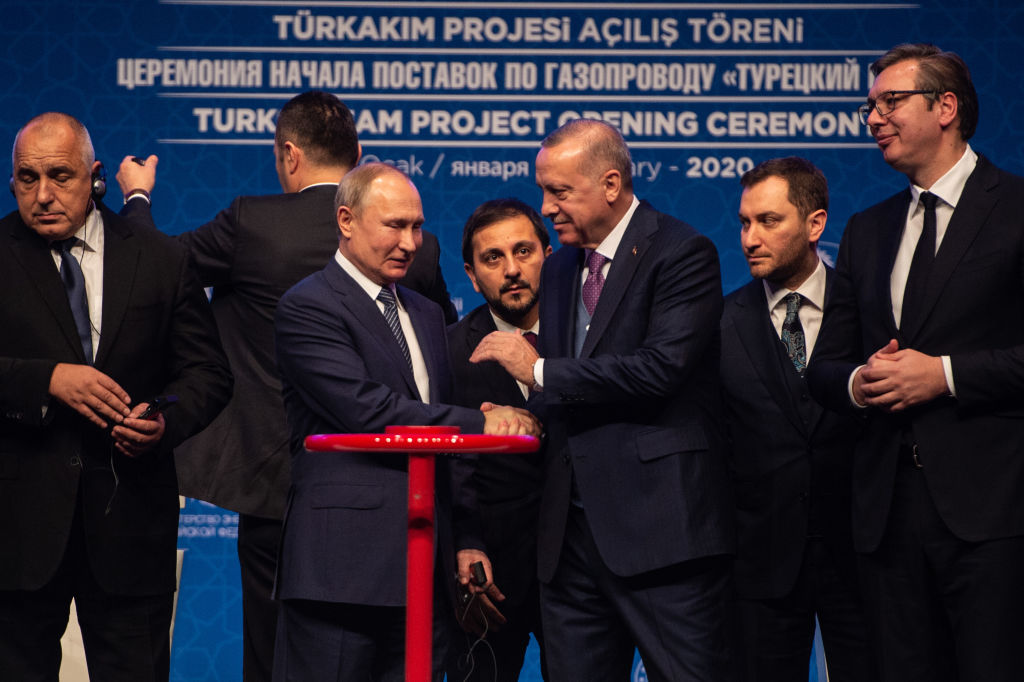
    President of Turkey Recep Tayyip Erdogan and his Russian counterpart Vladimir Putin (not seen) attend the opening ceremony of TurkStream natural gas pipeline project, at Halic Congress Center in Istanbul, Turkey on January 08, 2020.
  • التحليل
  • Turkey’s westward energy shift

    On Jan. 8, Turkey inaugurated the TurkStream natural gas pipeline from Russia, seemingly deepening Ankara’s ties with Moscow. However, a fuller analysis of Turkey’s current energy policies and consumption trends indicate a dramatic shift westward, away from Russia and Iran.

    January 15, 2020

    Azerbaijani gas is now ready to flow all the way to Europe
    Turkish President Recep Tayyip Erdogan (3rd L) and Azerbaijani President Ilham Aliyev (2nd L) attend the opening ceremony of the TANAP-Europe connection in Ipsala district of Edirne, Turkey on November 30, 2019.
  • التحليل
  • Azerbaijani gas is now ready to flow all the way to Europe

    Turkey has completed the next-to-last piece of the 2,000-mile Southern Gas Corridor, a three-pipeline network that will send gas from Azerbaijan’s huge Shah Deniz field via Georgia and Turkey to Western Europe.

    It was such a big deal that Turkish President Recep Tayyip Erdogan, Azerbaijani President Ilham Aliyev, and Georgian Prime Minister Giorgi Gakharia presided at the ribbon-cutting on Nov. 30. They were celebrating the completion of the pipeline that is the middle link in the Southern Gas Corridor: the Trans-Anatolian Natural Gas Pipeline (TANAP), which traverses Turkey.

    December 11, 2019