حياكة السجاد الإيراني شرق الفرات: رغم الرفض الشعبي جماعات إيرانية تزيد نفوذها في الحسكة
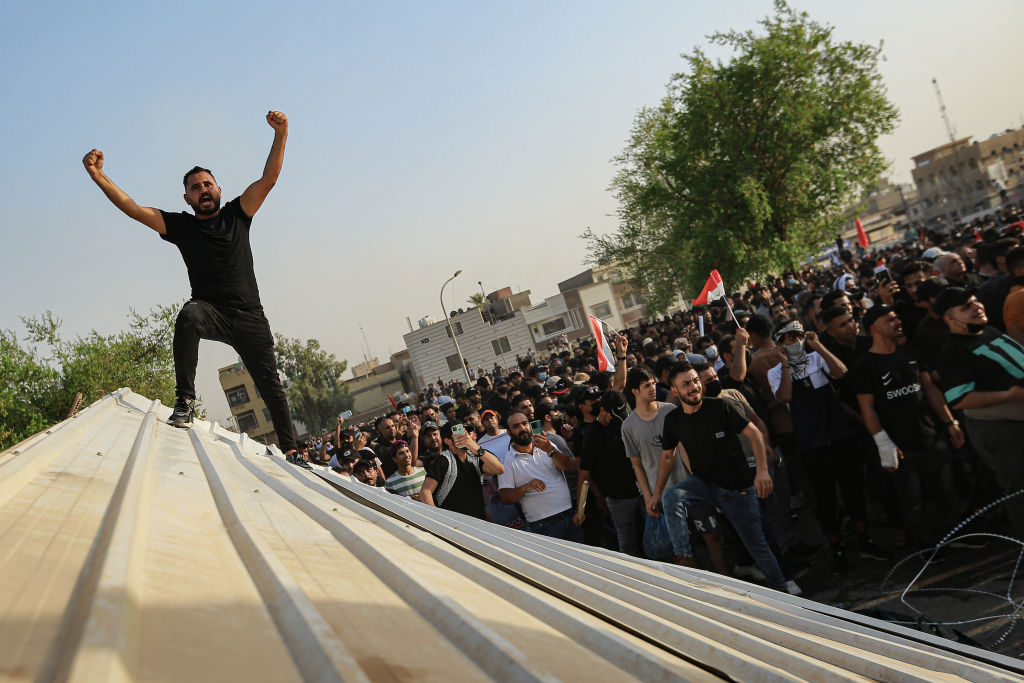
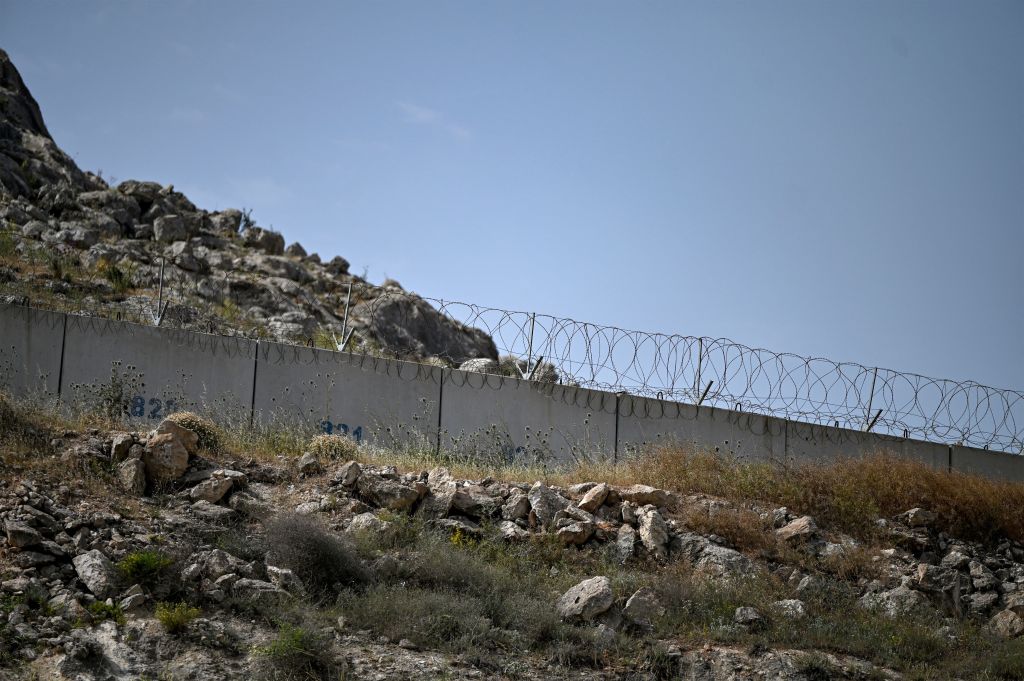
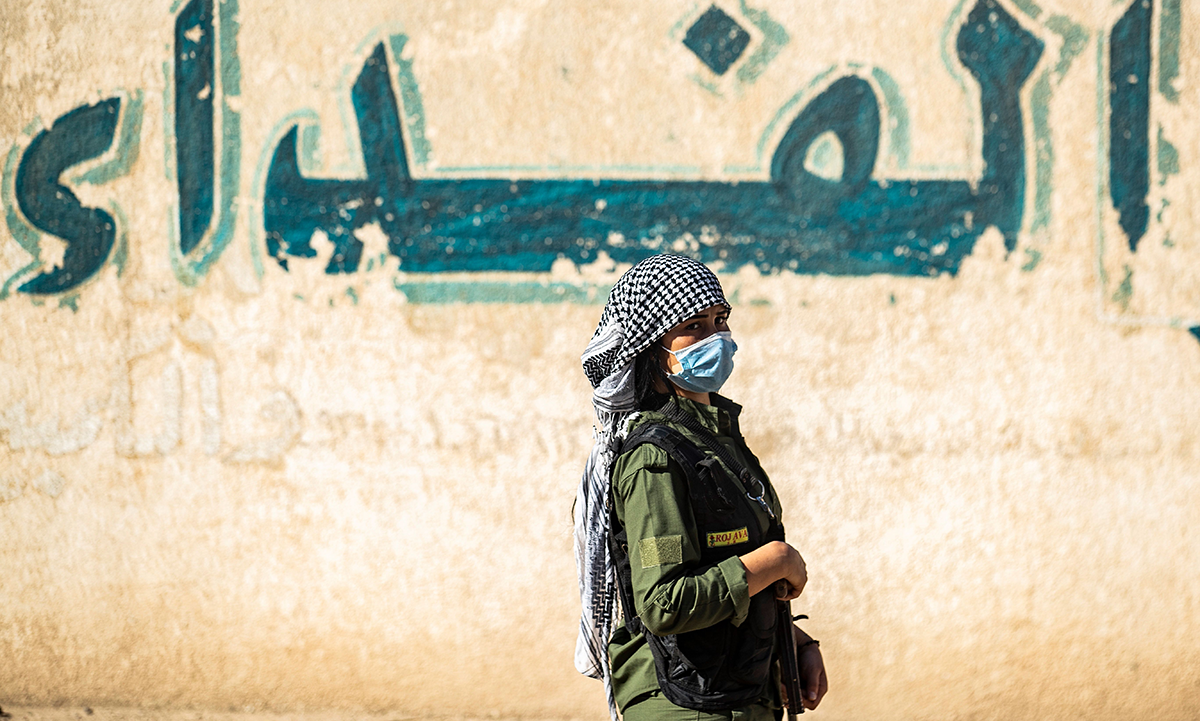
شهدت مدينة الحسكة شمال شرق سوريا يوم 22 أغسطس الحالي توزيعا لمنشورات وملصقات مناهضة للنفوذ الإيراني في المدينة، حيث ظهرت الملصقات في عدة مناطق حساسة وسط المدينة في المنطقة المعروفة بـ “المربع الأمني” التي تخضع لسيطرة جيش النظام السوري وميليشيات الدفاع الوطني التي أصبحت تخضع لنفوذ إيران.
“Carpet weaving” east of the Euphrates: Iranian proxy groups expand their influence in Syria’s Hasakah Province
On Aug. 22, the northeastern Syrian city of al-Hasakah was inundated with leaflets condemning creeping Iranian influence in the area. The printed messages were plastered around several highly sensitive locations in the city center, including the local branch of the Ba’ath Party, the neighborhoods of al-Matar and al-Mahatah, as well as near the Great Mosque and market streets.
From Tiger Forces to the 16th Brigade: Russia’s evolving Syrian proxies
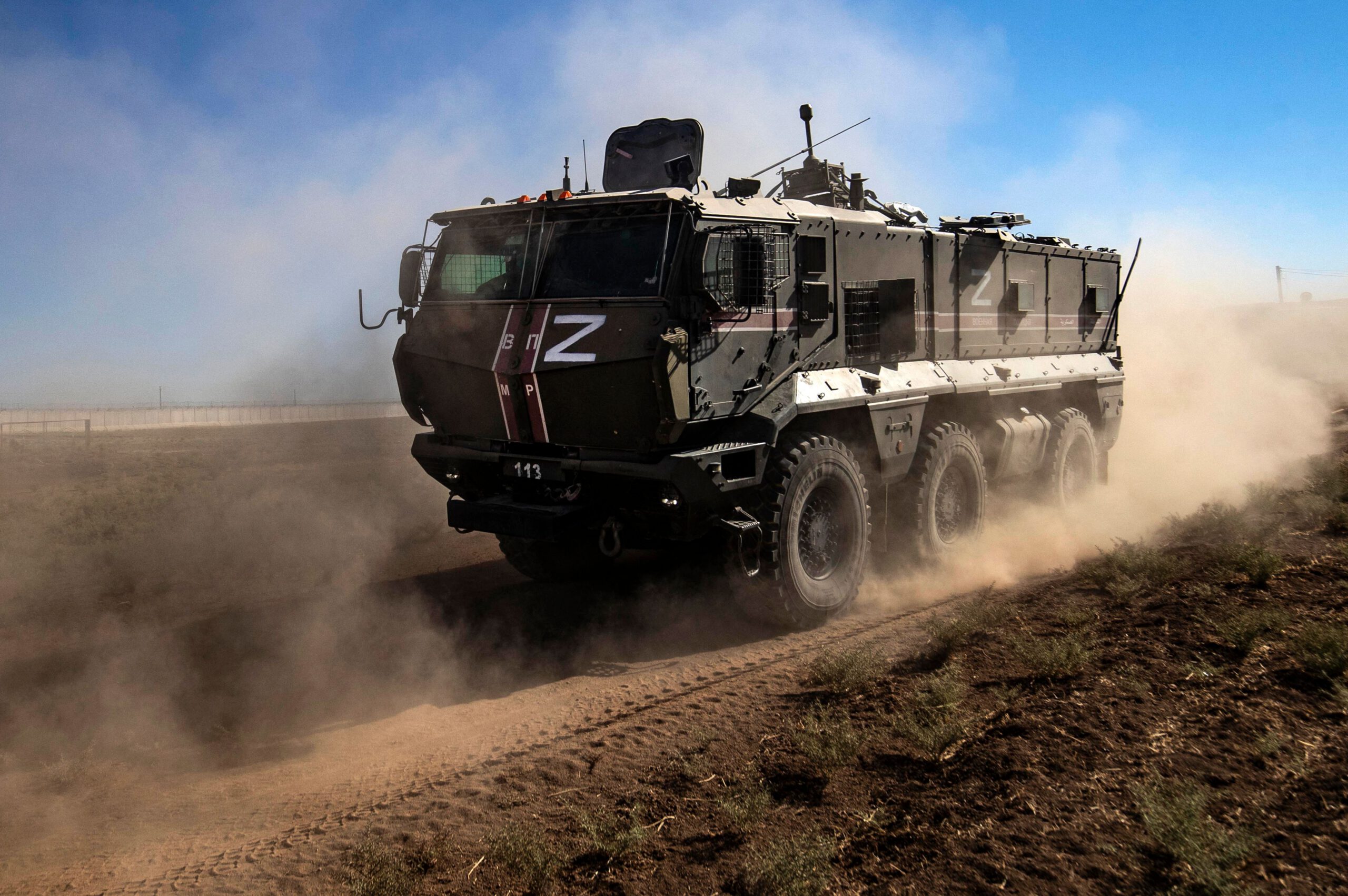
Russia’s 2022 invasion of Ukraine renewed focus on Moscow’s earlier military intervention in Syria, which often became framed as a “testing ground” for the weapons and tactics it now employs against Ukrainian cities. But crucially, the Russian forces backing Assad’s embattled regime also understood the importance of rebuilding the broken Syrian security forces into more effective fighting units.
The renewal of the international agreement on Iran’s nuclear program does not undermine Israeli national security per se but rather a longstanding tenet of Israel’s strategic thinking: that it must be able to fully eradicate any challenge to its military superiority deep inside enemy territory.
Syrian foreign policy in the Caucasus and Ukraine: An unbalanced, Russia-centered approach
The embattled Syrian regime’s need to preserve Russian military and political support has compelled Damascus to adopt the Kremlin line in its foreign policy positions toward the former Soviet space.
When elections don’t matter? How new parliamentarians can improve the politics of power-sharing arrangements
Power-sharing arrangements remain a paradoxical phenomenon. As a powerful tool to stop the guns of conflict, they tend to kill the ingredients for peace by preventing politics from changing. Three countries with such arrangements have recently held elections in which outcomes have — ostensibly — led to such political change. Change, however, has yet to materialize and so far the elections have brought more of a perennial companion of power-sharing arrangements: political gridlock.
الأسباب التي تجعل الإدارة الذاتية الخيار المرحلي الأفضل للمجتمع المحلي
هذا يضعنا أمام تسأل مهم، لماذا باتت ردود الفعل للمجتمعات المحلية على الإدارة الذاتية وجناحها العسكري ردود محدودة أو منعدمة في كثير من الأحيان؟، رغم أن هذه المجتمعات خاضت معارك طاحنة ضد النظام و تنظيم “داعش” لذات هذه الأسباب.
Why the AANES is the best interim option for local communities in northeastern Syria
In early June, the SDF, the military wing of the AANES, raided the al-Mouh neighborhood in Abu Hamam in eastern Deir ez-Zor. They burned down several houses under the pretext that their owners were wanted for smuggling oil derivatives to areas under Syrian regime control, but the incident did not provoke any response from the al-Shaitat tribe affected. This raises an important question: Why do local communities respond to attacks by the AANES and its military wing in at most a limited way when these same communities fought fierce battles against the Syrian regime and ISIS when they carried out similar attacks?