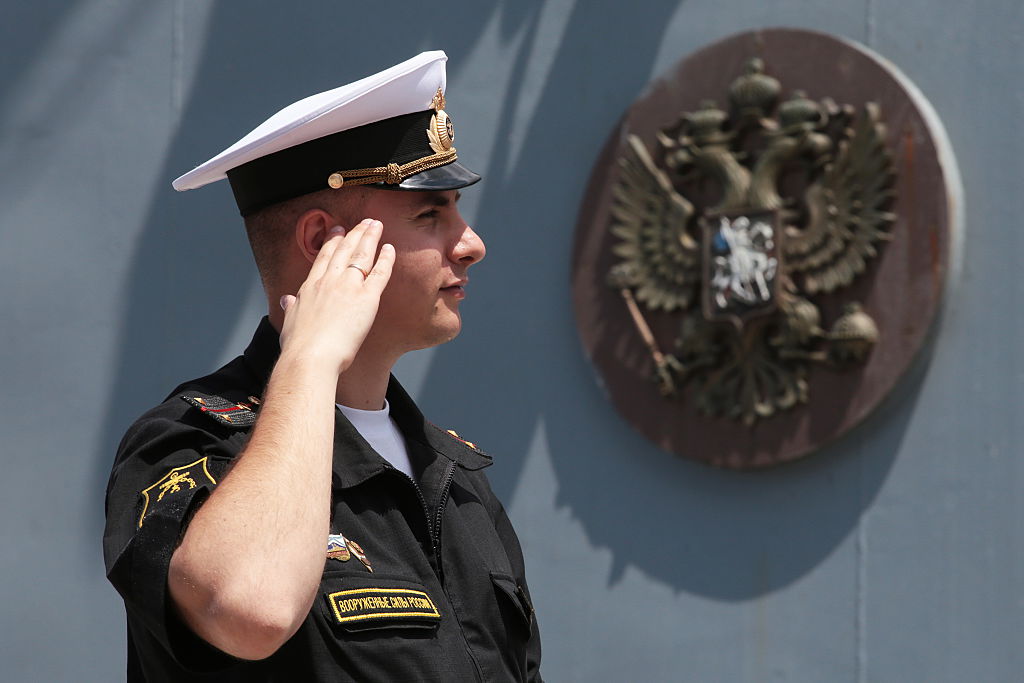
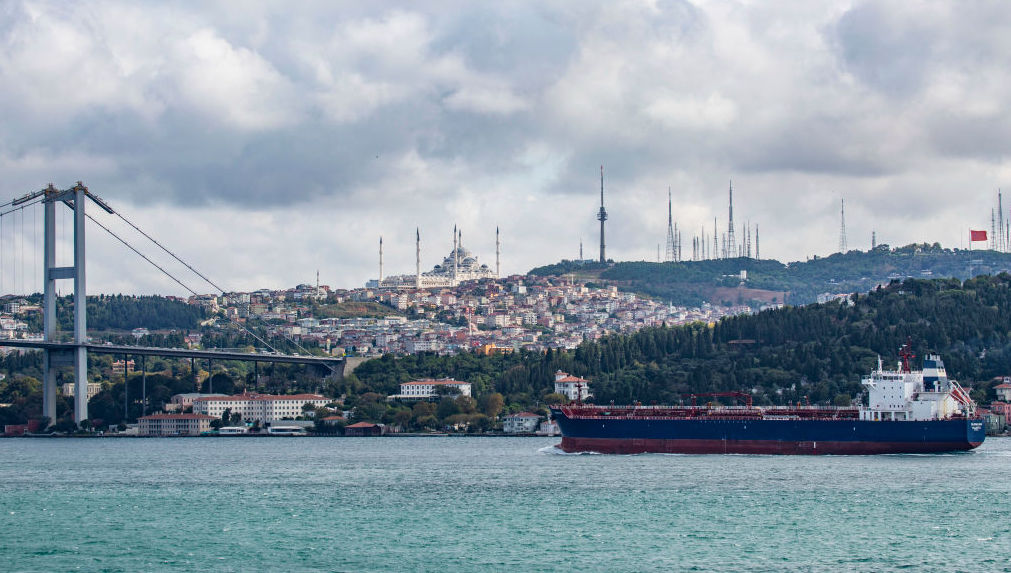
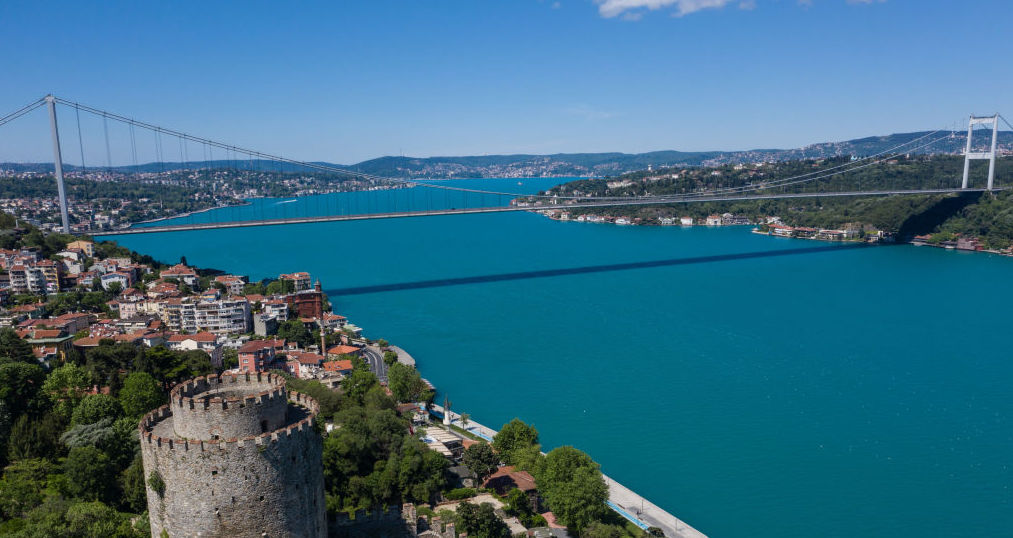
The Black Sea sits at an important economic and civilizational crossroads on the Eurasian landmass. The region contains oil and gas resources, key energy pipelines, shipping lanes, and fiber-optic cables. For Russia, the Black Sea is of particular importance for economic and geostrategic reasons.
Turkey, the Gulf, and Libya: The economic impact of a growing geopolitical divide
Turkish support for the Tripoli-based Government of National Accord (GNA) in the Libyan civil war has added a new dimension to relations between Turkey and Gulf countries like the United Arab Emirates (UAE) and Saudi Arabia. But what impact have the growing geopolitical divides and diplomatic disagreements had on Turkish-Emirati and Turkish-Saudi economic relations?
The Middle Kingdom and the Middle Corridor: Prospects for China-Turkey ties
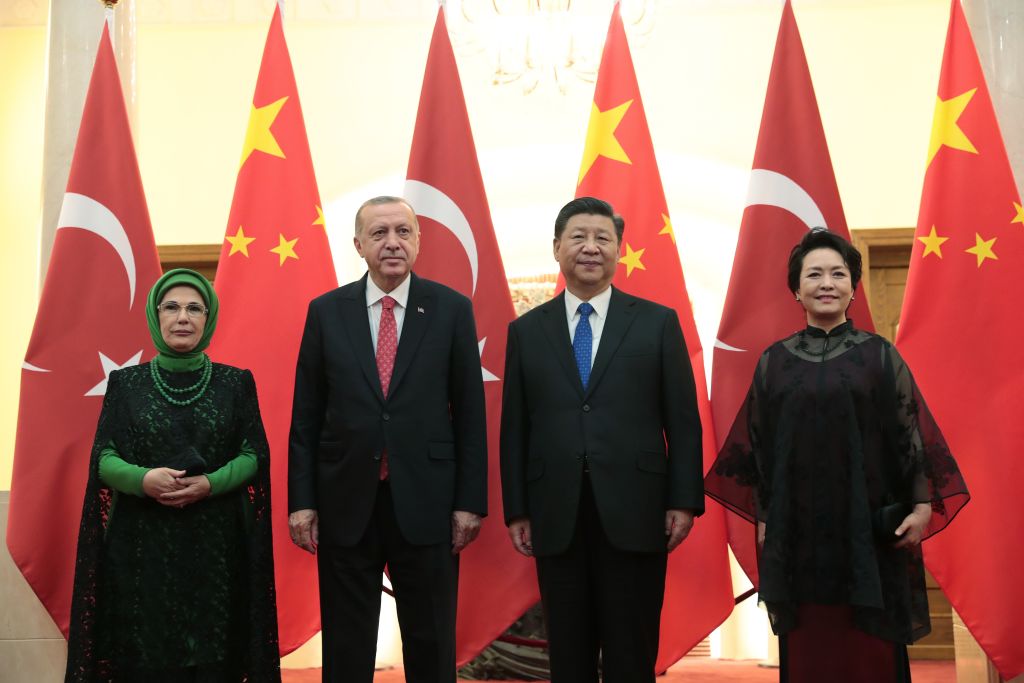
As part of Beijing’s broader strategy of seeking out new markets and cultivating strategic partnerships with countries beyond its backyard, China has been seeking to expand its economic and political ties with Black Sea states. While Beijing’s involvement in the region is still at a nascent stage, it has already prompted fears that its economic engagement masks a political agenda that could hurt Western interests.
How the battle over energy will reshape Eurasia relationships
The conflict between Turkey and the anti-Turkey bloc is hurting everyone’s energy interests, making an investment in the region costlier for energy companies. Without compromises on all sides, everyone stands to lose.
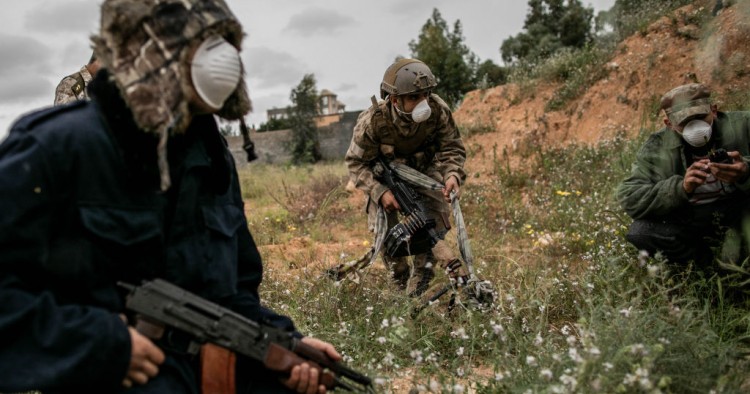
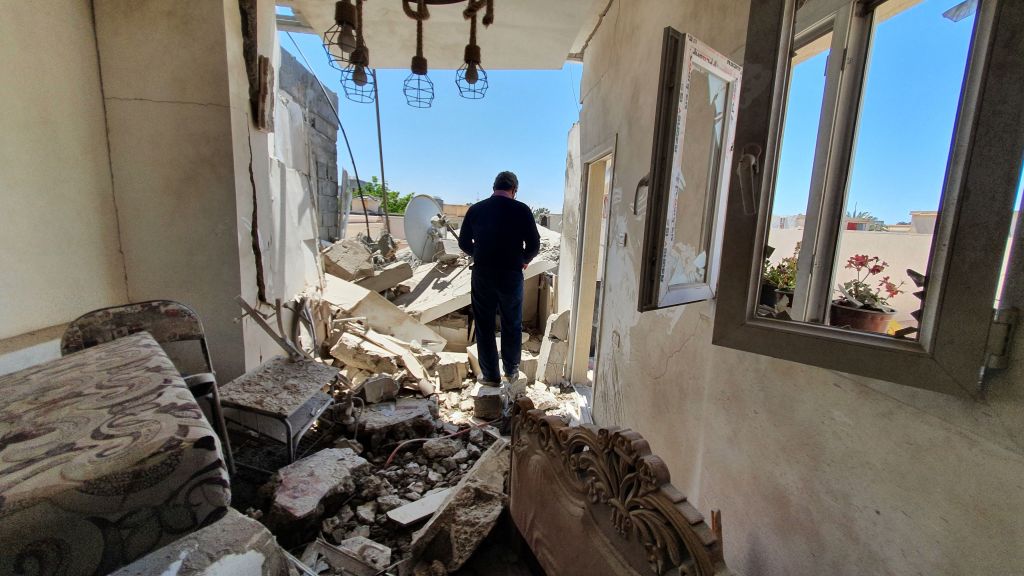
MEI’s Gonul Tol and Jonathan Winer join host Alistair Taylor to discuss the state of the conflict in Libya, where the internationally recognized Government of National Accord (GNA) forces supported by Turkey have made significant gains in recent weeks over Khalifa Haftar’s Libyan National Army (LNA) forces, which are backed by Russia, the UAE, Egypt, and France.
Are the foreign patrons of the Libyan war ready to end it?
Absent major military escalation by his foreign patrons, Khalifa Hifter has now lost the war he initiated against Libya’s internationally recognized government in Tripoli. The question remains, however, of how to end Libya’s proxy war and restart the necessary political process to bring about sustained peace.
COVID-19 is a humanitarian problem, and containing the pandemic as soon as possible is an urgent obligation to save human lives. Yet we have to deal with the economic fallout from the pandemic just as urgently because the costs are substantial.
Arguably the time is now ripe to begin accumulating such nuances in regard to Turkey. The difficulties of dealing with Turkey and President Recep Erdogan are incontestable and well-known. Nevertheless, Turkey’s geopolitical significance is equally indisputable and far-reaching. Many of the major issues in European security – migration, Libya’s civil war, confronting Syria’s civil war (the equivalent in our time of the Spanish Civil War in the 1930s), stabilizing the Balkans, defending the Black Sea, European energy security, and in particular accessing the energy in the Eastern Mediterranean – would benefit from the restoration of a true and ongoing strategic dialogue with Turkey. Indeed, neither we nor Turkey can make progress on them without such a dialogue.
Protracted conflict on Yemen’s island of Socotra reflects rival geopolitical ambitions
On April 30, roughly a week after the Southern Transitional Council (STC) declared self-administration in Aden, a military confrontation broke out on the remote Yemeni island of Socotra between members of the STC and government forces. After just a few days, the situation was diffused when the island’s governor and the STC asked the Saudis to intervene. Although an agreement was reached quickly, it is likely to be fragile because the causes of the conflict are not entirely local. The island of Socotra is simply too important to multiple international players that are not willing to let it easily slip outside their sphere of influence.
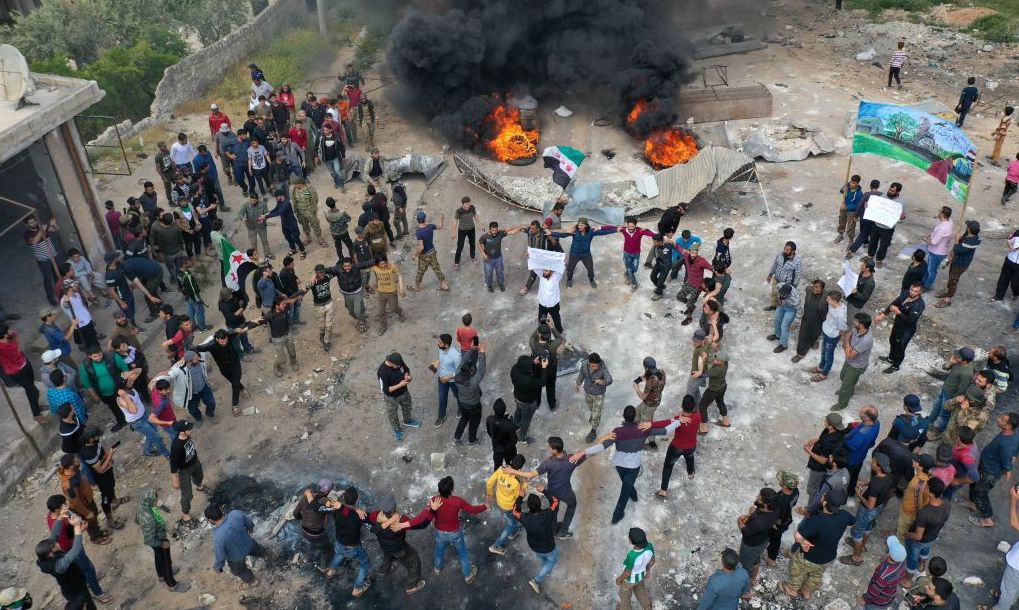
With its territory under increasing pressure, its finances dwindling, and manpower more challenged than ever, HTS’s ability to balance its extremism with controlled uses of pragmatism is under strain. Internally, its leadership is bitterly divided over decisions of the past, present, and future and externally, its rivals and enemies all appear to be conspiring against it. In an attempt to protect internal cohesion, HTS has become determinedly self-assertive in recent weeks, pursuing unpopular policies such as trading with the regime and lashing out at those brave enough to express their dissatisfaction. In response to HTS aggressions, a wider array of opposition voices — both moderate and Islamist — are declaring loudly that HTS now represents a threat to their revolution.