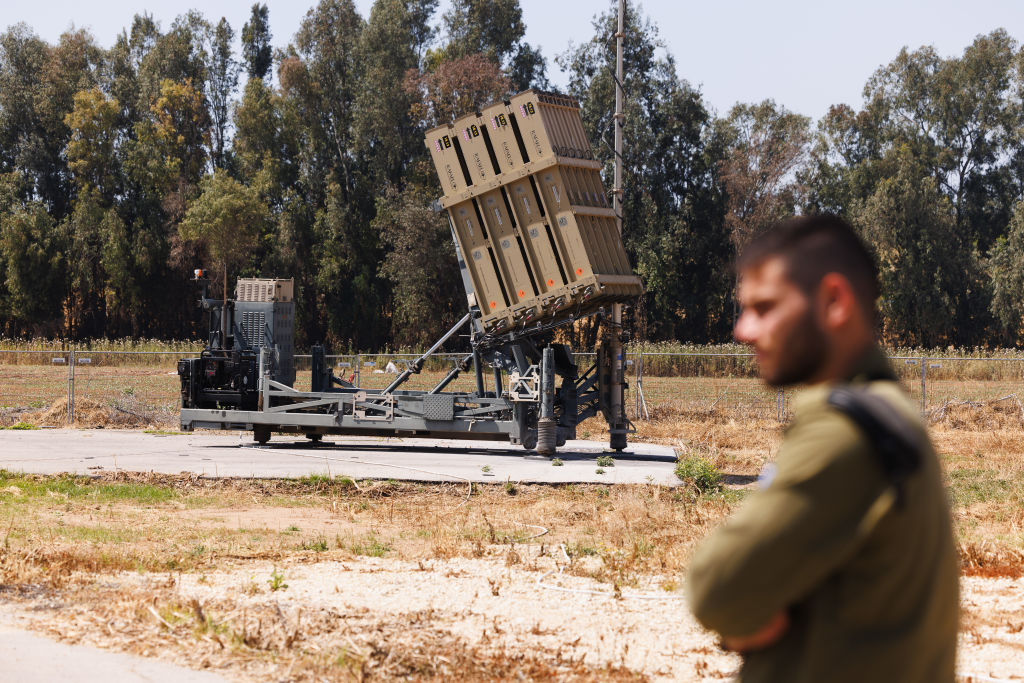
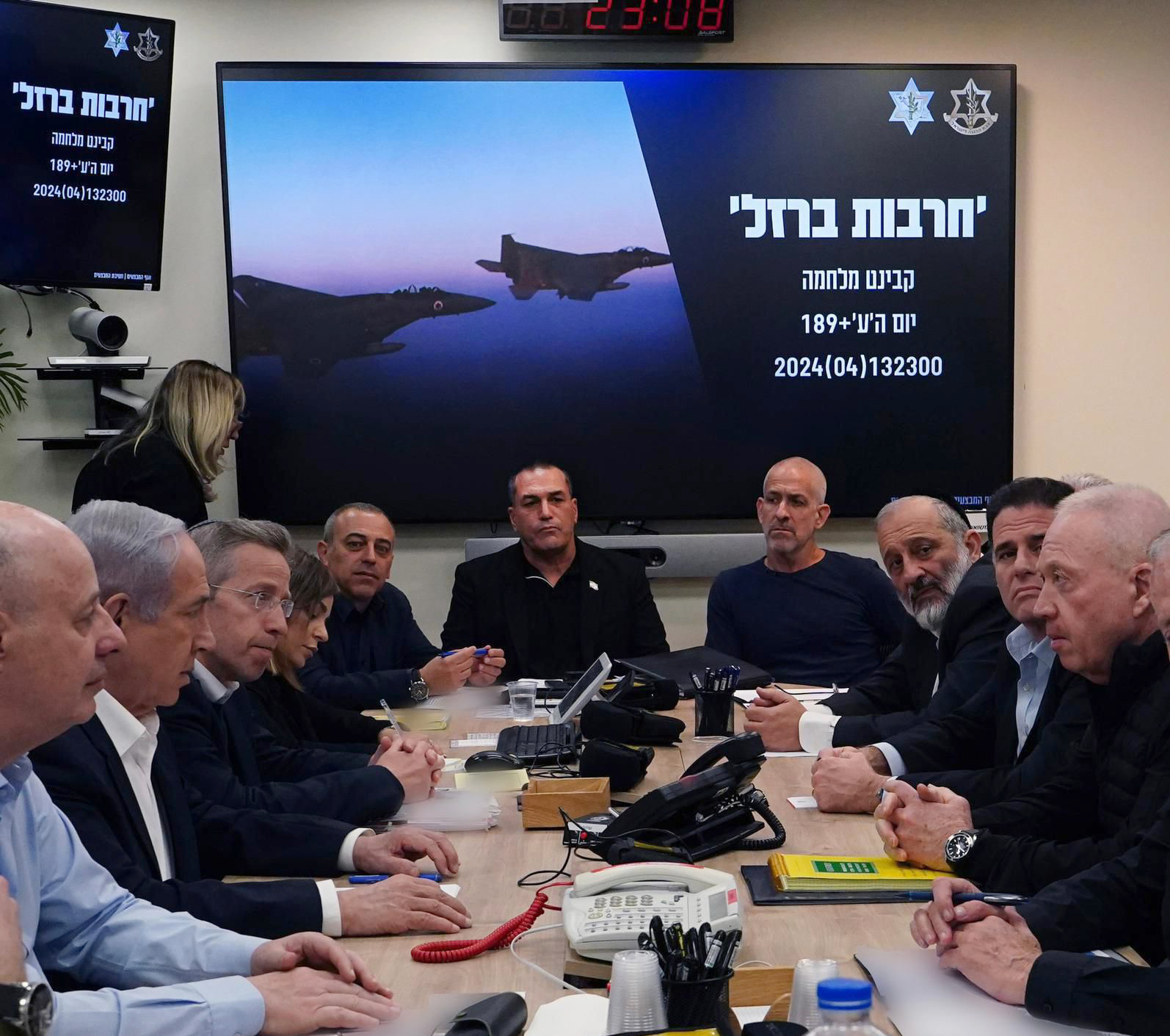
After scoring important points by blocking Iran’s attack, Israel should draw the right lessons from its success
The Iranian strike against Israel was a first of its kind. Its mere occurrence sets a precedent that will have a long-term impact and require Israel to weigh new considerations when planning future military operations against Iranian assets.
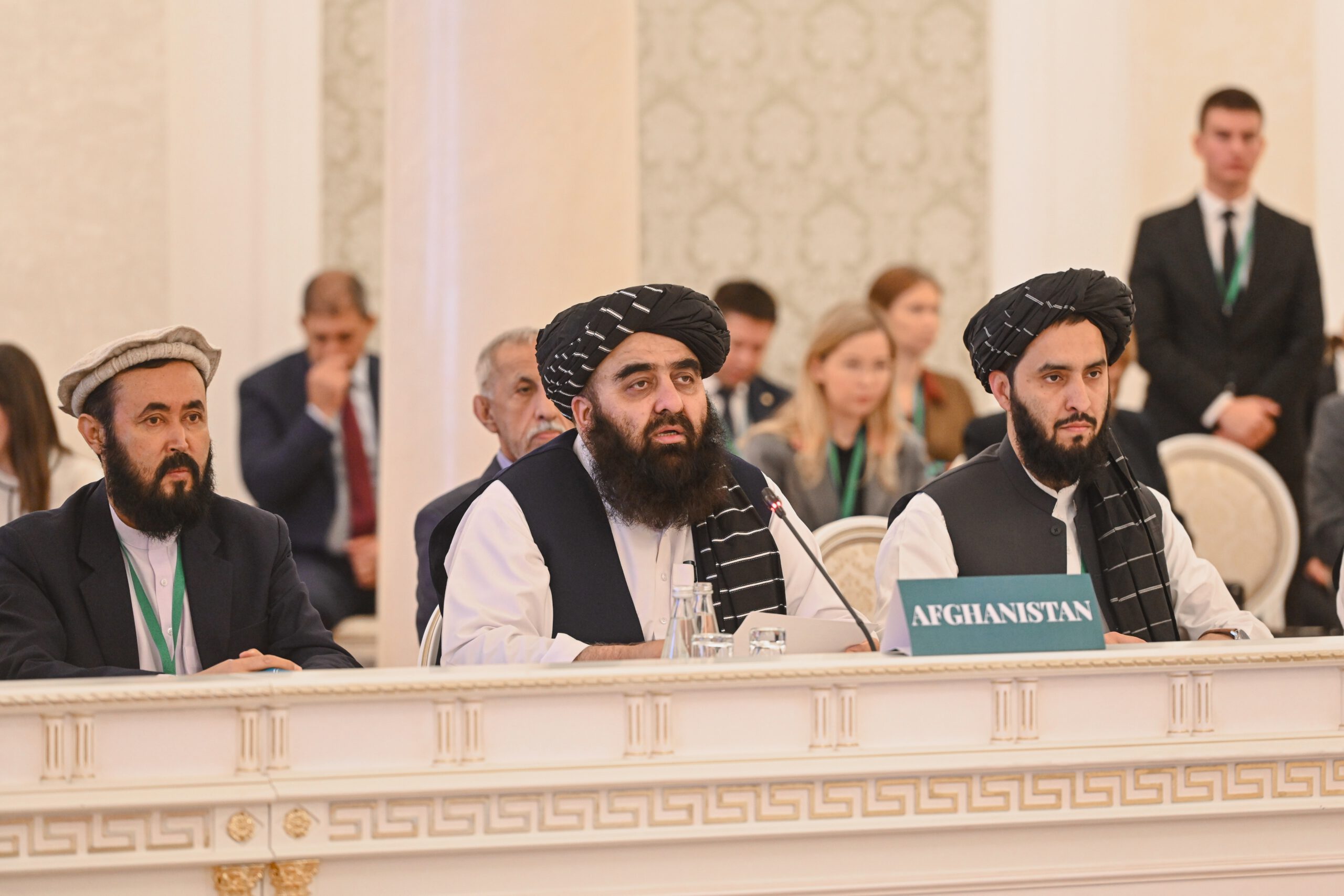
Though Tehran continues to engage the government in Kabul in a pragmatic fashion, Iran and the Taliban are not traditional friends or allies; they share an uneasy relationship. There is a sectarian angle to their differences and a long-standing dispute over water resources. Yet Iran has sought to normalize relations due to broader geopolitical considerations, security concerns, and perceived economic opportunities.
Two realities shape Iran’s stance on the Gaza war and the Israeli-Palestinian conflict
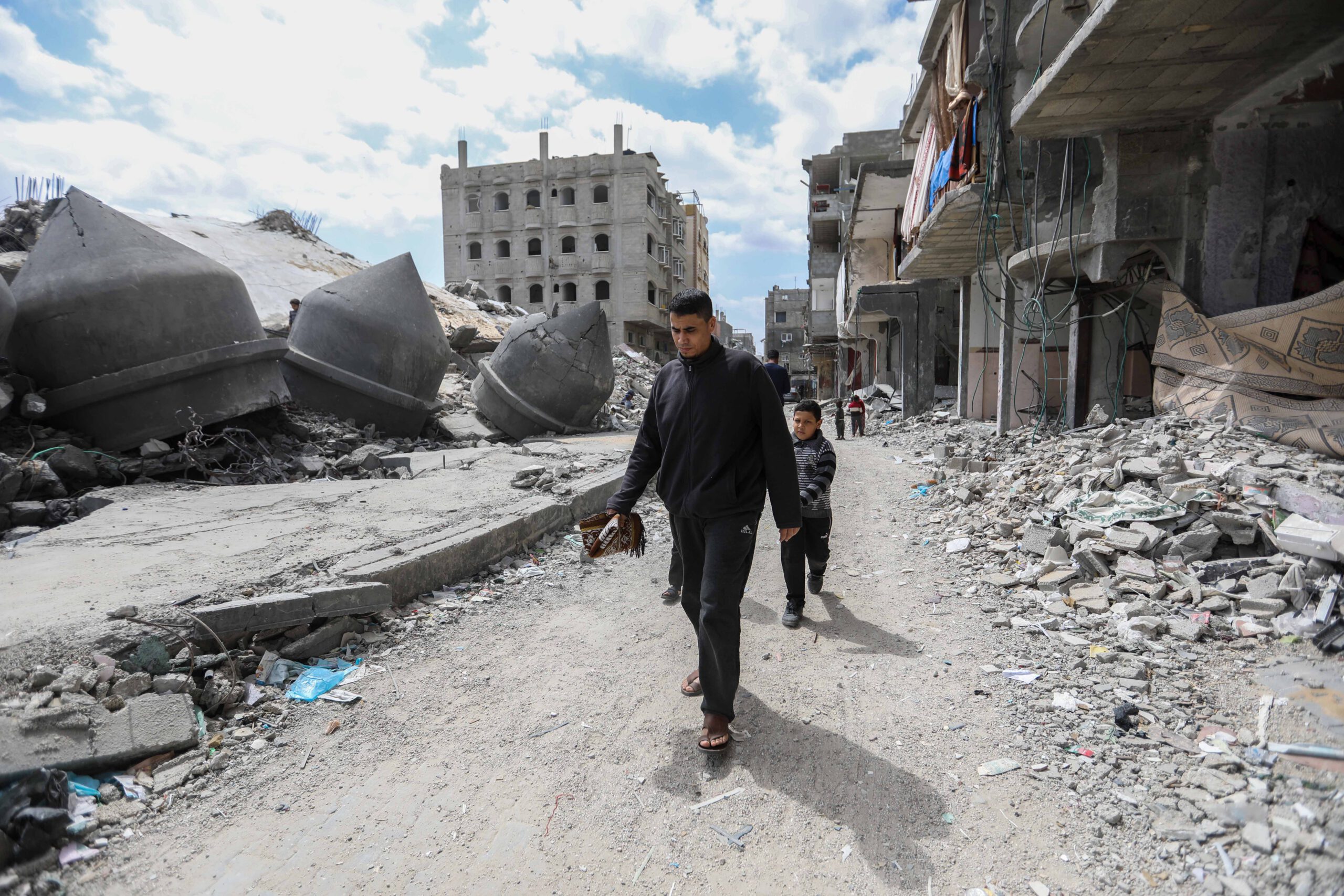
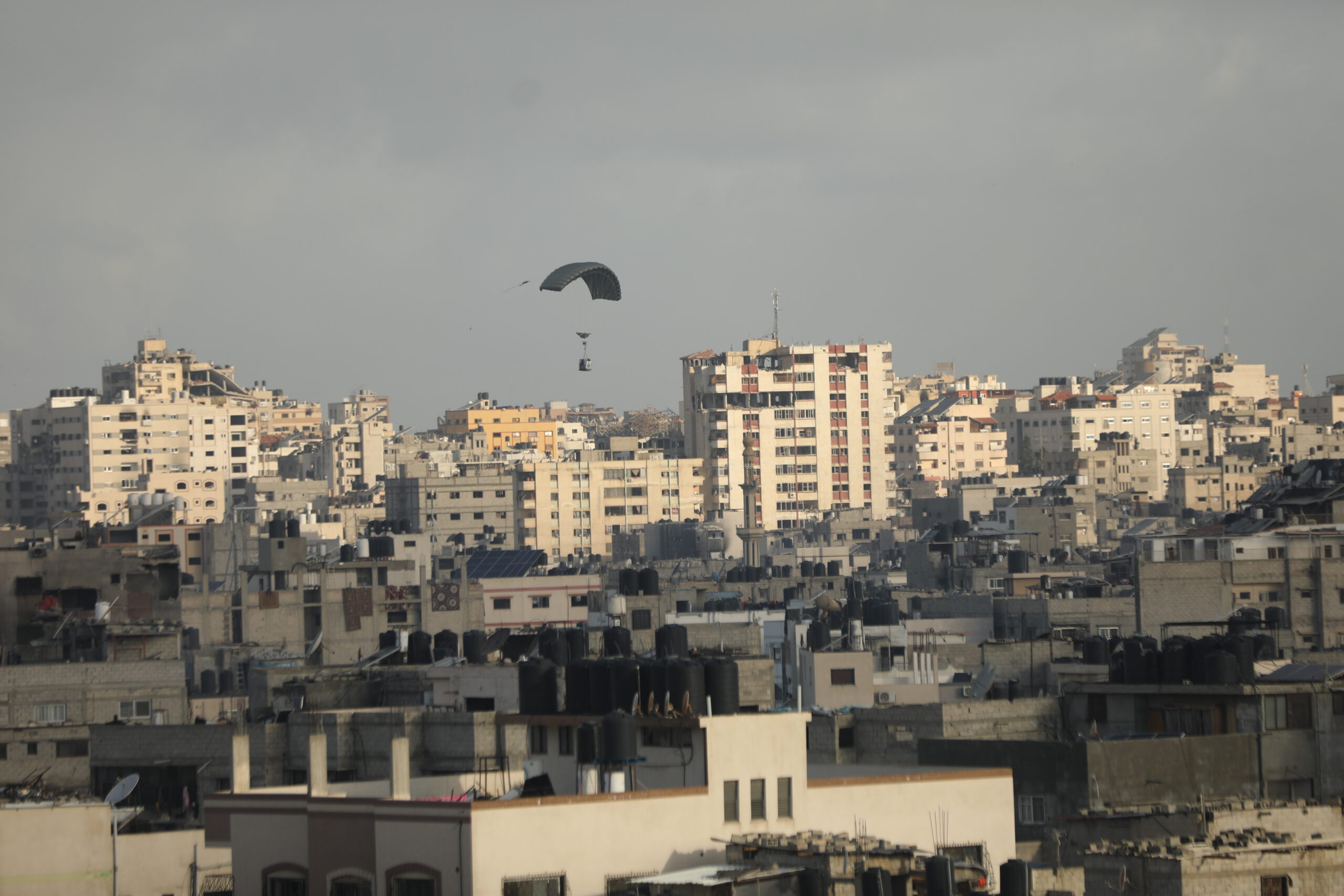
Iran is a key stakeholder in the Israeli-Palestinian conflict. Tehran does not have a deciding vote on the outcome of the current war in Gaza, but it does have plenty of capacity to shape the future course of the conflict. Iran is, after all, among the top backers of Hamas, both in terms of diplomatic support and as a supplier of military materiel and knowhow.
Expert Views: What is needed to end the war in Gaza?
Six months since the October 7 Hamas attacks on Israel and subsequent outbreak of war in Gaza, the deadly and devastating conflict looks no closer to concluding. Is it still possible to achieve a sustainable cessation of hostilities and restart the conflict-resolution process? To get there, what are the incentives and disincentives that could be constructed for the two main combatants, Israel and Hamas?
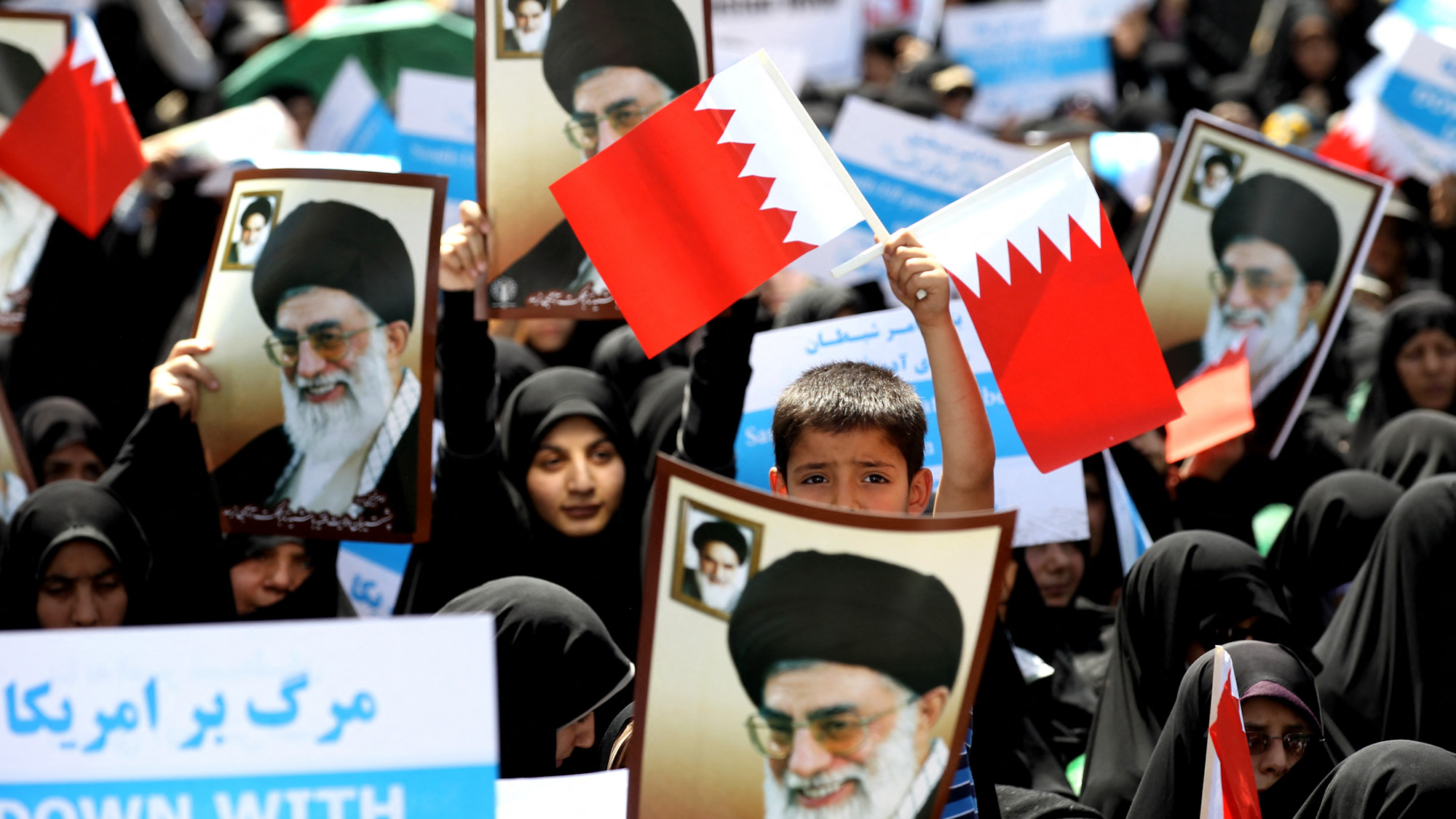
On March 12, the United States Department of the Treasury sanctioned four individuals for supporting the Iran-linked al-Ashtar Brigades in Bahrain. This US announcement might suggest that Iranian-Bahraini relations are about to take a nose-dive. But in reality, that is unlikely to happen — at least not while Iranian-Saudi détente continues.
Moving to a post-Khamenei era: Iran’s new rubber-stamp Assembly of Experts
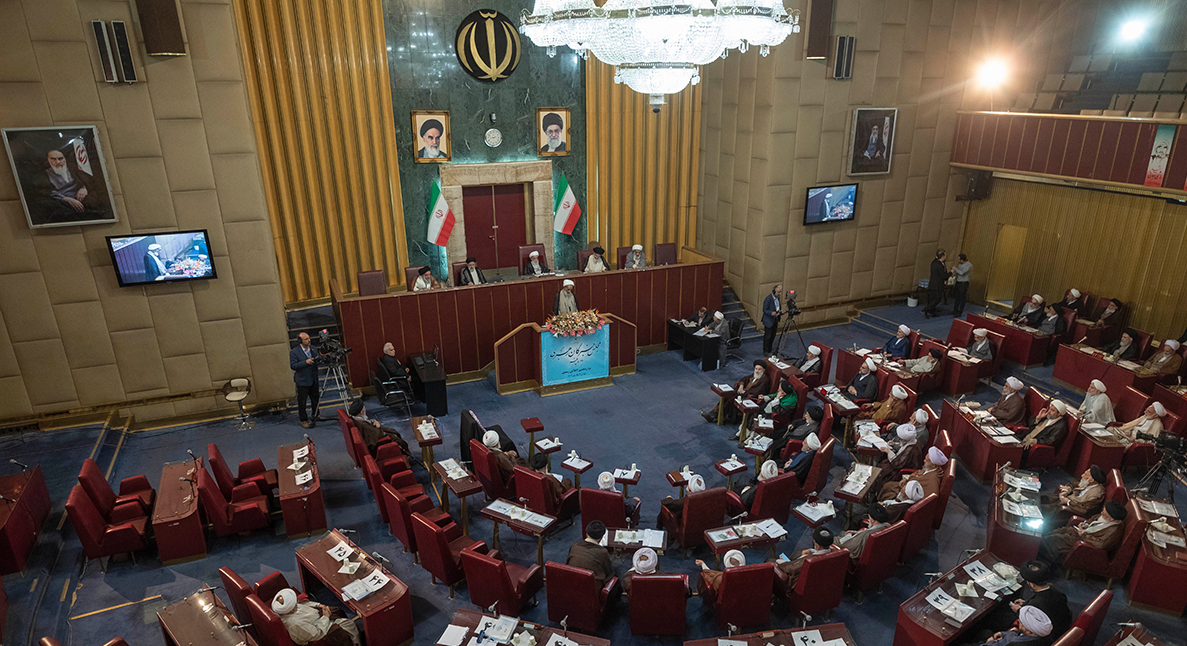
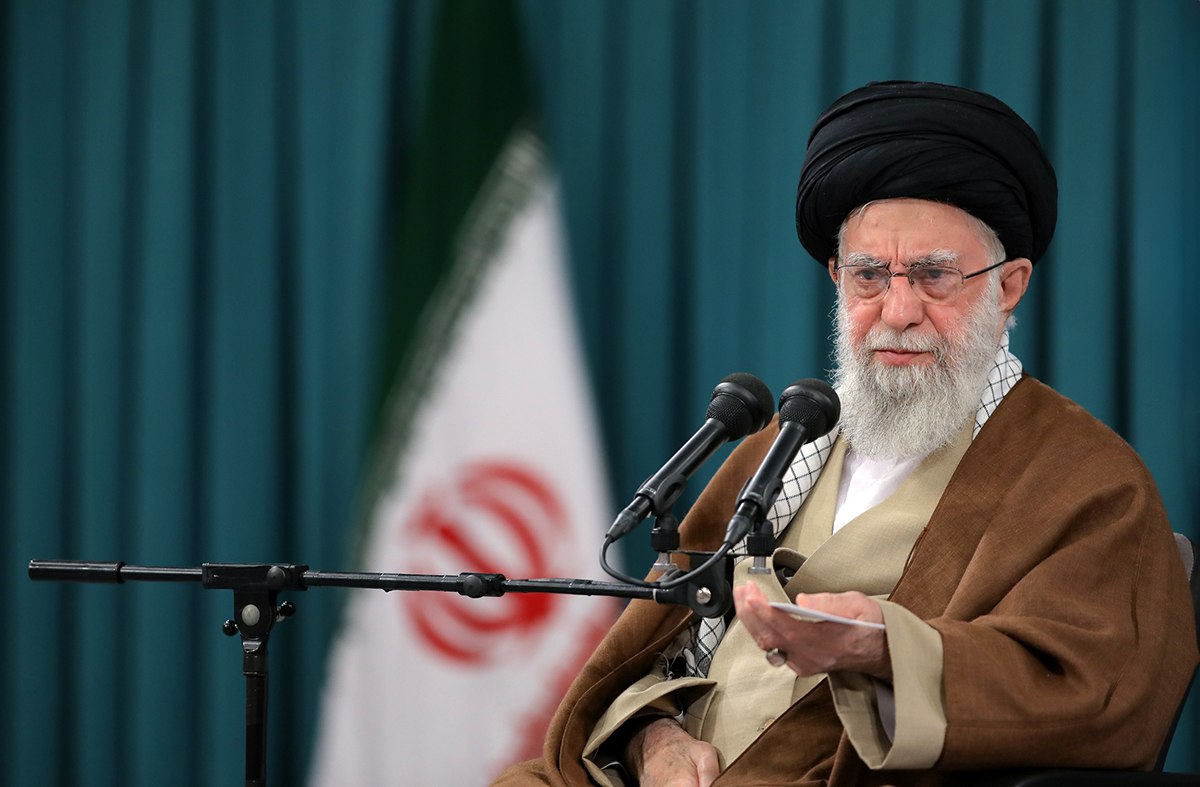
The results of the March 1 election for Iran’s Assembly of Experts hold great importance for understanding how the regime is preparing for the selection of the next supreme leader. The major responsibility of this 88-member body is to designate Ayatollah Ali Khamenei’s successor, either after his death or if he becomes incapable of fulfilling his responsibilities.
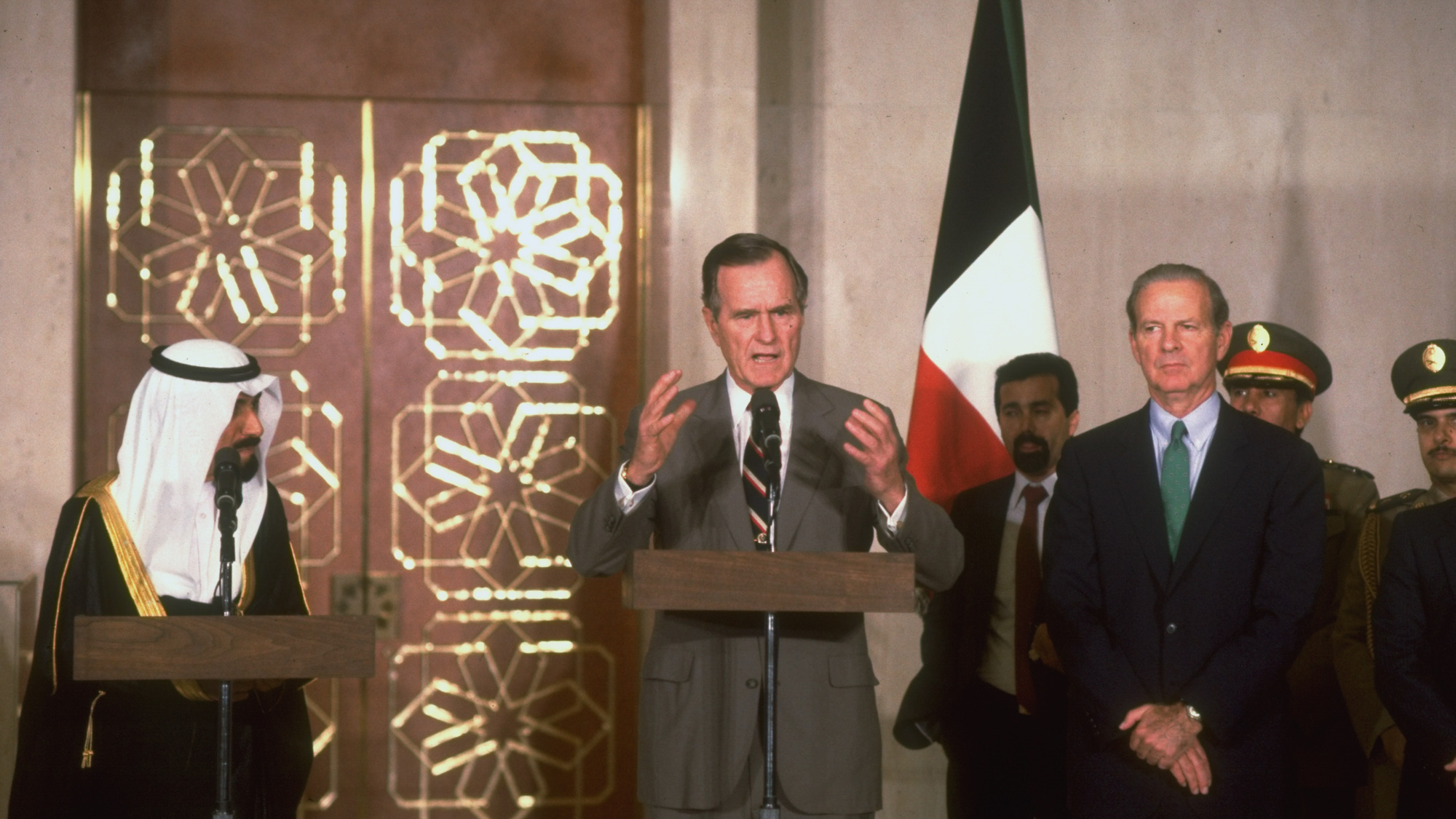
In his new book, Steve Coll casts doubt on whether Iraqi intelligence had actually tried to assassinate former President George H. W. Bush in Kuwait in April 1993. If the Kuwait plot were a fabrication, it would fit yet another brick in the wall of many well documented falsehoods and misunderstandings that led to the US invasion. Unfortunately for that allegation, the plot was very likely to have been quite real.
Moving to a post-Khamenei era: Cutthroat competition within the supreme leader’s office
In discussions on Iran’s future in a post-Khamenei era, one crucial player in the transition to a new supreme leader is often overlooked: the inner circle surrounding Ayatollah Ali Khamenei, primarily operating within the framework of the Office of the Supreme Leader.
Five key takeaways from new poll ahead of Iran’s parliamentary elections
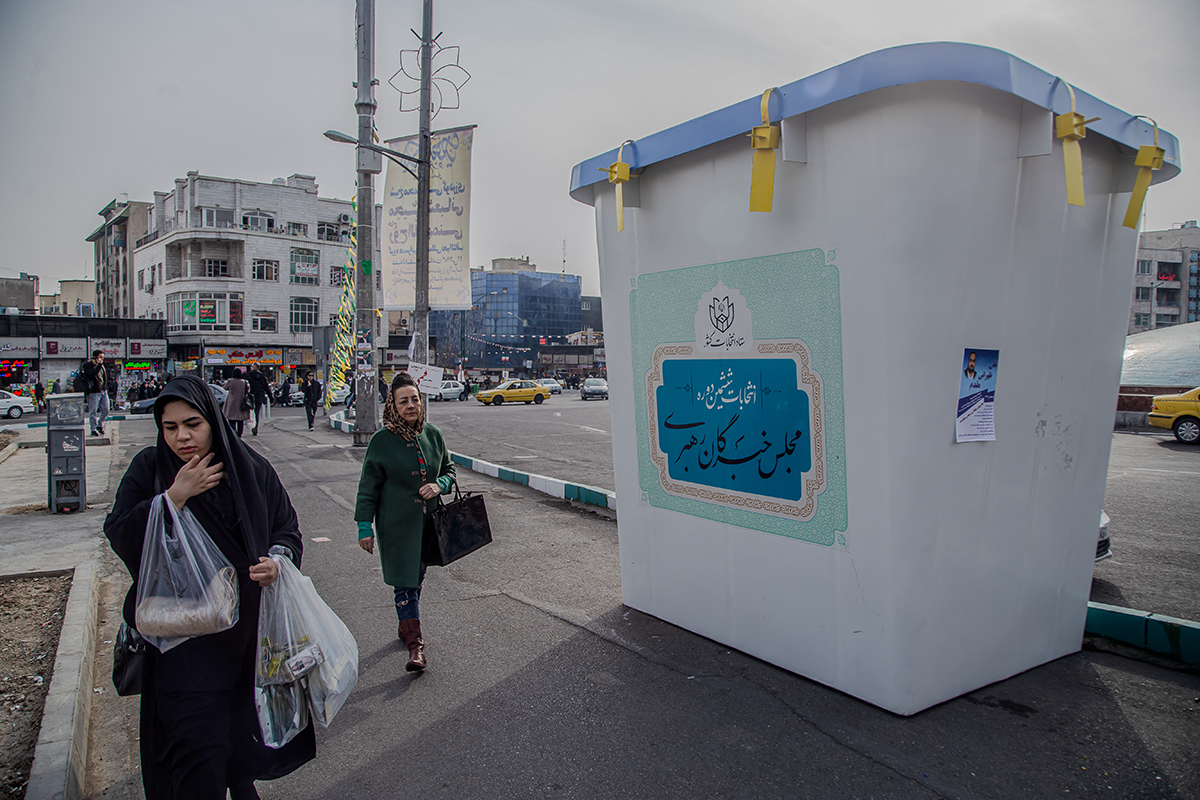
This article breaks down five key takeaways from the February 2024 survey conducted by Stasis Consulting ahead of Iran’s upcoming March 1 parliamentary elections.
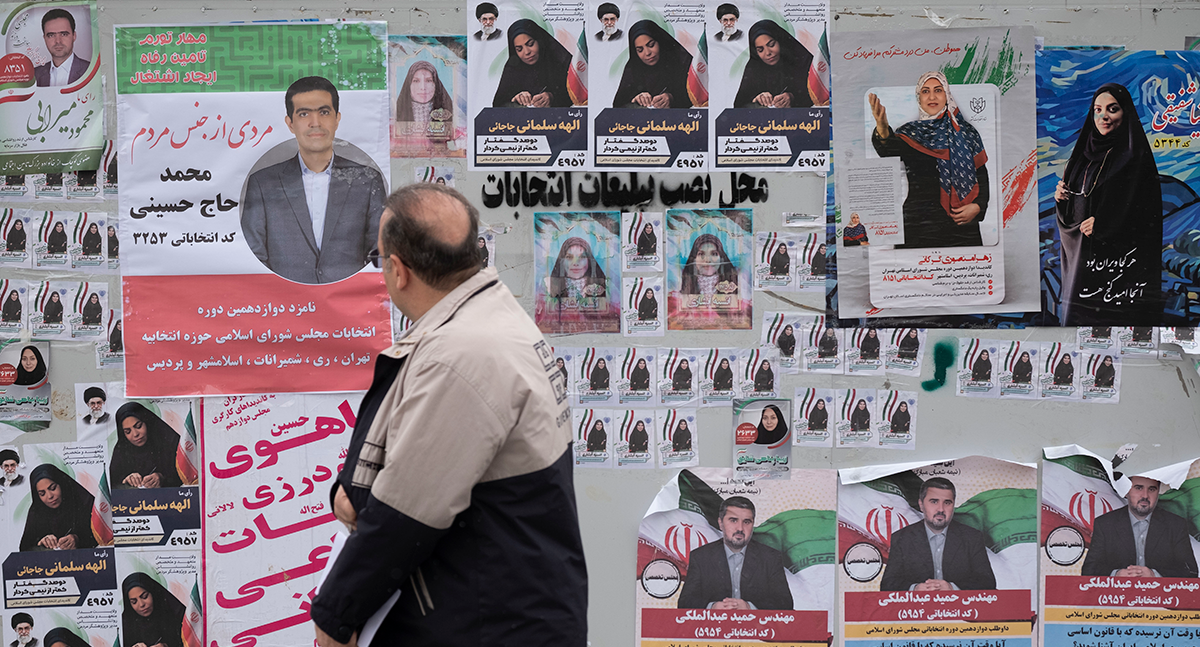
Polling suggests Iran’s 2024 parliamentary election will see record low turnout
Findings from the latest survey on Iran from Stasis Consulting: Turnout in the March 1 parliamentary election is expected to be a record low of 34%, the majority of Iranians disapprove of President Raisi’s job performance as well as that of the parliament (65% and 61%, respectively), and in a hypothetical face-off between President Raisi and former FM Zarif, Mr. Raisi wins out 30% to 16%.
Are Iran and Turkey on a collision course over West Azerbaijan?
Over the centuries, Iran and Turkey have engaged in an ebbing and flowing, but continual, rivalry for regional influence and supremacy. Yet such potentially escalatory dynamics have not been limited to geopolitical competition by proxy; they have also spilled over into efforts to meddle in each other’s internal affairs.