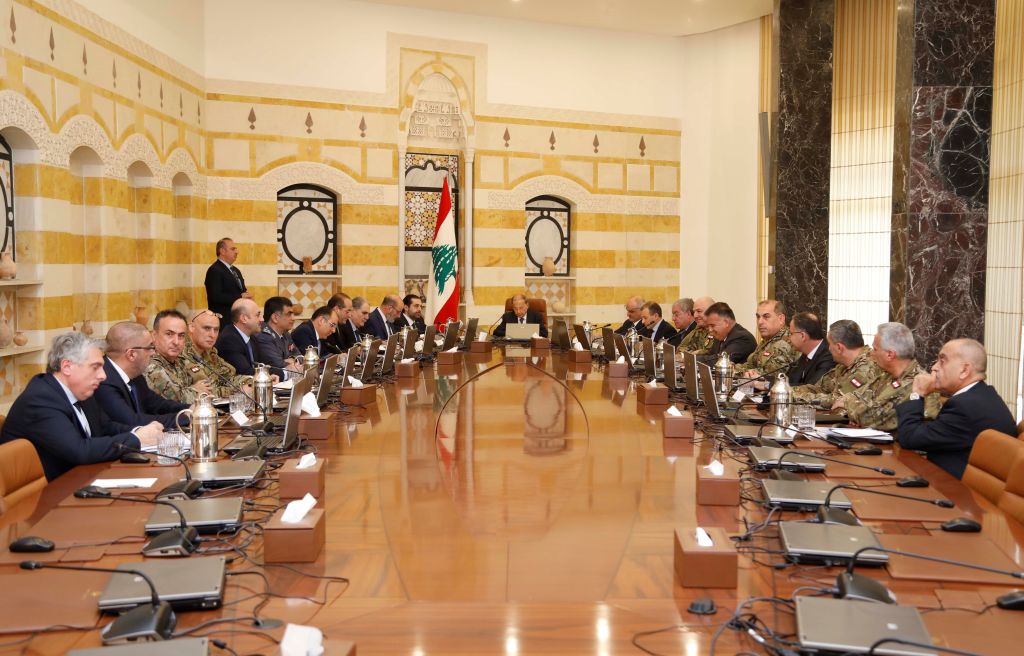
Introduced in August and subsequently delayed due to the country’s political upheaval, the National Lebanese Strategy for Cybersecurity is composed of two main sections: 1) preparation of a cybersecurity strategy and 2) establishment of a national cybersecurity agency.
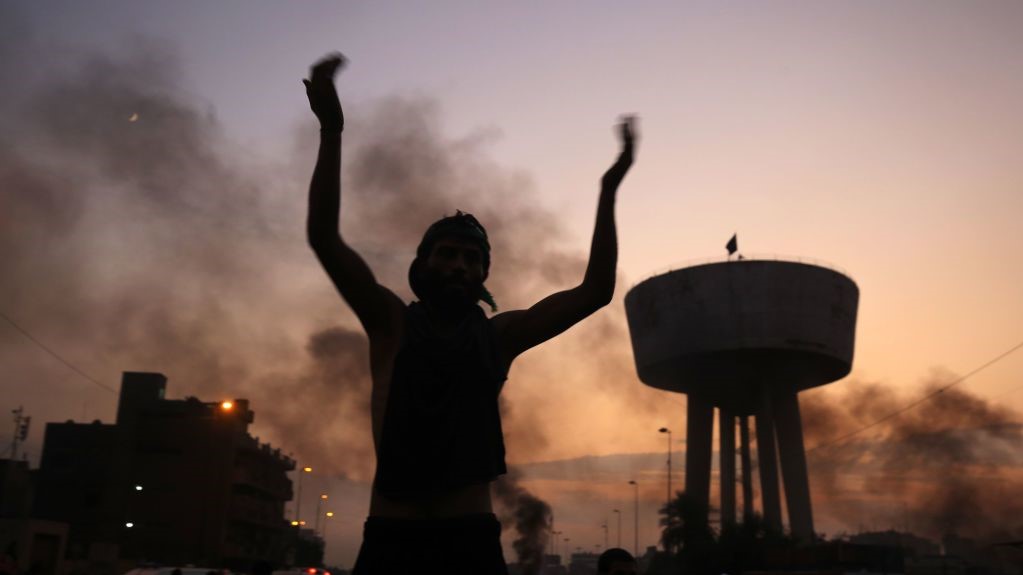
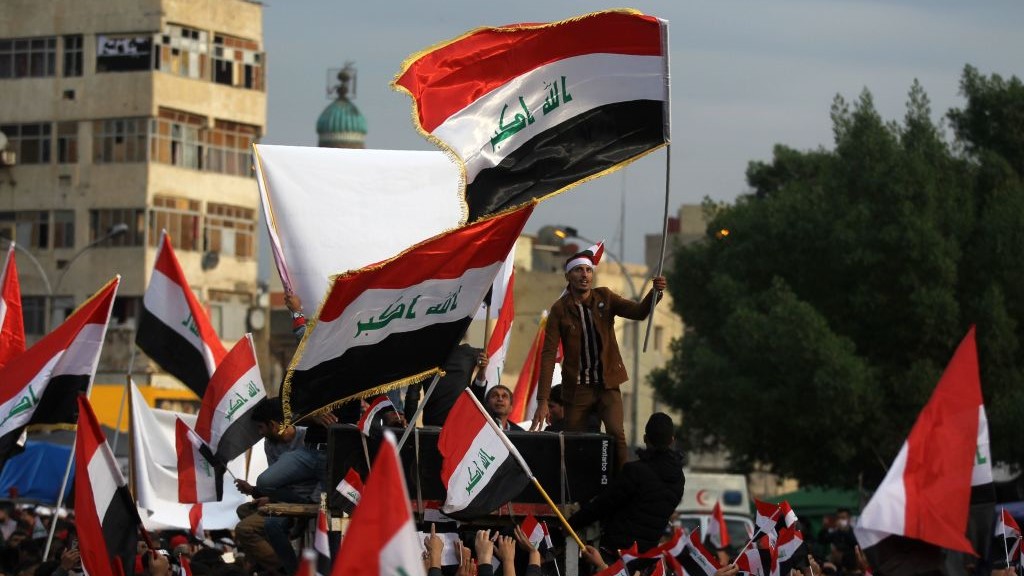
The three uprisings in Iran, Iraq, and Lebanon represent the revolt of a new generation seeking to build a better future for itself. Since 2011, there have been 11 uprisings in the Middle East and North Africa. All 11 uprisings have similar drivers: the explosive dysfunction of high demographic growth, low levels of economic development and job creation, poor government performance and services, and high levels of corruption and inequality.
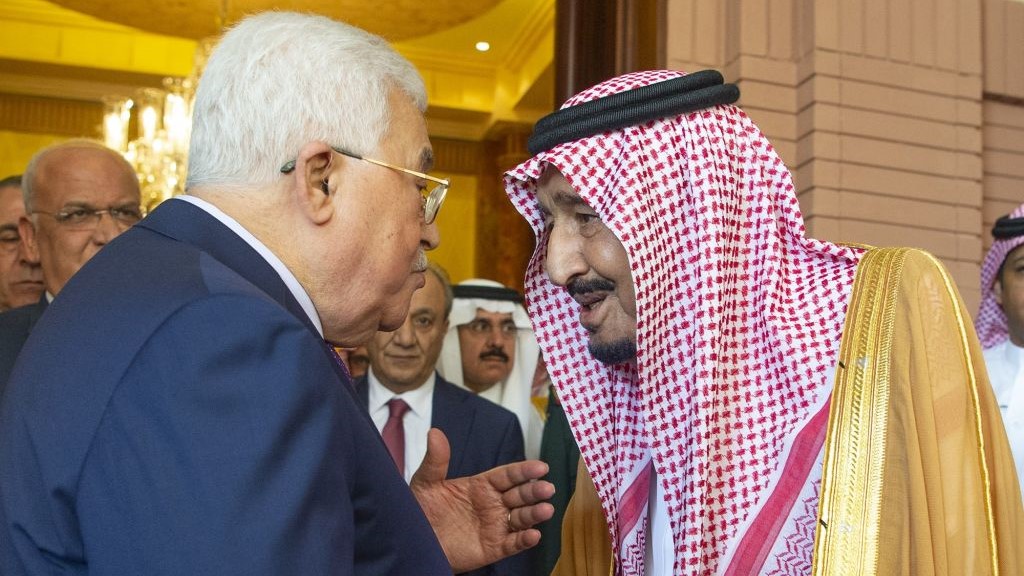
The intra-GCC competition over the Palestinian heart
Since 2017 three separate blocs have emerged within the Gulf. Driven by the region’s divisions, rival power centers, and conflicting interests, the Gulf states are playing an ever-greater role in Palestinian affairs.
The steps the Saudis have taken in 2019 may help to ease international pressure on the kingdom’s leadership and restore its image as a constructive player in the world.
The subject of extensive international interest and attention over the past few years, blockchain technology is regarded as a key component of the fourth industrial revolution. This article seeks to shed light on the use of blockchain technology in the Gulf states by analyzing current trends of blockchain adoption in the region compared to those internationally. In so doing, it will determine Gulf institutions’ capacity for keeping pace with the changes and developments blockchain adoption has introduced.
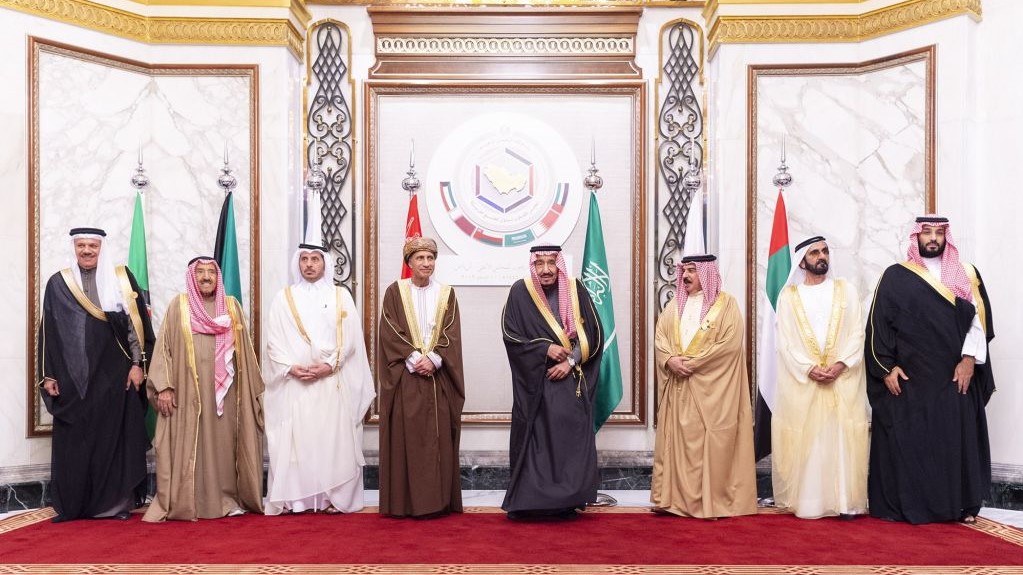
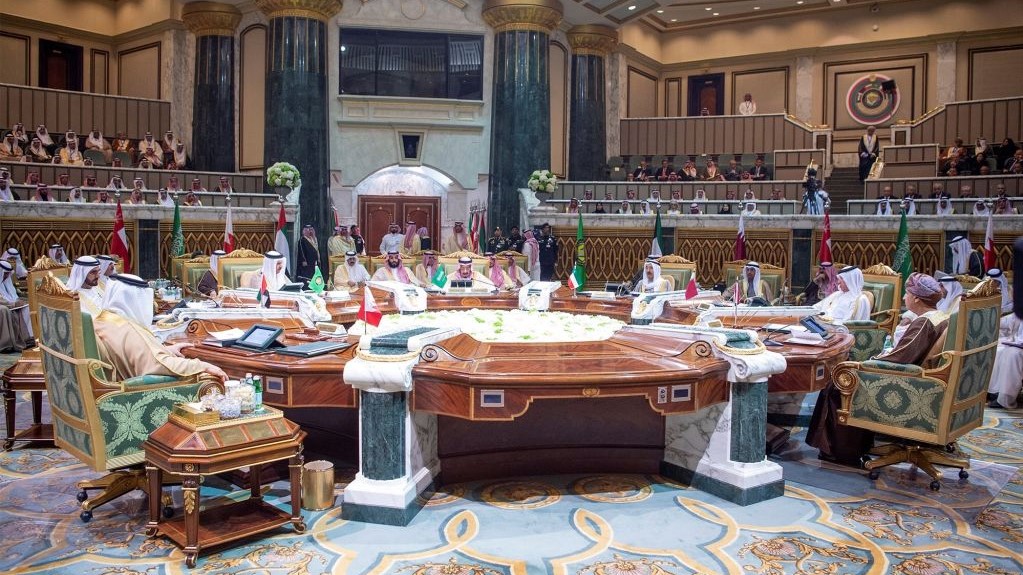
Cautious optimism that the Riyadh summit will open the door to ending the intra-GCC dispute
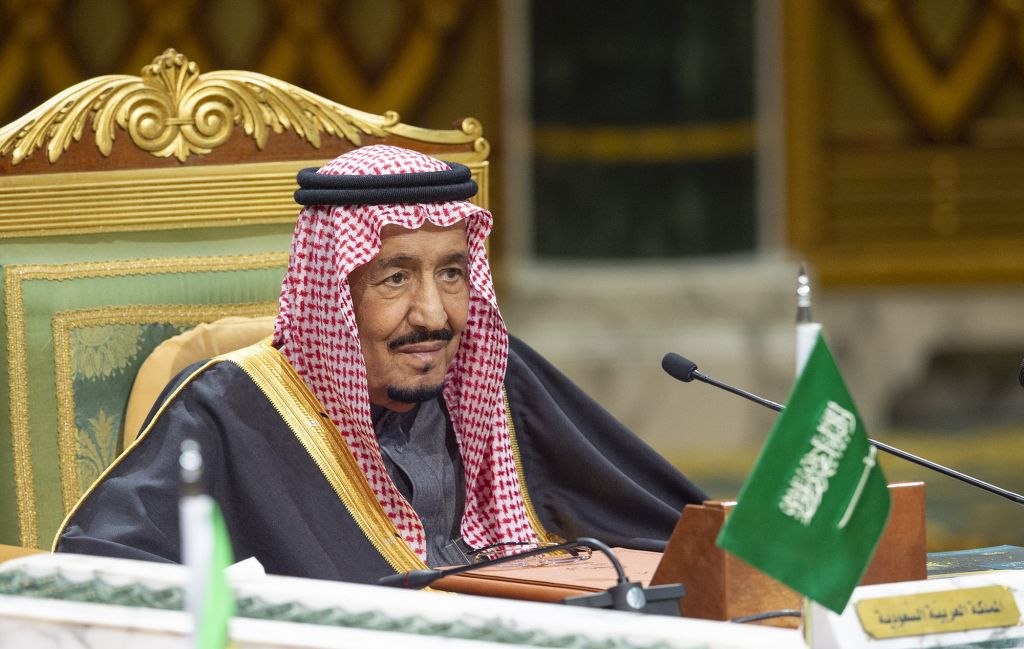
The leaders of the six GCC member states will meet in Riyadh on Dec. 10 amid signs that the 30-month-old confrontation with Qatar by the self-described “Anti-Terror Quartet” is diminishing.
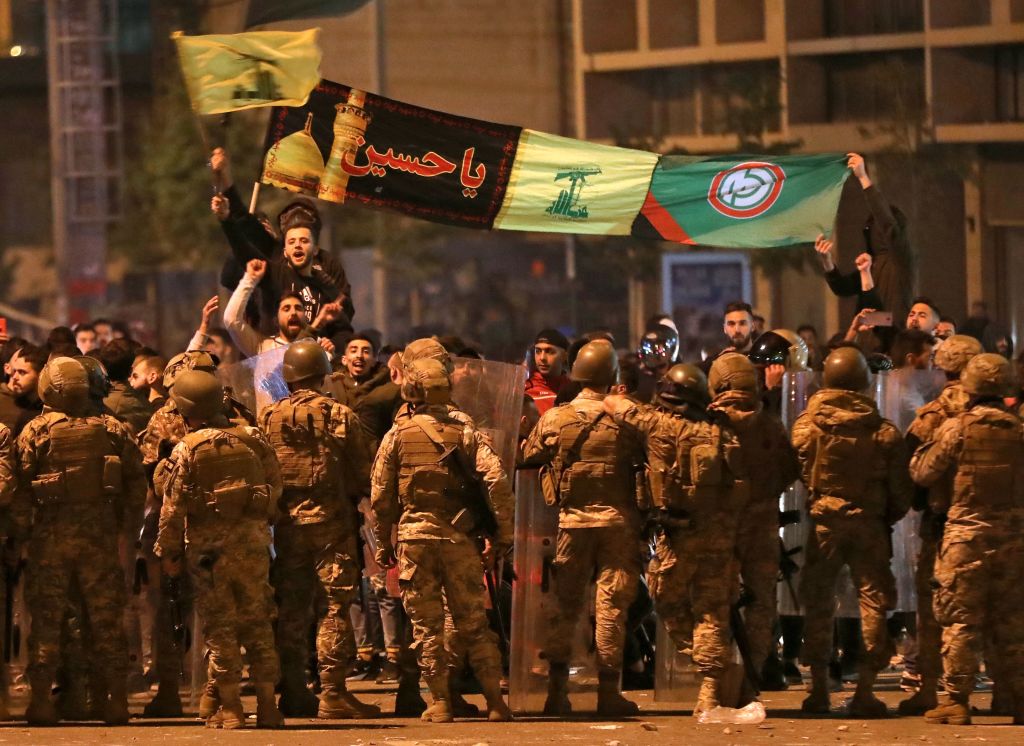
Hezbollah and Amal change tactics and ratchet up violence amid ongoing protests
While Hezbollah has largely remained immune to criticism, owing to its widely perceived role as an effective resistance movement against Israeli aggression, the powerful Iran-backed Shi’a militia and political party is now viewed by many demonstrators as part of the corrupt and morally bankrupt political establishment that must be replaced. Against this backdrop, supporters of Hezbollah and its Shi’a ally the Amal Movement have been quick to resort to violence.
Bringing Social Class into Humanitarian Debates: The Case of Northern Lebanon
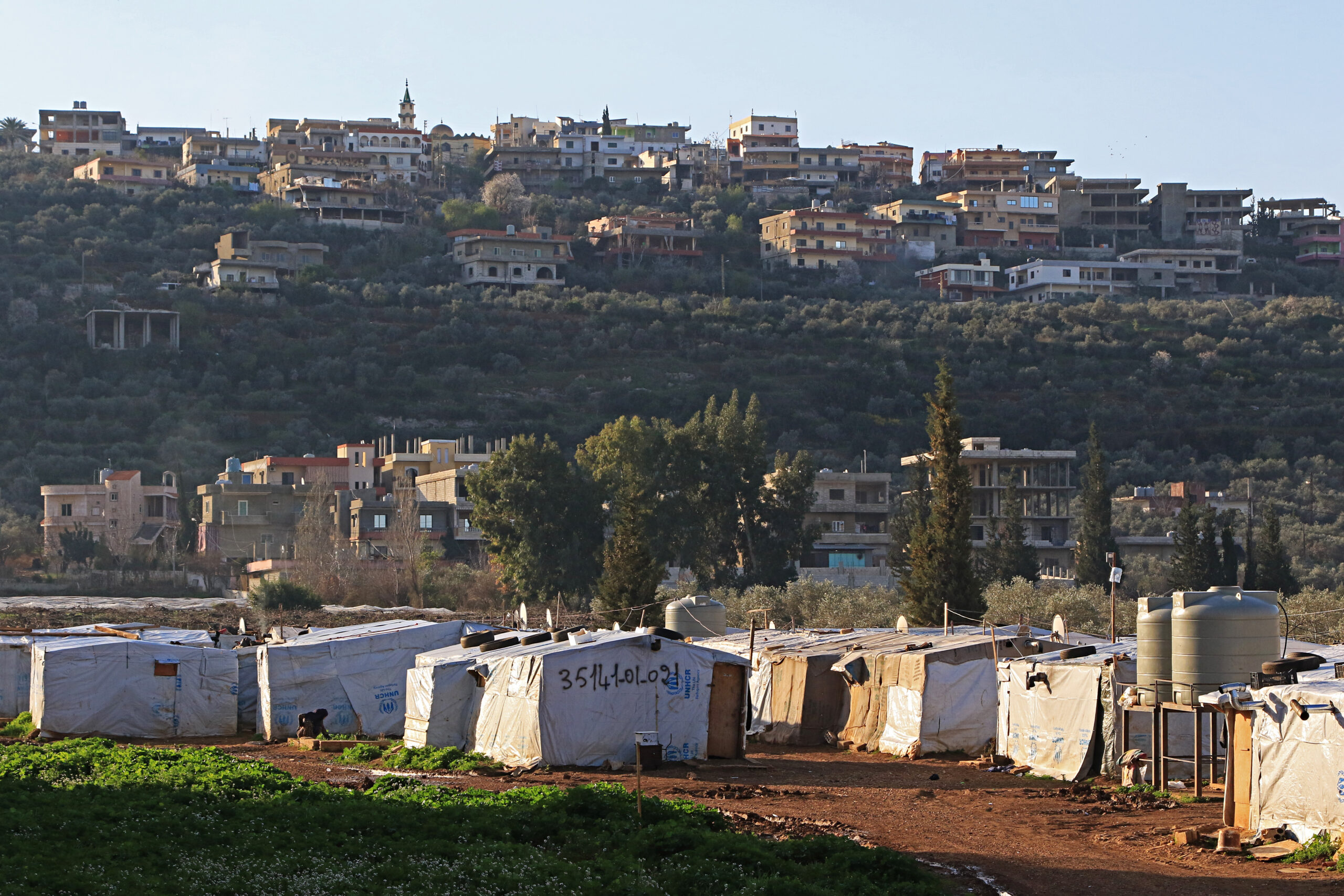
Cities are commonly regarded as the primary places where class economies become layered and articulated; however, the debates on “urban humanitarianism” have neglected social class as a key factor that significantly marks the relationship between aid providers and recipients in settings of aid provision. The small city of Halba, in northern Lebanon, vividly illustrates how the class economy has tacitly been shaping humanitarian programming and how the very presence of humanitarian actors on the ground reinforced the pre-existing class-based inequality.
Leveraging the Current Uprising for Sustained Political Change
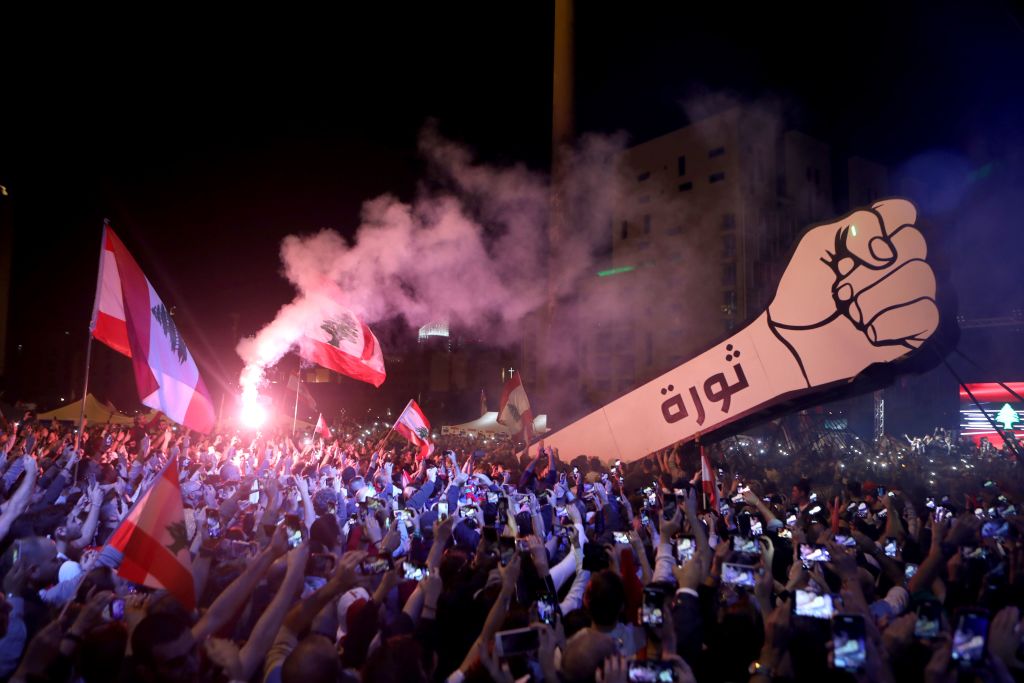
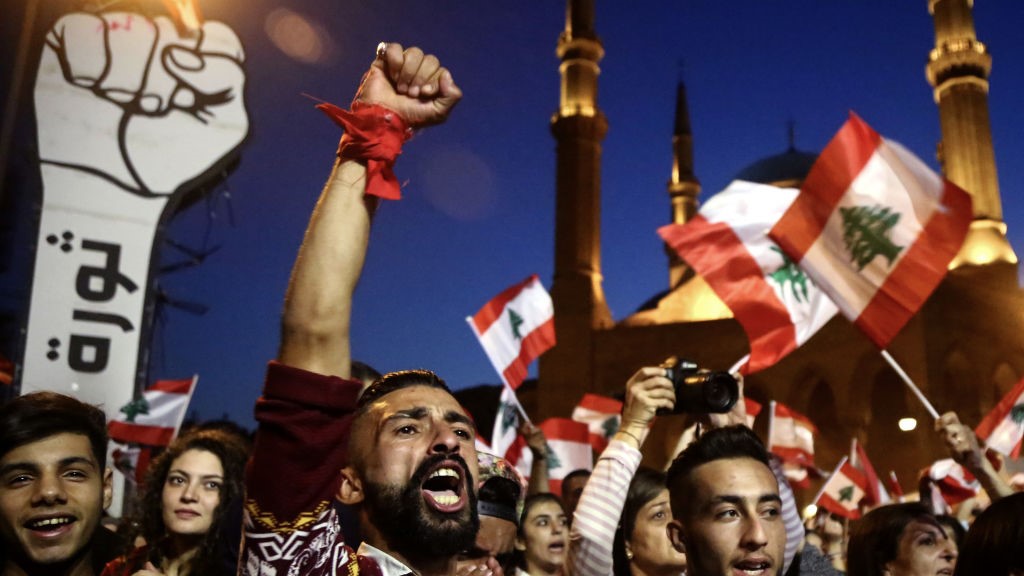
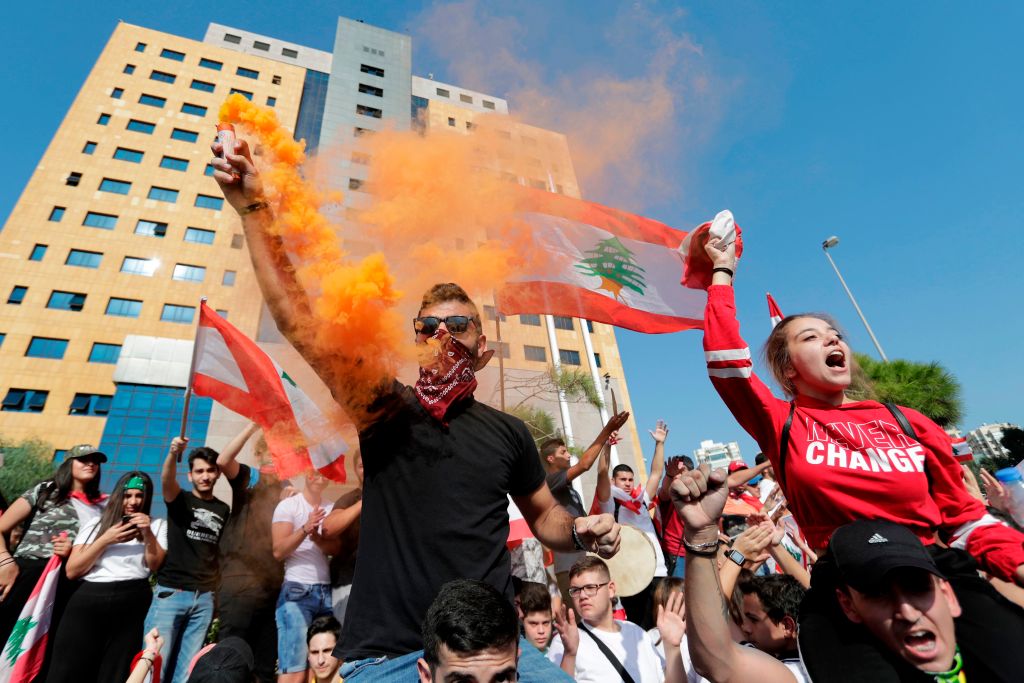
The nationwide protests are the most significant domestic political development in Lebanon since the end of the civil war. It would be useful to examine both the short and long term political potential of this new awakening.
In the short term, the protests have already mobilized the power of the public to bring down a corrupt and ineffective government, and to gain great leverage on the rejection or acceptance of any new government. They have also raised urgent national demands and forced the ruling class to confront these demands.
On a recent trip to my native Lebanon I looked on its ongoing, unprecedented protests with both wonder and worry. The country is a month into widespread anti-government demonstrations. The protests’ scale ebbs and flows but the relative calm during my stay had a fleeting if not sinister quality to it. That calm is unraveling. However this chapter of Lebanon’s history unfolds, this complicated country has changed irreversibly.
Lebanon protests enter their second month amid stalemate and uncertainty
In Lebanon, the protests have entered their second month with contending parties stuck in a stalemate that is not hurting enough to incentivize concessions from any party. Ruling elites are at a loss what to do.
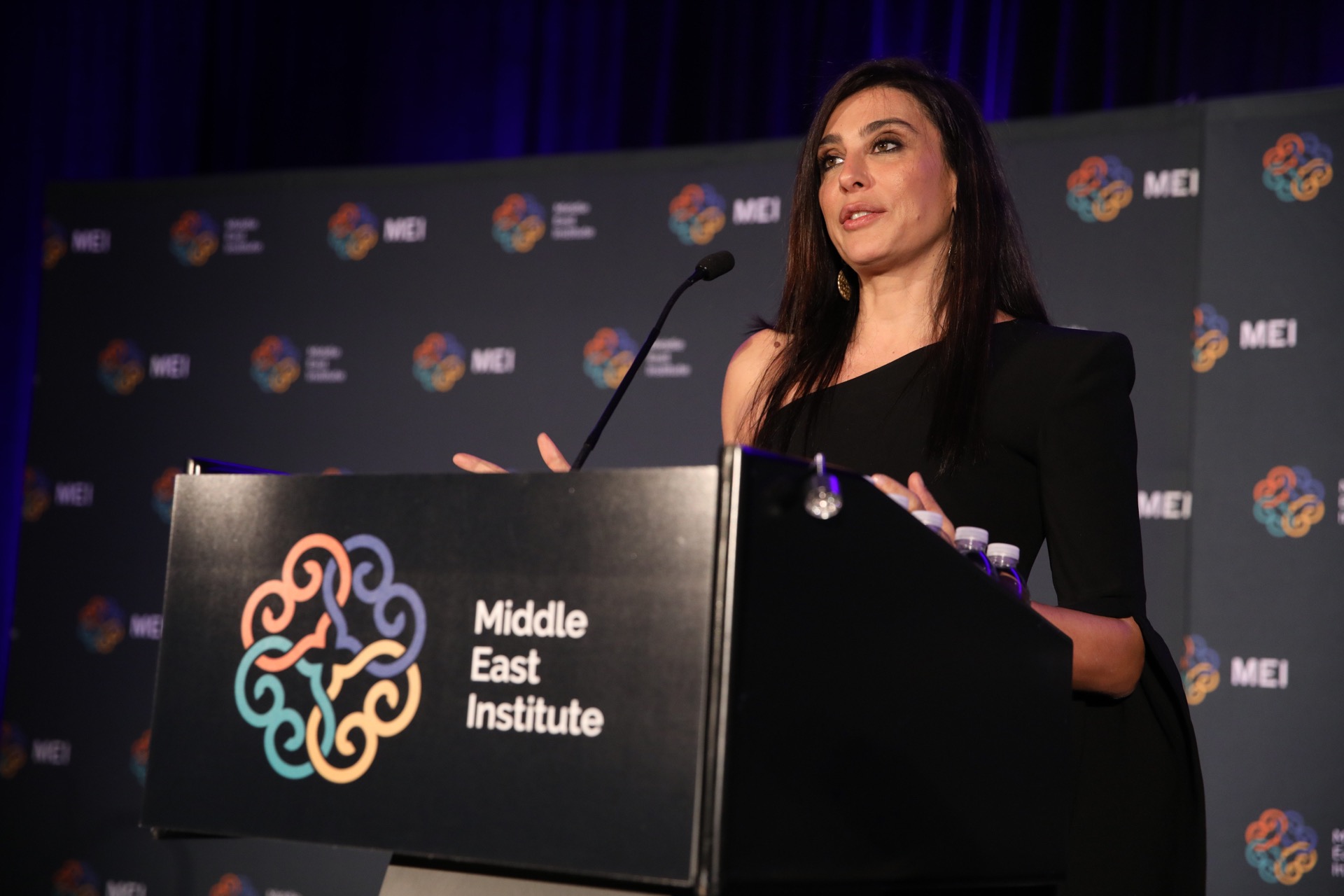
Nadine Labaki receives 2019 Issam M. Fares Award for Excellence
Oscar-nominated Lebanese film director Nadine Labaki received the 2019 Issam M. Fares Award for Excellence at MEI’s 73rd Annual Awards Gala on November 12 in Washington, DC.