Crisis in the Yemeni Economy: A Troubled Transition to Post-Hydrocarbon Growth
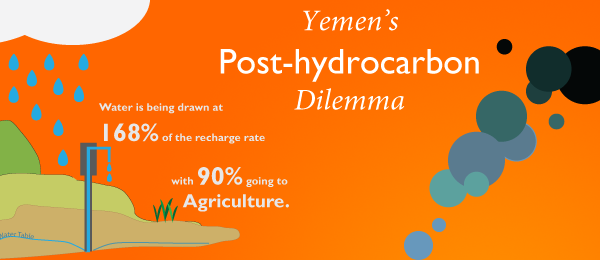
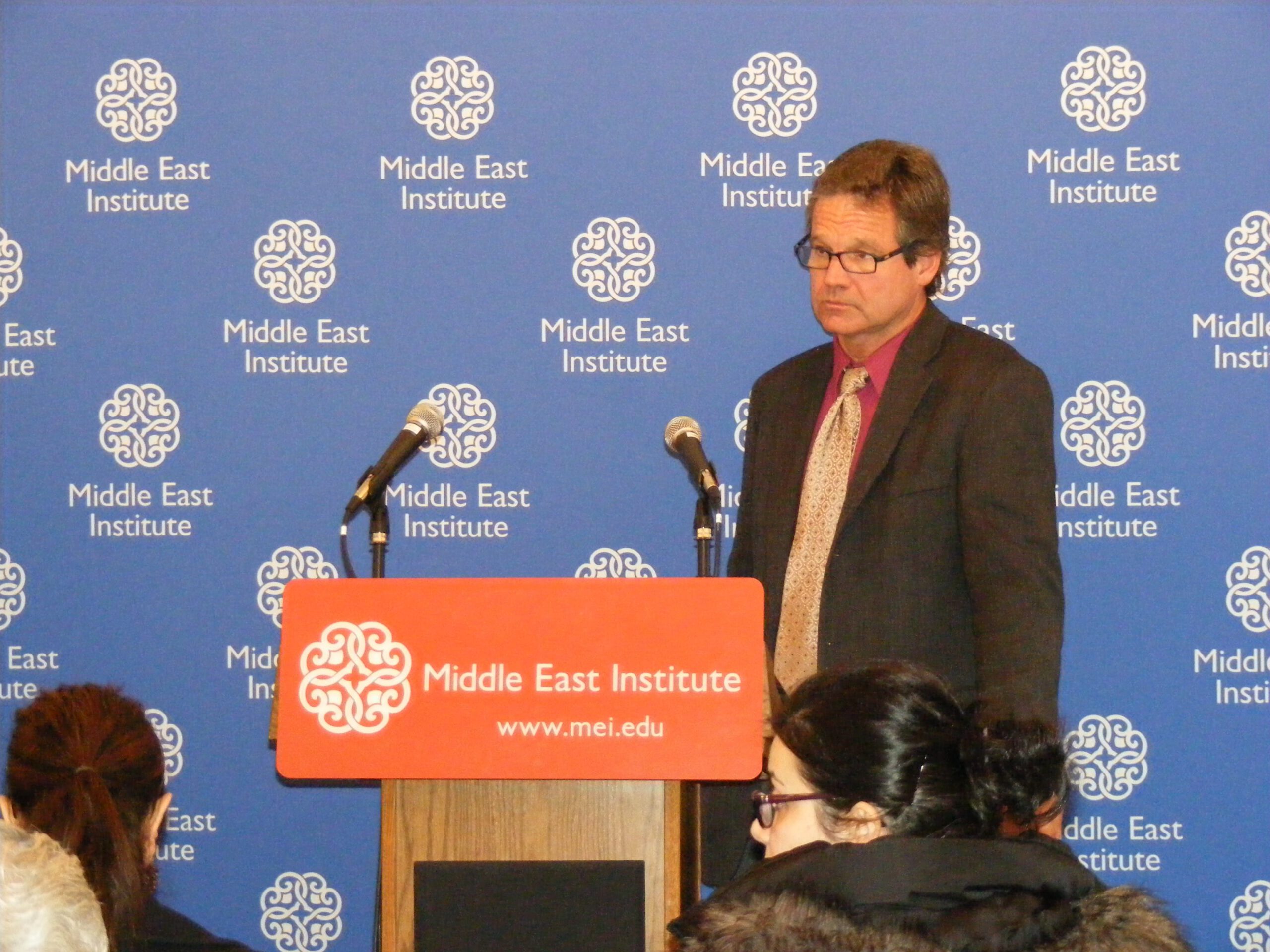
The Middle East Institute is proud to host MEI scholar Dr. Charles Schmitz for a discussion of his recent MEI policy paper entitled “Crisis in the Yemeni Economy: A Troubled Transition to Post-Hydrocarbon Growth.” Yemen has embarked on the arduous road to political reconciliation, but the economy remains a major challenge that contributes to all of Yemen’s crises. Professor Schmitz will examine the economic issues facing the new government and the possible outlines of the economy in the post-hydrocarbon era.
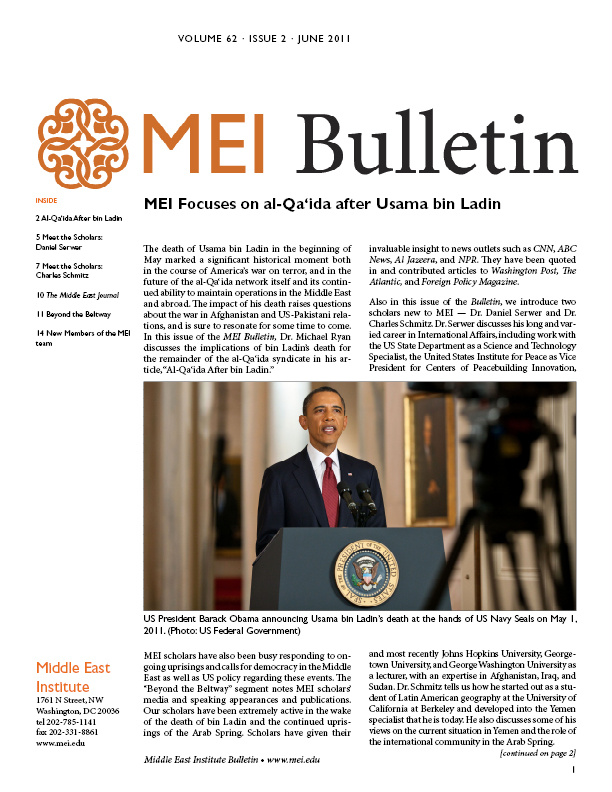
In the June 2011 Bulletin, Dr. Michael Ryan discusses the implications of bin Ladin’s death for the remainder of the al-Qa’ida network. It also introduces new MEI scholars Dr. Daniel Serwer, who is interviewed on his career in technology and peacebuilding, and Dr. Charles Schmitz, who speaks about his work on Yemen.
After the Arab Spring: Toward Political & Economic Inclusion in the Arab World
The Middle East Institute and the UNDP are proud to host a discussion with UNDP Administrator Helen Clark, Under Secretary for Economic, Energy and Agricultural Affairs Robert D. Hormats, and Middle East Institute Scholar Amb. Edward Walker about how best to address political, economic and human development needs in the Arab world today.
The Middle East Insitute is proud to host Amb. Edmund J. Hull (retired) for for a discussion about his recent book High-Value Target: Countering Al Qaeda in Yemen. Hull's book tells the inside story of how al Qaeda's Yemeni safe haven was disrupted during Hull's tenure.
*A version of this article was originally published on ForeignPolicy.com on April 12, 2011
Divide and conquer. That's the strategy Ali Abdullah Saleh has employed for 33 years to remain atop Yemen's extremely diverse political landscape. But the Yemeni president's efforts to keep his country in a state of low-level dysfunction are also at the root of its current problems. Chaos allows Saleh to make politics a family affair, keeping the reins of power in the hands of his sons and nephews.
Popular Revolt in Yemen: Implications for Democracy and US Foreign Policy
The Middle East Institute is proud to host Janet Sanderson, Christopher Boucek and Charles Schmitz for a discussion about the challenges facing Yemeni President Abullah Ali Saleh as he confronts a third month of anti-government protests and growing calls for secession from southern separatists. Sanderson will examine US policy toward the Saleh government in the face of demands for reform, while Schmitz will examine the respective players in Yemen's protest movement and the government's response to their demands.
The Republic of Yemen occupies the southwest corner of the Arabian Peninsula. Unlike its oil-rich neighbors, Yemen is the poorest country in the Arab world. Like other countries football (soccer) is Yemen’s most popular sport. Football has been played in parts of Yemen since before the turn of the 20th century, and since the 1970s, the game’s popularity has increased significantly.