A tale of two elections: recapping the polls in Lebanon and Iraq
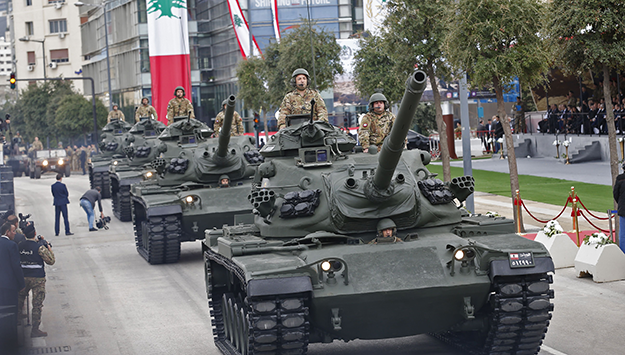
As Lebanon holds its first parliamentary elections in nine years and Iraq paves a way forward in the aftermath of the war against ISIS, many questions remain as to what the political future holds for both countries. The parliamentary elections in Lebanon on May 6, and in Iraq on May 12, serve as a barometer for transparency, inclusion, and the political realities in both countries. The polls have raised pressing political and governance issues such as how to overcome sectarianism, corruption, and economic stagnation in order to encourage further openness and plurality.
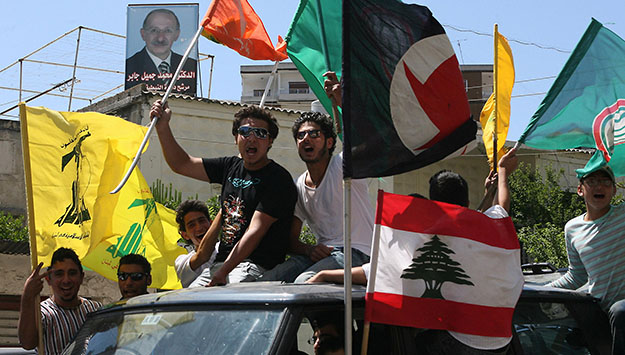
In Sunday’s elections in Lebanon, Hezbollah and its allies gained more than half the seats in Parliament. After a result like that, an old canard in Washington is likely to resurface with full force: the idea that U.S. policy in Lebanon is a disaster. Don’t buy it. In fact, of all the investments the United States has made in the Middle East over the past decade, Lebanon has generated the greatest returns.
Trump's goal in Iran is regime change | Monday Briefing
In this week’s Monday Briefing, MEI experts Alex Vatanka, Randa Slim, and Randa Slim provide analysis on recent and upcoming events including President Trump’s decision on whether to withdraw from the Iran nuclear deal, what this weekend’s election results in Lebanon indicate about Hezbollah’s standing in the country, and expectations for the outcome of Iraq’s elections on May 12.
With Lebanon’s parliamentary elections just around the corner, Washington will be watching closely how its Lebanese nemesis, the powerful Shi‘a party Hezbollah, sets itself up for the future.
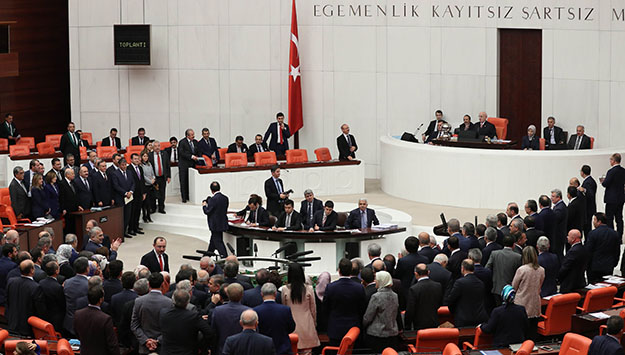
In this week’s Monday Briefing, MEI experts Gonul Tol, Paul Salem, Nathan Stock, Alex Vatanka, Gerald Feierstein, and Marvin G. Weinbaum provide analysis on recent and upcoming events including upcoming snap elections in Turkey, Lebanon’s Free Patriotic Movement party, protests in Gaza, the future of the Iran nuclear deal, Yemeni peace talks, and the ISKP attack on Shiite Hazaras.
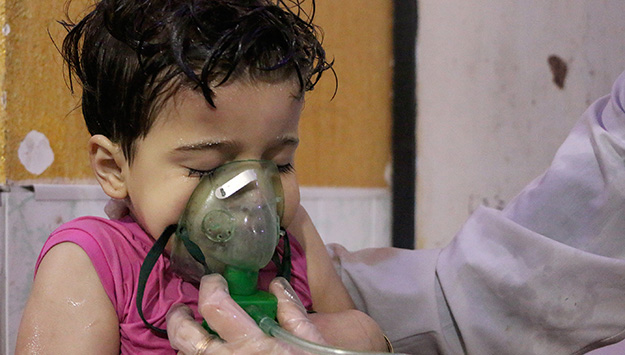
In this week’s Monday Briefing, MEI experts Robert S. Ford, Gerald Feierstein, Randa Slim, and Alex Vatanka provide analysis on recent and upcoming events including the chemical attack on Douma, Sheikh Tamim’s Tuesday meeting with Trump, Lebanese parliamentary elections, Moroccan and Algerian tension over Western Sahara, and Iran and India’s strategic partnership.
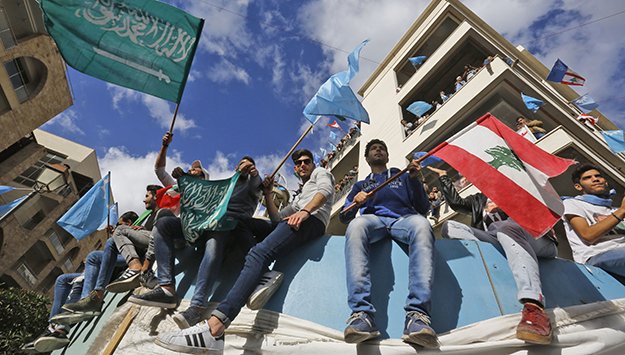
Reversing months of troubled relations, Saudi royal envoy Nizar al-Aloula arrived in Lebanon on Monday with messages of strong support for the country. He emphasized that Saudi Arabia sought strong and supportive relations with the Lebanese state and people, saying, “You will see a new approach from Saudi Arabia.” Aloula also extended an official invitation to Prime Minister Saad Hariri to visit Riyadh. Today Hariri is in Riyadh, where he met with King Salman and is due to meet with the crown prince.
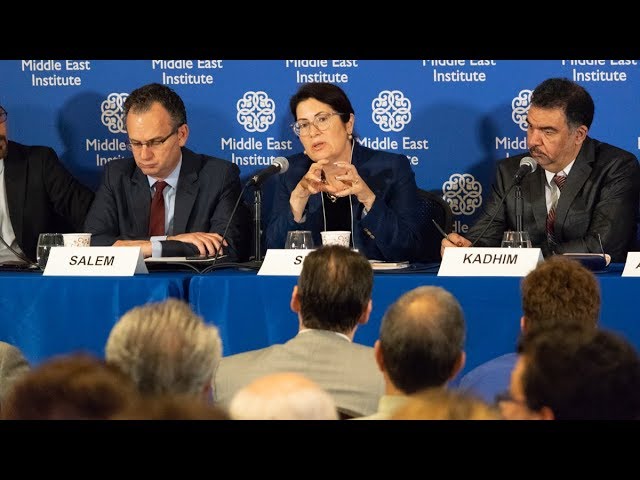
Lebanon has not held parliamentary elections for almost a decade, delayed in part to await the outcome of the Syrian crisis next door. Polls are now set for May 6 and the race to form a majority coalition is on. What will the elections mean for Lebanon’s ability to manage domestic and external pressures? How strong will Hezbollah’s influence be? And will a new election law help or add to the confusion? MEI’s Paul Salem and Randa Slim join guest host Jerry Feierstein to discuss.
Another Iran-backed Iraqi militia leader visits Lebanon, threatens Israel
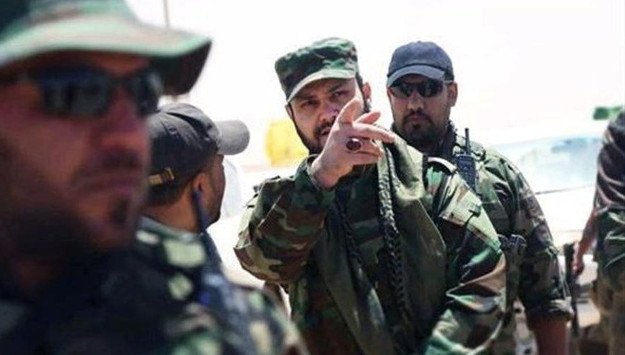
The leader of an Iraqi militia group with close ties to Iran traveled to Lebanon this week to voice solidarity with Hezbollah and pledged to stand with the “axis of resistance” in any future wars with Israel. Akram al-Kaabi, the head of Harakat al-Nujaba, made the remarks to reporters in southern Beirut after visiting the tomb of late Hezbollah commander Imad Mughniyeh, who was allegedly killed by Israel. “We, at the axis of resistance, will mobilize forces against Israel at any place.
Negotiating Protection in the Syrian Refugee Response
This essay examines the humanitarian negotiation of protection in the Syrian refugee response. Focusing on the case of Lebanon, the essay presents three examples of how the United Nations High Commissioner for Refugees (UNHCR) has negotiated refugee protection: by avoiding the refugee label, by establishing the contested notion of “protection space,” and by suspending refugee registration at the request of the Lebanese government.
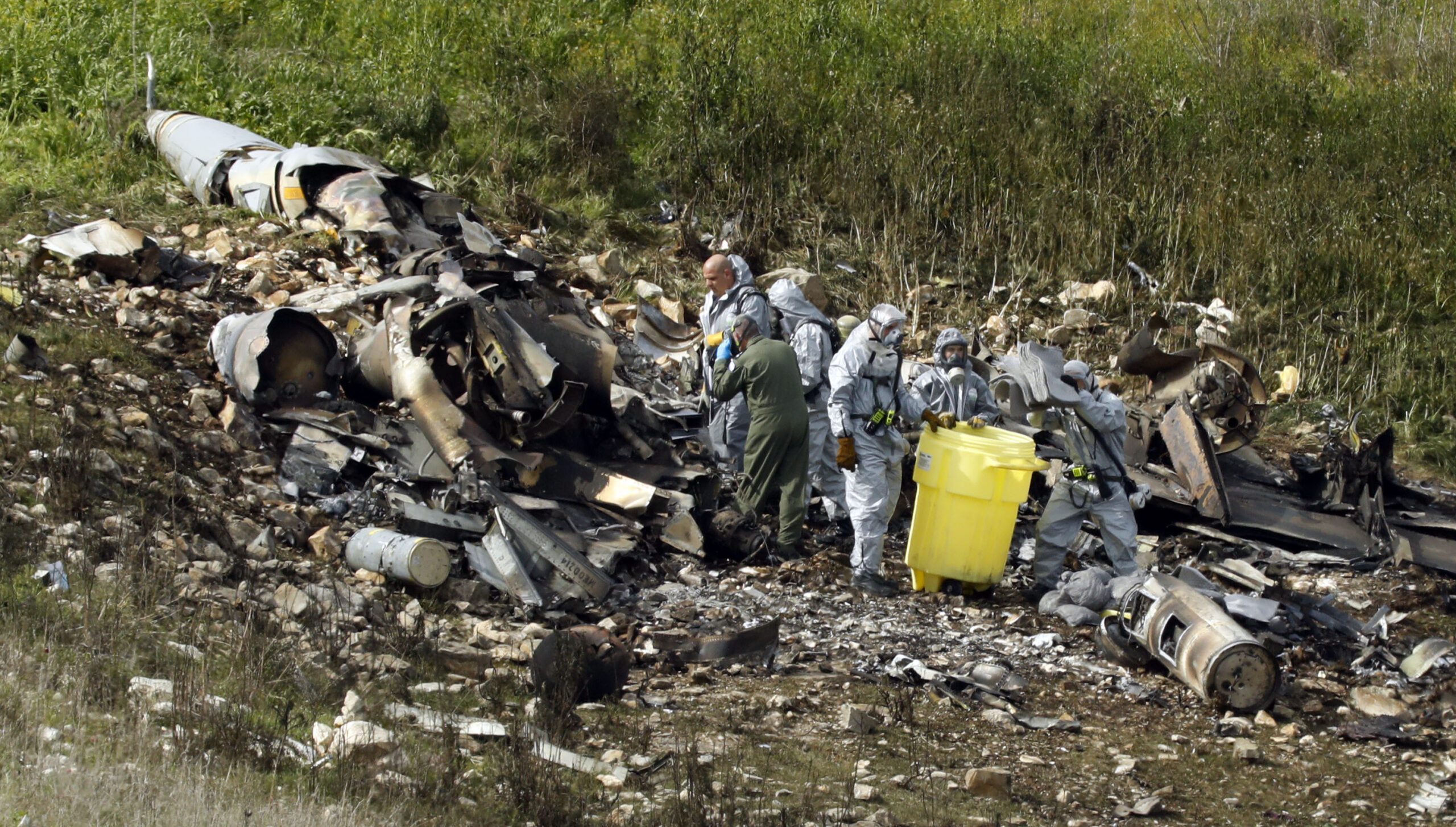
The latest evidence of the evolving nature of the war in Syria was on display Saturday, Feb. 10, when Israel mounted what a senior Israeli officer called “the biggest and most significant attack the air force has conducted against Syrian air defenses” since the 1982 Lebanon war. The unprecedented encounter was precipitated by the intrusion of an Iranian drone into Israeli airspace and led to the downing of a top-of-the-line Israeli F-16 by Syrian air defenses.
Monday Briefing: The Syrian-Iranian downing of an Israeli fighter jet
In this week’s Monday Briefing, MEI experts Charles Lister, Bilal Y. Saab, Eran Etzion, Gonul Tol, Paul Salem, and Randa Slim provide analysis on recent and upcoming events including the Syrian-Iranian downing of an Israeli fighter jet, the critical crossroads of U.S. and Turkey relations, Rex Tillerson’s upcoming visit to Lebanon, and Iraqi reconstruction plans.
Lebanon issues arrest warrant for Iran-backed Iraqi militia commander
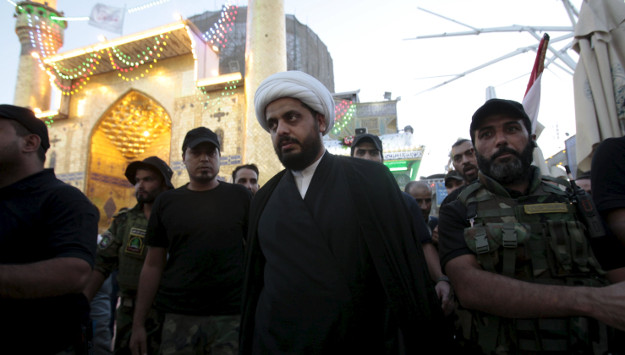
Lebanese judicial authorities have issued an arrest warrant for Qais al-Khazali, the leader of Iran-backed Iraqi militia group called Asa’ib Ahl al-Haq, Iran’s Fars News Agency reports. Quoting Lebanese sources, Fars added that the Lebanese Army and General Security Directorate have also ordered all relevant authorities to arrest the Iraqi militia commander if he reenters Lebanon. They allege that Khazali last year had entered Lebanon illegally.
Iran-Backed Militia Leader’s Tour of Lebanese-Israeli Border Raises Concern
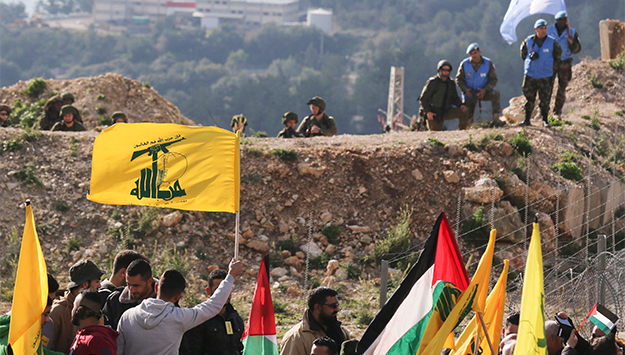
A prominent Iranian-supported Iraqi militia commander has visited the Lebanese-Israeli border and pledged to support Hezbollah in a potential war against Israel in the future, Iranian and