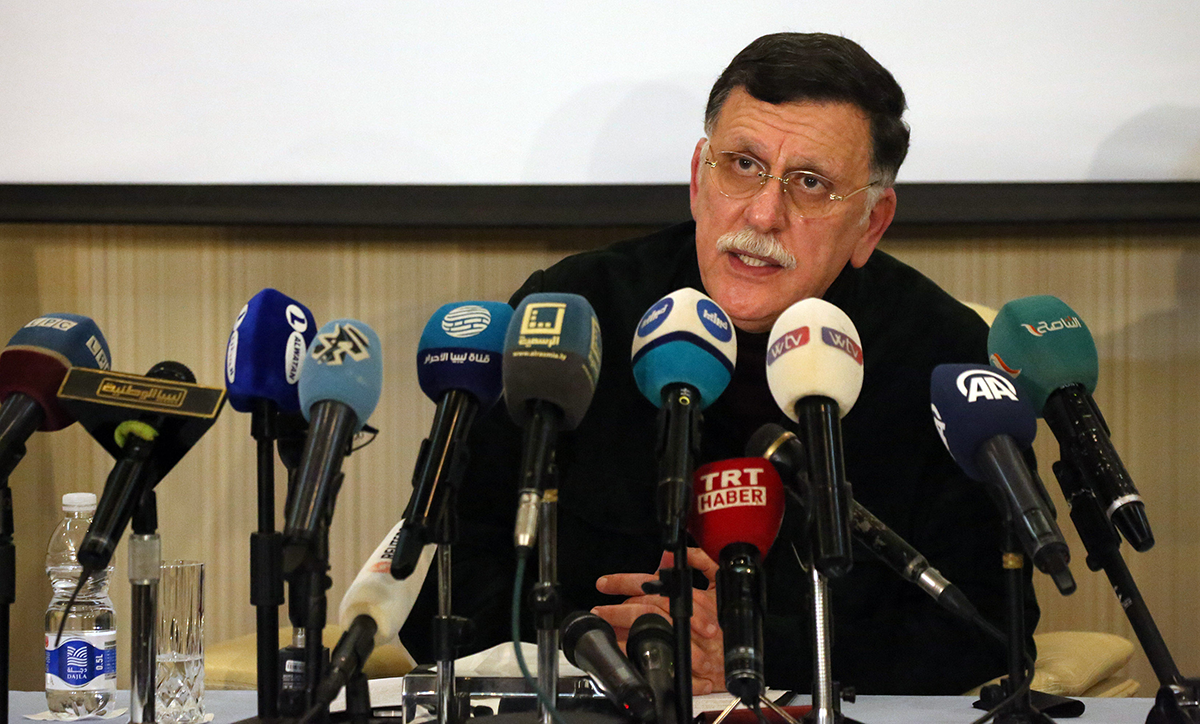
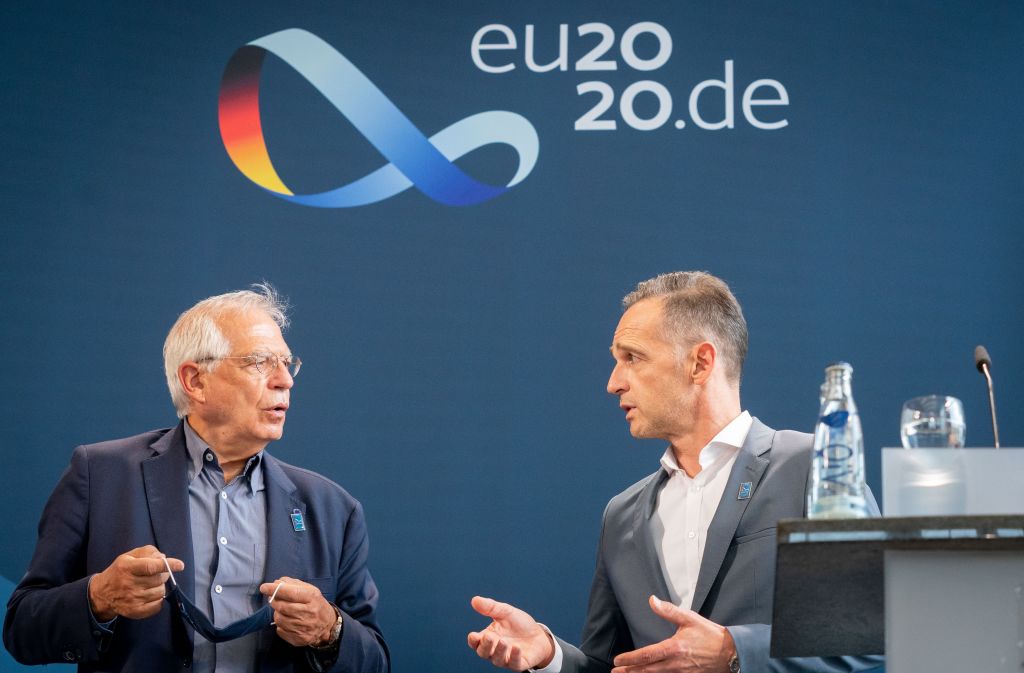
When is a resignation not a resignation? Libya’s PM Serraj outflanks his opponents with a clever media gambit
Essentially what we are witnessing is a struggle by two sets of international coalitions to control the mediation process.
For the last five years, the international community has tried a range of different approaches to mediating the Libyan civil war. All have failed. Most nations not actively fueling the war with weapons, money, training, and mercenaries now see that halting these destructive flows is critical to bringing the rival militias to the negotiating table. However, this will not be enough to solve the conflict. Once militias are cut off from external sources of support, the core economic issues that gave rise to the conflict will still remain. Only a new approach empowering Libyan economic reformers and reworking the economic system can fix the dysfunction. To achieve this, international actors need to facilitate the establishment of a Libyan-led International Financial Commission with the authority to restructure the economy.
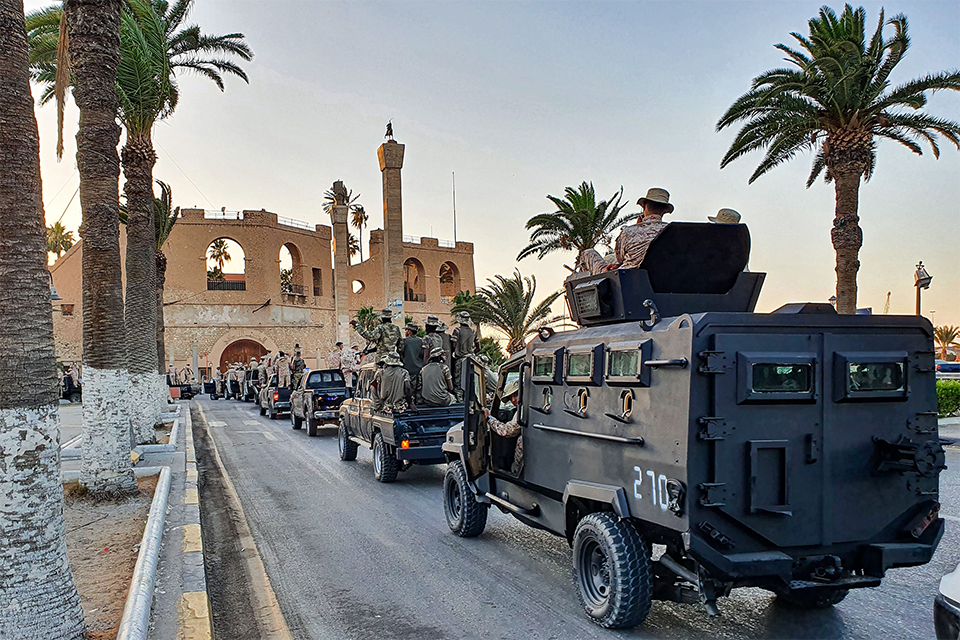
Since 2011 Libya’s seemingly endless Wars of Post-Gadhafi Succession have not fundamentally been fought over the control of territory, but rather over the control of economic institutions, patronage networks, and the amorphous optics of legitimacy and international support. The most recent battle, the 2019-20 “War for Tripoli,” was about gaining access to the fonts of both legitimate and corrupt enrichment: letters of credit, smuggling networks, subsidized petrol, and control of those myriad institutions to which Libya’s sui generis economic system grants the ability to exert de facto fiscal, financial, and legal power. Therefore, although Hifter and his allies have been wholesale evicted from western Libya, the grievances they highlighted, preyed upon, and took advantage of remain unchanged.
This week’s briefing on recent news and upcoming events in the region featuring Marvin G. Weinbaum, Grace Wermenbol, Jason Pack, Shahla Al-Kli, and Khaldoun Khelil.
This week’s briefing on recent news and upcoming events in the region featuring Marvin G. Weinbaum, Meliha Benli Altunışık, and Robert S. Ford.
In a new briefing book released ahead of the U.S. elections in November, entitled Election 2020: Challenges and Opportunities for US Policy in the Middle East, MEI scholars lay out key issues across the region, highlight the U.S. interests at stake, and provide policy insights and recommendations for the path forward.
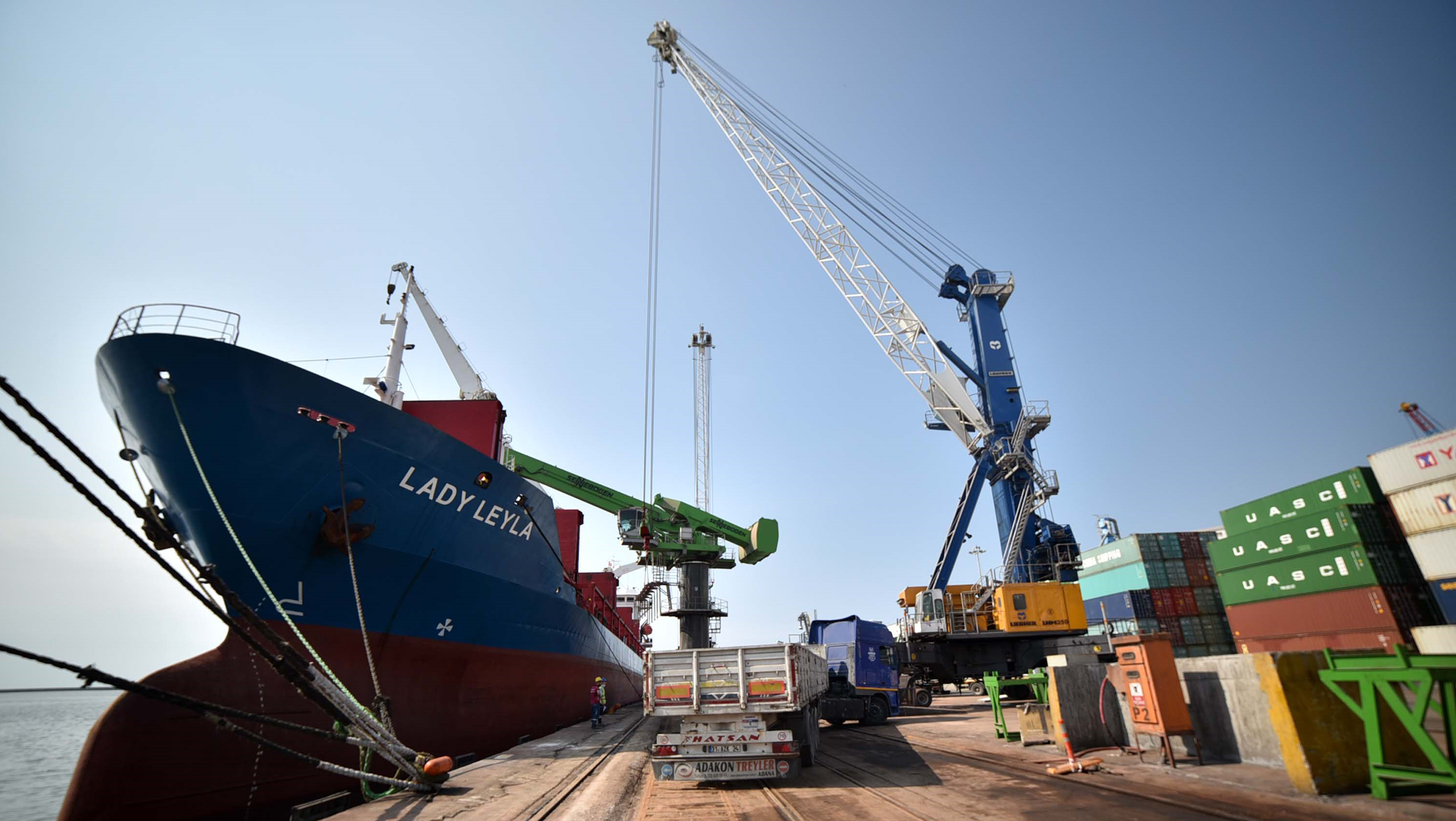
Following the devastating explosion that rocked Beirut on Aug. 4, one of the first foreign state dignitaries to visit Lebanon to pledge support was Turkish Vice President Fuat Oktay. Oktay said that not only would Turkey help to rebuild the damaged port and the surrounding buildings, but it could also provide temporary support in the form of linking Turkey’s largest Mediterranean port, Mersin International Port, with the Port of Beirut.
This week’s briefing on recent news and upcoming events in the region featuring Emiliano Alessandri, Randa Slim, and Mark A. Heller.
Mehmet Öğütçü and Gonul Tol join host Alistair Taylor to discuss the recent announcement of Turkey’s biggest-ever natural gas discovery—the Sakarya field in the Black Sea—and what it might mean for Turkey’s economy, domestic politics, and foreign policy.
“God has opened the door to unprecedented wealth for us,” said an enthusiastic Recep Tayyip Erdogan as he announced that Turkey had made its biggest-ever discovery of natural gas on Aug. 21. He promised that gas from the 320-billion-cubic-meter deep-sea find would reach consumers in 2023, but industry experts are skeptical and have raised questions about the feasibility of the discovery.
This week’s briefing on recent news and upcoming events in the region featuring Charles Lister, Randa Slim, Jonathan M. Winer, Alex Vatanka, Marvin G. Weinbaum, Robert S. Ford, Mirette F. Mabrouk, and Syed Mohammad Ali.
في 21 من شهر أغسطس الجاري تم الاتفاق على وقف إطلاق النار في ليبيا من قبل رئيس المجلس الرئاسي فايز السراج، ورئيس مجلس النواب في شرق ليبيا، عقيلة صالح.
كان من المفترض أن يكون الاتفاق خطوة ملموسة لوقف الصراع العسكري الذي تصاعدت حدته في 4 أبريل 2019، عندما بدأ الدكتاتور الليبي المحتمل خليفة حفتر، حملة عسكرية لغزو طرابلس التي كانت تعد بمثابة العاصمة الوطنية للبلاد.
تم دعم الاتفاق على الفور من قبل الأمم المتحدة، والولايات المتحدة، وبعض الأطراف الأجنبية التي تدعم كل جانب على حدة.
Tom de Waal, Nicole Grajewski, and Theodore Karasik join host Alistair Taylor to discuss the recent border hostilities between Azerbaijan and Armenia and the role that Russia, Turkey, and Iran are playing in the geostrategically important South Caucasus.
Jonathan Winer and Mirette Mabrouk join host Alistair Taylor to discuss the latest developments in Libya and the regional dynamics in play, including the role of Egypt.