تمت ترجمة هذا النص بواسطة الذكاء الاصطناعي وقد يحتوي على أخطاء.
تخطي إلى المحتوى

Research & Commentary Results

تصفية حسب
488 Results
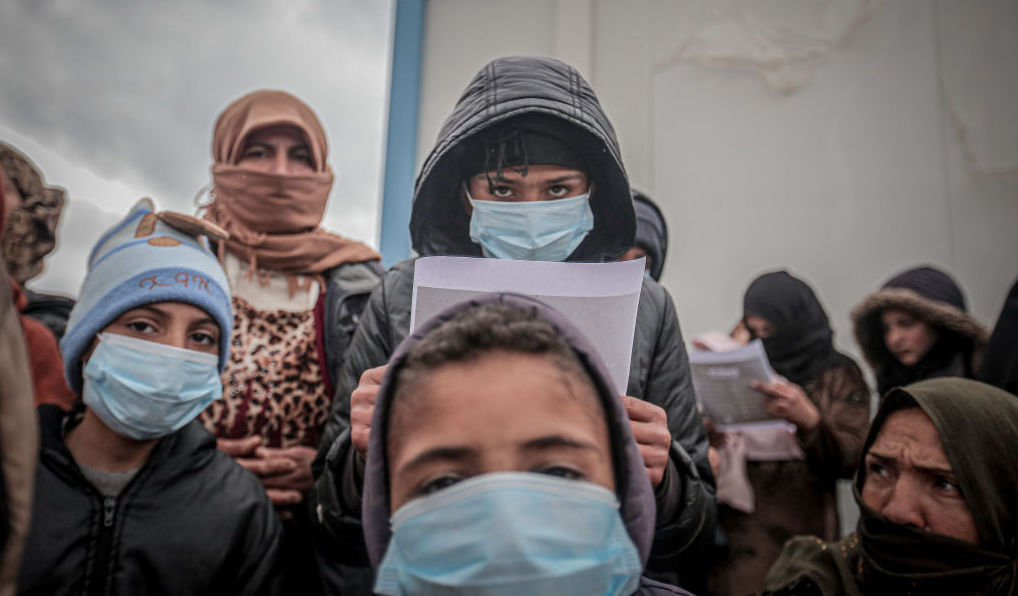
In Brief: Middle East Conflict and COVID-19 – A View from 2025
Photo by Muhammed Said/Anadolu Agency via Getty Images
  • التحليل
  • In Brief: Middle East Conflict and COVID-19 – A View from 2025

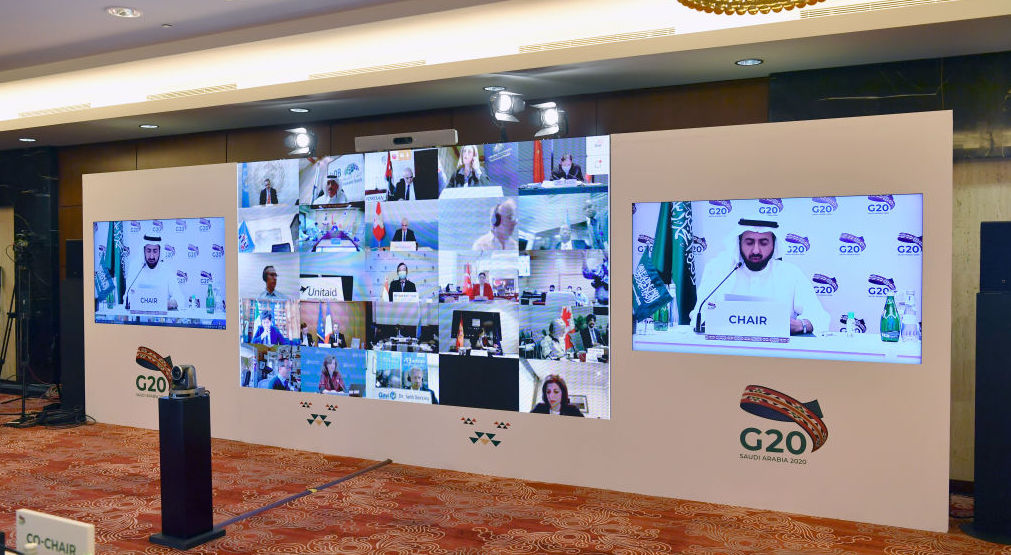
    Our ongoing analysis in MEI’s Strategic Foresight Initiative examines scenarios built around different combinations of drivers of change related to the COVID-19 pandemic. We used the scenarios to analyze what conflict in the region could look like in 2025, as we believe that how these drivers change the dynamics of the Iran-Saudi Arabia rivalry and the civil wars could be a primary determinant of what the region is like in that timeframe and beyond. Our study posited differences in the health response of governments, the economic response from governments, and the social dynamics of populations to the COVID-19 crisis. Rather than consider them as independent forces of change, our foresight analysis focuses on the interaction between these drivers.

    Iran, Israel, and the risk of cyber escalation
    Photo by Chesnot/Getty Images
  • تعليق
  • Iran, Israel, and the risk of cyber escalation

    Quickly attributing or blaming a country for a cyber incident without technical analysis, proof, and government officials willing to go on record only inflames an already tense situation.

    June 1, 2020

    Returning Foreign Fighters: Is Malaysia Ready?
    MOHD RASFAN/AFP via Getty Images
  • التحليل
  • Returning Foreign Fighters: Is Malaysia Ready?

    It has been more than a year since the fall of Baghouz. Eleven Malaysians have returned from Syria under the Malaysian government’s offer, conditional upon compliance with checks and enforcement, and a one-month rehabilitation program. Since then, the authorities are optimistic that more will be able to return. However, the anticipation of more returnees raises questions about Malaysia’s readiness to receive incoming batches of Malaysia Islamic State (IS) fighters. Given Malaysia’s lack of experience dealing with battle-hardened terrorists and questions about the efficacy of existing deradicalization efforts, can these structures tackle issues that Malaysia has never faced?

    May 26, 2020

    Rival Afghan leaders strike a power-sharing deal, but there are plenty of other obstacles on the road to peace
    Photo by JIM BOURG/AFP via Getty Images
  • التحليل
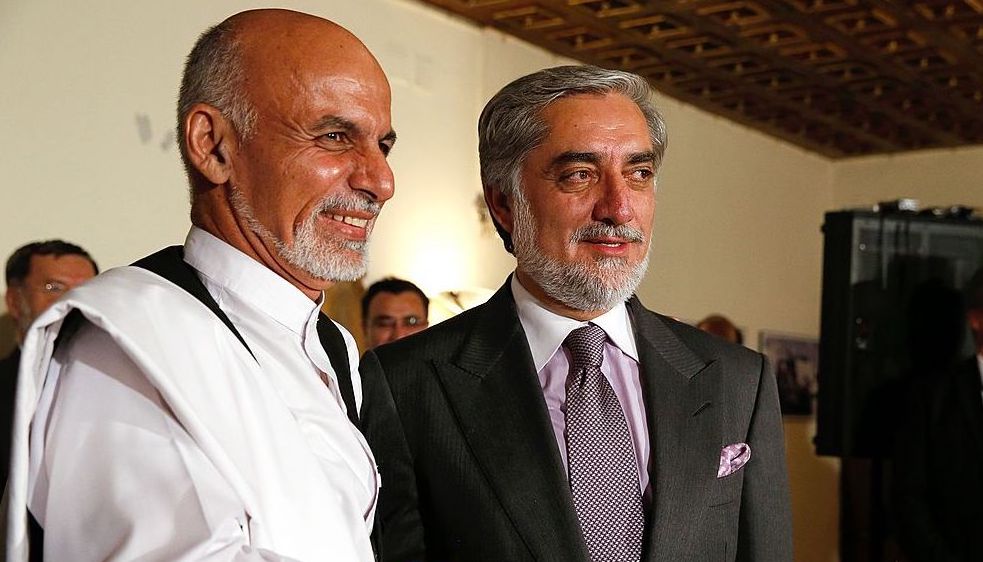
  • Rival Afghan leaders strike a power-sharing deal, but there are plenty of other obstacles on the road to peace

    There was no other way to end the political logjam in conflict-ridden Afghanistan than to make current President Ashraf Ghani and the outgoing Chief Executive Abdullah Abdullah agree to share power. The deal announced on May 17 has been widely welcomed by the international community because the political tensions between the two rivals were viewed as one of the major hurdles to the advancement of an intra-Afghan reconciliation process. The political jockeying in Kabul is far from the only impediment to reconciliation though and there are deeper obstacles to the peace process.

    May 20, 2020

    Is Idlib set for internal strife?
    Photo by OMAR HAJ KADOUR/AFP via Getty Images
  • التحليل
  • Is Idlib set for internal strife?

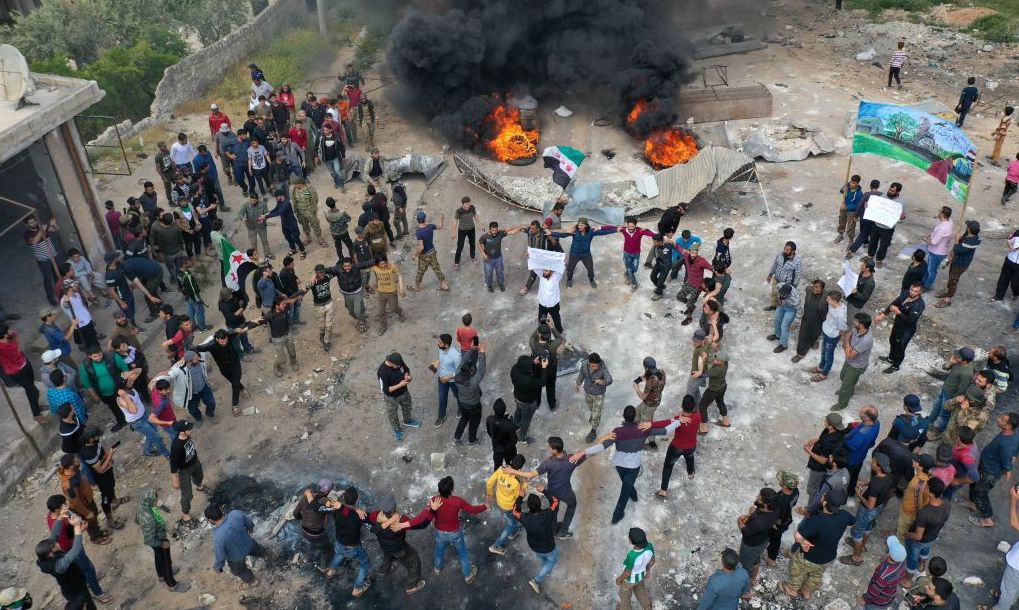
    With its territory under increasing pressure, its finances dwindling, and manpower more challenged than ever, HTS’s ability to balance its extremism with controlled uses of pragmatism is under strain. Internally, its leadership is bitterly divided over decisions of the past, present, and future and externally, its rivals and enemies all appear to be conspiring against it. In an attempt to protect internal cohesion, HTS has become determinedly self-assertive in recent weeks, pursuing unpopular policies such as trading with the regime and lashing out at those brave enough to express their dissatisfaction. In response to HTS aggressions, a wider array of opposition voices — both moderate and Islamist — are declaring loudly that HTS now represents a threat to their revolution.

    Digital security and the LGBTI+ rights movement in Tunisia
    الصورة من FETHI BELAID/AFP عبر Getty Images
  • التحليل
  • Digital security and the LGBTI+ rights movement in Tunisia

    For LGBTI+ individuals in Tunisia, the internet and social media have played a critical role in the development of a community and activist network. Simultaneously, however, these technologies have been used by legal authorities to suppress and harass the queer community.

    April 22, 2020

    The growing threat of ISIS in Syria’s Badia
    Photo by: GEORGE OURFALIAN/AFP via Getty Images
  • التحليل
  • The growing threat of ISIS in Syria’s Badia

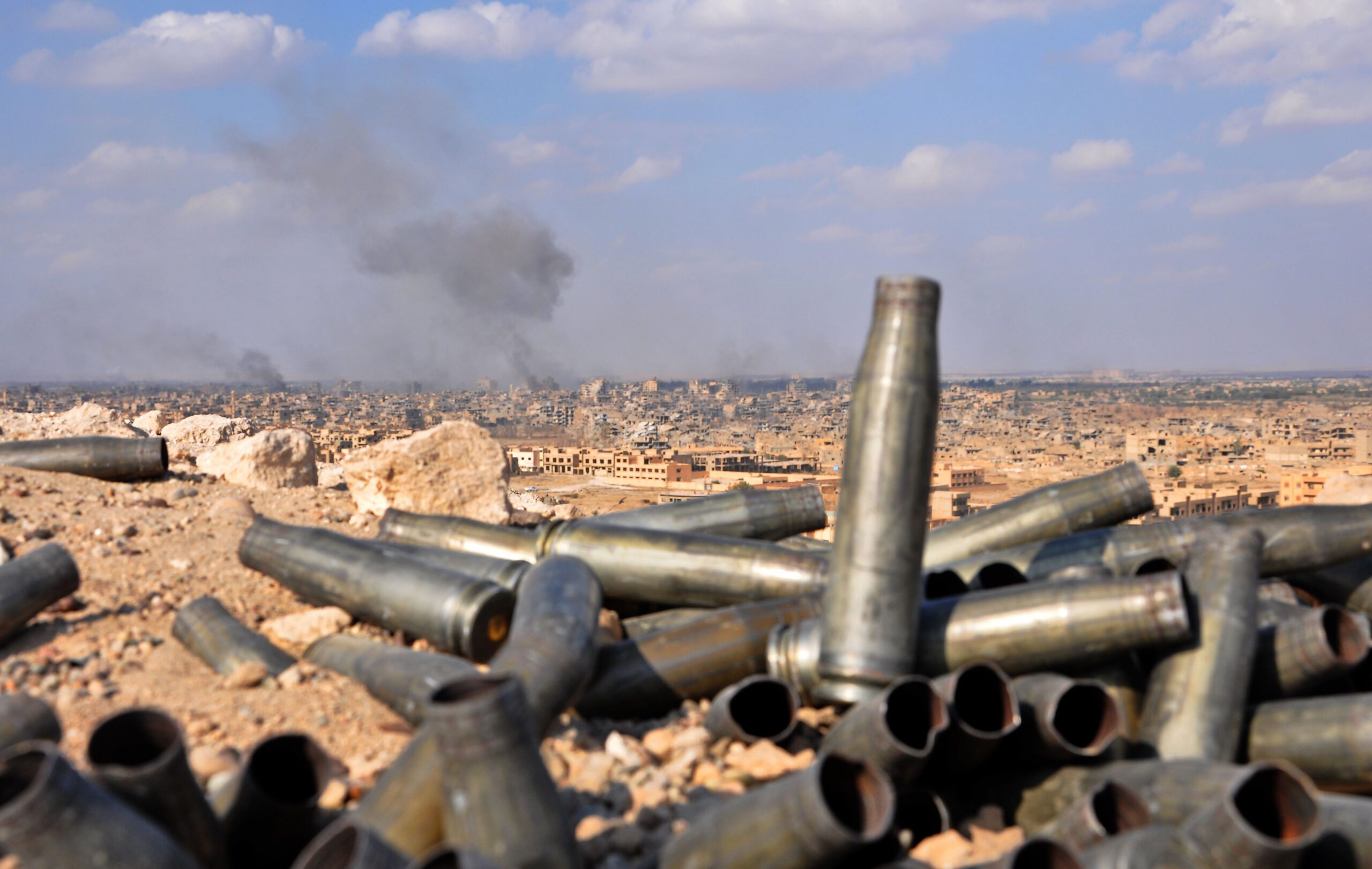
    When the American-backed Syrian Democratic Forces (SDF) captured the village of al-Baghouz in late
    March 2019, ISIS’s self-proclaimed “caliphate” came to an end. The largest multinational military
    coalition in modern history spent four-and-a-half years methodically rolling back ISIS’s control of an
    expanse of territory the size of Britain, stretching across Syria and Iraq.

    Qatar plots its AI future
    Photo by Valery SharifulinTASS via Getty Images
  • التحليل
  • Qatar plots its AI future

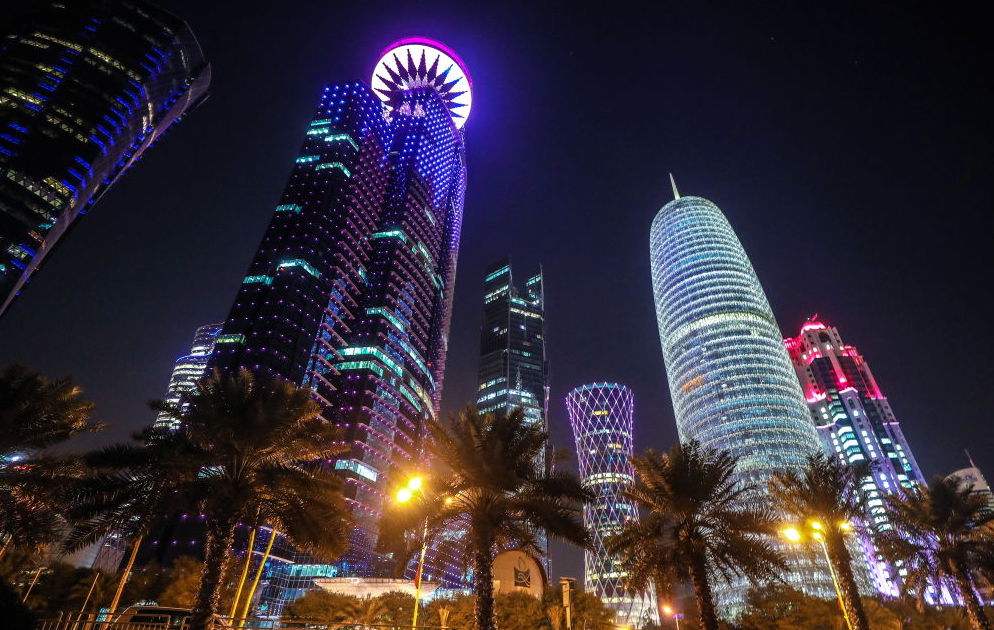
    In an effort to boost its economic competitiveness, Qatar is hedging its bets on emerging technologies. The Gulf sheikhdom, eager to diversify its gas-dependent economy, is cultivating various technological areas, notably artificial intelligence (AI).

    April 16, 2020

    “A Force They Haven’t Seen Before”: Insurgent ISIS in Central Syria
    Photo by STRINGER/AFP via Getty Images
  • التحليل
  • “A Force They Haven’t Seen Before”: Insurgent ISIS in Central Syria

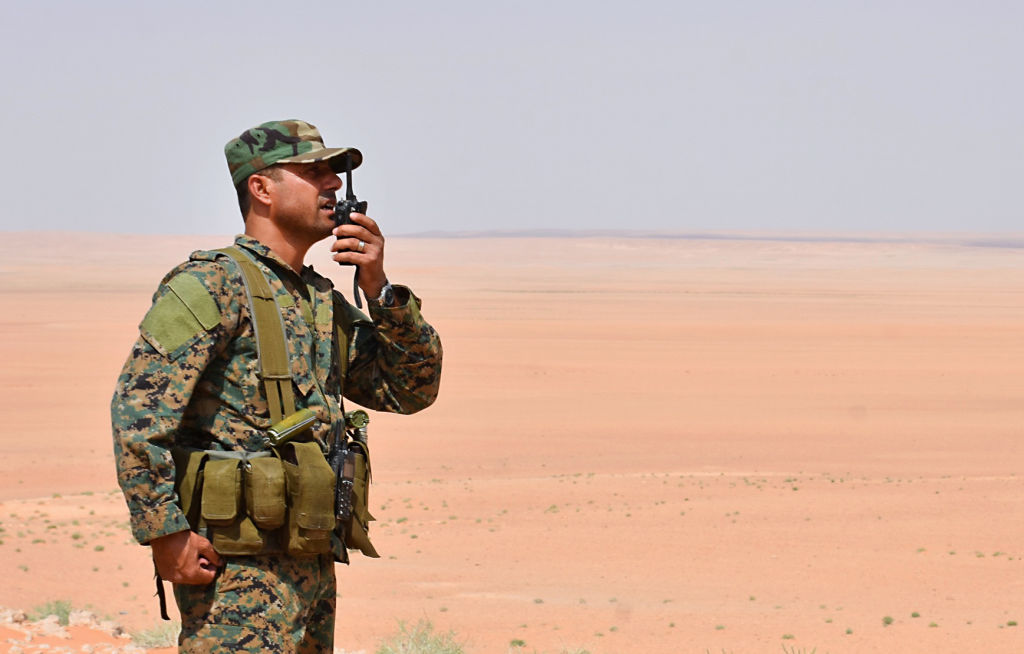
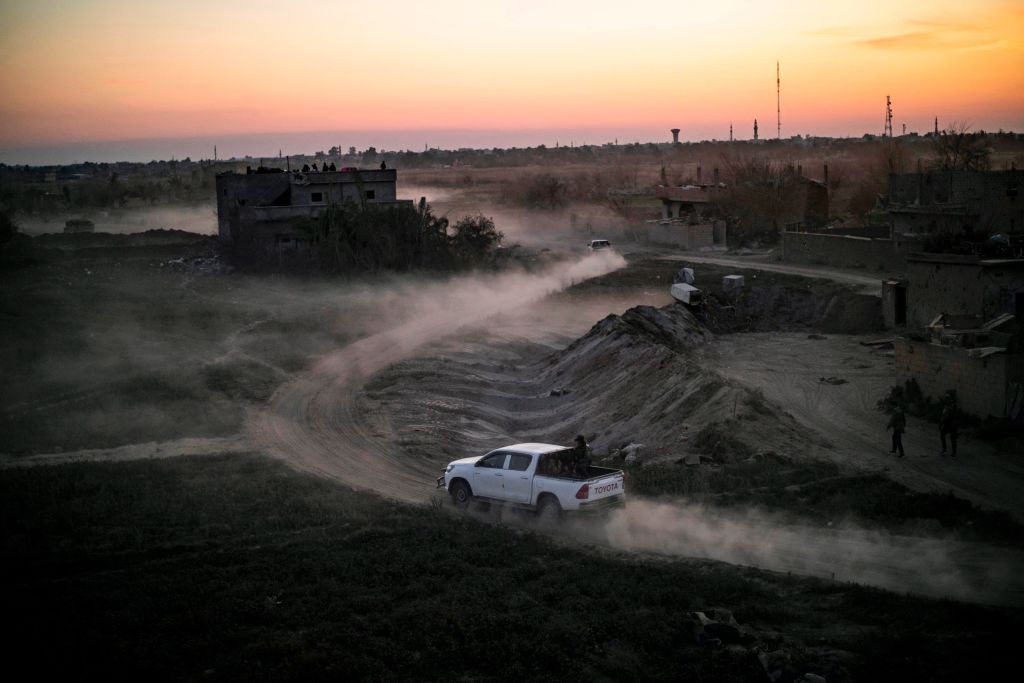
    Immediately after the Syrian regime and its allies captured central Syria in late 2017, ISIS began waging an effective and deadly insurgency in the area. It first targeted urban centers along the western Euphrates before shifting focus in spring 2018 to the transport lines and mountains running along the M20 from Khunayfis to Shoula. These wide-ranging operations have killed a minimum of 860 pro-regime fighters of all ranks, units, and types. This report tracks self-reported regime losses in the region, as indicated on loyalist Facebook pages, community pages, and unit pages, from Nov. 10, 2017 through March 31, 2020.

    April 15, 2020

    Surveillance, privacy & public health
    معهد الشرق الأوسط
  • Podcast
  • Surveillance, privacy & public health

    MEI’s Michael Sexton and Eliza Campbell join host Alistair Taylor to discuss the variety of new surveillance technologies deployed by governments in the region to track the spread of COVID-19, and the tension they are setting up between public health and privacy concerns in the long term.

    April 10, 2020

    Blurring the lines: The case of the Nakhsa Warriors
    Photo by Rouzbeh Fouladi/NurPhoto via Getty Images
  • التحليل
  • Blurring the lines: The case of the Nakhsa Warriors

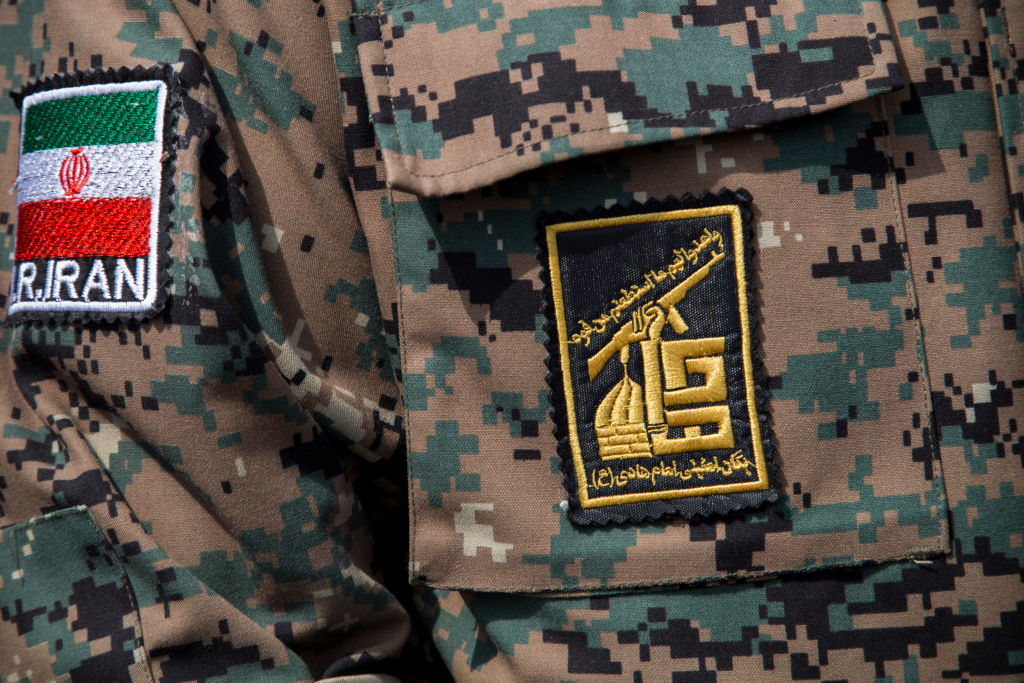
    Blurring the lines between the physical world and the online one, the Iranian group known as the “Nakhsa Warriors” remains cloaked in mystery. Their identity and status are unclear. Are they a military force that carries out operations, an online group of like-minded individuals that share content, part of an Iranian disinformation campaign — or perhaps something else altogether?

    April 7, 2020