New OPEC+ deal shows Saudis’ oil-market grip continues to slip
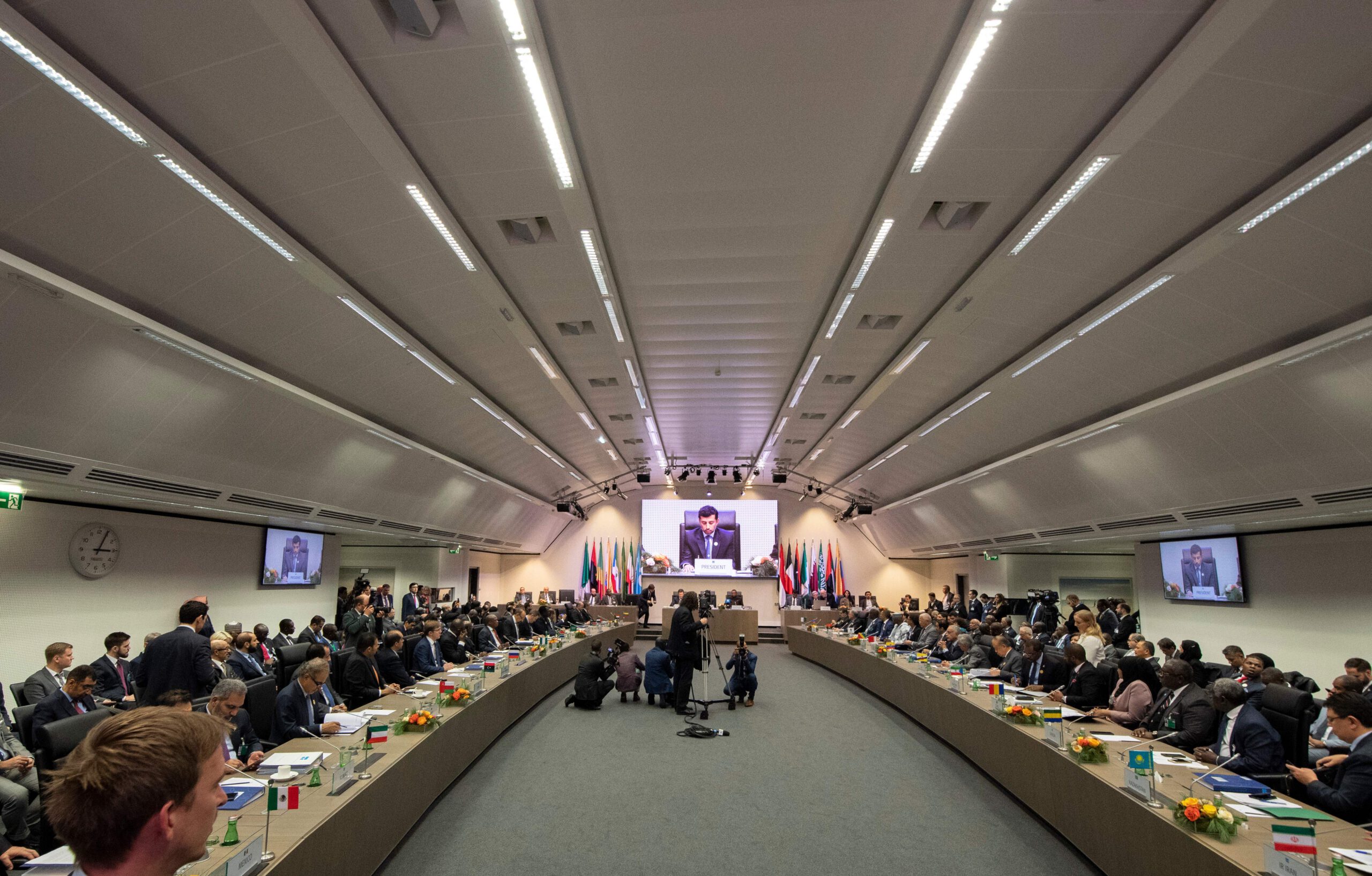
While OPEC and Russia-led non-OPEC members agreed to cut oil production last week by 1.2 million bpd, Riyadh’s ability to control the cartel and global oil prices is waning.
Giorgio Cafiero, CEO and founder of Gulf State Analytics, and F. Gregory Gause, head of the Department of International Affairs at Texas A&M University, join host Jerry Feierstein to discuss the state of GCC relations amid the Qatar dispute and other crises heading into the next GCC Summit.
The GCC Riyadh summit: Beginning of the end of the Qatar crisis?
The upcoming GCC summit in Saudi Arabia offers an opportunity to bring the opposing sides to the table, but it is far from clear what will come out of the meeting
Monday Briefing: Optics and geo-economics at the G20
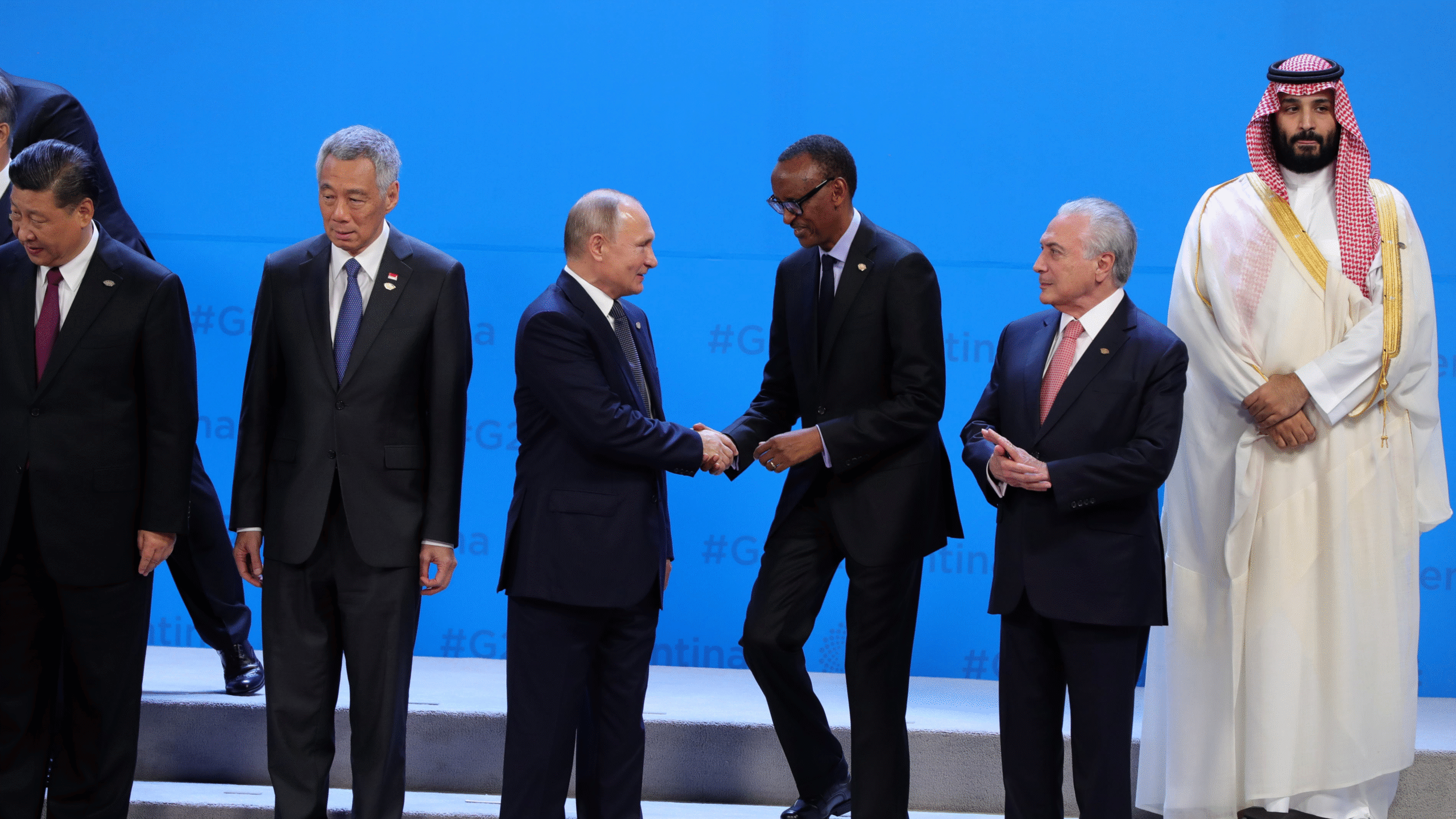
In this week’s Monday Briefing, MEI experts discuss recent and upcoming events including MBS’ lukewarm reception at the G20 summit, plans for a UN-hosted Western Sahara roundtable, and Qatar’s decision to leave OPEC.
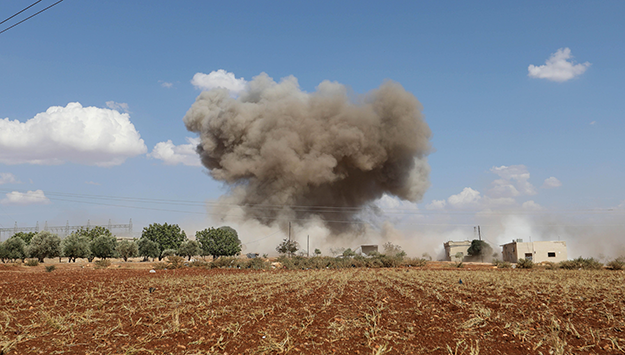
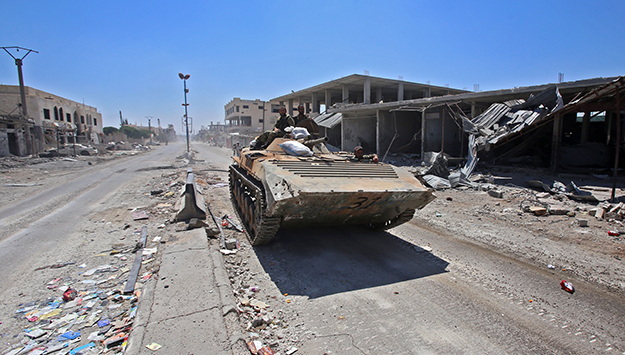
Monday Briefing: Russians launch air strikes after alleged gas attack
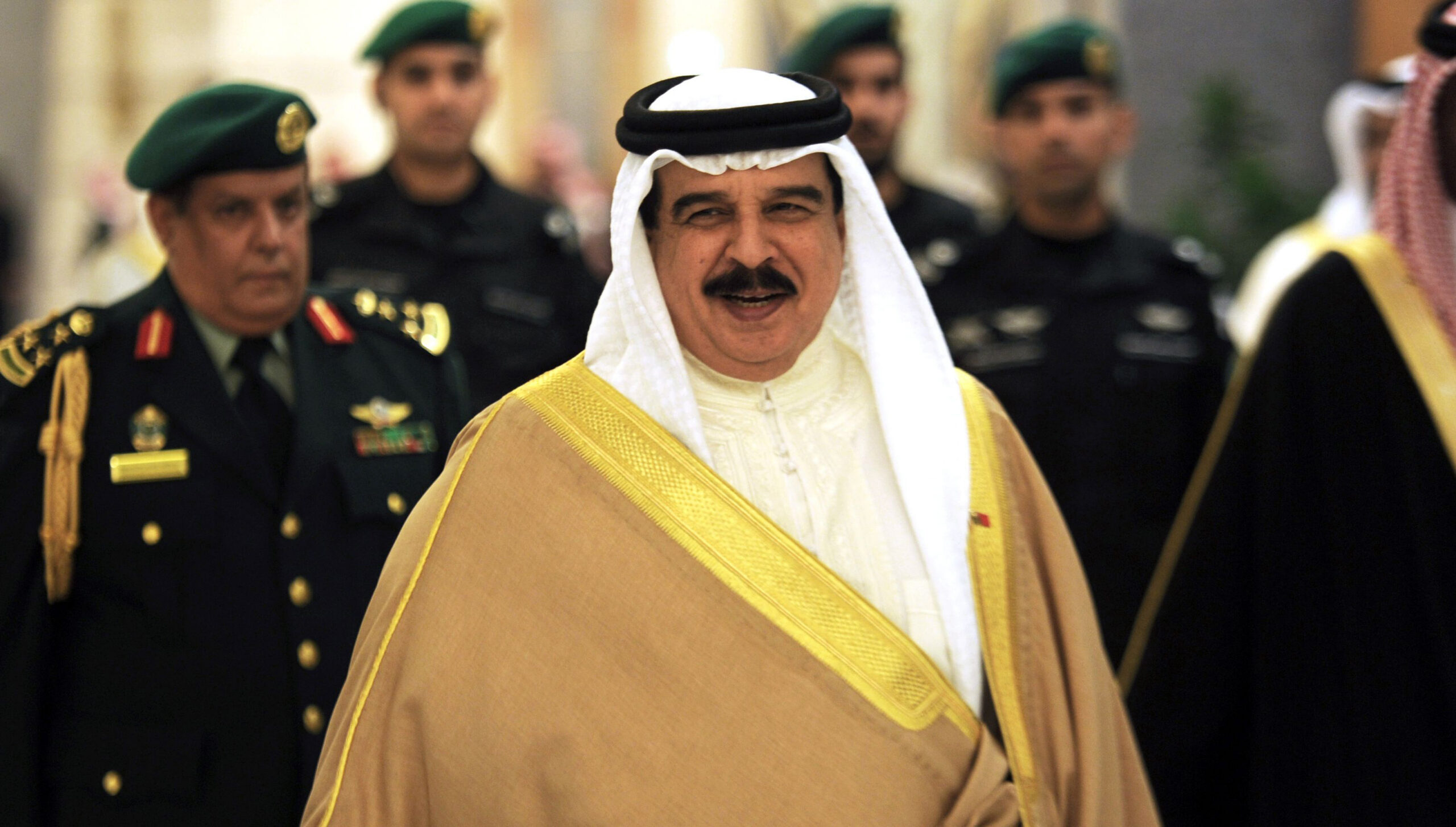
In this week’s Monday Briefing, MEI experts discuss recent and upcoming events including Russian air strikes in Aleppo, the elections in Bahrain, the growing international interest in Egypt’s offshore energy finds, and the appointment of a new Afghan team of negotiators for peace talks.
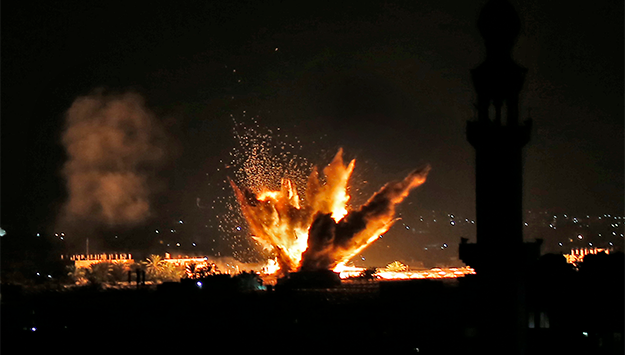
In this week’s Monday Briefing, MEI experts discuss recent and upcoming events including the Gaza flare-up and its threat to Egyptian-led negotiations, Russian-hosted Afghan peace talks, the ground offensive in Hodeidah, and rapid escalation in northwestern Syria.
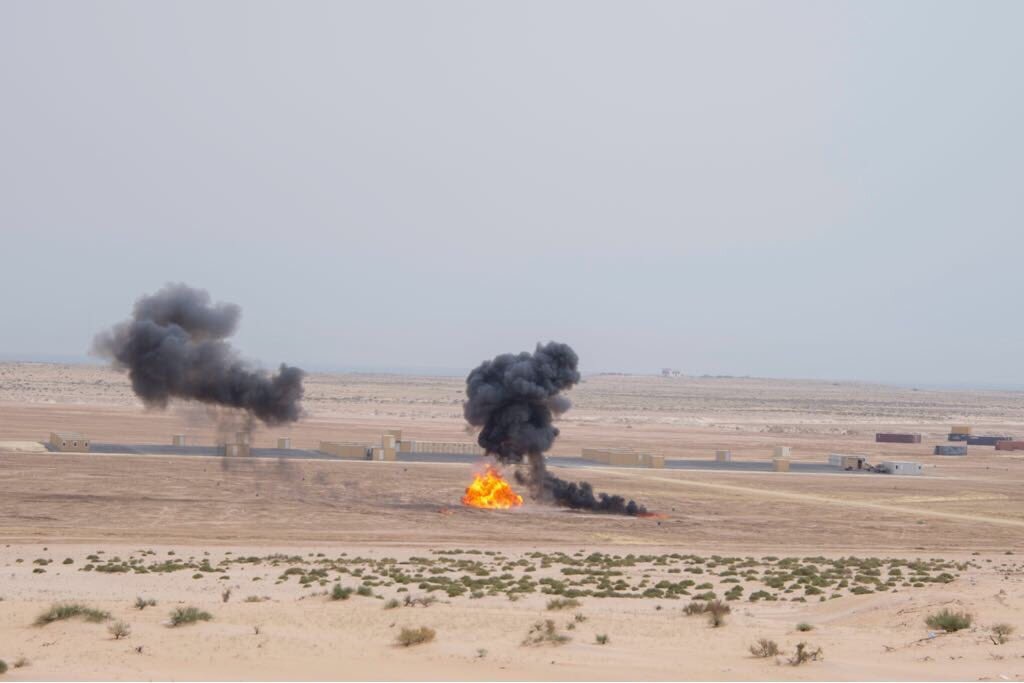
As naval, air, and ground units from Bahrain, Egypt, Jordan, Kuwait, Saudi Arabia, and the UAE conduct war games in western Egypt this month, many speculate that this could represent the birth of the so-called “Arab NATO.”
The GCC aid package for Bahrain illustrates how massive capital flows underlie the contentious politics and strategic alliances within the Gulf and broader Middle East.
The stakes behind the story: How Egypt’s media covered the Khashoggi case
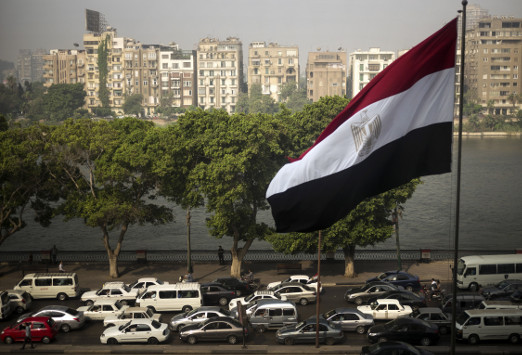
As the Khashoggi drama became to big to ignore, Egypt’s state-owned and private media coverage of the story confirmed that Egypt could not afford to harm its ties with Saudi Arabia.
In this week’s Monday Briefing, MEI experts Charles Lister, Randa Slim, Jean-François Seznec, and Mirette F. Mabrouk provide analysis on recent and upcoming events including escalating tensions in Idlib, protests in Basra and their implications for Iraqi politics, a Saudi sovereign wealth fund’s loan to help make up for Aramco IPO revenue, and Egypt’s diplomatic outreach to China.
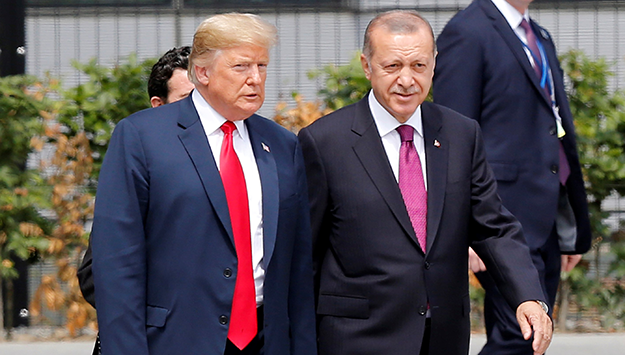
Can the US and Turkey mend fences in Manbij? | Monday Briefing
In this week’s Monday Briefing, MEI experts Gonul Tol, Robert S. Ford, Bilal Y. Saab, and Mirette F. Mabrouk provide analysis on recent and upcoming events including Turkey-U.S. cooperation in Syria amid diplomatic tensions, talks between U.S. and Russian officials on Syria policy, the implications of a new Iranian fighter jet, and Egypt’s revitalized work in regional diplomacy.
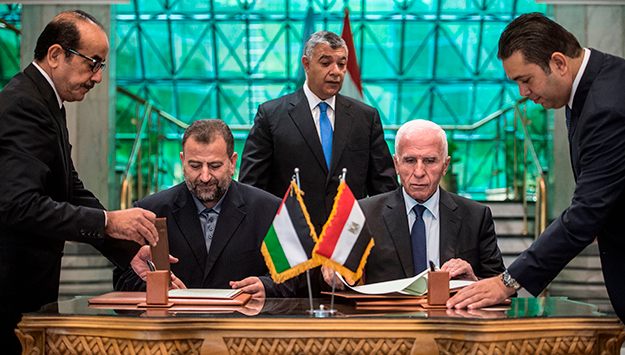
In this week’s Monday Briefing, MEI experts provide analysis on Fatah-Hamas reconciliation talks in Cairo, possible cooperation between the Syrian Democratic Council and the Assad regime, the protests in Iraq, the U.S.’s lifting of restrictions on aid to Egypt, and Imran Khan’s victory in the Pakistani elections.
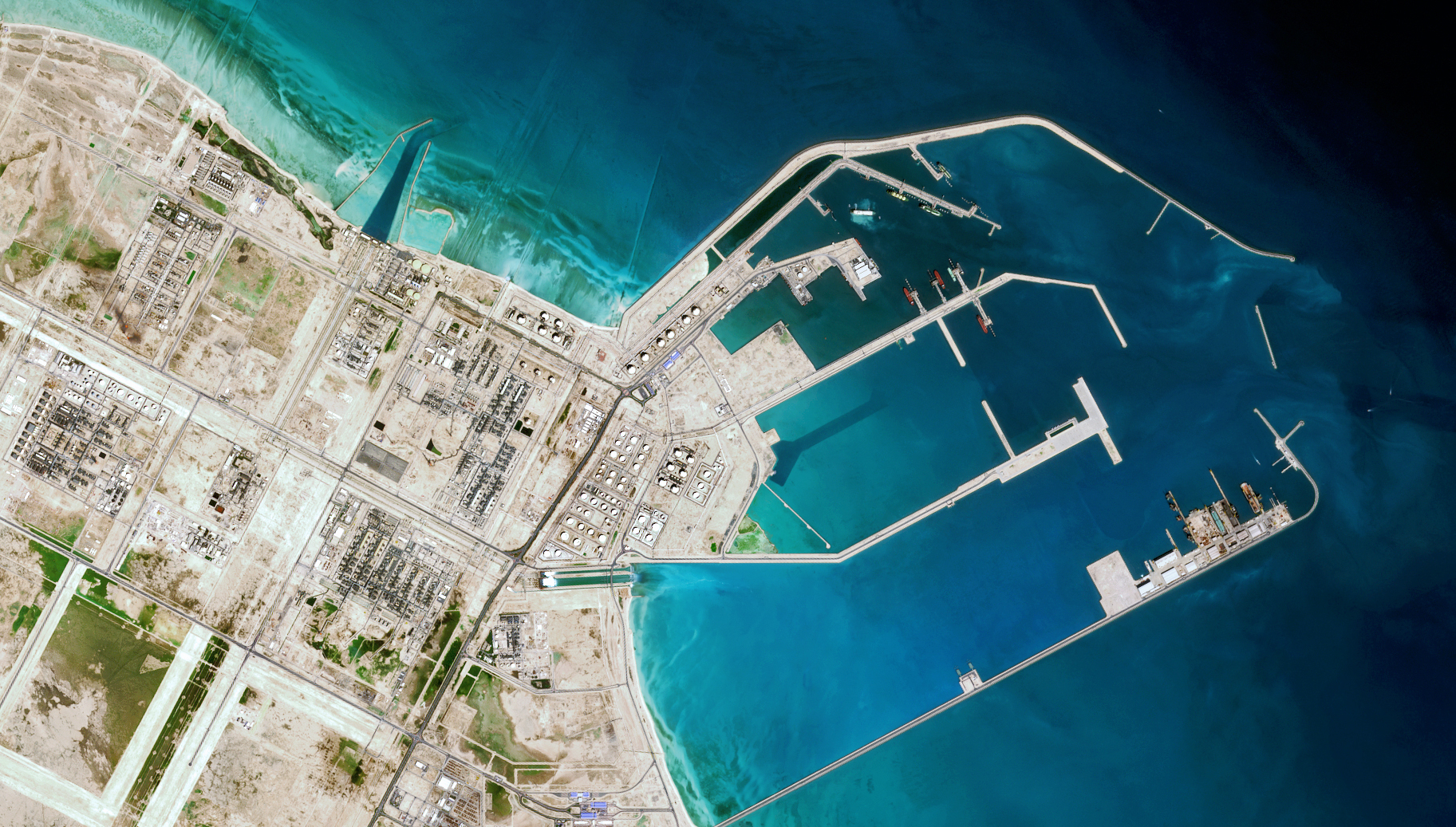
Even though energy production and exports are the lifeblood of all Arab states in the Gulf, the present crisis between Qatar on the one hand and Saudi Arabia, the United Arab Emirates, Bahrain, and Egypt on the other has had very little influence on the economics of oil and gas either internationally or within the region. However, the countries involved have a lot to gain from a resolution of the conflict, particularly if it leads to greater energy market integration.
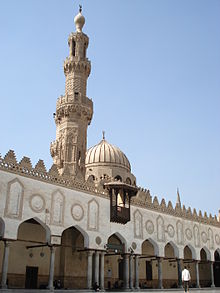
Embracing Moderation: Egypt’s al-Azhar and Indonesia’s Pesantren
Over the past 20 years, Indonesia — the world’s fourth most-populous country and the largest Muslim-majority nation — has evolved into a democracy based on tolerance and a moderate interpretation of Islam, and has emerged as one of Asia’s fastest-growing economies. This essay is part of a series on “Indonesia and the Middle East: Exploring Connections,” which examines the nature, scope, and implications of Indonesia’s ties with the MENA region.
In this week’s Monday Briefing, MEI experts Robert S. Ford, Gerald Feierstein, Marvin G. Weinbaum, and Bilal Y. Saab provide analysis on Iran’s efforts to stay in Syria, Pompeo’s upcoming trip to Abu Dhabi, the Pakistan Muslim League’s struggle in the upcoming National Assembly elections, and Qatar’s decision to renege on its Russian S-400 purchase.