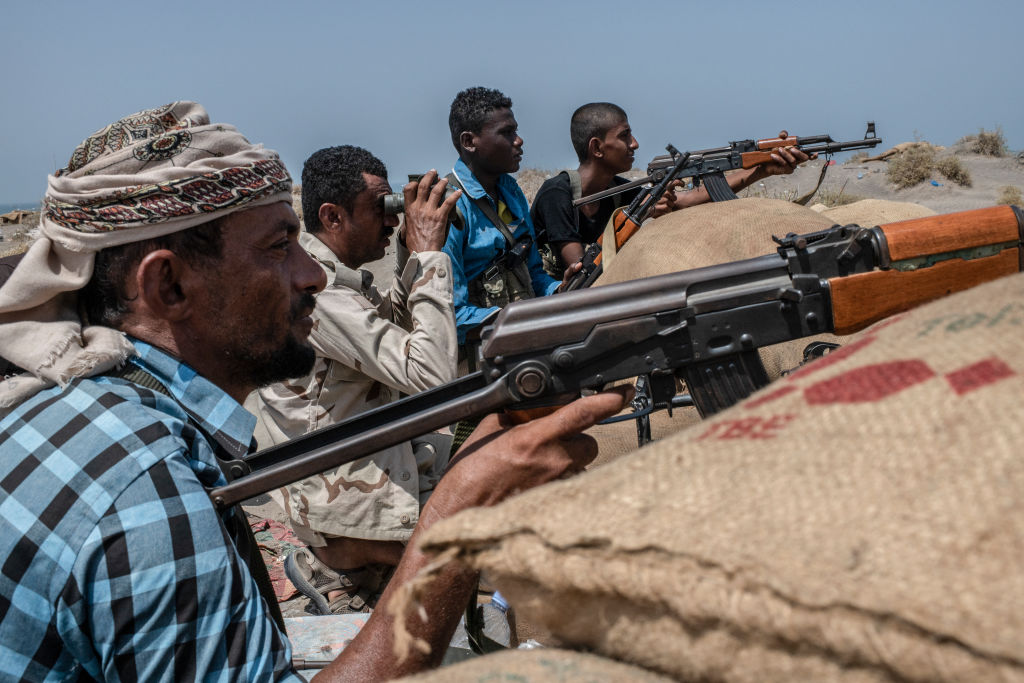
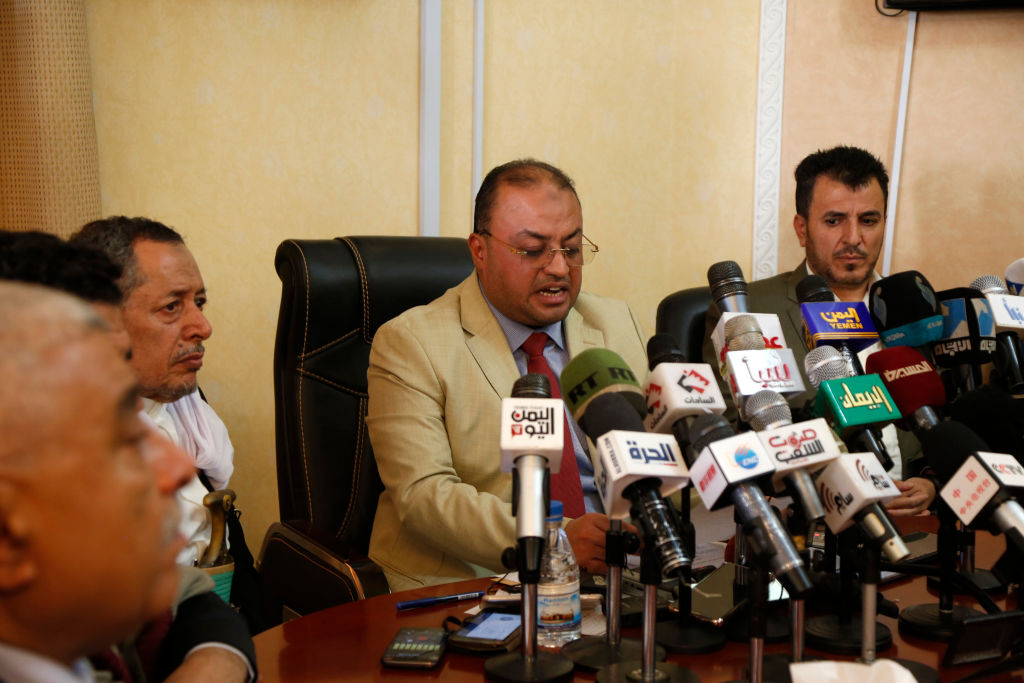
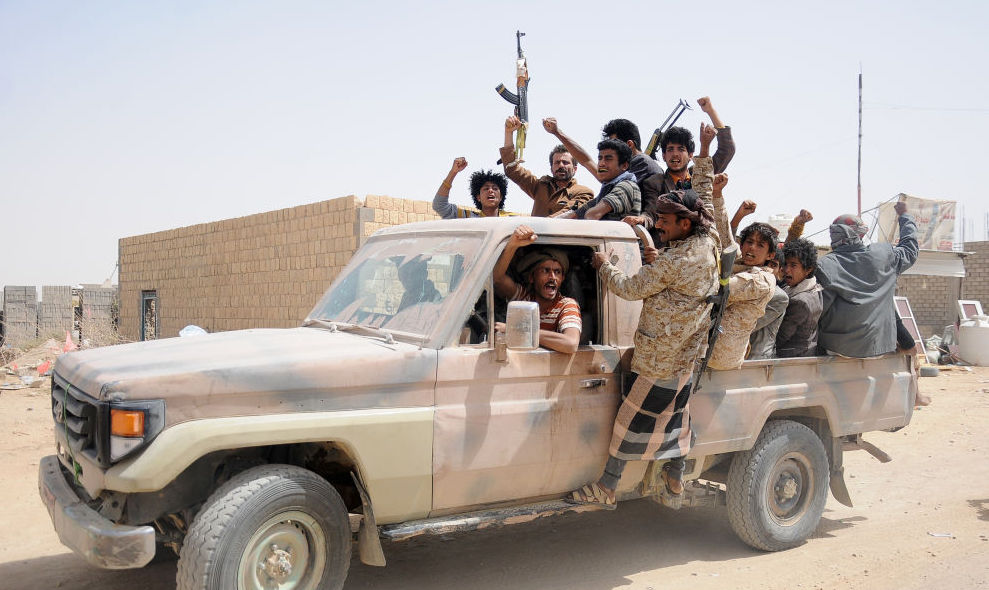
MEI senior fellows Mick Mulroy and Eric Oehlerich join host Alistair Taylor to discuss child soldiering, a growing global problem that has a disproportionate impact on the Middle East and Africa. Click here to read their new report, “Begin with the children: Child soldier numbers doubled in the Middle East in 2019.”
The times have changed, but the need for a US-led MFO hasn’t
This is not the time to hang out the “Mission Accomplished” banner for the MFO. At a nominal cost to the U.S. in money and manpower, for nearly 40 years, the mission has been a phenomenal success. At a time when the U.S. commitment to the region is being viewed with increasing skepticism, the MFO is a prime example of U.S. capacity to organize and lead a multinational effort to support regional security and stability.
Saudi Arabia eyes the exit in Yemen, but Saudi-Houthi talks alone won’t resolve the conflict
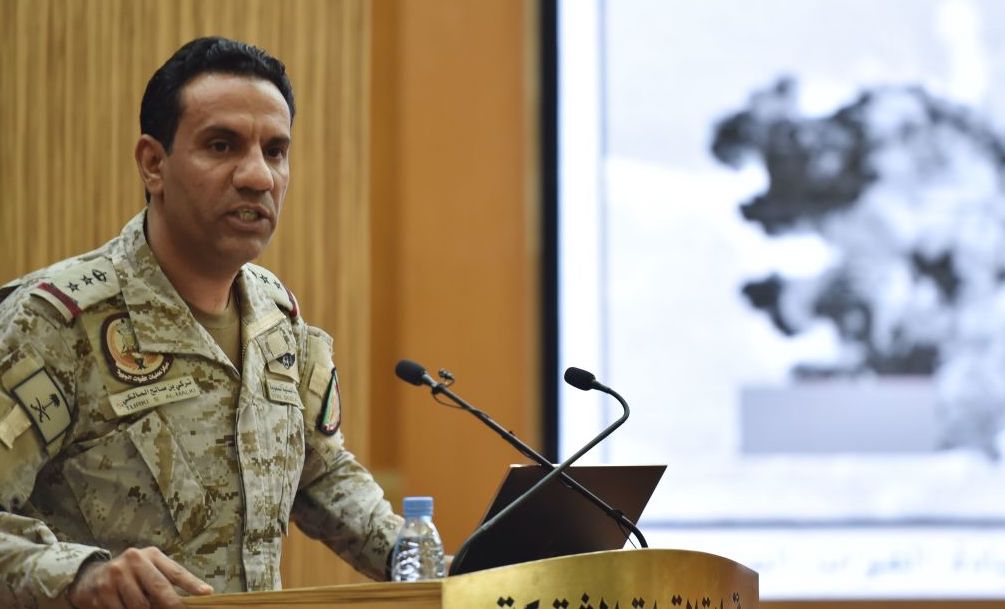
During the Munich Security Conference in February 2020, Saudi Arabia’s foreign minister, Prince Faisal bin Farhan, signaled that the Saudi-Houthi backchannel talks were not “ready to move to the highest level.” However, the situation changed following the Houthi ballistic missile attack on Jazan and Riyadh in late March, and on April 8, the coalition’s Joint Forces Command
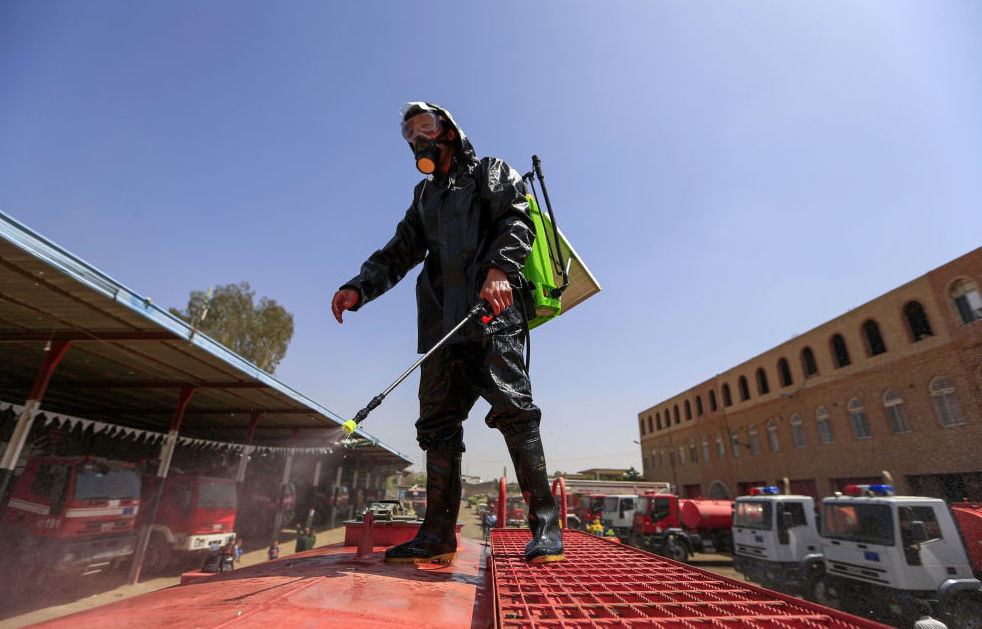
Without a Houthi commitment, the cease-fire could make Yemen more vulnerable to COVID-19
The Houthis’ lack of interest in halting their military operations could displace millions of civilians in the midst of a potential COVID-19 outbreak, defeating the very purpose of the cease-fire.
Five years on, has the Arab coalition achieved its objectives in Yemen?
On March 26, 2015, the former Saudi ambassador to the U.S., Adel al-Jubeir, announced the beginning of a Saudi-led military campaign in Yemen to curtail Iran’s influence in the country, reinstate the regime of President Abed Rabbo Mansour Hadi in Sanaa, and deter the Iranian-backed Houthi threat. Five years on, however, the objectives of Operation Decisive Storm are far from realized, and the situation on the ground is as volatile as ever.
Whither the MFO? The US presence in Sinai has seen its best days
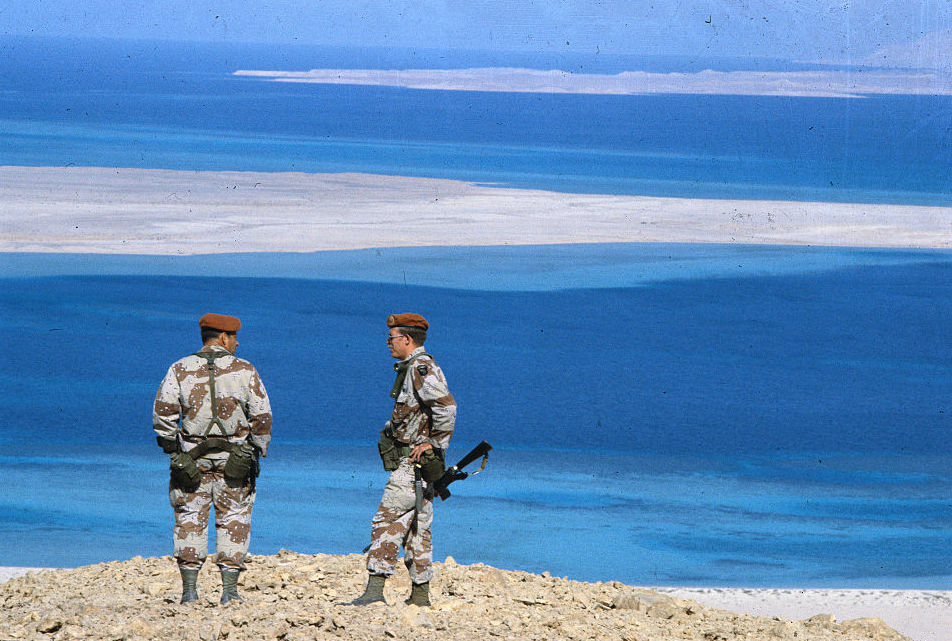
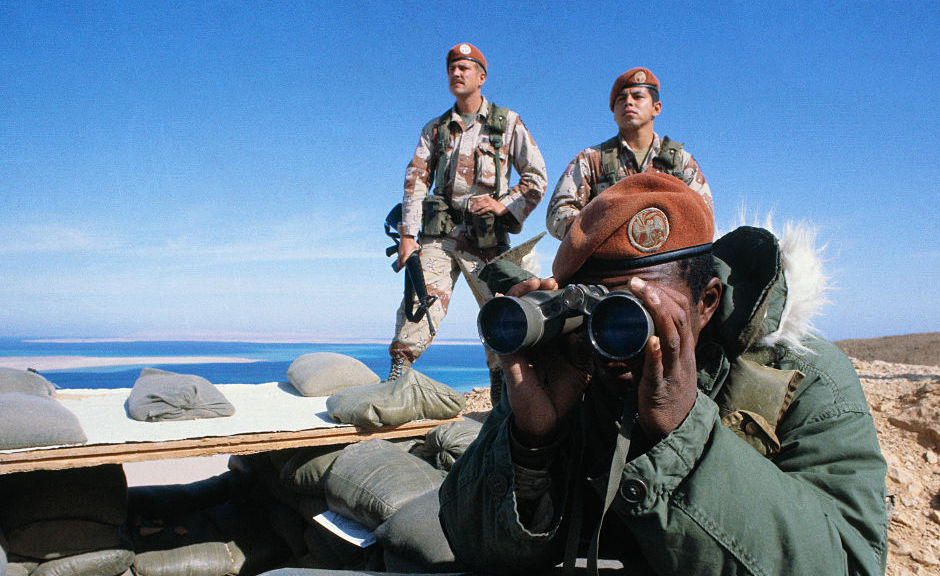
The Sinai-based Multinational Force & Observers (MFO) will soon celebrate its 41st anniversary. Like most of what the MFO does, recognition will be low key and understated. The MFO has always operated under the radar, but this may soon be changing.
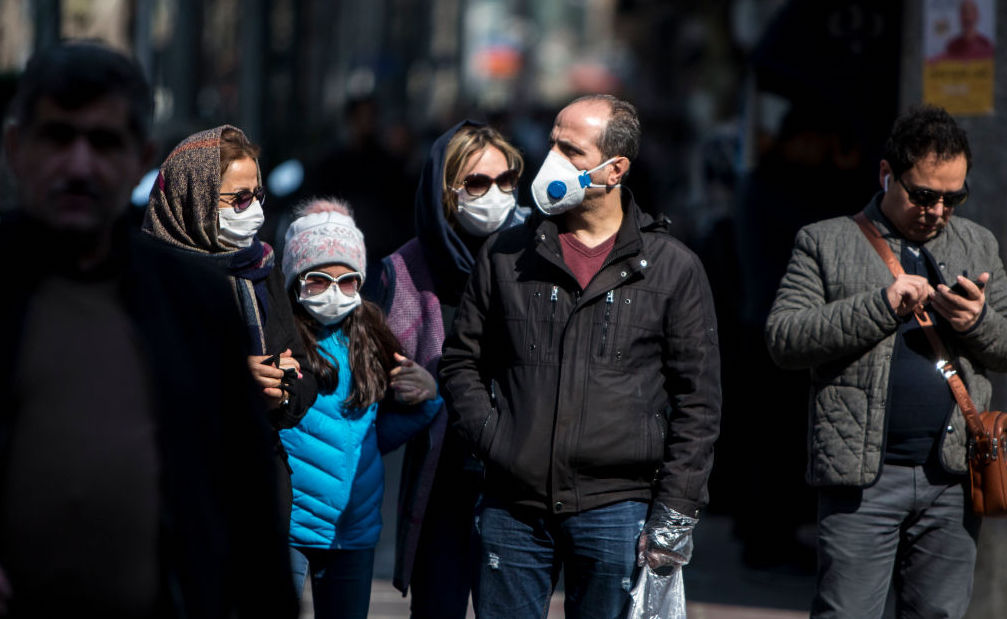
MEI’s Paul Salem, Khaled Elgindy, and Fatima Abo Alasrar join host Alistair Taylor to discuss the coronavirus pandemic’s impact on the Middle East as nations scramble to contain the spread of COVID-19 and the massive humanitarian and economic toll it could take on already vulnerable populations.
COVID-19 has disrupted both supply and demand around the world. Egypt is not immune to the recessionary trends caused by the sudden halt in supply chains and the sharp decline in demand, domestically and globally, resulting from the rapid spread of the virus.
No part of the world will emerge unscathed from the fallout of the coronavirus pandemic of 2020. Just because China and Italy were the first to be severely hit, does not imply, that when all is said and done, that they will have sustained the brunt of the damage. North Africa is a region dependent on global commodities prices, tourism, and political and monetary support from Europe and the Gulf, where regime brittleness, youth unemployment, and Islamic radicalism all intersect.
The Houthis’ response to COVID-19? Pre-emptively blame their enemies
By keeping the focus on Saudi Arabia, the UAE, and the U.S., and covering up Iran’s failure in dealing with the pandemic, the Houthis are trying to absolve themselves and their patrons of responsibility.
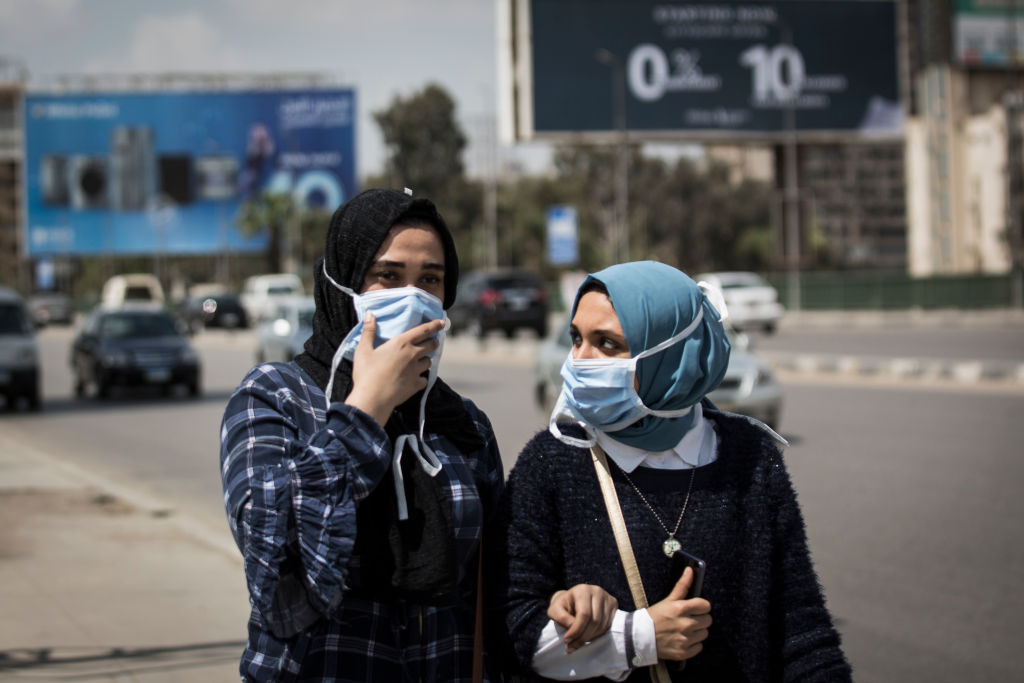
Egypt imposes stricter measures to tackle the spread of coronavirus
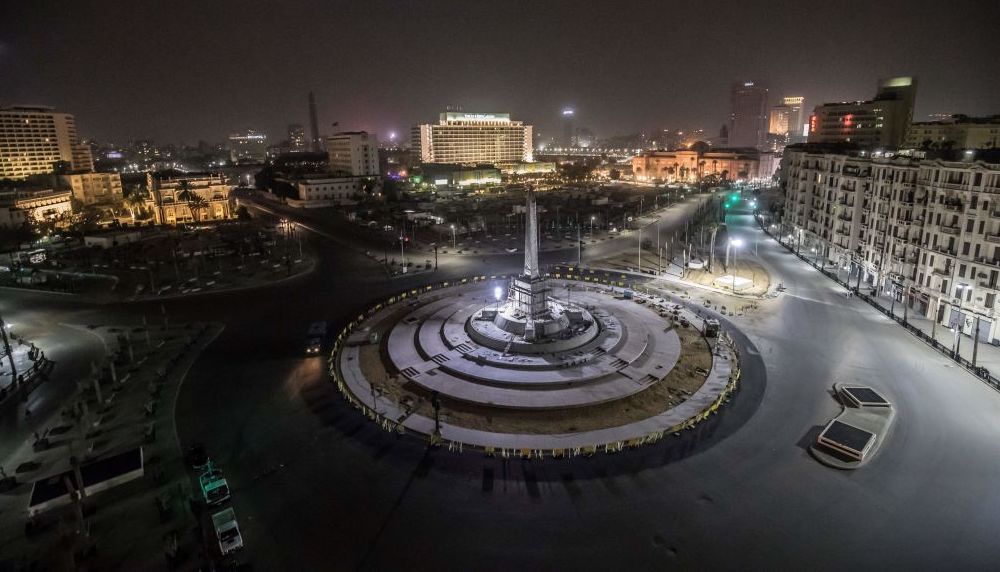
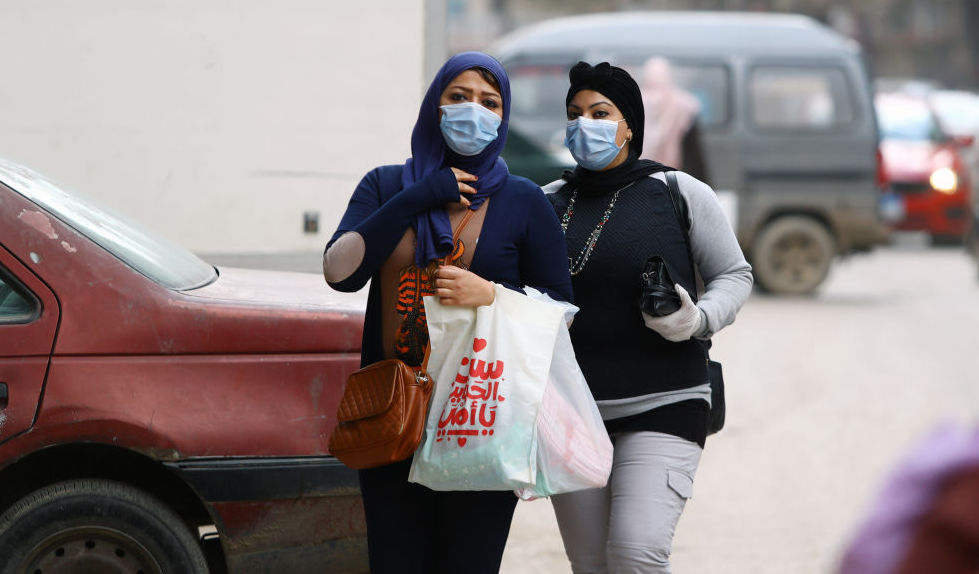
The most populous country in the Arab world, with 100 million people straining its seams, Egypt has weaknesses that make it susceptible to a serious outbreak of COVID-19.
Normalizing Houthi gains in Yemen puts Marib at serious risk
Just a week after Houthi rebels took control of al-Hazm, the capital of al-Jawf Province, on March 1, UN Special Envoy for Yemen Martin Griffiths paid an unprecedented, one-day visit to the Houthis’ likely next target, oil-and-gas-rich Marib, reiterating the urgent need for de-escalation.