Eye on Niamey: Middle East regional powers vie for influence in Niger
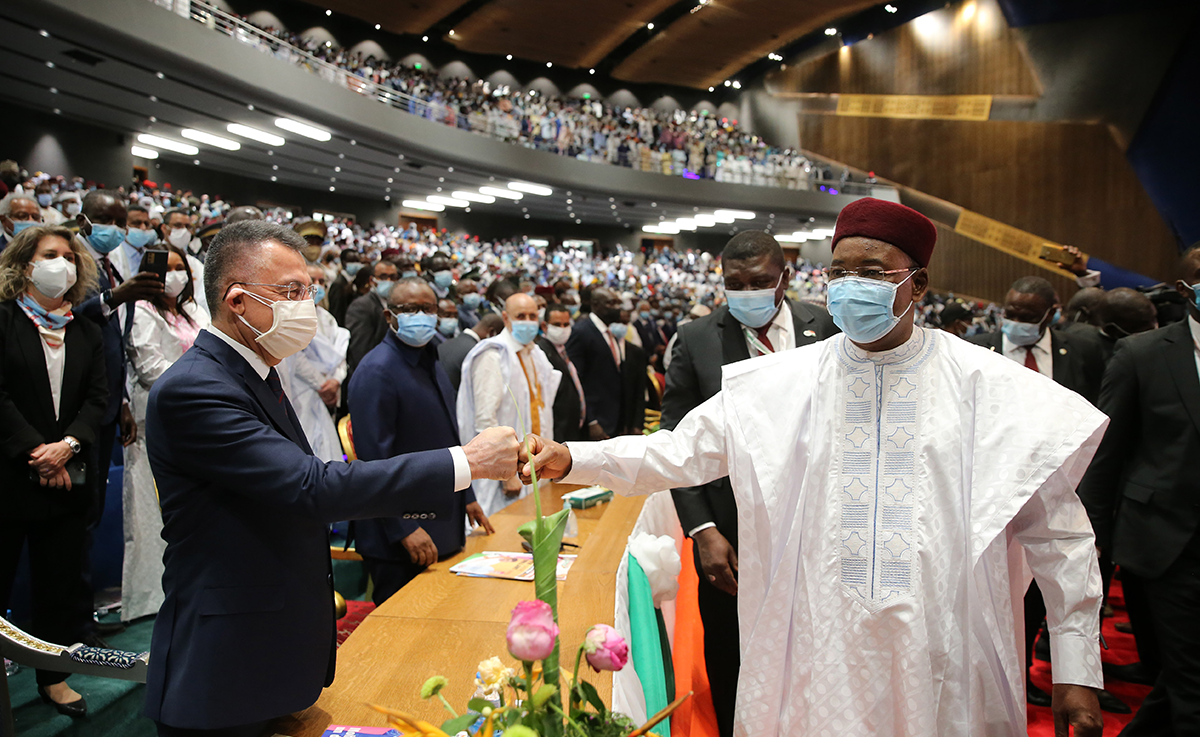
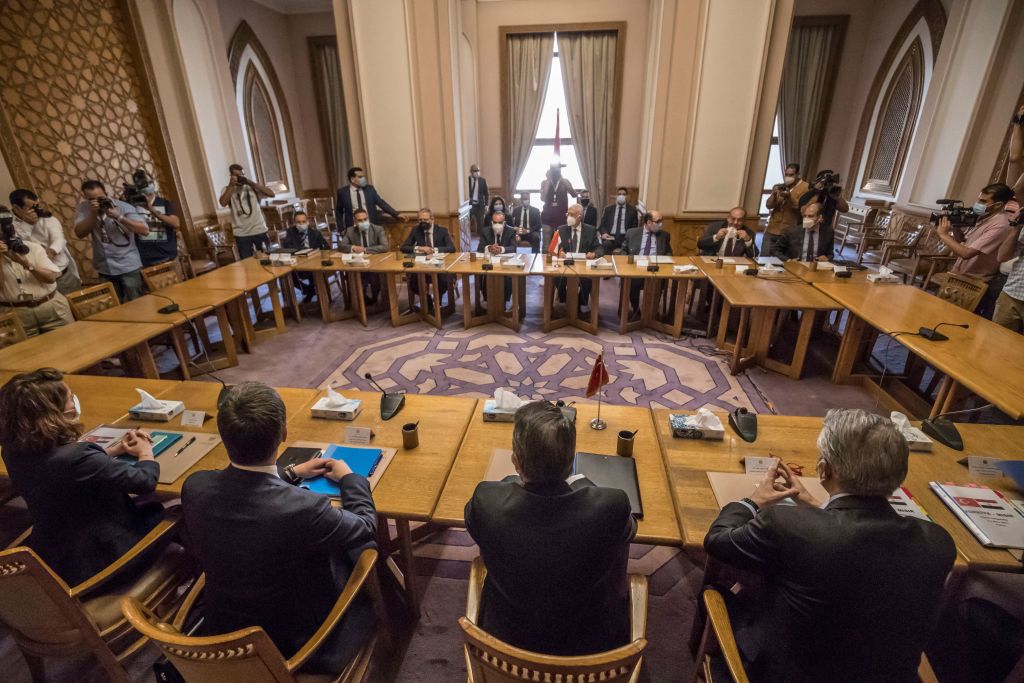
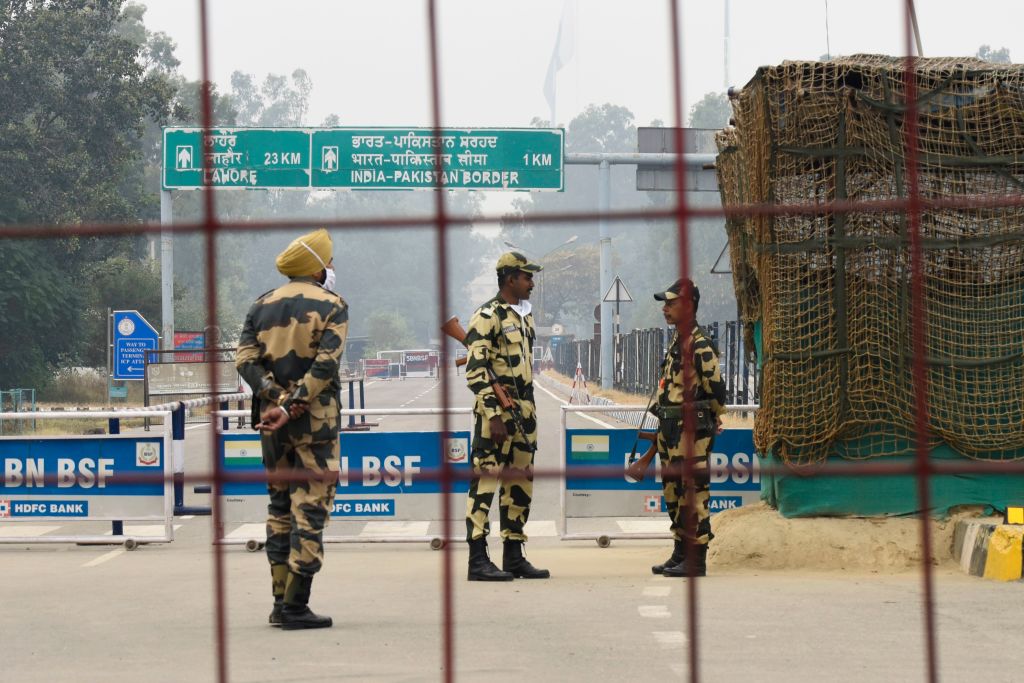
Due to its relatively stable political institutions, geographic proximity to Libya, and UNSC seat, regional powers in the Middle East are competing for influence in Niger. Egypt and the UAE are trying to counter Turkey’s growing economic and security cooperation with Niger, Saudi Arabia and Iran wish to leverage its UNSC voting power, and Israel is testing the waters for a potential normalization of diplomatic relations. These rivalries are poised to intensify, as the Sahel’s geostrategic significance continues to expand.
A rigged election in Somalia could open the door to civil war
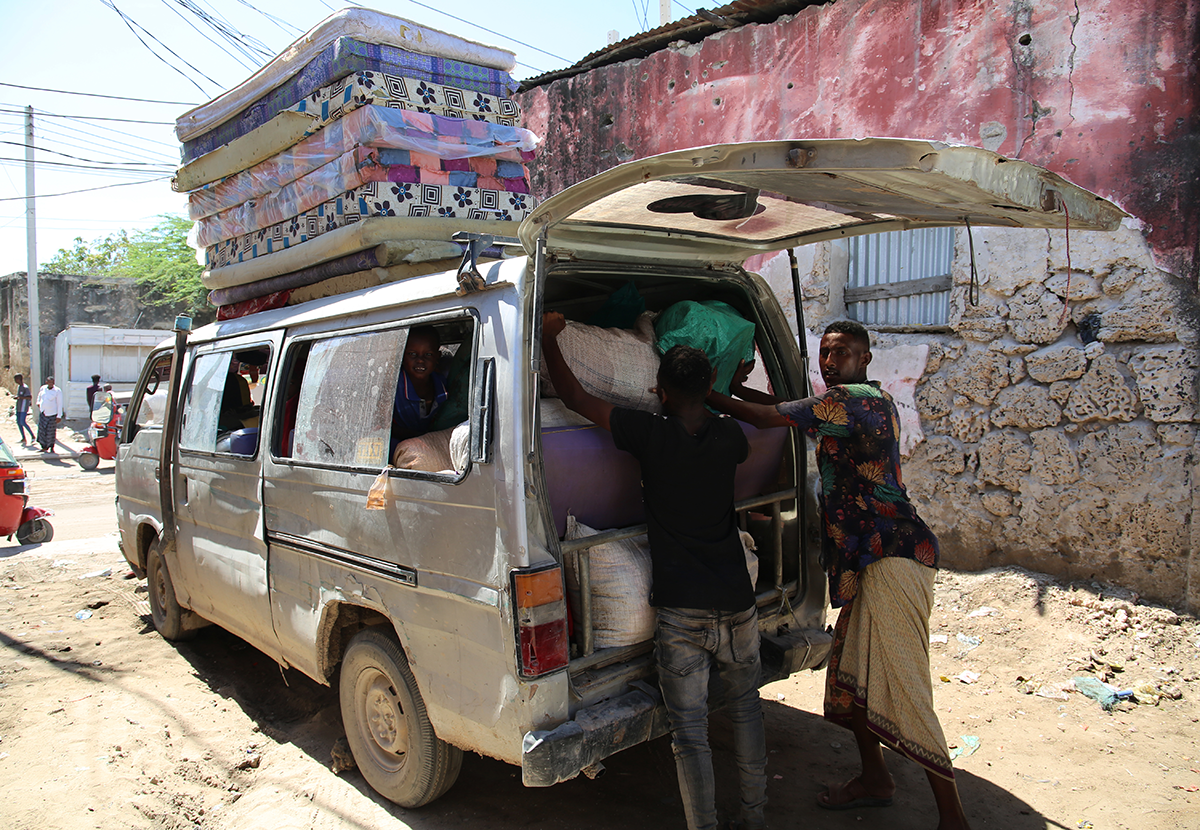
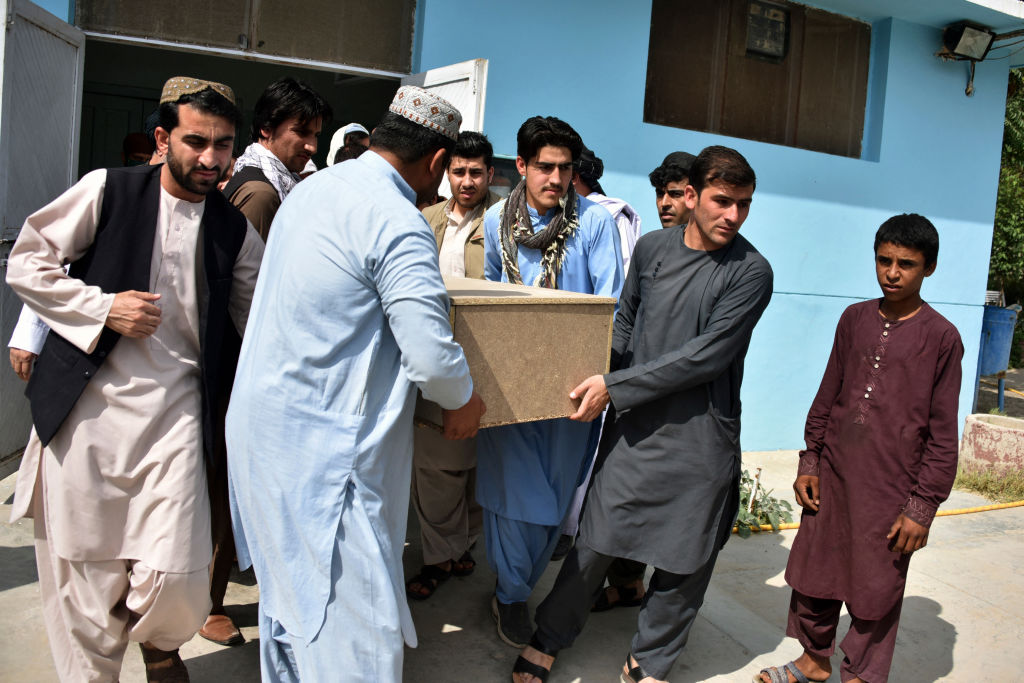
The May 1 vote by Somalia’s caretaker lower house of parliament to scrap the illegal extension of Mohamed Abdullahi Mohamed’s presidential term and back fresh elections is a step in the right direction. Known popularly as Farmaajo, Mohamed’s term in office expired in early February, giving rise to a political crisis that has raised serious questions about the country’s stability. The clashes between Farmaajo loyalist and opposition military units in Mogadishu at the end of April and the suicide bomb attack on a police station in the capital’s Waberi district on May 9 are only the latest signs of a worsening security crisis. The potential for violence to escalate further is all too real and more will need to be done, especially on the part of Somalia’s donors, to ensure a peaceful election and transfer of power.
Expert Views: The Biden administration and the Middle East: Reflecting on the first 100 days
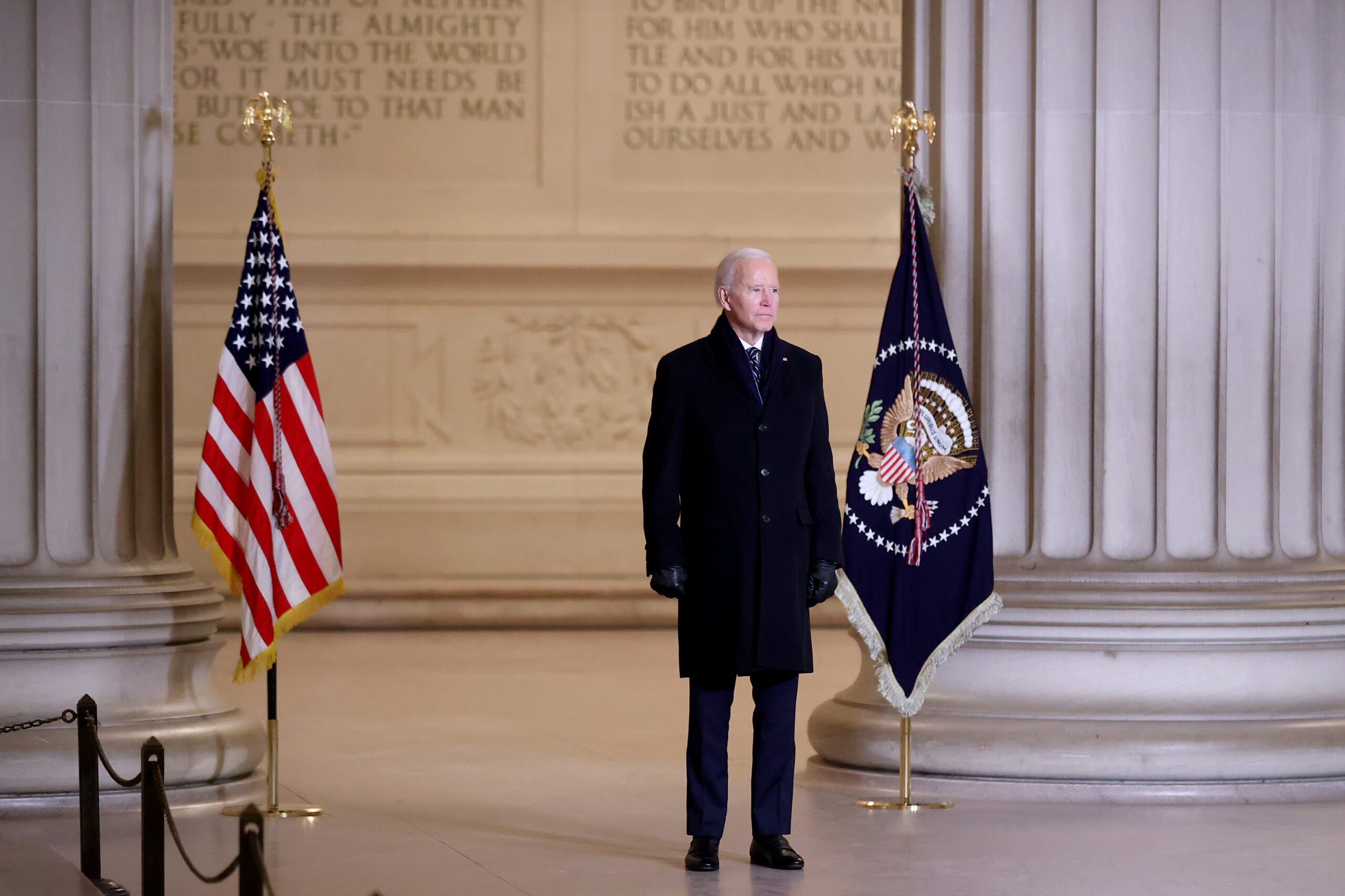
At the end of Joe Biden’s first 100 days as president of the United States, where do things stand when it comes to U.S. policy toward the Middle East and North Africa? We asked experts and scholars from across MEI to weigh in with their thoughts on the changes we’ve seen so far, the new challenges that have emerged, and what we know about the administration’s key priorities for the region.
The Biden administration should play a key role in building a stronger Egypt where human-rights abuses are both rare and addressed by pushing back against the potential for any new regime.
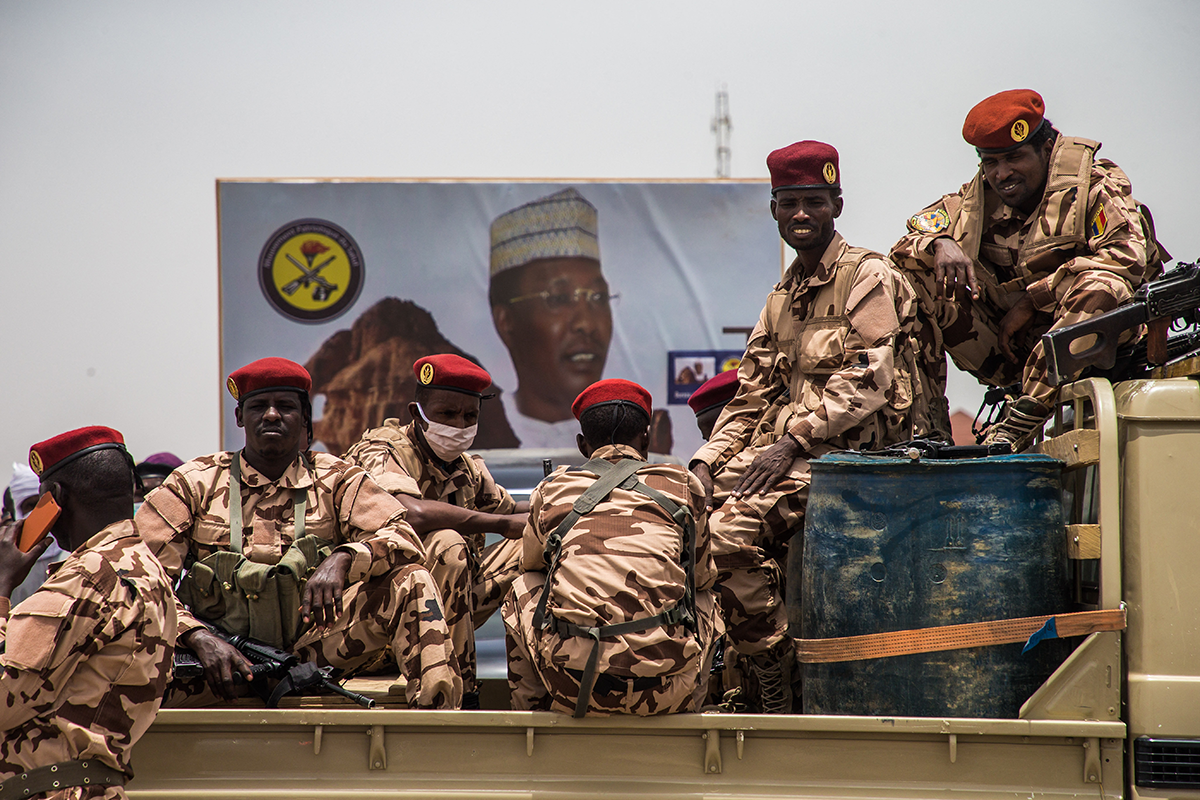
What does the transition in Chad mean for Middle Eastern regional powers?
On April 20, Chadian President Idriss Déby was killed by Front for Change and Concord in Chad (FACT) rebels in the country’s northwestern Tibesti region. The sudden death of Déby, who seized power in Chad via a military coup in December 1990 and was re-elected on April 11 with 79.3% of the vote, risks plunging Chad into a state of prolonged instability.
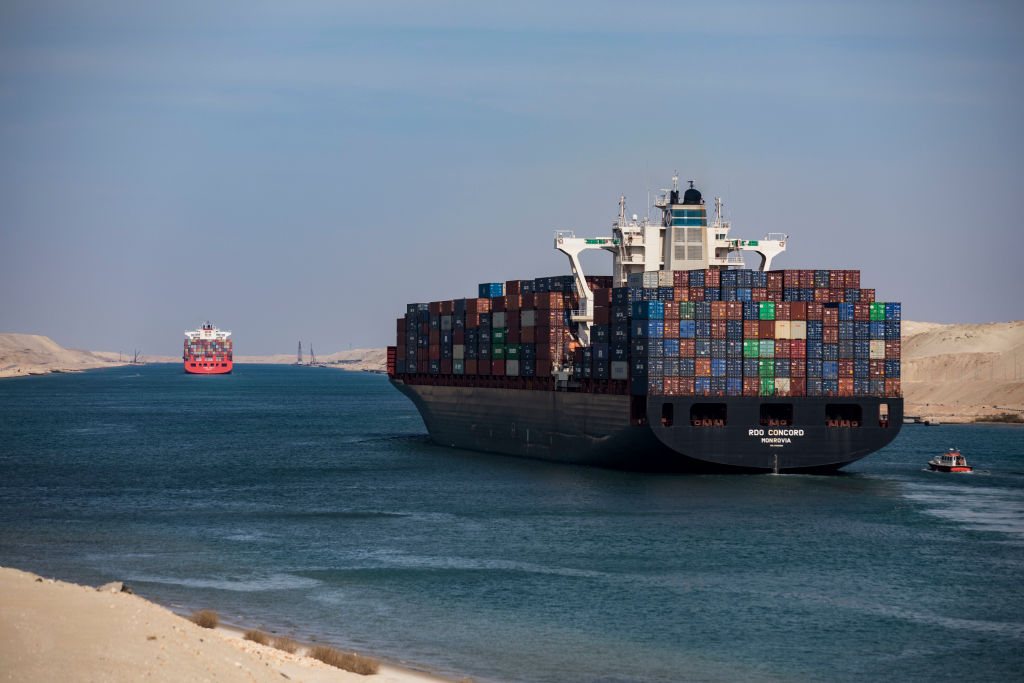
There Is No Indo-Pacific Without Egypt and the Suez Canal
As a major strategic chokepoint for this trade and maritime security, Suez is fundamental to the West’s commitment to a “free, open, secure and prosperous Indo-Pacific.”
Jonathan Winer and Mirette Mabrouk join host Alistair Taylor to discuss Libya’s new interim government, the complex regional and international dynamics at play, and what Libya’s future might look like.
Egypt: The Pandemic Experience in a Time of Reform
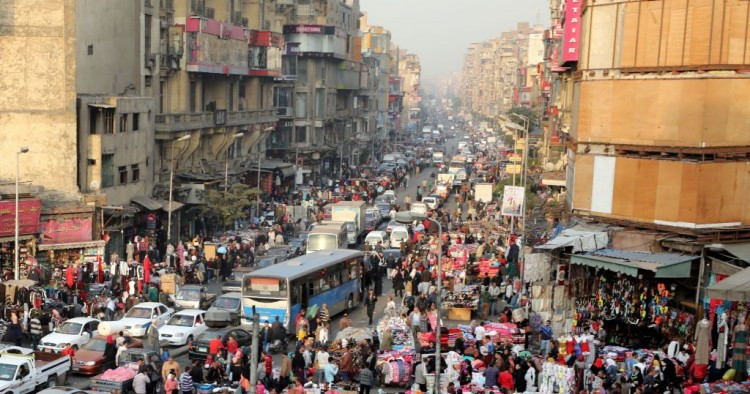
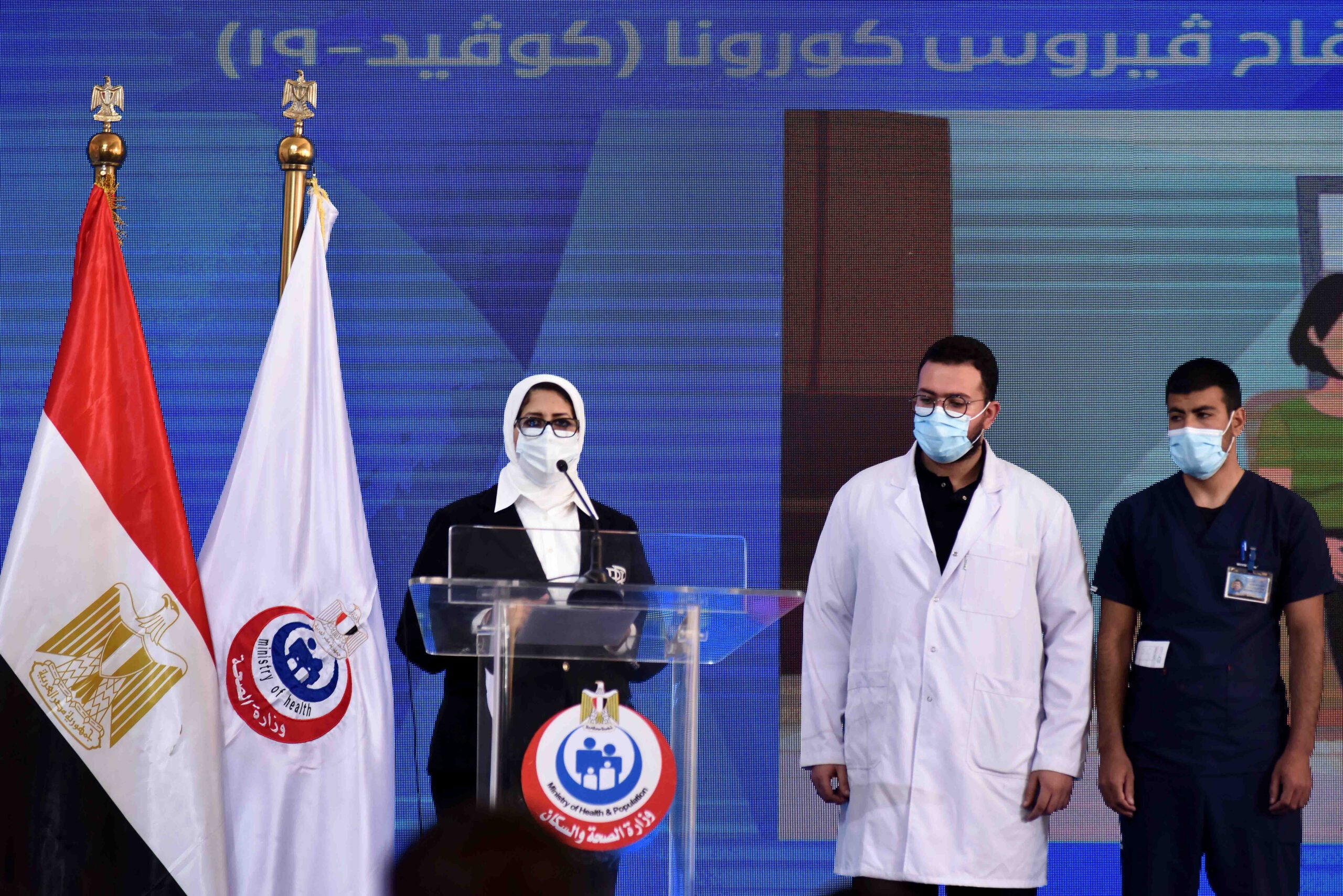
Egypt announced its first COVID-19 fatality on March 8, 2020, a few months after concluding a “reform” program supported by the International Monetary Fund (IMF) loan it had obtained in 2016. The pandemic thus posed the first test for the IMF-prescribed economic and social policies adopted by the Government of Egypt. As this article will show, whereas the reforms helped propel economic growth in a time of global recession, they did not provide a strong social safety net for vulnerable families during the crisis.