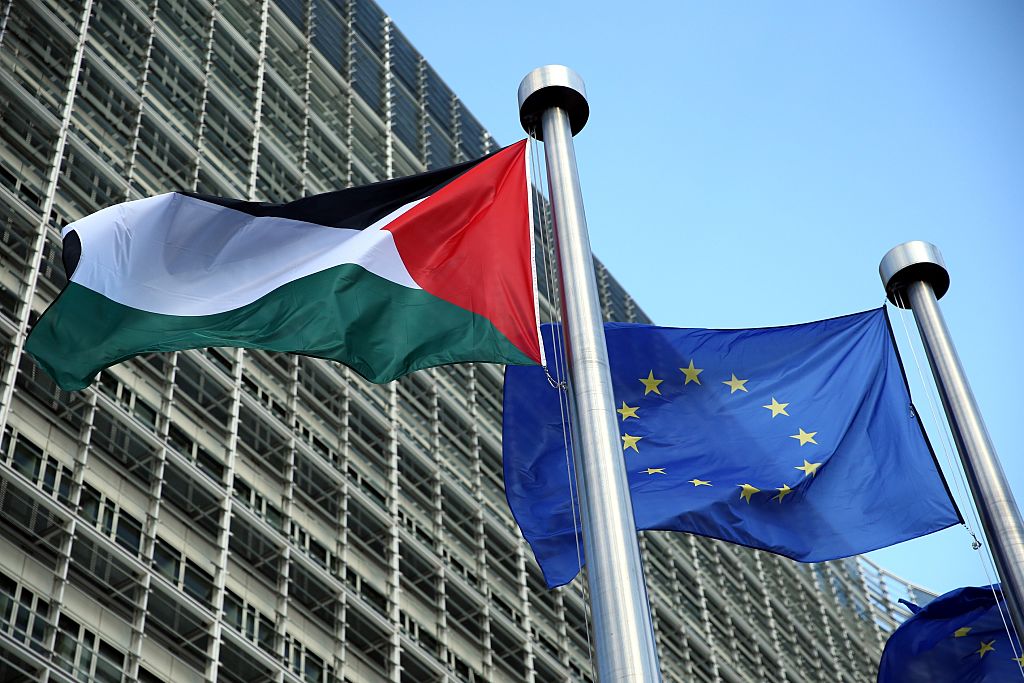
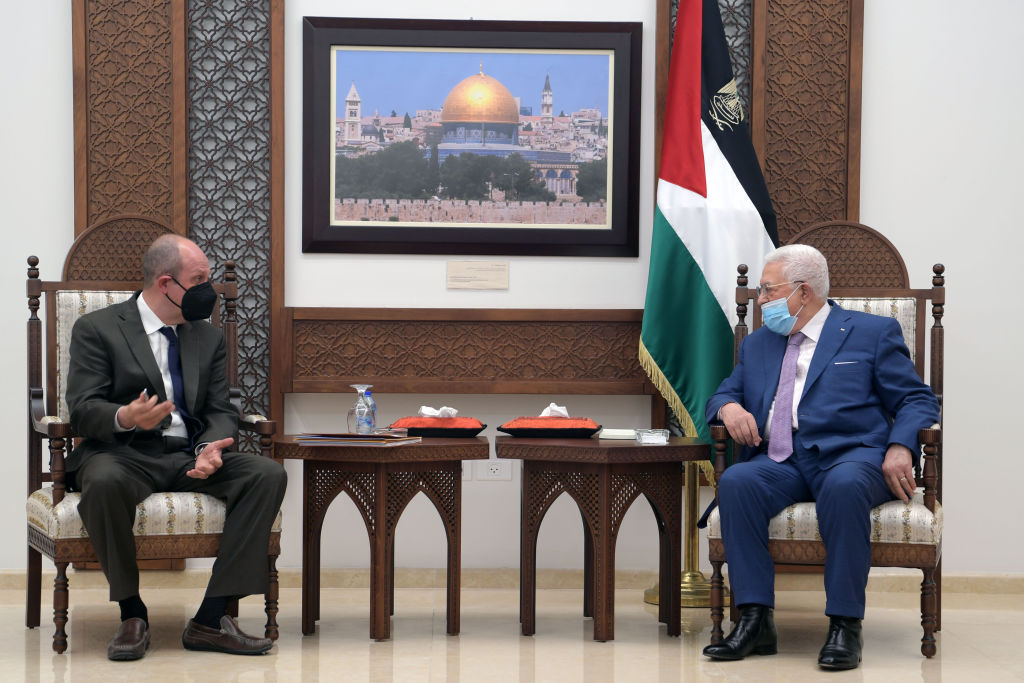
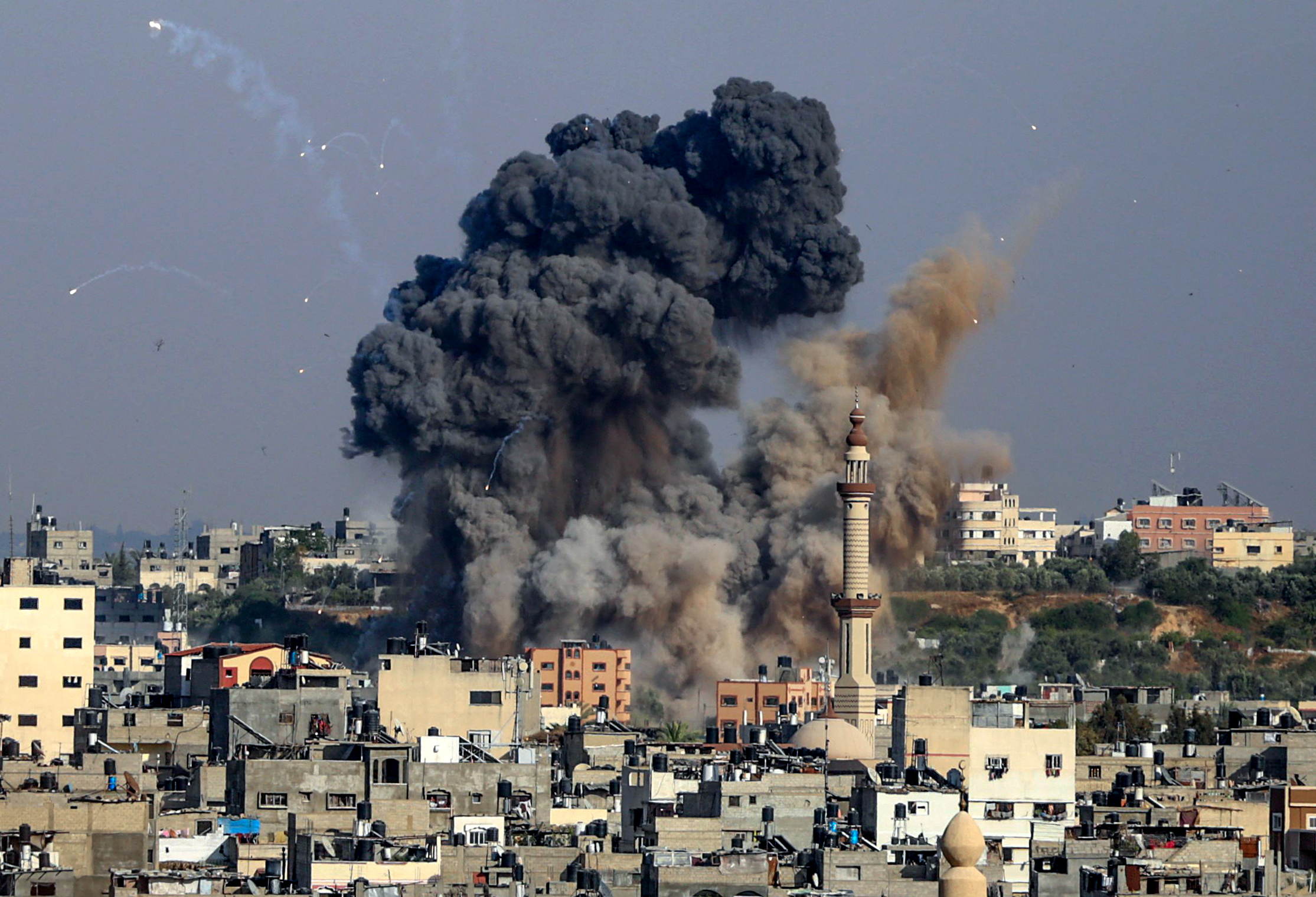
Amid the escalating violence in Israel and Palestine, can the EU move from words to deeds?
While riots and even violent military clashes between Israel and the Palestinians are unfortunately nothing new, and the conflict itself has been of interest to the international community for many decades, the recent, sudden escalation in violence has come as a surprise to many outside observers. This has forced individual states and international organizations to take a stance on what’s happening, including the EU. For the EU, the Middle East conflict is one of the greatest challenges in the immediate neighborhood and a major factor hindering the implementation of its European Neighborhood Policy in the eastern Mediterranean.
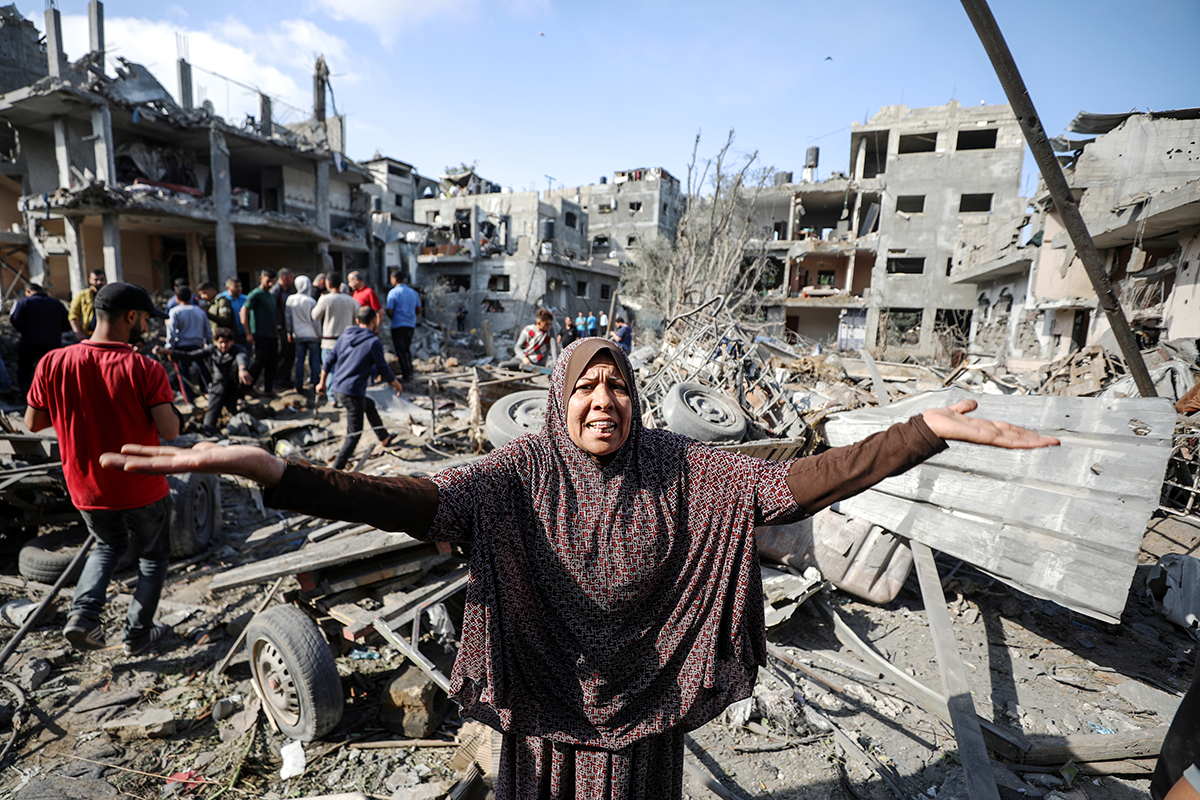
Israeli repression links the violence in Gaza and Jerusalem
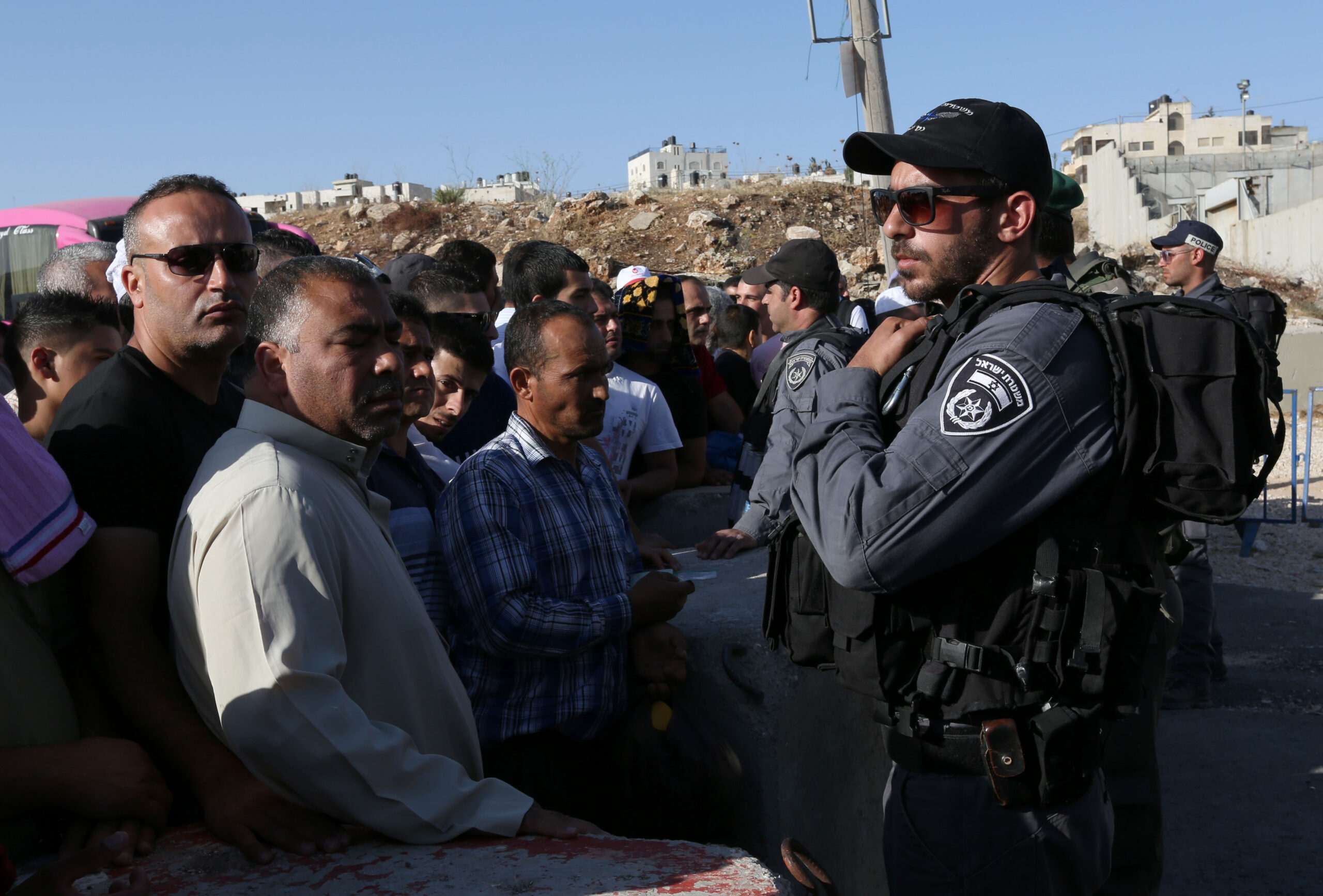
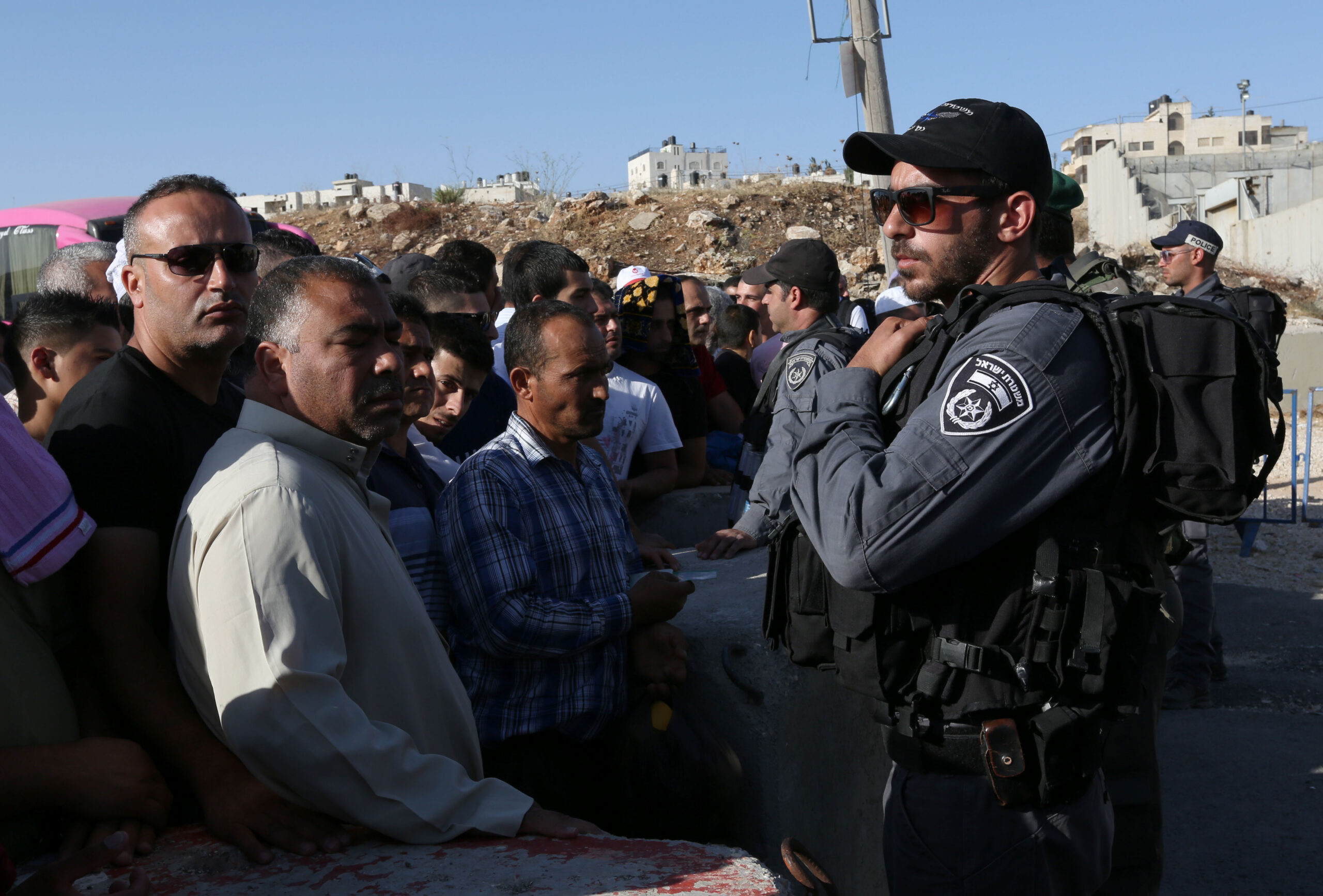
Even as it pays lip service to a two-state solution, the international community—particularly the United States—has largely acquiesced to the Israeli-imposed status quo in Gaza and East Jerusalem by exempting both areas from the political and diplomatic process.
The new wave of normalization in Turkey’s Middle East foreign policy
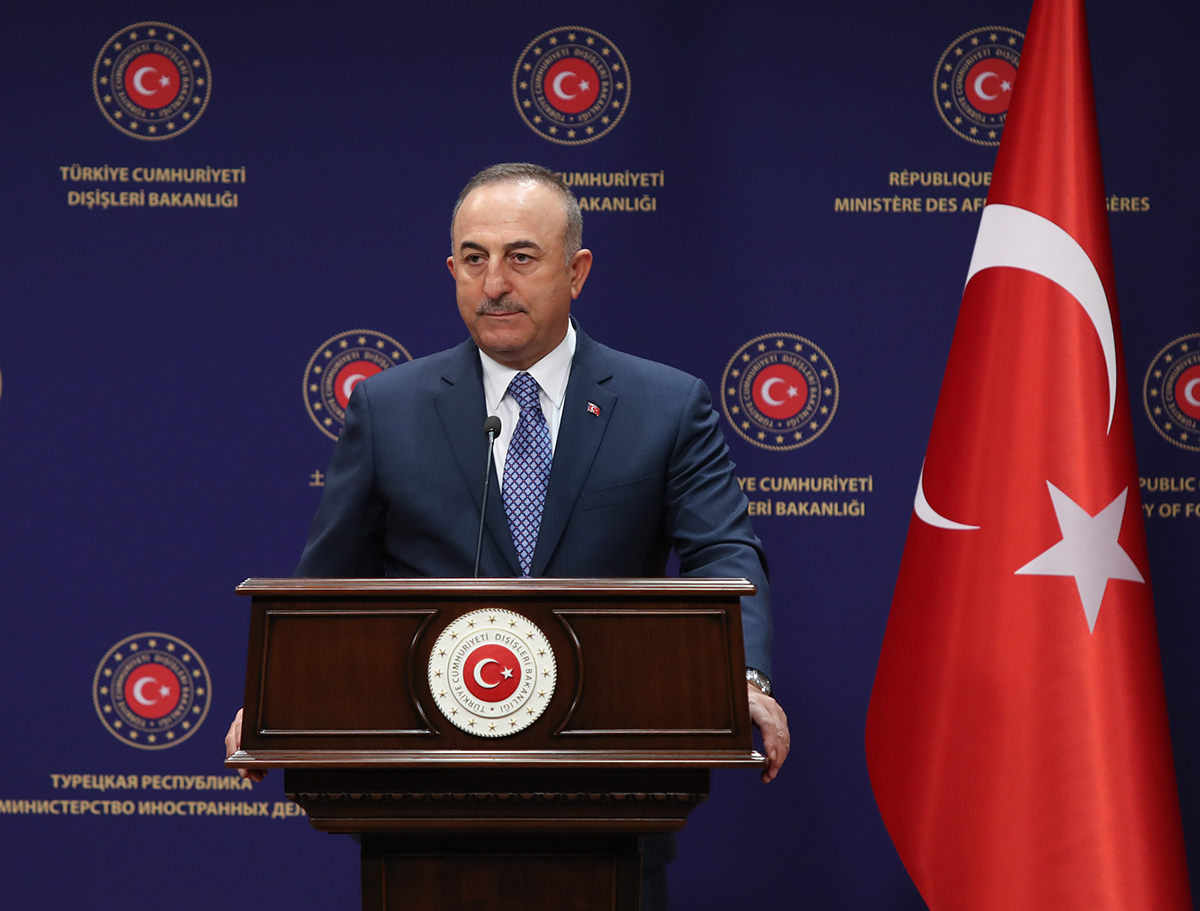
In the past several weeks, news has been coming out of Ankara regularly about normalization in relations with countries with which Turkey has had problematic relationships for some time.
Jonathan Winer and Mirette Mabrouk join host Alistair Taylor to discuss Libya’s new interim government, the complex regional and international dynamics at play, and what Libya’s future might look like.
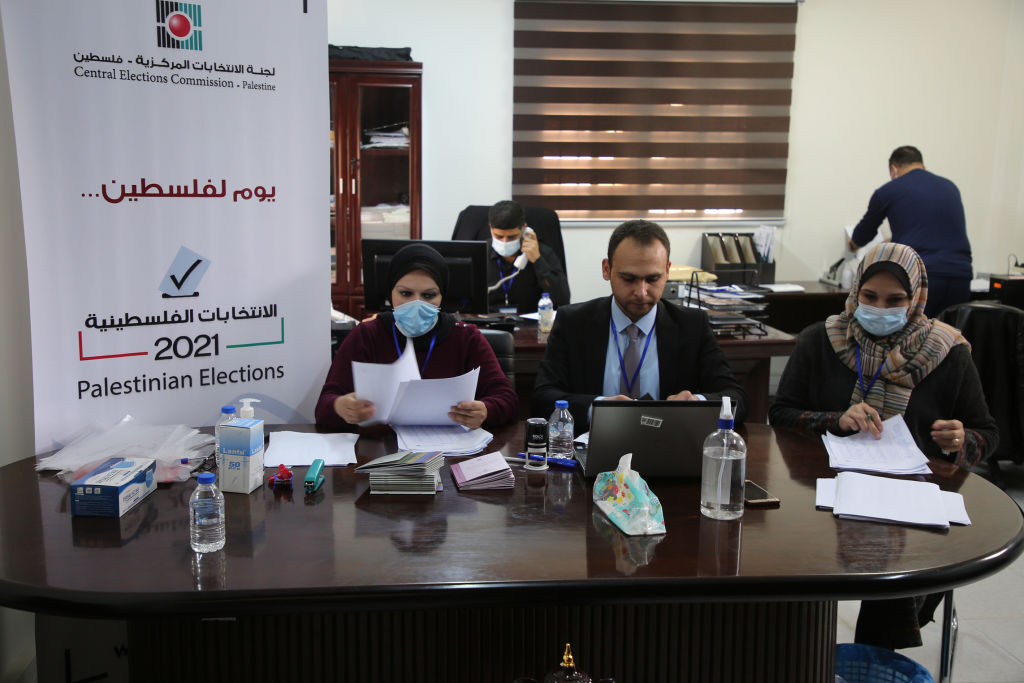
Khaled Elgindy and Lara Friedman discuss the public launch of their congressional teach-in series, “Israel-Palestine: Where We Are, What Comes Next, and Why It Matters to Congress.” The series of webinars features an array of American, Palestinian, Israeli, and international experts on topics dealing with the Israeli-Palestinian conflict and U.S. policy.
Mansour Abbas: Islamist kingmaker or the “good Arab”?
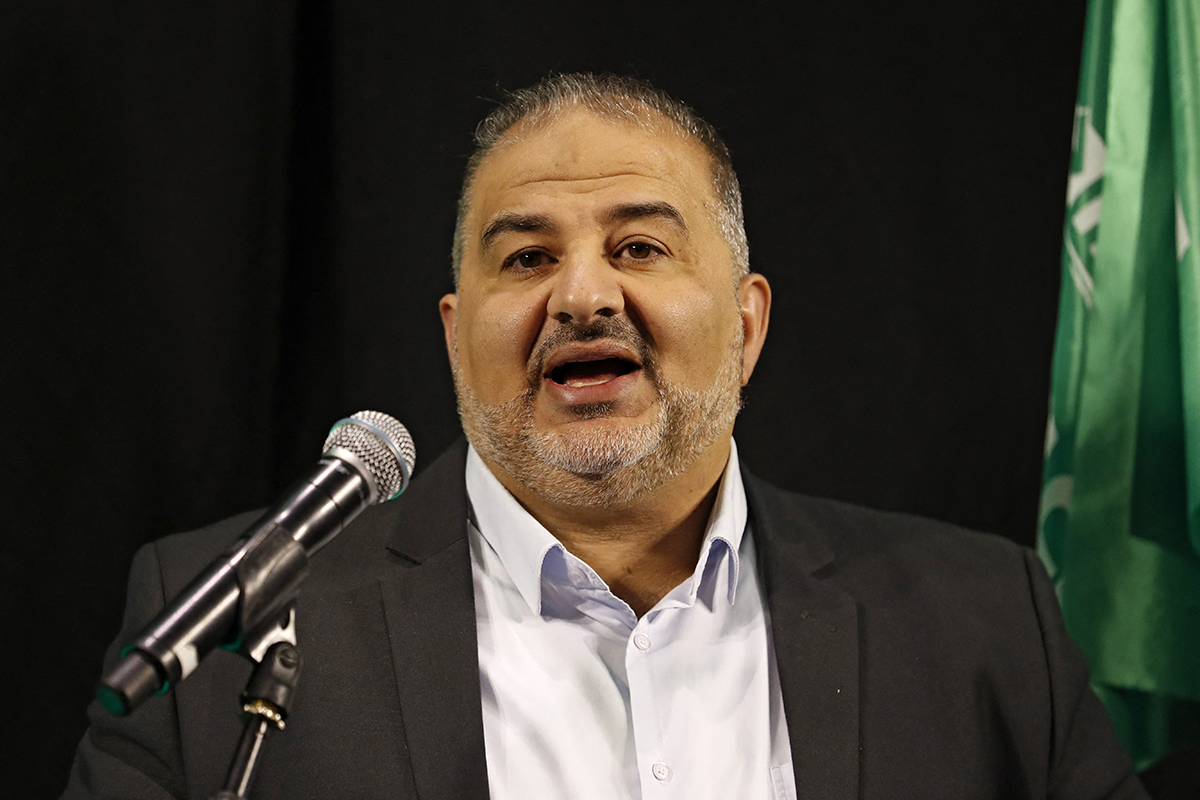
At a press conference on Thursday, MK Mansour Abbas, head of the newly elected Islamist party in Israel, the United Arab List (Ra’am), made what many in the Israeli media dubbed a historic speech. In an effort to reach out to the Jewish Israeli public, he spoke in Hebrew and during the prime time on television often given to Israeli politicians. Speaking surrounded by the party’s green flags, the conservative Islamist quotedverses from the Quran calling for the creation of “an opportunity for a shared life, in the holy and blessed land for the followers of the three religions and both peoples” and told his Hebrew-speaking audience that “Now is the time for change.”
The EU’s diplomatic head and the Israeli-Palestinian conflict one year on
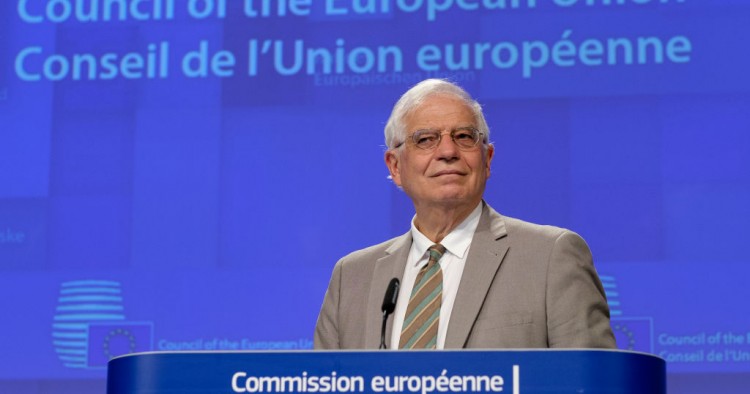
Josep Borrell Fontelles, former Spanish minister of foreign affairs, officially assumed the role on Dec. 1, 2019, and during his first year in office his focus in the Middle East and North Africa (MENA) region was primarily on four main issues: the Israeli-Palestinian conflict, the ongoing civil wars in Syria and Yemen, Iran’s nuclear program, and the threat of another migration crisis.
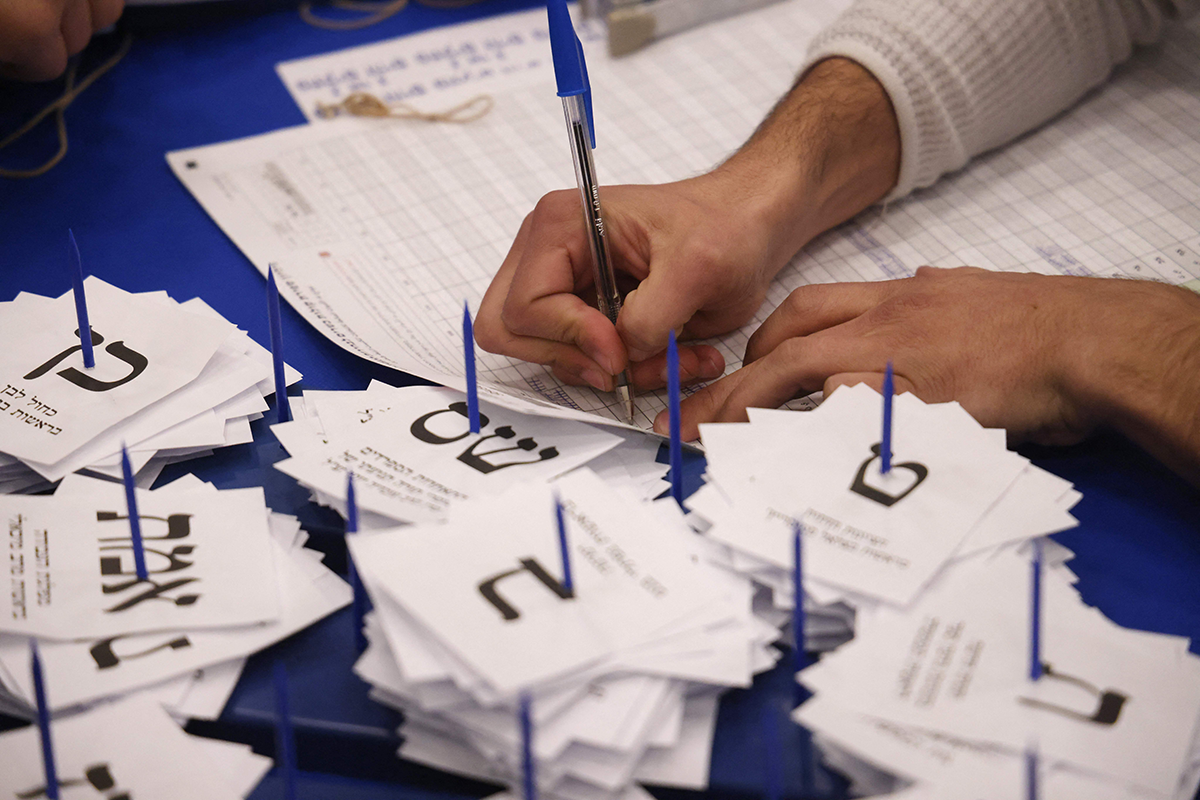
No kingmaker – and no king following Israel’s latest election
With virtually all of the vote in and results unlikely to change, it is clear: Not only will there be no kingmaker in Israel’s latest election, there will probably be no king.