Monday Briefing: Ships sabotaged in the Gulf amid rising tensions with Iran
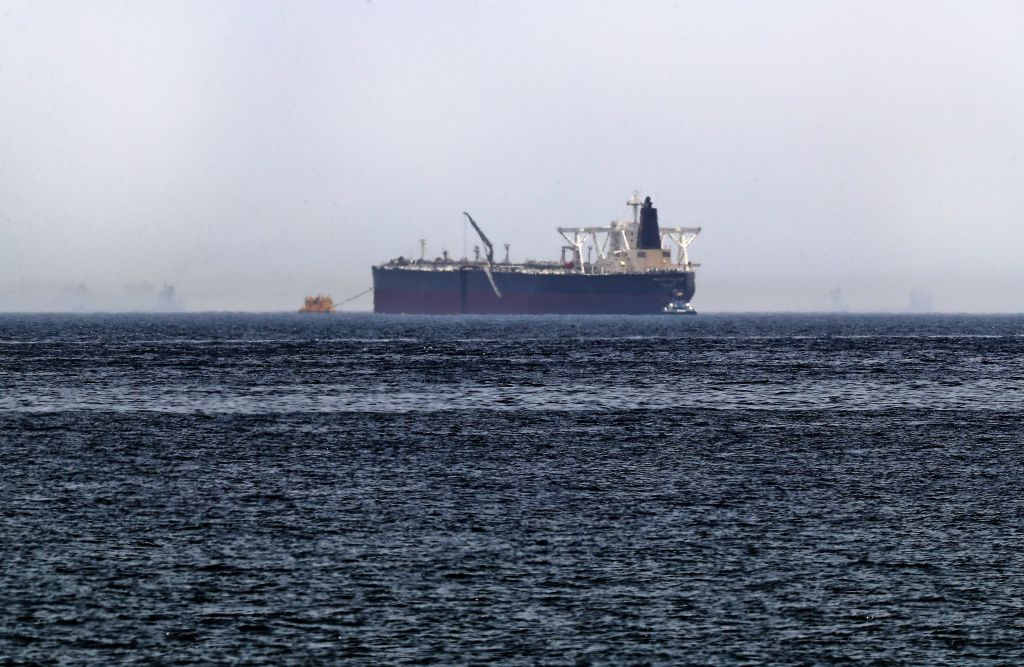
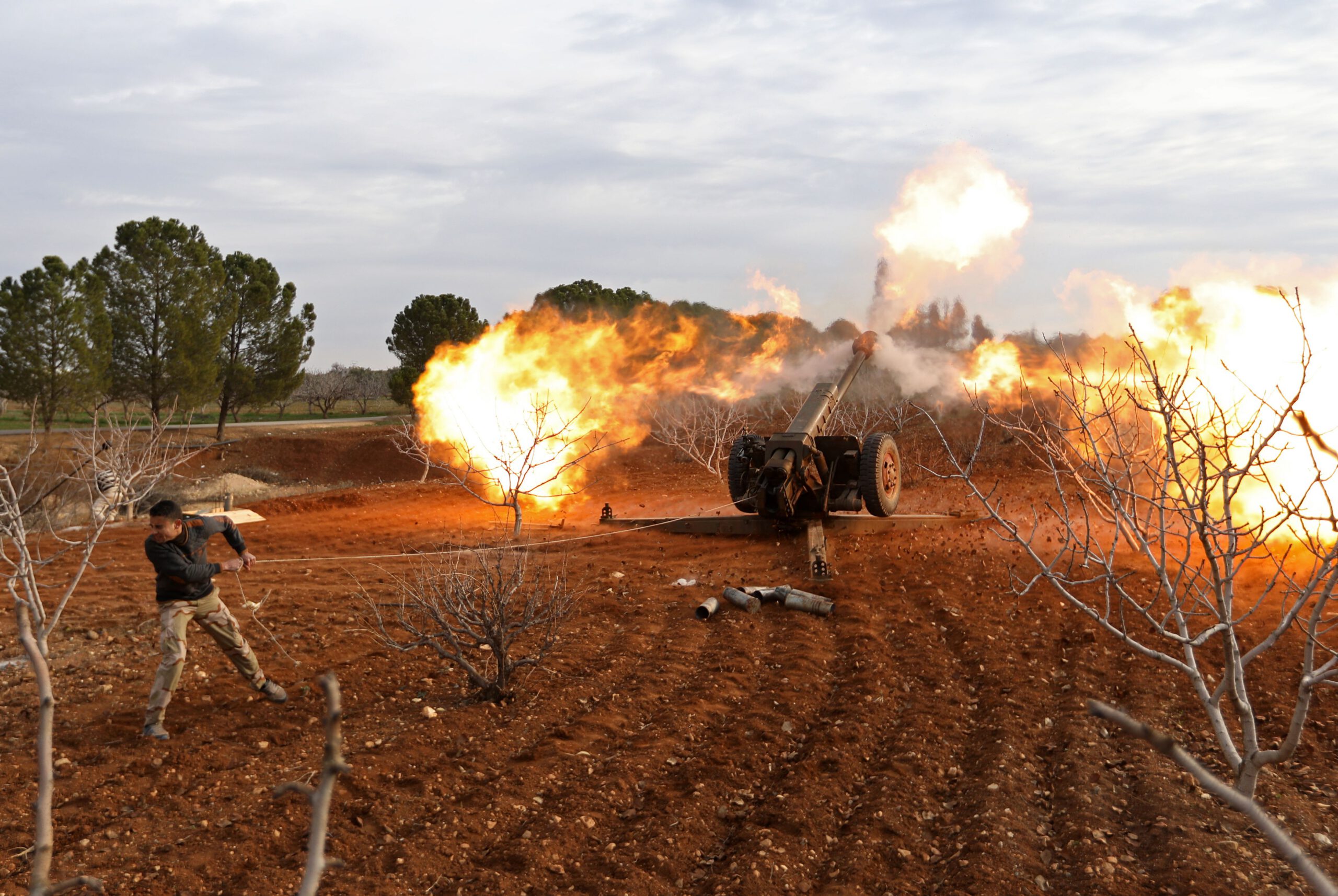
In this week’s Monday Briefing, MEI experts Alex Vatanka, Robert S. Ford, Jonathan M. Winer, and Gonul Tol provide analysis on recent and upcoming events including the sabotage this weekend of four ships off the coast of the UAE, the recent escalation of fighting in northwestern Syria, efforts to negotiate a ceasefire in Libya, and mounting concerns about Turkey’s economic health.
Monday Briefing: US and key partners on course for conflict over Iran oil waivers
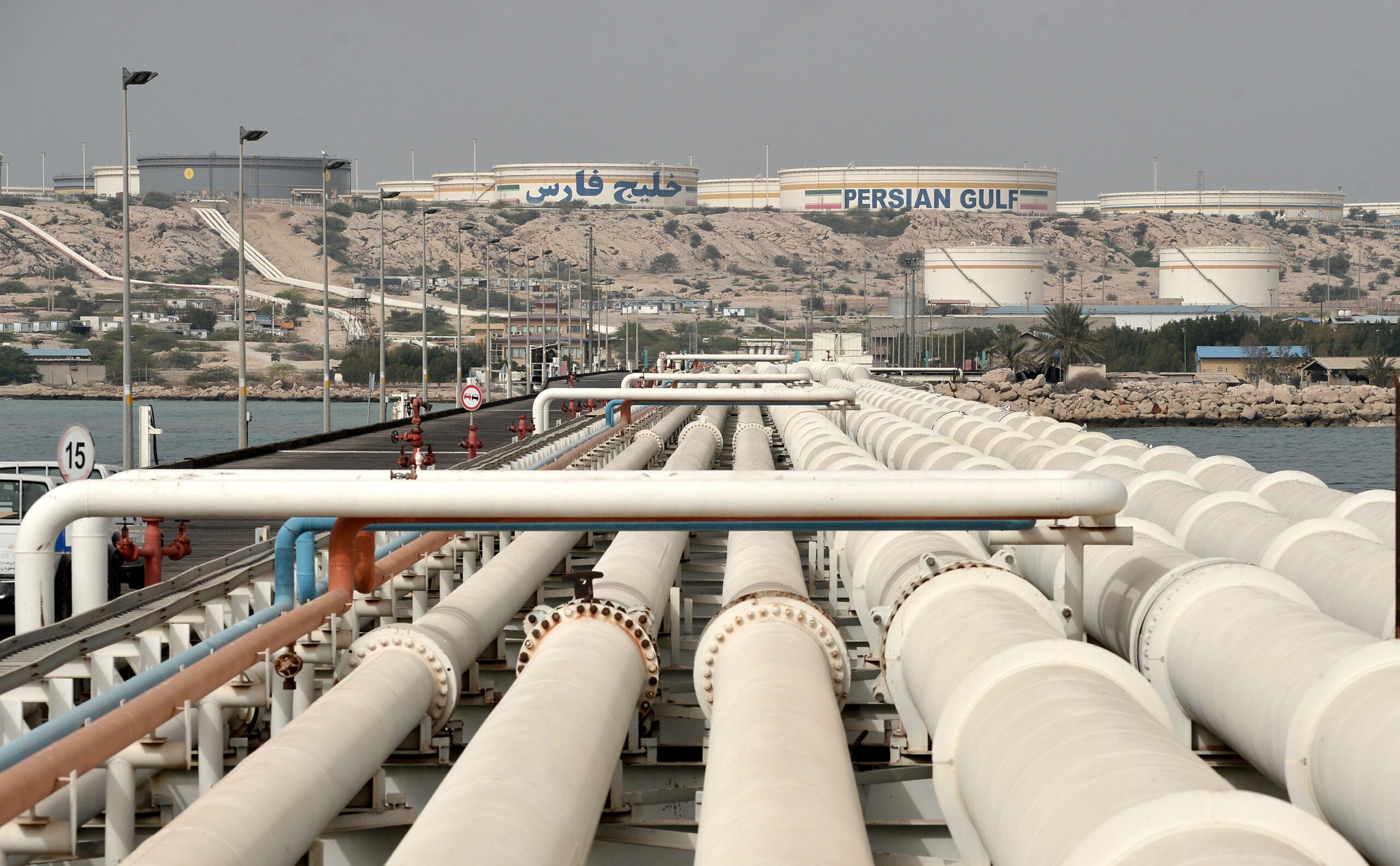
In this week’s Monday Briefing, MEI experts Gerald Feierstein, Marvin G. Weinbaum, Randa Slim, Emadeddin Badi, and Robert S. Ford provide analysis on recent and upcoming events including the US decision to end Iran oil waivers, the flagging Afghan peace process, Iraq’s evolving regional policy, the status of General Hifter’s offensive in Libya, and Russia’s maneuvering to control the upcoming Syria talks in Astana.
Monday Briefing: New Arab uprisings echo earlier revolts
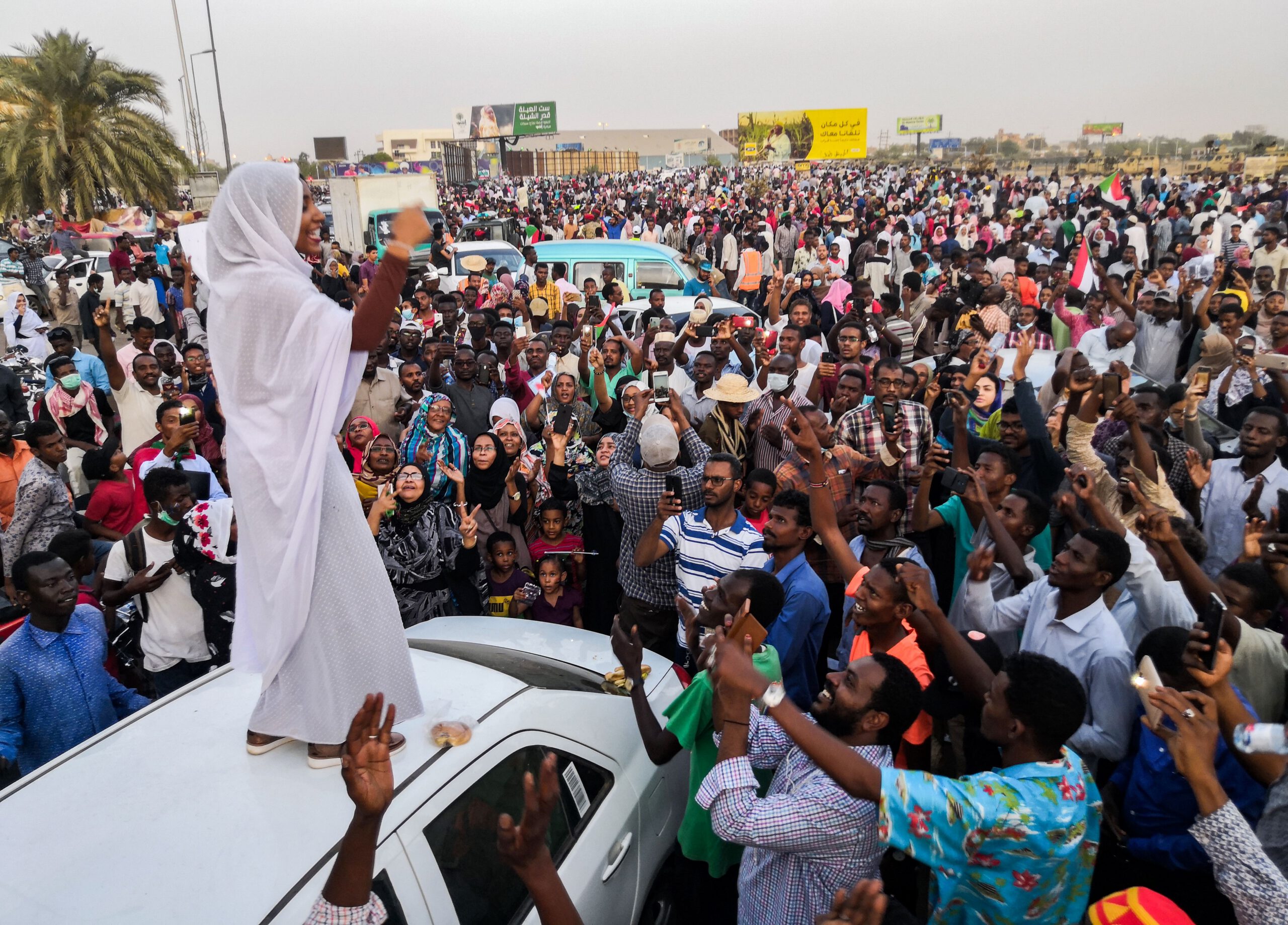
In this week’s Monday Briefing, MEI experts Paul Salem, Jonathan M. Winer, Robert S. Ford, Mirette F. Mabrouk, and Charles Schmitz provide analysis on recent and upcoming events including the current uprisings in Algeria and Sudan, General Hifter’s effort to take Tripoli, the hirak protest movement in Algeria, the strategic partnership between Egypt and the U.S., and cracks in the coalition of President Hadi in Yemen.
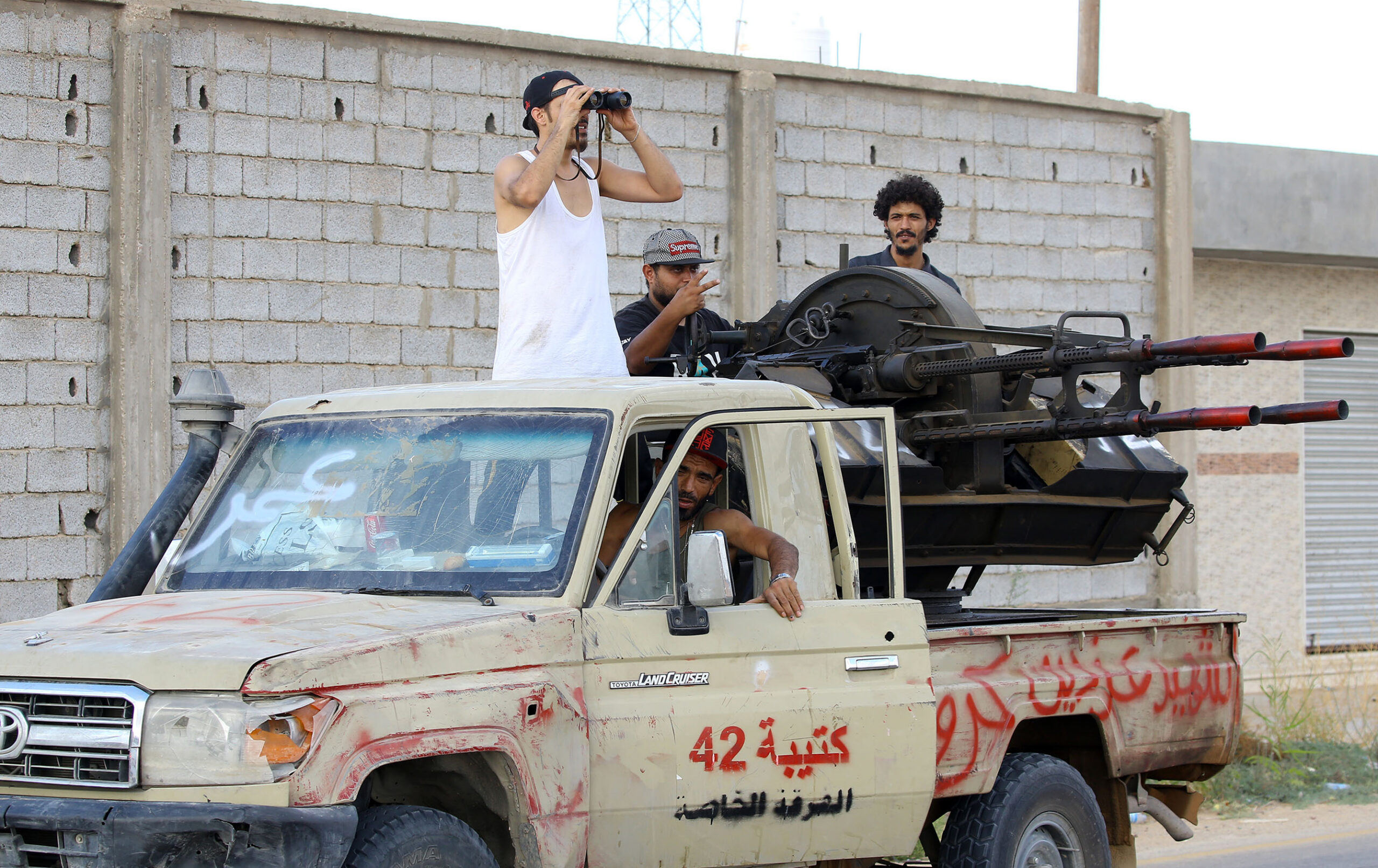
The fluid and chaotic situation in Libya is confusing and predicting how the ongoing violence in Tripoli will play out and impact the broader trajectory of the civil war is difficult. Nonetheless, Hifter’s campaign appears to be connected to several international and regional developments, the alignment of which seems to have prompted him to determine that this was an opportune time to move forward, dealing a harsh blow to the UN-led peace process.
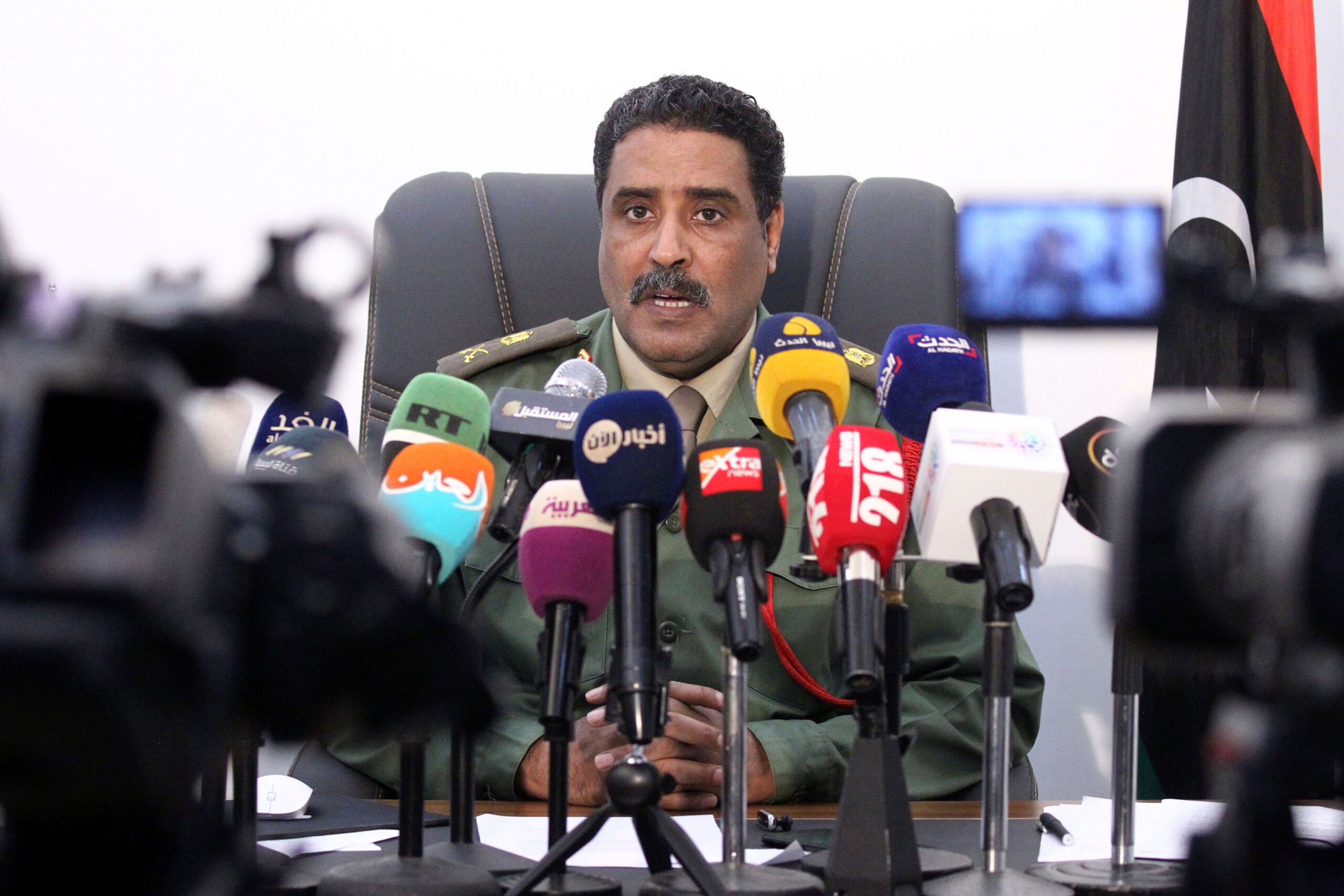
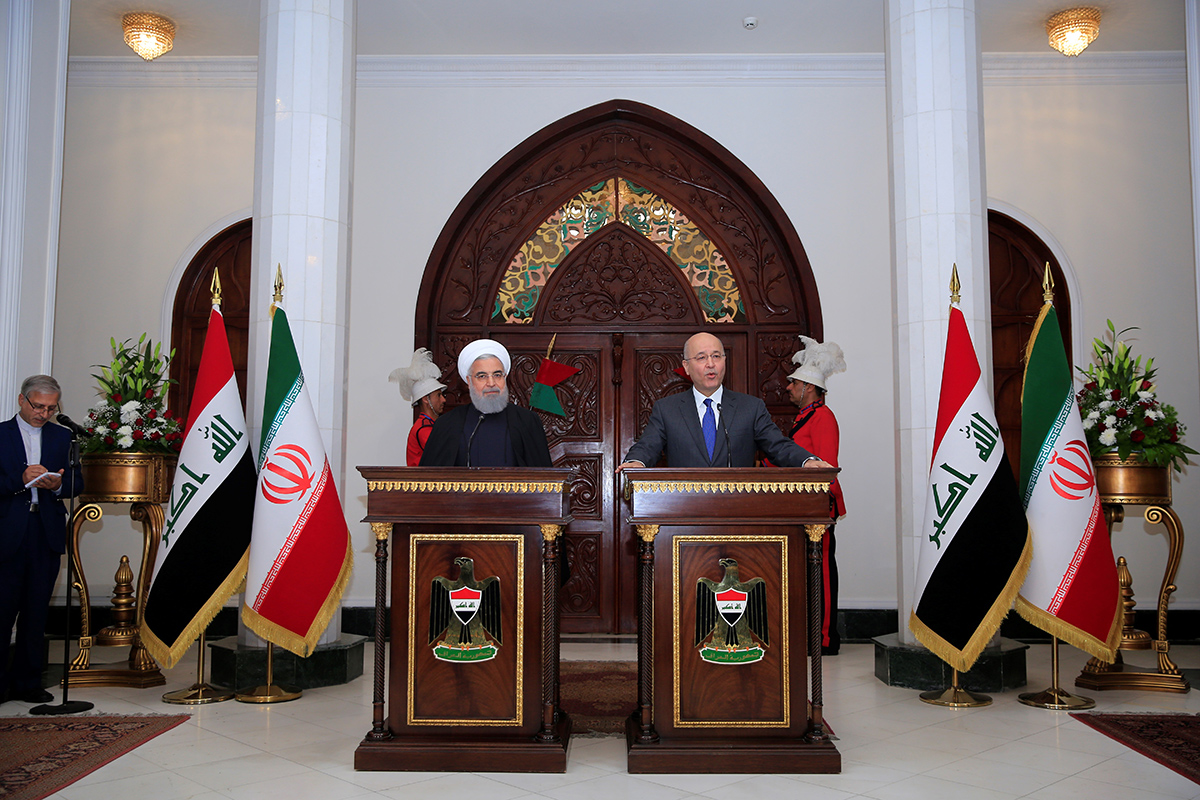
In this week’s Monday Briefing, MEI experts Randa Slim, Robert S. Ford, Marvin G. Weinbaum, James P. Farwell, Emadeddin Badi, Guney Yildiz, and Jean-François Seznec provide analysis on recent and upcoming events including Iranian President Hassan Rouhani’s visit to Baghdad, reconstruction efforts in Syria, the crackdown on militant Islamists in Pakistan, Iran’s cyber attack capabilities, upcoming elections in Libya, Turkish-Egyptian tensions, and Qatar’s $12B loan from bond markets.
General Hifter’s southern strategy and the repercussions of the Fezzan campaign
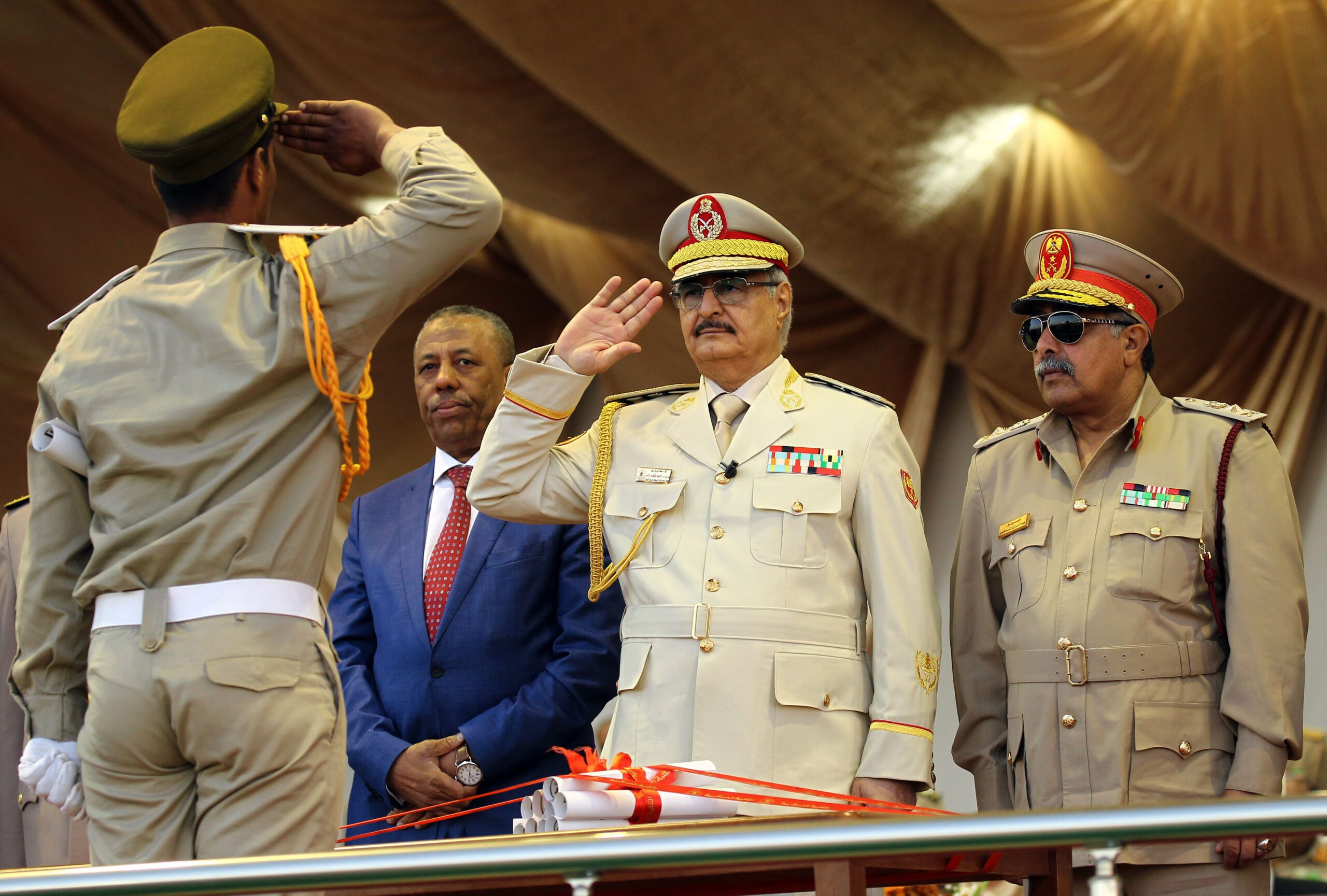
The Libyan National Army (LNA) loyal to General Khalifa Hifter has launched a military operation to capture the Fezzan region in Libya’s southwest. While the move seems to have garnered significant international and regional support, it is unclear what the implications of this operation may be for the country’s fragile stability and the country’s dialogue-based political process.
The EU-Arab League Summit and the African migration crisis
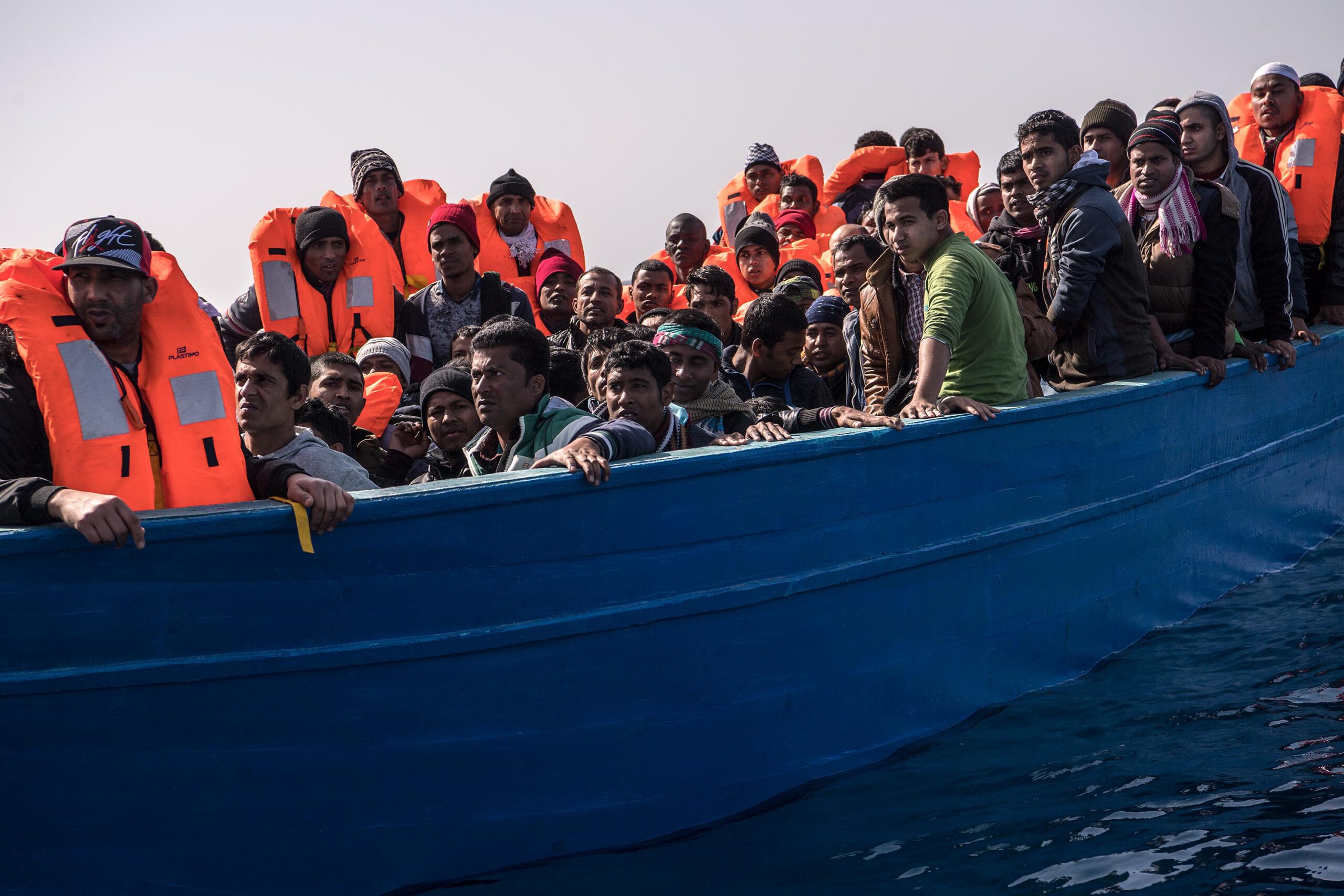
When this month’s EU-Arab League Summit in Egypt was announced last September, the issue of African migration to Europe topped the agenda. Other high-priority issues have since been added — such as solving five regional conflicts and addressing security, trade, and multilateralism — but migration remains the highest priority for a Europe still reeling from the 2015 migrant crisis.
The Global and Regional Geopolitics of Civil War in the Middle East
Power dynamics between the major global and regional powers have indirectly influenced the civil wars currently plaguing the Middle East. The distribution of power caused by end of the Cold War facilitated the creation of two opposing camps that later competed for regional primacy in the civil wars of Iraq, Syria, and Yemen.
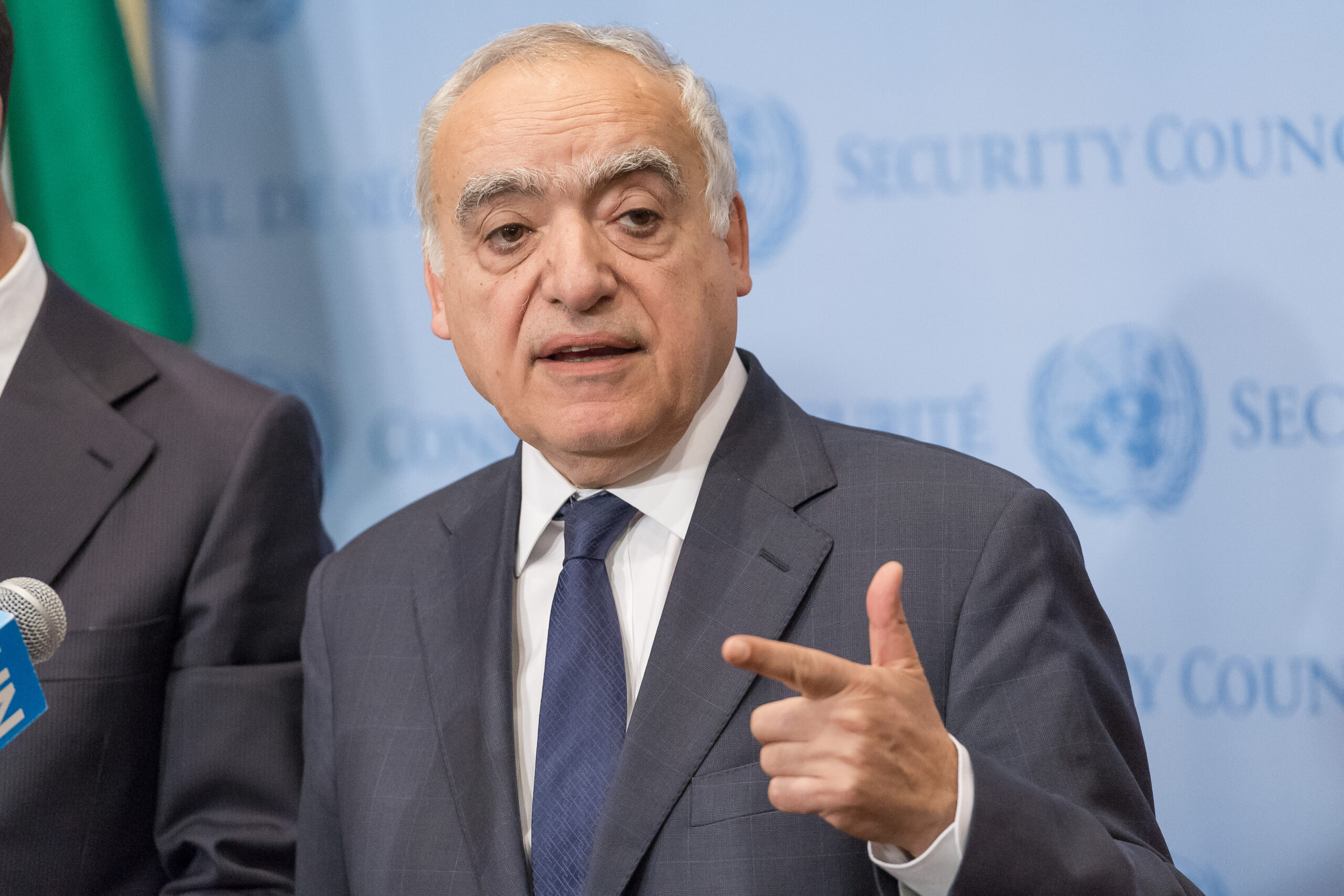
If all goes to according to plan, in the coming months Libya will hold a National Conference, an event that could serve as an inflection point for the country and has the potential to right the course of its political trajectory. In order for this to work, however, Special Representative of the Secretary-General (SRSG) to Libya Ghassan Salamé must simultaneously plan for both the conference and its aftermath, capitalizing on America’s increasing, behind-the-scenes involvement in Libya.
Mergers and assassinations as Tripoli remains under militia control
On Dec. 18, 2018, the seaport in Libya’s capital was the scene of a surprising yet deft maneuver orchestrated by the city’s four main armed groups, namely the Tripoli Revolutionaries’ Brigade (TRB); Abu Salim’s Special Deterrence Force; the Nawasi Battalion; and the Bab Tajoura Brigade.
MEI’s Jonathan Winer joins guest host Alistair Taylor to discuss the conditions in Libya nearly eight years after the country’s revolution, from the situation on the ground to the prospects for elections and political settlement more broadly.
In this week’s Monday Briefing, MEI experts discuss recent and upcoming events including the ongoing conflict in Yemen, the potential impact of the midterm elections on US Middle East policy, U.S.-Turkey rapprochement, escalating tensions in northern Syria, the upcoming Palermo conference on Libya, and the potential for political fallout in Pakistan and peace talks in Afghanistan.
The UN’s “Plan B” for Libya needs a security solution, too
The UN has undertaken a series of steps to push Libya beyond the uneasy stability imposed by the militias. Together with Plan B, an economic-military-political package could provide the means to do so.