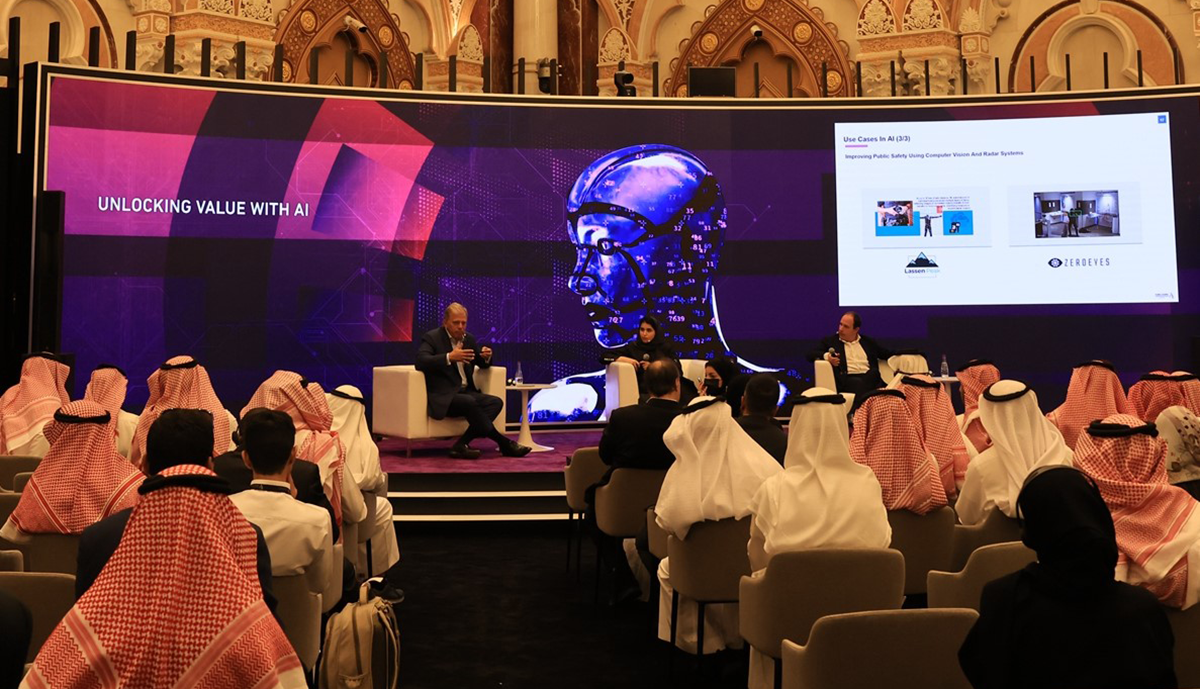
Artificial intelligence is expected to significantly impact humanity’s progress, to the extent that Google CEO Sundar Pichai compares AI-induced advancement to being on par with that ushered in by fire and electricity. There are plenty of skeptics, however, like world-renowned scientist Stephen Hawking, who have raised doubts about whether it can be controlled in the long term and speculated that its development could even spell the end of the human race.
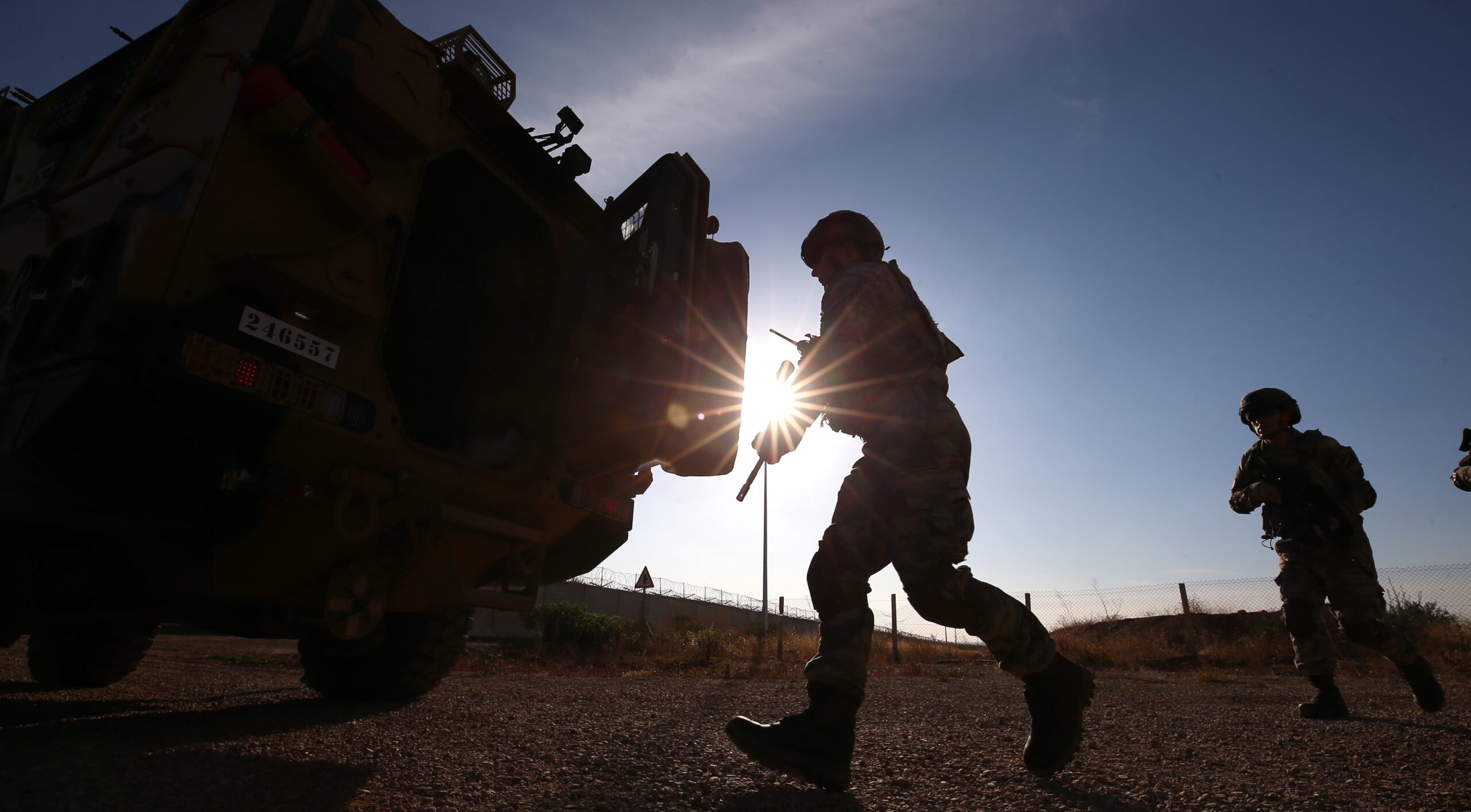
Should the Turkish government make good on its threats to launch yet another military incursion into northern Syria, it would lead to a sharp escalation in violence in a country afflicted by a more-than-decade-long brutal conflict. Not only would Turkey’s military incursion have significant immediate effects on civilians and combatants in Syria, but it could also reverberate further throughout the region and world.
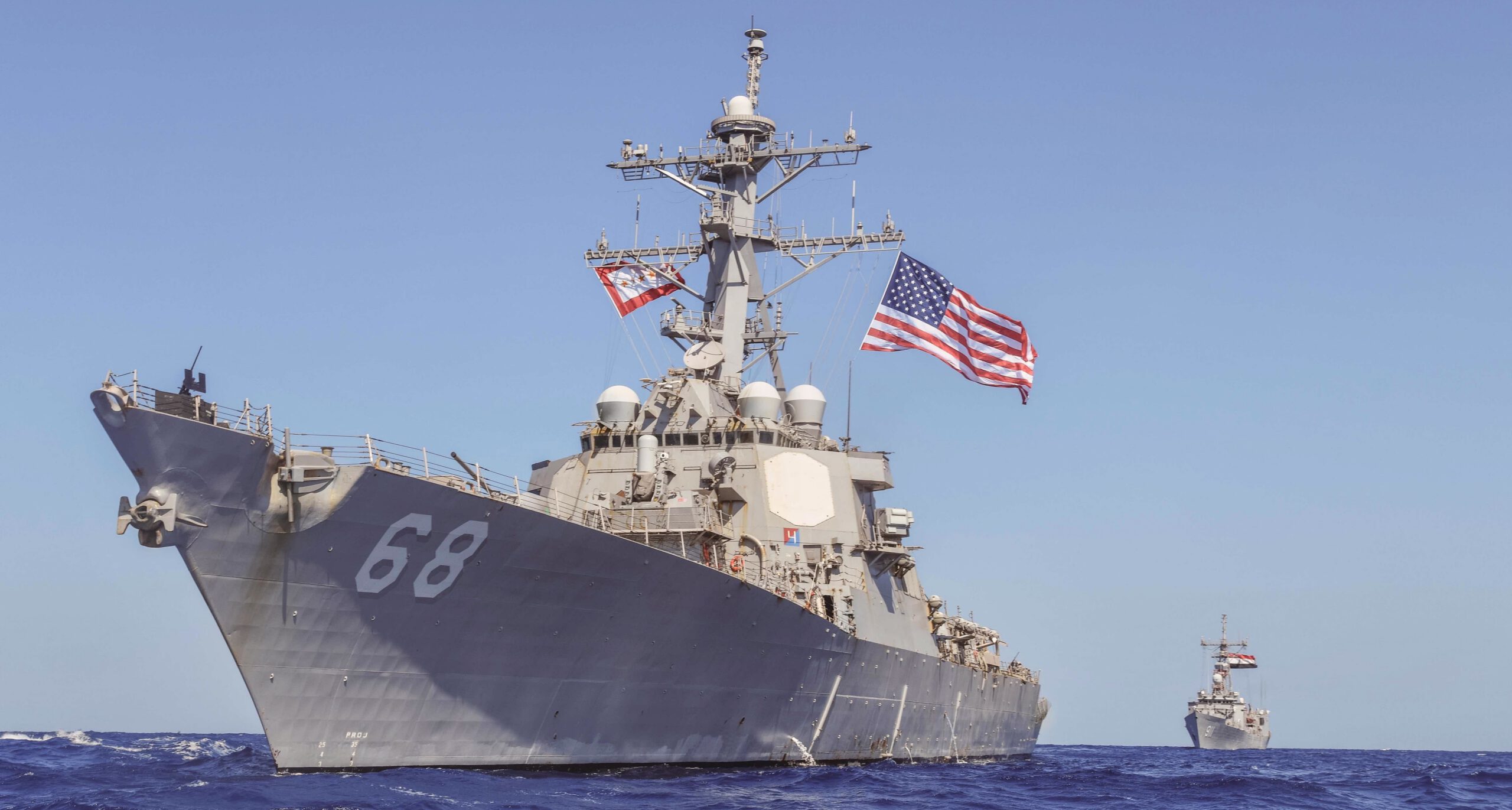
America’s Defence of Its Partners in the Middle East
Under what conditions is the United States likely or unlikely to intervene militarily on behalf of a close partner with which it may have defense arrangements short of a formal alliance? This is an increasingly relevant question for the United States as it engages in strategic competition with China and Russia for regional partners, as well as for resources and broader influence.
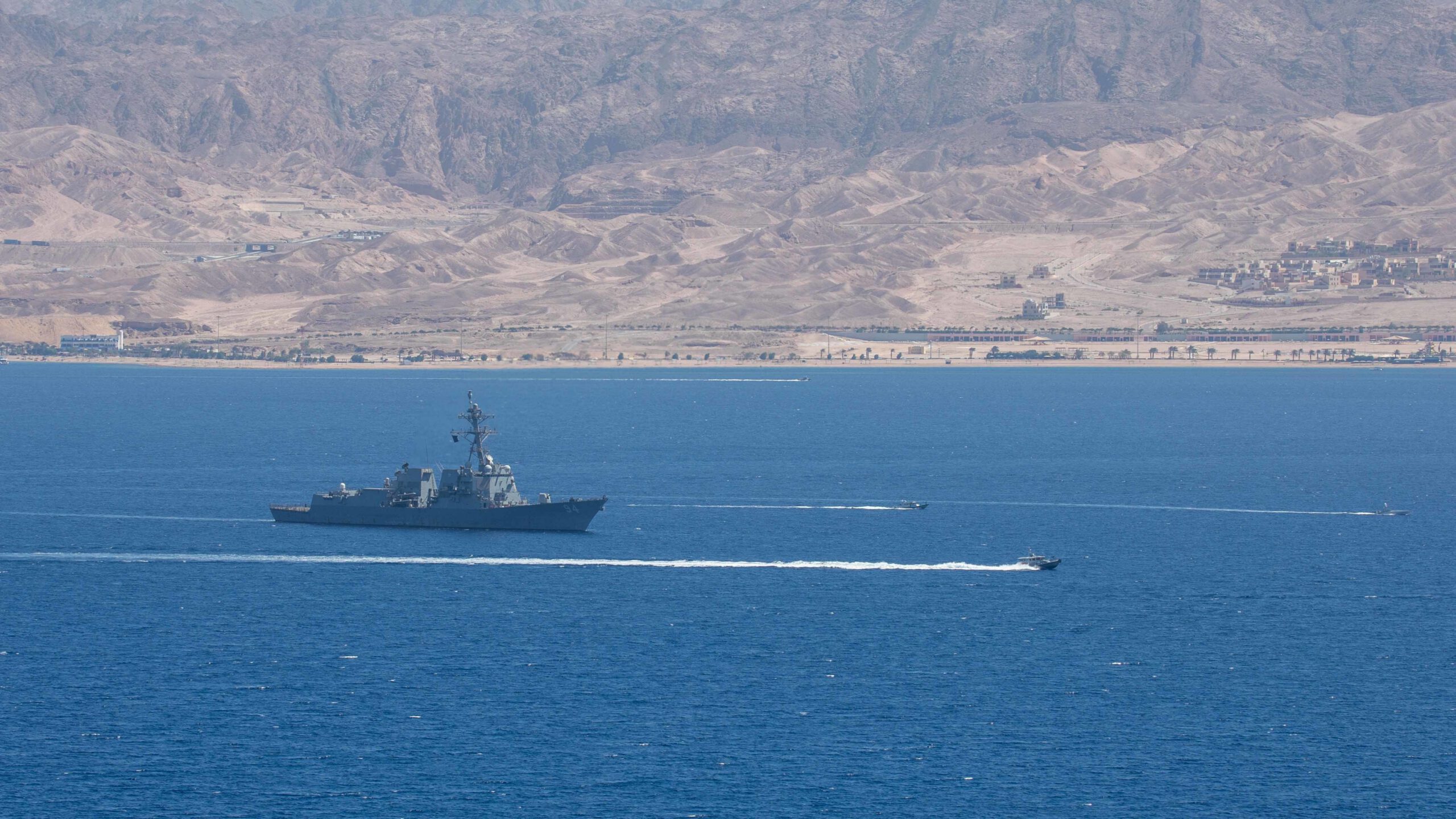
The Future-Seeking, Team-Building 5th Fleet Is Busier Than Ever
In recent years, the United States has stepped up its efforts to promote a Middle East security order in which cooperation is more widely preached and effectively practiced among like-minded nations. Nowhere has this multilateral approach to regional security been more credible and fruitful than in the maritime domain.
Morocco and Israel: Economic Opportunities, Military Incentives, and Moral Hazards
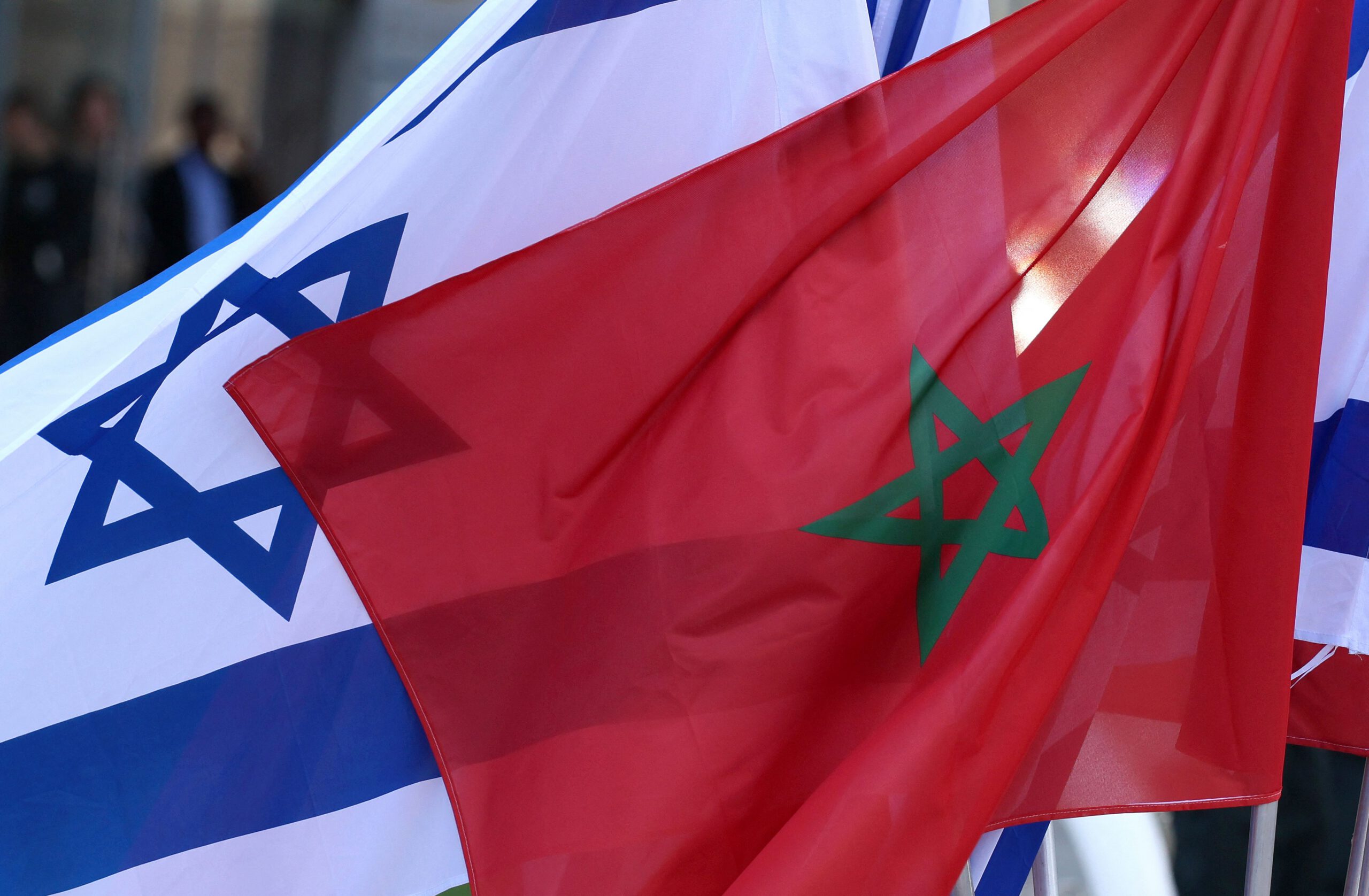
The December 2020 Moroccan-Israeli normalization deal has evolved from a vehicle enabling Morocco to gain long-sought U.S. recognition of its claims on Western Sahara to a broader strategic partnership with Israel. But the relationship further strains relations with neighboring rival Algeria.
The future of climate technology: Data-informed policies are indispensable in mitigating climate risks
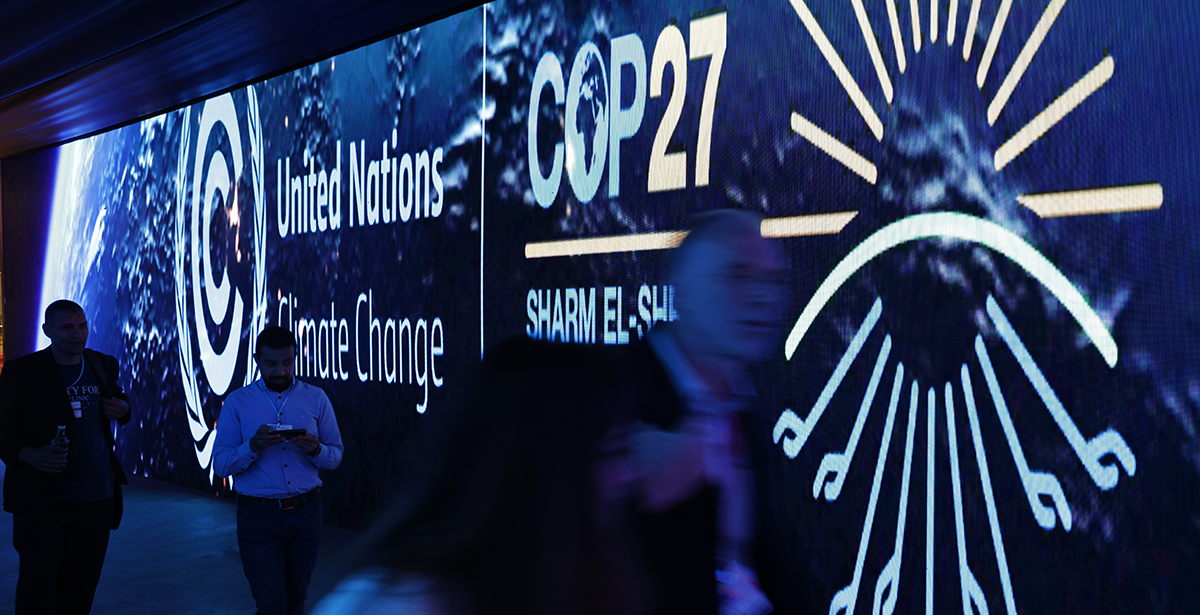
During COP27 in Egypt, world leaders discussed climate adaptation, mitigation, financing, and collaboration. Data is at the heart of these conversations. Although most countries are already integrating data into their policymaking process, it remains an under-utilized resource despite the fact that half the world is vulnerable to climate disasters.
The view from Vienna: OPSEC, Iran’s cyberpower, and tech decoupling
MEI’s Strategic Technologies and Cyber Security Program participated in both the DeepIntel and DeepSec conferences in Austria this past week. Here are our reflections on the conferences, the conversations we had there, and the overall agenda.
The starkness of reaching 8 billion in global population, as the U.N.’s report announced last week, makes it easy to think the numerical increase is the only story, but no trend can be considered in isolation. Three factors, none of which are MENA demographic trends, will be significant determinants of whether the region will be able to realize a hoped-for “demographic dividend.”
Dispatches from Riyadh: Reflections on the Global Cybersecurity Forum
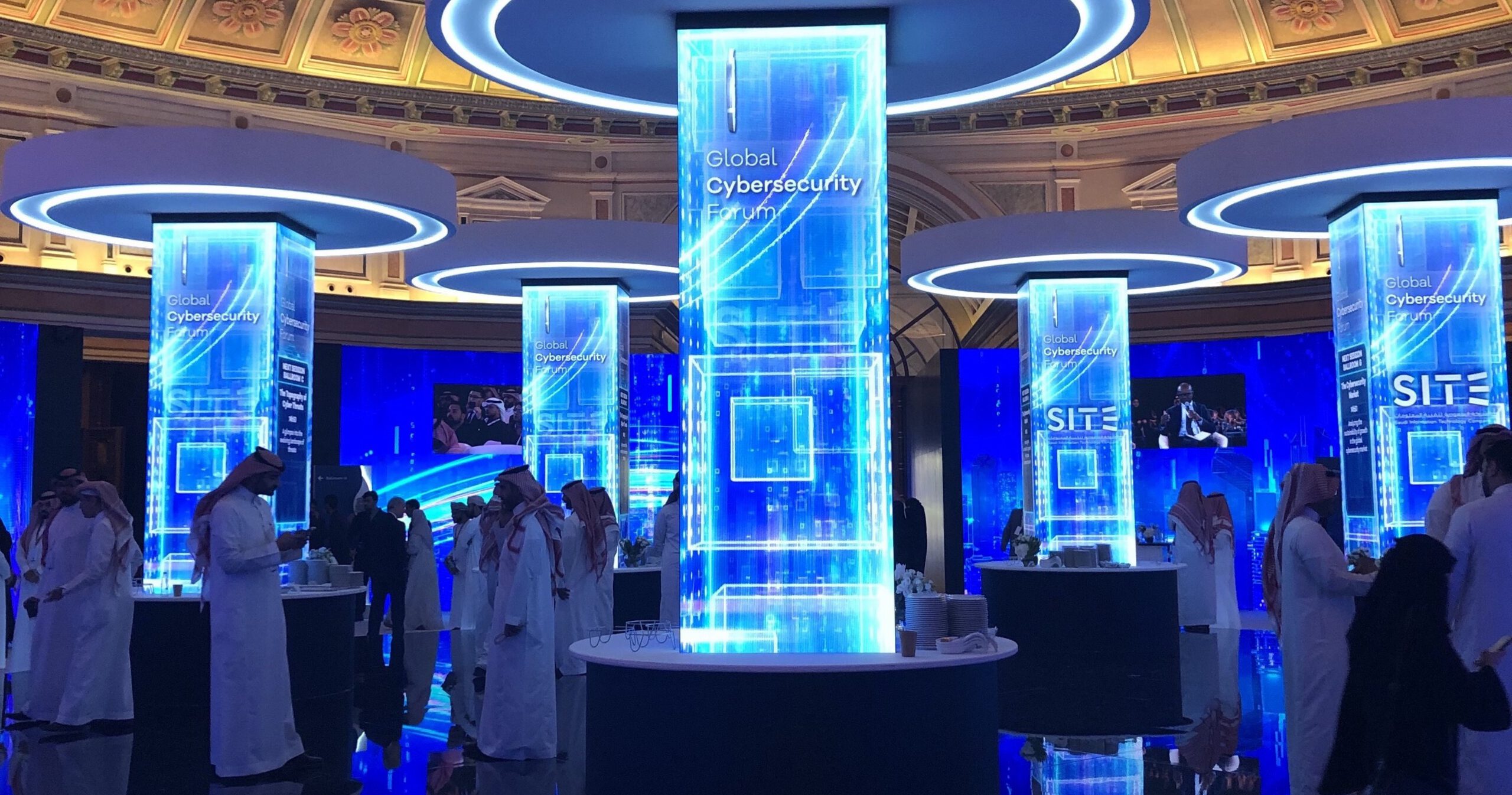
MEI’s Center for Strategy and Emerging Technology participated in the second annual Global Cybersecurity Forum in Riyadh this past week. Here are our reflections on the conference, the conversations we had there, and the GCF’s overall agenda.
The Biden Administration’s National Security Strategy
The Biden Administration’s National Security Strategy has drawn some criticism for its relatively late release, but what of its actual substance? Today, Alistair Taylor talks with four experts, each with unique insights into the context and strategy of this document with regards to the Middle East, North Africa, and American foreign policy at large.
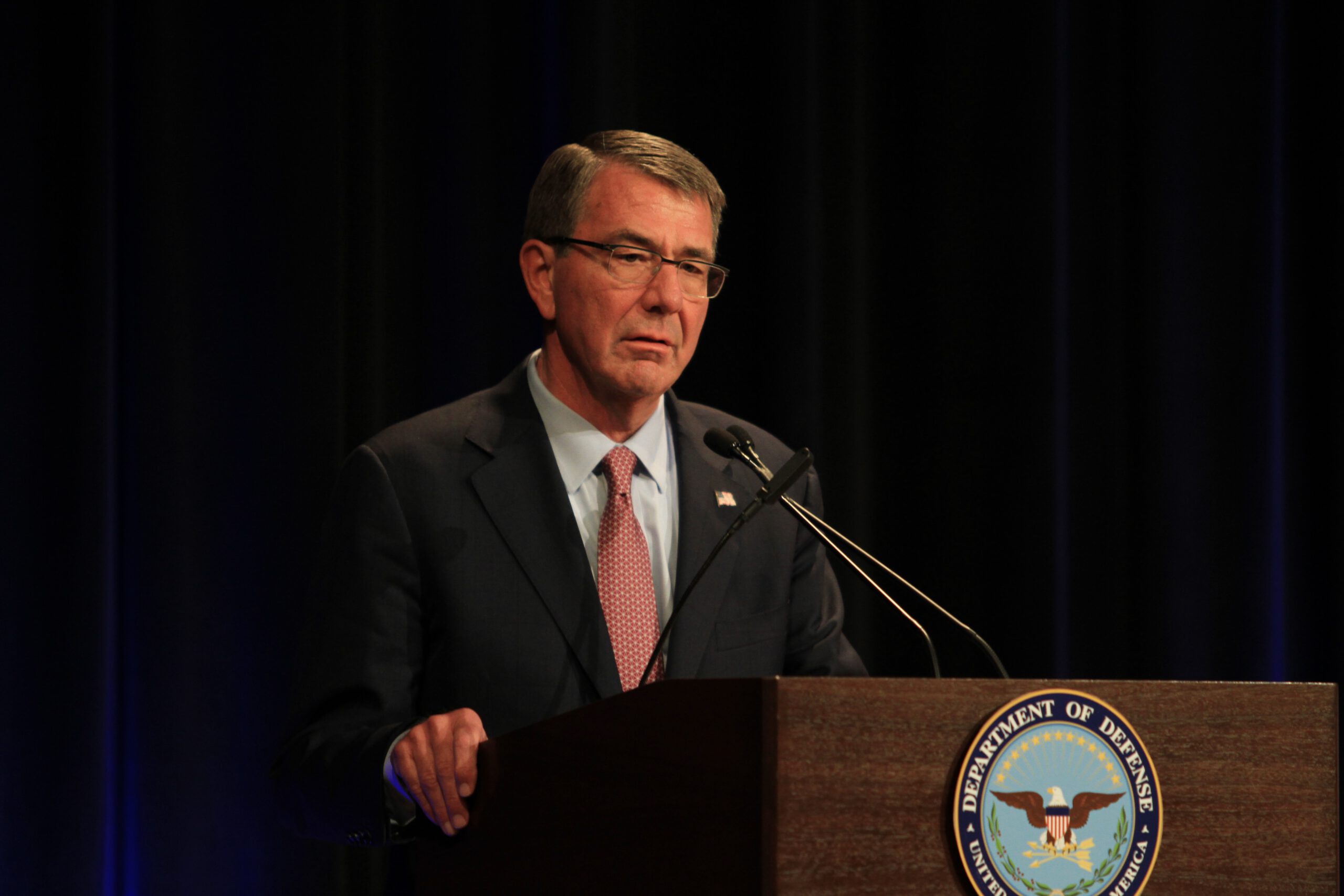
Ashton B. Carter, the 25th U.S. Secretary of Defense, who served under former President Barack Obama, passed away on October 24, 2022. MEI’s scholars react to the news and remember his rich legacy.
A top priority of the regional order envisioned by the Abraham Accords should be building confidence by sharing cybersecurity tools through the Negev Forum.
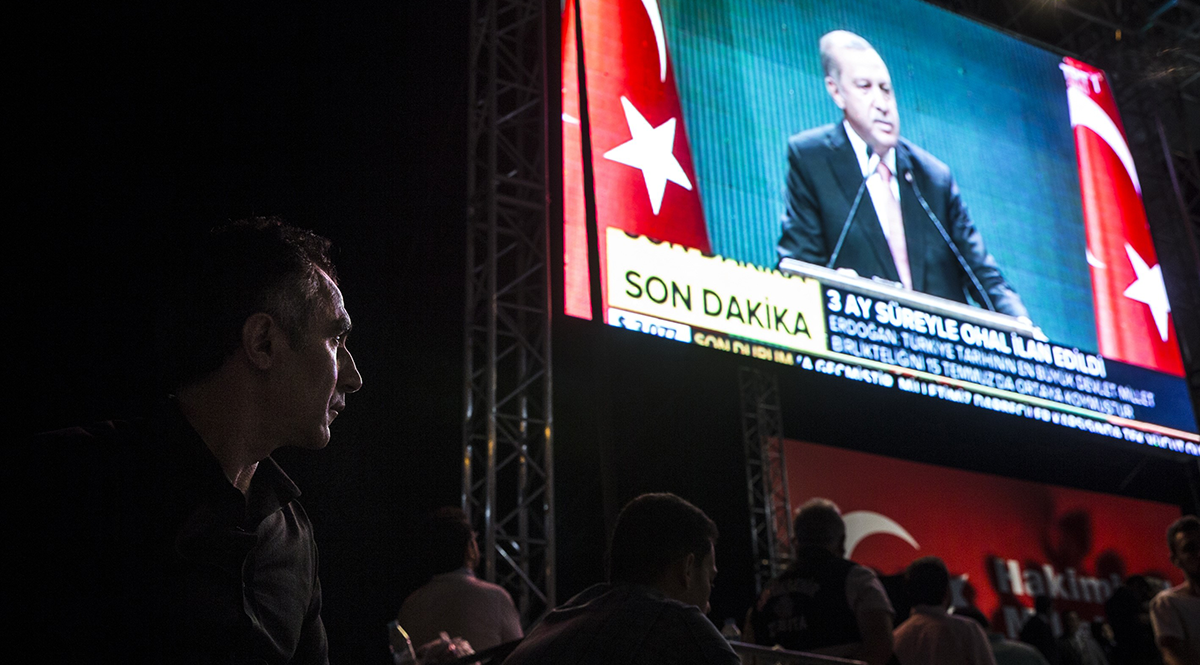
Following the AKP’s rise in 2002, civil-military relations in Turkey began to change significantly. The military’s tutelage over Turkish politics was gradually replaced with the AKP’s control over the Turkish Armed Forces. The July 2016 coup attempt put an end to the military’s prestige and popularity and ushered in a new era, with Erdoğan and his AKP asserting full civilian control over the military. This paper explores the factors that paved the way for the new civil-military relations between 2002 and 2016, reviews how the 2016 coup attempt became an opportunity for the AKP to further eliminate all opposition, and analyzes the impact of the upcoming 2023 elections and the opposition’s stance on civil-military relations.