Impact of the Russo-Ukrainian war on energy flows from the Arab Gulf states
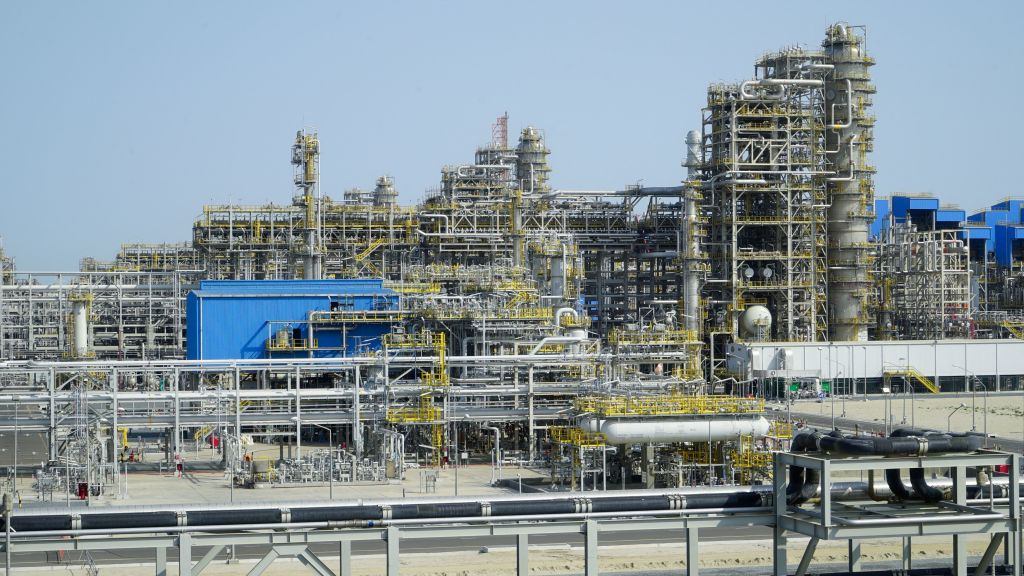
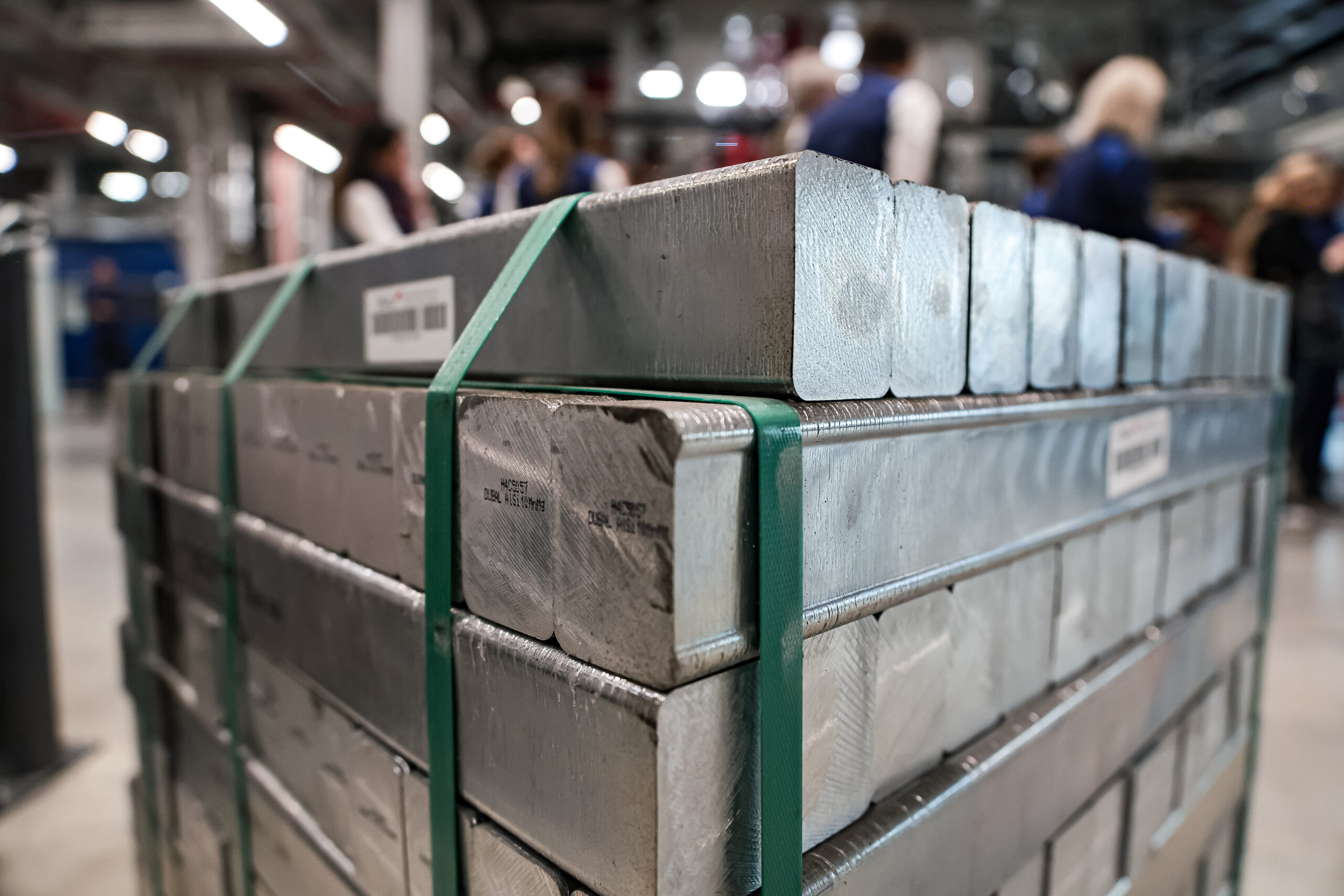
Nearly three years on, Russia’s full-scale invasion of Ukraine in February 2022 has reshaped trade and investment in the energy sector, leading to an increase in Gulf imports of Russian oil and a sharp rise in the region’s hydrocarbon exports to Europe as well as further fueling the growth of Gulf investment in renewable energy projects located in and targeting the continent.
Barbara A. Leaf | 'Taking the Edge Off the Middle East' Ep. 7
Middle East Focus Presents: ’Taking the Edge Off the Middle East’ with Brian Katulis.
A series of casual conversations with leading policy professionals on the most important happenings in the Middle East today – hosted by MEI’s Senior Fellow Brian Katulis.
Barbara A. Leaf is a seasoned diplomat and expert on the Middle East, having served as the US Assistant Secretary of State for Near Eastern Affairs and held key positions in US embassies across the region. In this episode, Barbara joins Brian to discuss the array of “black swan” events currently unfolding in the Middle East, and how the second Trump administration may respond to these challenges. They discuss the broader implications of these developments for US foreign policy, national security, and regional stability.
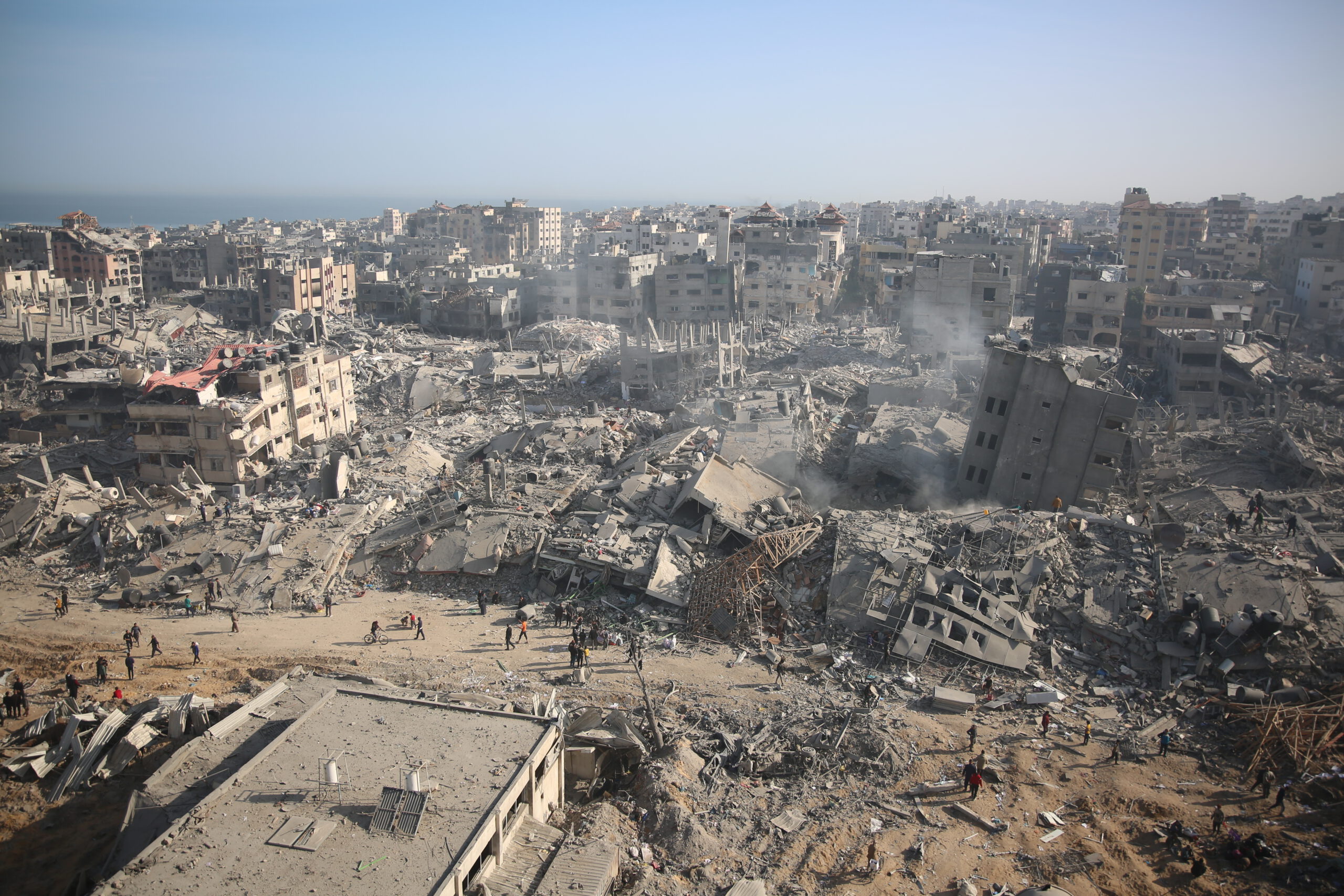
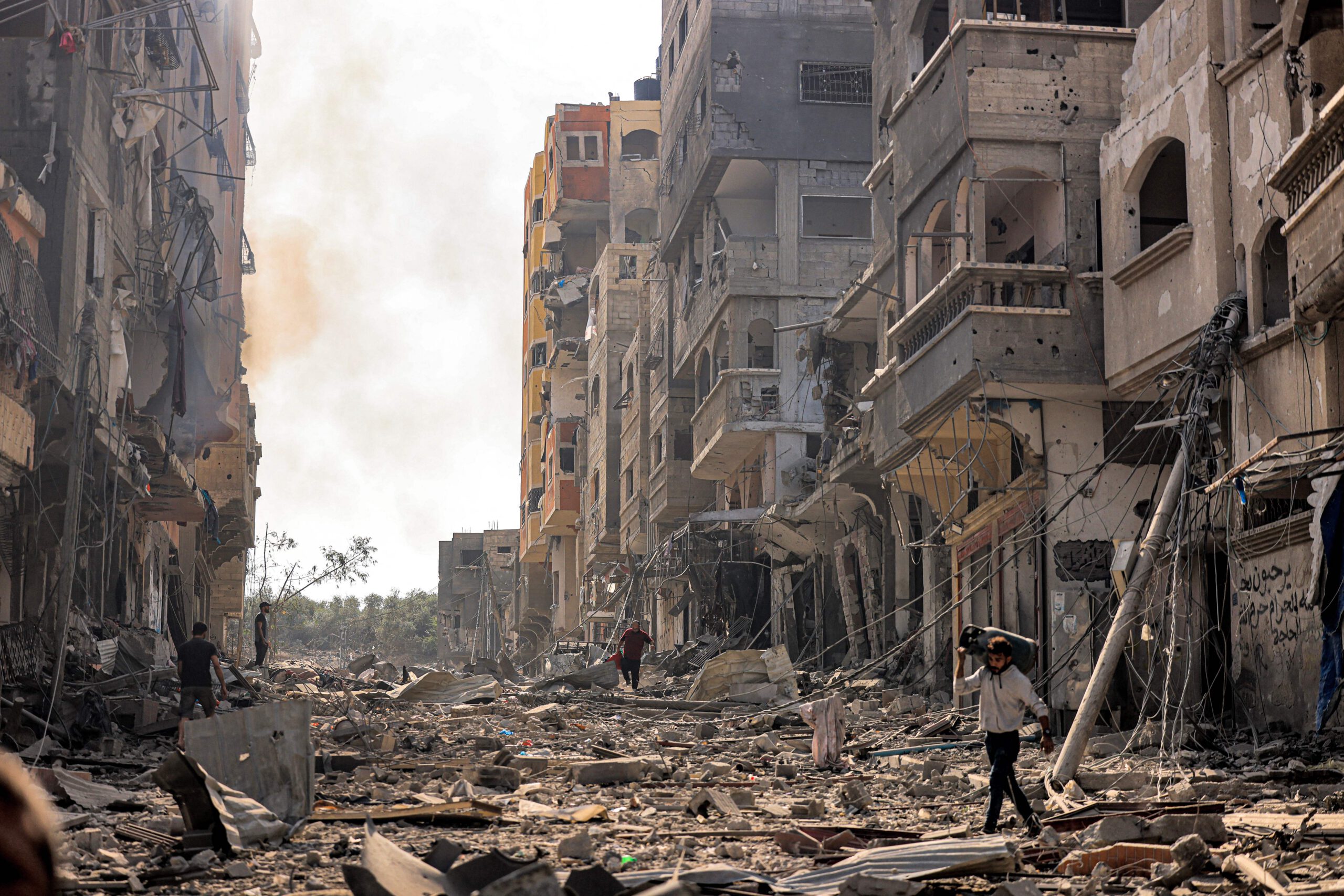
Despite a few hiccups, the cease-fire between Israel and Hamas has achieved its initial milestones. Much will depend on the upcoming negotiations regarding the next phases of the agreement. Yet for now, the fundamental questions of who will govern Gaza, who will provide security, and who will deliver the funding to rebuild it have yet to be definitively resolved.
Beyond “Maximum Pressure” in US Policy on Iran: Leveraging Regional Partners to Contain Iran's Actions and Shape its Future Choices
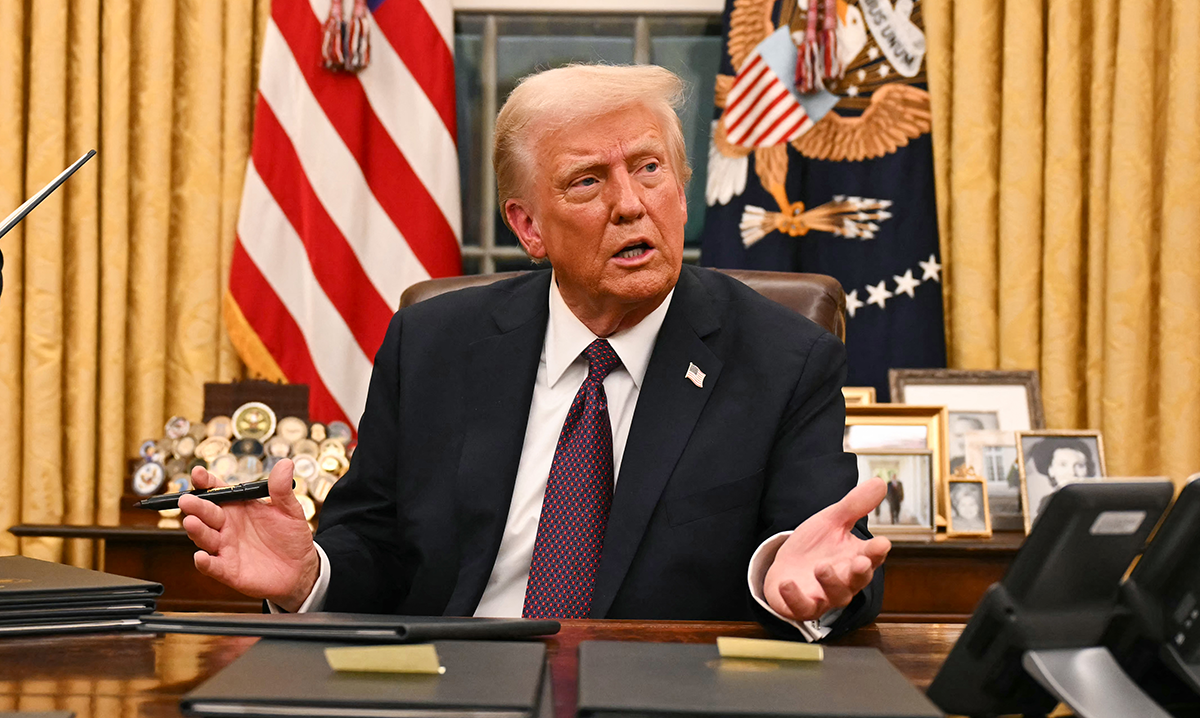
In his second term in office, President Donald Trump faces a Middle East undergoing multifaceted upheaval and an Islamic Republic of Iran currently in its weakest and most isolated position since the founding of the regime in 1979. Yet far from permanently subdued, Tehran continues to move closer to building a nuclear weapon, and it is trying to preserve its regional network of proxies and non-state allies. Trump now faces an important strategic choice on Iran policy. This report analyzes three overarching dynamics: the shifting strategic landscape across the Middle East in 2023-24; the impact of these shifts on Iran and its Axis of Resistance network; and Iran’s current position and standing at home and in the region. It concludes with a series of strategic-level recommendations for the new administration.
Forecasting Trump 2.0’s Middle East approach: Cloudy with a strong chance of more uncertainty ahead
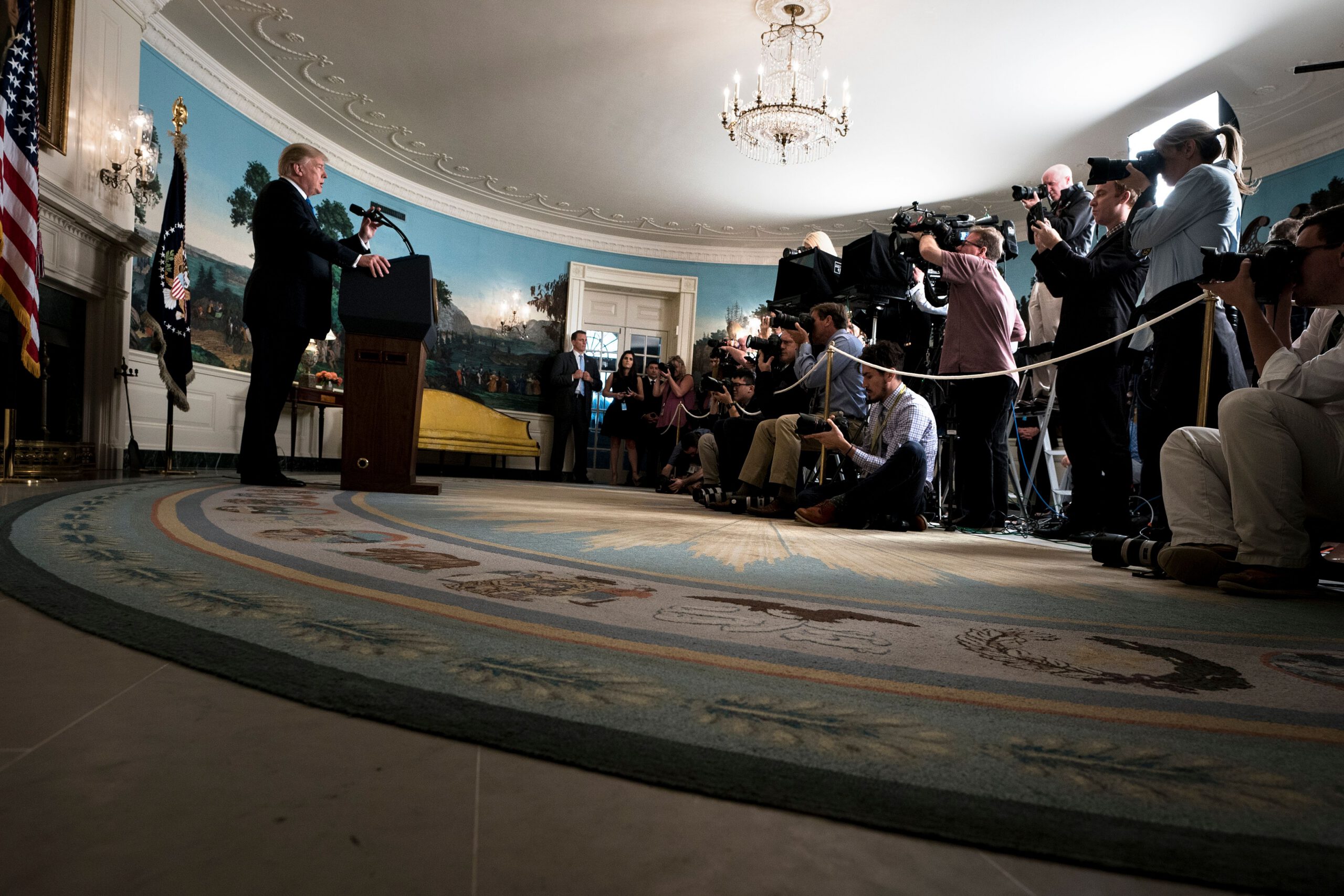
The opening act of US President Donald Trump’s second administration had very little to do with Middle East policy issues. It is too soon to predict what approach Trump might take on that front or even how much he will prioritize the region relative to the other issues on his second term agenda. His administration has sent some mixed and inconsistent signals on staffing and policy moves that don’t provide enough of a clear overall sense of the big picture on the Middle East but do offer some preview of what might be to come on three key fronts.
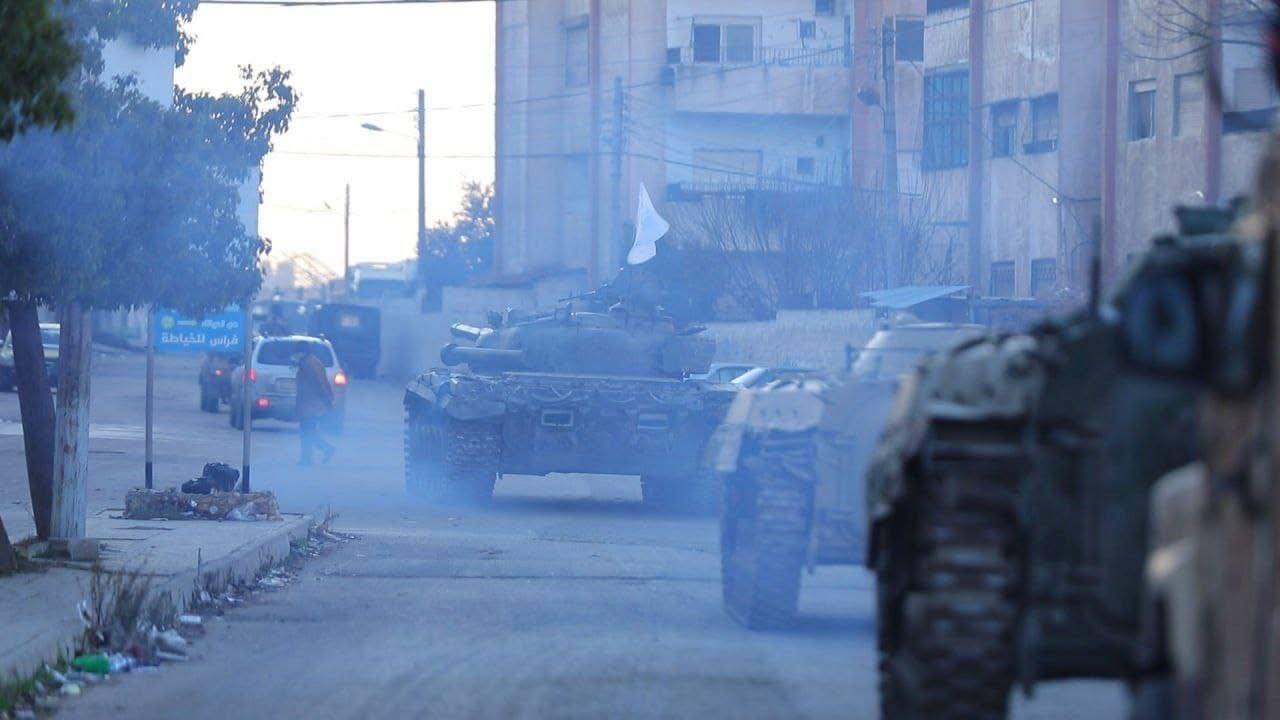
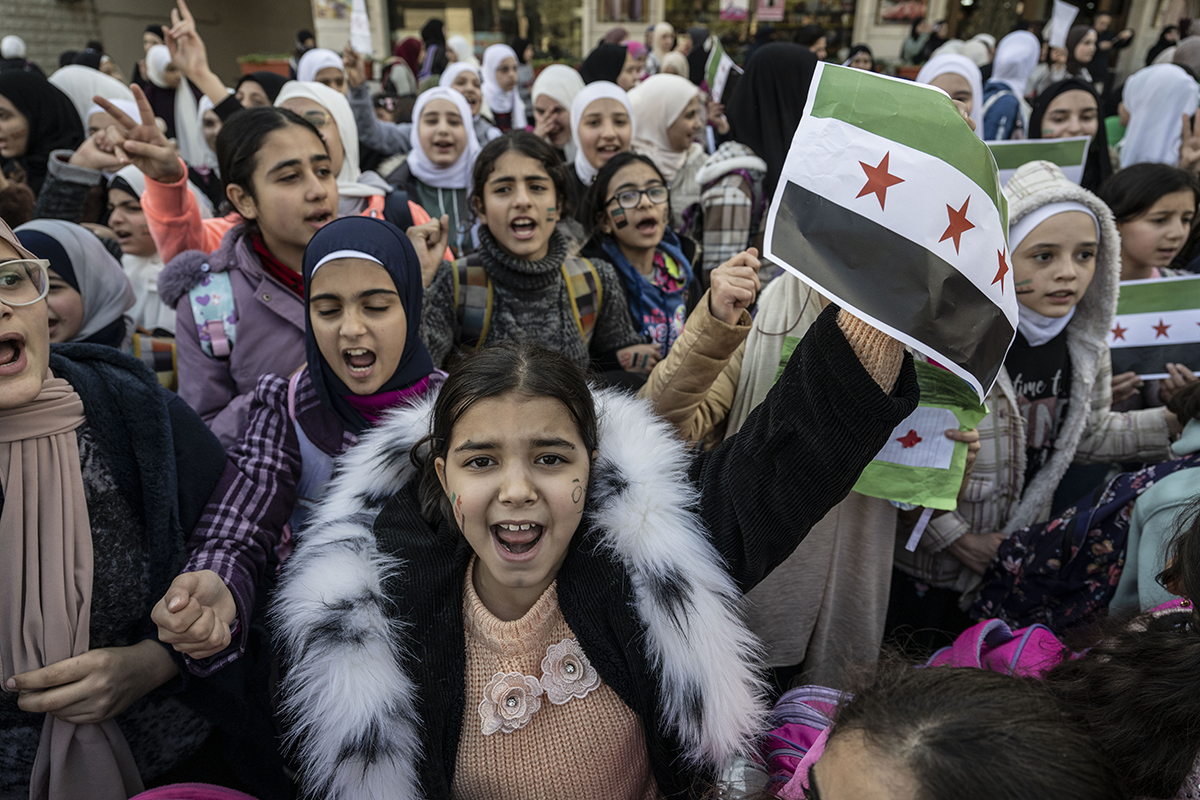
Syria’s first post-Assad protests broke out on Dec. 25 after a video claiming to show the destruction of an Alawite shrine spread rapidly across Facebook. The video was quickly debunked as several weeks old, the shrine only partially damaged, and the damage occurring during the capture of Aleppo city rather than in an act of sectarian vandalism. But those first hours were enough to stir up the widespread fears lingering just below the surface among Syria’s Alawite minority, bringing many Alawites (as well as Sunnis) to the streets to denounce sectarianism.
Gaza cease-fire: A first step on a very long road ahead
The cease-fire deal between Israel and Hamas announced on Jan. 15 took more than a year to reach and almost certainly will take much longer to fully realize than the four-plus months outlined in the framework. Like many things in life, this agreement was hard to build and will be easy to tear down. Indeed, the deal has already run into issues even before it is set to take effect on Jan. 19, with a dispute within the Israeli cabinet delaying a vote on it to Jan. 17.
Norman T. Roule | 'Taking the Edge Off the Middle East' Ep. 6
Middle East Focus Presents: ‘Taking the Edge Off the Middle East’ with Brian Katulis.
A series of casual conversations with leading policy professionals on the most important happenings in the Middle East today – hosted by MEI’s Senior Fellow for US Foreign Policy, Brian Katulis.
Norman T. Roule is a member of MEI’s Iran Program Advisory Council. Roule served for 34-years in the Central Intelligence Agency, where his service included roles as Division Chief and Chief of Station at the CIA’s Directorate of Operations. He joins Brian to discuss the state of an ideologically contested Middle East, as well as the opportunities and challenges following the fall of the Assad regime.
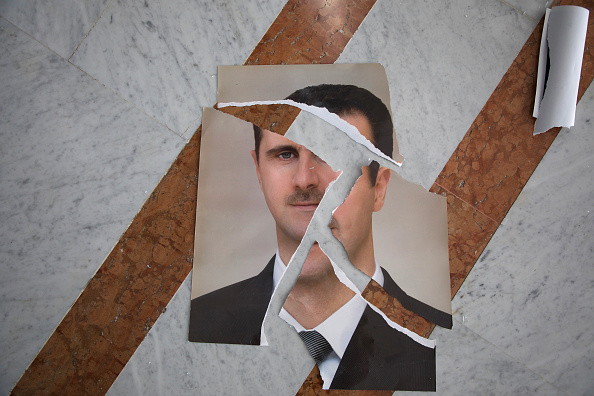
On Dec. 8, 2024, Bashar al-Assad’s regime fell. This is a fact, but it woefully understates the enormity, speed, and consequences of what has transpired. The brutal dictatorship that ruled Syria for more than 50 years disintegrated in fewer than 10 days. Celebrations erupted across public squares, thousands of Syrian refugees lined up at the borders of Turkey, Jordan, and Lebanon eager to return, and the release of political prisoners fueled hope for a new era after decades of despotism and conflict. However, concerns about Syria’s political future and territorial integrity quickly surfaced.
Mapping MENA’s Renewable Energy Supply Chains: The Emergence of Green Energy Ecosystems in the Middle East and North Africa
The Middle East and North Africa has the potential to become the world’s largest renewable energy-producing region. Compared to the immense scale of its resources, renewable energy is virtually untapped at present. This study maps the emerging regional trends in renewable energy development and MENA renewable energy supply chains across North Africa, the Arabian Peninsula, and the Levant. The most successful MENA nations in developing their renewable energy resources to date are doing so through the establishment of green energy ecosystems, in which the development of utility-scale renewable energy infrastructure is coordinated with that of robust offtake markets and the establishment of commercially viable storage and transportation mechanisms to service them.
Renewable Energy and Morocco’s New Green Industries Can Expand Women and Youth Employment through Sustainable Development
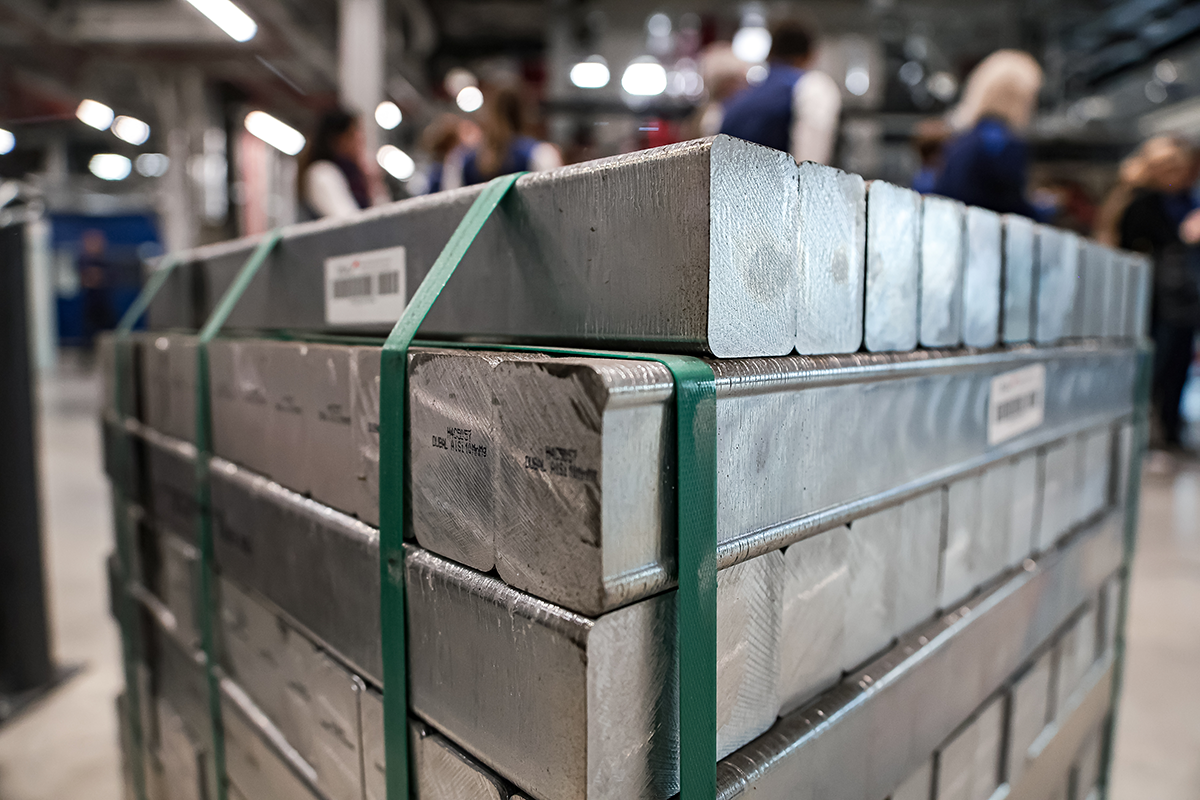
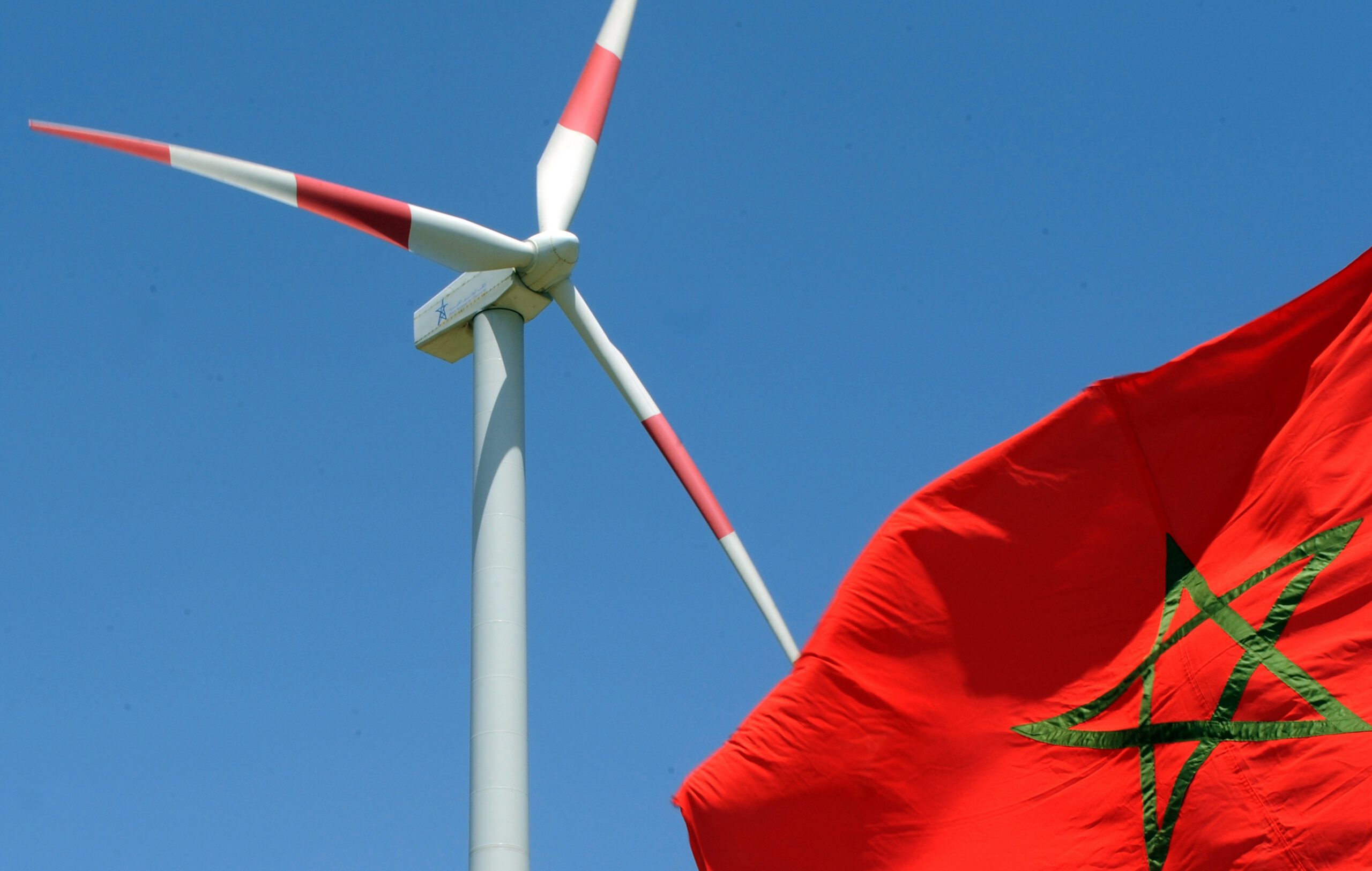
Morocco is a regional leader in renewable energy development. The country’s success stems from its multi-faceted green energy ecosystem that is giving rise to international renewable energy export supply chains based on production of green hydrogen, in the form of green am-monia, as well as phosphates, other minerals and metals, fertilizers, agri-food products, and electric vehicles. As rising green industrial manufacturing and green agricultural production are becoming drivers of long-term, private sector employment, a synergy is emerging between Mo-rocco’s efforts to expand its already significant renewable energy sector and its objective of in-creasing the number of women and young people engaged in formal employment.
MENA’s Emergence as a Hub for Renewable Energy Supply Chains
Within the next 25 years, the Middle East and North Africa will be a global leader in renewable energy production and a hub for international renewable energy supply chains. Morocco, the UAE, and Jordan are spearheading the regional trend to develop green energy ecosystems in which renewable energy is used, in part or entirely, to power the manufacture of intermediate and finished goods for export.
Accelerating Solar Power Deployment in the Arab Gulf States
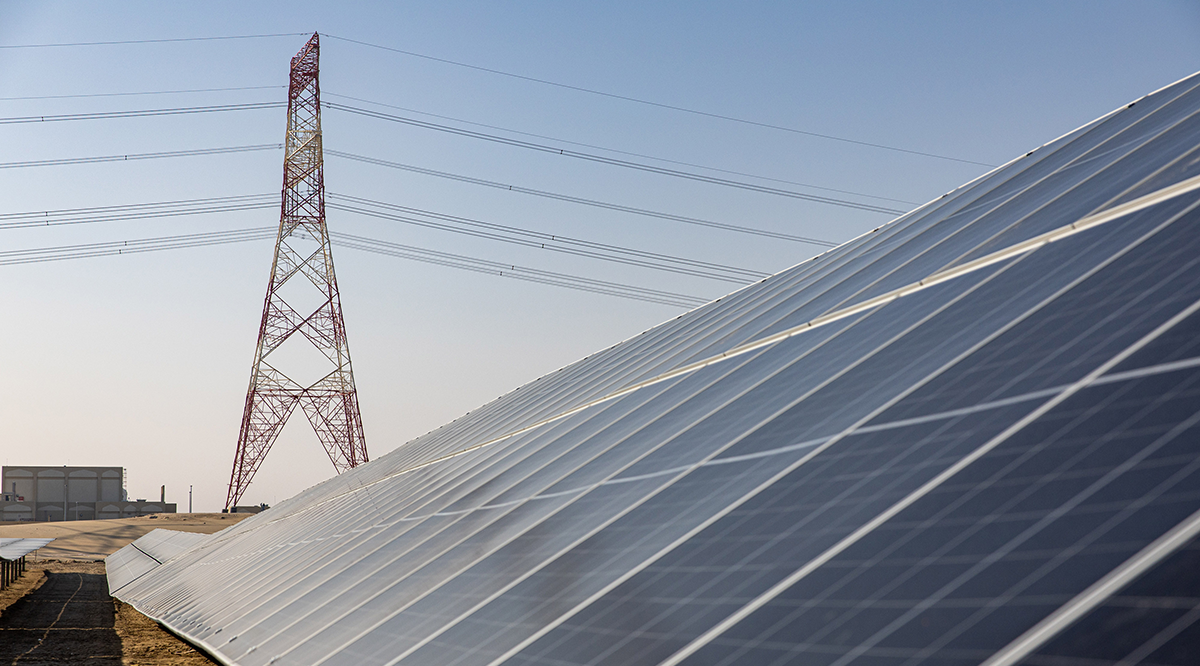
There is currently a discrepancy between the strategic objectives and enabling conditions for solar power in the Gulf and the level of actual deployment. Despite the region’s considerable promise as a potential global leaders in solar power, including one of the world’s highest levels of solar irradiance and strong supporting operating conditions, renewable power accounted for only 2% of generation capacity in 2022.