Saudi Arabia’s international natural gas aspirations
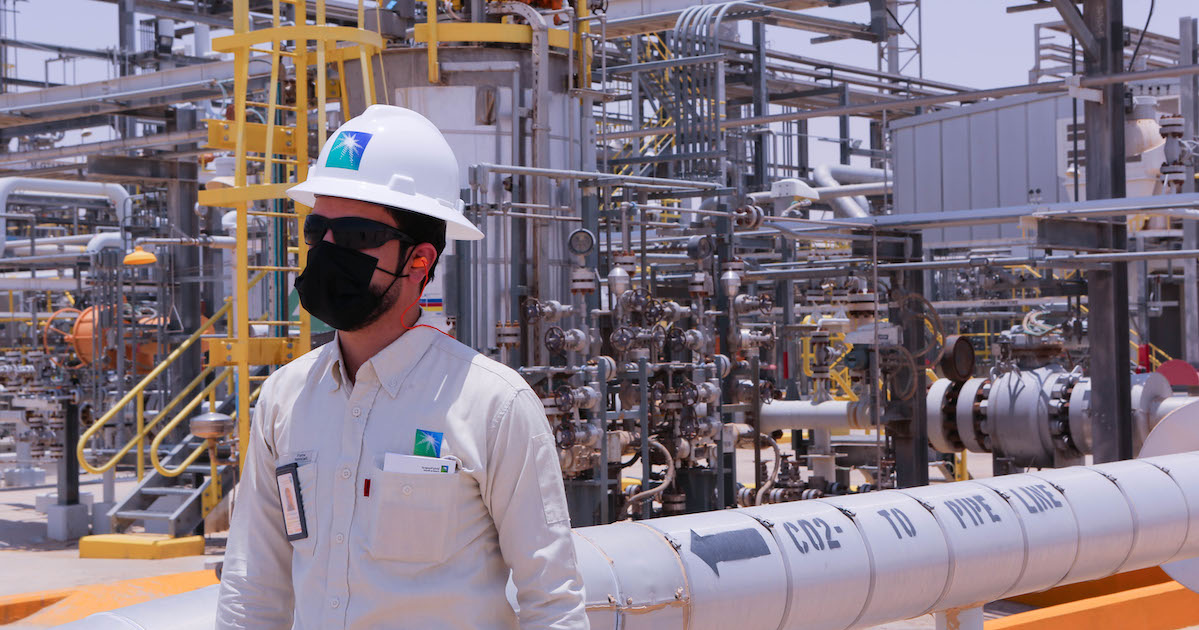
Saudi Aramco seeks to enter the global gas business again. The company aims to build new business opportunities in the hydrogen and CCS sectors utilizing forecasted new domestic gas production. Its main challenges are long-term consistent commodity-cycle-insulated investment and domestic gas resources.
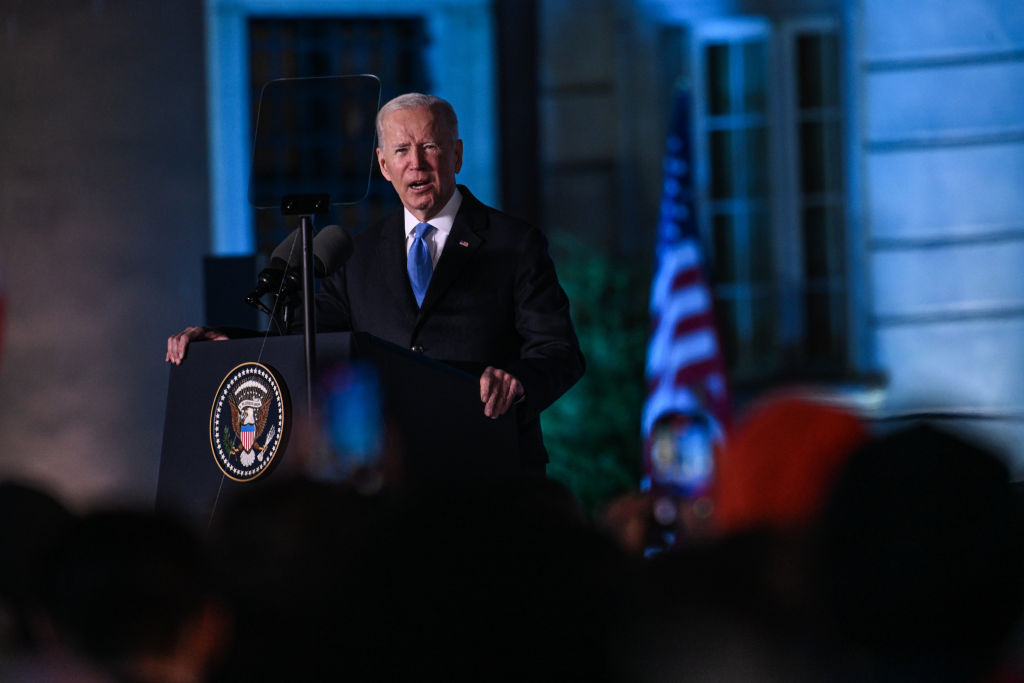
US-Gulf Relations at the Crossroads: Time for a Recalibration
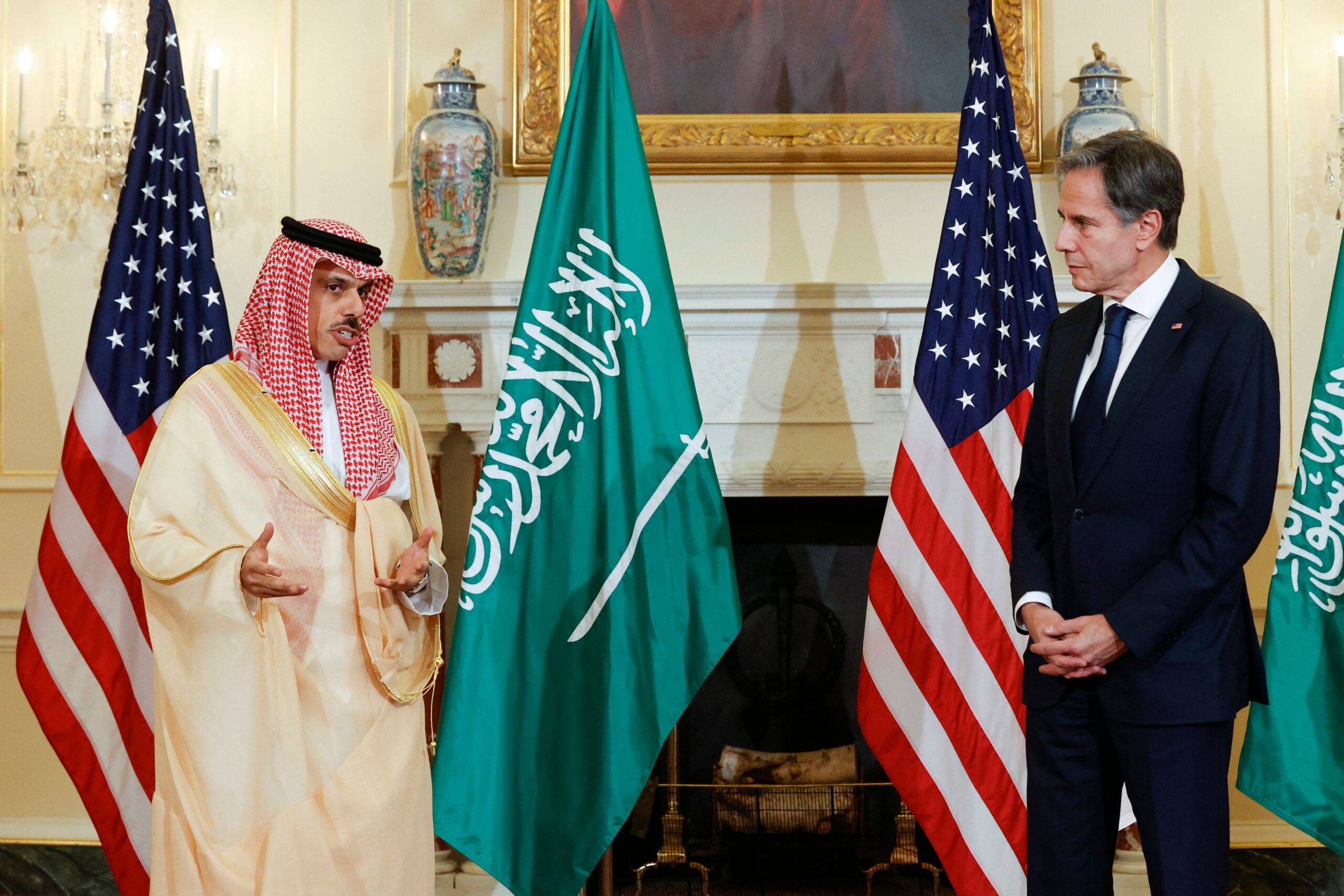
The global response to Russia’s invasion of Ukraine has focused new attention on friction between the United States and its traditional partners in the Gulf and reinforced skepticism regarding the United States’ status as the dominant international partner in the region. It’s time for both sides to identify a realistic way forward that sheds outdated notions of mutual obligation without becoming merely transactional.
How Biden can rebuild U.S. ties with the Gulf states
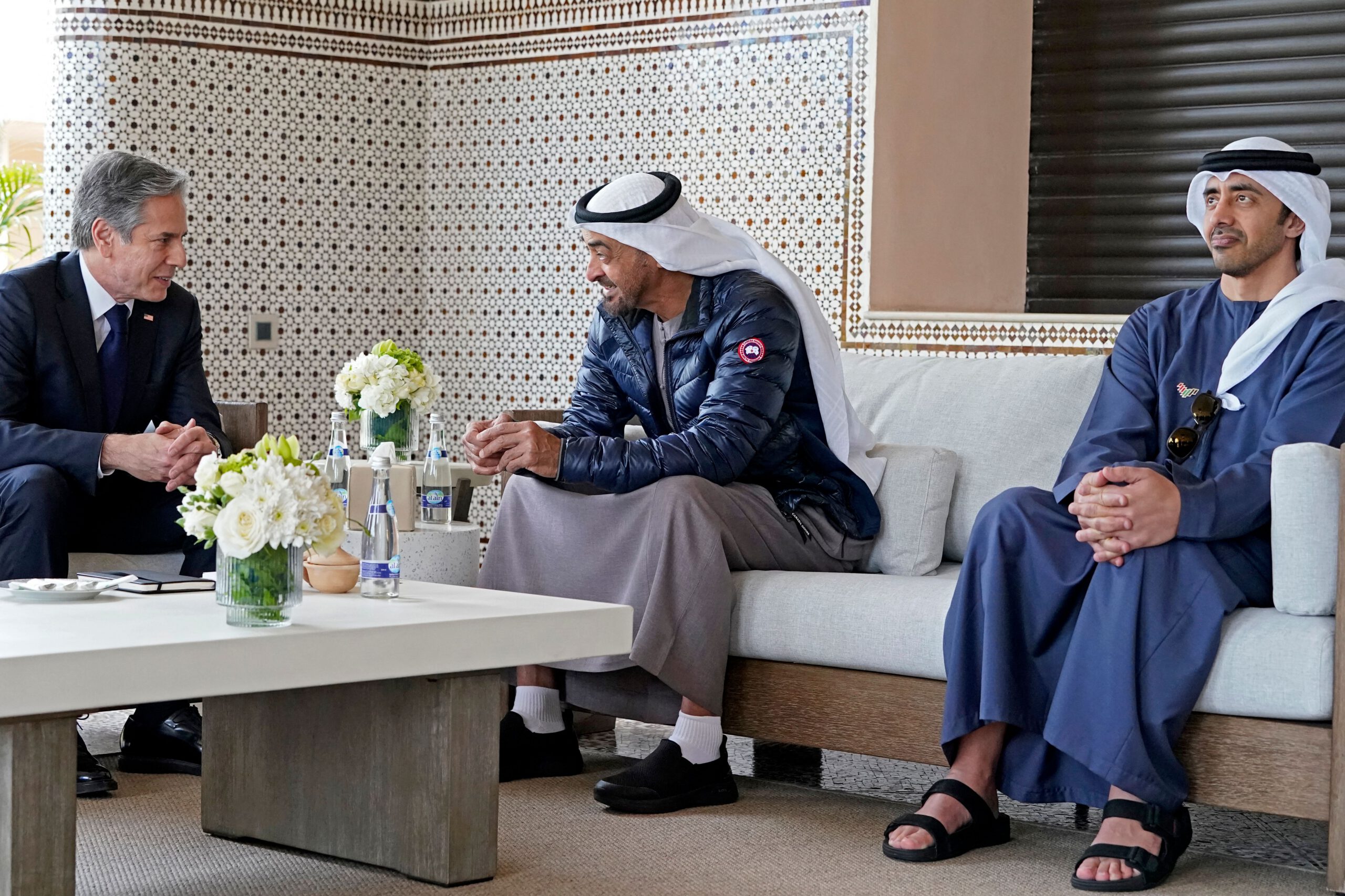
As tensions between the United States and the Gulf monarchies have been laid bare in recent weeks against the backdrop of Russia’s war in Ukraine, spiraling energy prices, and Houthi attacks on Saudi and Emirati territory, it’s clear that there will not be a return to the U.S.-Gulf partnership of the past—but there can be a new understanding between the two sides.
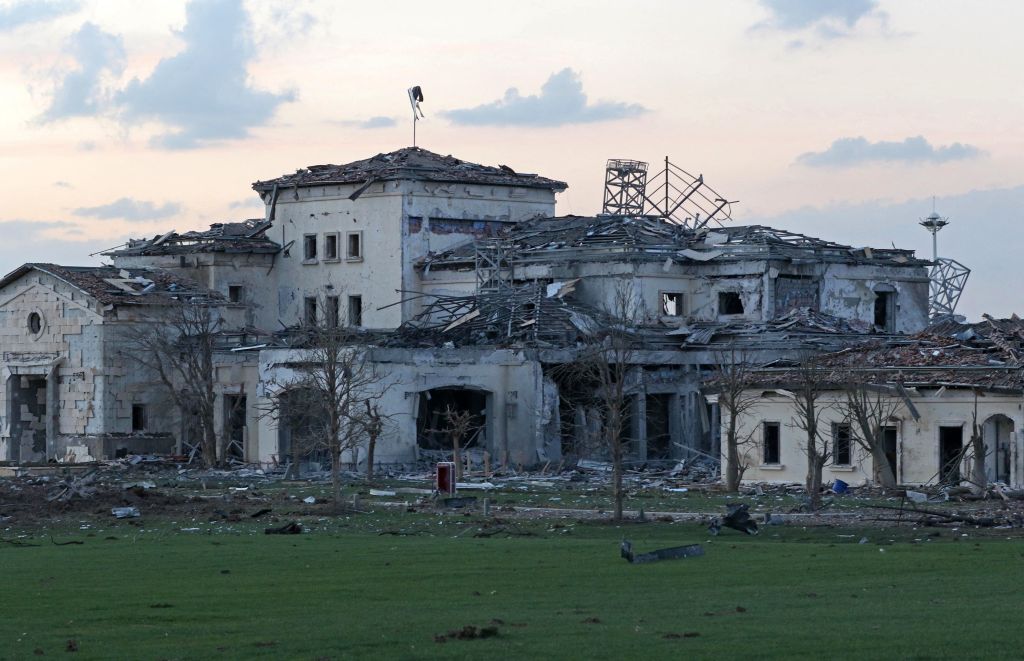
Iraq has refrained from taking a firm position on the war and political opinion on Russia’s conduct is divided along partisan and factional lines. The imposition of sanctions against Russia has complicated its energy investments in Iraq and prospective arms purchases from Moscow and could have a long-lasting adverse impact on the Iraqi economy.
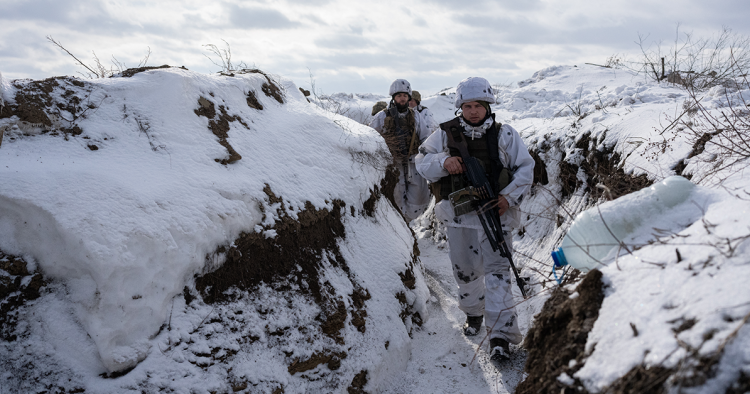
Iulia-Sabina Joja and Charles Lister discuss the parallels between the wars in Ukraine and Syria, the similarities of Russia’s tactics in both conflicts, and what the recent history in Syria may signal for Ukraine in the months ahead.
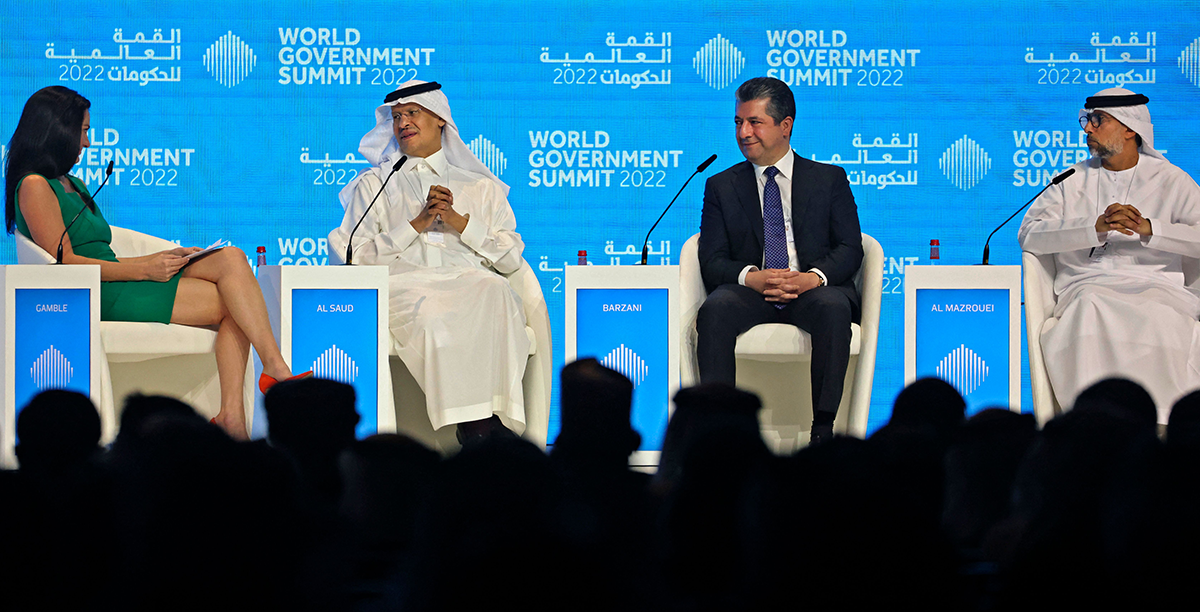
Gulf oil producers feel vindicated, but don’t expect them to turn on Russia
The war in Ukraine has brought back to the forefront the conversation about the need for new investments in oil and gas for the foreseeable future. As the calls multiply for Gulf producers to step in and fill the gap in gas and oil supplies as Russia faces sanctions, producers now feel vindicated after being shunned, and even targeted, at the COP26 in Glasgow last year.
How will the war in Ukraine affect EU-MENA relations?
While most analyses of the war in Ukraine have tended to focus on the intra-European dimension, it is worth exploring the potential consequences of this conflict for the EU’s relations with countries further afield, especially those in the Middle East and North Africa.
Fearing war fatigue in Ukraine or an escalation of tensions with the potential to spill over beyond region, the West is keen to act. But what can the EU and NATO do to help resolve the war in Ukraine?
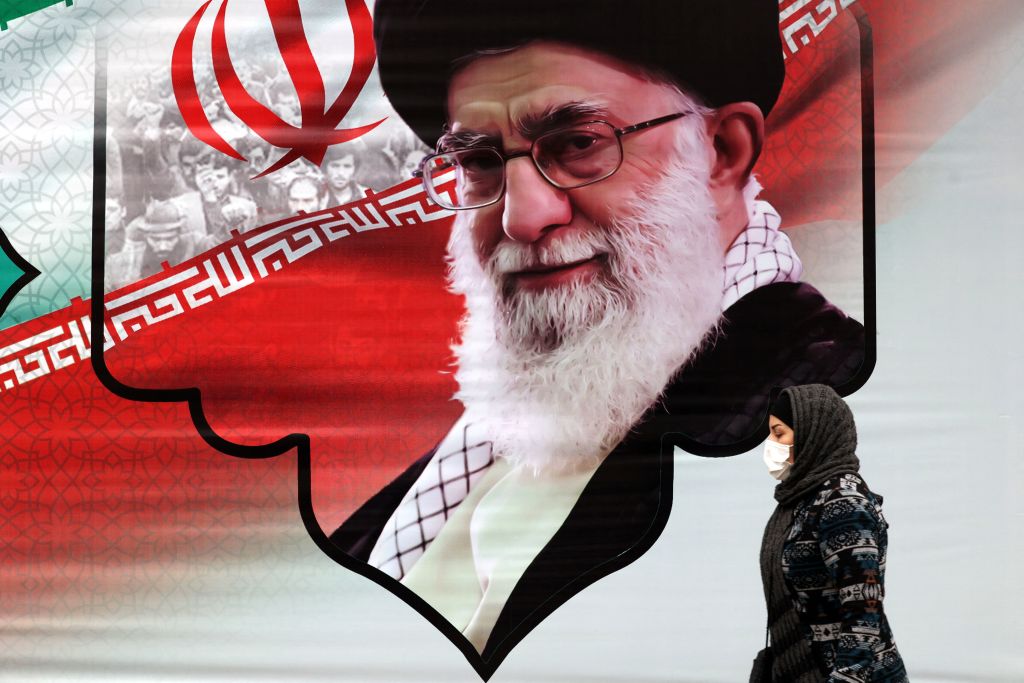
The Russian invasion of Ukraine has been a watershed moment on so many levels for so many countries. Existing political, economic, energy, and transportation channels are being affected across western Eurasia. Countries are maneuvering to minimize the war’s detrimental impact while new trade synergies are being formed at a rapid pace. Most recently, Germany and Qatar signed a long-term energy partnership for the delivery of Qatari natural gas as the Germans look to reduce dependence on Russian supplies. Qatar’s reserves are located in the world’s largest gas field, which it shares with its northern neighbor, Iran.
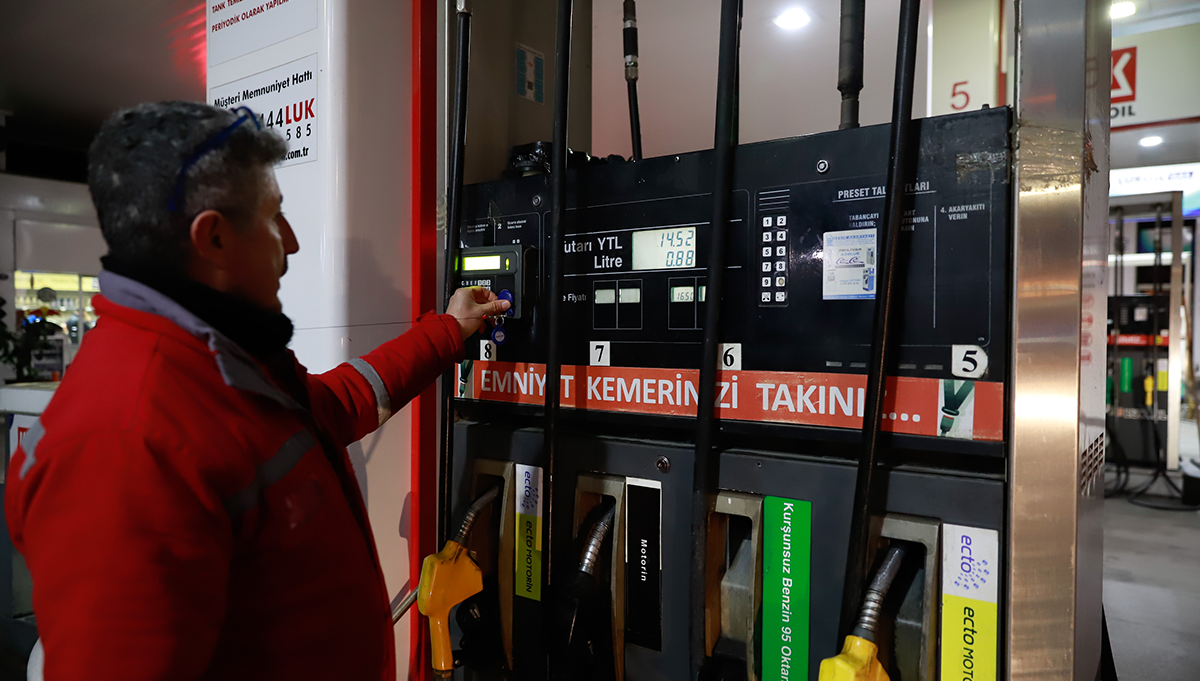
The Ukraine war has upended Turkey’s plans to stabilize the economy
The war in Ukraine couldn’t have come at a worse time for the Turkish economy. Amid the country’s ongoing economic crisis, the government has been implementing extraordinary and unconventional monetary and fiscal policies.
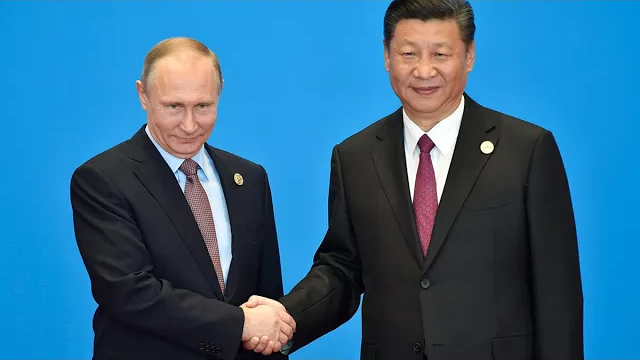
Li-Chen Sim on the China-Russia relationship and its impact on the Middle East
Li-Chen Sim, a non-resident scholar with MEI’s Economics and Energy program, discusses the findings of her recent publication, “Great power projection in the Middle East: The China-Russia relationship as a force multiplier,” co-authored with Jonathan Fulton.
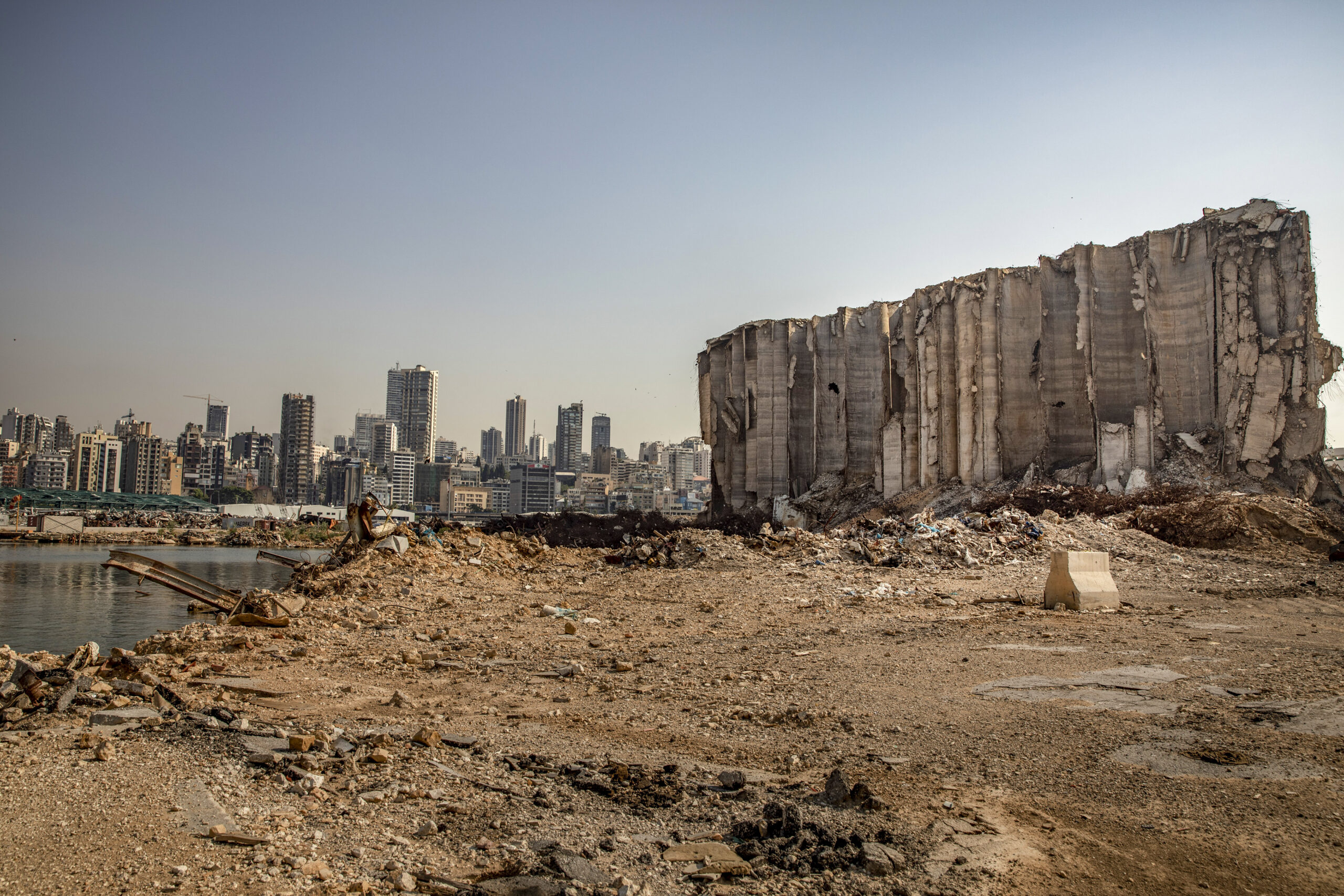
Lebanon is running out of time to avert starvation
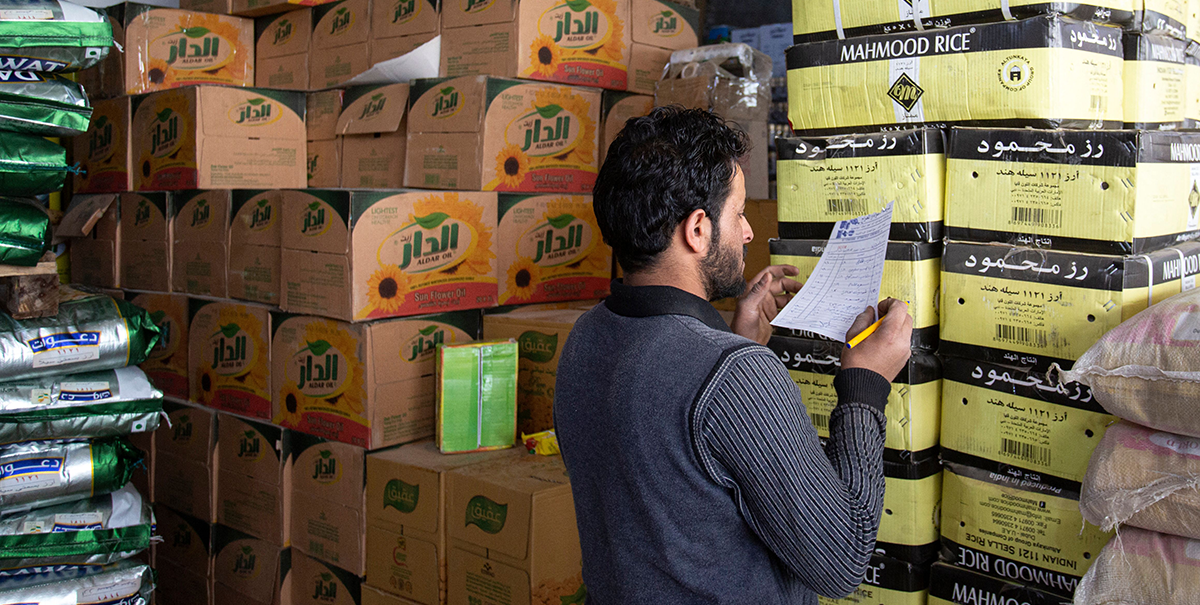
As Russia’s two-week-old war against Ukraine has brought Lebanon’s wheat imports from the besieged Black Sea nation to a complete standstill, the government in Beirut is racing against the clock to avert a catastrophic food crisis.