Transnational Shi’ism in Southern China and the Party-state’s “Hawza” Diplomacy
This article seeks to transcend the Sunni-centered narratives that often inform the discussions on Islamicate interactions with China. Following a cursory historical view of Shi’ism’s influences on Chinese expressions of Islam, the article presents a rough sketch of the contemporary transnational Shi’ite communities that have emerged over the past few decades in southern China, most notably those of Guangzhou (Guangdong) and Yiwu (Zhejiang). It then considers the simultaneous and closely-linked phenomenon, dubbed “hawza diplomacy,” of the Chinese party-state’s growing engagement with the custodial authorities of the Shi’ite shrines of Iraq.
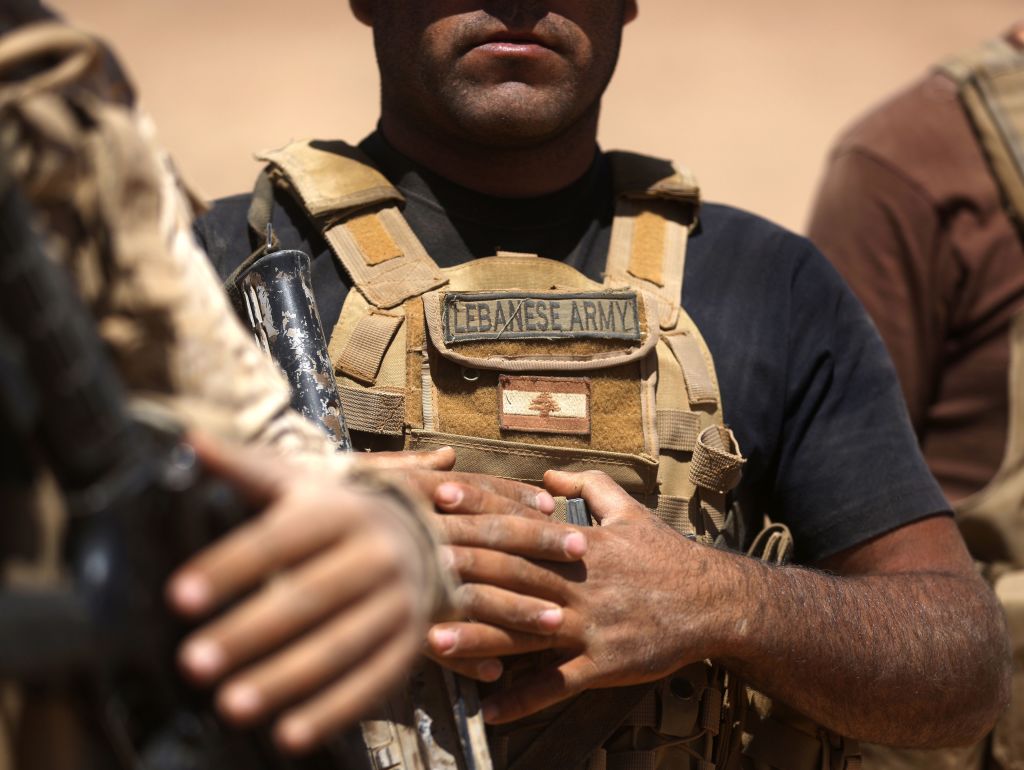
Washington Should Back, Not Punish, the Lebanese Military
With ongoing protests, potential sectarian clashes, and threats of terrorism in the region looming, the country’s armed forces need propping up now more than ever.
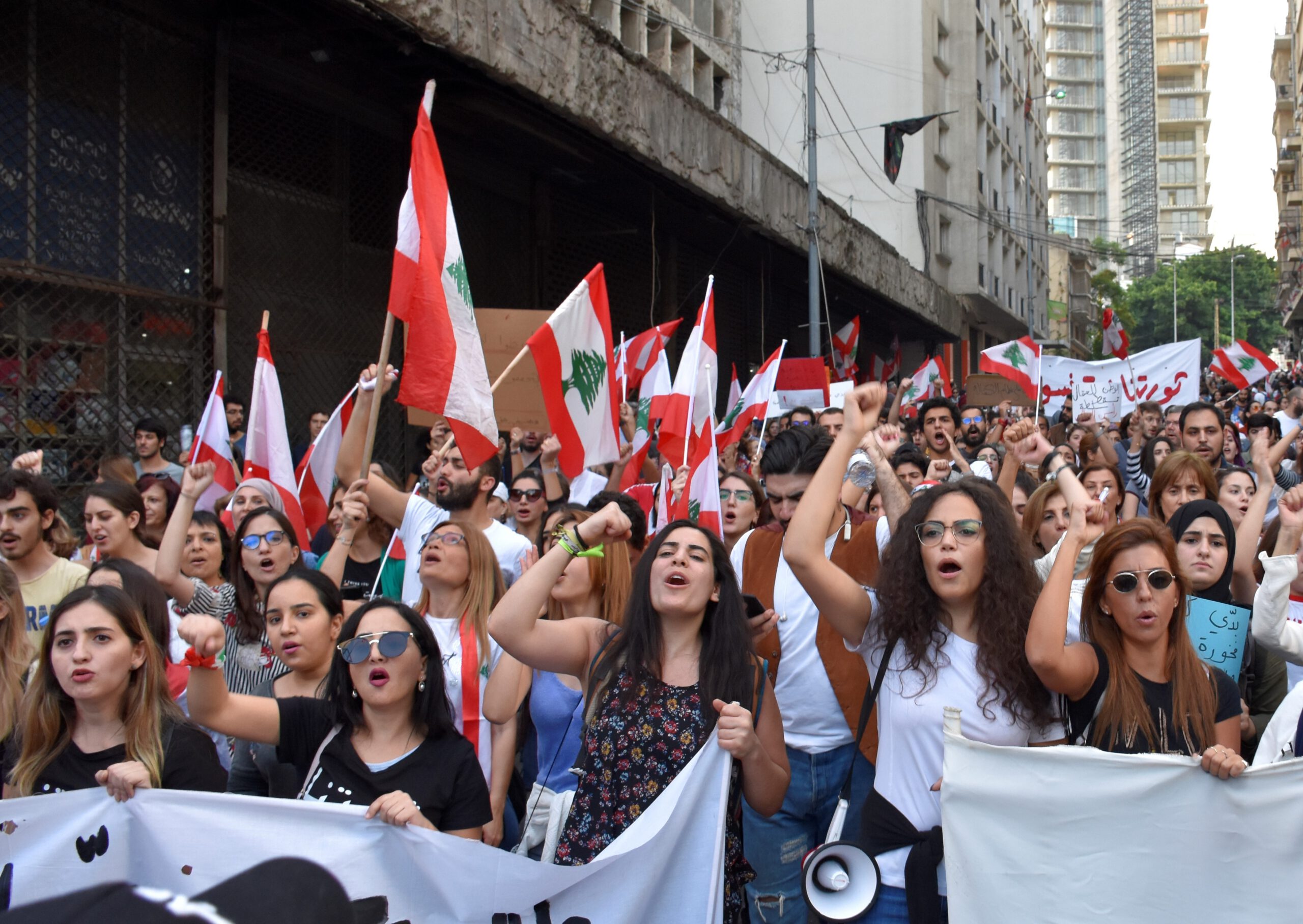
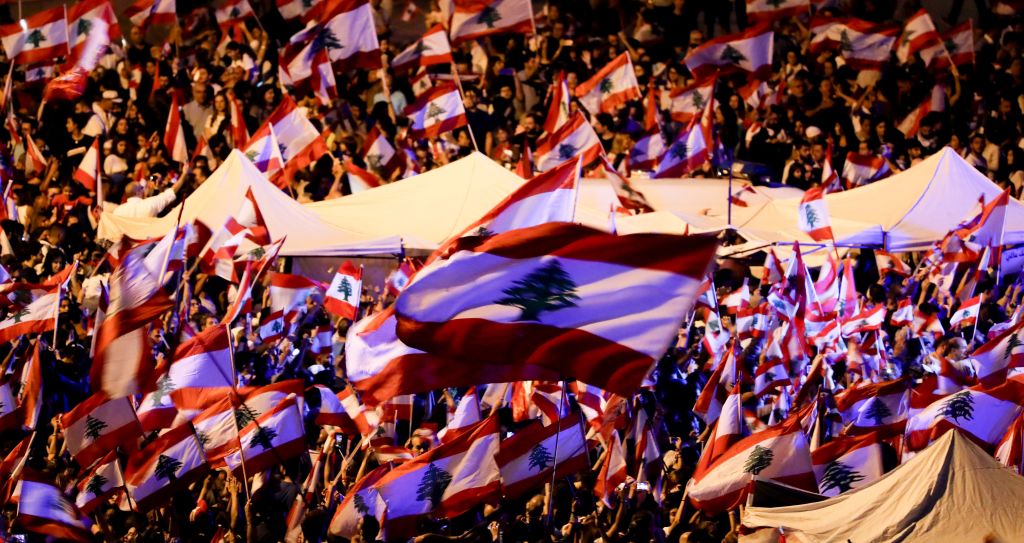
Women and women’s rights are central to Lebanon’s protest movement
On Oct. 29, Prime Minister Saad Hariri submitted his resignation and that of the government, a move that has been hailed as an important victory for the protestors who have taken to the streets across the country for nearly three weeks now. Heralded as al-thawra, or revolution in Arabic, Lebanon is witnessing the rise of an inclusive, decentralized, and grassroots movement that transcends geography, sect, and traditional loyalties to political dynasties and parties.
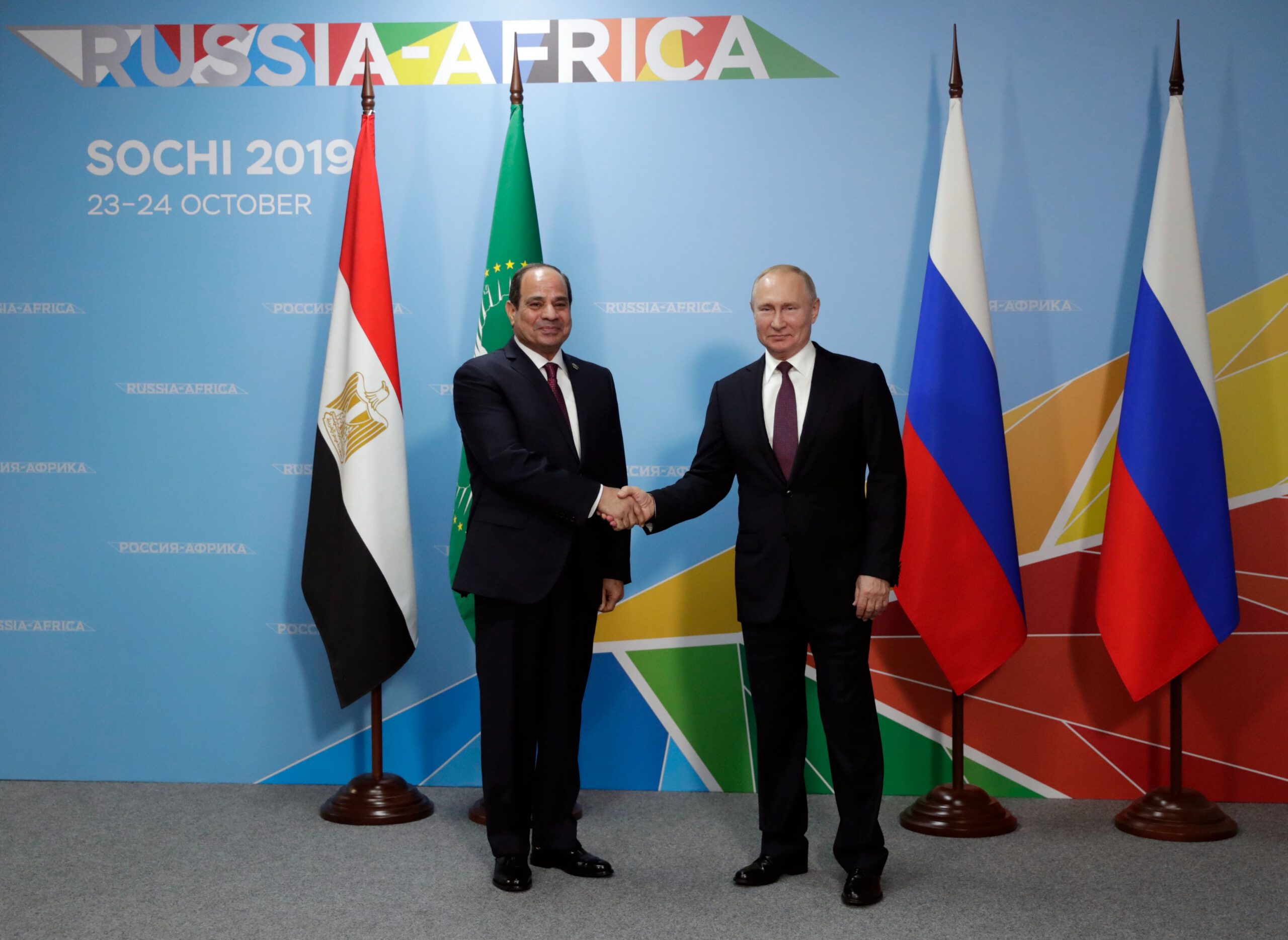
On Oct. 23-24, Russian President Vladimir Putin co-chaired the Russia-Africa Economic Forum in Sochi with his Egyptian counterpart Abdel-Fattah el-Sisi. At the conclusion of the summit, which brought 43 African heads of state to the Black Sea resort town, Sisi emphasized the importance of strengthening Egypt’s partnership with Russia, and Putin described Egypt as a “pillar for security and stability in the Middle East and Africa.”
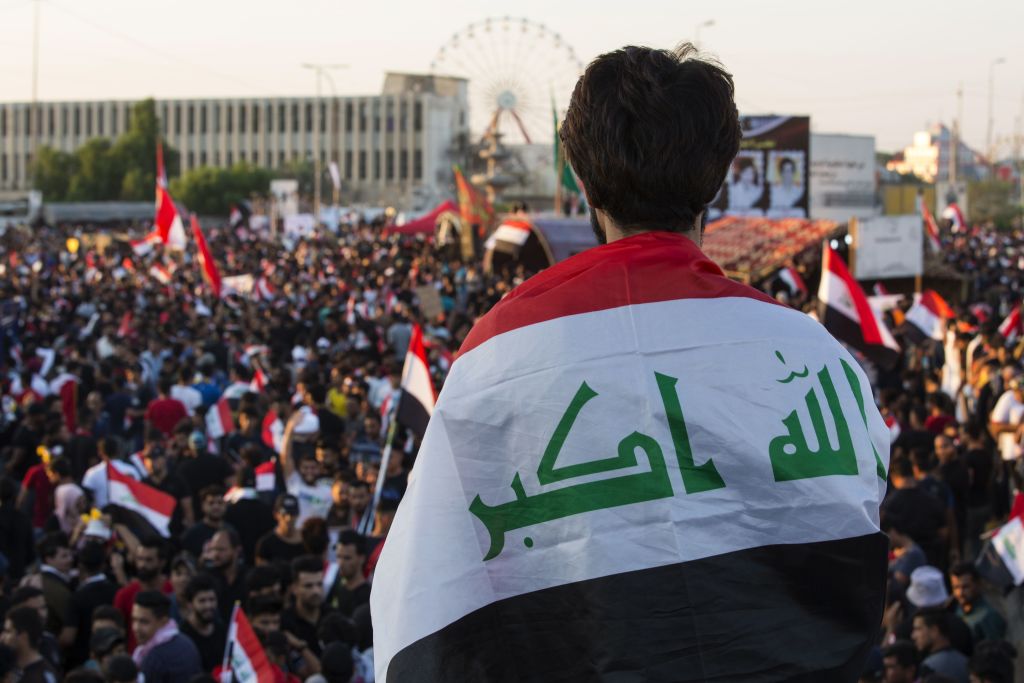
Iraq: Protests and violence continue amid a deepening political crisis
Iranian mediation might bring the two big political blocs to an agreement on a new government, but the protest movement demands only new, clean faces and won’t readily accept another cabinet drawn from discredited political blocs.
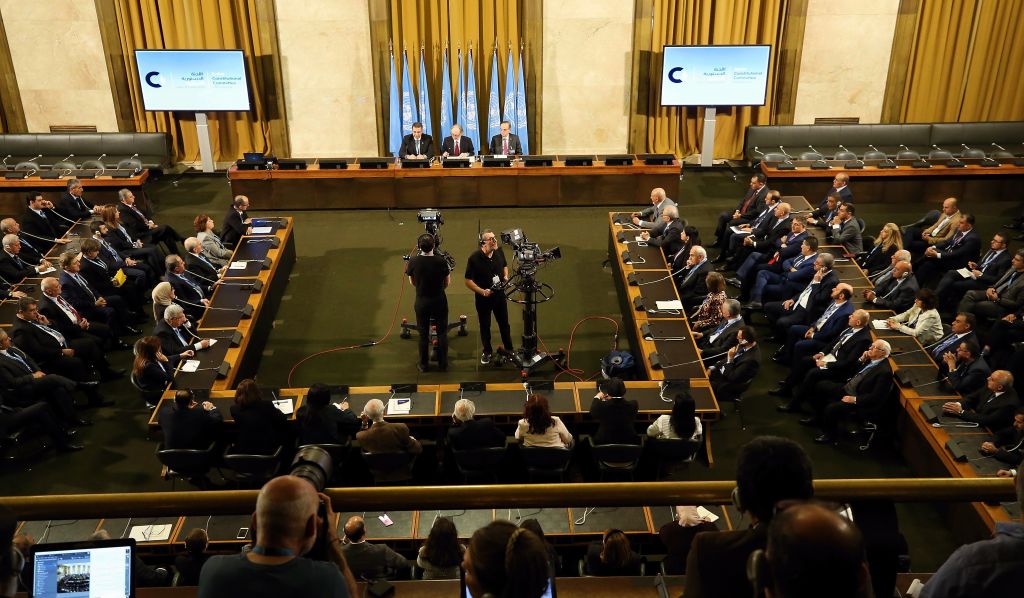
Syria: The most important issues are not yet on the table in Geneva
If the Syrian Constitutional Committee does not address the oppressive security and military apparatus, which are the primary root causes of the Syrian crisis, then its work will not actually effect change in Syria — and so far, reforms of those two sectors are not yet on the table.
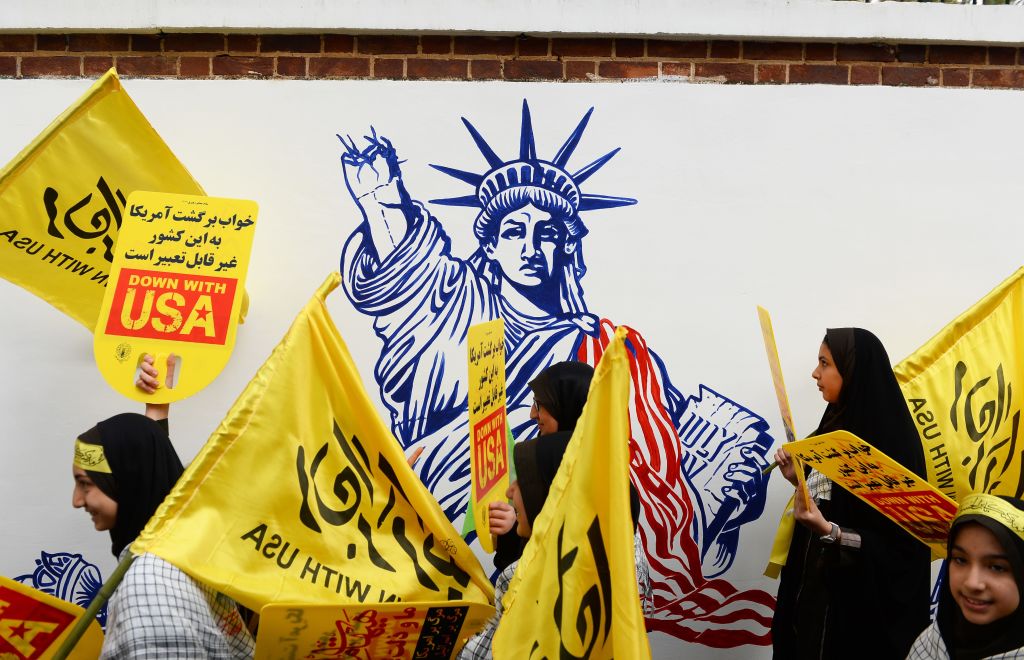
40 years on from the moment that forever changed US-Iranian relations
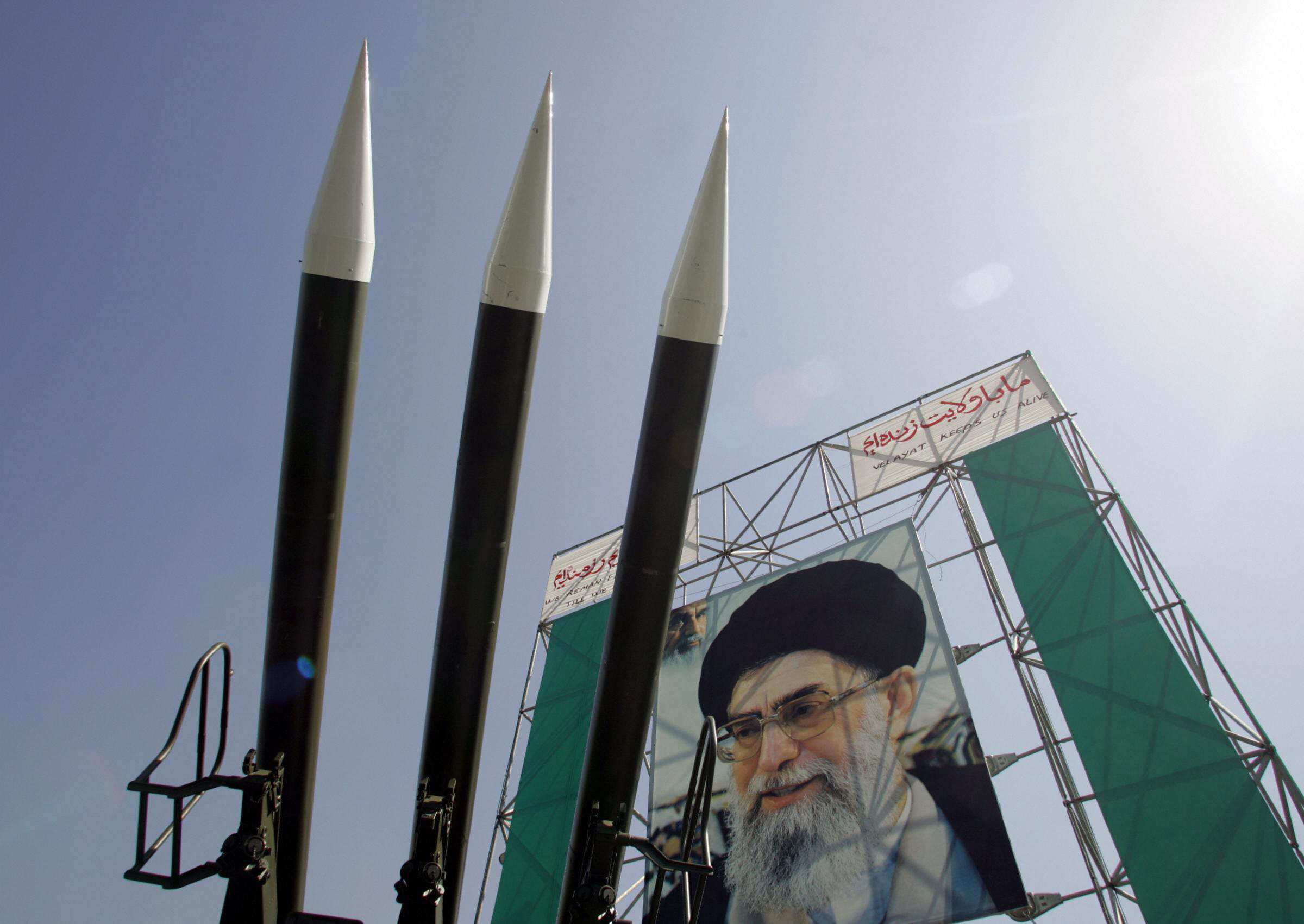
Taking the American diplomats hostage for 444 days consolidated the Iranian revolution around the Khomeinists, but very few people in Tehran today will deny that it came at the great expense of isolating Iran internationally for the past 40 years.
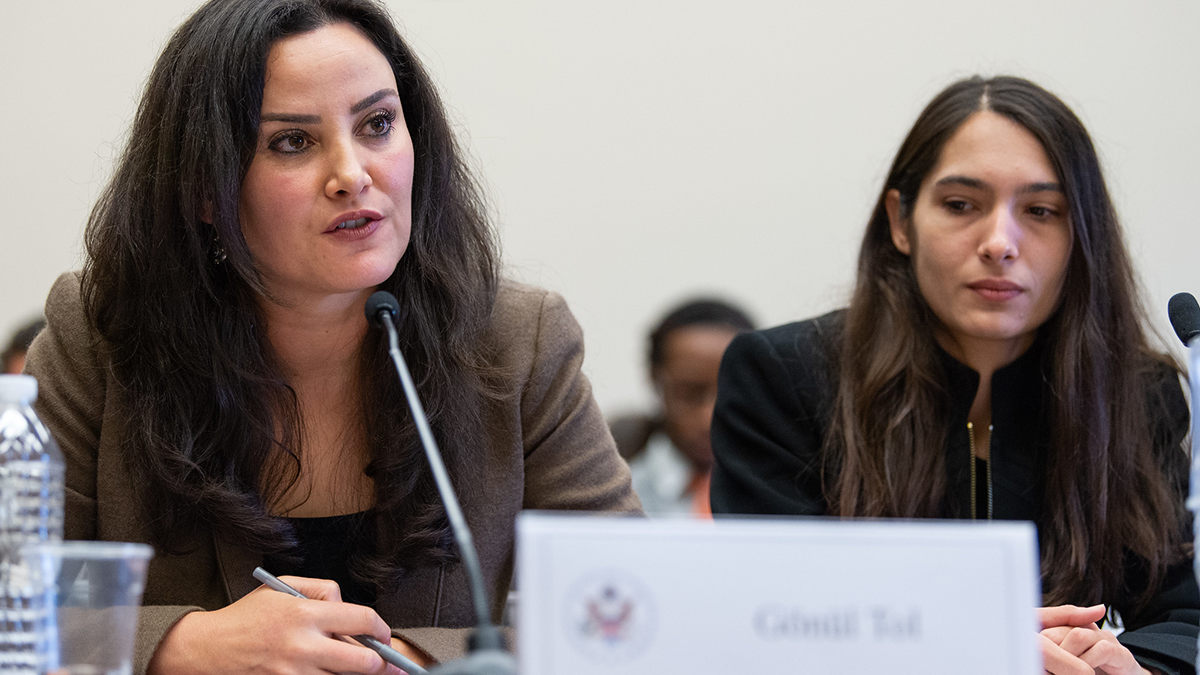
Testimony: The Human Toll of Turkey’s Policy at Home and Abroad
The following testimony was delivered before the U.S. Helsinki Commission at a hearing titled, “At What Cost: The Human Toll of Turkey’s Policy at Home and Abroad,” on October 31, 2019.
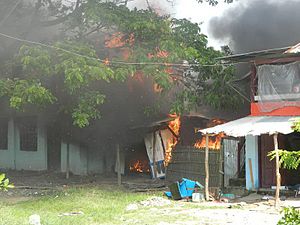
Sectarian-based conflicts — or at any rate, spasms of intercommunal violence characterized as such — are certainly not new. Nor is Iraq or, for that matter, the Middle East as a whole, the only locus of conflict depicted as being sectarian in nature, as the disturbing events in Burma/Myanmar, as well as in the Central African Repubic (CAR) and Nigeria clearly illustrate. With increasing frequency, media accounts of the civil war in Syria describe it in sectarian terms and report that the violence there has inflamed “sectarian tension” throughout the Gulf and beyond.
MEI’s Paul Salem and Randa Slim join host Alistair Taylor to discuss the nationwide protests that have swept through Lebanon and Iraq this week resulting in political and economic turmoil as well as crackdowns by security forces. Where do things go from here?
Facebook’s lawsuit against Israeli tech firm: The private sector and new cyber tension in the Middle East
Recent legal action by tech giant Facebook has critical implications for the rise of private sector actors in the fight for dominance and security in the Middle East cyber domain. On Oct. 29, Facebook filed a lawsuit against the Israel-based company NSO Group for allegedly breaching users of the Facebook-owned communications platform WhatsApp.
Saudi Arabia’s quick fix of Yemen’s southern conflict will face a durability problem
After violent confrontations with the government of Yemen and repeated struggles for autonomy, members of the Southern Transitional Council (STC), which represents a political movement that calls for secession, appeared satisfied with the terms of a deal that will be signed with the government of Yemen in Riyadh on Oct. 31. The Saudi-brokered agreement united the conflicting parties in their fight against the Iran-backed Houthis, with a strong vision aimed at stopping any side-show that could endanger this effort.
Justice and the rule of law: The World Bank in need of reinventing itself
Today, on the streets of Iraq, Lebanon, Egypt, Algeria, Tunisia, Morocco, and other countries, we hear the demands of the youth, asking for justice, governance, dignity, and jobs. In contrast to these demands, we see governments unwilling or unable to move towards systems of governance that would ensure transparency, accountability, and fair competition for all. Corruption can only be vanquished if transparency, a rigorous justice system, and credible redress mechanisms are put in place. The World Bank can and must re-engage on that path.